Key Takeaways
Ready to make menopause your power move in 2026? Here’s your ultra-scannable cheat sheet for understanding, tracking, and navigating every stage—with science-backed strategies, digital tools, and real-world solutions you can apply now. These takeaways put the latest evidence and practical advice front and center, so you stay sharp, healthy, and in control on your own terms.
- Menopause is a three-stage journey—perimenopause, menopause, and postmenopause—each with distinct symptoms and health priorities starting as early as your 40s.
- Hormonal shifts affect more than periods, impacting everything from sleep quality and mood to heart health and bone strength—so tracking daily changes is essential.
- Personal symptom tracking unlocks smarter care; use apps or journals to monitor triggers, symptom clusters, and progress for truly tailored medical or lifestyle solutions.
- Science-backed lifestyle tweaks—150 minutes of activity, a Mediterranean diet, and sleep hygiene—consistently ease symptoms like hot flashes, weight gain, and mood swings.
- Today’s hormone therapies and nonhormonal options are safer and highly personalized, letting you co-design treatment plans with expert providers to fit your risk profile and goals.
- Mind-body tools and social connection are proven symptom-busters, with techniques like daily mindfulness, yoga, and strong support networks cutting mood and stress issues by up to 30%.
- Routine health monitoring is non-negotiable—annual checks for bone, heart, and mental health spot risk early, empowering proactive choices that boost long-term well-being.
- Your menopause care should adapt as you do; blend tracking apps, regular provider check-ins, and evolving evidence to keep your roadmap effective and centered on your needs.
Menopause in 2026 is about more than surviving—embrace these essentials to confidently transform every chapter. Dive into the article for deeper strategies and actionable tools!
Introduction
Imagine you’re leading back-to-back meetings, sleep’s a distant memory, and your smartwatch pings a reminder that you haven’t moved in two hours—when suddenly, a wave of heat and irritability hits. You’re not alone: more than 1.3 million women in the U.S. enter menopause every year, and tech-savvy professionals like you are demanding a smarter, more personalized roadmap.
What if you could navigate menopause as confidently as you navigate your inbox? 2026 brings a wave of innovation—from AI-powered symptom trackers to digital clinics offering real-time health analytics—giving you practical, data-driven strategies to thrive during perimenopause, menopause, and beyond.
Forget vague advice or old-school myths. Your menopause journey is unique—no two experiences are alike, and your plan shouldn’t be cookie-cutter. This essential roadmap is designed for high-achievers who want:
- Actionable ways to track and interpret symptoms—using tech tools that fit seamlessly into your day
- Evidence-based lifestyle tweaks that deliver real results for mood, energy, and long-term health
- Groundbreaking treatment options, from the newest hormone therapies to holistic mind-body strategies
- Smart routines for bone, heart, and mental health monitoring—so you stay ahead of the curve, not caught off guard
- Guidance for building a dynamic, adaptive care plan with experts and digital resources on your terms
Why does this matter right now? Because women in business, marketing, and tech face a convergence of cognitive, physical, and workplace changes during menopause—often with the added complexity of remote work, relentless pace, and 24/7 connectivity.
You’re about to uncover how to spot every stage, fine-tune your routine, and leverage innovations that transform menopause from a mystery into a manageable milestone.
Ready to see how the science, technology, and tools of 2026 are rewriting the menopause playbook? Let’s start with a clear-eyed look at what’s changing, what to expect, and why your personalized approach matters more than ever.
Understanding Menopause in 2026: Stages, Symptoms, and What’s Changing
Menopause isn’t just about “the end of periods”—it’s a dynamic, evolving transition that millions of women are navigating with more knowledge and agency than ever before.
In 2026, menopause is officially recognized as a three-stage journey:
- Perimenopause: Usually starts in your 40s, marked by hormone fluctuations and unpredictable cycles.
- Menopause: Technically begins after 12 months without a period. Most women in the U.S. reach this milestone around age 51.
- Postmenopause: The years that follow, when long-term health risks (like bone loss or heart changes) step into the spotlight.
Picture this: A woman, aged 48, noticing inconsistent sleep and sharper mood swings—small red flags signaling the start of perimenopause.
Key Hormonal Shifts and Why They Matter
The main actors here are estrogen and progesterone—hormones that drop dramatically during menopause, creating a ripple effect in nearly every system.
Experts call this the “hormonal rollercoaster,” with visible, day-to-day impacts like:
- Hot flashes and night sweats
- Mood changes and anxiety
- Memory lapses and “brain fog”
- Disrupted sleep, often due to temperature swings
This is more than inconvenience. “Menopause can shift your cognitive clarity, body shape, and even your relationship with food—almost overnight.”
The Essential 11: Common and Overlooked Symptoms
Beyond the classics, clinical data up to 2026 spotlights a broader range of experiences.
You might notice:
- Joint pain or stiffness
- Sexual discomfort or dryness
- Weight gain around the midsection
- Heart palpitations
- Fatigue or energy dips
- Changes in skin texture/hair thinning
- Digestive changes and bloating
- Loss of libido
- Migraines or new headaches
- Tingling extremities
- Increased anxiety or depressive symptoms
Curious about the full list or want the science behind each? Dive deeper in: Unlocking Menopause Symptoms.
2026 Trends, New Understandings, and Myth-Busters
Forget what you “heard” about menopause being just hot flashes.
Recent studies show:
- Cognitive and cardiovascular changes are now front and center.
- Symptom severity and duration can range dramatically based on genetics, lifestyle, and even your job stress or tech use habits.
Top menopause myths (busted):
- Menopause means automatic weight gain (false—modifiable factors dominate)
- You’ll be “back to normal” after a year (most women notice evolving changes for 5+ years)
- There are no effective treatments (2026 sees groundbreaking personalization and tech-enabled care)
Menopause in 2026 is about understanding your unique roadmap—from early symptom tracking to real-time data-driven care. The most powerful first step? Know the stages, learn the symptoms, and embrace evidence-based updates as your foundation for thriving, not just surviving.
The Menopause Symptom Spectrum: What You Might Experience
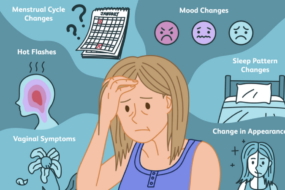
Menopause shows up differently for every woman—think of it as a spectrum, not a checklist. While over 80% experience hot flashes and night sweats, others grapple with mood swings or sleep disruptions first.
What Are the Most Common Menopause Symptoms?
Most women will notice a mix of these core symptoms during the menopause journey:
- Hot flashes and night sweats (affecting up to 75% of women)
- Mood changes: anxiety, irritability, sudden tearfulness
- Sleep disturbances: insomnia, waking up drenched or restless
- Weight gain and slower metabolism
- Vaginal dryness and decreased libido
- Cognitive shifts: “brain fog,” trouble focusing
- Joint aches or muscle discomfort
You might relate to one or all—picture someone tossing blankets off at 2 AM then forgetting why she walked into the kitchen the next morning. No two “menopause stories” look exactly the same.
Why Do Experiences Vary So Much?
Here’s what can affect symptom severity and timeline:
- Genetics: Family history shapes onset and transformation
- Lifestyle: Diet, activity, smoking, and stress all play roles
- Comorbidities: Conditions like PCOS or thyroid can amplify effects
- Recent research shows women with higher daily stress levels report longer and more intense symptom clusters.
Some may breeze through in a year, while others notice symptoms lingering for up to a decade—data shows average duration of hot flashes stretches from 7 to 11 years.
Tracking and Understanding Your Unique Pattern
To get the best support, track your symptoms. Try these strategies:
- Use a menopause app or simple journal to log:
- Sleep quality
- Hot flash frequency
- Mood episodes
- Changes in weight or periods
- Group symptoms (e.g., physical vs. emotional) for clarity during medical appointments.
- Note daily triggers—foods, caffeine, alcohol, or stress spikes.
“Think of tracking your menopause symptoms like debugging software—identify patterns, isolate glitches, and fine-tune your approach with clarity.”
The Hidden Side: Emotional & Mental Health
Don’t overlook your emotional well-being—mood shifts, anxiety, and even depression can surface or intensify. If this resonates, explore deeper strategies in “The Emotional Side of Menopause: Transformative Mindset Shifts.”
The big takeaway? Your menopause experience is as unique as your fingerprint—being proactive about tracking and discussing your symptoms helps you get treatment that’s genuinely tailored to you.
Lifestyle Modifications That Lead to Transformation
Exercise and Physical Activity
Regular movement is one of the most proven ways to alleviate menopause symptoms—think fewer hot flashes, steadier moods, and stronger bones.
Here’s the current evidence-based recipe:
- 150 minutes per week of moderate cardio (walking, cycling, swimming)
- 2–3 strength sessions weekly for muscle and bone health
- Flexibility/balance activities (yoga, tai chi) for joint comfort and stress relief
If the gym isn’t your scene, picture this: a ten-minute power walk between meetings or yoga in your living room—both deliver real benefits.
“A little, done often, changes everything—with menopause, consistency trumps intensity.”
Imagine using fitness tech—a smartwatch pinging you at the desk—to squeeze in 200 steps every hour.
Dietary Shifts for Menopausal Health
The Mediterranean-style diet continues to rise in 2026 for a reason: it’s packed with fiber, healthy fats, and nutrients that support midlife health.
To optimize your daily plate:
- Prioritize vegetables, whole grains, lean proteins, and healthy fats
- Aim for 1,300 mg calcium and 400 IU vitamin D (think leafy greens, nuts, and fortified foods)
- Add phytoestrogens like soy and flaxseed for potential extra symptom relief
Smart swaps? Limit processed foods, added sugars, excessive caffeine, and alcohol—current data links them with more severe symptoms.
“How you fuel your body now rewrites your menopause story tomorrow.”
Mastering Menopause Weight Gain
Hormones can shift how—and where—your body stores weight after 40.
Skip the miracle claims and adopt these evidence-driven strategies:
- Track portion sizes and embrace slow, mindful eating
- Add strength training to boost metabolism
- Prioritize sleep and manage stress to avoid emotional eating
Remember, the nine most reliable fixes are detailed in our action plan (“Mastering Menopause Weight Gain”).
Your weight story isn’t just the scale—it’s about energy, confidence, and health.
Sleep Hygiene: Getting the Rest You Deserve
Insomnia and night sweats strike hard for up to 60% of women in menopause.
Here’s what works now:
- Keep rooms cool and invest in breathable bedding
- Use tech—like sleep trackers or white noise apps—to hack your routine
- Develop wind-down rituals: dim lights, limit screens, and try gentle stretching before bed
Social snippet: “Great sleep is the new superpower—curate your evenings, and mornings transform.”
Other Lifestyle Considerations
Small tweaks pack a punch:
- Quit smoking and limit alcohol for lower heart and bone risk
- Reduce caffeine and explore hobbies that ease stress
- Keep learning, creating, and connecting—these boost emotional health
When you build habits intentionally, each change creates a ripple through your mood, sleep, and long-term health.
Every micro-shift counts, and the best time to start reinventing your menopause experience is right now.
Medical Management: Evidence-Based Treatment Strategies
Hormone Therapy (HT): What’s New in 2026
Hormone therapy (HT) is still the gold standard for moderate-to-severe hot flashes and night sweats—but the 2026 guidelines now prioritize individualized risk assessment and timing.
HT is typically recommended for women under 60 or within 10 years of menopause onset, unless clear contraindications exist.
You and your provider will likely discuss:
- Delivery types: Pills, skin patches, gels, sprays, and low-dose vaginal rings or tablets
- Risk vs. benefit talks: Assess cancer, cardiovascular, and clot risks using updated clinical calculators
- Personalization: Tailoring dose, formulation, and duration based on your medical history and symptoms
Major studies now show modern low-dose HT formulations can minimize side effects and target symptoms more precisely.
Picture this: You're reviewing your “symptom diary” and together with your doctor, choosing a hormone therapy plan that suits both your body and your lifestyle.
“Personalized HT is about finding your unique hormone fingerprint—not a one-size-fits-all script.”
Nonhormonal Therapies and Alternatives
Not everyone can or wants to use hormones—2026 brings evidence-backed alternatives that go way beyond the placebo.
Current first-line nonhormonal options include:
- SSRIs/SNRIs (antidepressants): Effective for hot flashes, especially if you have mood symptoms
- Gabapentin or clonidine: May ease night sweats, sleep issues
- Vaginal estrogen: Local relief for dryness with negligible systemic risk
- Cognitive Behavioral Therapy (CBT): Clinical trials confirm reduced distress from vasomotor symptoms and insomnia
It’s common to blend options—imagine pairing a low-dose SSRI for hot flashes with CBT for sleep and anxiety.
“Menopause relief in 2026 is all about stacking smart, science-based solutions instead of chasing quick fixes.”
Choosing Your Treatment Path
Your ideal plan hinges on weighing your symptoms, health history, lifestyle preferences, and affordability.
Start by:
- Ranking which symptoms matter most day-to-day
- Reviewing your heart, bone, and cancer risk profile with a provider
- Checking insurance; HT costs vary (~$15–$50/month for generics), and nonhormonal meds may require prior authorization
Fast-forward to your next appointment: arrive with a prioritized symptom list, coverage info, and questions about new guidelines—shared decision-making is the 2026 norm.
“You’re not just following a protocol—you’re co-designing a menopause roadmap that works now and adapts as you do.”
Cut through confusion by accessing up-to-date resources, like “7 Proven Menopause Treatments That Actually Work in 2026,” and trust that today’s tools let you blend medical and holistic options seamlessly.
The big takeaway: Effective menopause care in 2026 means matching evidence-based strategies to your changing needs, with your goals at the center every step of the way.
Holistic & Natural Approaches: The Complete Picture
Mind-Body Techniques for Stress and Mood
Mind-body practices are gaining traction for menopause support—and for good reason. About 30% of women report lasting mood improvements with daily mindfulness or meditation by 2026.
You could picture this: you're at your desk, stress building—so you pause, close your eyes, take five deep breaths. Suddenly, your nervous system gets that reset it needs.
Key techniques proven to help include:
- Mindfulness meditation: Five to ten minutes daily can noticeably reduce anxiety and emotional swings.
- Deep breathing and body scans: Quick tools for in-the-moment relief from stress or hot flashes.
- Yoga, tai chi, and gentle stretching: These movements combine flexibility with grounded calm. Try adding two 20-minute sessions per week—it’s an investment in your mental clarity.
“Sometimes, giving your mind ten quiet minutes outperforms any supplement.”
Social and Emotional Wellness
Take it from decades of data: women with active social circles have fewer severe menopause symptoms. In 2026, online forums and virtual meetups are just as valuable as in-person gatherings.
Ways to strengthen your emotional support net:
- Join a support group (virtual or local)—sharing experiences drops isolation risk by up to 40%.
- Prioritize close friendships and schedule regular catch-ups (even quick coffee dates or phone calls count).
- Express your needs to loved ones—try, “I’m learning how to navigate these changes; here’s what helps.”
Need inspiration for a mindset shift? Imagine reframing menopause as a new beginning—“Think of this stage not as an end, but as your built-in reset button.”
Non-Pharmacological Remedies
Curious about natural supplements? You’re not alone—more than half of women try something holistic, but only a few options show real promise.
Here’s what current evidence says:
- Black cohosh and evening primrose oil may ease mild hot flashes for some, but results are mixed and costs range from $10-$40/month.
- Flaxseed, soy, and red clover contain phytoestrogens; their effect is typically mild but safe for most.
- Always ask your provider—some supplements interact with medications or health conditions.
Red flag: “If it sounds too good to be true or promises overnight results, pause and check the science.”
For 2026, the most impactful holistic strategies blend daily mind-body rituals, social connectedness, and cautious use of natural aids—customized to your needs and monitored with trusted support. This approach keeps you in the driver’s seat, embracing change with both resilience and optimism.
Routine Health Monitoring: Staying Ahead of Long-Term Risks
Bone Health and Osteoporosis Prevention
Menopause is the start of a new chapter—one where bone strength becomes your secret weapon against long-term health threats.
Estrogen declines can trigger bone density loss, with the average woman losing up to 20% of bone mass in just five to seven years after menopause.
To stay ahead, integrate these essentials:
- Schedule a DEXA scan around menopause onset or by age 65 (earlier if you have risk factors)
- Aim for 1,300 mg of calcium and 400 IU of vitamin D daily through food and/or supplements
- Move your body regularly—weight-bearing exercise, like walking and resistance training, builds bone strength
New early-detection tools, including bone health apps and smart trackable devices, make it easier to monitor changes before they become problems.
Picture this: a future you who never has to think about fractures, just because you checked your status early and often.
“Strong bones are the foundation—literally—of healthy living at any age.”
Heart Health Surveillance
Post-menopause, your risk of heart disease doubles, and cardiovascular screening should become as familiar as that morning cup of coffee.
Take the reins with:
- Annual cholesterol checks—LDL should stay under 100 mg/dL for optimal heart health
- Monitor blood pressure regularly—aim for less than 120/80 mmHg
- Adopt heart-healthy habits such as a Mediterranean diet, mindful movement, and smoking cessation
Tap into smartwatches and mobile apps that track metrics in real time, giving you data backed by actionable insights.
Imagine using a wearable to catch a tiny blood pressure spike early, and high-fiving yourself for sidestepping a major health scare.
“Your numbers are a map—not a mystery. The sooner you know them, the better your journey.”
Mental Health Check-ins
It’s time to normalize mental health check-ins—because menopause isn’t only about hot flashes; 60% of women report mood swings, anxiety, or brain fog.
Here’s how to build emotional resilience on your roadmap:
- Screen for anxiety and depression at every wellness visit—even mild symptoms matter
- Ask for referral or support if you notice persistent sadness, sleep changes, or trouble concentrating
- Map out annual check-ins with your healthcare team to keep mental wellness top of mind
Picture yourself mentally lighter, more focused, and free to spend energy on what excites you—not what weighs you down.
“Routine self-check-ins turn ordinary care into extraordinary self-advocacy.”
For 2026, every woman deserves a proactive, digital-first approach to health monitoring. By tuning in early—bones, heart, and mind—you make empowered choices that support a thriving, active life at every stage.
Personalized Menopause Care: Your Roadmap in 2026
Working with Expert Providers
Finding the right partner for your menopause journey means seeking out healthcare professionals who specialize in menopause care.
Picture this: You meet with a practitioner who’s up to speed on the latest clinical recommendations for 2026, listens to your story, and partners with you—no one-size-fits-all scripts.
To spot menopause-savvy providers:
- Look for certifications in menopause management (like NAMS Certified Menopause Practitioners)
- Search for clinics focused on women’s midlife health
- Ask about recent continuing education in menopause care
During appointments, expect a plan customized to you, with:
- Shared decision-making—your voice matters
- Thorough risk assessment based on your lifestyle, health history, and preferences
- Specific attention to your priorities: symptom relief, preventive screenings, or both
Before you go, jot down these key questions:
- “Are my symptoms and risk factors typical for someone my age in 2026?”
- “What options do I have—medication, natural, or both?”
- “How often should I have check-ins or screenings?”
“Think of your provider as your menopause co-pilot—helping you navigate, adapt, and advocate for you every step of the way.”
Navigating the Latest Guidelines and Resources
In 2026, new standards put personalization and safety at the forefront of menopause protocol.
You’re no longer limited to pamphlets from decades past; explore The Menopause Society’s Guidebook for up-to-the-minute, accessible advice you can trust.
For ongoing support, use:
- Online menopause hubs with symptom trackers, research digests, and virtual Q&A events
- Social platforms and moderated forums to find community and share strategies
- Newsletters from respected organizations for the latest insights and clinical trends
Build a “resource stack”—tailored bookmarks, smart apps, and even a trusted podcast—so you’re always empowered and informed.
“The smartest menopause roadmap is the one that evolves as you do.”
Building a Dynamic, Adaptive Plan
Menopause isn’t static—your care shouldn’t be, either.
As symptoms shift and risks change, regularly adjust your plan by:
- Using digital journals or symptom-tracking apps
- Scheduling monthly “pulse check” reviews with your provider or wellness coach
- Bookmarking sub-pages focused on specific concerns—like managing weight gain or dietary shifts
Picture yourself a year from now: Looking back at your symptom journal, connecting the dots, seeing what’s worked (and what hasn’t), and easily pivoting.
The most powerful plans use:
- Consistent self-monitoring
- Quick access to new evidence-based tools and resources
- Flexible communication with your healthcare team
“Self-tracking and trusted feedback are your GPS for menopause—rerouting as needed, always keeping progress in view.”
Personalized menopause care in 2026 means staying curious, using smart resources, and teaming up with experts who put your needs first; the path is yours—build a plan that keeps up with you every single step.
Conclusion
Navigating menopause in 2026 isn’t about enduring change—it’s about leveraging the latest science, powerful technology, and your own insight to transform this life stage into one of renewed vitality and purpose.
You have more resources and agency than ever before, and the best results come when you tailor your journey with intention, clarity, and courage.
Here’s how you can put this roadmap into real-world action starting today:
- Track your symptoms using a digital journal or menopause app to spot patterns and inform your next decisions.
- Schedule a consultation with a menopause-informed provider—come prepared with your top three concerns and recent symptom history.
- Experiment with lifestyle shifts: Add one new movement habit or swap in a Mediterranean-inspired meal this week.
- Prioritize daily self-check-ins for emotional and mental health—try a five-minute mindfulness break or connect with a support group.
- Bookmark or subscribe to trusted menopause resources so you can stay current as new therapies and tools emerge.
Ready to shift from passive to proactive? Take one step today—no matter how small—to build a menopause experience that truly reflects your needs, goals, and vision for this new chapter.
Let this moment set the tone for your transformation:
Menopause isn’t just a milestone—it’s your launchpad. Own your journey, shape your story, and thrive on your terms.