Key Takeaways
Harnessing the power of strategic nutrition can rapidly reduce joint pain—sometimes in as little as one week. By focusing on science-backed foods and smart combinations, tech-minded professionals can transform meals into a daily tool for improved mobility and lasting relief. Here’s what you need to know to get started fast:
- Prioritize anti-inflammatory foods like fatty fish, berries, greens, and nuts to dial down joint pain—many people notice less stiffness within 1–2 weeks of consistent changes.
- Combine key foods for synergy: Pairing items such as olive oil with leafy greens or salmon with beans multiplies anti-inflammatory benefits and supports all-day joint comfort.
- Swap processed snacks for real foods: Cutting out sugary and ultra-processed options can lead to noticeable joint pain relief in just 7 days.
- Spices matter—add turmeric, ginger, and garlic daily to meals for natural inflammation-fighting power that rivals some over-the-counter meds.
- Smart supplementation can boost results: Clinical doses of fish oil, turmeric/curcumin, glucosamine, and collagen peptides fill nutrient gaps and speed recovery, especially when paired with app-based tracking.
- Track your progress with simple tools: Use a 1-10 pain scale, mobility notes, or joint-tracking apps to see exactly how your diet changes are impacting your pain and flexibility.
- Personalize your plan for real life: Stick with anti-inflammatory habits that fit your taste, routine, and schedule—think batch-prepped snacks, easy swaps, and food tracking apps for stress-free implementation.
By upgrading your daily food choices and combining foods tactically, you’ll experience tangible relief—and set your joints up for sustainable, tech-enabled success. Dive deeper into the full article to unlock actionable meal blueprints and expert-backed strategies for pain-free living.
Introduction
Ever catch yourself wincing at your laptop after a marathon brainstorming session—wishing your joints could keep up as easily as your latest AI workflow?
You’re not alone. Over 1 in 4 tech professionals now report regular joint pain, a stat that’s skyrocketed alongside our increasingly screen-based, fast-paced lifestyles.
The twist? The quickest way to unlock better joint mobility may be sitting right in your kitchen—not your medicine cabinet. Recent studies reveal that targeted dietary shifts can slash inflammation and ease pain, sometimes in as little as 7 days.
If you’ve tested productivity hacks or ergonomic chairs but keep losing momentum to sore knees, wrists, or back, reconsider your fuel. Your menu can become a strategic asset—one that delivers relief, clarity, and the stamina you need to innovate.
Here’s what you’ll get:
- Nine science-backed foods that actively erase joint pain and dial down inflammation
- Easy, actionable meal strategies for busy workweeks or on-the-go creators
- Nutrient combos that work like a “tech stack” for pain management—streamlined, efficient, and proven
- The smartest ways to measure if what you’re eating is actually working for your joints (yes, there’s an app for that)
No fad diets, no unrealistic promises—just real, digestible steps designed for professionals who care about both performance and well-being.
Curious to see which power foods can have you greeting Monday with more flexibility, less stiffness, and a mindset clear enough to tackle that next big idea?
Let’s rethink your approach to joint pain—one smart choice at a time.
Rethinking Diet for Fast Joint Pain Relief
Want to know a secret? What you eat today can reshape your joint health tomorrow—sometimes in as little as a week. Unlike medications that simply numb pain, certain foods go straight to the root by turning down the fires of inflammation inside your body.
How Food Impacts Inflammation in Joints
Think of inflammation as your body’s overzealous internal fire alarm—sometimes necessary, but often cranked up too high, causing your joints to ache and swell.
Here’s how dietary changes can douse those flames:
- Anti-inflammatory foods (think salmon, berries, greens) contain compounds that interrupt the chemical signals causing pain and swelling.
- Within 7-14 days, many people report feeling less stiffness and more mobility after making targeted changes—a timeline echoed by recent clinical research.
Now, picture your knee waking you up less at 5 AM simply because you swapped processed snacks for walnuts and olive oil.
Chronic Pain vs. Acute Pain: What Can Food Really Do?
It’s important to know: dietary intervention is not a “magic pill.”
- Chronic pain (lasting weeks to years) responds to consistent, daily upgrades in nutrition. You’re playing the long game.
- Acute pain (sudden flare-ups, injuries) isn’t instantly erased by food—but certain nutrients may support faster recovery alongside medical care.
So, “erase joint pain fast” means dialing down the volume significantly—sometimes within days, sometimes across a few weeks—depending on your body and baseline habits.
Realistic Timelines and What to Expect
Here’s what a strategic diet delivers:
- Most people start noticing a reduction in joint swelling and discomfort in as little as 1-2 weeks when they prioritize key foods.
- Significant benefits, including improved flexibility, can build up over 4-6 weeks of consistent healthy eating.
- Foods packed with omega-3s, antioxidants, and plant-based compounds create a snowball effect: the more you include, the better your odds.
“Small bites, big wins: Every anti-inflammatory snack or meal starts chipping away at joint pain before you even finish your coffee.”
Diet isn’t a one-off fix—it’s a daily lever for lasting relief. By flipping your nutritional script, you’re not just eating for fullness, you’re eating for movement and freedom.
The Powerhouse Nine: Foods That Tackle Joint Pain
Fatty Fish: Omega-3s in Action
Want a powerful one-two punch against joint pain? Reach for salmon, mackerel, tuna, or sardines. Each is loaded with omega-3 fatty acids, well-known for disrupting inflammatory cycles in your joints.
- Aim for 3–4 ounces, twice a week for results you can feel.
- Not into fish? Consider a daily 600–1,000 mg fish oil supplement, which delivers similar joint-soothing effects.
- Plant-based or picky eaters can look to chia seeds, flaxseeds, or walnuts for plant-powered omega-3s.
“Omega-3s are your body's natural joint fire extinguishers—tiny servings, big relief.”
Berries: Nature’s Anti-Inflammatories
Craving a snack that works overtime for your joints? Blueberries, raspberries, cherries, and blackberries are packed with anthocyanins—compounds as effective as ibuprofen for some in fighting pain and swelling.
- Cherries shine for gout relief; studies suggest cherry intake reduces attack frequency significantly.
- Toss berries into smoothies, yogurt, or salads for a tasty, colorful boost.
“Add a handful of berries to your breakfast and picture your joints breathing a sigh of relief.”
Leafy Greens and Cruciferous Veg
Spinach, kale, broccoli, and collards don’t just “feel” healthy—they deliver vitamin K, magnesium, calcium, and sulforaphane to slow joint degeneration.
- Build salads, toss greens into omelets, or add broccoli to power bowls.
- Even a daily handful can provide noticeable joint benefits, especially over time.
“Picture this: a bold salad or green smoothie as your joint health shield.”
Citrus Fruits: Vitamin C for Collagen and Calm
Oranges, grapefruits, and lemons bring a triple bonus: vitamin C, antioxidants, and collagen support for chiller, pain-free days.
- Research shows vitamin C cuts risk of inflammatory arthritis and strengthens joint “cushioning.”
- Use your blender or smart juicer for fresh citrus infusions, or squeeze over salads and water bottles.
“Think of vitamin C as the bodyguard for your joint cartilage.”
Nuts and Seeds: Snacking for Strength
Walnuts, almonds, and pistachios pack omega-3s and vitamin B6 for lower inflammation and stronger joints. For nut allergies, try chia, flax, or pumpkin seeds—just as effective.
- Keep a bag of mixed nuts/seeds at your desk—a single daily handful does the trick.
- Mix into oatmeal, toss on salads, or enjoy them plain between meetings.
“Snack smarter: nuts and seeds are quick-wins for joint strength on the go.”
Spices and Herbs: The Flavors of Relief
Add some spice to your anti-pain strategy with turmeric (curcumin), ginger, and garlic—each proven to block inflammatory enzymes and calm swelling.
- Stir turmeric into stews or golden milk; steep ginger for tea shots; mince garlic into dressings.
- Daily use is safe for most, but check supplement doses and talk to your doc about interactions if you take meds.
“Spice up your day and turn down your pain—these flavors do more than liven up your lunch.”
Olive Oil: Liquid Gold for Joints
Why go extra virgin? Only extra virgin olive oil boasts oleocanthal, a natural pain-fighter that actually mimics NSAIDs in reducing joint pain.
- Swap butter or mayo for olive oil in sauces or dressings.
- Drizzle over roasted veggies for flavor and relief.
“A tablespoon a day keeps your joints in play—liquid gold never tasted so good.”
Green Tea: Sip Your Way to Less Pain
Brew up pain relief with green tea—its polyphenols and EGCG support cartilage health and block inflammation.
- Aim for 2–3 cups a day—brew fresh for max antioxidant power.
- Pair with berries or citrus for double the joint-calming effect.
“Turning tea-time into joint-care time is a habit worth sipping for.”
Beans and Legumes: Plant-Powered Joint Protection
Beans and legumes offer fiber, phytonutrients, and protein to drive down inflammation while supporting gut health.
- Shoot for two hearty servings a week—toss into chili, blend into hummus, or roast chickpeas for a crunchy snack.
- Eating more beans has been linked to sustained joint comfort over time.
“Doubling your bean quota pays off with stronger, happier joints.”
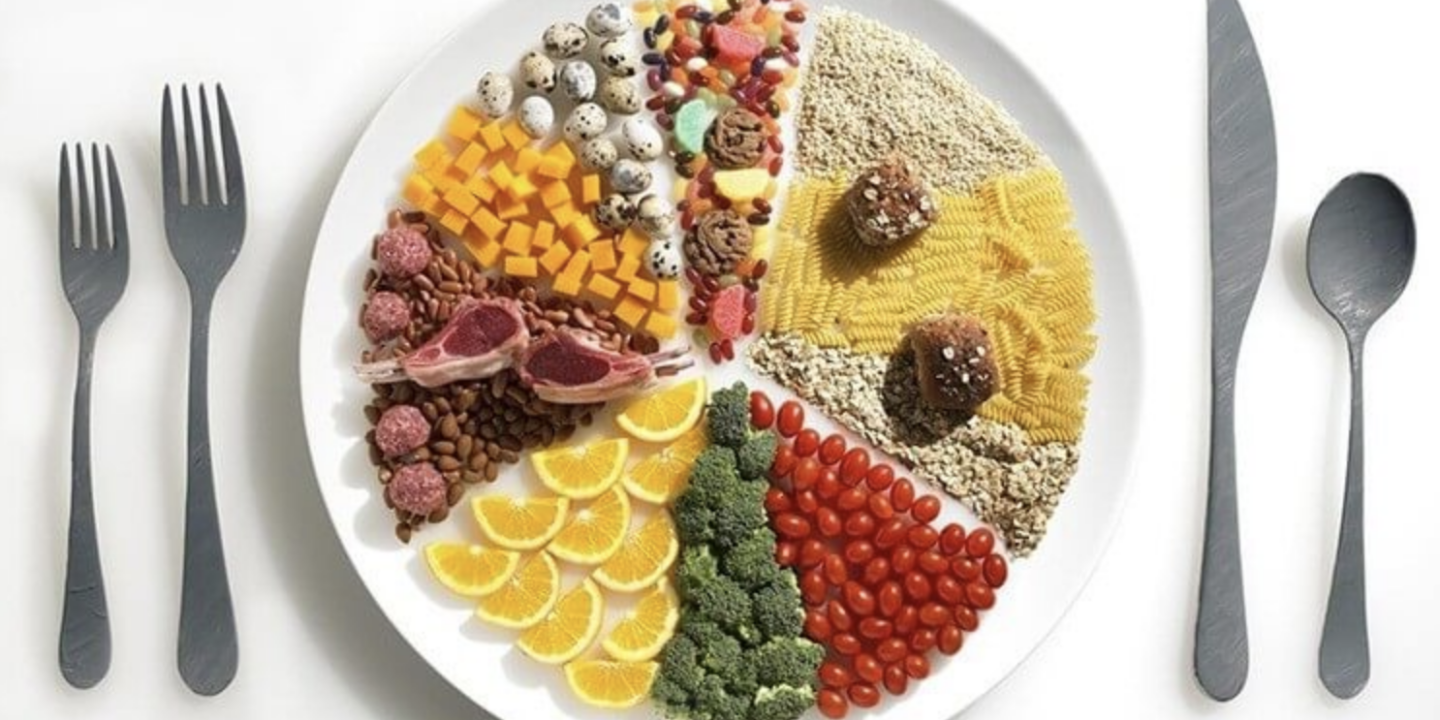
Try building your meals by combining these nine foods—think Mediterranean bowls, rainbow salads, and snack packs. Every bite works synergistically to turn down joint pain, so you can move, create, and thrive with less discomfort.
Strategic Nutrition in Action: Combining Foods for Maximum Impact
Want to turbocharge your joint relief? It’s not just about what you eat, but how you combine the right foods—think of it as crafting your very own anti-inflammatory “tech stack.”
Picture this: the Mediterranean diet and anti-inflammatory frameworks have become the gold standard for joint health, praised in over 1,000 peer-reviewed studies. Why? Because they bundle proven pain-fighting foods in every meal.
How to Build Joint-Friendly Meals: Real-World Blueprint
Start by mixing and matching these:
- Fatty fish + Beans: Grill salmon with a side of white bean salad for double the omega-3 punch and gut-soothing fiber.
- Olive Oil + Leafy Greens: Toss baby spinach with extra virgin olive oil for a salad that amplifies both vitamin K and oleocanthal absorption.
- Berries + Nuts/Seeds: Blend blueberries with chia seeds for a polyphenol-powered breakfast burst that’s desk-ready.
“Combining key foods multiplies their benefits—think of it as giving your joints a science-backed upgrade.”
Synergy Matters: Pairings That Deliver More
Certain combos unlock extra anti-inflammatory power. Clinical data shows that:
- Olive oil boosts the absorption of phytochemicals in raw veggies by over 60%.
- Mixing fish and beans supports sustained energy and inflammation reduction, perfect for busy, on-the-go days.
Tech-savvy shortcut: Batch-prep salad jars by layering greens, roasted chickpeas, olive oil, and seeds. You’ll hit three power foods before noon—no decision fatigue, no vending machine regret.
One-Day Meal Map for Maximum Joint Relief
- Breakfast: Greek yogurt with mixed berries and walnuts (Grab-and-go in under 2 minutes.)
- Lunch: Salmon-spinach salad with citrus vinaigrette (Meal-prepped Sunday, five lunches sorted.)
- Snack: Green tea with a pistachio-almond trail mix (Boosts polyphenols and protein.)
- Dinner: Stir-fried broccoli, black beans, turmeric-tossed brown rice (All cooked in one nonstick skillet.)
“It’s easier than you think: Each meal is a chance to support your joints and your workflow.”
When you combine foods from the powerhouse list, you get synergistic relief—faster results, less guesswork. Integrate these strategies, and you’ll not only feel better sooner, but keep your nutrition on autopilot with zero stress.
Beyond Food: Effective Supplement Strategies for Joint Relief
When foods alone don't cut it—or you just need a faster boost—joint health supplements can fill the gaps.
Most pros reach for these four front-runners:
- Fish oil: 600–1,000 mg daily for omega-3 power that rivals the relief of eating fatty fish twice per week
- Turmeric (curcumin): 500–1,000 mg/day, standardized to 95% curcuminoids for best results
- Glucosamine & Chondroitin: 1,200–1,500 mg/day of each to support cartilage health, often used together
- Collagen peptides: 10–15 grams per day to fortify joint structure, especially for aging or injuries
“Picture this: You’re tracking your omega-3s and turmeric on your phone, never double-dosing, and feeling the pain fade faster than you expected.”
Understanding What “Effective” Looks Like
Don’t expect magic overnight. Studies show:
- Fish oil: Noticeable joint relief typically appears within 2–12 weeks
- Turmeric: Effects may become clear in 4–8 weeks, especially for stiffness
- Glucosamine/chondroitin: Best results after consistent use for at least 2–3 months
- Collagen: Subtle but steady improvement on pain and flexibility over 1–3 months
Stick with the science-backed dosage windows—going higher doesn’t mean quicker relief.
“Consistency beats excess; smart dosing and patience deliver results you can feel, not just hope for.”
Pitfalls, Caveats & App-Based Tracking
Supplements pack power, but there’s risk if you blend them haphazardly.
Watch out for:
- Duplicating doses (e.g., fish oil in a multivitamin plus extra capsules)
- Drug-supplement conflicts—especially with blood thinners or NSAIDs
- Some supplements (like turmeric) interact with medication or require food for proper absorption
Make it seamless with smart tools:
- Use tracking apps like CareClinic, MyTherapy, or Medisafe to set reminders, log what you take, and avoid accidental overlap
- Block off a weekly review session—five minutes to check progress and tweak as needed
“Even tech pros get tripped up by supplement confusion. Let AI reminders handle the details and protect your results.”
Supplements can be a smart, speedy way to reinforce your food-based joint care—just get strategic, stay consistent, and let tech keep you on track for real, measurable relief.
Pitfalls and Myths: What Doesn’t Work for Joint Pain (and What to Watch Out For)
Feeling overwhelmed by “miracle foods” and trendy supplements? You’re not alone. Let’s get right to it: most so-called quick fixes for joint pain don’t hold up in the real world—or in science.
Beware of the Over-Hyped and Under-Proven
Plenty of foods and supplements get praised online, but only a handful deliver real joint relief. Watch out for:
- Collagen gummies and bone broth: While both sound promising, most research shows minimal impact on actual joint pain relief for adults without a deficiency.
- CBD snacks, “miracle” collagen coffees, and detox teas: Current clinical evidence is thin, with most results not statistically significant for pain improvement.
- Exotic berry powders and expensive superfood blends: No credible studies confirm their superiority to regular berries or leafy greens.
You’ll save serious cash (and disappointment) by skipping untested fads.
Foods That Can Make Joint Pain Worse—Fast
Processing and sugar sneak into almost everything, especially if your job doesn’t leave time for home-cooked meals. Here’s what to put on your “rarely eat” list:
- Sugary sodas, candy, and most packaged snacks: High in added sugars that spike systemic inflammation.
- Fast food and bakery items: Packed with saturated and trans fats—these accelerate joint swelling and stiffness.
- Ultra-processed foods: Chips, frozen pizza, and flavored yogurts often fuel the pain cycle, according to multiple clinical reviews.
Try this: for one week, cut out processed snacks and sugar-laden drinks—many notice improvement in joint comfort in just 7 days.
The Real Talk on Quick-Fix Diets and Restrictive Fads
Tempted by “erase joint pain in 24 hours” challenges? Science says press pause:
- One-size-fits-all or extreme restrictive diets: Tend to cause nutrient imbalances, rebound cravings, and can actually worsen pain flare-ups.
- Juice cleanses: No evidence for sustained joint benefit—these often lack key proteins and healthy fats your joints need.
- Heavily marketed supplements: If it sounds too good to be true, it probably is. As of 2024, only select omega-3s, turmeric/curcumin, and certain anti-inflammatory foods show measurable results in reputable clinical trials.
Spotting Red Flags: How to Surface the Good Science
Picture this: You’re scrolling late at night, headline promises a cure for aching knees—what next? Use these checks:
- Does the claim quote reputable studies, with numbers and specific results?
- Is the effect measurable (e.g., “reduces swelling by 25%”) or just vague?
- Is the recommendation from a health institution, not just an influencer?
A savvy scan now can save you months of chasing dead ends and dropping dollars on hollow health promises.
When it comes to joint pain, skip the fads and focus on what the research supports—real relief comes from proven foods and steady habits, not shortcuts or overnight claims. The most powerful changes usually start by cutting back on processed foods and reading labels like a true tech pro.
Measuring Progress: Tracking Joint Relief from Dietary Changes
Want to know if your new diet is really reducing your joint pain? You’ll need a strategy that’s as practical—and as smart—as your breakfast smoothie.
Start by setting clear, realistic benchmarks for relief. Most people notice changes in pain or stiffness within 2-6 weeks, but tracking small wins is key.
Benchmarks and What to Measure
Don’t just “feel it out.” Instead, use:
- A 1-10 daily pain scale: Jot down if you’re at a 7 on bad days or cruising at a 3 after a week of adding berries and olive oil.
- Mobility notes: Record what movements feel easier—did you get up the stairs with less effort today?
- Frequency of flare-ups: Track how often your most annoying symptoms show up.
Pro tip: A digital calendar reminder can keep you consistent with tracking.
There’s an App (or Three) for That
Make life easier with joint pain tracking apps and food diaries. Try options like:
- MyFitnessPal or LoseIt!: Log foods and spot which meals align with less pain.
- ArthritisPower or PainScale: Monitor joint symptoms and sync them with your food choices.
- Symple Symptom Tracker: Snap quick updates, and even track medication or exercise combinations.
Instant feedback = motivation to stay on track.
Signs You’re Winning (And When to Pivot)
Notice these early clues that your dietary changes are working:
- Reduced morning stiffness
- Fewer “bad” pain days in a row
- Needing less medication to get through your day
If your pain holds steady after 8 weeks, it may be time to tweak things up. Consider:
- Swapping in a new anti-inflammatory food (hello, leafy greens!)
- Adjusting serving sizes or snack timing
- Pairing dietary updates with exercise or physical therapy
The Power Combo: Food Meets Lifestyle
Picture this: Your food log shows more greens, your pain notes drop, and your daily walk feels lighter. For most, combined strategies—nutritious eating and consistent movement—deliver the best, fastest results.
Bottom line? “If you can measure it, you can improve it.” Tracking progress with food choices is the quickest way to know what’s actually erasing your joint pain, and gives you real data to personalize your next move.
Building Your Sustainable, Joint-Friendly Diet
Your diet can be your most powerful daily tool against joint pain—but it needs to fit seamlessly into your life, not feel like a rigid “plan” you’ll abandon in a week.
The sweet spot? Personalizing your joint-friendly diet so every meal feels natural, doable, and delicious—while your joints thank you for it.
Find Your Perfect Joint-Friendly Foods
Start by swapping in foods you already love, or find smart replacements based on your needs.
Here’s how to personalize:
- Identify food preferences: Love spice? Go heavy on turmeric and ginger. Not a fan of fish? Use chia or flax seeds for omega-3s.
- Spot potential allergens: If you have nut allergies, choose pumpkin or sunflower seeds instead of walnuts or almonds.
- Accommodate your schedule: Can’t cook every meal? Opt for pre-washed greens, frozen berries, and canned beans for speed.
“Picture this: Your lunch is a Mediterranean-inspired bowl—grilled salmon, olive oil-drizzled greens, and a handful of berries. It’s tasty, fast, and built for your joints.”
Make Healthy Habits Stick
Staying motivated is easier with a few science-backed habit hacks:
- Pair new foods with routines: Add berries to your morning yogurt or green tea to your afternoon work block.
- Batch-prep anti-inflammatory snacks (nuts, citrus fruit, veggie sticks) for grab-and-go ease.
- Use tracking apps to set daily goals and reminders.
Quotable: “Layering joint-friendly foods into habits you already have turns healthy eating from a chore into a routine you barely notice.”
Know When to Call the Pros
Certain situations call for an expert’s eye:
- See a dietitian if you have chronic pain with no improvement, tough allergies, or want an ultra-tailored plan.
- Joint specialists can guide advanced nutritional strategies and supplement routines safely.
For tech-savvy help, apps like MyFitnessPal and Yazio now let you track both nutrition and symptoms—so you can spot patterns fast.
Keep Your Diet Fun, Fresh, and Science-Backed
Find inspiration and credible advice through:
- Recipe sites focused on anti-inflammatory meals (e.g., Minimalist Baker, EatingWell)
- Online shopping guides for joint-friendly pantry staples
- Research-based newsletters and podcasts (Arthritis Foundation, NutritionFacts.org)
When you make your joint-healthy diet fit your real life, the sustainable progress you feel is measurable—and truly rewarding. Small, steady tweaks become powerful changes you can see, feel, and genuinely enjoy.
Conclusion
Eating for joint relief isn’t about restriction—it’s about leveraging your plate as your daily toolkit for less pain and more movement.
When you prioritize strategic, science-backed foods, you’re not just managing symptoms; you’re actively building resilience into every joint and muscle, one meal at a time.
Here’s how to put this strategy into action immediately:
- Start building meals around 2–3 powerhouse foods (like greens, berries, and salmon) to multiply your anti-inflammatory benefits
- Make one daily food swap—replace a processed snack with nuts or a sugary drink with green tea, and watch subtle relief start stacking up
- Batch-prep a week’s worth of “joint-friendly” snacks so healthy choices are always within reach, no matter how busy work gets
- Use a tracking app to connect what you eat with how you feel—turn data into motivation and get real feedback on what’s working
Ready for a change? Make your next meal an experiment in joint-friendly living: assemble a Mediterranean bowl, sip green tea with citrus, or try a trail mix of walnuts and berries during your next break.
Every bite is a choice for less pain and more possibility.
“The path to pain-free movement is built one strategic snack and meal at a time—start today and let each forkful be your first step toward unstoppable energy.”