Key Takeaways
Ready to protect your health and productivity for the long term? Here are the most impactful, science-backed insights from our diabetes prevention deep-dive—optimized for busy, tech-minded professionals who want quick wins and real results.
- Most type 2 diabetes cases are preventable—up to 80%—with small, sustainable changes in daily routines like diet, activity, and weight management.
- Losing just 5–7% of your body weight can slash your risk of developing type 2 diabetes by up to 58%—that’s a powerful upgrade for your future energy and health.
- Aim for 150+ minutes of moderate activity weekly—think brisk walks or micro-workouts between meetings—to keep your metabolism running smoothly and lower risk for decades.
- Adopt a plant-forward, Mediterranean-inspired diet by cutting sugar-sweetened drinks, favoring whole grains, and loading up on non-starchy veggies for maximum protection.
- Stacking two or more healthy habits—like weight loss, exercise, and not smoking—multiplies your prevention power, driving risk reduction up to 80%.
- Structured programs and smart tech support (apps, wearables, or peer groups) boost accountability, track progress, and make healthy changes stick for even the busiest schedules.
- Prioritize sleep, manage stress, and limit alcohol—these “extra” lifestyle tweaks are potent, often-overlooked levers to further reduce diabetes risk and optimize daily performance.
- Personalize your approach by tracking current habits and focusing on one or two changes at a time—because the best prevention plan is one that adapts and grows with you.
Taking charge of diabetes prevention is about stacking simple wins that add up—explore the full guide for strategies, tech tools, and real-life examples that make sustainable health change possible.
Introduction
What if you could cut your risk of type 2 diabetes by more than half—without gym marathons, fad diets, or endless doctor lectures? For busy, tech-savvy professionals, this isn’t a pipe dream. The data is crystal clear: Up to 80% of type 2 diabetes cases are completely preventable through a handful of practical, sustainable habit tweaks.
Think about it—more than 500 million adults worldwide are living with diabetes today, and the fastest-growing group isn’t retirees. It’s work-focused leaders, entrepreneurs, and creators whose days run on late meetings, snackable screens, and minimal downtime. Yet, most don’t realize how much control they truly have.
Why does this matter for you, right now? Because diabetes isn’t just a health scare—it’s a performance drain, a financial black hole, and a threat to the energy you need for your next big project. Every hour lost to brain fog or fatigue from unstable blood sugar is time and momentum you can’t get back.
Here’s the real breakthrough—prevention hinges on your daily routine:
- What’s on your plate
- How often you move
- Whether you turn small, repeatable actions into habits that stack
- The digital tools you use to make progress automatic
You’ll find a roadmap here that’s designed for busy, analytical minds. We’ll break down:
- Science-backed lifestyle shifts (think weight, movement, meals)
- How seemingly minor changes can deliver outsized results
- The best tech and accountability hacks for keeping habits on track—no “all or nothing” thinking required
But this isn’t just about “trying harder.”
It’s about working smarter—using the tools, routines, and insights that put real power back in your hands, even when work, travel, or late nights threaten your best intentions.
Ready to see how prevention can become second nature—and why these moves matter before the risks become reality?
Time to decode what’s driving diabetes risk and how you can outsmart it, one decision at a time.
Understanding Diabetes Risk: Why Prevention Matters
Type 2 diabetes isn’t just another health headline—it now affects over 500 million people worldwide and is rising fast among working-age adults.
Each year, millions more are told they’re at risk (prediabetes), but here’s the kicker: up to 80% of these cases are actually preventable with the right changes.
What Makes Type 2 Diabetes Different?
Let’s demystify the basics:
- Type 1 diabetes is an autoimmune condition, not preventable through lifestyle.
- Type 2 diabetes develops when your body gradually becomes less responsive to insulin—driven by modifiable factors like diet, activity, and weight.
Put simply: Type 2 is mostly about your daily routines—giving you much more control than you might think.
Why Should Busy Pros Care About Prevention?
Diabetes doesn’t just mess with blood sugar—it crashes into your:
- Wallet: Annual US healthcare costs for diabetes top $327 billion. Out-of-pocket spending piles up for medication, supplies, time off work, and insurance premiums.
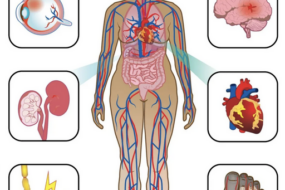
- Body and mind: Even with treatment, type 2 increases your risk for heart attacks, nerve pain, vision loss, and depression.
- Daily hustle: You’ll lose energy, mental clarity, and productivity at exactly the moments you need it most.
A diagnosis doesn’t just rewrite your medical chart—it changes your day, your options, and your peace of mind.
Prevention In Action: Early Moves Beat Costly Repairs
Imagine your health like a roof in a rainstorm. Spotting and patching leaks early—like addressing high blood sugar or weight gain—means avoiding the full-blown flood of complications down the road.
Here’s what works, straight from the data:
- Sustained lifestyle changes—losing 5–7% body weight and moving more—can cut type 2 diabetes risk by up to 58% for those at high risk (per landmark studies in the US, Finland, and China).
- Even small steps add up: a brisk walk in between meetings, building a plant-forward lunch, or tracking your progress weekly.
Key Takeaways For Your Next Step
- Prevention isn’t about perfection—it’s about making manageable changes early and stacking them consistently.
- Your risk is not your destiny; simple daily actions can protect your health, productivity, and future.
- “Think of diabetes risk like a leaky roof—the sooner you spot and address weak points, the better your long-term outcome.”
In short: By understanding your personal risk and taking small, smart steps now, you avoid huge headaches later and unlock more freedom for work and life.
Core Lifestyle Habits for Preventing Diabetes
Evidence-Based Weight Loss and Maintenance
Let’s start with the gold standard: The Diabetes Prevention Program (DPP) and global studies (Finland DPS, Da Qing, PREDIMED) have proven that even modest weight loss packs a huge punch.
Drop just 5–7% of your current weight, and you could cut your risk of developing type 2 diabetes by up to 58%—that’s taking your risk from “high alert” to “problem solved” territory.
- Imagine: Losing 10–14 pounds if you weigh 200 pounds—suddenly, that future with less worry and more energy feels possible.
- Real-world tip: Use portion control, schedule meals, and rebuild routines around whole, unprocessed foods.
- Mindful eating and consistent daily habits (e.g., logging meals, meal prepping) turn short sprints into long-term wins.
- Self-monitoring and goal-setting work best when paired with an accountability partner, group, or even friendly competition.
Picture this: It’s Monday, you feel stuck at a plateau, but instead of giving up, you check your step count, text your group chat, and change up your lunch routine. Small pivots lead to major breakthroughs.
“Losing just 5% of your weight is like upgrading your body’s safety software—one smart update, huge boost in protection.”
Physical Activity: Moving Toward a Healthier Future
Here’s the magic number: 150+ minutes per week of moderate movement, plus muscle-strengthening sessions on 2–3 nonconsecutive days.
- Moderate activity = brisk walking, cycling, or even energetic housework—if you can talk, but not sing, you’re in the sweet spot.
- Resistance training (free weights, bands, or even bodyweight moves) builds strength and supercharges insulin sensitivity.
Busy professionals, you’re not off the hook:
- Try micro-workouts between meetings (5-minute bursts), swap sitting for standing, or host a walking 1:1.
- Break up long sitting sessions with short strolls; studies show this alone drops diabetes risk.
Long-term DPP data? Benefits of an active lifestyle last up to 20 years—no gym membership required.
“Making movement part of your daily agenda multiplies your focus now—and your health dividends later.”
Dietary Patterns Proven to Lower Diabetes Risk
There’s no single “diabetes diet”—instead, think high-quality, plant-forward, Mediterranean-inspired eating that you can actually maintain.
Key upgrades:
- Cut sugar-sweetened drinks and minimize refined carbs—think soda, pastries, and white bread.
- Swap to whole grains (quinoa, oats, brown rice) and fiber-packed foods.
- Reach for plant proteins (beans, lentils, tofu) rather than red or processed meats.
- Prioritize healthy fats: olive oil, nuts, seeds, and fatty fish. Limit saturated and trans fats.
- Fill half your plate with non-starchy veggies—the more color, the better.
Visualize: Your plate becomes a dashboard—each colorful component powers your body in sync, like well-organized widgets on your smartphone.
Tip for busy days: Batch-cook grains, prep veggie sticks, or order a salad with beans and nuts as your grab-and-go backup plan.
“Healthy eating isn’t about restriction—it’s about building a plate where every bite pulls its weight.”
A few focused tweaks—small, science-backed shifts in weight, movement, and everyday food choices—can dramatically lower your odds of diabetes. Stack the odds in your favor starting today, one meal or walk at a time.
The Power of a Combined Approach: Stacking Small Wins
Picture this: stacking just a handful of healthy habits can slash your risk of type 2 diabetes by up to 80%—that’s not marketing spin, it’s what meta-analyses of nearly 1.7 million people consistently show.
In practical terms, it’s not about an “all or nothing” mindset. It’s the small, repeatable wins that compound the biggest impact.
Habits That Add Up—Fast
Researchers have pinpointed the main drivers of dramatic risk reduction:
- Healthy weight (losing 5–7% if overweight or obese)
- 150+ minutes of moderate exercise each week
- High-quality, plant-forward diet
- No smoking
- Light or no alcohol intake
When you layer even two or three of these at once, your odds of preventing diabetes increase exponentially—think of it as running multiple layers of security for your health.
Quotable hit: “Small wins, multiplied, create unstoppable momentum.”
Make Habit-Stacking Work for Busy Lives
Success here is less about grand gestures than micromoves that fit your schedule. Try pairing two complementary behaviors to keep things automatic:
- Meal prepping on Sunday + scheduling three brisk walks on your calendar
- Swapping one soda for water + setting a daily step goal on your smartwatch
- Batch-cooking high-fiber lunches + nighttime phone curfew for better sleep
Using practical tools like health apps, wearables, or even a shared challenge streak with a friend can help you see real progress week by week.
Pro tip: “When you can see your healthy streak, it’s easier to keep it going.”
Play the Long Game—Without Perfection
Here’s the real talk: sustaining change is a marathon, not a sprint. Even the most consistent people face setbacks—what matters is your ability to start fresh after a rough patch.
- Ditch the “reset Monday” mindset and reframe stumbles as feedback, not failure
- Celebrate any step forward (every checkmark counts)
- Visualize each day’s habit as another brick in your health foundation
Remember: “Small shifts today, huge health dividends tomorrow.”
By focusing on stacking small wins, you’re not just lowering diabetes risk—you’re building a toolbox for lifelong health, productivity, and resilience.
Structured Support: Programs, Coaching, and Tech Tools
Why Structured Programs Matter—for Real Results
If you want to prevent diabetes—and keep that motivation high—you need more than “try harder.” Structured programs like the CDC National Diabetes Prevention Program (DPP) bring science-backed routines right to your daily life.
Everything revolves around:
- Expert-led group education
- Progress tracking and feedback
- Supportive accountability that actually sticks
Countless studies show that joining a formal lifestyle-change program slashes type 2 diabetes risk by over 50% for people at high risk.
Picture a real-life scenario: You’re surrounded by people with the same goal, a coach helps tailor strategies to your work schedule, and weekly progress nudges keep you moving forward—even when work gets hectic.
What Do You Get (and Where Do You Find One)?
Think of these programs as a “playbook” for change:
- Step-by-step guidance: Nutrition, movement, stress—no guesswork.
- Ongoing measurement: Regular weigh-ins, activity logs, instant app feedback.
- Peer community: Small wins celebrated, roadblocks tackled—together.
Here’s how to tap into these systems:
- Search for CDC National DPP in your area or ask your employer about digital offerings for employees.
- Check your health insurance: Many now cover or discount structured prevention programs.
- For remote workers: Online options and app-based coaching (like Noom or Omada) let you join from anywhere.
Digital Tools and DIY Support—No Program, No Problem
Not everyone can join a formal program, but the right tech can fill those gaps. Here’s what that might look like for you:
- Apps and wearables: Sync with step counters, smartwatches, or calorie-tracking apps (think Apple Health, Fitbit, MyFitnessPal).
- Online communities: Plug in to Facebook groups, Reddit forums, or Slack channels for collective accountability.
- DIY habit tracking: Use digital calendars, habit apps, or even a sticky note streak for visibility.
One participant shared, “Seeing progress on my wrist and sharing wins with my group made the journey feel doable—even on tough days.”
Making Support Work for Your Busy Professional Life
The smartest move? Stacking tech and people power.
- Automate nudges: Calendar reminders or wearable buzzes prompt movement mid-meeting.
- Use group chats for check-ins and recipe swaps with coworkers or friends.
- Test what motivates you—badges, leaderboard apps, or a coach’s nudge.
The high-impact takeaway: You’re far more likely to hit your diabetes prevention targets when you’ve got accountability, measurement, and real community support—whether it comes from a CDC program or your phone.
Ready to level up? Lean on these support systems to make healthy habits automatic, trackable, and actually enjoyable.
Beyond the Basics: Additional Lifestyle Factors
Smoking and Tobacco Use
Lighting up doesn’t just damage your lungs—it increases your risk of type 2 diabetes by about 30–40% compared to non-smokers. Even for tech-savvy high performers, nicotine is no productivity hack: it worsens insulin resistance and adds long-term health costs.
Quitting smoking might sound daunting, but evidence-based strategies make it doable:
- Nicotine replacement therapy (NRT), prescription medications (like varenicline), and smartphone quit apps are proven to boost your odds of success
- Tap into support programs—the CDC’s quit line (1-800-QUIT-NOW) or digital communities make accountability easy
- Set digital reminders to track your smoke-free streaks and celebrate wins
Imagine this: A year from now, you’re powering through a work sprint—no more smoke breaks needed, more energy, and your diabetes risk is already dropping.
Quotable: “Quitting smoking is one of the fastest health wins for preventing diabetes—every smoke-free day counts.”
Sleep Quality and Stress Management
Consistently sleeping less than 7 hours or tossing all night? That’s a hidden tech glitch: poor sleep quality can raise diabetes risk by up to 48%. Chronic stress spikes cortisol—a hormone that sabotages your glucose control.
Try these practical, science-backed tweaks:
- Set a tech “bedtime” to cut late-night screen use and ease into a restful state
- Schedule mini brain breaks—breathing exercises, short walks, or mindfulness apps (think Headspace or Calm) during work lulls
- Stack new habits by pairing a soothing playlist with your pre-bed routine
A real-world example: One developer started using a smartwatch’s sleep tracker, noticed weekend binge-watching was tanking sleep, and swapped scrolling for a podcast and hot tea, boosting next-day focus.
Quotable: “A better night’s sleep is the most underrated upgrade for your metabolic system—treat it like charging your most valuable device.”
Alcohol Use: Navigating the Nuances
Alcohol can be surprisingly tricky. Light to moderate drinking (up to 1 drink/day for women, 2 for men) may have a neutral—or slightly protective—effect, while heavy drinking and binge episodes drive up your risk.
Key guidelines for downtown dinners, happy hours, or solo project wrap-ups:
- Don’t start drinking just for a supposed benefit—moderation is everything
- Space drinks with water, eat before and while you imbibe, and set reminders to pace yourself
- Be mindful: For some, zero-alcohol options are the healthiest choice
Visualize this: At your next work event, you’re the one with a sparkling water and lime—clear-headed, on point, and investing in your long game.
Quotable: “You don’t need alcohol to celebrate wins—moderation (or opting out) protects your health for the marathon, not just the sprint.
These overlooked lifestyle tweaks—quitting smoking, optimizing sleep, managing stress, and drinking mindfully—are stealthy power-ups for diabetes prevention. Start with one small change, track your streaks, and you’ll see big returns in both health and daily performance.
Creating a Sustainable Prevention Plan: Personalizing the Approach
Taking charge of diabetes prevention doesn't mean overhauling your life overnight. The smartest starting point? Know your numbers and your habits—because prevention is never “one size fits all.”
Step 1: Quick Self-Assessment—Where Do You Stand?
Grab a notebook or open your favorite health app. Quickly jot down:
- Current weight/BMI: Are you in the recommended range?
- Weekly physical activity: Hitting the 150-min/week mark?
- Diet recalls: How often are sugar-sweetened drinks, processed foods, and veggies showing up?
- Family history, sleep, stress, tobacco/alcohol use: Noting patterns helps you spot hidden risk.
“Awareness is the diagnostic tool your future health thanks you for.”
Step 2: Prioritize and Focus—Make Change Feel Doable
Picture this: Your schedule is slammed, emails are constant, and the office snack counter beckons. Instead of everything-all-at-once, choose your top 2 levers:
- If weight loss is key: Start by trimming 100–200 calories a day with snack swaps or smaller lunch portions.
- If movement is your bottleneck: Block 10-minute activity breaks on your digital calendar or try a walking virtual meeting.
- If nutrition’s gone haywire: Batch-cook veggie-packed lunches for the next three days (think “meal prep meets project management”).
Insight for the road: Stack small wins. Each “micro-upgrade” you repeat—like a daily walk or skipping a soda—compounds into real progress.
Step 3: Set, Measure, Adapt—Your Mini Framework
Ready for plug-and-play tracking? Try this:
- Pick one goal: Ex: “Add 10 minutes of movement before lunch.”
- Decide how you’ll measure: A step count, streak on your tracker, or even a sticky note by your laptop.
- Review weekly: Did you hit your target? If not, tweak and try again.
Use apps or smartwatches if you love data, but simplicity wins—calendar reminders or old-school checklists work too.
“The best plan is one that bends, not breaks, with your real life.”
Step 4: Roll with Life—But Don’t Go It Alone
Change isn’t a straight line. When travel, deadlines, or life events throw things off, pivot instead of pausing: swap an outdoor run for hotel stairs, or a homemade lunch for smart café choices.
If you feel stuck, reach out—professional programs, peer groups, or even a colleague for accountability can break plateaus.
Grab this mindset: “Every busy week is another chance to engineer success.”
Every sustainable plan starts where you are right now and grows with you. Highlight one change, track it, and let technology or community help you stay on course. Real-world support, micro-adjustments, and your willingness to experiment—that’s the blueprint for lifelong diabetes prevention.
Conclusion
Preventing type 2 diabetes isn’t about perfection or willpower—it’s about equipping yourself with smart, science-backed habits that work for real life.
You have more control over your health and productivity than you might think. Stacking small wins—like healthier meals, more movement, or better sleep—turns diabetes prevention from an overwhelming goal into a doable daily upgrade.
Key Actionable Takeaways:
- Maintain a healthy weight: Even a 5–7% loss unlocks major risk reduction.
- Aim for 150+ minutes of movement per week: Brisk walks, resistance exercises, or active breaks count.
- Prioritize plant-forward, whole-food meals: Batch prep lunches or swap out one processed snack today.
- Track your progress: Use apps, wearables, or checklists—visibility creates momentum.
- Lean on support: Tap into structured programs, digital tools, or community accountability.
Immediate Next Steps:
- Start with a quick self-assessment: jot down your current habits and identify one change to tackle this week.
- Set a concrete mini-goal—10 extra minutes of movement, a plant-based lunch, or a tech-free bedtime.
- Share your commitment with a friend, group, or on social—accountability makes it stick.
You don’t have to overhaul your life to invest in your future. Every healthy choice today is an upgrade to your body’s performance and long-term freedom.
Why wait for a wake-up call? The real win is building a lifestyle where your daily actions protect your health, energy, and hustle—one micro-move at a time.
“Stack small upgrades, and you’ll engineer a future you can count on—starting now.”