Key Takeaways
Ready to finally master your acne for good? Here’s your fast-track summary to the most actionable, science-backed strategies from 2026. These key points break down exactly what works—and why—so you can make smarter, faster skin decisions with confidence.
- Know your acne type—identifying whether you're battling comedonal, inflammatory, nodulocystic, or hormonal acne is the first step to unlocking targeted, effective treatments.
- Focus on combination therapies—pairing topical retinoids with benzoyl peroxide slashes breakouts by up to 60%, while preventing antibiotic resistance and boosting real-world results.
- Customize your skincare playbook—factor in your skin type, tone, and risk for post-inflammatory hyperpigmentation (PIH) to select products that deliver clear, lasting results with minimal irritation.
- Adopt a smart daily routine—a.m. essentials are: gentle cleanser, benzoyl peroxide or niacinamide, lightweight moisturizer, and SPF 30+; p.m. priorities: double cleanse, retinoids, then moisturize for nightly repair.
- Escalate when needed—in-office peels, lasers, and at-home LED masks offer up to 70% improvement for stubborn or severe acne when OTC routines just aren’t enough.
- Personalize and persist—introduce new actives slowly (start retinoids 1-2x/week), log your routines and triggers, and expect visible results in 8–12 weeks, not overnight.
- Mind your lifestyle and nutrition—cutting high-glycemic foods and dairy and adding probiotics or omega-3s can reduce breakouts by 20–30%, supporting your skin from the inside out.
- Consistency beats perfection—tiny, steady tweaks and smart adaptation to life’s curveballs are what truly drive lifelong, confidence-building skin transformation.
Unlock the full article for deeper, step-by-step blueprints and next-gen techniques that put you—and your skin—solidly in control.
Introduction
Waking up to a surprise breakout the morning of a big presentation—sound familiar? Over 60% of tech-savvy professionals report that unpredictable acne directly impacts their confidence, productivity, and even how they show up on video calls. If it feels like you’ve tried every “miracle routine” and latest product—only to see mixed results or stubborn flare-ups, you’re in good company.
But here’s the real breakthrough: Acne isn’t just a surface issue. It’s a complex, multi-layered challenge shaped by genetics, AI-driven environments, and the always-on pace of modern life. That means the usual generic tips miss the mark—what you need is a custom blueprint that keeps up with your skin and your lifestyle.
Imagine a transparent, step-by-step playbook designed for how you actually live and work—one that:
- Breaks down the science of modern acne using plain language and practical analogies
- Taps into 2026’s proven strategies, from personalized AI skincare to game-changing ingredient stacks
- Prioritizes quick wins and sustainable habits (because consistency beats any overnight fix)
You’ll discover how to:
- Identify your unique breakout triggers and ditch wasted guesswork
- Match daily routines (AM/PM) to busy, tech-filled schedules
- Harness both biotech advances and overlooked lifestyle tweaks for lasting results
This is about more than “clearing up.” It’s about taking control, eliminating trial-and-error, and building a plan that works as hard as you do.
Curious what’s really happening beneath your skin—and how new science can finally turn the tide in your favor? Let’s demystify modern acne, starting with a look behind the breakouts, causes, and the latest perspectives shaping skin health in 2026.
Understanding Acne: Causes, Science, and Modern Perspectives
Acne is more than just an occasional breakout—it's a complex skin condition that can shape your confidence and routine.
Picture this: you wake up to angry red bumps or stubborn clogged pores, wondering why your skin seems to rebel. Knowing what’s happening beneath the surface is half the battle.
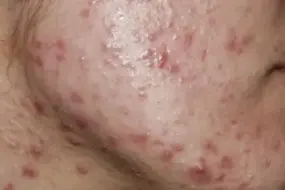
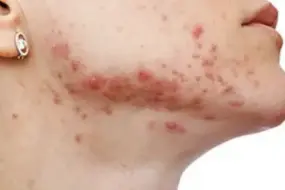
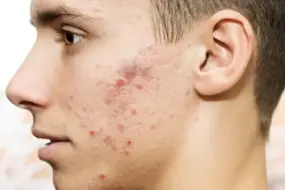
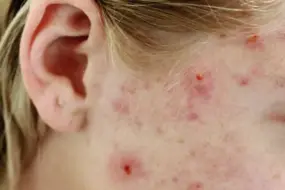
What Really Is Acne? A Quick Tour of Types
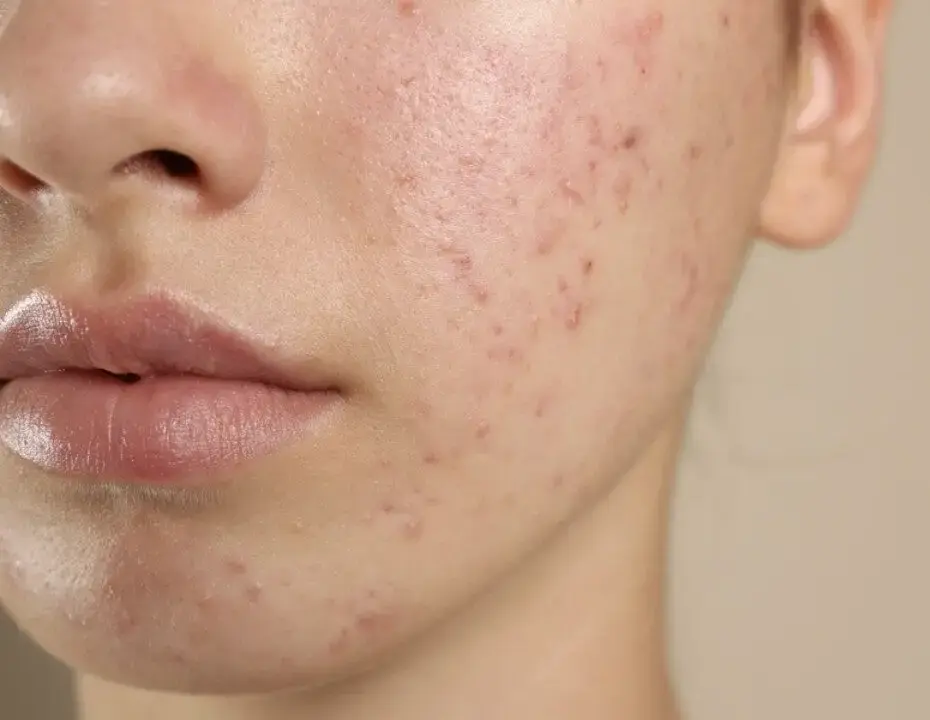
Not all acne is the same. Understanding your acne type is the first key to unlocking results:
- Comedonal: Think blackheads and whiteheads, caused by plugged pores.
- Inflammatory: Swollen red bumps or pustules, often tender to the touch.
- Nodulocystic: Deep, painful lumps under the skin—more likely to scar.
- Hormonal: Fluctuates with cycles, stress, or puberty, and often resists basic treatments.
You can spot your type by pattern and location; for example, jawline flares often point to hormones, while a forehead full of blackheads signals comedonal congestion.
The Science: What’s Fueling Your Breakouts in 2026
Beneath every breakout are four well-researched culprits:
- Follicular plugging: Dead skin and oil block your pores.
- C. acnes bacteria: Trapped under oil, causing inflammation.
- Increased sebum production: Think of this as excess oil—fuels clogging.
- Inflammation: The body’s response creates swelling, redness, and pain.
A 2026 review found that combination therapies targeting all these factors can reduce lesion counts by over 60%.
“Acne thrives on clogged pores, oil, and inflammation—a triple threat you can actually outsmart.”
How Hormones and Lifestyle Shape Your Skin
It’s not just genetics at play. Hormonal surges—like androgens (think puberty, periods, or stress)—dramatically increase breakouts.
Modern life adds additional triggers:
- High-glycemic diets and dairy can worsen acne (studies show up to a 20% flare increase).
- Poor sleep and chronic stress directly boost inflammation.
- Environmental factors like pollution clog pores and irritate sensitive skin.
- Aggressive skincare or infrequent cleansing can either over-strip or under-cleanse your skin.
Feel like you’re doing everything “right” but still breaking out? You might have hidden triggers—grab more insights from “Decode Your Breakouts: Surprising Hidden Causes of Acne”.
The Why Behind Your Plan: Knowledge Drives Results
Getting to the root cause of YOUR acne means faster, longer-lasting clear skin—and less wasted time on random fixes.
Quotable moment: “Master your breakouts by mastering the science—don’t just fight symptoms, solve the source.”
When you know what’s driving those breakouts, every product and routine step becomes a strategic move—not just a desperate guess.
Core Frameworks: Acne Treatment Principles for 2026
Personalized, Combo-Driven Strategies
Picture this: you’re not just treating spots—you’re targeting the root causes. In 2026, the gold standard is combination therapy, built around your unique skin.
Why? Pairing topical agents—like retinoids and benzoyl peroxide—slams acne on multiple fronts, boosting outcomes and minimizing antibiotic resistance (now a key AAD priority).
Every plan starts with a “topical-first” approach, reserving antibiotics for short, targeted bursts (three months max). That’s industry standard—and your fast track to real, lasting change.
“Think of your acne plan like a playlist—not just one song, but the perfect mix for your skin.”
Severity-Based Roadmap: Choose Your Level
Clear skin isn’t one-size-fits-all. The AAD (American Academy of Dermatology) and leading dermatologists break it down by how intense your breakouts are right now.
Use this treatment ladder to map your next moves:
- Mild Acne:
- Topical retinoids (adapalene, tretinoin)
- Benzoyl peroxide (2.5-5%)
- Salicylic acid
- Moderate Acne:
- Combo topicals (clindamycin/adapalene/BPO)
- Azelaic acid, niacinamide
- Short-term oral antibiotics if needed
- Severe Acne:
- Systemic therapies (doxycycline, isotretinoin)
- Continue topicals
- Hormonal Acne:
- Anti-androgens (spironolactone, oral contraceptives)
- Optimized topical partners
You’ll see up to 60%+ lesion reduction with topical combos—results that seriously boost your motivation.
Your Skin, Your Preferences: The Next Level of Customization
AI-powered skincare matching, patient preference surveys, and risk assessment for post-inflammatory hyperpigmentation (PIH) now shape every routine.
Here’s how you maximize results:
- Know Your Skin Type: Oily, dry, or sensitive alters the playbook.
- Factor in Tone: Higher PIH risk? Add niacinamide or azelaic acid.
- Personal Preferences: Want minimal downtime or fragrance-free? Customize accordingly.
“Acne mastery means owning your skin’s story—not just copying someone else’s highlight reel.”
Real-World Decision Trees and Takeaways
Facing a plateau or sudden breakout spike? Use quick decision rules:
- If no change after 8 weeks, escalate to combo therapy.
- If severe, fast-track to dermatology-guided systemic options.
- For persistent hormonal acne, consider anti-androgens—they deliver up to 70% severity drops in new trials.
Link up with “7 Proven Acne Treatments Dermatologists Swear By in 2026” for a deeper dive into advanced options.
When you combine evidence-based plans with real-world tweaks, that’s when clear, resilient skin becomes your new normal—on your terms.
Your Daily Clear Skin Routine: Step-by-Step Best Practices
Start Your Day: AM Routine Demystified
Think of your morning routine as your skin’s daily defense system—simplicity wins. Your morning essentials for all acne types:
- Cleanser: Choose a gentle formula (look for 0.5-2% salicylic or glycolic acid if you’re oily, hydrating cleansers if you’re dry).
- Treatment: Apply a thin layer of benzoyl peroxide (2.5-5% to reduce irritation) or niacinamide serum for inflammation control.
- Moisturizer: Use a non-comedogenic, lightweight moisturizer—bonus if it contains ceramides for barrier support.
- SPF: Apply a broad-spectrum sunscreen, SPF 30+; it’s your best friend against PIH (post-inflammatory hyperpigmentation).
“Your morning cleanse sets the tone—think fresh slate, not scrubbed raw.”
End Your Day: PM Routine Tailored for Results
Your evening routine is when you target repair and renewal. Here’s a practical roadmap:
- Remove makeup/sunscreen: Go gentle and thorough—no shortcuts here.
- Cleanse again for sweat, dirt, and pollutants—double cleansing is ideal for heavy days.
- Retinoid time: Apply adapalene or tretinoin. Start 1-2x/week, then ramp up to nightly over 4-8 weeks.
- “Retinoid sandwich” tip: Buffer with moisturizer before and after for less irritation.
- Hydrate: If you’re using actives, layer a soothing, fragrance-free moisturizer overtop.
- Optional: Spot treat with azelaic acid (great for PIH) or dab on clascoterone for stubborn oil.
“Picture this: You—fresh-faced, wind-down mode, building tomorrow’s glow with a five-minute routine.”
Ingredient Intelligence & Real-World Hacks
Knowing what and when to use each ingredient is where mastery happens. Here’s what works in 2026:
- Benzoyl Peroxide (BPO): 2.5-5% prevents resistance, partners with antibiotics/retinoids for 60%+ greater lesion reduction.
- Retinoids: Start slowly for new users—0.1% adapalene, once a week, then go nightly as tolerated. Retinoids are the long game: think 8-12 weeks for visible results.
- Salicylic Acid: 0.5-2% unclogs and exfoliates; ideal for blackheads and oily T-zones.
- Azelaic Acid/Niacinamide: Mainstay for redness and PIH; results in as little as four weeks.
- Clascoterone: Newest topical for hormone-driven oil, usually in short bursts for flare control.
“Track your progress, introduce one product at a time, and expect minor bumps before the smooth ride.”
Small Tweaks for Lifelong Success
- Patch test new actives before applying widely.
- Adjust application frequency during travel or seasonal changes.
- Log triggers, flare-ups, and ingredient wins in your phone for rapid troubleshooting.
Remember: Consistency trumps perfection. Small, steady tweaks give the biggest payoff—clearer skin, more confidence, and a daily routine that fits real life.
Advanced and Emerging Treatments: From Office to At-Home
Picture this: you’ve given your daily skincare its best shot—cleansing, treating, moisturizing, SPF like clockwork—but your acne just isn’t budging.
That’s your cue to explore advanced options that go beyond the basics, leveraging 2026’s hottest in-office and at-home innovations. If breakouts are deep, painful, or resistant (think: cysts, persistent inflammation, scarring threats), it’s time to level up.
When to Escalate—and What’s Next
Deciding to seek professional or high-tech help often follows these signals:
- No meaningful improvement after 8-12 weeks of consistent routine
- Frequent nodules, cysts, or risk of scars/hyperpigmentation
- Over-the-counter options cause unmanageable irritation
So, what tools are now at your disposal?
- Chemical peels: Office-based glycolic/salicylic peels paired with retinoids can deliver up to 70% improvement in lesions and post-acne marks.
- Lasers & Light (AviClear/IPL/blue light): The 1726 nm AviClear laser targets oil glands with results rivalling isotretinoin—minus most side effects.
- LED face masks (at-home): Blue or red light LED masks are research-backed for reducing surface inflammation—no downtime, great for busy pros.
- Spongilla lacustris masks: Just-launched, weekly at-home masks use freshwater sponges to calm inflammation and boost skin renewal—think gentle, science-backed exfoliation.
Weighing Pros, Cons, and Breaking Down Costs
Every treatment has a tradeoff, so let’s get real:
- Pros:
- Significant reduction in stubborn or severe acne
- Improved skin texture, fewer breakouts, less visible PIH or scars
- Options like LED masks keep things private and convenient at home
- Cons:
- In-office lasers/peels cost $200-$700 per session, often needing several rounds
- LED masks and at-home innovations aren’t miracle fixes—expect gradual shifts
- Some skin types (deep tones, sensitive) need tailored protocols for safety
Want a deep dive into scar-specific tech? Jump to “Conquering Acne Scars: Advanced Removal Techniques Revealed” to get expert guidance.
Setting Realistic Expectations & Making It Personal
Not all advanced therapies are right for everyone. Before investing, ask a dermatologist:
- What’s most effective for my skin type and acne history?
- What’s the expected timeline and total cost?
- When will I see visible improvements? (Most require 6-12 weeks for significant change)
Keep this in mind: “Expert-led treatments can fast-track you to clear skin, but it’s your personalized plan—not a miracle product—that makes transformation sustainable.”
The best next step? Match today’s innovation to your skin’s needs, invest wisely, and enjoy seeing true science in action—whether you’re in the office or at home.
Personalization, Adherence, and Long-Term Success Strategies
Customizing Your Acne Game Plan
No two faces or lifestyles are the same—personalization is your power tool for clearer skin.
Every factor counts:
- Skin type (oily, dry, combo)
- Sensitivity levels (redness, stinging, flaking)
- Age and hormonal patterns
- History of scarring or post-inflammatory hyperpigmentation (PIH)
Think of your regimen like dialing in a premium playlist: skip the “one-size-fits-all.” Aim for what truly matches your needs.
“Effective skincare is more orchestra than solo—you need the right combination, not just a single star ingredient.”
Building Tolerance and Staying Motivated
Getting long-term results means managing the bumps in the road. Patience pays—visible change takes a minimum of 8-12 weeks, so set your expectations with that timeline in mind.
Make actives work for you by:
- Introducing new products gradually (start retinoids 1-2x/week, build up slowly)
- Layering with moisturizer (“sandwich” technique) to reduce irritation
- Logging changes, reactions, and triggers in a simple skin diary
Picture this: Two months in, that sudden mini-breakout might just be purging—not failure. Hold steady and keep tracking.
“Change doesn’t happen overnight, but incremental wins build unstoppable momentum over months.”
Adapting with Life (And Preventing Pitfalls)
Let’s be real—travel, stress, and regimen fatigue happen to everyone. The best acne routines flex with life’s curveballs.
Strategies for staying on track:
- Adjust cleansers and moisturizers with seasonal humidity or dryness
- Pack travel-sized versions so your skin doesn’t take a vacation (even if you do!)
- Mental check-ins: notice how stress or sleep impacts your flare-ups
Smart routines now minimize antibiotic resistance—guidelines cap oral antibiotics at three months; combine with benzoyl peroxide for better outcomes and less resistance.
New Tech, Smart Questions, and Realistic Wins
2026 highlights? Probiotics and antimicrobial peptides are making multitargeted, microbiome-positive regimens reality for more users.
When it’s time to call in the pros:
- Bring your routine and progress notes to every appointment
- Ask about the latest therapies (LED? Clascoterone? Peels?) and realistic timelines for your skin
- Set collaborative goals: not just “clear,” but “confident”
Find extra encouragement and age-tailored advice in “Teen Acne Unlocked: 5 Critical Solutions for Clearer Youthful Skin”.
Even the best plan isn’t perfect every day—but smart personalization and steady adherence are the two things that separate quitting from lasting success. Keep adjusting, keep tracking, and your future self will thank you.
Nutrition & Lifestyle: The Missing Links in Acne Management
Picture this: You’re tweaking every skincare product, but breakouts keep returning. Growing evidence reveals that what you eat and how you live are just as critical as what you put on your face.
Researchers in 2026 confirm the gut-skin axis is real: A balanced gut microbiome can visibly improve skin clarity, while disruptions—think too much processed food or stress—add fuel to acne’s fire.
The Science: What Actually Impacts Acne
- High-glycemic diets (sugary snacks, white bread) spike insulin and inflammation, with studies showing a 25–30% increase in acne severity for those who overindulge.
- Dairy—especially skim and whey proteins—remains a leading trigger, according to multinational data. Even small daily servings can worsen hormonal breakouts for some.
- Inflammatory foods (processed meats, fried snacks) are repeatedly linked to more persistent acne in clinical trials.
Quotable: “What you eat shows up on your skin—sometimes faster than you think.”
Actionable Tweaks for Busy Professionals
Adopting skin-friendly habits doesn’t mean overhauling your life. Try these immediate upgrades:
- Swap white bread/pasta for whole grains, which are lower on the glycemic index.
- Choose oat or almond milk in coffee instead of dairy.
- Snack on unsalted nuts, fresh fruit, or dark chocolate (in moderation)—all safer for flare-ups.
Small, sustainable swaps win over drastic cleanses.
Supplements & Holistic Habits: The Evidence
- Zinc and omega-3s support calmer skin in clinical studies.
- Probiotic supplements can balance gut bacteria—reducing acne by up to 20% in recent trials.
- Prioritize: 7–8 hours of sleep, regular movement (even brisk walks), and short daily de-stress routines (breathing exercises, music, or stretching).
Visual cue: Imagine tracking your skin’s progress in parallel with upgrading your lunch or improving sleep—a picture of long-term, measurable results.
Proven vs. Fad: What Works—And What Doesn’t
Stick to evidence-backed basics: low-glycemic eating, less dairy, more plants, and steady routines.
Ignore restrictive, single-food diets promising “overnight cures”—2026 data shows no quick fix.
Aim for a confidence-building lifestyle. Not perfection.
Whether you’re a spreadsheet savant or a creative strategist, the real transformation unlocks when nutrition and daily habits align with your long-term skin goals. “Your daily choices—meals, sleep, moments of calm—are the new skincare superpowers.”
Conclusion
Unlocking clear, resilient skin in 2026 isn’t about chasing hype or quick fixes—it’s about mastering a blueprint that’s smart, strategic, and tailored to you.
This journey puts you in the driver’s seat: equipped with real science, cutting-edge tools, and habits that work with your life—not against it.
Your actionable pathway to acne mastery:
- Pinpoint your unique acne triggers—track diet, stress, and ingredient reactions to customize your game plan.
- Commit to a consistent, evidence-based routine using combo topicals—think retinoids, BPO, and niacinamide for maximum impact.
- Upgrade your lifestyle in small, sustainable ways: swap dairy, cut high-glycemic foods, and prioritize sleep for a skin-friendly foundation.
- Leverage advanced solutions when needed—from professional peels to at-home LED, match innovation to your skin’s needs.
- Embrace tech-forward tracking and regular check-ins with a derm for guidance and future-proofed adjustments.
If you’re ready for meaningful change, start by dialing in one new habit this week—maybe tracking your products, booking a consult, or auditing your bedtime snacks.
Tweak, track, and trust the science-backed process—your future self (and skin) will thank you for it.
Clear skin isn’t just a goal—it’s a personal revolution. Master the process, and you become your own best expert.
“Empowered choices today set off tomorrow’s confidence — so why wait to start your transformation?”