Key Takeaways
Uncovering the hidden causes of acne can transform your skincare game and reveal triggers you never expected. These rapid-fire insights will help you pinpoint what’s really causing your breakouts—and show you smarter ways to take control, starting today.
- Hidden triggers often outrank obvious ones—medications, tech habits, and stress can cause stubborn acne even if your skincare is on point.
- Hormonal fluctuations aren’t just “teen problems”—over 70% of women experience premenstrual acne, and conditions like PCOS and thyroid issues fuel adult breakouts.
- Your medicine cabinet may harbor skin saboteurs—lithium, steroids, and some birth controls can spark new breakouts, sometimes months after you start taking them.
- Diet myths are officially outdated—high-glycemic foods and dairy have more evidence for causing acne than chocolate or greasy snacks ever did.
- Everyday objects secretly fuel flare-ups—phones, pillowcases, and sweaty gym gear collect bacteria and oil, so regular cleaning instantly tips the odds in your favor.
- Stress and poor sleep show up on your skin—cortisol spikes and late nights increase oil production and inflammation, triggering breakouts at the worst moments.
- Frictions and environmental factors matter—masks, helmets, and city pollution cause “acne mechanica” and skin irritation that’s easy to overlook but tough on pores.
- Track patterns, not just products—starting a simple skin diary or app log turns “mystery breakouts” into actionable insights and can reveal triggers unique to you.
Take a quick scan of your daily routine and environment—sometimes one small tweak unlocks clearer skin. Dive into the full article for practical detective strategies and personalized solutions that go far beyond skincare basics.
Introduction
Ever feel like your skin’s plotting a mutiny—just when that big video call or content shoot is around the corner? You’re hardly alone. Some of the most persistent breakouts aren’t caused by what’s on your face, but by hidden factors lurking in your daily routine.
But here’s the shocker: over 70% of adults who “do everything right” still find themselves blindsided by random breakouts. Washing your face and skipping greasy foods? That’s just the tip of the iceberg.
What if your phone screen, favorite latte, or even your sleep schedule are the true masterminds behind those mystery blemishes?
Tech-savvy professionals like you know how quickly the smallest inefficiency snowballs—your skin’s not so different. Modern living throws curveballs your skincare routine can’t always catch, thanks to:
- Stress spikes that ramp up slick, stubborn acne
- Unnoticed tech and hygiene habits (hello, bacteria-ridden phone screens and gym gear)
- Diet trends and medications that sabotage skin from the inside out
When your brand image, client meetings, or production schedules rely on you feeling confident, there’s zero time for skin guesswork.
Here’s what you’ll get inside: unexpected triggers decoded, overlooked patterns explained, and a detective’s guide to tracking what actually works for your skin. You’ll rethink acne not as a curse, but as a puzzle that can be hacked with the right moves.
Ready to swap skin stress for actionable clarity? Let’s pull back the curtain on hidden acne triggers—and show you how small system upgrades can turn skin chaos into calm.
Scroll on to spot the subtle culprits hiding in plain sight—and discover practical strategies you can start applying before your next big meeting rolls around.
Making Sense of Hidden Acne Triggers
You’ve probably heard the basics: wash your face, avoid greasy food, skip the chocolate—and yet, breakouts still happen.
That’s where “hidden” acne triggers come in. These are the sneaky, less-obvious influences behind breakouts that traditional advice totally misses.
Imagine doing everything right, only to wake up with “mystery breakouts” that defy logic—and you wouldn’t be alone. Over 70% of women experience premenstrual flares, but medical mysteries like PCOS or hormonal shifts rarely get spotlighted.
Why Classic Acne Advice Falls Short
Let’s be real: Clear skin isn’t just about scrubbing harder.
Standard recommendations often ignore:
- Underlying medical conditions (think PCOS or thyroid imbalances)
- Daily habits like tech use (your phone could literally be plotting against your skin)
- Environmental and stress triggers—the stuff most adults and busy teens can’t always control
You could follow a “perfect” skincare routine and still be hit with stubborn spots.
What Counts as a Hidden Trigger?
When we talk hidden causes, we mean anything outside typical tips your high school health class covered.
Surprising acne culprits include:
- Certain medications (lithium, steroids, even some birth controls)
- Diet changes or trends (hello, oat milk lattes and high-glycemic snacks)
- Simple lifestyle choices (not changing pillowcases, sweaty workout gear)
- Unexpected mechanical factors (helmets, face masks, gym bags rubbing skin)
Picture this: You’re long past puberty, your skincare shelf is worthy of an Instagram post, and then—boom—a breakout. The culprit might be as basic as your favorite hair product or an undiagnosed hormonal imbalance.
Why Decoding Triggers Matters
Knowing these hidden factors means you can call out the real saboteurs and stop blaming yourself.
Key takeaways to act on today:
- Start tracking new products, habits, and stress levels around breakouts
- Consider medical, dietary, and lifestyle variables—not just skincare
- Remember: You’re not alone. Most people stumble into these hidden culprits eventually
Scan your daily routine with a detective’s eye—you’ll uncover actionable clues that make “mystery breakouts” way less mysterious. “Your skin isn’t trying to sabotage you—sometimes, it’s just reacting to what’s hiding in plain sight.”
Medical and Hormonal Drivers: The Undercover Agitators
Underlying Medical Conditions
When breakouts just won’t quit, it’s time to consider what’s happening beneath the surface.
Hidden conditions like PCOS, thyroid imbalances, and other endocrine disruptions majorly fuel stubborn acne for thousands—often without any visible signs until skin issues appear.
- An estimated 70% of women experience premenstrual acne flare-ups, directly tied to hormonal changes.
- Pregnancy and menopause also send hormone levels on a rollercoaster, regularly transforming clear skin into a new breakout zone.
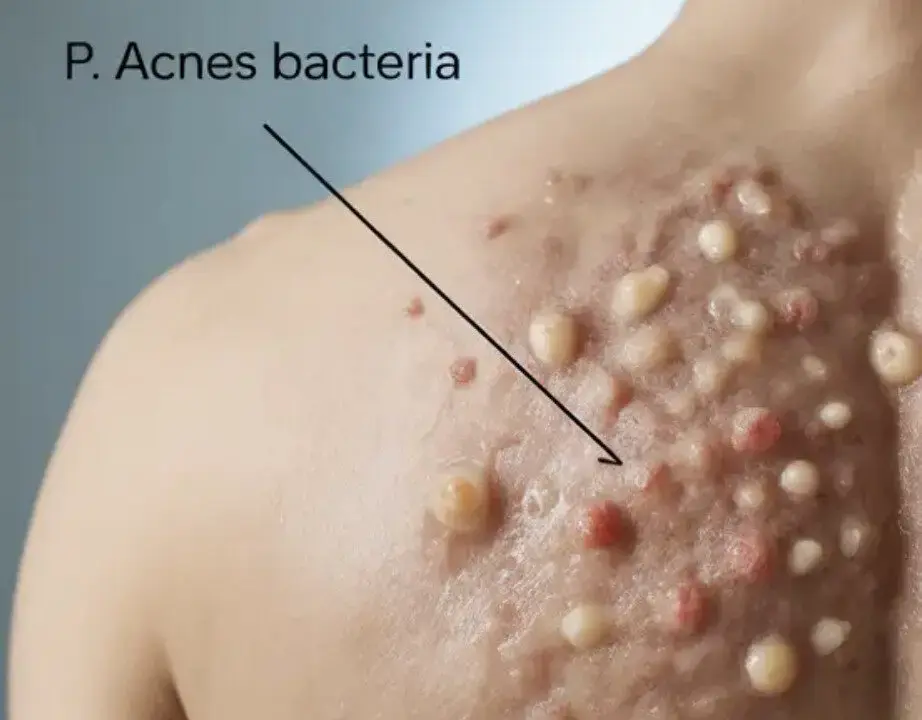
- With disorders like PCOS, extra androgens convert to supercharged DHT, amping up sebum, clogging pores, and inviting Cutibacterium acnes to the party.
Picture this: one week before your period, you start breaking out like clockwork. You’re not imagining things—your skin is literally following your hormone calendar.
Medications & Pharmaceutical Triggers
Some of the biggest acne surprises arrive courtesy of your medicine cabinet.
- Lithium, steroids, anticonvulsants, some IUDs, changing birth control, and testosterone therapy are all top offenders.
- Side effects can play the long game; you might see acne pop up months after starting a new med.
- Medical advice alert: Never stop prescription meds without guidance. Consult your provider about alternatives if you suspect a pill is provoking your pimples.
A highly shareable tip: “If you’ve switched meds and your skin changed three months later, that’s not random coincidence. Time to connect the dots.”
Genetics: The Inherited Wild Card
Wondering why your breakouts look suspiciously like your parent’s did at your age? Genetics stack the odds against (or in favor of) your skin.
- Experts estimate acne risk and sebum characteristics are 50-90% heritable—that’s a massive family influence.
- But here’s the twist: your DNA sets the stage, while your environment decides if you’ll actually get breakouts.
Think of it this way: “Genetics load the gun, environment pulls the trigger.” What you inherit is only half the story; your daily life writes the rest.
Stubborn acne often isn’t just about skincare—hormones, medications, and your genes play lead roles behind the scenes. Knowing these undercover agitators empowers you to spot patterns, ask better questions at the doctor’s office, and explore tailored solutions.
Unexpected Lifestyle and Environmental Triggers
Diet’s Surprising Impact
Think chocolate’s your skin’s nemesis? Science says otherwise.
Recent studies show dairy and high-glycemic diets (think: white bread, sweetened cereals, sodas) drive acne more than old-school myths ever could.
- High-glycemic foods spike blood sugar, triggering insulin surges and sending oil glands into overdrive. A 2016 review found that up to 87% of acne-prone participants experienced clearer skin on a low-GI plan.
- Milk and whey protein? The hormones and growth factors in dairy, especially skim milk, are linked to more breakouts in teens and adults alike.
- On the flip side, greasy burgers and chocolate have little evidence against them—so your favorite cheat meal just got a pass.
Curious about the latest wellness trends? “Clean eating” juices and protein powders often hide acne-triggering sugars and whey.
“Your brunch bisque isn’t the villain—it’s the vanilla protein shake you added on top.”
Product & Hygiene Pitfalls
What you put on your face (and everything that touches your face) can disrupt even the most robust skin barrier.
- Oil-based makeup, occlusive sunscreens, and “super-hydrators” trap oil beneath the surface, fueling breakouts.
- Ever heard of pomade acne? Hair gels, waxes, and styling creams sneak rich oils onto your temples and forehead, causing classic hairline eruptions.
- Dirty pillowcases, towels, gym gear, and cell phones quietly build up bacteria and dead skin cells—turning your daily essentials into acne’s secret weapon stash.
Scan your bathroom shelf: if it promises “ultra-moisture” or “24-hour hold,” check for pore-cloggers like mineral oil or silicones.
“Picture this: You’re layering on glow-enhancing serums but your pillowcase is doing a bacteria marathon. Ouch.”
Everyday Habits and Micro-Behaviors
Tiny choices, big impact. Are you accidentally fueling flare-ups every day?
- Pressure and friction from phones, helmets, mask-wearing, and tight hats create “acne mechanica”—localized breakouts where you least want them.
- Constant face-touching, over-cleansing, or scrubbing strips natural oils and triggers rebound sebum production.
- Staying in sweaty post-workout clothes is like giving acne bacteria an “all-you-can-eat” buffet.
Ever felt like your workout gear is plotting against your pores? Spoiler: It might be.
“Small shifts—like swapping pillowcases twice a week or leaving your phone out of bed—can outsmart even the sneakiest acne triggers.”
Awareness is your first defense. Focus on low-GI meals, review your product ingredients, and upgrade hygiene habits—and you’ll turn hidden enemies into manageable mysteries.
Other Underestimated Influences
Stress, Sleep, and the Invisible Instigators
Let’s get real—stress and sleep aren’t just buzzwords tossed around in wellness circles. They have measurable impacts on your skin.
When your stress spikes, your body releases cortisol—that’s your “fight or flight” hormone. Just one all-nighter or crushing work deadline can rev up androgens, kicking oil glands into high gear.
- Cortisol surges from stress can trigger excess oil and inflammation.
- Lack of sleep makes it harder for your skin to repair damage, leading to more pronounced breakouts.
- Hormonal shifts during menstruation and menopause can also crank up oil production—70% of women report more breakouts before their period.
If your skin feels unruly after a tough week or a big life change, you’re not imagining it. “The way we feel shows up on our faces, sometimes loud and clear.”
Environmental and Mechanical Factors
Picture this: You’ve hit the gym, tossed your tight sports bra and mask into your bag, and hopped on a crowded train home. By the end of the day, those harmless habits could be plotting against your pores.
- Backpacks, helmets, face masks (“maskne”), and sports gear create friction “hot spots” that clog pores and spark new breakouts.
- Pollution, city smoke, and even air conditioning can coat your skin with tiny particles, fueling irritation and oil.
- Smoking and dehydration worsen inflammation and slow skin recovery—even if you never set foot in a locker room.
If your skin's acting up after a summer in the city or a binge of home workouts, these culprits might be hiding in plain sight.
Data and Real-World Variability
Not all triggers hit everyone the same way—think of your skin as having its own fingerprint.
Check out this quick-glance “influence chart” for clarity:
- Hormonal/Stress: Deadlines, periods, insomnia = oil surge, breakouts
- Mechanical: Face masks, hats, sports gear = friction, blocked pores
- Environmental: Smoke, pollution, dehydration = irritation, slower healing
Here’s a wild stat: up to 90% of acne cases involve genetic predisposition, but environmental triggers decide how—and when—it shows up.
Some folks can nap in gym clothes and see zero spots, while others get patchy breakouts after one long commute.
If mystery breakouts keep happening, start a simple skin diary—or snap weekly photos—to map patterns. For anything stubborn or severe, it’s always smart to loop in a dermatologist and get a tailored plan.
Picture this: Your daily routine is a map of hidden skin saboteurs—tiny adjustments add up quickly, especially when you know what you’re looking for. Sometimes solving “acne whodunnit” is the key to feeling confident every day.
A Practical Framework for Identifying Your Hidden Acne Causes
Building Your Personal Acne Detective Toolkit
Cracking the code on your breakouts takes a little detective work and the right tools. Start with a symptom journal—track when you notice flare-ups, their severity, and any potential triggers you spot.
Picture this: You jot down a new forehead breakout right after switching shampoos, or a jawline flare-up at the start of every month. Patterns start to pop.
For an efficient deep dive, use:
- Diet diaries (did that extra latte make a difference?)
- Environmental audits (new detergents, pet dander, air pollution spikes)
- Product ingredient checks (are you using anything with oils, silicones, or comedogenic compounds?)
Now bring in some tech:
- Skin-tracking apps can help you log flare-ups, products, and habits
- Photos (with timestamps) make it easy to visually spot trends
- Wearables can flag changes in sleep or stress that coincide with breakouts
“Every breakout has a story—sometimes, it just takes a little digital sleuthing to get the plot twist.”
If your breakouts just won’t budge, or you notice severe, stubborn, or painful acne, it’s time to:
- Consult a dermatologist for expert guidance and possible hormone or allergy lab tests
- Review recent medication changes (even those that started months ago can be a culprit)
Stacking the Odds in Your Favor
Let’s get tactical. Here’s how you can immediately tip things in your favor:
- Swap out heavy skincare products for lightweight, non-comedogenic options
- Wash pillowcases, towels, and gym gear regularly to outmaneuver breeding bacteria
- Keep hands off your face and minimize the use of friction-causing accessories (tight hats, helmet straps, or even your phone)
Don’t underestimate the small stuff—72% of adults say they discovered a hidden trigger only after tracking their daily routines.
Picture this for video: A split screen—one side, a messy desk and dirty pillowcase; the other, a fresh, streamlined setup and smiling, clear-skinned user.
“Your skin keeps the score. The more patterns you track, the easier it is to rewrite the story.”
When it comes to acne, there's no one-size-fits-all. But combining smart tracking with targeted tweaks gives you a huge edge. Keep sleuthing, keep tweaking, and remember: your breakthrough might be just a pattern away.
Conclusion
Understanding your skin isn’t just about following routines—it’s about becoming your own expert detective. When you recognize and address hidden acne triggers, you unlock more control and confidence over your complexion. No more blaming yourself or guessing in the dark; it’s time for data-driven, everyday solutions.
Small tweaks add up. Each clue you uncover can mean fewer mystery breakouts and more mornings where you like what you see in the mirror.
Start transforming your skin journey right now:
- Track breakouts and daily patterns in a notebook or skin-tracking app to spot trends others might miss.
- Audit your routines, products, and tech habits—from your pillowcase to your phone, every detail matters.
- Review any medication swaps or hormonal shifts and discuss skin changes with your healthcare provider.
- Focus on targeted product swaps—switch to lightweight, non-comedogenic formulas and refresh towels, pillowcases, and workout gear more often.
- Experiment and document one change at a time—patience is your secret weapon in this process.
Ready for your next move?
- Scan your nightstand and bathroom shelf—what’s old, expired, or heavy? Clear it out tonight.
- Set a reminder to change your pillowcase twice a week.
- Download a tracking app or start a simple skin diary—five minutes daily can reveal surprising patterns.
- If your routine’s not cutting it, schedule a consult with a dermatologist to layer in expert insight.
The path to clearer skin is about discovery, not perfection. Every step you take to decode your breakouts gets you closer to solutions that fit your unique life, not just generic advice.
“Every breakout leaves a clue—real confidence comes from piecing together your own answers.”
Let your curiosity lead the way, and turn every challenge into a new opportunity for empowered skin care—and self care.