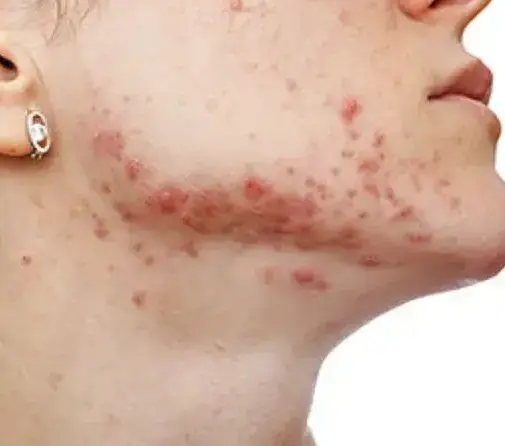
Key Takeaways
Pimples aren’t just a teenage rite of passage—they come in several forms, each with its own causes and best solutions. Knowing what you’re dealing with is the foundation for smarter, faster, and more effective skin management. Here are the most actionable insights you can apply right away to outsmart your next breakout:
- Pimples form when your pores clog with excess oil and dead skin cells, often inviting bacteria and inflammation for added trouble.
- Identify your breakout type—from whiteheads and blackheads (non-inflammatory) to papules, pustules, nodules, and cysts (inflammatory)—to choose the most effective treatment.
- Four triggers drive every pimple: excess oil, sticky skin cells, bacteria, and inflammation are the main culprits to watch and manage.
- Lifestyle and genetics both play roles: Hormones, diet, friction, and stress can tip the scales, while some people are simply more “pore prone” thanks to their DNA.
- Blackheads aren’t dirt—just oxidized oil; over-scrubbing can backfire, so use gentle exfoliants and non-comedogenic products to prevent and treat comedones.
- Deep nodules and cysts demand professional care: If you’re battling painful, stubborn lumps that last weeks, over-the-counter solutions won’t cut it—see a dermatologist for targeted support.
- Spot treatment is all about speed and match: Early intervention with actives (like salicylic acid or benzoyl peroxide) stops bumps from escalating into scars or severe flare-ups.
Understanding your specific pimple type is your shortcut to clearer skin—scan this guide, act early, and you’ll be ahead of the acne curve. For a deep dive on solutions by type, check out the full article!
Introduction
Ever noticed how a single pimple can throw off your whole morning—especially when it lands right before a big pitch or Zoom call? You’re in good company: over 85% of under-30 professionals wrestle with breakouts, yet most don’t realize there’s more than one type of pimple and each has its own cause—and solution.
That surprise bump on your chin may not be the same as last week’s stubborn blackhead or that deep, tender knot that lingers for days. Treating them the same way? That’s where frustration, wasted products, and delayed results creep in.
Here’s the kicker: not all skin trouble is actually acne—and targeting the wrong culprit means longer recovery and more irritation. Knowing how to spot exactly what’s happening beneath the surface can be the difference between a persistent problem and a clear solution.
Why does this matter for you? Because identifying the right pimple type arms you with smarter, more efficient routines—think:
- Pinpointing triggers (like stress, diet, or daily tech habits)
- Choosing treatments that actually work for each specific bump
- Avoiding common skincare traps that make things worse instead of better
Whether you’re a marketer prepping for an in-person event or a content creator maximizing your on-camera confidence, understanding the full pimple playbook helps you sidestep guesswork and get faster results.
Curious about what’s really going on under your skin—and which steps set you up for a clear, confident look?
We’ll start by breaking down the basics: what actually counts as a pimple, why some bumps are harmless imposters, and how your unique breakout story unfolds on a microscopic level.
Understanding Pimples: The Basics
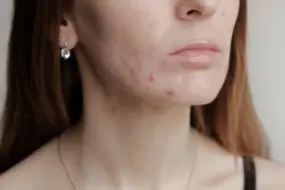
Picture this: You wake up, glance in the mirror, and spot a new bump—classic pimple, right? Pimples are the world’s most common sign of acne, appearing when your pores get clogged and decide to throw a tiny skin rebellion.
Whether you’ve dealt with a lone spot before a big meeting or a full-fledged breakout blitz, you’re not alone—over 85% of people under 30 experience pimples at some point, according to clinical studies.
What Exactly Is a Pimple?
At its core, a pimple is:
- A clogged hair follicle (pore)
- Packed with oil (sebum) and dead skin cells
- Sometimes joined by bacteria and fiery inflammation
Think of pimples as part of the larger acne spectrum:
- Non-inflammatory pimples (called comedones, like whiteheads and blackheads)
- Inflammatory pimples (red, angry papules or the classic pus-filled pustules)
- Severe forms (nodules and cysts—hello, deep trouble)
Pimples vs. “Lookalikes”: Here’s How to Tell
Not every bump is a pimple. Other common skin blemishes include:
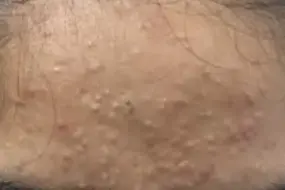
- Milia: Tiny, firm white bumps (not pore blockages, but trapped keratin)
- Sebaceous filaments: Grayish dots, often on the nose, which are normal and not true pimples
Pro tip: If a bump has no redness and never seems to budge, chances are it’s milia or a sebaceous filament—not an acne lesion.
Skin Freak-Out 101: Why Pimples Happen
Imagine your skin like a kitchen drain—when oil, dead skin, and “gunk” stack up, the pore clogs like a pipe. One blocked pore? Easy fix. Multiple? We’re talking a whole back-up, leading to:
- Mild bumps (whiteheads or blackheads)
- Red, swollen spots (papules or pustules)
- Deep, stubborn knots (nodules or cysts)
“A pimple is a clogged kitchen drain—blockage leads to backup, mess, and sometimes an all-out flood!” You can almost picture it for a TikTok explainer.
Why This Info Matters for You
- Every pimple tells a story—and understanding which type you’re dealing with is step one to effective treatment.
- Recognizing the difference between pimples and their skin imposters can save you frustration and help you pick the right solution.
- Remember: Great skin management starts with correct identification, whether you’re a skincare rookie or AI-powered self-care pro.
Bottom line: Mastering “skin freak-out 101” gives you the edge—you’ll spot problems sooner, treat them smarter, and finally outsmart those pesky pimples.
The Core Causes Behind Every Pimple
Understanding why pimples pop up isn’t about shaming your hygiene—it’s about what’s happening below the skin’s surface.
Nearly all pimple types start the same way: a blocked hair follicle (aka a pore) gets overwhelmed with oil, dead skin, and sometimes bacteria.
Spotting your unique “triggers” is half the battle—let’s break down the mechanics behind every breakout.
The “Big Four” Triggers: What’s Really Happening Underneath
There are four core causes that combine to create every pimple, from tiny whiteheads to deep cysts:
- Excess sebum (oil) production: Driven by hormones, especially androgens.
- Sticky dead skin cells: When these shed abnormally, they clump with oil and plug the pore.
- Bacterial growth: Cutibacterium acnes multiplies in blocked pores.
- Inflammation: The body reacts, causing redness, swelling, and sometimes pain.
Picture a crowded subway tunnel: too much “traffic” (oil, skin cells), a sudden blockage, and now the authorities (your immune system) are on high alert.
Why Your Genetics and Lifestyle Tip the Scales
Some folks are simply more likely to break out due to their genetics or hormone levels—think of it as inheriting a “pore personality.”
But even with perfect genes, life happens:
- Hormonal shifts (think puberty, menstrual cycles, stress spikes)
- Diet trends (some research links dairy and high-glycemic foods to breakouts)
- Sweat and friction (workout bands, masks, phone screens against your face)
Fun fact: Over 80% of teens and nearly 50% of adults get pimples, proving it’s not just you.
Busted Myths and Modern Insights
Notably, blackheads aren’t “dirt”—they’re oxidized oil. Scrubbing harder won’t “clean” them away and can actually make things worse.
Products labeled “non-comedogenic” help, but even the best cleanser can’t override deep-down biology.
Researchers are exploring new topics like the microbiome’s role and how skin bacteria “ecosystems” impact breakouts—science is still catching up!
Watch Out for Sneaky Contributors
Beyond biology, plenty of day-to-day things can nudge your skin toward a breakout. Spot these early for extra control:
- Medications: Steroids, lithium, and certain birth control pills can change oil production.
- Comedogenic skincare/cosmetics: These block pores (look for ingredient lists).
- Friction or pressure: From masks (“maskne”) and helmets to that go-to beanie.
- Stress and diet: Late nights, looming deadlines, or that extra slice of pizza.
Ever had new pimples show up right after switching shampoo or after a killer spin class? It’s not coincidence—skin reacts to what’s around it.
Knowing the “why” behind your breakouts empowers you to take targeted, realistic action—most pimples come from inside jobs, not dirty skin. Start tracking your own triggers, factor in both science and lifestyle, and you’ll be steps closer to clear, confident skin.
Non-Inflammatory Pimples (Comedones): Whiteheads & Blackheads
Non-inflammatory pimples—aka comedones—are the “beginner class” of breakouts. If you’ve ever run your hand over your face and felt tiny bumps, you’ve likely met these guys.
Pore clogging creates comedones. Think of your pores like tiny straws: when a mix of oil (sebum) and dead skin forms a sticky plug, airflow gets blocked. Now, picture shoving sticky post-its into that straw—blockage city.
Understanding the Basics: Comedone Mechanics
Here’s what’s happening beneath the surface:
- Dead skin cells and oil pile up in the pore
- The plug blocks the opening, either fully or partially
- With the right conditions (hello, genetics and hormones), a bump appears
Visual tip: Non-inflammatory pimples are bumpier than they are red or angry.
“There’s more to comedones than you see—think of it as traffic backed up under the surface.”
Whiteheads (Closed Comedones)
Whiteheads are classic under-the-radar bumps—small, white or flesh-colored, and quietly lurking below the skin.
They occur when the plug stays completely sealed, never touching air—so no oxidation, no dark color.
Common triggers include:
- Excess oil production
- Sticky skin cells (sometimes from new or heavy skincare routines)
- Changes in products (think: creams or sunscreens)
Quick scenario: You try a new moisturizer, and suddenly white dots pop up along your cheeks. You’re not alone.
Blackheads (Open Comedones)
Blackheads have a signature look: dark, flat-topped, and usually not very raised.
Here’s the myth-buster: the dark color is oxidized oil—not dirt. When the pore stays open, air exposure turns the plug black.
Who’s prone?
- Oily skin types
- Larger pores (blame genetics and age)
- Frequent makeup or sunscreen users may notice more, especially if they don’t double-cleanse
Visual: That “sea of tiny black dots” on your nose? Classic blackheads.
Practical Tips for Managing Comedones
You can outsmart these bumps:
- Use gentle chemical exfoliants (like salicylic acid) 2-3 times per week
- Choose non-comedogenic (not pore-clogging) skincare and cosmetics
- Resist over-washing—gentle is smarter, not more is better
Curious about pro extractions? They work for stubborn comedones, but DIY can cause scarring or infection—leave it to trained hands.
Picture this: A smooth, bump-free forehead is more about what you don’t do than what you do.
When it comes to whiteheads and blackheads, being proactive with proven routines makes a real difference. Understanding the mechanics helps you take charge—think prevention, not just reaction.
Inflammatory Pimples: Papules & Pustules
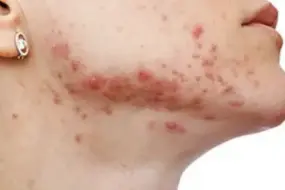
Inflammatory pimples are your skin's cranky warning signs—they’re the big, red, angry bumps that signal things have moved beyond a clogged pore.
When your pores fill with oil and dead skin cells, bacteria (usually Cutibacterium acnes) can turn a tiny blockage into a full-blown SOS by triggering your immune system.
If you’ve ever wondered how a harmless bump suddenly goes rogue, picture it: a silent, blocked pore suddenly becomes swollen, red, and sore—the body's fiery attempt to clean up the mess.
“Papules are your skin’s SOS flares—pustules are when things boil over.”
Papules
Papules show up as small, red, and tender bumps that never form a clear white or yellow top.
They happen when the wall of a blocked pore actually breaks inside your skin, causing everything in the pore to spill out and fire up local inflammation.
- Red, sore, and slightly raised
- No visible “head” (nothing to pop)
- Can feel surprisingly tender compared to typical blackheads or whiteheads
They’re often confused with bug bites or mild allergic reactions but tend to linger longer and cluster around oily areas.
Pustules
Pustules are basically the classic “zit”: larger, red at the base, and topped with a white or yellow center that’s filled with pus.
Why the pus? That’s your immune system in full clean-up mode, sending in white blood cells to fight bacteria and push debris to the surface.
- Red, swollen, and topped with a soft white/yellow head
- The pus is mostly dead skin cells, oil, and immune cells—not actual infection
Yes, they beg you to pop—but squeezing often means more inflammation, scarring, or dark marks.
These often start as papules and then “graduate” to a pustule as inflammation ramps up.
“Think of a pustule as the ‘boil-over’ mode after days of slow simmer.”
Managing Inflammatory Pimples
You’ve got proven tools to tackle these angry spots:
- Benzoyl peroxide and salicylic acid: direct over-the-counter support to calm mild papules and pustules
- Prescription options (like topical retinoids or antibiotics) for frequent or severe cases
- “Less is more”: avoid over-scrubbing or layering harsh products—gentle routines = less irritation and fewer marks later
To minimize marks, don’t pick, and always prioritize products labeled “non-comedogenic”.
Top takeaway: Spotting papules or pustules on your skin means it’s time to act gently but deliberately—smart, evidence-based treatments now can prevent stubborn scars and help you get back to clear, confident skin faster.
Deep, Severe Pimples: Nodules and Cysts
Deep inflammatory breakouts—nodules and cysts—are more than skin-deep annoyances.
They’re the kind of pimples that signal your skin’s immune system is in full-blown crisis mode.
These severe lesions feel intense for good reason: pain, swelling, and risk of long-term scarring are all elevated here.
Think of nodules as the “iceberg pimples”—what you see on the surface is just a fraction of the problem lurking underneath.
You can’t shrink these with basic spot treatments or over-enthusiastic squeezing. Reaching the root calls for serious tactics.
Nodules
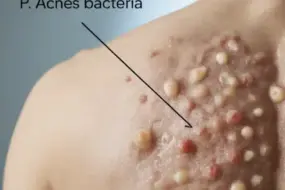
Nodules show up as:
- Large, rock-hard, painful bumps
- No visible “head” or pus
- Redness and swelling, but less obvious than a cyst
They form when a severely clogged follicle ruptures deep within your skin, triggering extreme inflammation.
This is a favorite trick of hormonal surges—especially in teens, young adults, or anyone riding the stress rollercoaster.
Nodules linger for weeks or even months, refusing to heal quickly or go away quietly.
Cysts (Cystic Acne)
Cysts are the drama queens of acne:
- Big, soft, tender, or downright painful lumps
- Red or white, filled with pus far below the skin
- Often larger and more diffuse than nodules
With cysts, your immune system goes overboard, flooding the area and damaging skin tissue.
This is why cystic breakouts are much more likely to leave scars or uneven texture after they finally resolve.
DIY extractions or home remedies don’t cut it—cystic acne almost always needs a professional gameplan.
Action Steps for Severe Pimples
Don’t wait out deep, painful spots hoping for a miracle.
Here’s when to see a dermatologist (versus home care):
- Your pimples are deep, severe, and painful, lasting more than 2 weeks
- They’re multiplying or leaving dark marks or dents
- Nothing over-the-counter is working after 1-2 months
Pro treatment options can include:
- In-office drainage (never DIY!)
- Cortisone injections (for instant relief and swelling)
- Prescription drugs tailored to deep acne (think oral antibiotics or isotretinoin)
“If you’re tackling relentless, painful bumps—don’t tough it out alone. Professional care is fast, effective, and protects your skin in the long run.”
Imagine waking up tomorrow without that tender lump—one quick office visit could start the healing sooner than you think.
When it comes to severe nodules and cysts, acting early and seeking expert help is the game-changing step for both your skin health and confidence. If you picture your breakout as an iceberg, treating the hidden part below the surface is what finally gets results.
Comparing the Types: How to Identify Your Breakouts
Spotting the difference between whiteheads, blackheads, papules, pustules, nodules, and cysts can save you time, products, and frustration.
Each pimple type has a unique look, feel, and story behind it—think of this as your “breakout field guide.”
If you’ve ever wondered, “Is this just a clogged pore or something deeper?” you’re not alone.
Quick Visual & Feel Checklist
Use these bullet points as a go-to reference when examining your skin:
- Whiteheads:
- Appearance: Small, white or flesh-toned bumps with no visible opening
- Feel: Slightly raised, firm, not sore
- Pattern: Common on oily zones, pop up with product changes
- Blackheads:
- Appearance: Flat, dark dots (not dirt!) with a wider pore
- Feel: Not inflamed, texture may feel bumpy
- Pattern: Common around nose and chin, rarely red or painful
- Papules:
- Appearance: Small, red or pink bumps with no visible center
- Feel: Tender to touch, may feel warm
- Pattern: Clusters during hormonal shifts, stress, or friction
- Pustules:
- Appearance: Red base with a white/yellow pus-filled tip
- Feel: Sore, soft top may “pop” easily
- Pattern: Show up after papules, classic “zit” look
- Nodules:
- Appearance: Large, hard, deep bumps—no visible head
- Feel: Painful and firm, can linger for weeks
- Pattern: Often single, sometimes triggered by hormones
- Cysts:
- Appearance: Large, soft, red or white lumps deep under the skin
- Feel: Achy, squishy, may ooze if ruptured
- Pattern: Multiple in severe breakouts, almost always require pro help
Real-World Scenarios That Make Sense
Picture this: You’re looking in the mirror and see a tiny white bit under the skin near your nose—is it a whitehead or a sebaceous filament?
- If it wipes away with a gentle swipe, it’s likely a filament (totally normal).
- If it’s firm and sticks around for days, it’s a true whitehead.
Feel a sore, red bump forming overnight?
- If it stays red and solid, you’ve got a papule.
- If it morphs into a pus-tipped head, congrats, it’s now a pustule.
When to Ask an Expert
If your breakouts hurt, linger, or scar—don’t play the guessing game.
- Dermatologists can identify stubborn nodules, cysts, or unusual patterns (like sudden clusters or full-face breakouts)
- If you’re Googling “why won’t this go away?” for weeks, a quick consult can fast-track results
The real win? Matching your breakout type to the right treatment—so your skin (and your sanity) both benefit.
Visual cues and feel are your best first tools, but professional input is always in style when things get tough.
Think of this guide as your “acne decoder”—because the fast lane to clearer skin is knowing exactly what you’re up against.
Connecting Pimple Types to Broader Acne Management
Understanding your breakout isn’t just a “skin thing”—it’s the difference between spending months battling stubborn pimples and using a few smart, targeted steps for faster results.
Every common pimple type, from blackheads to cysts, is a piece of the bigger acne puzzle.
Think of the “Types of Acne” classification (check out our main guide) as your acne field guide: spot the symptoms, pick the right approach, and skip the guesswork on what actually works.
Why Accurate Identification Matters
You wouldn’t use the same strategy for a minor whitehead as you would for a deep, painful nodule—and the science backs this up:
- Non-inflammatory pimples like whiteheads and blackheads respond best to gentle exfoliation and oil control
- Inflammatory pimples like papules and pustules often need targeted spot treatments with active ingredients (think benzoyl peroxide or salicylic acid)
- Deep lesions (nodules, cysts) typically demand professional care—those over-the-counter kits just won’t cut it
A single missed detail can mean the difference between clear skin in weeks instead of prolonging the cycle for months.
“Spotting the right pimple type isn’t overkill—it’s the shortcut to a smarter, more efficient routine.”
How Pimples Progress (and Why It’s Key)
Ever wonder how a tiny clog becomes a raging zit?
Here’s the typical trajectory:
- Clogged pores (comedones) brew quietly as whiteheads or blackheads
- Left unchecked, inflammation sets in, morphing into red papules or pus-filled pustules
- If things spiral, deep tissue involvement creates nodules or hard-to-budge cysts—often leading to scarring that can last for years
Left untreated, up to 20% of cystic lesions result in permanent marks—which shows why early intervention pays off.
Actionable Acne-Savvy Moves
Ready to outsmart your breakouts?
Try these practical tips:
- Track your pimples: Are they mostly small bumps, sore spots, or big, deep lumps?
- Match your treatment: Use non-comedogenic products on blackheads/whiteheads; targeted actives on inflamed pimples; see a pro for nodules/cysts
- Time is on your side: Address new bumps early to prevent escalation (the quicker you treat, the smoother the recovery)
Accurate pimple ID is the ace in your pocket—think of it as tech-enabled skin management. The goal? Fewer breakouts, smarter skincare, and more confidence in your next move.
Conclusion
Mastering the different types of pimples—and understanding why they appear—is more than skincare trivia. It’s the shortcut to spending less time stressed in front of the mirror and more time feeling confident in your skin.
The real win? Taking action based on knowledge, not guesswork. When you know what you’re up against, every product, routine, and decision becomes more strategic—giving you the control back when it comes to your skin’s future.
Key Moves for Clearer, Smarter Skin:
- Identify your breakout type first—don’t just throw products at random bumps.
- Track patterns and triggers to pinpoint lifestyle or product culprits.
- Tailor your products: gentle actives for blackheads, spot treatments for inflamed zits, and pro help for deep nodules or cysts.
- Keep your routines consistent—jumping from trend to trend sets you back.
- Don’t hesitate to consult an expert if you spot pain, scarring, or persistent severe acne.
Here’s how to start today:
- Take two minutes to observe your skin and jot down exactly what types of bumps you see.
- Audit your skincare products—ditch anything with comedogenic ingredients or that triggers a reaction.
- Pick one positive change (like a gentler exfoliant or earlier dermatologist visit) and commit this week.
- Bookmark this guide for quick reference whenever a new bump shows up—and revisit as your skin evolves.
Clear, confident skin isn’t out of reach—it comes from noticing what’s really happening and responding with smart, purposeful moves.
Every pimple is a chance to learn your skin better. Spot, act, and stay empowered—because your next “aha” moment might be the one that finally outsmarts your breakout.
Being proactive about your skin today is the best investment you’ll make in tomorrow’s confidence—so go ahead, make your next move bold.