Key Takeaways
Knee pain affects up to 25% of adults, and the right strategy can mean the difference between powering through your day or sitting on the sidelines. Here’s how you can find relief, boost mobility, and prevent further issues—no matter how busy life gets.
- Identify your knee pain source by tracking activity, injury history, and risk factors; early recognition leads to tailored, effective treatment.
- Apply the RICE method immediately—Rest, Ice, Compression, Elevation—for sharp or sudden pain, especially within the first 48–72 hours after injury.
- Choose medications wisely by distinguishing between NSAIDs for inflammation and acetaminophen for pain, and layer with topical gels or patches for targeted relief.
- Integrate safe movement and exercises—gentle stretching, low-impact cardio, and strength work—to speed recovery and minimize long-term stiffness or weakness.
- Leverage support tools like compression sleeves, braces, or smart wearables to reduce swelling, stabilize movement, and track real-time progress.
- Consider advanced treatments—such as corticosteroid or hyaluronic acid injections—if pain persists despite other interventions; these can offer relief for several months.
- Adopt knee-friendly lifestyle changes by managing weight, choosing supportive shoes, and tracking daily habits, which can relieve up to four times more force on your knees with each step.
- Layer solutions for the fastest results—most people see improvements within 2–4 weeks when combining home routines, medication, and devices, and by personalizing their action plan.
Choose the right mix for your unique needs, and you’ll stay mobile, productive, and ready for what’s next—explore the full guide for deeper strategies and smart knee care insight.
Introduction
Ever feel that unwelcome twinge in your knee—just as you’re headed into a big meeting or hustling through a crowded airport? You’re not alone: up to 1 in 4 adults is sidelined by knee pain at any given moment, and it’s one of the sneakier culprits stealing your energy, mood, and mobility.
For tech-driven professionals and creators, knee discomfort isn’t just about missing a workout—it can mean fewer steps between meetings, rearranged travel plans, or missing out on playtime with your kids. And when your schedule’s already maxed out, waiting for relief isn’t an option.
The upside? New tools and smarter strategies are making knee pain more manageable than ever. No matter your workload or workflow, there are accessible solutions ready to help you:
- Pinpoint what’s really behind your knee pain (hint: sometimes it’s not what you think)
- Find fast, practical relief with home treatments and over-the-counter options
- Explore evidence-based medications, support devices, and innovative tech
- Build sustainable habits—so you stay resilient for every sprint, pitch, and brainstorm
You’ll gain real-world advice backed by the latest research, plus actionable tips you can use between Zoom calls, business trips, or late-night editing sessions. Whether you’re new to knee pain or grappling with that nagging ache for months, these insights respect your time, your tech-savvy side, and your need for real results.
Curious how small changes today can keep you moving, focused, and a step ahead—without missing a beat?
Let’s unpack why knee pain happens, what it means for your day-to-day, and which solutions actually make a difference when you need relief most.
Understanding Knee Joint Pain: Causes and Impact
Knee pain is frustratingly common—affecting up to 25% of adults at any given time—and it can put both your physical performance and daily comfort on pause.
Knowing the roots of your pain is the first step to lasting relief and prevention.
Why Your Knee Hurts: Most Common Causes
Knee pain doesn't just happen out of nowhere. Picture this:
- Injury: Falls, twists, direct blows, or sudden stops can cause sprains, strains, meniscus tears, or ligament injuries.
- Overuse: Repetitive stress from running, squatting, jumping, or standing too long can break down tissue over time.
- Arthritis: Osteoarthritis (the “wear and tear” kind) and rheumatoid arthritis both trigger pain, stiffness, and swelling.
- Mechanical Problems: Poor alignment, kneecap tracking issues, or even flat feet can overload parts of your joint and magnify pain.
“Knee pain isn’t just for athletes—anyone can be sidelined by overuse or age-related changes.”
How Knee Pain Impacts Your Life
Pain isn’t just an annoyance. It:
- Limits your movement—stairs or long walks can suddenly feel impossible
- Disrupts sleep when throbbing pain sets in at night
- Makes favorite activities (like playing with your kids or biking) feel out of reach
Acute pain is sudden and severe—think sports injury or a fall. Chronic pain (lasting more than 3 months) is usually more subtle but can wear you down over time.
Who’s at Higher Risk?
Know your risk factors:
- Age: Risk jumps with every decade, thanks to cartilage wear.
- Activity Level: Weekend warriors and desk jockeys alike can overdo it.
- Obesity: Gaining just 10 pounds adds 15-40 extra pounds of force to the knee with every step.
- Previous Injuries: A sprained knee in your 20s could spell trouble in your 40s.
“Every extra pound puts more strain on your knees—protect your joints by managing your weight.”
When to See a Doctor
Don’t tough it out if you notice:
- Severe swelling or an obvious deformity
- Inability to put weight on your leg
- Fever plus redness and knee pain
- Pain that sticks around beyond a few weeks
“Ignoring sharp or persistent knee pain is like ignoring a warning light on your dashboard—act quickly, and you could prevent bigger problems down the road.”
Knee pain is never just a minor inconvenience. Spotting the cause and risk factors early means you can take action—whether that’s resting, adjusting your routine, or seeing a specialist. The earlier you understand your pain, the quicker you’ll get back to what you love.
Immediate Relief Strategies: Home Remedies and First-Line Care
Feeling that sharp knee twinge and need to act fast? The RICE method is your first responder—think Rest, Ice, Compression, and Elevation.
Picture this: you’re hustling through a work trip or chasing after your kid in the yard, and suddenly, knee pain strikes. Here’s your playbook:
- Rest the joint by pausing activity (but not going fully sedentary).
- Ice the knee for 15–20 minutes, four to eight times a day, especially within the first 48–72 hours to reduce swelling.
- Compression with an elastic bandage helps limit swelling and provides support—snug, but not so tight it cuts off circulation.
- Elevation means propping your leg above heart level on pillows when possible, to minimize fluid buildup.
When to Use Ice and Heat—and Why It Matters
Stick to ice in the first 72 hours after an injury to tamp down inflammation and prevent new swelling.
After those early days, switch to heat (think warm towels or heat packs) to help relax stiff muscles and boost circulation if the knee still feels tight.
A common mistake? Reaching for that heating pad too soon—heat in the first 48 hours can actually make swelling worse.
Quick Fixes from Your Medicine Cabinet
Facing a swollen knee or just need relief to get through the next meeting?
- Over-the-counter NSAIDs like ibuprofen (Advil) or naproxen (Aleve) target both pain and inflammation quickly.
- Compression wraps or knee sleeves are a solid investment—helpful during travel or extended periods on your feet.
- Braces add stability if your knee feels wobbly. Choose simple, adjustable models for everyday use.
Don’t Sabotage Your Own Recovery
Resist the urge to “walk it off” if the pain is sharp or you heard a pop.
Skip these common missteps:
- Avoid wrapping the knee too tightly—numb toes are not a good sign.
- Don’t keep the joint totally still for days; light movement prevents stiffness.
- Never mix multiple pain meds without double-checking interactions.
Memorable Tips for Fast Relief
Think “RICE first, hustle later” for any sudden knee pain.
Consistent 15–20 minute ice sessions beat one big chill marathon every time.
Look for swelling or bruising that gets worse—if you see it, it’s time for a pro’s opinion.
Immediate home strategies give you honest, effective relief—so you can get back to your day with confidence while keeping your knee safe.
Medications for Knee Pain: Options, Effectiveness, and Safety
Managing knee joint pain often starts with the right choice of medication—and, let’s be honest, the difference between hobbling through your workday and staying productive can come down to what’s in your medicine cabinet.
The Power Players: OTC Pain Relief
For most people, over-the-counter (OTC) medications are the first defense against knee pain.
- NSAIDs like ibuprofen (Advil, Motrin IB) and naproxen (Aleve) work by reducing pain and inflammation. These are great for swelling after a long day on your feet or an unexpected twist.
- Acetaminophen (Tylenol) is gentler on the stomach, but it targets only pain—not inflammation. This is a solid pick for mild to moderate discomfort, especially if you can’t take NSAIDs.
A quick stat: In the U.S., nearly 60% of adults with joint pain reach for NSAIDs first.
“Choosing the right painkiller means knowing whether you need to crush inflammation—or just tame soreness.”
Topical Solutions: Relief Where You Need It
Sometimes, you don’t want a systemic effect. Enter topical pain relievers:
- Creams, gels, and patches containing lidocaine, menthol, or capsaicin can target stubborn pain zones.
- Use topicals when you want relief at the pain site, without the potential stomach or cardiovascular risks of pills.
- Heat-producing gels are trending for keeping knees moving before workouts or meetings.
Picture this: You rub in a cooling gel before a virtual meeting, and you’re not shifting uncomfortably every five minutes.
Prescription Medications: For Persistent or Severe Pain
When OTC options aren’t enough, doctors may turn to prescriptions:
- Duloxetine (a medication originally for depression) can reduce chronic joint pain—even when other meds have failed.
- Sometimes, a doctor might consider prescription NSAIDs or stronger pain relievers, but these come with greater side effect risks.
Watch for:
- Side effects like stomach upset (NSAIDs), liver strain (acetaminophen), or fatigue (duloxetine).
- Consult your healthcare provider if pain persists after one week of OTC treatments, or if you experience swelling, fever, or redness.
Combining Meds and Home Care = Smart Relief
The real innovation? Layering strategies for better results:
- Pair NSAIDs or acetaminophen with the RICE method (rest, ice, compression, elevation).
- Add a topical cream for stubborn flare-ups, especially during your busiest days.
Remember, “It’s not just about one pill—it’s about creating your own relief workflow.”
Careful medication choices, combined with supportive routines, can help you move better, hurt less, and get back to your day, faster. If what’s in your drawer isn’t working, don’t wait to open a new conversation with your doctor—or try a new pain relief strategy that fits your unique needs.
Physical Therapy, Exercise, and Movement Strategies
Movement is medicine for knee joint pain—but it’s natural to worry that you’ll do more harm than good.
Too much rest can actually weaken your muscles, leading to increased pain and a greater risk of future injury.
Picture this: letting your knee “rest” for weeks only to find simple activities like walking or standing become even harder. That’s why the right movement at the right time is crucial.
Top Exercise Options for Knee Strength and Flexibility
Not all activity is created equal—choose joint-friendly movements designed to support knee recovery.
Try this quick list of evidence-backed options:
- Gentle stretching: Eases stiffness and inspires healthy blood flow (think: hamstring stretches, calf stretches, or yoga for beginners)
- Strength-building moves: Focus on quads, hamstrings, and glutes with mini-squats, leg lifts, or resistance-band exercises
- Low-impact cardio: Swimming, stationary cycling, walking, and tai chi improve flexibility and maintain fitness without jarring your knee
Want to make it social? Joining a water aerobics class or walking group can help keep the momentum going.
Partnering with a Physical Therapist
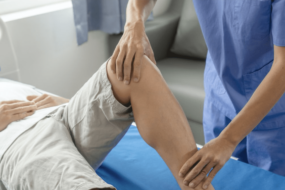
A physical therapist is your knee pain problem-solver—they’ll design a personalized plan to target problem areas, adjust exercises as you progress, and spot warning signs of overdoing it.
Here’s what to expect:
- A custom exercise script tailored to your pain level and goals
- Hands-on feedback to ensure safe, effective movement
- Regular progress reviews so you see (and feel) your improvements
According to recent data, physical therapy reduces knee pain and improves function for up to 70% of patients with persistent joint issues.
Home Exercise vs. Professional Guidance
Deciding between at-home routines and structured therapy sessions? Both have their place.
- DIY exercise plans offer flexibility and save trips, great for self-motivated folks
- Structured PT: Key if your pain lingers, you have complex conditions, or want accountability
Mixing both? That’s often the sweet spot.
How to Stay Safe and Motivated
- Start slow—listen to your body, not your ego
- Track your progress with simple apps or a journal
- Celebrate small gains (“walked pain-free for 10 minutes!”)
“Think of your rehab as a playlist: switch up exercises to keep things fresh and avoid the repeat button of injury.”
Staying active is your best defense against knee pain setbacks. A little exercise each day is more powerful than a perfect routine once in a while—and that’s a win you’ll notice every time you climb the stairs.
Support Devices and Innovative Tools
When it comes to knee pain relief, support devices aren’t just backup—they’re often the frontline for staying active while healing.
Knee braces, sleeves, and taping methods each have a role to play. Think of these as your personal toolkit for managing different pain scenarios.
- Knee braces offer rigid, targeted protection—great for stabilizing after an injury or during high-impact sports.
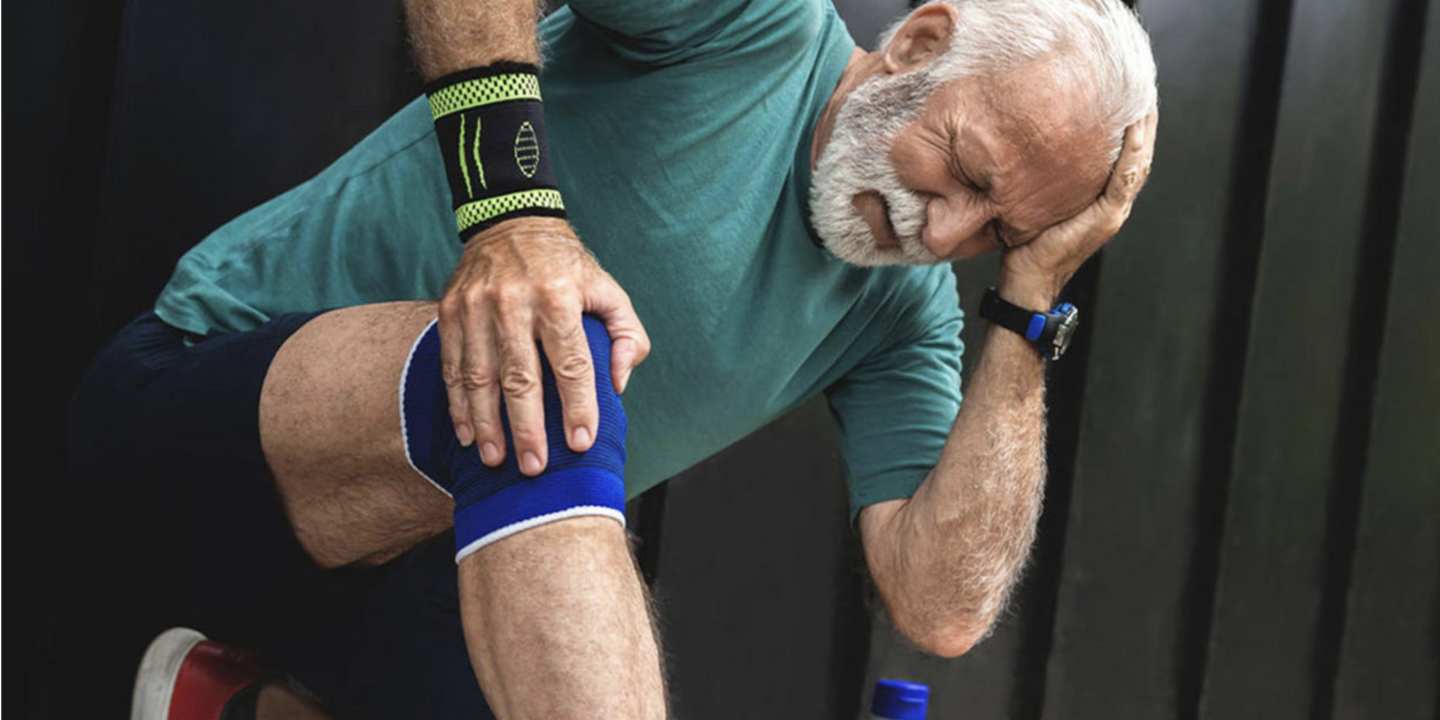
- Compression sleeves provide gentle support, reduce swelling, and work well for daily wear or minor aches.
- Kinesiology taping gives light, flexible support and can help reduce pain during exercise.
About 70% of people with chronic knee pain find that wearing a compressive sleeve helps them walk further with less discomfort.
When and How to Use Supports
Picking the right device isn’t just about what hurts—it’s about how you move.
- Use braces for post-injury recovery or long hikes.
- Grab a sleeve for all-day support at your standing desk or during a jog.
- Try kinesiology tape for activities that demand flexibility, like yoga or group fitness classes.
Switch things up based on your activity level and pain severity—there’s no one-size-fits-all.
Mobility Aids: Breaking Stigma, Boosting Freedom
Canes and walkers aren’t just for the hospital corridor.
- A stylish, collapsible cane or a sleek walker can help you stay mobile while protecting the knee joint from further damage.
- Research shows using a cane can reduce knee joint force by up to 25%—that’s a big relief for tender knees.
Confidence on your feet doesn’t have to look old-school.
Next-Gen Wearables and Smart Supports
Tech is raising the bar for knee pain management.
- Smart sleeves with sensors track your gait and pressure, offering real-time data you can share with your physical therapist.
- Vibrating compression wraps use gentle pulses to enhance blood flow and speed up recovery.
- Some digital knee braces can even alert you if they sense improper movement.
Picture this: you pop on a connected support, get a friendly buzz if you’re off track, and all your stats sync right to your phone. Welcome to knee care that’s as hands-on—or hands-off—as you need.
Choosing and Recommending Supports
Factor in your goals, not just your pain.
- Weekend warriors might love a sturdy brace from brands like DonJoy ($75-$150).
- Office workers or casual exercisers often do best with an affordable elastic sleeve (think $15-$40).
- Tech enthusiasts can explore options like the Neofect Smart Knee ($250+).
Try a few options and see which one lets you go about your day with less pain and more confidence.
For most people, the smartest knee support is the one you’ll actually wear—and one that meets your needs today, not just tomorrow. Explorers, professionals, and athletes alike can use the right tool to walk further, recover faster, and get back to doing what you love.
Advanced Medical Treatments and Procedures
When knee pain moves beyond ice packs and braces, advanced medical treatments can keep you mobile and driven—whether you’re shuffling through meetings or hiking after hours.
In-Office Interventions: What to Expect
For ongoing pain, doctors may recommend in-office options designed for relief that lasts.
- Corticosteroid injections quickly lower inflammation and can bring relief for several months (think: enough time to finish that big project or tackle a new workout routine).
- Hyaluronic acid shots act like extra lubrication for “creaky” joints, often improving movement within weeks.
- Platelet-rich plasma (PRP) therapy uses your own blood to help repair tissues—an option gaining buzz for its regenerative promise.
You’ll typically feel improvement within days or weeks, but the duration varies: corticosteroid relief may last 3-6 months, while hyaluronic acid has mixed evidence on longevity.
Efficiency, Duration, and What It Costs
Wondering how these strategies compare?
- Corticosteroid injections: Immediate effect, $100–$300, but not for repetitive use due to risks.
- Hyaluronic acid: Smoother movement, usually $300–$700 per series, with results lasting a few months.
- PRP therapy: Up to $2,000 per session and not always insurance-covered, but some experience long-term benefit—ideal for those experimenting at the edge of health tech.
Picture this: you’re back at your standing desk, pain dialed down, using smart wearables to track progress.
When to Think About Surgery
Surgery steps into play when less invasive options don’t deliver.
- You might consider procedures like partial or total knee replacement if pain disrupts life or you’ve exhausted conservative therapies.
- Modern robotic-assisted knee surgeries can offer more precise, tailored results for severe cases.
Even then, most doctors will try every tool in the box before suggesting a scalpel.
The Underrated Game-Changer: Weight
Dropping just 10 pounds can relieve as much as 40 pounds of force on your knees with each step.
Pair healthier eating with movement and you’ll be amazed by the ripple effect on joint pain—think of it as instant ROI for your knees.
A smarter approach combines tailored advanced treatments with daily habits like weight management. The real win? Personalized care that fits your goals and lifestyle, making knee pain a road bump—not a roadblock.
Lifestyle Modifications and Long-Term Management
Keeping your knees healthy isn’t just about treating pain—it’s about daily habits that reduce stress, prevent injury, and optimize mobility over the long run.
Managing Weight for Knee Relief
Carrying extra weight puts up to four times more pressure on your knees with every step. Losing even 5-10% of your body weight can cut pain and improve function dramatically—think walking a flight of stairs feeling lighter and more capable.
- Swap sugary drinks for water or unsweetened tea.
- Choose high-fiber, low-sugar foods like berries, oats, and leafy greens.
- Plan meals around lean proteins—your joints and energy levels will thank you.
As one practitioner puts it: “Every pound lost is relief your knees can feel instantly.”
Knee-Friendly Habits That Add Up
Building a joint-friendly daily routine is more than wishful thinking.
- Wear supportive shoes with shock-absorbing soles; ditch worn-out sneakers.
- Arrange your workstation to keep knees at a relaxed 90° angle—add a footrest for bonus comfort.
- Opt for low-impact leisure: brisk walks, swimming, or cycling protect your knees while keeping you moving.
Picture this: It’s Monday morning, you slip on cushioned sneakers, adjust your chair, and feel your knees sigh in relief before you even log on.
Preventing Flare-Ups and Tracking Progress
Don’t skip the basics—warm up your muscles before activity and wind down afterward.
- Spend 3-5 minutes on dynamic stretches like leg swings or light marching.
- Incorporate twice-weekly strength routines targeting quads, hamstrings, and calves.
- Use an app or pain log to track symptoms, spotting patterns and triggers early.
Smart tracking means you can spot overuse before it becomes injury—like catching a typo before you hit “send.”
Returning to Sports and Activity
Knowing when to ramp back up is critical:
- For minor sprains: gradual activity after 72 pain-free hours.
- For post-injury or surgery: wait until your provider clears you, even if you’re itching to jump back in.
- Always listen to your body—rushing recovery can undo weeks of work.
The best long-term knee care hinges on small wins each day—consistency is the real difference-maker. Choose habits that fit your lifestyle, track your success, and your knees will thank you for years to come.
Choosing the Right Knee Pain Relief Pathway: Personalizing Your Approach
Finding the best relief for knee joint pain isn’t about picking a single “magic bullet”—it’s a process that starts with understanding your pain’s cause and severity.
Picture this: after a long day, you notice your knee throbbing—should you ice it, grab some ibuprofen, or call your doctor?
Assessing When to DIY and When to Seek Expert Help
Here’s a simple checklist to help decide:
- Mild, short-term pain: Try home remedies like the RICE method, light movement, and over-the-counter meds.
- Persistent, severe, or sudden swelling/pain: Schedule a medical assessment, especially if your mobility is limited or you notice deformity.
- Frequent flare-ups: Consult a specialist to rule out conditions like arthritis or ligament injury.
“Know your warning signs—never ignore sudden swelling, intense pain, or a locked joint.”
Combining Solutions for Fast, Lasting Relief
Layering treatments often works best. Consider this combination, backed by clinical guidelines and real-world success:
- Use the RICE method within the first 48-72 hours after injury.
- Add anti-inflammatory meds (like ibuprofen) for swelling and discomfort.
- Integrate gentle stretching and low-impact exercise to prevent muscle weakness.
- Try supportive devices (braces, sleeves, or smart wearables) based on your daily activity.
Most people see improvement within 2-4 weeks by mixing multiple approaches—and tracking their progress.
Evaluating New Treatments and Staying Current
The menu of knee pain tools keeps evolving. Before adding something new:
- Check reviews and clinical data for wearables or innovative devices—some smart braces now offer personalized motion tracking.
- Ask your provider how established options (like corticosteroid injections or PRP therapy) compare in terms of cost, effectiveness, and recovery time (e.g., PRP therapy can run $500–$2,000 per treatment, with mixed results in chronic pain cases).
- Stay updated—AI-powered apps now offer movement analysis to help fine-tune at-home rehab.
“Think of your knee health plan as an evolving roadmap—you’re in the driver’s seat, with trusted experts as copilots.”
Building an Action Plan and Finding Support
Turn ideas into action with a simple model:
- Set a clear goal: Is it pain-free walking? Returning to your favorite sport?
- Track your pain and activity (apps or a journal work well).
- Schedule regular check-ins with a PT or doctor if symptoms aren’t improving.
- Use gear, exercises, and medications that fit your routine—and your budget.
You’ve got more options than ever to personalize your knee care. Remember: Progress often looks like small wins—every step is worth celebrating.
Conclusion
Empowering yourself with targeted knee pain strategies means you’re claiming more control—over your daily comfort, movement, and long-term health. No matter what’s got your knees acting up, you don’t have to just “deal with it.” There’s a smarter, more effective path forward—and it starts with you.
Ready for genuine relief? Here are your biggest wins:
- Pair smart home care (RICE method and OTC meds) with movement—this combo helps most people feel better, faster.
- Layer in supportive devices (like a compression sleeve or brace) to boost stability on your busiest days.
- Personalize your plan: Track what works, tweak as you go, and don’t hesitate to scale up—physical therapy and new tech have your back (and knees).
- Don’t ignore red flags. If pain lingers or intensifies, schedule that expert check-in. Early action prevents months of unnecessary limping.
Want immediate progress?
- Pick one thing to try today—maybe it’s icing your knee after work, swapping old sneakers for a new pair, or queuing up a 10-minute exercise video.
- Set a calendar reminder to log your pain levels and activities for the next week.
- Reach out to a physical therapist or specialist if you need a deeper dive or pro guidance.
Every step you take toward relief—no matter how small—puts you one move closer to the life you want, not the one dictated by joint pain. Don’t let setbacks sideline you: The more you listen to your knees and act early, the more you can do tomorrow.
You’re not stuck waiting on your knees to get better—you’re leading the way forward, one stride at a time. That’s true progress worth celebrating and sharing.