Key Takeaways
Here’s your quick guide to understanding cellulite—what it is, why it happens, and how to approach it confidently. These insights are distilled for busy professionals who want the facts, fast, without wading through myths or hype.
- Cellulite is a normal, harmless skin feature affecting 80–98% of postpubescent women, appearing as visible dimples often compared to orange peel or cottage cheese.
- The root cause is structural, not hygiene-related—fat cells push upward as fibrous bands pull down, creating a classic “push-pull” skin effect, especially on thighs, hips, buttocks, and abdomen.
- Cellulite isn’t a disease or sign of poor health; it differs from conditions like cellulitis, lipedema, and stretch marks by being painless, non-infectious, and purely cosmetic.
- Hormones, genetics, and anatomy drive formation, with estrogen surges (puberty, pregnancy, menopause) and genetic factors making women far more susceptible regardless of fitness or weight.
- Lifestyle tweaks can make a real difference—regular movement, stress management, and cutting back on refined carbs and smoking can visibly reduce cellulite’s appearance over time.
- Severity varies from subtle to deep dimpling, classified by visible “grades” (0–4) and different textures (soft, hard, or edematous), making personalized care the most effective approach.
- New research points to skin architecture and inflammation, not just fat, as leading contributors—meaning “miracle” creams rarely give lasting results, while experimental treatments target tissue structure.
- Psychological impact matters—cellulite is normal, but negative self-image is fueled by unrealistic cultural standards; knowing the facts helps you skip the guilt and focus on science-based self-care.
Understanding cellulite means seeing it as a common, natural phenomenon—and acting on what actually makes a difference. For a deeper dive, myth-busting details, and the latest science, check out the full article!
Introduction
Ever caught a glimpse of your reflection and wondered about those mysterious skin dimples—then immediately questioned if you’re the only one with them? Here’s a stat to put things in perspective: up to 98% of women will develop cellulite after puberty. That’s not a typo. For the vast majority, it’s as common as freckles or laughter lines.
But despite its universality, cellulite remains clouded by myths and Insta-fueled anxieties. Marketers hype miracle fixes, while friends shrug and say, “It’s genetic, right?” The real story is far more nuanced—and especially relevant if you value science-backed knowledge and want to understand what’s actually happening beneath your skin.
Knowing what cellulite is (and isn’t) gives you control—not just over your approach to wellness, but over how you talk about, strategize around, or educate others on this all-too-familiar skin feature.
In this article, you’ll discover:
- The medical definition and true meaning of cellulite
- What’s going on beneath the skin (and why it happens to nearly everyone)
- The primary factors—from hormones to lifestyle to genetics—that shape its appearance
- How to spot the difference between harmless dimples and real skin issues
- The latest research powering new conversations and future treatments
Whether you’re a health-conscious pro, creative thinker, or just tired of second-guessing your skin, you’ll walk away with practical insights and a fresh perspective that respects science, not stigma.
Curious what’s really at play when you see those dimples in the mirror—and why those caffeine creams can’t “cure” the look overnight? Let’s unpack the actual definition of cellulite and set the record straight right from the start.
Cellulite Meaning and Medical Definition
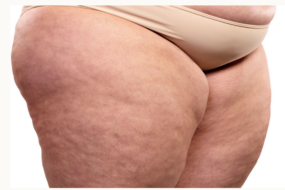
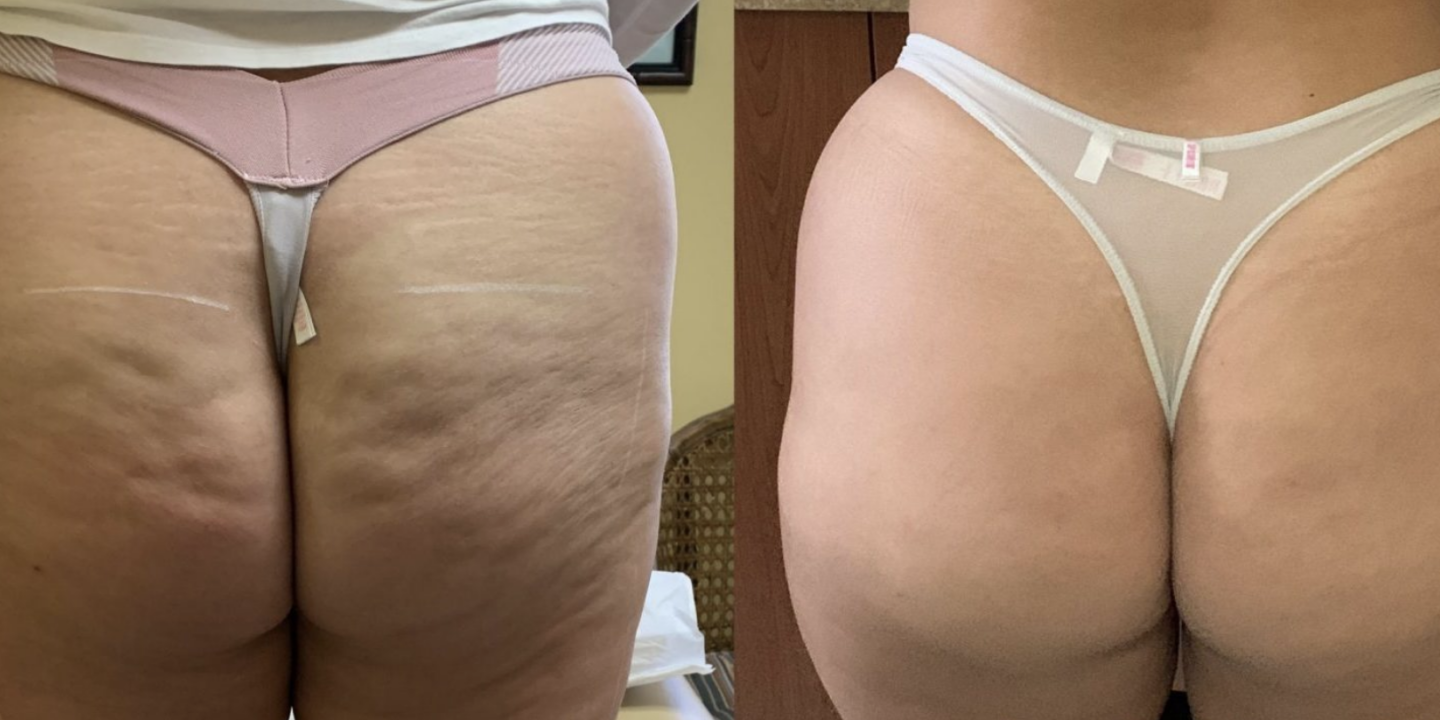
Cellulite is one of those terms everyone’s heard, but few really understand. Medically, cellulite refers to the visible, dimpled texture that appears on the skin, often compared to an orange peel or cottage cheese.
You’ll typically spot cellulite on the thighs, buttocks, hips, or abdomen in postpubescent women—statistically, 80–98% of women experience it after puberty. That means, if you’re seeing lumps or bumps, you’re not alone—it’s a normal part of human biology.
How It Looks and Where It Happens
Picture this: the skin’s surface begins to look puckered or uneven, especially when pinched or compressed. Underneath, fat cells push up against the skin while fibrous bands (called septa) pull downward. This “push-pull” creates the telltale dimples.
Here’s what happens in the layers beneath your skin:
- Fat cells herniate (push upward to the skin’s surface)
- Fibrous septa (connective tissue bands) pull skin inward
- Skin layers get caught in-between, creating dimpling or lumpiness
In women, these septa run more vertically, making dimples much more visible, while men’s crisscrossing septa usually prevent that effect.
What Cellulite Is—And Isn’t
Importantly, cellulite isn’t a disease or a sign of poor hygiene (even though old myths suggest otherwise). It’s not an infection and has zero impact on overall health, unlike conditions such as cellulitis or lymphedema.
If you’re wondering how to tell the difference between cellulite and other changes, here’s a quick cheat sheet:
- Cellulite: Painless, dimpled skin—especially in high-fat areas
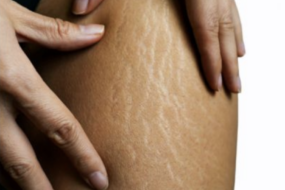
- Stretch marks: Thin, silvery or purple lines from rapid growth or stretching
- Lipedema: Symmetrical, swollen legs that feel tender
- Cellulitis: Red, hot, painful skin from infection (needs urgent care)
Busting Myths and Quick Facts
Let’s set the record straight—cellulite isn’t dirty, dangerous, or rare. It:
- Occurs regardless of weight or fitness level
- Isn’t caused by toxins
- Can’t be “cured” by fad diets or miracle creams
“Cellulite is a normal, harmless feature—most women have it, and you don’t need to fix it.”
You can see how it differs from stretch marks or medical conditions just by its pain-free nature and location. Knowing what cellulite is (and isn’t) means you can skip the guilt and focus on real, science-backed advice. Takeaway: If it looks like dimples, chances are, it’s natural and nothing to worry about.
The Science of Cellulite: Causes and Mechanisms
How Cellulite Forms
Cellulite isn’t a mystery—think of it as a skin “engineering problem” where your fat, connective tissue, and skin all play distinct roles.
Picture this: subcutaneous fat bubbles up while fibrous bands (called septa) pull the skin down, forming classic dimples. It’s a literal push-pull effect right below the surface.
This isn’t just bad luck:
- Women’s connective tissue is built differently—it’s more parallel and less crisscrossed than men’s, making cellulite about four to five times more common in postpubescent women.
- There’s no “single villain.” Cellulite is multifactorial—multiple factors combine to create its look and persistence.
“Think of cellulite like a naturally-occurring topographical map—unique to each person and shaped by lots of subtle forces.”
Primary Causes and Contributing Factors Overview
You may have heard cellulite blamed on weight or poor diet, but there’s more to the story.
Key contributors include:
- Hormones: Estrogen drives changes in fat storage and how strong your skin’s connective mesh stays. Think puberty, pregnancy, birth control, and even menopause.
- Genetics: Certain gene variations (like ACE, HIF1A) mean cellulite can run in families.
- Anatomy and aging: Thinner, less elastic skin; age-related loosening; and weakened venous or lymphatic flow matter.
- Lifestyle: Long sitting sessions, stress, poor diet (especially lots of refined carbs and alcohol), and weight gain or loss cycles all contribute.
- Environment and modern habits: Today’s more stationary lives make cellulite more noticeable.
“A single hour spent sitting can nudge risk upward—so those marathon work sessions really do add up.”
Severity and Grading
Not all cellulite is created equal. Dermatologists use a grading scale (from 0 to 4) to describe what you see.
Here’s a quick breakdown:
- Grade 0: No visible dimples
- Grade 1: Only visible when the skin is pinched
- Grade 2: Dimples show while standing, not lying down
- Grade 3: Dimples visible at all times
- Grade 4: Deep dimpling with pain or health complications, possibly hinting at circulation issues
Visual features—amount, depth, and location of dimples—matter most for classification. Personalized assessment is key: two people with similar grades might need totally different strategies.
“Severity isn’t just cosmetic—it can sometimes signal underlying changes in circulation, especially at higher grades.”
The most actionable truth? Anyone can develop cellulite, but knowing these mechanics gives you clarity and practical starting points—whether you’re rethinking your daily routine or just want to understand what’s really happening beneath the surface.
Types and Appearance of Cellulite
Classification by Texture and Presentation
Not all cellulite is created equal—understanding the differences makes it easier to spot, describe, or address.
Clinically, cellulite is classified into three popular types based on texture:
- Soft Cellulite: Looks jelly-like and moves with the body's position. It's usually found in areas with more fat and may get worse with weight fluctuations.
- Hard Cellulite: Feels firm when touched and often appears in active, fitter individuals. It's more common in younger people and less visible unless you pinch the skin.
- Edematous Cellulite: Shows visible swelling from fluid retention. This type feels squashy and is less common but linked to circulatory or lymphatic issues.
Doctors use visual grading systems—from a smooth skin surface when standing to deep, visible dimpling at rest—to identify and monitor progression.
Picture this: A quick thigh squeeze in the mirror reveals either faint ripples or deep, cottage cheese-like impressions, which instantly cues the clinical “type.”
“Think of soft and hard cellulite as two sides of the same coin: one shifts with you, the other stays put.”
Typical Locations and Their Differences
Cellulite isn’t picky, but it does show favorites. According to studies, the most common sites for cellulite are:
- Thighs (inner/outer)
- Buttocks
- Hips
- Abdomen
These areas store more subcutaneous fat and have specific connective tissue structures that foster the dimpled, orange peel look.
You’ll rarely see cellulite on the upper arms, calves, or face. Here’s why:
- Fewer fat cells and different connective tissue patterns make cellulite less likely on these sites.
- Local skin thickness and elasticity (thicker and tighter in rare locations) help keep the surface smooth.
Visual differences also matter: cellulite on the thighs looks lumpier, while on the abdomen, it’s more like soft, shallow ripples.
“If you can see a distinct texture difference even in good lighting, that's classic cellulite.”
Key Takeaways and Visual Scenarios
“Cellulite isn't just one thing—it’s a spectrum defined by texture, depth, and location.”
Best practice: Learn your own pattern so you can track changes or trial remedies wisely.
Grasping these types and where they show up is the first step toward informed care—or a new level of body literacy you can actually use.
Cellulite vs. Cellulitis and Other Lookalikes
Cosmetic or Medical? Why the Confusion Happens Fast
When you hear cellulite and cellulitis, it’s easy to think they’re related—but these are worlds apart in both health impact and treatment.
Cellulite is the classic “orange peel” or dimpled look on areas like your thighs or buttocks, affecting up to 98% of postpubescent women.
Cellulitis, on the other hand, is an acute bacterial infection of the skin and underlying tissue.
Imagine this: You notice a patch of bumpy skin on your thigh. Is it harmless cellulite or something more urgent?
Compare the Signs: Cellulite vs. Cellulitis
Cellulite
- Cosmetic only: No pain, fever, or redness
- Typical appearance: Dimpled, lumpy skin without warmth or spreading
- Frequency: Found in up to 98% of women, far less common in men
Cellulitis
- Medical emergency potential: Red, warm, swollen, and tender skin
- Symptoms: Rapidly growing area, fever, chills, possible blisters or pus
- Requires antibiotics and urgent care
As a rule: If you notice pain, heat, sudden spreading, or systemic symptoms, it’s not cellulite—get help fast.
Other Common Cellulite Lookalikes: What Else Could It Be?
Spotting lumps or texture changes? Here’s what else you might see:
- Lipedema: Symmetrical fat buildup in legs (not dimpled, but nodular and often tender)
- Lymphedema: Swelling from lymphatic issues, usually firm and “spongy” to the touch
- Stretch Marks: Reddish or pale streaks, not dimpling
Key stat: Cellulite is physiological and harmless, while conditions like cellulitis can become life-threatening if ignored.
Quotable moment: “Cellulite is a normal, harmless feature—cellulitis is an infection that can’t wait.”
Accurate Identification: Why It Matters
- Cellulite requires no medical treatment—it’s a structural and visual issue, not a health risk
- Cellulitis demands medical attention and can lead to serious complications if misdiagnosed
- Misidentifying lipedema or lymphedema can mean missing out on treatment for pain and swelling
Picture this: A viewer panics over new thigh dimples, worried it’s an infection, but a quick scan for pain, heat, and spreading symptoms reassures them—or sends them to the doctor as needed.
If you’re ever unsure, consult a healthcare professional. The smartest approach is to know the difference so you can act quickly when it matters most—or simply relax and embrace what’s totally normal.
Risk Factors, Prevalence, and Demographics
Who Gets Cellulite and Why?
Cellulite isn’t rare—it’s the norm for most women after puberty.
Roughly 80–98% of postpubescent women will notice some degree of cellulite, thanks to a combination of hormones, genetics, and skin structure.
Men? Much less common. Only a small percentage of men develop visible cellulite—their connective tissue pattern is different, and their skin is typically thicker.
Let’s quickly map out who’s most at risk:
- Gender: Cellulite is dramatically more common in women due to fat distribution patterns and the parallel connective bands under the skin.
- Age: It often starts after puberty and may intensify during pregnancy, menopause, or anytime estrogen surges.
- Genetics: If your parents or siblings have cellulite, odds are, you might too. Specific gene variants (like ACE, HIF1A) increase susceptibility.
- Ethnicity: Lower rates are reported in East Asian populations and males overall.
Picture this: two close friends, same lifestyle, but one has genetically thinner skin or less elastic collagen. That friend’s dimpled skin is more noticeable, even if they’re equally healthy.
Quotable: “If you’re a woman over 20? The odds are high that cellulite is part of your story—regardless of fitness level.”
Lifestyle, Diet, and Environmental Contributors
You can’t change your genes, but lifestyle absolutely matters.
Let’s break down what you can actually control:
- Physical inactivity: Sedentary days decrease muscle tone and blood flow, making those dimples more defined.
- Diet: Diets high in refined carbs, sodium, or saturated fat can increase fat storage and water retention.
- Stress: Chronic stress ramps up cortisol, which can promote fat accumulation and worsen skin texture.
- Hormonal changes: Fluctuations—whether from cycles, pregnancy, or medications—are well-known cellulite triggers.
- Weight gain: While thin people get cellulite too, gaining fat increases its appearance.
- Smoking: Reduced skin elasticity and microcirculation from tobacco means more visible dimpling.
Recent studies show that “modern, fast-paced lifestyles—think less movement, ultra-processed foods, and high stress—correlate with increased cellulite risk.”
Quotable: “Small daily habits, like increasing activity or eating less sugar, can tip the scale in your skin’s favor.”
From hormones and genes to what’s on your plate, cellulite is shaped by both nature and nurture. Knowing your risk makes it easier to focus on what you can change—and skip the harsh self-judgment.
Research Frontiers and Evolving Understanding
Latest Theories and Scientific Developments
Cellulite research has pivoted in the last few years, zeroing in on architectural disorders in the skin, vascular pathways, and low-grade inflammation.
Think of cellulite development like a construction zone: weak support beams (the fibrous septa) and water leaks (capillary leakage) create those familiar dimples. Researchers from 2023–2025 highlight three pivotal mechanisms:
- Architectural Instability: Septa become less stable, letting fat protrude
- Vascular Changes: Increased capillary leakage leads to subtle, chronic swelling (edema)
- Inflammation: Macrophage-driven inflammation, often tied to excess weight, worsens tissue quality
No one-size-fits-all solution has emerged—studies stress cellulite is multifactorial and highly individual.
The latest experimental treatments target specific structures:
- Subcision for fibrous septa (mechanical release)
- Microneedling, radiofrequency, and injectables for skin laxity and fat tightening
- Anti-inflammatory topicals—still experimental
But here’s the catch: clinical results remain unpredictable and short-lived, often reverting within months. “Picture this—patients might see smoother skin for a season, only for the dimples to sneak back by next summer.”
One quotable takeaway: “Cellulite is less about fat, more about the architecture—think of it as a building with hidden design flaws.”
Statistical and Data Highlights
Cellulite is near-universal for adult women: 80–98% of postpubescent women develop it at some point.
Severity ranges widely, classified using a stage 0–4 scale:
- Stage 0: Invisible while standing and lying down
- Stage 1: Only detectable by pinching the skin
- Stage 2: Visible dimpling standing, not lying
- Stage 3-4: Persistent, often painful, risk of vascular issues
Recent studies signal a growing awareness of demographic and physiological differences:
- Prevalence in men and East Asian women is notably lower
- Worsening rates correlate with rising obesity and sedentary lifestyles worldwide
- Severe forms cluster among older adults or those with circulatory problems
Watch for future studies to spotlight genetic markers and targetable biological pathways—public health is shifting toward precision-based, personalized intervention.
The actionable message: Understanding cellulite is evolving fast—what you see in 2026 isn’t what you’d hear from your dermatologist five years ago. Keep an eye on new research, especially if you’re considering intervention or just want evidence-based answers for your own skin.
Cellulite Over the Lifespan
Age of Onset: When Does Cellulite Appear?
Cellulite often starts to develop during key hormonal milestones, with the first signs typically showing up around puberty.
You’ll usually see the classic “orange peel” dimpling on the thighs, hips, or buttocks as estrogen surges and body fat is redistributed.
Major triggers for new or worsening cellulite include:
- Puberty: Estrogen levels rise, reshaping fat patterns and making connective tissue more vulnerable.
- Pregnancy: Hormonal shifts and increased fluid retention can intensify visible dimpling.
- Menopause: Declining estrogen leads to thinner, less elastic skin—often making cellulite more noticeable.
As many as 80–98% of postpubescent women develop some degree of cellulite, making it a near-universal experience rather than an outlier or health red flag.
“Cellulite isn’t caused by poor health—it’s written into most women’s biology.”
How Cellulite Progresses Over Time
Hormonal changes aren’t the whole story.
Over decades, you’ll likely notice:
- Aging skin loses collagen and elasticity, making surface dimpling deeper
- Weight gain can make cellulite more visible, but even lean individuals are not immune
- Lifestyle factors (stress, inactivity, high-carb diets) may trigger or worsen severity at any age
Severity often progresses:
- Early stages: Only visible when skin is pinched
- Moderate: Dimples appear when standing, not sitting
- Advanced: Persistent lumps, sometimes accompanied by swelling or tenderness
Trends suggest that while cellulite may begin early, it becomes increasingly prominent with age, hormone shifts, and major weight changes.
Psychological and Cultural Impact
“Picture this: a teen noticing dimples in the mirror, or someone at midlife realizing their skin texture has changed overnight.”
Cellulite is common, but cultural pressures can make it feel personal.
Key ways cellulite impacts people across life stages:
- Adolescents: Peer comparison intensifies body image concerns
- Adults: Media images may fuel unrealistic beauty standards
- Seniors: Changing skin can affect confidence, even if it’s totally natural
Despite being harmless, the emotional toll is real—especially when it’s misrepresented as a flaw.
Cellulite most often appears around puberty, fluctuates through pregnancy and menopause, and tends to deepen with age or weight gain. The most essential takeaway: cellulite is a physiological norm, not a sign of poor health—and your experience is shared by nearly all women at some point.
Conclusion
Understanding cellulite isn’t just about redefining what you see in the mirror—it’s about replacing frustration and confusion with clarity, confidence, and control. When you know the science behind those dimples, you unlock new ways to care for your skin, support your body, and ditch outdated myths.
Cellulite is not a flaw to fix, but a normal feature with clear causes. With smart strategies and a little self-compassion, you can shift from blame to body literacy—and that’s a real win.
Here’s how you can use what you’ve learned, starting today:
- Embrace cellulite as a natural part of your body—change the conversation from “fixing” to understanding
- Adjust daily habits: add movement breaks and pay attention to hydration and balanced nutrition
- Question marketing hype: steer clear of “miracle cures” and focus on evidence-backed approaches
- Recognize risk signals: If you spot redness, pain, or swelling, consult a pro—it’s not cellulite
- Support others by normalizing body diversity in your conversations and social feeds
To put it into practice right now:
Take a generous, judgment-free look at your own skin and recognize what’s truly normal. Move a little more today—maybe a walk between meetings or a stretch break. Share the truth about cellulite if a friend worries aloud; your support could rewrite someone else’s story, too.
You don’t have to “fix” what makes you human. When you own your story—and support others in theirs—you turn simple knowledge into lifelong strength.
Confidence starts when you choose understanding over self-critique.