Key Takeaways
Choosing the right nail treatment goes far beyond looks—it’s about aligning science-backed strategies with your unique nail needs for real, lasting results. Here’s your fast-track guide to the most effective, actionable options, so you can stop guessing and start seeing healthier, more resilient nails, today.
- Identify your nail’s core issue first: Pinpoint whether you’re dealing with weakness, peeling, fungal infections, or irritation before selecting any treatment for maximum results and fewer setbacks.
- Customize your routine for rapid repair: Daily moisturizing with formulas containing lanolin, glycerin, or alpha-hydroxy acids builds strong nails faster than any one-time fix.
- Match enhancement to nail health: Only consider overlays, gels, or acrylics once your natural nails are stable—never layer enhancements over infection, swelling, or severe brittleness.
- Leverage professional care when symptoms persist: Persistent color changes, thickening, or pain that last more than 2 weeks call for a specialist; early intervention saves both your nails and time.
- Integrate nutrition for long-term strength: Boosting B vitamins, iron, and calcium in your diet can make a visible difference, but expect changes within 3–6 months, not overnight.
- Embrace tech-driven nail care: AI-powered analysis apps and smart gadgets help you track progress, spot early warning signs, and maintain consistent routines with zero guesswork.
- Prioritize “clean” product innovations: Choose hypoallergenic formulas, plant-based removers, and “9-free” or “12-free” polishes—today’s safer options are designed for both health and performance.
- Actively collaborate with your nail pros and healthcare providers: Clear communication about your nail history and goals ensures tailored, safe treatments that really work—with visible, lasting results.
Take these expert-backed strategies and transform your nail routine from trial-and-error to targeted, tech-savvy, and truly healthy. Ready for stronger nails and smarter decisions? Dive into the full article for detailed how-to’s and next-level tips.
Introduction
Ever peeled off your nail polish and thought, “Wait—were my nails always this brittle?” If so, you’re not alone—over 1 in 5 people notice significant nail weakness or damage during their careers.
What most don’t realize is how much your daily routine—think endless typing, frequent sanitizer use, or simply skipping hand care—directly impacts your nail health. For busy professionals, nails are more than a beauty signal; they’re a subtle barometer for stress, nutrition, and even productivity.
Whether you’re after stronger natural nails, lasting salon results, or solutions for peeling and fungal issues, targeting your routine makes all the difference. The challenge? Knowing which treatments actually work for your specific nail concern and which are just hype.
Here’s what you’ll get from this guide:
- Quick, actionable strategies to repair and protect weak, brittle, or peeling nails—no guesswork.
- Evidence-based fixes for medical nail issues, so you know what to handle at home and when to call an expert.
- Insider perspective on the latest innovations—smart gadgets, safer formulas, and custom salon options that fit your work-life and tech mindset.
If you’ve ever wished your nails could “just talk” and tell you exactly what they need, you’ll appreciate the customized roadmap ahead. Think of this as practical advice from a colleague who’s been through every product, tech, and trend in the book—without any sugarcoating.
Ready to pinpoint your nail needs and unlock smarter, longer-lasting results? Let’s start by breaking down how to match the right treatment to your nail’s real condition—because every great solution begins with an expert diagnosis.
Understanding Nail Treatment Needs by Nail Condition
Choosing the right nail treatment starts with knowing exactly what your nails need right now. The difference between healthy growth and endless frustration often comes down to matching solutions to your nail’s real problems.
Maybe you’ve noticed weakness, brittleness, peeling, fungus, irritation, or just want a salon-fresh look every week. Each goal requires a different approach—targeted, efficient, and, ideally, much less trial-and-error.
Picture this: You’re eyeing builder gel overlays, but your nails are splitting from iron deficiency—that overlay could mask, not solve, what’s sabotaging your nail strength. The smartest routine always begins by asking, “What’s my main need—health, repair, or purely aesthetic?”
A crucial truth: If there’s an underlying health issue, deal with it before adding more layers or enhancements. Addressing the root (not just the look) means longer-lasting, real results you can see and feel.
Recognizing and Categorizing Nail Issues
On-the-fly self-checks are essential. Here are practical ways to assess where your nails stand:
- Visual cues:
- Splitting (vertical or horizontal lines)
- Peeling layers (nails flaking like paper)
- Color changes (yellow, brown, white patches)
- Thickness or shape shifts
- Ridges or dents
- Text-based symptoms:
- Have your nails stopped growing?
- Are they crumbly, painful, or embarrassing to show?
- Notice consistent swelling or irritation around the nail edges?
Now connect the dots:
- Frequent dishwashing? Water and detergents strip oils, leading to peeling.
- Diet lacking iron or B vitamins? Weakness and splitting follow.
- Unexplained color change or thickening? Think fungus—or another medical culprit.
“Your nail’s surface tells its story—from your diet to your desk job. Don’t ignore the clues,” is advice worth sharing with every busy professional.
Why Customization Matters
Not all “weak” nails crack for the same reason—and a one-size-fits-all fix rarely satisfies.
- Dryness calls for regular oiling, gentle filing, and moisturizing—skipping harsh removers and buffers.
- Fungal infections demand medical antifungals, better hygiene, and professional intervention—moisturizers alone won’t touch the problem.
- Trauma or repetitive injury? You’ll want short, bare nails with prompt repair, not overlays or length.
The right treatment depends on the source: what helps one person’s brittle nails can worsen another’s. Think of your regimen like tech troubleshooting—it’s all about accurate diagnosis and targeted solutions.
Takeaway: Smart nail care means customizing every step to your real, day-to-day challenges—not just following what’s trending on Instagram.
When you pinpoint your nail’s true need, you unlock the power to actually fix it. Address the cause first, tailor your routine, and every polish or enhancement you try after that is working for you—not against you.
Essential Treatments for Weak, Brittle, or Peeling Nails
Picture this: you go to remove your nail polish—only to find nails that are peeling, thin, or snap at the slightest catch. The good news? Simple, science-backed routines can jumpstart recovery fast.
Daily habits actually matter more than the fanciest salon visit. If your nails are soft, bendy, or split into layers, you’re not alone—over 20% of people develop “brittle nail syndrome” in their lifetime. Let’s break down what works.
Daily Home Care Strategies
You’ll want to shift gears from “fix it fast” to “nurture and protect.” Here’s how:
- Moisturize daily with products containing:
- Alpha-hydroxy acids (like lactic acid): boost flexibility
- Lanolin: locks in moisture
- Glycerin: draws hydration deep into nail layers
- Massage in cuticle oil or cream—ideally after each hand-wash or before bed—when nails are slightly damp for best absorption
- Wear gloves any time you’re washing dishes, using cleaning agents, or hairdressing
- Minimize harsh solvent use (skip acetone if possible; opt for gentler removers)
Everyday protection adds up: “Consistent care builds up a hydration barrier that’s almost like armor for fragile nails.”
Professional and Salon-Based Recovery Options
Salons aren’t just for looks—therapeutic add-ons can accelerate recovery.
- Hot oil manicures deeply nourish and are especially great if nails are over-filed or cracking at the tips
- Paraffin wax treatments cocoon nails in heat and moisture—ideal for chronically dry, rough hands
- Pause overlays or extensions during recovery; let your natural nails breathe and rebuild strength
- Overlays (acrylics, gels) can make peeling and thinness worse if underlying nails are weak
Visually, picture hands dipped in warm, glowing wax—a rejuvenation move for both nail and mood.
Lifestyle & Nutrition Adjustments
Your nails are mini billboards for what’s happening inside.
- Key nutrients for strong nails:
- B vitamins (biotin is a standout)
- Calcium
- Iron (low iron = splitting/vertical ridges)
- Red flags to see a pro:
- Persistent splitting, pain, or nail changes lasting >3 months
- Multiple nails affected despite consistent care
Supplements can help if your diet’s lacking—just know that no pill will work overnight. Most changes take 3-6 months.
The bottom line: hydrate, protect, and be patient. With the right focus, you can transform fragile nails into healthy, resilient ones—sometimes, less polish and more TLC is the winning formula.
Medical Nail Problems: Diagnostics and Targeted Solutions
Medical nail issues don’t just impact how your hands look—they can hint at serious underlying health conditions or infections that need a professional’s eye.
If you notice persistent nail changes like thickening, color shifts, or pain, it’s time to think beyond cuticle oil.
Picture this: you glance down during a meeting and spot a yellow, crumbling nail that refuses to improve—fast action is key, not another coat of polish.
Recognizing Fungal Infections (Onychomycosis)
Fungal nail infections (onychomycosis) are notorious for:
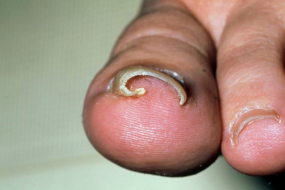
- Thickened, crumbly, or discolored nails
- Nails that seem to deteriorate despite your usual routines
The best evidence-based treatments include:
- Prescription oral antifungals (like terbinafine), usually 6–12 weeks to see results, with costs typically ranging $30–$70/month
- Medicated lacquers (such as ciclopirox) applied directly to the nail
- Photodynamic/LED therapies at podiatry clinics—these use light to target fungus and trend upwards for cases resistant to medication
For prevention, try these:
- Trim nails short and disinfect clippers regularly
- Change socks daily and treat shoes with antifungal spray
“One round of oral antifungals can set you up for clear nails—if you stay consistent with hygiene,” is advice you’ll hear from pros.
Paronychia: Inflammation Around the Nail
Paronychia is that painful swelling or redness around the nail—driven by infection in minutes or irritation over months.
Acute paronychia (rapid onset) is managed by:
- Warm soaks 2–4 times daily
- Topical or oral antibiotics if pus develops
Chronic paronychia (long-standing) calls for:
- Topical steroids to reduce inflammation
- Strict glove use and moisture protection
For severe or non-healing cases, minor surgery or specialist referral might be needed.
Imagine trying to type with one throbbing fingertip—these interventions help restore comfort so you can get back to business, fast.
Nail Psoriasis and Systemic Illness Signs
Nails with ridges, pits, or oil-drop discoloration deserve a closer look—these may signal psoriasis or another medical condition.
Dermatologist-led treatments often combine:
- Steroid injections (effective, but can sting)
- Topical steroids plus vitamin D creams
- Oral/systemic medications or biologics for those with skin/joint involvement—modern biologics can deliver visible change within months, but require monitoring and are often expensive
If more than three nails are affected or you see symptoms elsewhere, ask about systemic treatments.
“Don’t just treat the nails—ask what your nails are telling you about your whole body,” says nail health experts.
Nail Lifting (Onycholysis) and Unexplained Changes
Lifting nails (detaching from the nail bed) often result from:
- Psoriasis or fungal infection
- Allergies or trauma
- Side effects of certain medications
Action steps:
- Trim and protect the lifted area
- Treat the root cause—topicals for fungus or psoriasis, adjust meds with your doctor
- See a professional if you spot pus, new bands of color, or spreading changes
Think of nail lifting as your body’s “check engine” light—ignore it, and the problem just gets bigger.
There’s never a one-size-fits-all fix for medical nail issues. The fastest route to healthy nails? Spot the warning signs, get an accurate diagnosis, and follow a targeted routine with your doctor’s input. Empower yourself: “The right diagnosis is the best investment in your long-term nail (and overall) health.”
Cosmetic & Structural Nail Treatments: Safe Enhancement by Goal
Looking for nail treatments that fit your lifestyle and goals? Choosing the right enhancement makes all the difference—from work-friendly manicures to dramatic extensions, there’s a just-right option for you.
Healthy nails are the only safe canvas for these choices—if you’re dealing with active infection or severe brittleness, hit pause and resolve those issues first.
Manicures and Polishes: Classic Options with Minimal Impact
If you love a polished look with low long-term risk, classic manicures deliver color and shine with quick recovery time.
- Regular polish offers flexibility and easy at-home changes—ideal for one-week wear or frequent switch-ups.
- Gel polish and hybrid polishes use UV/LED light to “cure” color that lasts 1–3 weeks, with minimal damage if removed by a pro.
- Removal warning: Improper soaking or peeling can cause temporary dryness or peeling, so always use professional removal or acetone wraps.
Picture this: you swipe on gel polish before a week of networking events—no chips, plenty of shine, but you’ll want cuticle oil afterward to prevent post-removal dryness.
“For minimal fuss and maximal color, a gel polish manicure hits the sweet spot for busy hands.”
Overlays and Extensions: Strength, Length, and Versatility
Need longer, stronger nails or want next-level designs?
- Builder gels (BIAB) reinforce fragile nails; they’re more flexible than acrylics and soak off (cost: $40–$70; fill every 2–4 weeks).
- Acrylics are classic for extra length and durability, suited for bold designs and a strong structure, but need professional fills (every 2–3 weeks).
- Hard gels offer a lighter feel with fewer fumes; also ideal for allergy-prone clients, but require LED/UV cure and drill removal.
- Dip powder provides chip-proof color and mild strength without UV (think: weddings, long vacations), but involves cyanoacrylate glue and soaking for removal.
Visual reference for matching need to treatment:
“Extensions add drama—but maintaining them is a commitment, not a spur-of-the-moment treat.”
Add-On Treatments for Nail and Hand Health
For dry hands or brittle nails, these therapeutic add-ons pair perfectly with any manicure:
- Paraffin wax: deeply rehydrates skin and cuticles; perfect for aging or chronically dry hands.
- Hot oil manicures: soften rough cuticles and fragile nails in just one session.
- Keratin gloves: boost nail strength during a standard manicure with zero mess.
If your hands feel like sandpaper after a work trip, adding a paraffin wax treatment leaves them silk-smooth and photo-ready.
Key Reminders: When to Pause Enhancements
- Always defer artificial enhancements with active fungal infections, ongoing inflammation, or severe nail weakness.
- Ongoing medical treatment? Run cosmetic plans by your healthcare provider.
For vibrant, resilient nails, select treatments that suit your needs and maintenance routine—because nail beauty goes hand-in-hand with nail health. “The best enhancement is the one your natural nails can support and your schedule can maintain.”
Deciding When to Seek Professional Help
Not every nail problem disappears with a little extra lotion or a new polish. Sometimes, your nail issue is waving a red flag that deserves more attention—and a real expert. Here’s how to recognize when to book that specialist appointment instead of just another manicure.
If you see persistent color changes (think thick yellow, black, or green patches), pain or swelling around your nail, or problems that spread to several nails, it’s time for a professional check-in. Especially take action if you notice:
- Discoloration, thickening, or crumbling that doesn’t improve over weeks
- Painful or swollen skin around a nail for more than three days
- Multiple nails showing pitting, lifting, or severe ridging
- Any nail changes paired with systemic symptoms—fatigue, fever, joint pain, or unexpected weight changes
Picture this: You’ve ignored a persistent split and now have five nails peeling, or swelling after a new polish won’t go away—don’t wait it out. That’s your cue for a dermatologist or podiatrist.
“If your nails are talking, a professional can help you understand the language.”
Self-Assessment Checklist
Ask yourself these quick questions before booking:
- Has the problem lasted more than two weeks?
- Is there pain, pus, or ongoing discomfort?
- Do multiple nails look abnormal?
- Am I seeing changes in the nail color, thickness, or growth pattern?
- Do I have other new symptoms in my skin, joints, or overall health?
If you answer yes to any, get professional input.
“You don’t need to be dramatic—just proactive.”
Professional Interventions Explained
Experts use tools that go way beyond what you’ll find at home or the salon:
- Laboratory tests (swabs, fungal cultures) for infections
- Nail biopsies to diagnose rare or stubborn issues
- Prescription therapies like oral antifungals, advanced immunomodulators, or LED/light-based treatments for severe fungus or nail psoriasis
- Surgical options for stubborn infections or to remove pathologic nail segments
Expect clear answers on diagnosis, realistic timelines (some nail issues take months to resolve), and partnership on next steps.
Collaborating with Nail Techs and Healthcare Providers
Talk openly with your nail specialist or doctor:
- Share your full nail health history—previous salon treatments, injuries, infections, even dietary changes
- Tell them your goals (health, aesthetics, pain relief) and any allergies or sensitivities
- Ask them to coordinate with your healthcare provider if medical nail issues are involved
“The more your providers know, the safer—and prettier—your nails will be.”
Knowing when to seek help can save your nails and your health. If it feels off, hurts, or lasts, bring in a pro—your future self (and your nails) will thank you.
Navigating Innovations and Trends in Nail Treatments (2025)
Next-Gen Tech: Smart Gadgets and AI Nail Analysis
Imagine snapping a photo of your nails and receiving a detailed health report—this is now reality with AI-driven nail analysis apps.
Brands are introducing smart gadgets that track your nail growth, hydration, and even send timely reminders for oil or treatment application.
- AI scanners can alert you to issues like brittleness, color change, or peeling, helping you catch problems early.
- App-integrated ingredient trackers monitor your routine and flag potentially harsh products.
“Scan, treat, repeat—let technology take some of the guesswork out of nail care.”
Tech-enthusiasts will love how these tools make sticking to a nail regimen almost effortless.
Evolving Formulations: The Safer, Cleaner Revolution
Consumers are pushing for “cleaner” nail products—brands are finally delivering.
Today’s nail market offers:
- Hypoallergenic gels/acrylics designed to reduce the risk of irritation or allergy.
- Plant-based removers that ditch acetone in favor of nourishing oils.
- Formaldehyde-free hardeners that maintain strength without the health trade-offs.
Look for labels like “9-free” or “12-free”, indicating fewer harsh chemicals.
“The shift to sustainability and safety is more than a trend—it’s becoming the new standard.”
If you’re sensitive to ingredients, now’s the best time to upgrade your routine.
The Future of Salon Services: Customization, Hygiene, Collaboration
Salons in 2025 are setting new standards around hygiene, personalization, and medical collaboration.
What’s changing?
- Device-based therapies: In-office LED and photodynamic (PACT) treatments are trending for tough cases like fungal nails—sessions are quick, usually around 30 minutes, and stats show up to 80% clearance rates in some studies.
- Consultation with healthcare providers: More salons work hand-in-hand with dermatologists—crucial if you have chronic conditions or allergies.
- Stricter sterilization standards: Expect visible, single-use implements and surface disinfection between every client.
Visual: Picture a minimalist, light-filled nail studio, wall-mounted touchscreens guiding your customized care experience.
When you spot a “next-gen” service, ask about science-backed benefits, device approval, and safety data—don’t just buy into the buzz.
Stay alert: AI diagnostics, sustainable formulations, and clinical-grade device treatments are making nail care smarter and safer. Look for innovations that combine technology with ingredients and methods designed for your long-term health, not just instant results.
Conclusion
Your nail health isn’t just about looks—it’s a window into your overall wellbeing, your self-care priorities, and the power of using the right solution for your unique needs.
When you treat nail care like any smart workflow—customizing, troubleshooting, and optimizing based on real evidence—you set yourself up for results that last (and hands you’re proud to show off).
Here’s how you can start upgrading your approach right now:
- Pinpoint your main nail need—health, repair, or style—before choosing a treatment
- Adopt simple daily habits like consistent moisturizing, gentle product removal, and protection from irritants
- Leverage tech tools—try an AI nail health app, or set reminders to keep your routine on track
- Switch to cleaner, safer products and look for innovations that prioritize both performance and skin safety
- Schedule a pro consult if you spot persistent pain, color changes, or stubborn issues—early action makes all the difference
Your next step? Assess your nails today, match their needs with targeted solutions, and test a new routine for two weeks. Even small tweaks can transform not only how your nails look, but how you feel about your hands—at your desk, on a call, or shaking hands at your next meeting.
Better nail care is the ultimate power move—subtle, visible, and totally in your control. Invest in your routine, and let your results speak for themselves. Healthy hands, confident you—because success looks good right down to your fingertips.