Key Takeaways
If you’ve ever wondered whether acne face washes and pimple patches really deliver, you’re in the right spot. Here’s what matters most—distilled for busy pros who want the science, the “how,” and the action steps, fast.
- Consistent acne face washing slashes breakouts by over 40% in 4 weeks—stick to twice-daily use with proven actives like glycolic or salicylic acid for visible results.
- Pimple patches are your rapid-response team for surface pimples, shrinking spots by up to 81% in as little as 3 days—especially effective for whiteheads and early breakouts.
- Smart ingredient choices matter: Look for benzoyl peroxide, niacinamide, glycolic acid, or hyaluronic acid (in microneedle patches) to target oil, bacteria, and irritation head-on.
- Layer your routine for maximum impact: Start with a gentle, non-comedogenic wash, apply patches to emerging blemishes, and finish with a lightweight moisturizer plus SPF 30+.
- Not all acne tools are miracle cures: Washes and patches keep mild-to-moderate acne in check but aren’t enough for deep cystic breakouts—see a dermatologist if over-the-counter options fall short after 4–8 weeks.
- Stay alert for irritation: Patch test new products first and cut back if you notice redness, burning, or peeling—the right formula should soothe, not sting.
- Ignore the hype—price tag doesn’t guarantee results: Drugstore standbys with solid actives can outshine luxury options, so check ingredient labels, not marketing fluff.
Ready to level-up your acne-fighting game? Dive into the full article for practical routines, expert tips, and tech-forward product picks for clear, confident skin.
Introduction
Ever had a last-minute breakout that made you wish there was a fast-forward button for your skin? Or felt overwhelmed by all the acne face washes and patches promising miracle results—yet your bathroom shelf becomes a tech museum of half-used products?
You’re not alone.
Nearly 85% of adults battle breakouts at some point, even after high school is a distant memory. For tech-driven professionals like you, the acne aisle looks more like a gadget shop: advanced cleansers boasting clinical claims, patches sporting “microneedles,” and ingredient lists that sound like a chemistry syllabus.
But do these high-tech fixes actually work—or are they another “best new thing” that clogs up more than just your pores?
If you’re juggling packed schedules, video calls, and on-the-go routines, you want more than skin-deep solutions. You need clear answers on what works, how fast, and when to skip the hype.
Here’s what we’ll break down:
- How science-backed cleansers and patches target the real causes of acne—and which work best for speedy results
- What the latest data (and real users) reveal about effectiveness, not just advertising
- Practical, time-saving routines that fit a tech professional’s lifestyle—whether you’re chasing deadlines or squeezing in a morning workout
- When it’s smart to stick with basics, try new tech, or call in the experts
Forget one-size-fits-all advice. Acne care in 2026 is smarter, more personalized, and easier to fit into a busy workflow. The difference? Knowing which innovations deliver and how to make them work for you.
Ready to discover how today’s face washes and pimple patches blend science, lifestyle, and results? Let’s look at how these clever tools tackle breakouts—and what really sets the winners apart as we dive into the science behind your routine.
The Science of Acne Face Washes and Patches
Picture this: You start your day with a splash of water and a swipe of your favorite cleanser. That’s not just a ritual—it’s the first line of defense in your acne battle.
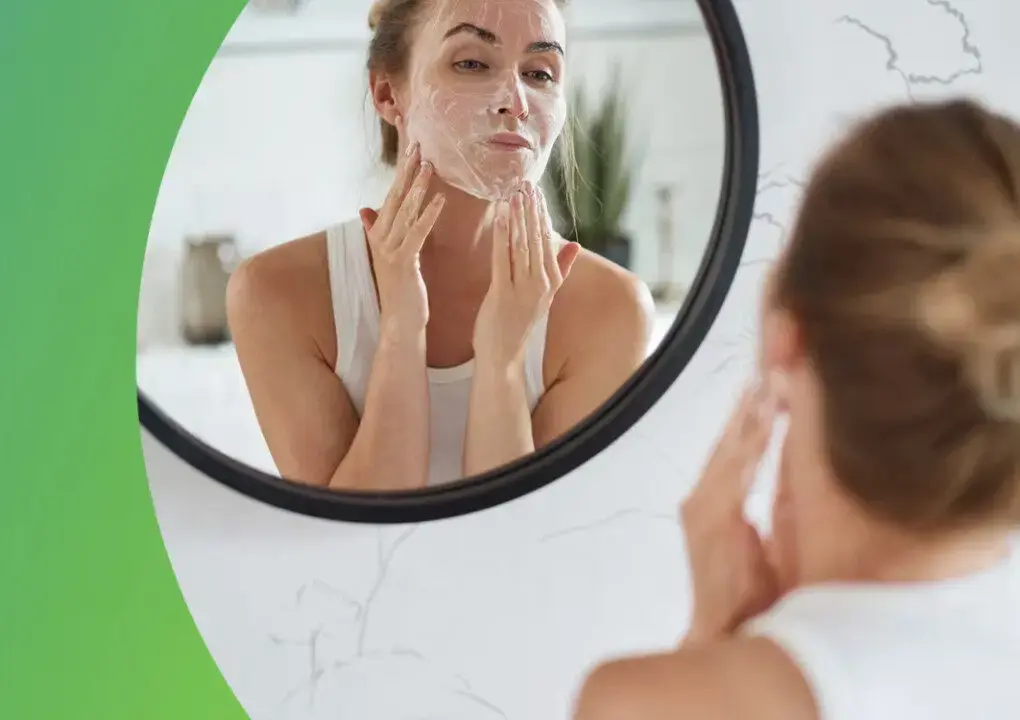
Face washes work by clearing away excess oil, bacteria, and dead skin—the triple threat behind clogged pores and pimples. Think of a great cleanser like daily preventive maintenance for your skin; consistent use is what keeps things running smoothly.
How Face Washes and Patches Attack Acne
Face washes focus on the root causes you can’t see:
- Oil control: Help regulate shiny complexions and reduce pimple fuel
- Bacteria reduction: Suppress Cutibacterium acnes, including stubborn strains
- Gentle exfoliation: Say goodbye to dead skin cells that clog follicles
Acne patches, on the other hand, are your emergency fixes. They’re designed for those “oh no, not today!” moments when a single pimple needs rapid reinforcements.
- Hydrocolloid patches: Absorb pus/oil, speed up healing, shield against picking
- Medicated patches: Deliver spot doses of salicylic acid, benzoyl peroxide, or niacinamide
- Microneedle patches: Tiny “needles” deliver actives directly into early-stage blemishes
Scientific Backing and What to Expect
Here’s what the clinical numbers say:
- A glycolic acid + aloe cleanser, used twice daily, cut active acne by over 43% in 4 weeks
- A 2.6% benzoyl peroxide wash dropped lesion counts by 25.2% in 1 week
- Hyaluronic microneedle patches shrank pimples by 81% in just 3 days—with glowing reviews from 95% of users
But let’s keep it real: Face washes support ongoing prevention and enhance the power of prescription topicals. Patches are best for surface pimples—think whiteheads and early papules—not deep cysts or hormonal breakouts.
OTC vs. Prescription—and Realistic Limitations
Both tools are accessible over the counter, making them easy everyday picks. But even the most high-tech patch can’t stop new pimples from forming, and no cleanser will totally outdo prescription-level treatments for severe or stubborn acne.
What can these products actually do?
- Reduce visible pimples and oiliness when used consistently
- Accelerate healing for individual breakouts without harsh side effects
- Boost satisfaction and confidence for mild to moderate acne
But if breakouts are deep, persistent, or affecting your well-being, it may be time for a dermatologist’s expertise.
A smart routine combines steady daily washing (think “routine maintenance”) with targeted patch use for spot emergencies—giving you a practical toolkit to keep breakouts in check, day after day.
Deep Dive: Effectiveness and Benefits of Acne Face Washes
What Makes a Face Wash “Acne-Fighting”?
Not all cleansers are built for breakouts. To earn the “acne-fighting” title, a face wash needs powerhouse actives. Spot these on labels:
- Benzoyl peroxide: Fights acne-causing bacteria
- Salicylic acid: Unclogs pores and targets oil
- Glycolic acid: Sweeps away dead skin, supports post-acne fade
- Sulfur: Reduces oil and dries active pimples
- Tea tree oil: Adds gentle, natural antibacterial action
Picture this: a cleanser that tingles slightly, smells fresh, and leaves zero residue—this formula is doing the heavy lifting while you handle your day.
Extras like:
- Aloe vera, vitamin E, and niacinamide
- Soothe irritation
- Calm redness
- Boost healing
You’ll also want to watch for the phrase “non-comedogenic”—your best bet for formulas that won’t clog pores and make matters worse.
Clinical Evidence and Real-World Use
Here’s what science actually says—face washes can significantly reduce breakouts, especially alongside prescription treatments.
- A glycolic acid, aloe, and vitamin E cleanser cut acne by 43.58% and spots by 44.85% in just four weeks
- A 2.6% benzoyl peroxide wash lowered total lesion counts by 25.2% after one week
- Twice-daily cleansing outperformed both once and four-times-a-day approaches for most skin types
Cleansers are the foundation—think “maintenance crew,” not “miracle cure.” They prep your skin for more powerful actives and can reduce irritation when using retinoids or benzoyl peroxide.
For oily or combo skin, these formulas can make a visible difference. Sensitive skin? Look for gentle, fragrance-free washes and start slow.
Best Practices and Risks
Ready to use an acne face wash like a pro? Here’s the simple, effective framework:
- Cleanse twice daily (morning and night—think of brushing your teeth)
- Pat dry, then layer on any treatments (like adapalene, azelaic acid)
- Finish with a lightweight, non-comedogenic moisturizer
Overdoing it leads to:
- Redness
- Dry, flaky skin
- Barrier breakdown that lets acne bacteria back in
If a new product stings, burns, or peels? Pause, hydrate, and scale back. Real results are steady, not sudden—think weeks, not days.
A great acne face wash is like a reliable teammate: it does its job quietly, supports the lineup of actives, and never sabotages your skin. Twice-daily cleansing with the right formula can mean 40%+ less acne—and smoother skin you’ll notice in the mirror and on camera.
Pimple Patches: Technology, Efficacy, and User Experience
What Types of Pimple Patches Are Out There?
The pimple patch aisle isn’t one-size-fits-all—it’s more like a tech expo.
You’ll find:
- Hydrocolloid patches: These transparent stickers soak up fluid from whiteheads, shielding spots from picking or dirt.
- Medicated patches: Think actives like salicylic acid or benzoyl peroxide infused into the patch, designed to zap bacteria and reduce inflammation faster.
- Microneedle/microarray patches: Tiny, gentle needles painlessly deliver ingredients like hyaluronic acid or retinoids below the skin’s surface.
- Hybrid patches: Combine hydrocolloid with actives for double-duty action.
Each patch type excels at spot-treating surface pimples, keeping wandering fingers in check, and maintaining a healthy moisture balance while the blemish heals.
Picture this: Sticking on a hydrocolloid patch after cleansing feels like a next-gen bandage—it quietly draws out gunk overnight, while a medicated microneedle patch targets an angry papule in hours, not days.
Clinical Results, Real-World Limits
If you want numbers, here’s the scoop:
- 81% lesion reduction in just 3 days with a two-stage hyaluronic acid microarray patch. That’s not hypnosis—it’s data-driven tech (plus, 95% of users gave it a thumbs up for comfort and results).
- Hydrocolloid patches can block 92.6% of UVB rays on healing skin and reduce inflammation quickly.
- In study after study, most report pimples vanishing in as little as 7 days, with less redness and temptation to pick.
Still, patches have limitations:
- They work wonders for whiteheads and surface pimples but won’t fix deeper cystic or hormonal acne.
- Overuse or adhesive sensitivity can trigger irritation (watch for redness or itchiness after removal).
- No patch can prevent all future breakouts—think “emergency fix,” not holistic cure.
“Don’t expect a sticker to solve chronic acne—but it’ll wage war on that one pimple before your Zoom call.”
2026 Trends: Smarter Patches, Custom Solutions
The future of pimple patches is already here:
- Dermatologist picks for 2026 include vegan hydrocolloid patches, tinted versions for all skin tones, and ingredients like niacinamide or licorice root for post-acne marks.
- Smart microneedle patches are making headlines, with multi-stage delivery (antibacterial then anti-inflammatory), and even anti-pigmentation claims to reduce dark spots.
- Market trends? Picture eco-friendly, biodegradable patches you can barely see—plus subtle designs for busy professionals or on-camera days.
More brands are dropping “invisible finish” lines, with swatches to match every skin tone. Pimple patch 2.0 is here, blending skin science with lifestyle convenience.
Pimple patches are your targeted tech toolkit—best for quick fixes, visible pimples, and protecting healing skin—especially when paired with a smart cleansing routine and realistic expectations. Picture your next breakout handled with a swipe, stick, and done.
Building a Routine: Combining Face Washes and Patches for Real Results
Smart Layering: Where Do Washes and Patches Fit?
Think of your acne routine like a tag team: face washes are for broad maintenance, while patches are your rapid-response force for targeted spots.
A solid daily regimen looks like this:
- Cleanse (morning and night): Use a gentle, non-comedogenic acne wash packed with actives like salicylic acid or glycolic acid. Studies show twice-daily washing reduces acne by nearly 44% in four weeks.
- Target: Apply hydrocolloid or medicated pimple patches right after cleansing to new or angry pimples.
- Moisturize: Lock in hydration with a lightweight, non-irritating gel or lotion (think niacinamide for calm, happy skin).
- Sunscreen: Don’t skip your SPF 30+ every morning (UV exposure can worsen post-acne marks).
Mix in actives like retinoids or azelaic acid as recommended—just apply patches before serums or ointments for best absorption.
“A good cleanser keeps the engine running; patches handle emergencies.”
Adapting for Real-Life Breakouts
Just discovered a pimple the size of a Wi-Fi router before your presentation? Here’s the playbook:
- New pimples: Cleanse, pat dry, stick on a hydrocolloid patch (watch redness and swelling shrink overnight).
- Stubborn spots: Rotate in medicated patches with salicylic acid, or opt for a patch with microneedles if you’re feeling bold.
- Sensitive skin: Choose fragrance-free, gentle cleansers and patches with minimal adhesives or soothing extras (aloe, centella).
For prevention:
- Tweak cleansing frequency if your skin gets dry or irritated.
- Substitute gentle micellar water on non-sweaty days to avoid barrier disruption.
- Keep hands away from your face and phone screens disinfected to cut down on breakouts.
“An effective routine outsmarts new breakouts before they start.”
When Face Washes and Patches Aren’t Enough
Face washes and patches work hard—but sometimes, they hit their limit.
Check this “level-up” list:
- Acne not improving after 4-8 weeks
- Painful nodules or cysts
- Persistent scarring or dark spots
- Breakouts affecting your confidence or daily life
If any sound familiar, it’s time to loop in a dermatologist. Prescription topicals, custom treatments, or in-office procedures may be the next best move.
“If your routine feels like a losing game, bring in the pros.”
Building a powerful routine with washes and patches is about targeted action and consistency—not magic bullets. Layer smart, monitor your results, and don’t hesitate to update your game plan if your skin isn’t keeping pace.
Ingredient Deep Dive: What’s “In” for 2026 Acne Products
Hero Ingredients to Watch
2026 brings a fresh roster of acne-fighting actives—and some newcomers are changing the game for targeted results.
Expect to see:
- Glycolic acid for fading dark spots and post-inflammatory marks; it’s a leader in cellular turnover and gentle resurfacing.
- Hyaluronic acid microarrays: Think of these as tiny, dissolving “delivery trucks” that transport moisture and antibacterial ingredients exactly where you need them.
- Niacinamide: The calm-in-a-bottle solution for redness and inflammation, popular for its multitasking power.
- Adapalene: OTC retinoid now showing up in more face washes and patches—excellent for deep, persistent blockages.
- Salicylic acid: Still the MVP for unclogging pores and managing oily T-zones.
Picture this: You swipe on a fragrance-free gel with glycolic acid, feel a gentle tingle, and wake up to smoother, brighter skin.
Trend alert: Clean, vegan, and fragrance-free products are everywhere, and brands are flaunting ingredient transparency like a badge of honor.
“If you can’t pronounce half the label, ask why it’s there.”
Safety, Tolerability, and Allergic Risks
When you try the latest acne formula and suddenly feel a burn, sting, or develop a rash, it’s your skin waving a red flag.
Keep irritation at bay by:
- Patch testing: Dab new creams behind the ear or on your jawline for 48-72 hours before using them all over.
- Watch for troublemakers if you’re sensitive: denatured alcohols, essential oils, or the adhesives in some pimple patches.
- If your skin gets itchy, hot, or flaky after starting something new, pause and reassess—no product is worth barrier damage.
One statistic to remember: Skin reactions are the top reason people abandon new acne products, so a slow, strategic rollout is smart.
“The right routine should soothe, not sting.”
Label Literacy: Choosing Effective and Authentic Products
Grab a cleanser or patch and scan for these clues of quality—like a pro.
Look for:
- Active ranges: 2% salicylic acid, 4-10% glycolic acid, 0.1% adapalene, or similar concentrations clearly listed up front.
- “Non-comedogenic,” “fragrance-free,” and allergen-tested tags (not just trendy logos).
- Brand transparency about clinical studies—clinical proof means more than flashy packaging.
- Red flags: “Acne safe” and “natural” often mean nothing without ingredient proof; check for filler buzzwords and empty promises.
Read between the lines, and you’ll spot formulas that deliver results, not just hope.
Today’s acne products offer personalized, science-backed solutions—but smart ingredient choices and label reading are your best weapons. Ready for clear skin? The new actives and transparent claims of 2026 put control back in your hands.
Frequently Asked Questions and Troubleshooting Common Issues
Face Wash + Patch: Can You Use Both Together?
Absolutely—you can use a face wash and a pimple patch at the same time with great results.
Think of your cleanser as “routine maintenance,” removing extra oil, sweat, and debris twice a day, while pimple patches are spot treatments for surface-level breakouts.
- Always use your face wash first, dry skin completely, then apply your patch.
- This prevents trapping excess moisture under the patch and maximizes adhesion.
- If you’re layering other active products (retinoids, benzoyl peroxide), use those around—not under—the patch.
Picture this: you’re running late, rinse off with a gentle cleanser, slap a clear patch on your new “surprise” and get out the door—no visible shine, no stress.
“My Skin’s Worse!”—What’s Going On?
Starting a new routine can trigger transient irritation or purging.
This is especially true with strong actives like benzoyl peroxide or salicylic acid.
- Expect mild dryness, tightness, or a few extra bumps for the first 7–14 days.
- However, stinging, burning, or flaking means it’s time to ease off or switch to a gentler formula.
Did you know? Overwashing trips up your natural skin barrier—redness and more breakouts can follow.
How Fast Do You See Results?
Look for noticeable improvement from face washes within 1–4 weeks if you're using it twice daily.
Clinical studies show a glycolic acid cleanser cut acne spots by 44.85% in 4 weeks when paired with other treatments.
For patches, results are quicker:
- Hydrocolloid or advanced microarray patches can shrink visible pimples in as little as 1–3 days, with 81% reduction in lesions seen in recent studies.
Luxury vs. Basics: Should You Splurge?
Truth: expensive doesn’t always mean better.
- Drugstore washes with proven ingredients (benzoyl peroxide, glycolic acid) or reputable hydrocolloid patches work just as well for most.
- High-tech patches with microneedles cost more and can offer targeted benefits, but clinical gains over basics are modest for typical breakouts.
Streamlined Routines for Busy People
Short on time or energy? Keep it simple with:
- Gentle, non-comedogenic face wash (am/pm).
- Fast-absorbing hydrocolloid patch for new breakouts.
- Lightweight moisturizer + SPF in the morning.
Travel tip:
- Toss a travel-size cleanser and a sleeve of patches in your gym bag, work tote, or car for easy, on-the-go fixes.
Fast Fixes and Emergency Tips
Need a quick fix for an unwanted pimple on a workday morning?
- Cleanse, stick on a near-invisible patch, and let it work undercover till after your next meeting.
- At-home? A cold compress can help with swelling, while a dab of concealer over a patch hides redness instantly.
You’ve got options, and your routine can be as simple—or high-tech—as you want it to be.
Focus on consistent, gentle care and remember: even the best products need a little time and routine to deliver.
The key takeaway—you don’t have to choose between speed and simplicity. Mix and match which tools make your routine work for you, not the other way around.
Conclusion
Clearer, healthier skin isn’t about finding a miracle—it’s about building a routine that actually works for you. By understanding how acne face washes and pimple patches tackle breakouts from all angles, you put control—and real change—back in your hands.
You don’t have to settle for hit-or-miss solutions. Consistency, smart ingredients, and targeted tools transform your daily skincare from guessing game to game-changer.
Take these practical moves and see real improvement:
- Wash twice daily with an acne-targeted, non-comedogenic cleanser empowered by actives like salicylic acid or glycolic acid
- Apply a hydrocolloid or medicated patch on emerging pimples for fast, focused healing—especially before high-stakes moments
- Layer on a lightweight, fragrance-free moisturizer and always finish with SPF 30+ every morning
- Monitor your skin’s response—adjust frequency or formulas if irritation pops up
- Level up to professional care if breakouts stay stubborn or affect your confidence
Ready to start?
- Audit your current skincare products for effective actives and ditch the pore-cloggers
- Map out a simple morning and night routine—set an alert if you need to build the habit
- Stash a sleeve of clear patches in your bag or desk for pimple pop-ups on busy days
- Track changes week by week—progress is the best motivator
You’re not at the mercy of breakouts. With a few intentional tweaks and the right tools, you create your own clear-skin momentum—no waiting, no wondering.
Share your results, test new combos, and turn routine into results. Because confidence isn’t just skin deep—it starts with what you do next. Your next great skin day could start today.