Key Takeaways
Ready to take your sleep—and your mornings—to the next level? These top insights will help you cut through the noise and pick the perfect sleep app for your needs, whether you want robust data, gentle coaching, or just a smoother start to your day.
- Track sleep beyond hours by using apps that analyze sleep stages (light, deep, REM) for insights that drive both productivity and well-being.
- Smart alarms in leading apps wake you during your lightest sleep phase, helping you reduce morning grogginess and start the day sharper.
- AI-powered coaching features—like the “Luma” in Sleep Cycle—offer custom sleep tips and routines that adapt to your habits for real improvement, not just stats.
- Privacy-focused apps such as Respire AI process data locally on your device, letting you track sleep without sacrificing personal data security.
- Wearable-integrated apps (Oura, Muse S Athena) give you lab-level analytics—think HRV, brainwaves, and readiness scores—perfect for tech-savvy pros and biohackers who want granular insight.
- Coaching and CBT-I sleep apps (Sleep Reset, Stellar Sleep) blend expert support with habit tracking, showing users up to a 30% reduction in insomnia symptoms within two months.
- Relaxation-focused apps like Calm and Headspace skip the charts and deliver guided meditations, calming sounds, and bedtime stories for those who want to wind down, not just track.
- Prioritize by goal, tech setup, and privacy—choose a phone-only tracker for simplicity, a wearable for deeper data, or hybrid apps for the perfect sleep-tech matchup.
Explore the full guide to dive deeper into app comparisons, picking strategies, and new innovations shaping how you sleep and wake in 2026.
Introduction
Ever wake up feeling like you barely slept—only to check your tracker and see “8 hours” logged? You’re not alone. Quality sleep isn’t just about the numbers; it’s about the right kind of rest, at the right stages, at the right moments—and that’s where 2026’s best sleep and sleep cycle apps are completely changing the game.
With over 68% of professionals reporting sleep issues tied to stress and late-night work, the demand for smarter, AI-fueled sleep solutions has shot through the roof. Today’s top apps do more than count hours—they analyze your unique patterns, predict your best wake-up window, and deliver personalized coaching to help you recharge for everything from morning meetings to evening marathons.
Imagine an app that:
- Uses AI to break down your sleep stages and wake you when you’re actually ready
- Respects your privacy with on-device analysis, not endless cloud uploads
- Offers real-time feedback—from “try less caffeine today” to “shift your routine by 15 minutes for max recovery”
You’ll discover which features matter most for your workflow: smart alarms that cut through brain fog, wearable integrations for the data-obsessed, and coaching platforms built for real habit change (not just pretty charts). Plus, you’ll see exactly how supporting your sleep with the right app can boost focus, mood, and energy—no drafting experts necessary.
Whether you’re a marketer troubleshooting restless nights, a founder finetuning your routines, or an automation enthusiast searching for the next hackable metric, there’s a sleep tech stack that fits your style.
Ready for a no-fluff look at how modern apps turn nighttime confusion into clarity? Here’s what you need to know about tracking, optimizing, and actually enjoying your sleep—starting with what modern sleep apps do (and why sleep cycles matter more than ever).
Understanding Sleep Apps and Sleep Cycle Tracking
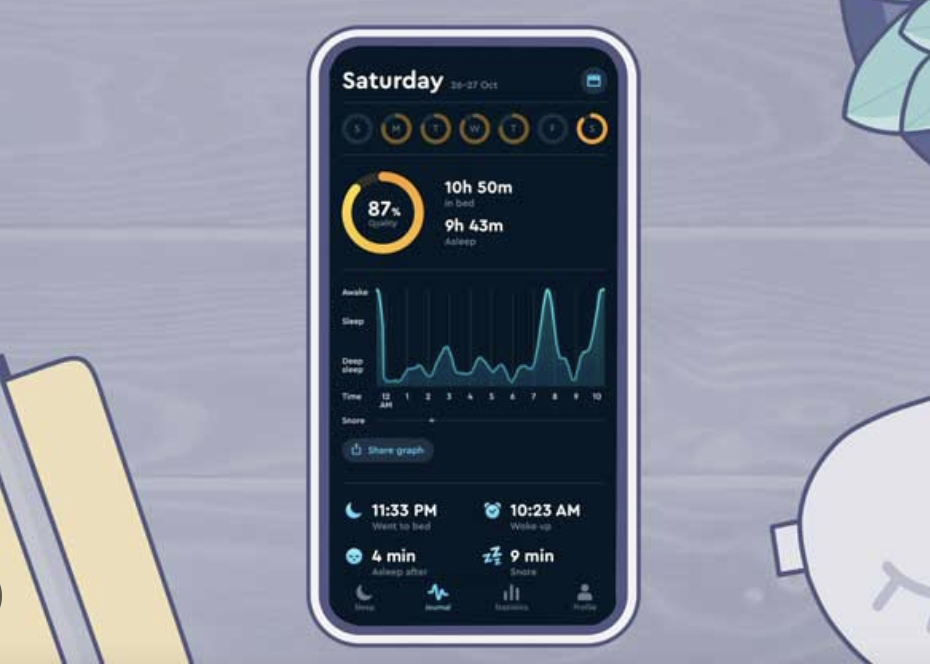
Sleep apps have become your nighttime dashboard, giving you a behind-the-scenes look at how you actually sleep—not just how long you were in bed. Most sleep cycle apps harness your phone’s microphone, accelerometer, or even a wearable’s sensors to analyze when you’re shifting between stages like light, deep, and REM sleep.
Think of tracking sleep stages like getting a live engine diagnostic for your sleep, instead of just glancing at a clock. You see not only how much sleep you’re getting, but how good that sleep really is.
Why Sleep Stages Matter
Every night, your brain cycles through:
- Light sleep: Easy to wake up from, helps with memory and learning
- Deep sleep: Physical restoration, immune boost, vital for feeling refreshed
- REM sleep: Dreaming, mood regulation, creativity, and emotional balance
Missing out on deep or REM stages isn’t just about feeling tired—it can impact mental sharpness and your physical recovery. That’s why 80% of Sleep Cycle users say tracking these stages helped them pinpoint what was missing in their nightly recovery.
How Apps Make a Difference
Modern sleep apps do more than log hours. Expect to find:
- Smart alarms: Wake you gently during the lightest sleep stage to reduce grogginess
- Sleep scoring: Grades your sleep quality nightly, helping spot trends over time
- AI coaching: Custom tips and adaptive programs, like Sleep Cycle’s Luma, which learns your habits and delivers daily, actionable advice
Imagine waking at just the right moment—no abrupt, jarring alarms—and spotting an immediate opportunity to fix snoring, stress, or caffeine sabotage.
Real-World Needs and Scenarios
Different users, different priorities:
- Professionals: Optimize wake-up windows to be fresh for big meetings
- Fitness enthusiasts: Sync sleep and recovery with wearable devices for maximum performance
- Anyone seeking better habits: Quickly spot “problem nights” and trigger smarter bedtime routines, nudge by nudge
If you value unobtrusive tracking, using just your phone on your nightstand is as easy as setting an alarm. For more granular insight, gadgets like an Oura Ring or Muse S Athena headband deliver lab-level analytics—right to your phone.
Sleep apps can transform restless nights into measurable gains—whether you’re fixing sleep issues, building new routines, or just craving a smoother, more energized morning. The most powerful takeaway? “Sleep tracking puts control of your rest back in your hands—no guesswork required.”
Strategic Overview: Types of Sleep Apps and Who They’re For
Sleep apps aren’t one-size-fits-all—they come in distinct flavors tailored for how you want to track, improve, or simply enjoy your sleep. Picking the right type can mean the difference between “meh” insights and night-by-night progress.
Mapping Sleep App Types to Your Priorities
Let’s break down the major categories:
- Phone-based trackers: Use your smartphone’s sensors (think Sleep Cycle or SleepScore), perfect if you want solid data with minimal hassle—no extra gadgets required.
- Wearable-integrated trackers: Apps that pair with hardware (like Oura Ring or Muse S Athena) offering deep-dive metrics—ideal for data lovers, biohackers, and anyone wanting maximum sleep detail.
- Privacy-focused and local AI apps: Prioritize on-device processing and minimal data sharing (Respire AI is a strong example). Great for privacy-first users who still want advanced analysis.
- Coaching/CBT-I & behavior-change apps: Apps like Sleep Reset and Stellar Sleep add guided routines, real coaches, and therapy-based content—think habit changers, insomniacs, and those needing clinical help.
- Meditation/relaxation-only apps: Calm and Headspace fit here—no tracking, just mood-boosting audio to lull you to sleep. Perfect for the stressed or anyone needing bedtime wind-down.
Personalize Your Pick: User Scenarios & Key Variables
Who matches what? Picture this:
- Overwhelmed professionals: Grab a phone-based or guided coaching app for actionable results.
- Chronic insomniacs: Go deep with CBT-I or therapist-backed tools—look for educational content and personal support.
- Privacy advocates: Stick with local-processing, minimal-data apps—peace of mind, no wearable needed.
- Biohackers and wellness trackers: Invest in a wearable—get detailed trends, HRV, and readiness scores.
Deciding factors usually include your platform (iOS/Android), hardware tolerance (are you OK sleeping with a ring or headband?), and comfort with data sharing.
Trends Shaping Sleep Apps in 2026
Three trends are reshaping this space:
- AI-powered sleep coaching is becoming the norm—even classic trackers now layer in personalized tips and “virtual sleep experts.”
- Wearables and apps are merging, with data syncing deeply into health ecosystems like Apple Health and Google Fit.
- Expect more privacy controls and local AI, letting you keep your insights private—even as analysis gets smarter.
With features ranging from smart alarms to CBT-I therapy and privacy-first AI, there’s a sleep app for every approach and personality. Zero in on the category that mirrors your needs, your comfort level with hardware, and how hands-on (or hands-off) you want your tech support to be.
In-Depth: Leading Sleep Cycle Trackers and Smart Alarm Apps
When your alarm jolts you at 6:30 a.m., do you wake up energized—or foggy? Sleep cycle tracker apps aim to make every morning feel like a gentle lift, not a rude awakening.
Top Phone-Based Sleep Cycle Apps
Let’s sort the best options if you don’t want a wearable:
- Sleep Cycle (iOS, Android): Tracks your sleep stages using your phone’s mic and movement sensors. Its smart alarm wakes you in the lightest phase to minimize grogginess. AI-powered “Luma” offers customized suggestions, and its content library includes sleep sounds and meditations. Think: “set it and forget it” convenience on your nightstand. Highly rated (4.7/5 from 500K+ iOS users). Most advanced features—like detailed graphs and recordings—are behind a Premium paywall (about $40/year).
- SleepScore: Uses ResMed tech to analyze breathing rate and sleep quality via your phone. Delivers actionable daily tips and lets you review sleep/breathing trends. Designed for users who prefer clinical, evidence-based advice—no gadgets needed.
- Respire AI: Built for privacy, this app does AI-powered sleep staging locally without sending data to the cloud. Tested against medical-grade monitors, it's perfect for those who value privacy as much as performance. No subscription, and your data stays on your device.
“Track your sleep like checking your car’s dashboard, not just the gas light.”
Best Wearable Sleep Apps for Deeper Metrics
For those who crave next-level accuracy or biohacking insights:
- Oura App + Ring: Requires the Oura Ring (hardware purchase, ~$299+) plus a monthly subscription for all features. Enables advanced sleep stage breakdown, readiness scores, and health metrics (HRV, temperature, recovery). Sleep science meets beautiful design—ideal for pros who want actionable health data day and night.
- Muse S Athena: EEG headband delivers real-time brainwave data, making it the go-to for meditation fans and serious sleep optimizers. Tracks light, deep, and REM stages with lab-grade accuracy. Comes at a premium (headband ~$400+), but data lovers swear by its unique insights.
Key Differences, Costs, and Which Fits Your Life
Wondering what to pick? Here’s how they stack up:
- Phone-only trackers: Favor easy setup, affordability, and require no extra gear. Best for everyday pros and frequent travelers.
- Wearable-based trackers: Deliver detailed body and brain metrics but come with hardware costs and ongoing subscriptions. Best if you’re committed to data—and don’t mind nighttime wearables.
- Privacy matters: Respire AI stands out for local-only processing; others send data cloud-side.
“Choosing the right sleep app is about matching your lifestyle, tech comfort, and privacy needs with the right blend of insights and simplicity.”
These sleep apps aren’t just about tracking—they deliver real improvements in how you feel every morning. If you want to wake up refreshed, start with a tracker that matches your goals, habits, and must-haves.
Integrated Sleep Improvement: Coaching, CBT-I, and Personalized Programs
Picture this: you wake up for the third day in a row feeling groggy, scrolling through another set of sleep stats, but nothing's changing. Tracking sleep is helpful—but real transformation happens when apps become your personal sleep coach.
Today's best sleep apps aren't just graphing your cycles; they're blending data with behavioral science, giving you actionable routines and real support. Think of them as having a “sleep expert on speed dial,” minus the office co-pay.
Top Contenders for Sleep Coaching and Therapy
Instead of a one-size-fits-all approach, these multi-faceted apps center on personalization and expert support. The standouts in 2026 are:
- Sleep Reset:
- Delivers a tailored sleep program, access to a real coach, and step-by-step CBT-I lessons (Cognitive Behavioral Therapy for Insomnia).
- Tracks your progress, tweaks your plan when you hit a rut, and sends ongoing encouragement.
- Chorus Sleep:
- Focuses on simple CBT-I tools, built-in relaxation exercises, and curated sleep sounds.
- Connects easily to wearables for automated data collection.
- Stellar Sleep:
- Specializes in persistent insomnia, packed with clinically-backed programs and bite-sized educational content.
- Acts as an at-home therapy companion for people who want daily guidance and real results.
How These Apps Go Beyond Tracking
What sets these apart is the constant feedback loop between tracking and support:
- Interactive dashboards show how habits affect your sleep—think, “If you skip wind-down time, your deep sleep nosedives.”
- Built-in coaching nudges prompt you to shift routines in real time (“Try reducing blue light an hour before bed tonight”).
- Progress is concrete—users report reductions of up to 30% in insomnia symptoms within two months using CBT-I apps, according to user surveys.
Pricing Models and Matching Your Needs
Here’s what to expect—and how to choose:
- Subscription-based plans ($29–$90/month) unlock coaching, full tracking, and therapy content.
- Tiered features let you test basic habit tracking or try sample CBT lessons before you commit.
- If you want structure, expert help, and ongoing feedback, invest in a coach-based app.
- Prefer to experiment solo? Look for apps with strong DIY libraries and fewer paywalls.
If you’ve ever said, “I know what to do, I just need help sticking to it,” these apps are built for you. Your sleep transformation gets easier when digital coaching and real science meet—delivering the power of proven therapy straight to your pocket.
The Power of Relaxation: Meditation and Audio Apps for Better Sleep
Busy minds don’t wind down just because you close your laptop or swipe away Slack. That’s where relaxation apps like Calm and Headspace shine—they help you transition from “on” to “off” before bed, no trackers or gadgets needed.
Picture this: instead of checking your sleep score each morning, you simply press play and let a soothing voice guide you toward rest. For many, this switch from performance metrics to presence is a game-changer.
What Do Calm and Headspace Offer?
Both apps are tuned for mood regulation and sleep preparation rather than granular data.
Expect:
- Bedtime stories read by celebrities
- Guided meditations for every level
- Calming music and gentle soundscapes
- Progressive muscle relaxation, gratitude exercises, and wind-down playlists
Headspace, for example, even features “SOS” meditations for those nights when your brain won’t quit.
Stats don’t lie: Calm and Headspace consistently rank in the top five Health & Fitness downloads, with Calm hitting over 100 million downloads as of 2024.
How Relaxation Apps Differ from Trackers
Unlike Sleep Cycle or Oura, which focus on sleep quantity and stages, relaxation apps aim for quality moments—reducing anxiety, building rituals, and prepping your brain for rest.
You get the tools for falling asleep and bouncing back from stress, not just graphs in the morning.
- Use a relaxation app if you crave less pressure and more presence at bedtime.
- Stick with a sleep tracker if you’re optimizing for data, or troubleshooting night wakings.
Hybrid Models: The Best of Both Worlds
Innovation alert: Muse S Athena blurs the boundary with its EEG headband, giving you both science-backed meditation content and true brainwave sleep tracking.
- It’s like Netflix for guided meditations, paired with clinical-level EEG analysis.
- Think: “Wind down with a sound bath, then see your actual delta wave activity from the night—no guessing required.”
This approach appeals to tech-forward users who want mindfulness and metrics in a single workflow.
Finding Your Sleep App Sweet Spot
If your goal is simple: sleep easier, anxiety lower, routines more intentional—start with Calm or Headspace.
If you want nightly data with your deep breathing, look at hybrids like Muse S Athena.
Remember: the “best” sleep app isn’t always about the most stats—it’s about which tool gets your mind quiet, your body relaxed, and your head on the pillow night after night.
The right balance of relaxation and routine is often just one well-chosen app away.
Practical Decision Framework: How to Choose the Best Sleep App for Your Needs
Finding your ideal sleep app starts by matching features to how you want to sleep—and wake up. The right choice can literally change how you greet your mornings.
Clarify What You Want: Tracking, Coaching, or Calm
Start by asking—what's your goal?
- Trackers: Want sleep stage graphs, smart alarms, or snore detection? Pure trackers like Sleep Cycle or Oura focus on data and wake-up precision.
- Coaching apps: Need actionable guidance for chronic sleep struggles? Apps like Sleep Reset or Stellar Sleep combine tracking with CBT-I and coach support.
- Meditation/content apps: Just want to wind down? Calm and Headspace offer relaxation without graphs or alarms.
Picture this: If you’re a business traveler, a phone-only app is as portable as your suitcase. If you’re fighting insomnia, imagine texting your coach from bed.
Device, Privacy, Integration: What Matters Most?
Tech comfort and privacy should drive your shortlist.
- Phone-only apps: Cost less and require no hardware (SleepScore, Respire AI).
- Wearable apps: Deliver granular sleep insights (Oura, Muse S Athena) but mean a ring or headband—and extra investment.
- Privacy preferences: Value local-device AI? Respire AI processes data right on your phone, limiting cloud sharing.
- Platform compatibility: Nearly all top apps serve both iOS and Android; some (like Oura) require their specific hardware.
- Integration: Need sync with Apple Health, Google Fit, or your fitness smartwatch? Double-check app specs before you commit.
Budget and Reliability: Get What You Pay For
App costs vary widely. Consider:
- Free/one-time purchase: Good for simple meditation or basic tracking; advanced reporting is usually paywalled.
- Subscriptions ($5–$12/month): Unlock full coaching, trending analytics, or hardware features. For example, Oura’s ring/app combo requires both an upfront and ongoing investment.
- Trial periods: Many apps offer a 7–14 day test run—perfect for vetting features, UI, and data accuracy.
- Update frequency: High-rated apps like Sleep Cycle push updates regularly for new features and bug fixes—check recent reviews for reliability.
Hot tip: “For maximum privacy, stick to phone-only apps with on-device analysis. Want coaching? Prioritize apps that blend tracking with CBT-I modules and real human support.”
Quick Comparison Chart (By Top Use Case)
The sleep tech landscape in 2026 is all about aligning your goals, tech comfort, and privacy standards. Zero in on your priorities, use free trials to test drive, and don’t be afraid to switch—restful nights are worth the experiment.
Trends and Innovations to Watch in Sleep Apps for 2026
AI Coaching Powers Personalization—and Accountability
Picture this: you wake up groggy, open your phone, and your sleep app’s AI coach (“Luma,” “Athena,” and others) instantly serves up not just your stats, but bite-sized advice tailored to your patterns.
AI-driven sleep coaching is moving far beyond basic nudges in 2026:
- Real-time feedback and behavioral suggestions now auto-adjust based on last night’s data
- Personalized goal-setting helps you proactively improve sleep hygiene, with specific tips for jet lag, shift work, or stress
- Some apps even use natural language interaction (“How did you feel this morning?”) for two-way check-ins
“Think of these next-gen apps not just as trackers, but as virtual sleep trainers on your nightstand.”
Medical-Grade Credibility and Insurance Bundles Grow
The line between consumer and clinical tech is blurring—fast. Many leading apps now tout:
- Medical-grade validation: SleepScore and Respire AI are tested against lab-grade monitors (with >90% stage accuracy in some studies)
- Insurance partnerships: Select platforms may now be covered or subsidized—especially those offering CBT-I (cognitive behavioral therapy for insomnia)
- Clinical content: Programs like Stellar Sleep position themselves for users with diagnosed insomnia, not just casual tracking
“Insurance-backed sleep coaching apps may set the new standard for workplace wellness programs.”
Ecosystem Integration & Bright Ideas for Home Wellness
Smart home synergies aren’t sci-fi—they’re mainstream for 2026:
- Sleep apps link to smart lights, adjusting your bedroom lighting based on your real-time sleep schedule
- Automated routines: Apps can now mute incoming notifications, prep a white noise playlist, or run a meditation script at scheduled times
- Health platform sync: Oura, Sleep Cycle, and Muse S Athena boast seamless exports to Apple Health, Google Fit, and third-party wellness dashboards
Imagine your whole home gently guiding you into a better night’s sleep—without you lifting a finger.
Privacy by Design and Customizable AI
In a world of constant surveillance, privacy is no longer optional. New leaders like Respire AI and some Oura modes emphasize:
- On-device, local data processing to keep sensitive info off the cloud
- Federated learning—model updates without user data ever leaving your phone
- Customizable AI features: You decide exactly what to track, when to share, and how transparent your sleep scores should be
“Sleep tech is joining the privacy revolution—finally, you’re in control of your bedtime data.”
What to Watch and Why It Matters
The best sleep apps of 2026 are not just tracking devices—they’re partners in your real-world health routine. Look for apps that blend AI-powered coaching, clinical rigor, smart home links, and rock-solid privacy—because your best rest deserves the smartest support.
Conclusion
Mastering your sleep isn’t just about tracking—it’s about turning every night into an opportunity for smarter rest, higher energy, and more control over how your days unfold.
The right sleep app puts powerful data, tailored coaching, and daily routines at your fingertips. It meets you where you are—whether you’re seeking deep insights, building healthier habits, or simply chasing a peaceful, tech-assisted wind-down.
Key actionable takeaways:
- Choose your app based on your real goal: Is it deeper sleep data, hands-on coaching, or pure relaxation? Let your needs guide your pick.
- Check privacy features and device compatibility before downloading—especially if local data processing or wearable integration matters to you.
- Test-drive free trials to compare interface, insights, and accuracy; don’t settle for “good enough” when it comes to your rest.
- Experiment with both trackers and relaxation apps to find your sweet spot—sometimes, the best results come from a hybrid approach.
- Prioritize consistent nightly routines using app nudges and smart alarms to make progress measurable and automatic.
Ready to give your nights a reboot?
Start by downloading one promising app and using it for a week—make small adjustments, act on its advice, and track real results. If it doesn’t fit your style or answer your needs, don’t hesitate to switch—your best sleep solution is out there and waiting.
Every night is a new chance to feel your best tomorrow. Let tech handle the data—so you can focus on feeling rested, recharged, and truly unstoppable.
“When you take charge of your sleep, you reclaim your mornings—and your momentum.”