Key Takeaways
Menopause is a complex transition—understanding what’s happening can empower you to take control, manage symptoms, and stay proactive about your health. Here are the most actionable, scannable insights to help you navigate menopause with clarity and confidence.
- Menopause is a journey, not a moment— official menopause means 12 months period-free, while perimenopause and postmenopause bring their own timelines and symptoms.
- Hot flashes, night sweats, and sleep changes are common, affecting up to 80% of women, but symptom type and duration vary widely—tracking your own patterns makes symptom management easier.
- Menopause diagnosis is usually clinical— for most over 45, your symptoms tell the story; routine lab tests are rarely needed unless symptoms start before 40 or after surgery.
- Health risks shift post-menopause— expect increased bone loss (up to 20% in 5–7 years), higher heart disease risk, and changes like weight gain and urogenital symptoms—proactive lifestyle choices make a major difference.
- Hormone therapy is most effective for symptom relief if started before 60 or within 10 years of your last period, but non-hormonal medications, CBT, and lifestyle tweaks offer strong alternatives.
- Vaginal dryness and sexual changes are common—lubricants, local estrogen, and honest communication can restore comfort and intimacy; don’t hesitate to consult a specialist if self-care isn’t enough.
- Keep using birth control until menopause is official— pregnancy risk lingers through unpredictable cycles; confirm with your provider before stopping contraception.
- Tech and innovation are transforming menopause care— AI-powered symptom trackers, wearable devices, and telehealth make it easier than ever to get personalized support and stay connected to expert care.
Ready to thrive during menopause? Dive into the full article for real-world strategies, symptom navigators, and the latest on digital health tools that put you in control.
Introduction
Imagine it’s 2 p.m., your calendar is loaded with back-to-back meetings, and—boom—your internal thermostat rockets up for no apparent reason. Hot flashes, brain fog, and unpredictable mood swings aren’t just buzzwords—they’re part of a universal experience no one sends a Slack about.
If you’re tech-savvy, a pro at streamlining workflows, but searching Google for answers about menopause, you’re far from alone. Nearly 80% of women navigate disruptive symptoms, yet clear, actionable insights can be as hard to find as a bug-free piece of code. And let’s face it: Algorithms catch typos way faster than our healthcare system flags shifting hormones.
So, why should you stick around? Because menopause isn’t just about surviving symptoms—it’s about understanding what’s happening, what’s normal, and how to optimize your health for this new phase—without sifting through marketing noise or outdated advice.
Here’s what you’ll get in the next scroll:
- Clear, scannable answers to the most common (and most awkward) menopause questions, from cycle changes to hot flashes and hormone therapy
- Real-world strategies for symptom management, work-life balance, and relationship “upgrades”
- Breakdowns of digital tools and emerging research—because yes, AI is revolutionizing menopause care, and you deserve to know how
- Practical guidance on when to DIY and when to call in professional support—plus memorable takeaways you’ll want to share with your group chat
Menopause can feel like your body is running a beta version of itself—quirks, detours, and all. But with the right knowledge and a personalized approach, you can take back control, stay productive, and even find surprising upsides.
Ready to clarify the questions that never make it into team meetings? Let’s start by demystifying exactly what menopause is—and why no two journeys look quite alike.
Defining Menopause and Its Key Phases
Menopause isn’t a single moment—it’s a journey with clearly marked phases. Menopause is “official” when you’ve had no periods for 12 consecutive months (and it’s not due to pregnancy, medication, or medical conditions).
Perimenopause is the winding-down phase before this milestone. Picture this: perimenopause is like the closing act of a long-running show—scripts change, cues get unpredictable, but the final curtain hasn’t quite dropped. Symptoms can flare up, cycles become irregular, and you may feel like your body is rewriting the rules.
Three Key Stages—Demystified
Here’s where most people get confused. Let’s break it down, super simple:
- Perimenopause: Transitional window (usually 3–8 years) before the period stops for good—hormones start getting creative!
- Menopause: That “12 months no period” mark—official, but still in flux.
- Postmenopause: All the time after menopause—hormone levels stay low, and new health priorities emerge.
“You’re not officially ‘in’ menopause until that 12-month period-free streak—before then, it’s perimenopause; after, you’re postmenopausal.”
When Does It Happen? (And What if It Doesn’t Go by the Script?)
In the U.S., the average age is 51–52, but some cultures see menopause hit earlier or later (sometimes as wide as mid-40s to late 50s). Genetics, smoking, and certain health factors can shift your personal timeline.
If you’ve had a hysterectomy (uterus removed, ovaries intact):
- Your period stops, but menopause usually comes 2–3 years earlier—showing up as hot flashes, not missed periods.
If both ovaries are removed (“surgical menopause”):
- Symptoms hit suddenly and intensely—it’s all about an abrupt hormonal exit, not a slow goodbye.
What Actually Causes Menopause? Don’t Blame Yourself
At its core, menopause is a universal, natural transition—not a failing or a flaw.
- It’s caused by the permanent decline in ovarian function—meaning much lower production of estrogen and progesterone.
- No diet, no “lifestyle hack,” no tech tool can pause the biological clock forever.
- Early menopause can be triggered by genetics, chemotherapy, or surgery, but most often it’s just your body’s natural script.
The key takeaway? Every woman will experience menopause differently, but the blueprint—declining ovarian hormones, changing cycles, and a new phase—remains the same. “Think of menopause as your body’s system upgrade—some features change, but it’s still you at the keyboard.”
Common Symptoms and How They Show Up
Overview of Symptom Patterns
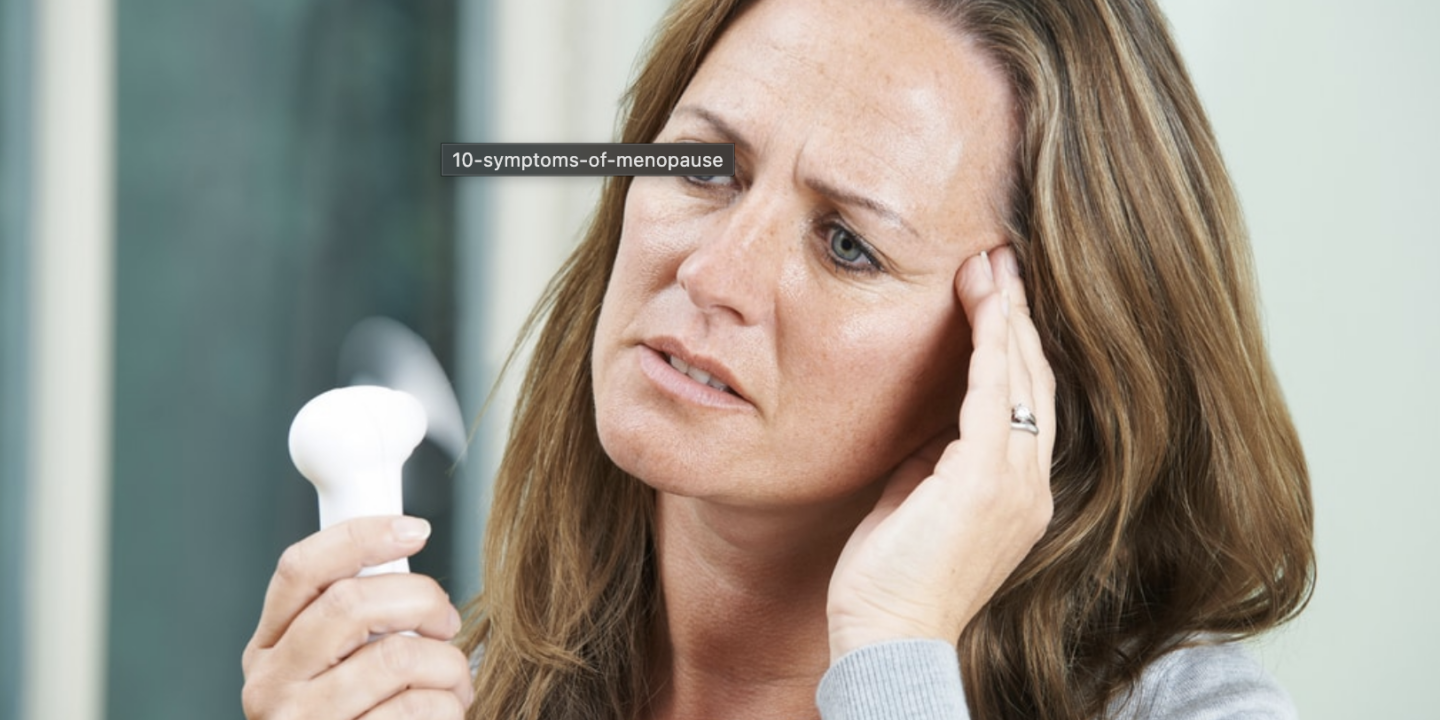
Picture this: You’re in an important Zoom meeting, and suddenly it feels like someone cranked your internal thermostat to full blast. Hot flashes and night sweats are the star players, hitting nearly 80% of women going through menopause.
But menopause doesn’t stop there—its symptoms are more like a quirky group project than a solo act:
- Sleep disturbances: insomnia, tossing and turning, or waking up drenched from night sweats
- Mood and cognitive shifts: irritability, anxiety, “brain fog,” memory lapses
- Genitourinary changes: vaginal dryness, discomfort during sex, more frequent (and urgent) trips to the bathroom
- Body changes: weight creeping up (especially around the middle), achy joints, hair thinning, dry skin, mysterious exhaustion
Real talk: “If you sometimes feel like your internal thermostat has a mind of its own, you’re not alone!” No two people experience exactly the same menopause map. Type, timing, and intensity vary wildly—from barely noticeable to truly disruptive.
Here’s a share-worthy fact: Some women breeze through with barely a symptom, while others collect the whole bingo card.
Unique Symptom Timelines
Wondering how long this “new normal” lasts? Hot flashes and night sweats average a wild 7–8 years—sometimes trailing several years after your last period.
But timelines are personal; here’s how it usually breaks down:
- Vasomotor symptoms (flashes, sweats): usually fade within 7–8 years, but about 1 in 12 women (8%) can have them for life
- Sleep and mood shifts: can spike during perimenopause, then gradually settle
- Genitourinary symptoms: tend to worsen over time if left untreated—think dryness, discomfort, and more UTIs
Not all symptoms are created equally; many fade out, but vaginal and urinary issues are notorious for sticking around.
A memorable takeaway: “Menopause symptoms are less like a sprint, more like an unpredictable marathon—pace yourself and know what to expect.”
Key actionable insight: Track your own symptom timeline and patterns—what’s common in data may play out very differently for you. Awareness turns surprises into manageable moments.
Diagnosis: How Do You Know It’s Menopause?
Clinical Diagnosis vs. Lab Testing
Wondering if you really need a blood test to confirm menopause? For most people over 45, menopause is diagnosed clinically—meaning your story and symptoms tell the tale.
If you haven’t had a period for 12 months and are noticing typical changes like hot flashes, night sweats, or sleep shifts, your clinician will likely call it menopause without lab work.
Picture this: Your cycles have stopped, you’re having occasional night sweats, and your energy isn’t what it used to be. Unless you’re under 40 (when menopause would be considered early), a doctor typically won’t order blood tests—FSH and estrogen fluctuate so much in perimenopause that results can be misleading.
There are a few times where testing might make sense:
- You’re under 40 and having symptoms (this can mean “primary ovarian insufficiency”)
- Your symptoms are non-classic or sudden
- You’ve had a hysterectomy and don't have periods to track
Menopause Identification After Surgery
If you’ve had a hysterectomy but still have ovaries, timing menopause isn’t as simple as waiting out your last cycle.
Look for:
- Suddenly starting hot flashes or night sweats
- Emotional or cognitive shifts like mood swings or brain fog
If both ovaries were removed (bilateral oophorectomy), menopause happens immediately—this is called “surgical menopause,” and symptoms may be more intense and rapid.
When to Seek Medical Confirmation
Don’t play health roulette—some symptoms require a quick check-in with your care team.
Get prompt medical guidance if you experience:
- Bleeding after 12 months of no periods
- Heavy, irregular, or very frequent bleeding
- Symptoms suggesting menopause before 40
- Sudden onset of symptoms after surgery
Here’s a rule of thumb: If your symptoms disrupt work, sleep, or life, or don’t feel “typical,” it’s worth a medical review.
If in doubt, bring a detailed symptom log to your appointment so your provider can spot patterns—think of it as your “diagnosis cheat sheet.”
“Many women learn they’re in menopause based on how they feel, not a lab number.”
“Trust your story first—tests are backup dancers, not the main act.”
“Red-flag symptoms always earn you a fast pass to your doctor’s office.”
The bottom line: Your body’s signals are powerful guides—listen to them, and use clinical expertise when the picture isn’t clear. Diagnosis is about connecting the dots, not just reading the numbers.
Health Impacts After Menopause
Risks That Change With Time
After menopause, your body’s hormone shift brings new health considerations front and center.
Estrogen’s decline isn’t just about hot flashes—it means increased bone loss, heart risks, and metabolic changes.
Here’s what you’ll want on your radar:
- Bone Health: Postmenopausal women can lose up to 20% of bone density within 5–7 years after their final period. This spike in bone loss means the risk of osteoporosis and fractures (especially hip and spine) rises sharply.
- Heart & Blood Vessels: By age 70, a woman's risk for heart disease equals that of a man’s. After menopause, the lack of estrogen raises bad cholesterol (LDL) and lowers good cholesterol (HDL), increasing the odds of heart attack and stroke.
- Metabolic Shifts: You may notice a subtle uptick in central abdominal fat and insulin resistance. Type 2 diabetes and high blood pressure become more common.
- Urogenital Health: Over half of women have ongoing vaginal dryness, itching, or urinary symptoms—these can worsen over time if left untreated.
“Think of these changes like software updates—sometimes invisible, but they impact how your system runs.”
Lifestyle and Preventive Care
The best way to handle these shifts? Get proactive—your daily choices really add up.
- Keep moving: Regular weight-bearing exercise (like brisk walks, yoga, or resistance training) protects bones and reduces heart disease risk.
- Eat smart: Focus on protein, calcium (1,200mg/day), and vitamin D (600–800 IU daily) to fuel muscle and bone strength.
- Screen early, screen often:
- Bone density scan (DEXA): usually at age 65, but sooner if you have risk factors or early menopause
- Mammogram: typically every 1–2 years until at least age 75
- Pap tests: through age 65 or longer if you have risk factors
If you had surgical menopause or experienced menopause before 45, your risks ramp up sooner. Personalized prevention plans with your clinician are essential for you.
Picture this: a quick message to your provider about new joint aches or a check-in about bone scans—it’s your healthiest next move.
“These appointments aren’t red tape—they’re your long-term maintenance checks.”
Staying on top of screenings, making time for daily activity, and partnering with your clinicians will keep these silent changes from becoming setbacks.
Catch issues early, keep your body strong, and make prevention part of your every decade.
Approaches to Managing Menopausal Symptoms
Hormone Therapy: Who, When, and Why
Hormone therapy is often considered the gold standard for tackling hot flashes, night sweats, and vaginal dryness. There are two main types: estrogen alone (used if you've had a hysterectomy), and estrogen + progestogen (needed to protect the uterus from cancer if you've still got yours).
Current guidelines say hormone therapy is most effective and lowest risk when started in women under 60 or within 10 years of their final period. Think of it as adopting a powerful new piece of software—life-changing for some, but not everyone needs all the features (or potential side effects).
- Estrogen only: Best when the uterus is gone; may even lower long-term breast cancer risk.
- Estrogen + progestogen: Needed for uterus-owners; slightly increases breast cancer risk over many years, but the absolute risk is small.
- Personalization: Dosing and duration are tailored; the goal is the lowest effective dose for the shortest time that controls your symptoms.
“It’s like weighing the pros and cons of a new tech gadget: powerful, but not for everyone.”
Non-Hormonal Strategies
Not keen on hormones, or can’t take them? You’ve got options.
Prescription non-hormonal relief for hot flashes and night sweats includes:
- SSRIs/SNRIs (e.g., paroxetine, venlafaxine)
- Gabapentin, clonidine
- Fezolinetant: a new non-hormonal option approved specifically for hot flashes
Lifestyle tweaks don’t just help—they’re backed by evidence:
- Stay cool: dress in layers, use fans, skip hot drinks and spicy meals
- Practice stress management: cognitive behavioral therapy (CBT) can lessen how bothersome symptoms feel
- Move daily: regular exercise aids sleep and mood
When it comes to vaginal or urinary symptoms, think:
- Over-the-counter lubricants and moisturizers: Safe and effective for dryness and discomfort
- Low-dose local estrogen: If symptoms persist, these are your MVPs for rebuilding vaginal health—systemic absorption is minimal
“Picture this: a quick lunch break, a discreet moisturizer, and you’re back to conquering your day.”
Alternative & Complementary Approaches
Supplements and herbs like black cohosh and phytoestrogens are everywhere, but the evidence is mixed, and safety isn’t always well studied.
Before trying new over-the-counter options, consider:
- Talk to your clinician if you have any chronic illnesses, take prescription meds, or have a cancer history
- Be wary of big promises from unregulated brands
“Treat supplements like new apps—check reviews, but ask an expert before installing.”
Whether you’re exploring prescriptions, daily routines, or alternative remedies, the key is tailoring your symptom-fighting game plan to fit both your body and your lifestyle. A personalized approach, guided by trusted info and healthcare partners, leads to better control—and more confidence—during menopause.
Menopause, Sexual Health, and Relationships
Effects on Sexual Function
Menopause brings real changes to sexual health—sometimes subtle, sometimes impossible to ignore.
Many women notice:
- Vaginal dryness or discomfort during sex
- Lower libido or desire
- Difficulty reaching orgasm
- A feeling like “sex just isn’t the same”
These shifts are common: up to 50–70% of women report vaginal dryness or pain post-menopause, and nearly 40% notice decreased desire.
Practical, judgment-free fixes can make a huge difference:
- Use a quality lubricant (silicone or water-based) for comfort
- Try regular vaginal moisturizers (2–3x/week) for persistent dryness
- Ask your clinician about local estrogen therapies—they’re safe for most and directly restore vaginal tissue health
- If sex hurts, communicate honestly with your partner—adjusting pace, position, and expectations can help
- If self-care isn’t enough, consider referral to a menopause or sex therapist
“Sex can be better after menopause—once discomfort is managed, many couples report deeper connection and freedom from pregnancy worries.”
Emotional and Relationship Dynamics
Let’s be real: menopause doesn’t just shift hormones—it impacts how you feel about yourself, your mood, and your relationships.
Mood swings, irritability, and a dip in self-esteem are all on the table.
What's normal?
- Feeling “not quite yourself” emotionally
- Shifts in how you connect with your partner
- Worry about body changes affecting intimacy
- Needing new ways to spark desire or closeness
Here’s how to stay connected:
- Talk openly—share how you’re feeling and what you need
- Schedule time for intimacy (whatever that looks like right now)
- Experiment with nonsexual touch or new activities to build trust and comfort
- Don’t hesitate to loop in professional support—sex therapists and counselors can offer targeted help
“Picture this: you and your partner laughing over a glass of wine, trying out a new massage oil, or setting a ‘no screens’ rule for half an hour—sometimes freshness is all about small changes.”
Menopause is a new chapter—not the end of intimacy, but a chance to rewrite how you connect. Prioritizing comfort, open communication, and shared exploration can spark surprising satisfaction—sometimes even more than before.
Menopause and Life Management
Birth Control and Fertility Questions
Menopause may mark the end of fertility, but pregnancy is still possible during perimenopause—even when cycles become unpredictable.
You’ll want to keep using birth control until you’ve gone a full 12 months without any period (not just a few skipped months). Changes in bleeding patterns from IUDs or hormonal contraception can mask this, so check with your clinician if you’re unsure.
Picture this: You’re down to two periods a year, but a surprise positive test is still possible.
Some low-dose hormonal contraceptives do double duty here:
- They help control heavy, erratic bleeding.
- They provide reliable pregnancy prevention.
- They can ease hot flashes and other perimenopausal symptoms.
Key tip: Always confirm menopause before ditching contraception entirely.
Quotable: “Don’t send your birth control packing just because periods get weird—pregnancy risk lingers until menopause is official.”
Weight Changes and Body Image
Gaining weight around menopause? It’s not all hormones or “just aging”—it’s both.
Around this transition, metabolism slows and body fat shifts toward the abdomen (that classic “menopause belly” you’ve heard about). But most weight gain is tied to:
- Age (muscle loss is common)
- Changes in activity level
- Nutrition habits
The stats: Average weight gain of 5 pounds is typical in the 50s, but how you move and eat makes the biggest impact—not menopause alone.
Swap the blame game for power moves:
- Strength training rebuilds muscle and revs metabolism.
- Prioritize protein, fiber, and colorful produce.
- Be kind to yourself—body changes are normal.
“Real talk: You didn’t cause a hormonal coup. Lifestyle shifts can make this phase stronger, not just softer.”
Navigating Everyday Life and Work
Hot flash in the middle of a meeting? It happens.
Managing menopause at work is about building a toolkit that works for real life:
- Stash a fan or cooling scarf in your bag.
- Layer up for quick temperature fixes.
- Schedule brief movement breaks to loosen stiff joints.
- Choose breathable, comfortable fabrics for all-day comfort.
Support extends beyond solo strategies—ask about:
- Flexible work schedules
- Remote work days
- Quick, judgment-free breaks if symptoms flare
The modern workplace is becoming more menopause-aware; advocate for what you need.
“Picture yourself handling symptoms stealthily at your desk—empowered, supported, and comfortable.”
Menopause isn’t just a health event—it’s a life management pivot. Focusing on realistic routines, self-acceptance, and supportive environments means you’ll navigate this transition with confidence and ease.
When to Consult a Clinician
It’s easy to wonder, “Is what I’m feeling normal?” during menopause—but knowing when to see a provider can empower you, prevent worry, and keep you on track.
Don’t wait for a crisis. If menopause symptoms are derailing your sleep, mood, work, or relationships, it’s time to get support.
Situations That Demand Medical Attention
Seek medical input without delay if you experience:
- Very heavy, frequent, or unpredictable bleeding
- Bleeding after 12 months without a period (postmenopausal bleeding)
- Symptoms of menopause before age 40 (this can signal early ovarian failure)
- Sudden chest pain, severe headaches, new vision changes, or neurological symptoms
- Significant mood changes or worsening anxiety/depression
Picture this: You’re sitting in a work meeting and suddenly experience unexpected spotting after a year without periods—don’t brush it off. It’s a sign to make an appointment.
Partnering with Your Provider: Making the Most of Your Visit
Don’t tough it out alone. The right clinician is your problem-solving ally, not just another hurdle.
To get the most from your visit, bring:
- A symptom log (dates, severity, triggers)
- A list of all medications and supplements
- Your family and personal health history
Prepare questions such as:
- “Which symptoms should I monitor most closely?”
- “Do I need blood tests, and why?”
- “What options fit my medical history and lifestyle?”
- “Can you help me build a plan for symptom management?”
Clip-worthy: “Menopause is personal—your health plan should be too.”
When in Doubt, Reach Out
Trends show that about 80% of women experience hot flashes, but only a minority seek care—often because they feel they should “just cope.”
Remember, early medical advice can prevent bigger problems down the line. Costs and coverage for visits and tests vary, but most insurance plans treat menopausal care as essential health.
The actionable bottom line: If in doubt, check it out. Create space for your well-being, bring your questions, and advocate for care that fits your life—not just your symptoms.
Looking Forward: Emerging Trends and Ongoing Research
Staying up-to-date with menopause care is easier than ever, thanks to breakthroughs in therapy, technology, and public awareness.
Major research is focused on non-hormonal medications, such as fezolinetant—a neurokinin 3 receptor antagonist recently approved for moderate–severe hot flashes. Researchers are exploring next-gen options for those who can’t or don’t want hormone therapy.
Innovation in Digital Health & Personalized Support
Picture this: You’re tracking your hot flashes, sleep, and mood with an app—then reviewing the insights with your clinician. Digital health tools are exploding in popularity, helping women personalize symptom management, access virtual consultations, and connect with online support communities.
Key trends making waves:
- Wearable technology for temperature swings, pattern detection, and real‑time feedback.
- AI-powered symptom trackers that help you spot your own unique patterns, optimize habits, and test interventions.
- Telehealth platforms that provide expert menopause care, especially valuable if local specialists are limited.
The result? “Technology is turning menopause from a silent struggle into a data-driven conversation you control.”
Shifting Attitudes and New Avenues of Research
Public conversation is finally catching up: Menopause is getting mainstream attention in media, business, and policy circles. Workplaces are piloting menopause-inclusive policies and flexible accommodations, making symptom management easier for working professionals.
Ongoing research priorities you’ll see in headlines include:
- The role of genetics in symptom severity and timing
- How the microbiome might shape menopause experience and long-term health
- Fresh approaches to sexual health, emotional well-being, and improving quality of life for every background
Takeaway: Stay Curious, Stay Empowered
Every year brings new therapies, smarter apps, and more open discussion. The best investment is to stay informed and proactive, whether it’s reading up on non-hormonal therapies or joining a local support forum.
“Menopause won’t look the same in five years—imagine how much more is possible when you’re part of the conversation.” Ask yourself: What questions do you want answered as you move through menopause? That’s how you stay two steps ahead—whatever your journey looks like.
Conclusion
Menopause isn’t just a biological checkpoint—it’s a transition that calls for real tools, honest conversation, and empowered choices. By asking the right questions and embracing available resources, you set the stage for a healthier, more connected next chapter.
You don’t have to navigate this alone, and you don’t need to settle for confusion or discomfort. Instead, you can translate knowledge into practical moves and start customizing your menopause experience right now.
Here’s what you can put into action today:
- Track your symptoms using an app, notebook, or spreadsheet to spot patterns and triggers.
- Talk openly with your healthcare provider about any bothersome changes—bring a symptom log for targeted, effective conversations.
- Prioritize preventive care by scheduling screenings (bone density, mammogram, routine bloodwork) and asking about personal risk factors.
- Experiment with lifestyle tweaks: Try a new exercise routine, tweak your nutrition, or explore stress-reducing strategies.
- Share what you learn—open a dialogue with friends, family, or colleagues. Breaking the silence builds support.
Ready to take action?
- Map out three small steps you can commit to this week—maybe it’s a morning walk, a calendar reminder for your next check-up, or reaching out to a clinician.
- Download a symptom tracker or join a menopause support community to keep learning and connecting.
- Bookmark this guide and revisit the sections most relevant to your journey as things change.
Menopause is a dynamic process, not a finish line—your questions, choices, and curiosity will shape how you experience it. Give yourself permission to prioritize your health and voice your needs.
You have everything it takes to turn menopause from “the great unknown” into a powerful chapter designed by you.
Every great transition starts with a conversation—make yours count, and watch possibility expand.