Key Takeaways
Curious if losing weight will make cellulite disappear? Here’s what really counts: cellulite isn’t just about fat—it’s a mix of biology, genetics, and lifestyle factors. These insights break down what actually works, realistic expectations, and actionable changes you can make today.
- Cellulite affects almost 90% of women—it’s shaped by genetics, hormones, and connective tissue, not just body weight or fitness.
- Weight loss can reduce cellulite visibility, especially if you start with a higher BMI and more pronounced dimpling, but total removal is very rare.
- Rapid or extreme weight loss often worsens cellulite, causing loose, sagging skin and deeper dimples—slow, steady progress protects skin texture.
- Building muscle with strength training “pushes back” against cellulite, making skin look smoother and more resilient than with dieting alone.
- Healthy skin habits pay off: staying hydrated, eating collagen-rich foods, and protecting your skin support better elasticity and visible results.
- Professional treatments like subcision, lasers, and injectables may improve stubborn cellulite, but results require maintenance and aren’t permanent or guaranteed.
- Daily lifestyle tweaks—balanced nutrition, regular movement, and smart self-care—are your best defense for long-term cellulite management and confidence.
Ready for smoother, healthier skin? Dive into the full article for practical steps that beat quick fixes and help you see real, steady improvement!
Introduction
Ever notice how cellulite can stick around no matter what your scale says? If you've ever looked in the mirror and wondered why those dimples don’t vanish with every pound lost, you’re definitely not alone.
Here’s a number that'll get your attention: Up to 90% of women—and a surprising share of men—deal with cellulite at some point, regardless of fitness routines, body size, or obsessively clean eating habits. That means even your most disciplined “wellness sprint” may not guarantee smoother skin.
The real kicker? Cellulite isn’t just about fat—it’s tied to genetics, the scaffolding beneath your skin, hormones, and more. Weight loss can help in some cases, but for many, those dimples persist or even become more visible with quick fixes and crash diets.
You’re here because you want answers that cut through the myths and marketing noise. Here’s what you’ll uncover:
- Why cellulite behaves like a “biological wild card”—and what you can realistically control
- How losing weight might help—or sometimes make things worse
- Pro strategies to smooth things out: From nutrition and resistance training to science-backed treatments
- Quotable moments and analogies that help you explain cellulite to anyone (yep, even the skeptics on your team chat)
If you’re ready to separate skin science from skincare hype—and finally get a handle on how weight loss really impacts cellulite—let’s unravel what’s truly happening beneath the surface, starting with the fascinating interplay of fat cells, connective tissue, and your skin.
Understanding Cellulite: What’s Really Happening Beneath the Skin
Cellulite is more than a buzzword—it’s a visible sign of the complex relationship between fat cells, connective tissue, and your skin.
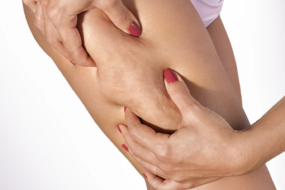
Picture this: if your skin were a mattress, the connective bands are like springs, while fat cells are the padding. When fat cells push upward and bands pull downward, those telltale dimples start to appear.
Why Cellulite Isn’t Just About Body Weight
Here’s a surprising stat: as many as 80–90% of women will see cellulite at some point, according to dermatology research. It’s not limited to anyone’s dress size or workout routine.
Let’s bust three myths right now:
- Thin people get cellulite too: Genetics play a huge role, so even if you’re lean, those connective bands might create dimples.
- Fitness doesn’t guarantee smooth skin: Many athletes and fit folks still see cellulite, especially on thighs and hips.
- Diet alone isn’t a magic fix: Eating healthy helps, but it doesn’t alter the structure causing cellulite.
Genetics, Hormones, and ‘Mattress Effects’
Why do some people get more cellulite than others? There are three big influencers:
- Inherited traits: Skin thickness, fat distribution, and strength of connective tissue are largely genetic.
- Hormone balance: Estrogen, insulin, and thyroid levels impact how fat is stored and where.
- Aging and skin structure: Collagen loss with age makes dimpling more pronounced.
If you’ve ever noticed cellulite showing up or shifting as you age or with stress, blame the subtle changes happening beneath the surface.
Everyday Factors You Can Visualize
Imagine this for video: two identical twins, both active, but one has softer, more elastic skin—her cellulite will often look milder, even with the same body fat percentage.
Here’s what you can control:
- Stay hydrated to help skin stay plump
- Support collagen with a balanced diet
- Manage stress, since cortisol can affect both fat storage and skin resilience
Understanding what’s happening beneath the surface helps shape realistic expectations. Cellulite can affect anyone, no matter your size or fitness, because it’s driven by deeper biology—not just surface numbers. That means your approach to smoother skin needs to look beyond weight alone.
The Science: How Weight Loss Interacts with Cellulite
What Research Shows About Weight Loss and Cellulite
Wondering if dropping pounds will finally smooth out stubborn cellulite? The data offers a nuanced story.
Controlled studies consistently find that most people see cellulite improve somewhat with weight loss—especially when they start out with a higher BMI and more pronounced dimpling.
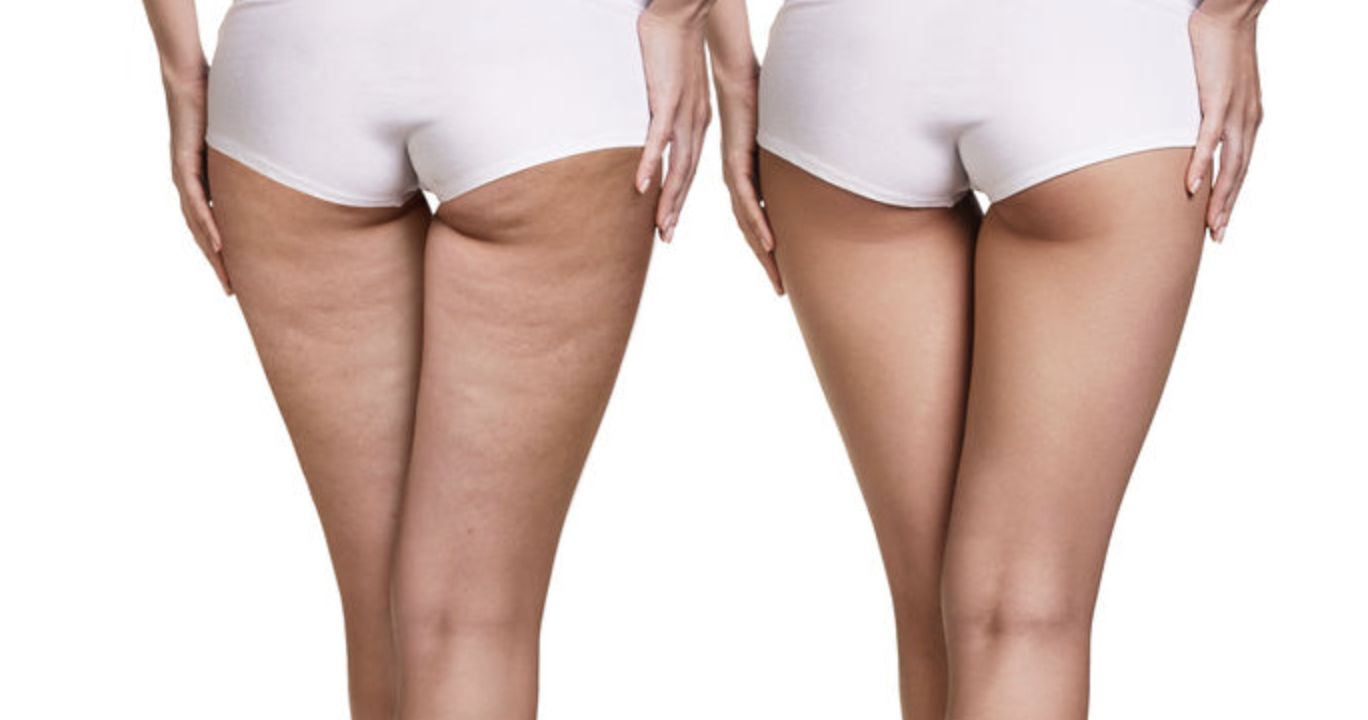
Picture this: in a large medical weight-loss program, the greatest visible smoothing occurred in people who achieved both larger total weight and thigh fat reductions. The difference can be striking, with improvement most likely when initial cellulite is moderate to severe.
But here’s the real twist: not everyone gets those smooth results. Even among success stories, a portion of people report either minimal change or, in some cases, a worsening of cellulite appearance.
You’ll see the best odds of improvement if you:
- Begin with a higher BMI and obvious cellulite
- Lose weight steadily
- Are willing to combine fat loss with muscle toning
Stat to remember: In some reputable studies, the majority saw improvement, but 25% saw little to no change—or even worse dimpling.
Why Weight Loss Doesn’t Always Mean Less Cellulite
Here’s why dropping pounds doesn’t “cure” cellulite: the basic structure stays put.
Cellulite forms when fibrous connective bands pull down on skin, while underlying fat pushes up—think of it as tug-of-war under a mattress cover. Shrinking fat cells helps, but those stubborn bands remain.
Weight loss can even backfire, creating:
- Loose, excess skin (from fast or large losses)
- More visible dimpling in people with lower starting BMI or who lose only a little weight
Leading voices, like Mayo Clinic experts, point out that rapid weight loss tends to exaggerate unevenness, while slow, muscle-preserving approaches are gentler on your skin’s structure.
Common Misconceptions: Will Losing Weight “Cure” Cellulite?
Let’s set expectations straight: losing weight may reduce the visibility of cellulite for many, but complete removal is extremely rare.
Your connective tissue design, hormones, and genetics play roles outside your control. Even slender athletes can have dimpling due to these built-in factors.
The real “gamechanger” for appearance is muscle tone and skin support. Combining fat loss with resistance training can “push back” against puckering skin, sometimes making the change from lumpy to mostly smooth.
Quotable line: “You can shrink cellulite’s shadow, but banishing it completely? That’s another story.”
Slow, steady weight loss and building muscle offer the best shot at less noticeable cellulite. While you might not get Photoshop-smooth skin, most people see visible improvement when they focus on healthy, realistic changes—not miracle cures.
Optimizing Your Approach: Strategies to Maximize Cellulite Improvement with Weight Loss
Safe, Sustainable Weight Loss Methods
If you’re serious about reducing the look of cellulite, slow and steady wins the race—both for results and skin health.
Crash diets and sudden “yo-yo” weight changes don’t just put your energy levels at risk; they also raise your chances of loose, sagging skin (which can exaggerate dimples).
Healthy recommendations from experts and the Mayo Clinic say the ideal pace is 1-2 pounds lost per week, aiming for a stable, healthy weight over time.
Top strategies for a smooth journey:
- Set incremental, achievable goals—think 5% of your body weight at a time.
- Use balanced meals with plenty of fiber, lean proteins, and heart-healthy fats.
- Make physical activity a daily habit, not a sprint to summer.
A quotable rule: “Consistency over intensity is the not-so-secret sauce for cellulite control.”
The Power of Strength Training and Muscle Toning
Picture this: under your skin, muscle acts like scaffolding, supporting surface layers and evening out any bumps.
Strength training routines—think bodyweight circuits, resistance bands, or free weights—help firm up underlying muscle, so the skin appears smoother and more resilient.
How does muscle “push back” against cellulite? When you:
- Squat, lunge, or deadlift, you bulk up muscle tone directly under trouble zones (like thighs and glutes).
- Mix in core work and upper body exercises for balanced support.
Even the American Council on Exercise highlights muscle strengthening as a top ally in the fight against dimpling.
Here’s a headline-grabber for socials: “Muscle works like your body’s own Photoshop filter—except the results last way longer.”
Managing Skin Elasticity and Avoiding Sagging
Losing weight too fast can leave your skin playing catch-up, especially if you’re over 40 or have naturally less collagen.
Key factors for skin-supporting self-care:
- Keep well-hydrated and include foods rich in vitamin C (citrus, berries) for collagen support.
- Prioritize protein—it helps repair and maintain your skin’s structure.
- Regularly moisturize, and don’t skip the sunscreen, even on cloudy days.
Genetics and age definitely play a role, but consistency counts. Another quotable moment: “Skin needs time, nutrients, and patience to bounce back—rushing the process is guaranteed to leave a mark.”
For the best shot at smoother skin, take it slow, build muscle, and treat your skin as your long-term project. A steady, whole-body approach is the realistic key to seeing cellulite improve while you lose weight.
When Weight Loss Isn’t Enough: Advanced Solutions for Persistent Cellulite
Professional and At-Home Treatment Options
Let’s be real: losing weight alone rarely makes cellulite vanish completely. If smoother skin is still your goal, it might be time to consider targeted technologies.
Today’s advanced cellulite treatments include:
- Subcision: A minimally-invasive procedure where a needle breaks up the connective bands causing dimpling. Results can last two years or longer, but expect bruising and some downtime.
- Laser treatments: Devices like Cellulaze heat and loosen fibrous tissue, reducing cellulite for about one year. Sessions cost $1,000–$5,000+ and improvement is variable.
- Injectables: Some FDA-cleared options (like collagenase injections) break down structural bands. Effects are moderate and temporary, requiring maintenance.
- Radiofrequency and skin tightening: At-home and professional devices use energy to stimulate collagen, sometimes reducing mild dimpling. Results usually need multiple sessions and touch-ups.
- Topicals and massage: Creams and home rollers may offer short-term smoothing, but don’t expect dramatic changes.
Picture this: you’ve put in months at the gym, cleaned up your nutrition, but stubborn dimples stick around—this is when these options shine.
Deciding If Extra Interventions Are Right for You
Not everyone is a candidate for in-office treatments. Here are signs you might consider them:
- You’ve achieved a healthy, stable weight and maintained it for at least six months.
- Strength training is regular in your routine, but cellulite still bothers you.
- You have realistic expectations about improvement—not total removal.
For best results, schedule a consultation with a board-certified dermatologist or cosmetic specialist. They’ll explain which approach fits your skin, what downtime to expect, and how costs may add up (often $1,500–$5,000+ out of pocket).
These procedures aren’t magic wands—results often fade over months or years, and some dimpling can persist. All methods work best paired with ongoing healthy lifestyle habits.
In short: If your cellulite sticks around after steady progress, your next move is a blend of professional guidance and smart, targeted treatments. “Progress, not perfection, is the real win” sums up the journey—advanced tools can make a difference, but real results rely on the bigger picture.
Building a Smoother Future: Lifestyle Habits that Support Long-Term Cellulite Management
Looking for a real answer to cellulite that lasts beyond fad diets and lotions? Daily lifestyle habits hold the key.
A balanced, steady approach pays off. Even the Mayo Clinic confirms: quick fixes rarely erase cellulite and sometimes make it more visible.
Small Shifts, Big Changes
You don’t need a complete life overhaul—just targeted tweaks.
- Eat for your skin and muscles: Focus on veggies, healthy fats, and lean proteins to keep skin springy and strong.
- Move in ways you love: Whether it’s brisk walks, yoga, or resistance bands in your living room, regular movement keeps blood flow high and tissue healthy.
- Hydrate every day: Well-hydrated cells are more elastic, making dimpling less pronounced.
Picture this: You swap your “detox” plan for a colorful plate at lunch, squeeze in a power walk between meetings, and notice your skin’s texture gradually smooth out over weeks—not days.
Resist the Lure of Quick Fixes
Tempted by a trending crash diet or “miracle” cream? Science warns against it.
- Extreme dieting can shrink fat quickly, but often leaves loose skin behind—a recipe for more prominent cellulite.
- Major weight swings confuse your tissues, making progress harder to spot.
A memorable truth: “Cellulite is stubborn, but panic fixes only give it more power.” Slow and steady routines beat rollercoaster results every time.
Take Care of Yourself Along the Way
Sustainable routines are more than just gym time.
- Sleep and stress management: Chronic stress and lack of rest can zap your skin’s bounce.
- Gentle self-care: Massage, dry brushing, or simple moisturizer routines support microcirculation and give you a daily confidence boost.
Instead of perfect skin, set your sights on gradual improvement: “Progress—not perfection—is your real win.” Most studies agree: maintaining a stable, healthy weight and consistent self-care is the best path forward.
It’s these simple, holistic habits—not perfection—that keep your skin smoother and your confidence higher for the long haul.
Conclusion
Recognizing that cellulite is shaped by biology—not just by the scale—gives you permission to pursue smoother skin without falling for empty promises or fad fixes. The real breakthrough? Blending steady habits with science-backed strategies puts control back in your hands, no matter your starting point.
Small, smart shifts can make a visible difference over time. Here’s how you can move from frustration to confidence, step by step:
- Prioritize gradual, sustainable weight loss (aim for 1-2 pounds per week) to avoid sagging and support lasting results
- Incorporate strength training to firm up muscle beneath the skin and minimize dimpling
- Stay hydrated and nourish your skin with vitamin-rich foods and daily moisturization
- Build in consistent movement—walks, stretches, resistance bands, or whatever keeps you active
- Resist quick fixes and fad diets that promise instant results but deliver disappointment
Ready to take action? Here’s what you can do today:
- Commit to a strength routine this week, even if it’s just 15 minutes a day
- Evaluate your meals—add an extra source of lean protein or colorful veggies
- Book a skin consult if cellulite is still a concern after consistent progress
- Celebrate each small change—progress compounds over time, so notice what’s improving
Progress is built on consistency, not perfection. Your journey to smoother skin is powered by realistic goals and daily decisions, not by chasing miracles. Every step you take—no matter how small—moves you closer to confidence in your own skin.
So here’s the part worth sharing:
Cellulite’s story isn’t about elimination, but about empowerment—because your choices, not your genetics, script the next chapter. Own it, and let progress become your signature look.