
Key Takeaways
Joint pain and fatigue don't just disrupt your comfort—they can hijack your focus, drain your productivity, and signal underlying health issues that deserve real solutions. Here's what every tech-savvy professional needs to know to manage these symptoms and keep their energy on track.
- Joint pain and fatigue often go hand in hand, sharing common roots in inflammation, autoimmune issues, or poor sleep—don’t just chalk it up to overwork.
- Brain fog is a red flag, not a given—persistent trouble focusing or missing details alongside pain means it's time to log symptoms and seek medical input.
- Autoimmune and inflammatory disorders, like rheumatoid arthritis, drive pain and fatigue in up to 80% of affected individuals, so don’t dismiss long-lasting symptoms.
- Lifestyle tweaks pack real power: Gentle movement, sleep upgrades, stress relief, and anti-inflammatory foods can reduce joint pain and boost energy—even when fixes feel small.
- Common medications, including prescription painkillers and DMARDs, can quietly drain your stamina—track side effects and discuss adjustments if new fatigue appears.
- Not all joint pain is arthritis: Infections, thyroid problems, anemia, or multiple overlapping conditions can play a hidden role; seeing the full picture speeds up answers.
- Prep for your doctor visit like a project launch: Track patterns, photograph or record symptoms, and bring targeted questions for efficient, collaborative care.
- Act fast on urgent red flags, like sudden severe swelling or fever—these can signal emergencies needing immediate attention.
Recognizing the link between pain, fatigue, and mental clarity is the first step to reclaiming your energy and focus—dive into the full guide for actionable strategies to break the cycle and boost daily performance.
Introduction
Ever pause in the middle of a meeting, rubbing an aching knee, and wonder why your brain suddenly feels foggy, too?
You’re not alone—up to 80% of professionals with joint pain also report relentless fatigue that turns simple tasks into uphill climbs.
For tech-savvy creators and strategists, it’s more than an annoyance—it’s a direct hit to productivity, decision-making, and creative flow.
Joint pain, fatigue, and brain fog often crash the party together, zapping both your energy and your ability to think at full power.
So, why does your body feel like it’s lagging and your brain like it’s buffering?
The answer is rarely as simple as “just getting older” or being “overworked.”
Chronic pain and exhaustion are often signals—real messages from your immune system, sleep patterns, or even everyday habits.
Here’s what you can expect to discover:
- Why joint pain and fatigue often go hand-in-hand (and how your body’s “energy budgeting” really works)
- The most common medical culprits and lifestyle traps behind these combo symptoms
- Actionable strategies for managing pain, boosting energy, and sharpening mental clarity—without complicated jargon
- Tips for documenting your symptoms and translating your lived experience into focused, effective conversations with your healthcare team
You’ll get practical, zero-fluff insights adaptable for busy workflows—so you can keep your edge, even on tough days.
Wondering if your sync issues are purely physical or if something deeper is at play?
Let’s uncover the connections between joint pain, fatigue, and the “brain fog” that so often tags along—starting with how your body’s own feedback loop could be fueling your symptoms.
Understanding the Link Between Joint Pain, Fatigue, and Brain Fog
Joint pain and fatigue don’t just show up together by accident—they’re often two sides of the same coin.
When your joints hurt, your body diverts energy to healing and coping, which means there’s less fuel for focus, motivation, or powering through your day.
This exhaustion isn’t just “being tired”; it can feel like your muscles are weighed down or your brain is stuck in first gear.
The Real-World Impact: When Pain and Fatigue Collide
Chronic pain doesn’t just sap physical energy—it clouds mental sharpness, too.
Many people experience:
- Trouble concentrating during busy meetings
- Missing details in emails or forgetting deadlines
- Needing extra breaks after minor tasks
This is what’s often called “brain fog”. Imagine you’re in a strategy session but can’t quite find the right words or connect ideas—frustrating, right?
Beyond Basic Exhaustion: What Combo Symptoms Really Mean
Here’s the key: joint pain, fatigue, and brain fog together aren’t always just from “overdoing it.”
They can signal:
- Autoimmune or inflammatory problems like rheumatoid arthritis or lupus
- Poor sleep quality (thanks to pain’s nighttime sabotage)
- Side effects of medication or underlying metabolic issues
Statistically, about 60–80% of people with inflammatory arthritis report severe fatigue alongside pain. If you’re feeling both, you’re not alone.
Why It Matters: Getting to the Root
Think of your body as a busy office—when key systems get overloaded by pain or immune activity, the whole “workforce” slows down.
That’s why unraveling the why behind your symptoms isn’t just productive—it’s essential for managing life, work, and relationships.
Today’s actionable takeaways:
- If joint pain drags down your energy and focus for more than a few weeks, it’s time to get answers, not just tough it out.
- Keep a quick log of how your pain, energy, and focus fluctuate—these notes can fast-track your next doctor visit.
- Remember: persistent “brain fog” is a red flag, not a normal part of stress or aging.
The big picture? Understanding how physical pain, mental sharpness, and fatigue intertwine is the first—and often most crucial—step to reclaiming both your productivity and your peace of mind.
Common Medical Conditions Associated with Joint Pain and Fatigue
Inflammatory and Autoimmune Disorders
When joint pain and fatigue strike together, autoimmune conditions are at the top of the list.
Picture this: You’re trying to focus on a big presentation, but your knees are swollen, your fingers feel clumsy, and it’s like a fog has settled over your brain.
Some of the most common culprits include:
- Rheumatoid arthritis: Immune cells attack your joints and energy reserves
- Lupus: Unpredictable flares cause everything from joint pain to rashes and profound tiredness
- Psoriatic arthritis: Joint pain with skin symptoms; exhaustion is common
- Spondyloarthritis: Often affects the back and causes severe morning stiffness
These conditions trigger body-wide inflammation; that “run-over-by-a-truck” fatigue isn’t your imagination.
Watch for:
- Persistent swelling
- Morning stiffness lasting over an hour
- Unrelenting tiredness
- Sometimes fever or unexplained rash
“Widespread inflammation can steal your focus and energy—even if you’re powered by caffeine.”
Degenerative and Non-Inflammatory Causes
Osteoarthritis is the culprit when joint pain feels worst after long days or activity.
What’s happening?
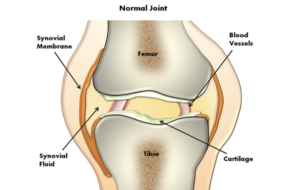
- Cartilage breaks down: Think “wear and tear,” not immune attack
- Nighttime pain often wakes you up, interrupting deep sleep
- Less likely to cause full-body symptoms, but pain can make everything feel harder
Fatigue comes not from inflammation, but the draining cycle of poor sleep and pain.
Fibromyalgia and Chronic Fatigue Syndromes
If you have aching muscles everywhere, tender spots, and sleep that never refreshes, fibromyalgia or chronic fatigue syndrome could be the driver.
You might not have visible swelling, but the overlap with arthritis is real. Look for:
- Widespread pain
- Extreme fatigue
- Brain fog (“Wait, why did I open this tab again?”)
- Poor, unhelpful sleep
This combo can turn normal workdays into marathons—even though labs often look normal.
“One invisible foe: Fatigue so intense it’s like dragging a weighted blanket all day.”
Infectious and Post-Infectious Triggers
Coming back from a nasty flu, mono, or COVID-19 and still feeling wiped out?
Some infections set off:
- Joint pain
- Prolonged exhaustion
- Brain fog that lingers for weeks or even months
Reactive arthritis can sneak in after an infection, outlasting the original virus or bug.
Systemic Conditions and Overlaps
Your energy and joints aren’t just at the mercy of arthritis.
Watch for:
- Anemia (low red blood cells)
- Thyroid disorders
- Kidney/liver problems
- Mixed syndromes (many people have more than one condition at once)
It’s all about seeing the big picture. If multiple symptoms pile up, dig deeper—and check out the “Understanding Joint Pain” main guide for a step-by-step approach.
In short: Joint pain plus fatigue almost always has a real, treatable cause. Recognizing patterns—from autoimmune flares to viral fallout—can speed up relief and help you reclaim your focus. Don’t settle for “just tired”; there’s often more at play.
Lifestyle and Medication Factors That Worsen Symptoms
Sleep Disruption and Deconditioning
Pain is notorious for wrecking sleep.
When your joints hurt, falling asleep and staying asleep gets tough—66% of people with arthritis report restless nights.
Less sleep equals more pain sensitivity and crushing fatigue the next day, turning simple meetings into mental marathons.
Picture this: You wake groggy, already foggy, and even your go-to coffee can’t jumpstart your morning.
Chronic pain also tempts you to move less—but inactivity backfires fast.
- Inactivity leads to muscle loss
- Deconditioning means everyday tasks drain you even more
- It’s a classic spiral: pain makes you rest, resting makes you weaker, weakness worsens pain and fatigue
“Bad night? You’re not lazy—you’re stuck in a feedback loop your body never signed up for.”
Diet, Weight, and Stress Load
Carrying extra weight puts more pressure on your joints—every pound adds up to four pounds more joint stress when you walk.
Low-quality diets not only feed inflammation but sap your energy.
Add stress? You’ve got a recipe for a physical system on high alert.
- Chronic stress raises inflammation markers in the blood (CRP levels are often higher during stressful months)
- Stress messes with your sleep cycle, so it’s double trouble for pain and fatigue
- Poor nutrition and dehydration sneakily worsen joint pain and zap focus
Try simple swaps: hydrate more, eat leafy greens, experiment with stress management apps. Even tiny steps can shift the balance.
Medications with Fatigue as a Side Effect
Some of the usual suspects in your medicine cabinet may quietly sabotage your energy.
Watch for fatigue with:
- Prescription pain meds (opioids, NSAIDs)
- Certain antidepressants
- Blood pressure medications
- DMARDs or biologics if you have inflammatory arthritis
If that sluggish feeling started after a new prescription, take note—side effects are common.
- Tip: “Notice a dip in energy after starting a new med? Bring it up with your doctor—even ‘routine’ meds can sometimes be the culprit.”
Addressing sleep, movement, diet, and hidden medication effects can unlock dramatic improvements—even if your underlying condition isn’t fully controlled yet. Instead of blaming yourself for low energy, picture these triggers as knobs you can dial down—sometimes, a few tweaks make even tough days more manageable.
When to Seek Medical Evaluation and How to Prepare
Why Prompt Evaluation Matters
Joint pain and fatigue that linger for weeks aren’t just “signs of getting older.”
These symptoms could point to underlying problems that are much more serious—sometimes even urgent.
Picture this: You’ve been dragging yourself through the workday, popping ibuprofen for sore knees, and now you can’t focus in meetings.
That’s not just burnout—it could be your body waving a red flag.
Don’t brush off these warning signs, especially if you notice:
- Pain that keeps coming back or gets worse over time
- Exhaustion that doesn’t lift even after solid rest
- Trouble with everyday tasks due to achy joints
These symptoms can be early indicators of autoimmune conditions, joint infections, or rapidly progressing arthritis, all of which demand prompt attention.
“Unexplained joint pain and crushing fatigue isn’t normal—your body is trying to tell you something important.”
What to Expect at the Doctor’s Office
Arriving at your appointment, your provider will look for patterns that unlock the diagnosis puzzle.
Expect a deep dive into:
- Detailed symptom history: When did it start? How does it affect your day?
- Physical exam: Checking joint swelling, range of motion, and related signs
- Key questions about:
- Which joints are affected?
- What time of day is it worst?
- Do you have fevers, rashes, weight changes?
You’ll likely undergo some or all of the following tests:
- Bloodwork for anemia, inflammation, autoimmune panels, thyroid issues
- Imaging (X-rays, ultrasound, or MRI) to visualize joint health
- Joint fluid analysis if swelling is significant
“Getting a clear picture early keeps small problems from becoming big ones.”
Urgent Red Flags Requiring Immediate Care
If you spot any of these, skip the wait and head straight for medical help:
- Sudden severe joint swelling or pain
- High fever or chills
- Marked weakness or new numbness
- Chest pain or difficulty catching your breath
Remember: When in doubt, get checked out—it’s better to play it safe than gamble with your health.
A thorough medical evaluation is your best step towards answers and relief.
Don’t wait for your symptoms to “work themselves out”—the sooner you act, the faster you can reclaim your focus, energy, and joint health.
Medical Treatment Approaches for Joint Pain and Fatigue
Tailoring Therapy to the Underlying Cause
When it comes to joint pain and fatigue, treating the root cause is priority number one. You’ll often see doctors dividing therapies based on the main type of condition:
- Inflammatory Arthritis (like RA, lupus, psoriatic arthritis):
- DMARDs (disease-modifying anti-rheumatic drugs)
- Biologics
- Short-term steroids
- OTC or prescription pain relievers
- Osteoarthritis (“wear-and-tear” type):
- NSAIDs (oral or topical)
- Acetaminophen
- Joint injections (like corticosteroids or hyaluronic acid)
- Bracing
- Surgical options for severe cases
- Fibromyalgia/Chronic Fatigue Syndromes:
- Non-opioid pain relievers
- Certain antidepressants or anticonvulsants
- Customized, gentle exercise programs
- Sleep improvement strategies
There’s no magic bullet for these overlapping issues—but modern approaches can dramatically raise your quality of life. Small therapy tweaks often equal big energy wins.
Picture this: You swap out a pain reliever that knocks you out at 3pm for a better-tolerated option and finish your workday with energy to spare.
Managing Coexisting Health Problems
For many, the difference between just coping and thriving is treating all the layers at once. That means looking beyond just the joints:
- Correct anemia for better oxygen delivery
- Optimize thyroid function to fight sluggishness
- Treat depression or anxiety to lift brain fog and boost energy
- Address sleep apnea to improve overnight recovery
It’s proven: tackling these hidden players can boost both pain control and overall stamina.
Navigating Medication Adjustments
Some treatments can ironically make fatigue worse—especially certain painkillers, antidepressants, or DMARDs. Here’s how to stay ahead:
- If new pills leave you groggy, ask your doctor about alternatives
- Discuss regular medication reviews each checkup (even yearly)
- Track when and how fatigue shows up after med changes in a simple journal or phone note
Pro tip: “If you start feeling wiped out after a new prescription, don’t hesitate—flag it for your provider.”
No single strategy fits everyone, but combining targeted meds, extra support for related issues, and regular check-ins can clear the fog and put control back in your court.
Self-Management Strategies for Daily Life
Gentle Activity and Movement
A little movement goes a long way, even on your worst days.
Regular, low-impact activities—like walking, swimming, cycling, yoga, or tai chi—have been shown to reduce fatigue and joint pain for nearly 70% of people with chronic joint disease.
If you wake up feeling like your joints are stuck in molasses, try starting with just 3-5 minutes of stretching or short walks.
When motivation tanks, set an ultra-simple goal: “Today, I’ll move during two meetings.” This micro-commitment lowers the pressure and breaks inertia.
It’s not about heroics; listening to your body’s limits is the new normal. “On tough days, a five-minute stroll still counts as progress.”
Sleep Hygiene and Restorative Practices
Pain and fatigue are a recipe for restless nights, but small tweaks add up.
Try these essentials for deeper, restorative rest:
- Set consistent bed and wake times—even on weekends
- Limit screens and blue light one hour before bed
- Make your bedroom a cool, quiet retreat
- Manage pain at night: use pillows for support or gentle heat packs
If you’re still exhausted after a full night’s sleep, or snoring ruins your rest, check in with your doctor about possible sleep disorders.
Energy Conservation and Pacing
The goal: stretch your energy across the whole day, not just the first hour.
Start with a simple strategy:
- Prioritize high-value tasks
- Break projects into bite-sized chunks
- Take regular “micro-breaks”—even 2 minutes can reset your focus
Avoid the classic trap: working until you crash, then needing a day to recover. Picture this: you’re the project manager of your personal energy budget—don’t overspend by noon.
Mood and Stress Resilience
Mood matters: pain and fatigue can feed off stress and low mood, making everything feel heavier.
Boost resilience with:
- Cognitive-behavioral therapy (CBT) or mindfulness practices
- Connecting with support groups—even online is a game changer
- Professional counseling for persistent anxiety or brain fog
Fun fact: One UK study found CBT techniques helped 58% of joint pain patients reduce fatigue-related setbacks.
Nutrition and Everyday Wellness Tweaks
Think of your meals as low-key joint care. Small changes multiply over time:
- Favor a Mediterranean-style, anti-inflammatory diet (think fish, olive oil, greens, nuts)
- Hydrate often—even mild dehydration can worsen fatigue
- Moderate caffeine and alcohol, especially in the evenings
If you’re unsure where to start, a registered nutritionist can help personalize your plan and prevent food fatigue.
Key takeaway: “Small, consistent changes—like gentle movement, sharper sleep habits, smarter pacing, stress management, and better nutrition—stack up to create real relief.” Whether you’re troubleshooting a flare day or looking for lasting habits, these daily tweaks put more control (and energy) in your hands.
Effectively Communicating With Healthcare Providers
Sharing Your Story Clearly
Making yourself heard starts with clear, concise symptom sharing.
Before your appointment, jot down patterns about:
- When you feel joint pain, fatigue, or brain fog (e.g., “mornings are brutal—my hands don’t work until after 10 a.m.; by 3 p.m. my brain feels like it’s in molasses”)
- Duration and intensity of symptoms: “This has lasted over three months, intensity is 7/10 after I exercise, and 4/10 most nights”
- Impact on your day: “I’ve missed three meetings this month because my joints locked up”
A symptom diary (a brief daily summary on paper or a phone app) can make trends and triggers pop off the page for your clinician.
Snap a photo of visible swelling, make audio notes, or use calendar reminders—whatever suits your workflow.
“Picture this: you hand a doctor your symptom tracker, and you both spot a pattern in seconds—data beats memory every time.”
Questions to Ask Your Clinician
Make every minute count by preparing targeted questions like:
- What could be causing both my pain and exhaustion?
- What tests will you run, and how long will results take?
- How do you separate fatigue from my disease versus side effects of treatment?
- If this doesn’t improve, what other specialists could help?
- Is managing brain fog a standard part of joint pain care in your practice?
If you’re still wiped out after a med change, ask:
- “Could my medication be making the fatigue worse?”
- “Would a referral to a rheumatologist, sleep specialist, or physical therapist be helpful?”
Remember, up to 40% of people with arthritis report persistent fatigue; asking about this isn’t uncommon—it’s essential.
Advocating for Yourself in Complex Cases
Your quality of life goes beyond just pain—don’t be shy about describing:
- Struggling to work, take care of kids, or feel “present” in meetings due to brain fog
- How mood changes, sleep issues, or medication side effects affect your daily routine
Try phrases like:
- “My brain fog is the thing wrecking my projects—not just the joint pain.”
- “I want to feel like myself again, not just have less pain.”
You’re the expert on how you feel—your story powers care decisions.
When you bring detailed notes and ask direct questions, you shape your care plan like the project manager you are. The key move: turn vague symptoms into concrete examples, and don’t leave the office without next steps you understand.
Conclusion
Unlocking real relief from joint pain and fatigue isn’t about powering through or waiting for “better days”—it’s about taking smart, manageable steps that put you back in the driver’s seat.
Addressing these symptoms doesn’t just boost comfort: it sharpens your focus, steadies your energy, and helps you show up fully—at work, in life, and everywhere your goals take you.
Key Takeaways:
- Track your symptoms—a quick daily log helps you and your doctor spot patterns faster
- Prioritize movement—gentle exercise (even in tiny doses) can dramatically improve joint health and stamina
- Question fatigue—persistent tiredness and brain fog deserve answers, not dismissal
- Upgrade daily routines—improvements in sleep habits, stress management, and nutrition multiply over time
- Speak up with your providers—bring clear examples and specific questions to every appointment
Next Steps:
- Start a symptom tracker today: Use a note in your phone or journal to jot pain, fatigue, and focus levels—review these before your next doctor visit
- Choose one micro-change: Pick a single routine tweak (a five-minute walk, earlier bedtime, or swapping in leafy greens) and build from there
- Schedule time for care: Don’t wait for burnout—if symptoms linger, book a check-in with your healthcare team and bring your logs
Progress doesn’t come from ignoring your body’s signals—it’s about listening, acting, and advocating with intention.
You have a say in how your story unfolds. Every small action today is a bold step toward better days—more clarity, less pain, and the freedom to move forward with confidence.
“Your best energy isn’t behind you—it’s what happens when you give yourself permission to thrive, one smart step at a time.”