Key Takeaways
If hormonal acne keeps crashing your video calls or surviving your late-night skincare routine, you’re not alone. This guide breaks down why your jawline might flare up, which treatments actually work, and how hormone therapy can be the game-changer—so you can finally reclaim your skin with strategies designed for tech-savvy professionals.
- Hormonal acne is driven from within by androgen fluctuations (like testosterone and DHT), not dirty skin—expect jawline and chin breakouts, often synced to your cycle or stress.
- Standard spot treatments rarely cut it; topical prescription options like retinoids, benzoyl peroxide, or the new anti-androgen clascoterone provide better support but can take 3-4 months for results.
- Severe or stubborn cases often need systemic therapies: oral antibiotics or isotretinoin (Accutane) can clear 80–90% of chronic acne, but require close dermatology monitoring.
- Hormone therapy is a powerful fix for women with deep, cyclical acne—oral contraceptives and anti-androgens like spironolactone or cyproterone acetate can deliver 75-90% clearance, especially for PCOS or stubborn, recurring flares.
- Long-term safety demands regular monitoring—expect side effects like cycle changes, mood shifts, and rare clot risks; most therapies require ongoing bloodwork and reliable contraception.
- Optimize daily routines for protection: use gentle, non-comedogenic cleansers and oil-free SPF moisturizers, skip harsh scrubs, and replace pillowcases often for real-world results.
- Diet and stress matter, but not as much as hormones—maintain steady sleep, exercise, and stress management to keep skin (and life) running smoothly.
- See a specialist if you notice deep, resistant cysts or emotional impact—hormonal acne can be tamed with a custom plan, so don’t settle for “just another breakout.”
Ready to level up your skin strategy? Dive into the full article for clear, expert guidance and science-backed solutions that work for busy professionals like you.
Introduction
You’re about to crush a major deadline—then, right on cue, a painful breakout erupts along your jawline. Sound familiar? Over 50% of women in their 20s and 30s deal with adult acne, but most never realize the true culprit isn’t stress-snacking, makeup, or even their cleanser—it’s hormones calling the shots beneath the skin.
Hormonal acne doesn’t play by the usual rules. You can upgrade your skincare, rotate creams, and swap pillowcases—yet those deep, sore breakouts still seem to ignore your efforts. What gives? For tech-driven professionals and digital creators, appearance isn’t just confidence—it’s a kind of currency, fueling on-camera meetings, personal branding, and daily focus. When your skin won’t cooperate, it can zap your momentum at the worst possible times.
Here’s the real deal: hormonal shifts—think androgens, estrogen fluctuations, and even stress-induced cortisol surges—spark unique breakouts that respond very differently to treatment than the classic “teenage” acne you might remember.
Understanding the root causes and most effective solutions helps you reclaim control—without wasting months (or budgets) on the wrong products.
You’ll learn:
- Why hormonal acne targets the jawline and strikes in cycles
- What science says about triggers like sleep, stress, food, and genetics
- How to spot hormonal acne (and why OTC spot treatments rarely work)
- The latest treatments: from skincare upgrades to game-changing hormone therapy
- When to seek help—plus strategies to prevent future flare-ups
With real-world insights and a few realities rarely shared on skincare TikTok, this article cuts through the clutter so you can spend less time researching—and more time feeling comfortable in your own skin.
Ready to decode what your breakouts are really telling you? The next section unpacks how hormonal acne stands apart—so you can spot the red flags early and start building your best plan forward.
Understanding Hormonal Acne: What Makes It Different
Hormonal acne isn’t just “regular” acne. It’s triggered by shifts in your hormones, not by surface bacteria or dirty skin.
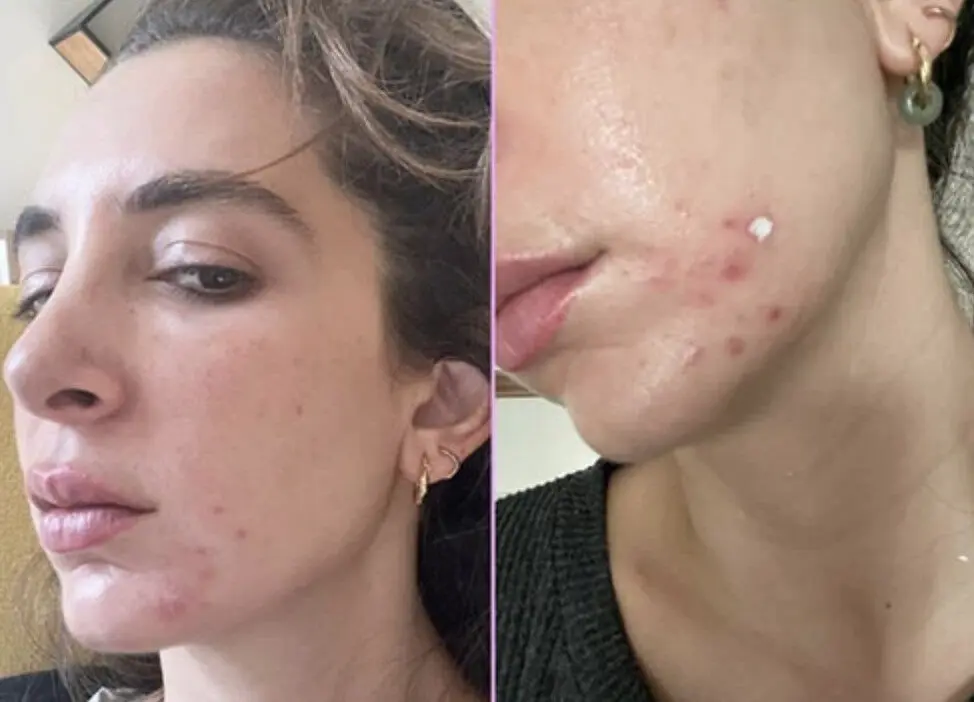
Unlike the classic T-zone breakouts you might remember from your teen years, hormonal acne usually clusters in the “U-zone”—think jawline, chin, neck, and sometimes the lower cheeks. Picture this: you wake up with a deep, sore spot along your jaw just before your period—that’s hormonal acne calling card.
Why Do Hormones Cause Such Specific Acne?
The main culprits are androgens like testosterone and DHT. When these hormones rise (or your skin just reacts more to them), your sebaceous glands start producing too much oil—aka sebum. This extra oil doesn’t just sit pretty; it clogs pores and ramps up inflammation.
But androgens aren’t the only players. Fluctuations in:
- Estrogen and progesterone (common around menstrual cycles, pregnancy, menopause)
- Cortisol, the stress hormone
can all throw off your skin’s normal balance and lead to flare-ups. Even “normal” hormone levels can cause trouble if your skin is extra sensitive.
What Does Hormonal Acne Look and Feel Like?
Here’s how hormonal acne typically stands out:
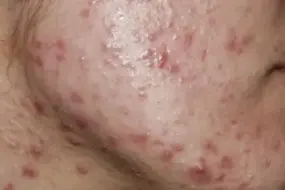
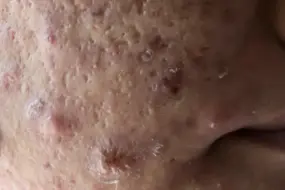
- Appears as painful cysts, nodules, or deep pimples
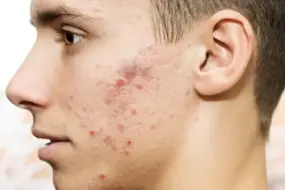
- Shows up in the U-zone (jawline, chin, neck)—not the classic oily forehead or nose
- Often more swollen, tender, and slower to heal than surface whiteheads or blackheads
- Tends to “cycle” with periods, stress, or life changes
Think of it as the difference between a random single pimple and a pattern you can practically set your calendar by.
Who Gets Hormonal Acne (and Why OTC Products Struggle)
You’ll most often see hormonal acne in:
- Teens (thanks, puberty)
- Women who are menstruating, pregnant, or experiencing menopause
- People with PCOS or certain genetic backgrounds
- Anyone with family history of stubborn, cyclical breakouts
Here’s the curveball—over-the-counter spot treatments rarely do the trick for hormonal acne. Because the problem begins deep under the skin (in the hormone-sensitive glands), topical products can only reach so far.
Traditional face washes? Helpful for surface grime but not enough when your hormones are stirring up oil production from below. If breakouts tend to flare in sync with life changes (like your cycle or stress), that’s a big clue you’re dealing with a hormonal pattern, not just basic clogged pores.
If you’re noticing sore, deep breakouts around your jawline that ignore your skincare routine and seem to sync with your cycle or stress, it may be time to think beyond just “better products.” Hormonal acne acts differently—and needs a different playbook.
The Root Causes of Hormonal Acne
Major Hormonal Drivers
“Picture this: Your skin is perfectly clear, then—boom—painful cysts pop up along your jaw before a big meeting or just as your cycle starts.”
That’s hormonal acne in action, and it’s not just about oily skin.
The main culprits? Androgens (testosterone and DHT).
- These hormones trigger your sebaceous glands to crank out excess oil (sebum)
- Extra oil mixes with dead skin and bacteria, clogging pores and sparking deep inflammation
But there’s more in the hormonal mix:
- Estrogen and progesterone shifts can throw oil production out of balance, especially during cycles, pregnancy, or menopause
- Cortisol (your body’s main stress hormone) worsens inflammation, making breakouts last longer
- Even normal hormone levels can trigger acne if your glands are extra-sensitive—a genetic “gift” passed down in some families
“Even with ‘normal’ lab numbers, some folks break out while others get a free pass.”
Triggers and Risk Factors
Your risk for hormonal acne jumps during life’s key hormonal stages. Here’s what tips the scales:
- Puberty
- Menstruation: 65% of women report monthly flares
- Pregnancy
- Menopause
Certain health issues make things even trickier:
- PCOS (Polycystic Ovary Syndrome)
- Hypothyroidism
- Adrenal disorders
Watch out for these triggering medications:
- Corticosteroids
- Changes in birth control
- Hormone therapy
- Testosterone supplements
Don’t forget about your genetic hand—family history matters:
- Inherited sensitivity to androgens
- Overactive oil glands
Common myth-busters:
- “Dirty skin” and diet aren’t the main cause—most research says these factors are less important than hormones, though high glycemic foods and dairy may play a small role
Unique Presentation and Diagnostic Signs
Hormonal acne has a signature lineup:
- Painful, slow-to-heal cysts and nodules that go deep, often leaving soreness even before you see a bump
- Breakouts cluster along the jawline, chin, neck, and sometimes chest or back—the classic “U-zone”
- Flare-ups sync up with periods, stress spikes, or major hormonal shifts
Here’s how hormonal versus bacterial/comedo acne compares:
Red flags suggesting hormonal acne:
- Acne starts in adulthood, is resistant to drugstore treatments, or centers below the cheekbones
- Repeated severe breakouts linked to your cycle, pregnancy, or menopause
For anyone seeing painful, cyclical breakouts in the jawline or neck, it’s likely your hormones calling the shots. Recognizing these drivers helps you take smarter steps—don’t waste time (and money) fighting the wrong battle. Focusing on the “hormone-hub” of acne means you can target the cause instead of just the symptoms.
Treatment Approaches for Hormonal Acne
Topical Solutions: First-Line and Supportive Therapies
Hormonal acne laughs in the face of most over-the-counter stuff, so you’ll often need prescription-grade topicals for a fighting chance.
Picture this: your dermatologist might start you with retinoids (like adapalene, tretinoin, or tazarotene) at bedtime—think of these as digital “clean-up crews” for clogged pores.
You'll probably add:
- Benzoyl peroxide (kills bacteria and prevents resistance)
- Azelaic acid (gentle anti-inflammatory, safe for all skin tones)
- Salicylic acid (exfoliates, unclogs, visible in so many “acne washes”)
- Antibiotics (clindamycin for spots, cut inflammation)
What’s new? Clascoterone—a topical anti-androgen that goes after hormonal triggers without pills. It’s FDA-approved and fits beautifully into most routines.
Expect visible improvement only after 3-4 months. For deep, cystic breakouts on your jawline, though, these topicals may not go deep enough: think of them as stage one support, not the final boss.
“Hormonal acne doesn't clear up overnight—think marathon, not sprint.”
Systemic Medications: When Topicals Aren’t Enough
If the breakouts still win after three months, your doctor may reach for systemic meds.
The most common boosters:
- Oral antibiotics (minocycline, doxycycline, erythromycin), used short-term—usually alongside a topical to keep bacteria and inflammation in check
- Isotretinoin (you might know this as Accutane): it shrinks oil glands, rewiring skin long-term; the gold standard for severe or scarring acne, but with side effects that require blood tests and close coaching from your provider
Isotretinoin’s scores are impressive—80–90% clearance rates for chronic, stubborn acne. Still, its side effect portfolio means it’s usually a last resort.
“You can’t wish cystic acne away, but the right systemic option can change the game long-term.”
Emerging and Adjunct Therapies
Tech-forward professionals, take note: lasers and light-based therapies now help fight inflammation, while chemical peels (some as quick as a lunch break) clear pores and boost other treatments.
If you’re picturing a quick zap, reality check—these often work best as part of an integrated plan rather than lone fixes.
- Laser/light-based devices: shrink oil glands, tackle redness
- Chemical peels: clean out stubborn pores, speed up results
These options can complement, not substitute, your “core” routine.
Serious hormonal acne is rarely one-and-done—you’ll often need layered care: prescription topicals, maybe systemic meds, and sometimes clinical devices. If it hasn’t budged after a few months, tag in your dermatologist to co‑create a plan—the right strategy can turn relentless breakouts into manageable routines.
Hormone Therapy for Acne: Who, When, and How
Candidates for Hormone-Based Treatment
Hormone therapy isn’t for every breakout—it’s reserved for moderate to severe, stubborn, and clearly hormone-driven acne cases.
Picture this: If you’re dealing with deep, cystic pimples along your jawline each menstrual cycle (and over-the-counter solutions flop), you might be the ideal candidate. Most hormone therapies are for women only due to significant risks for men—think gynecomastia (breast tissue growth) and fertility issues.
If you have PCOS, adrenal disorders, or acne that flares with periods, pregnancy, or menopause, these hormone imbalances often respond best to targeted therapy.
“Stubborn acne along the jawline is your skin’s way of waving a hormonal red flag.”
Types of Hormone Therapy and How They Work
Not all hormone fixes are created equal—let’s break down the most effective options:
- Oral Contraceptives (“The Pill”)
- How they help: Lower ovarian androgen production, raise SHBG to soak up excess testosterone, block androgen receptors, and halt 5α-reductase.
- Winning combos: Ethinyl estradiol paired with antiandrogenic progestins like cyproterone acetate (the gold standard where available).
- What to expect: FDA-approved formulations may take 6-12 months for clear results and bring birth control benefits.
- Eligibility & caution: Not recommended for smokers over 35 or those with clotting/cancer risks—regular checkups are a must.
- Anti-Androgens
- Spironolactone: Blocks androgen receptors and 5α-reductase. Typical doses range 50-200mg/day, with 1-in-3 women seeing total clearance. Expect increased urination and the need for reliable contraception (birth defect risk).
- Cyproterone Acetate (CPA): An androgen blocker + progestin, cycling 50-100mg in the first 10 days monthly. Clinical studies show 75-90% effectiveness. Region-availability varies—common in Europe.
- Flutamide: Powerful androgen receptor blocker with higher risk of liver toxicity—used only when others fail.
- Rarely, doctors may use: Glucocorticoids or 5α-reductase inhibitors for uniquely stubborn or adrenal-based cases.
“Think of these hormone therapies as targeted peacekeepers for your skin’s inner civil war.”
Safety, Long-Term Use, and Monitoring
Long-term hormone therapy is generally safe for most women—but not without regular monitoring.
Top concerns for patients include:
- Side effects: Irregular periods, breast tenderness, mood shifts, rare clotting or metabolic changes.
- Contraceptive vigilance: Many therapies require strict contraception, especially with spironolactone or CPA.
- Ongoing check-ins: You’ll need periodic bloodwork for hormone and metabolic markers (think: safety nets, not roadblocks).
- Special groups: Smokers over 35, or those with clotting or cancer risks—these treatments are often off the table.
“Don’t skip your follow-ups—clear skin is only safe if your health is, too.”
If your acne feels relentless and “standard” routines haven’t delivered, hormone therapies can be your most powerful ally, especially when prescribed by a specialist. Work with your care team to find a plan that balances safety, results, and your long-term goals—because skin confidence starts with smart, science-backed decisions.
Lifestyle, Prevention, and When to Seek Help
Smart Skincare and Daily Habits
Daily routines matter more than you think. Sticking to clear, gentle habits can reduce breakouts and irritation—without a chemistry degree required.
- Use a gentle, non-comedogenic cleanser morning and night (think creamy, not squeaky clean)
- Avoid harsh scrubs or alcohol-heavy toners—these inflame acne rather than help
- Stick with oil-free, SPF-infused moisturizers for daily protection
- Wash pillowcases and phone screens regularly—tiny swaps that make a big difference
Picture this: You're swapping out foaming cleansers for a soft, unscented wash and ditching gritty exfoliators—your skin actually feels less tight, less aggravated, and you’re not fighting that post-wash redness.
Three in four acne sufferers think more cleaning equals less acne—the data says otherwise. Harsh methods often backfire.
Food, Stress, and The Science (or Lack of It)
You’ll hear every myth in the book—“It’s your chocolate,” “Skip dairy!”—but science says the story is more complicated.
- 65% of women notice acne flares around hormonal changes—influenced by stress, sleep, and menstrual cycles, not just food
- Only a small link exists between ultra-high-glycemic diets and breakouts; the evidence on dairy and supplements is mixed at best
- Regular exercise and stress management (think yoga, breathing apps, or meditation) measurably support skin health by reducing cortisol spikes
Quick hack: Prioritize consistent sleep and physical activity over restrictive “detox” diets—they’ll do more for your skin and your mind.
When Topicals Aren’t Enough: Red Flags to Act On
Sometimes, over-the-counter options just aren’t enough—and that’s not your fault.
Watch for:
- Deep, painful cysts or nodules, especially along the jawline, chin, or neck
- Acne resisting 3+ months of drugstore treatments
- Scarring, dark marks, emotional stress, or social withdrawal
If these hit home, talk with a dermatologist or endocrinologist.
Expect hormone tests, screening for PCOS or thyroid disorders, and expert advice on next steps (ask: “Are my hormones contributing? What are my long-term options?”).
Collaborating for the Long Term
Acne isn’t just a skin issue; it’s a team sport. Balancing medical therapies, daily habits, and mental wellness delivers the best odds for clear skin—and staying confident while you get there.
It’s normal to see real improvement only after 3-6 months for most prescription regimens.
If progress stutters, adjust early and keep your specialist in the loop—sustainable routines always outperform quick fixes.
The big win: Build a routine that feels doable every day, spot the signs for expert help early, and remember—the smartest strategy blends science, daily care, and a bit of patience.
Conclusion
Navigating hormonal acne means looking past surface-level solutions and addressing the true drivers beneath your skin. The big advantage? Once you know the real cause, you can stop spinning your wheels and finally start making progress that lasts.
Learning the insider tricks for managing hormone-driven breakouts gives you back control—and it’s about more than just products. You can blend cutting-edge science, practical routines, and professional guidance to transform your approach and see real change over time.
Key, Actionable Takeaways:
- Target hormonal triggers, not just surface symptoms—understand when it’s time to involve a dermatologist or ask about hormone testing.
- Build a simple, consistent skincare routine: gentle cleanser, oil-free moisturizer, and SPF (ditch the harsh scrubs).
- Watch for life patterns and stressors that align with breakouts—journal symptoms to reveal cycles and triggers.
- Prioritize wellness habits like sleep, exercise, and stress management—these improve both cortisol levels and long-term skin health.
- If OTC treatments aren’t working after 3 months, seek expert help for prescription therapies or hormone-based options.
Ready for your next move? Here’s how to take charge:
- Track your breakouts for a month—note timing, severity, and any links to stress or hormonal shifts.
- Make one upgrade to your skincare routine today—swap out a harsh cleanser or add a non-comedogenic moisturizer.
- Book a consult with a dermatologist if you suspect hormonal triggers or your current strategy isn’t cutting it.
Clear skin isn’t just about what you put on your face—it’s about building strategies that reflect your body’s deeper signals. Every insight you gain today moves you closer to confidence and calm tomorrow. When you listen to what your skin (and hormones) are saying, you don’t just treat acne—you outsmart it.
Start tracking, start tweaking, start thriving—your skin’s best days are ahead.