Key Takeaways
Looking to finally tackle nail fungus for good? Here are the most actionable, expert-backed insights from our 2026 guide—scannable, practical, and ready for real-world results. Whether you’re eyeing medical treatments, curious about tech options, or want at-home strategies, start here to make the smartest next move.
- Early detection is your best defense: Thick, discolored toenails and changes in texture are early warning signs—act fast and you’ll cut treatment time substantially.
- Prescription oral antifungals lead the pack: Terbinafine (Lamisil) offers a 70–75% cure rate for moderate to severe infections; expect several months for clear nail regrowth.
- Topical solutions suit mild or single-nail cases: New-generation formulas like efinaconazole or ciclopirox are best for early-stage fungus—daily application for up to a year is key for results.
- Device and laser therapies offer cosmetic gains—but at a price: Laser treatments improve nail appearance for 30–40% of patients, but rarely provide a full cure and usually require $800–$1,500 out-of-pocket.
- OTC products perform best for minor infections: Ciclopirox lacquers and medicated kits can help if you catch fungus early—consistency and patience (6–12 months) are essential for visible changes.
- Natural remedies rarely cure but may improve appearance: Tea tree oil, Vicks VapoRub, and snakeroot extract offer slow progress and visual benefits—don’t rely on them alone for stubborn cases.
- Healthy nail hygiene prevents recurring infections: Trim, file, and disinfect nails and tools regularly, and wear breathable shoes—these habits lower your risk by up to 50% in high-exposure settings.
- Don’t ignore sudden pain, swelling, or pus: Rapid changes or severe discomfort signal possible bacterial infection—see a healthcare provider immediately for proper diagnosis and treatment.
Ready for clearer, healthier nails? Dive into the full guide to choose the best treatment strategy for your needs and kick stubborn fungus for good.
Introduction
Imagine this: you’re prepping for a big presentation or packing for a long-awaited vacation, and you notice your toenail looks a little… off. Maybe there’s a weird yellow streak, or the nail feels thicker and rougher than usual. Up to 1 in 10 adults will deal with nail fungus at some point—which means if it’s not you right now, it could be soon.
The hassle isn't just cosmetic. Untreated nail fungus can spread, cause discomfort, and seriously undermine your confidence—whether you live in sandals or just need to keep your feet healthy for gym days. Early action can shorten recovery by months, but with treatments ranging from prescription pills to high-tech laser gadgets—and plenty of myths in between—choosing the right solution is enough to make anyone’s head spin.
Here’s the good news: there’s never been a better moment to get clarity. Whether you want—
- Fastest proven cures (with real stats)
- Honest breakdowns of at-home, OTC, and natural remedies
- Practical, step-by-step prevention tips for lasting results
—you’ll find them all here, presented in plain English, backed by up-to-date research, and with zero fluff.
We’re focusing on what actually works in 2025 and beyond—from expert medical options to smart self-care routines that stop infections cold. You’ll get:
- Evidence-based recommendations for every nail type and severity level
- Insight into costs, coverage, and common pitfalls
- Actionable pro advice for both quick wins and long-term success
Ready to skip the hype and get answers that fit your real life? Let’s kick things off by breaking down what nail fungus is up against—and how spotting the early warning signs can be your shortcut to healthy, clear nails.
Understanding Nail Fungus: What You’re Up Against
Nail fungus, or onychomycosis, is a common infection that slips in quietly but can seriously mess with your nail’s look—and your comfort. Think of it as an unwanted visitor that loves dark, damp corners.
It starts with a tiny breach: maybe a stubbed toe, sweaty socks, or a gym locker room mishap.
Spotting the Source
Nail fungus is almost always the result of an environment that makes fungi feel right at home. In 2025, the most common culprits include:
- Athlete’s foot that spreads up to the nails
- Moisture build-up from sweaty feet or shoes that don’t breathe
- Nail trauma—like that desk-stubbing incident
- Old or tight shoes that keep things damp and dark
Daily routines matter—picture this: stepping out of the shower and slipping straight into old shoes. It’s practically inviting fungus to move in.
Key Symptoms to Watch For
Catch these signs early, and you’re halfway to stopping nail fungus in its tracks:
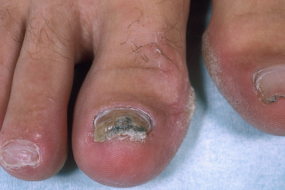
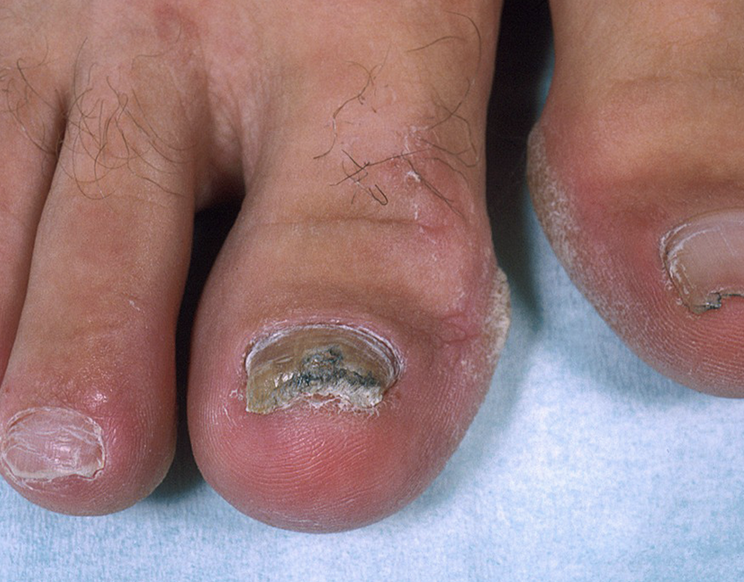
- Yellow, white, or brown discoloration
- Thickened nails that feel tough or crumby
- Edges that crumble, split, or lift up
- Persistent odor or pain when pressing on the nail
A quick tip: about 70–75% of toenail fungus cases show thickening and discoloration before pain sets in. (That’s your window to act.)
Who Needs to Pay Extra Attention?
Nail fungus is equal-opportunity, but risks shoot up if you have:
- Diabetes or trouble with blood flow
- Are over age 60
- Have a weakened immune system
- History of frequent foot infections
Toenails draw the short straw, being about four times more likely to get infected than fingernails. But don’t ignore fingernail fungus—it tends to strike after nail injuries or jobs with frequent water exposure.
Diagnosis: Don’t Guess—Test
Not every ugly nail is fungus. Sometimes it’s psoriasis, a bacterial infection, or damage from a harsh manicure.
When should you see a pro?
- Sudden swelling, pain, or pus
- Nails lifting completely off the bed
- Diabetes or immune issues, where infection risk is higher
Only a medical test—usually a quick nail scraping—can separate fungal from non-fungal conditions and ensure you get the right treatment.
For anyone dealing with nail changes, remember: “A streaky, thick nail isn’t always fungus—but ignoring it means missing your best shot at quick recovery.”
Knowing the early warning signs, your unique risks, and when to seek advice is the foundation of any successful nail fungus battle plan. Start here, and you’ll always be one step ahead—sometimes literally.
Medical Treatments: What Works in 2026
Prescription pills like terbinafine (Lamisil) continue to dominate as the gold standard for moderate to severe nail fungus. We're talking about cure rates close to 70–75% for toenails after a daily dose for 6–12 weeks, though you’ll wait months to spot a fresh, clear nail as it slowly grows out.
Oral & Topical Antifungals: The Essentials
Oral treatments are recommended when:
- Multiple nails are affected
- Nails are thick or deformed
- There's underlying risk (like diabetes or vascular issues)
- You want the highest shot at a long-term cure
Typical options include:
- Terbinafine (Lamisil): ~75% cure rate, most effective for toenails, requires labs for liver safety in some cases
- Itraconazole (Sporanox): About 60% cure rate, more drug interactions, sometimes given in “pulse” rounds
- Both require doctor assessment—especially if you’re on other meds
When Topical Solutions Make Sense
If you have a mild case, or can't take pills, new-gen topical solutions can work—just bring your patience. Products like:
- Efinaconazole 10% (Jublia/Clenafin)
- Tavaborole 5% (Kerydin)
- Ciclopirox 8% lacquer (Penlac)
Expect daily application for as long as 48 weeks (yes, nearly a year), with lower cure rates than pills, but fewer risks.
When to Combine or Go Beyond Meds
Combo-therapy—oral plus topical—shows the best results for stubborn or recurring fungus.
Here's when to consider procedures:
- Debridement: Pro trimming or thinning lets meds reach the fungus
- Surgical/Chemical nail removal: Reserved for painful or truly resistant nails; usually paired with medication
Recently, new devices and brand formulas have emerged, but most plans still hinge on classic antifungals.
Choose by Numbers: What Are Your Odds?
Picture this comparison for clarity (2026 averages):
Most insurance covers pills and some topicals—with shifting coverage by brand and new approvals announced for late 2025.
Getting Results That Stick
Most prescriptions only work if you combine good nail hygiene and consistent use—no skipping days.
Remember: Treatments take time. Even after the fungus is gone, healthy nails need to grow out—think months, not weeks.
Best tip: If you’re managing severe nail changes or haven’t had luck before, ask your doctor about combo therapies, professional trimming, and new prescription options.
Related reads:
- Antifungal Nail Creams: Best Options & Application Tips
- How to Treat Nail Infections: Fungal vs. Bacterial
- Treating Toenail Infections: Best Remedies & Solutions
Key takeaway: “Most nail fungus clears fastest with oral antifungals, especially when combined with a topical and regular nail care. Results take patience, but choosing the right approach early pays off.”
Laser and Device-Based Therapies: Hype vs. Reality
What Do Laser Treatments for Nail Fungus Actually Do?
Laser and light-based devices for nail fungus work by delivering focused energy through the nail plate to heat and destroy fungal cells.
These treatments aim to reduce the fungal burden and improve the nail’s appearance—think of it as giving stubborn infections a high-tech push.
Where Laser Therapy Stands in 2025
Picture this: Sitting in a dermatologist’s chair, watching a specialized device pulse light across your discolored toenail.
2025 data shows laser treatments can provide noticeable improvements for some, especially when paired with medical therapy.
- High-quality, published trials are still limited.
- Results? Most studies show less than 40% of patients achieve clear nails, compared to 70–75% with prescription oral meds.
- Insurers typically label laser therapy as “investigational” or cosmetic—meaning it’s rare for it to be covered.
Realistic Results, Realistic Costs
You’ll often hear: “Lasers improve, but don’t always cure.” Most users notice cosmetic improvement (like lighter, thinner nails) rather than a total cure.
- Cost range: $800–$1,500 out-of-pocket per course (4–8 sessions typical).
- Multiple rounds may be needed.
- Lasers rarely work as stand-alone treatments; they’re best for cases where pills/topicals failed or can’t be used.
Who Should—or Shouldn’t—Consider Laser Therapies?
Ask yourself:
- Have you already failed prescription medications or had side effects?
- Are you medically unable to take oral antifungals?
- Are you okay with uncertain insurance and variable results?
If the answer to any of those is yes, a licensed podiatrist or dermatologist can discuss device-based therapy.
How to Choose a Legitimate Provider and Avoid Scams
Not all “laser nail clinics” are created equal.
- Check credentials: Look for board-certified podiatrists or dermatologists.
- Avoid clinics that promise a 100% cure or refuse to combine laser with other treatments.
- Request before-and-after photos and patient reviews.
- Ask clearly about costs—and whether you'll need multiple visits.
“Lasers aren't magic, but they’re another tool when other options hit a wall.”
Ready to explore laser therapy? Find out more in [Fungal Nail Laser Treatment: Effectiveness & Costs] and [Fungal Nail Treatment with Laser: Pros, Cons & Costs].
Laser and device-based therapies can be a practical option for persistent nail fungus, but expect gradual improvement, not perfection—and always vet your provider to ensure your investment pays off.
Over-the-Counter (OTC) and Pharmacy Solutions: What’s Worth a Shot
Walk into any pharmacy, and you'll find rows of OTC nail fungus treatments—creams, lacquers, solution kits. It’s tempting to grab the flashiest box and hope for the best, but knowing what actually works can save you time and money.
Smart shoppers know that OTC creams (like terbinafine, clotrimazole, tolnaftate) are mostly designed for skin, not tough nail infections. For nails, your best non-prescription options in 2025 are usually ciclopirox lacquers (where available) and pharmacist-formulated antifungal kits.
What Actually Helps—and What’s Mostly Hype
OTC options can help mild nail fungus, especially if you catch it early—think 1-2 affected nails with minimal thickening.
Here’s a quick breakdown:
- Ciclopirox 8% lacquers: Some regions have these OTC; best for early or mild nail issues, applied daily for several months.
- Classic antifungal creams: Effective for surrounding skin, but struggle to reach fungus in the nail plate.
- Multi-step kits: Often include nail files, medicated solutions, and sometimes urea to thin the nail.
Most OTC options require daily use for 6–12 months—patience is essential.
Best Bets for 2025 & What to Avoid
Based on reviews and real-world data, brands/formulations with the strongest reputations include:
- Lotrimin Ultra (butenafine): Best for skin, rarely effective for nails.
- Fungi-Nail & Kerasal Nail Renewal: Widely used; good for surface improvements and minor discoloration.
- ProClearz, FungiCure: Popular, but true nail-cure data is limited.
Pro tip: If the box claims “results in 7 days,” be skeptical—nails grow slowly, and so does fungal recovery.
Application Tips, Cost & Spotting Quality
Maximize at-home care by:
- Trimming and filing nails to let treatments penetrate deeper
- Applying product daily, never missing a dose
- Keeping nails dry and clean
Expect to pay $10–$40 for a month’s supply from pharmacies or Amazon. Higher-priced products rarely give dramatically better results.
A trustworthy OTC product should:
- List the active antifungal ingredient and concentration
- Have clear instructions for use
- Show honest timelines—improvement can take months
If things aren’t improving by three months, consider prescription therapy or see a healthcare professional.
Choose OTC products for very mild infections or as a booster alongside prescriptions—never expect miracles from a single tube. For deeper dives, see Top Over-the-Counter Nail Fungus Treatments 2026 and Antifungal Nail Creams: Best Options & Application Tips.
Key takeaway: OTC options are most effective in the early, shallow stages and as add-ons, not standalones. The real magic is pairing them with patience and realistic expectations. “OTC nail fungus products are slow and steady—never a quick fix, but sometimes just what you need to gain ground.”
At-Home & “Natural” Remedies: Pros, Cons, and Cautions
When it comes to treating nail fungus at home, there’s no shortage of creative options—just plenty of fine print. The most-searched remedies in 2025 include old favorites and new trends, but the science always tells a slightly different story.
What People Try—and What the Science Shows
The top natural remedies making the rounds this year include:
- Tea tree oil — Antifungal and aromatic; some patients see mild improvement with twice-daily use.
- Vicks VapoRub — That camphor smell? Small studies show visible changes in some nails.
- Snakeroot extract — Used as a lacquer, outcomes can rival prescription ciclopirox for some.
- Ozonized oils — In one recent study, ozonized sunflower oil worked better than ketoconazole cream, with minimal reported side effects.
- Propolis extract — Bee resin with antifungal activity, backed by small clinical studies.
These options focus more on visual improvement—not a guaranteed, long-term cure.
Limitations and Real-World Challenges
Here’s what most DIY treatments have in common:
- Lower cure rates (compared to pills or medical topicals)
- Very slow progress: Plan on using them for at least 3–6 months to judge results.
- Irritation and allergy risk: Oils, extracts, and creams can cause redness or stinging, especially when combined.
Picture this: You start a nightly tea tree oil ritual, only to notice red, burning skin after a week—frustration, meet reality.
Smart Use and Safety—What to Do or Avoid
If you’re giving at-home remedies a shot:
- Patch test new products before regular use on nails.
- Stick to one treatment at a time—mixing several increases irritation risk without proven benefit.
- Stop immediately if your nail gets more painful, swollen, or starts to ooze.
Never use undiluted essential oils directly on broken skin. And remember: “Natural” doesn’t mean harmless.
Managing Expectations—and Next Steps
Home remedies can make nails look better (less yellow, less thick), but rarely erase fungus entirely. If months go by and your nails still look rough—or actually get worse—it’s time to call in a pro.
Three reminders you’ll want to share:
- “Natural remedies can’t match the speed or cure rate of prescription pills.”
- “Visual improvement doesn’t always equal a real cure.”
- “When in doubt, snap a photo and ask a health expert—don’t self-diagnose forever.”
If you’re curious about what really works, see Home Remedies for Nail Fungus: What Really Works? and Home Remedies to Cure Nail Fungus Fast in 2026.
At-home and natural approaches sound appealing but require patience, realistic expectations, and careful monitoring—think slow and steady, and don’t hesitate to pivot to medical help if you hit a wall.
Realistic Expectations: What Treatment Success Looks Like
Picture this: you start nail fungus treatment expecting rapid results—but reality moves a bit slower. Even with today’s best options, nail recovery is a marathon, not a sprint.
Most patients see visual signs of improvement within 3–6 months on oral medications like terbinafine, but full regrowth for a healthy nail shape can stretch to 9–12 months for toenails. Fingernails usually show results a bit faster, but not overnight.
Timeline: How Fast Will You See Results?
Quick breakdown of what you can expect with each treatment type:
- Oral antifungals (terbinafine, itraconazole):
- 3–6 months for visible change; up to 12 months for full regrowth
- Prescription topical solutions (efinaconazole, tavaborole, ciclopirox):
- 4–6 months for mild to moderate improvement; up to 48 weeks of daily use
- Laser or device therapy:
- Gradual improvement over 4–12 months; often not a complete cure
- Home or natural remedies:
- May brighten nails or reduce discoloration over months; very low actual cure rates
If you’re tracking: Even “fast” options are slow by beauty standards. Most people see initial clearing at the base of the nail (cuticle) and watch it “grow out” toward the tip—a process that’s oddly satisfying but definitely tests your patience.
Cure vs. Cosmetic: What’s Realistic?
Don’t be tricked by a “clear-looking” nail—cosmetic improvement doesn’t always mean complete cure. Labs might still pick up fungus despite better color and texture.
Why does fungus come back, even after months of effort? In up to one-third of cases, recurrence happens due to:
- Not treating athlete’s foot or sweaty feet at the same time
- Skipping preventive maintenance (clean socks, tool hygiene)
- Lingering fungal spores in shoes or showers
“There’s nothing wrong with you if you need to treat nail fungus more than once,” is something you should hear more often.
How To Monitor—And When To Get Help
Simple ways to know if you’re making progress:
- Take photos monthly and compare growth
- Watch for new clearing at the base—not just color changes on the old nail
- Check in with your provider every 3–6 months if nails aren’t improving
If you spot new pain, swelling, or rapid worsening, don’t wait—talk to a provider to rule out bacterial infection or other issues.
Healthy nail growth is slow—think months, not weeks. Visible progress often starts subtle and speeds up as more clear nail appears. If you don’t see any improvement in 4 months, it’s time to re‑evaluate your plan. Consistency, prevention, and patience are your best long-term allies.
Prevention and Self-Care: Keeping Fungus Out—For Good
Staying one step ahead of nail fungus starts with day-to-day habits—not just treatments.
Healthy nail hygiene is your front line of defense.
- Keep nails short, dry, and clean to minimize fungal workspace
- File down thickened nails carefully (avoid sharing files or clippers)
- Clip straight across—ragged edges or tears invite infection
- Disinfect nail tools after every use; rubbing alcohol works wonders
Picture this: You’re about to hit the gym or the airport. Slipping on sandals instead of going barefoot can mean the difference between recurrence and healthy nails.
Build Smart Habits Into Your Routine
Your daily rituals matter.
- Change socks every day—choose moisture-wicking fabrics like merino wool
- Opt for breathable shoes and rotate pairs to let them air out
- Use antifungal foot powder or spray if your feet sweat a lot
- Treat athlete’s foot immediately to avoid infection creeping to the nails
A damp shoe environment is like a VIP lounge for fungus; don’t give it an invitation.
Defending Your Nails in Shared Spaces
Fungus loves gyms, hotel showers, and pool decks.
- Always wear flip-flops or shower shoes in communal areas
- Wipe down home bath mats regularly
- For travelers, pack a mini disinfectant spray for sandals or toenail tools
These visually simple steps are surprisingly effective—gym-goers who follow them see up to 50% fewer fungal nail problems.
Know When to Bring in the Pros
If you’ve had repeat infections or have diabetes or circulation issues, partner up with a podiatrist or dermatologist.
- Seek expert care if you notice spreading, persistent thickening, or pain
- Get regular checks if you’re in a high-risk group
“Preventing fungus is about stacking up tiny wins, day after day—think of it as building a shield, not a wall.”
Your Nail Fungus Defense Routine
- Trim and file nails weekly
- Clean and dry between toes after every shower
- Cycle socks and shoes—don’t wear the same set back-to-back
- Disinfect tools and toss old nail files
- Stay vigilant in shared spaces
Smart prevention isn’t just about products—it’s about making nail care second nature. Stick to these essentials, and your chances of keeping fungus out for good go up dramatically.
Choosing the Right Nail Fungus Treatment: A Practical Framework
Picking the right path for nail fungus depends on a few key details—severity, number of nails affected, your health history, and what you’ve already tried.
Let’s get straight to a decision tree that fits real-world scenarios like yours.
First Steps: Nail Status, Numbers, & Your Health
Ask yourself real questions, just like a dermatologist would:
- How many nails are infected?
- Are your nails just discolored or also thick, crumbly, painful, or very misshapen?
- Any underlying conditions? (Diabetes, poor circulation, immune issues)
Now, use this quick reference:
- Mild, 1–2 nails, minimal thickening?
- Go for prescription topical solutions (efinaconazole, tavaborole, ciclopirox).
- Consider professional trimming (“debridement”) for best results.
- Moderate–severe, many nails, thick or painful, OR medical risk?
- Oral terbinafine (pill) gives a 70–75% cure rate in about 3 months (nail regrowth can take up to a year).
- Combo therapy (oral + topical + trimming) boosts success.
- Always tell your doctor about liver issues, allergies, or medication interactions.
Tried Everything? It’s Time for a New Playbook
If you’ve cycled through creams or pills with no success, you’ve got next steps:
- Combo therapy (oral, topical, and mechanical treatment).
- Laser/device-based therapy: promising, but not always covered by insurance; prices range $750–$1500 per course.
- Surgical or chemical nail removal: for severe pain or repeated failure.
This is when a referral to a dermatologist or podiatrist really matters.
Fingernails vs. Toenails: Small Changes, Big Impact
- Fingernails tend to respond faster but may relapse if you have frequent water exposure or use artificial nails.
- Toenails grow slower—expect 9–12 months to fully clear up.
- Check out “Nail Fungus in Fingernails: Causes & New Treatments”, and “Treating Toe Nail Fungus: Best Practices & Products” for targeted advice.
Navigating Costs, Insurance & Smarter Doctor Visits
- Insurance typically covers oral and topical prescriptions if severe; laser is usually out-of-pocket.
- Bring this info to your appointment:
- Which nails are involved?
- Timeline and symptoms
- All previous treatments and results
- Medical conditions or allergies
“Think of choosing a treatment plan as building your own workflow—align the tool with the task and your unique context.”
A little prep makes a big difference: with the right match between treatment, nail status, and your health, you’ll snap into a smarter, more efficient routine. If you’re itching for progress, remember: persistence and the right questions are your power tools.
Beyond Fungus: When It’s Not Just an Infection
Not every nail problem comes from fungus—bacterial infections, trauma, or even autoimmune conditions can cause similar symptoms.
Picture this: you’ve battled thick, discolored nails for months, but suddenly there’s intense pain, swelling, or pus around your nail. That’s a big red flag—it could be a bacterial infection, not just fungus.
Spot the Differences: Fungal vs. Bacterial and More
When it comes to distinguishing nail concerns, a few clues tell you it’s something more urgent than a standard fungus:
- Sudden increase in pain—especially if throbbing or sharp
- Redness or warmth spreading from the nail
- Pus, yellow drainage, or visible swelling
- Rapid changes: new color, splits, or the nail lifting away
- Fever, chills, or feeling systemically unwell
Fast changes—or major discomfort—mean it’s time to see a healthcare provider right away.
What to Do When Things Worsen
If you notice any of the above, don’t wait it out at home. Instead:
- Clean the area with soap and water; leave it dry and uncovered.
- Skip home remedies—essential oils or creams can make irritation worse.
- Call your doctor or visit urgent care for prompt evaluation.
- Prepare your story: when symptoms started, how they’ve changed, and any treatments tried.
Remember: “New pain, swelling, or pus is a sign your nail needs a different kind of help.”
Links & Further Reading for Fast Reference
If you’re not sure what’s going on, or want next steps:
- Treating Ingrown & Infected Nails: Complete Guide
- How to Treat Nail Infections: Fungal vs. Bacterial
Key Takeaway
Don’t ignore sudden, severe symptoms—your nail issue could be bacterial, not just fungal. The faster you get it checked, the better your chance for a full recovery and a healthy nail down the line. When in doubt, consult a professional—your feet (or hands) will thank you.
Conclusion
Conquering nail fungus isn’t just about finding the “right” product — it’s about building a real, practical plan for lasting nail health and confidence. You’re not stuck with slow progress or second-guessing; smart treatments and simple habits put you in control.
When you treat nail fungus like a workflow, every action—medical, at-home, or preventive—gets you closer to clear, strong nails that actually stay healthy. Choose clarity, consistency, and ownership over gimmicks or guesswork.
Put these expert-backed takeaways into practice:
- Act early: The sooner you start, the faster and more effectively you clear infection.
- Stick to one treatment plan: Consistency with medications or remedies beats mixing and matching.
- Prioritize prevention: Daily nail hygiene and clean, dry shoes are as important as any medicine.
- Track your progress: Take monthly photos and note changes—visible improvement fuels momentum.
- Know when to call in the pros: Sudden pain, swelling, or a lack of progress means it’s time to consult a specialist.
Ready for immediate results? Start by:
- Setting a schedule for daily treatments—add a reminder to your phone right now.
- Swapping out old socks and shoes for clean, breathable options.
- Disinfecting your nail tools tonight.
- Snapping a “before” photo so you can watch your nails improve.
New habits, consistent care, and the right treatment make clear nails possible—your momentum starts today.
Because when you treat your nails like the foundation of your overall health, you’re not just fighting fungus. You’re reclaiming comfort, confidence, and control, one smart choice at a time.