Key Takeaways
The best diabetes diets for 2026 combine evidence-based nutrition with real-world flexibility, smart tech, and genuine enjoyment. Below, you'll find the essential, immediately actionable insights—distilled for tech-savvy professionals who want both the “how” and “why” behind effective diabetes management.
- Prioritize steady glucose control by building meals around whole, minimally processed foods, healthy fats, and lean proteins—this minimizes blood sugar spikes and lowers long-term complications.
- The Mediterranean diet remains the gold standard with 0.3–0.6% lower HbA1c and 30–35% fewer cardiac events—plus, it’s adaptable for any busy schedule or family table.
- Plant-based and flexitarian diets deliver measurable perks—up to 0.4% HbA1c reduction, improved cholesterol, and enhanced heart/kidney health—all while emphasizing fiber, antioxidants, and taste.
- DASH and MIND diets multitask, protecting your heart and brain while supporting steady blood sugar; look for up to 14 mmHg lower blood pressure and sharper cognitive results.
- Low-carb and keto approaches can cut HbA1c by up to 1.2% and boost insulin sensitivity 75%, but require careful self-monitoring and aren’t a universal fit; long-term success hinges on personalization and professional guidance.
- Leverage digital tools like CGMs and AI-powered meal apps to personalize your diet in real time, spotting exactly which foods keep your numbers (and energy) stable.
- Start with one small, sustainable habit—like swapping refined carbs for whole grains or batch-prepping veggies—since consistency beats perfection for lasting change.
- Build your support network—from registered dietitians to health apps and accountability buddies—to drive motivation and adaptability through every life stage.
No matter your starting point, pairing proven nutrition strategies with practical tech tools and a touch of experimentation sets you up for winning diabetes management—dig into the full guide to unlock your healthiest routine yet.
Introduction
Ever been hit with a midday crash so intense you swear your computer screen is pulsing? For people navigating diabetes, that isn’t just an annoyance—it’s a daily reminder that every bite has power. In fact, the right diet can drop your HbA1c by up to 1.2%—a shift your doctor will notice and your energy will send you a thank-you note for.
Trying to decode the endless stream of “best diets” for diabetes feels like monitoring a wild stock market. Keto is in, plant-based dominates TikTok, Mediterranean is the old favorite, and now AI-generated meal plans are tracking your every snack. Which plan will actually work for you—and can it keep up with your real life, tech-driven schedule, and fondness for actual, delicious food?
Here’s the good news: the best diabetes diets are the ones you enjoy, fit your routine, and measurably improve your numbers. Forget rigid rules—think daily upgrades you’ll want to stick with. This guide is designed for professionals like you, who:
- Want clear, evidence-backed rankings without wading through medical jargon
- Crave actionable strategies that balance meal satisfaction and glucose stability
- Appreciate how AI tools and modern tech can personalize results and simplify meal prep
You’ll get the lowdown on:
- Which diets really move the needle on blood sugar, weight, and heart health
- Smart ways to make changes last (spoiler: perfection is optional)
- How tech-forward eaters are leveraging apps and continuous glucose monitors for next-level personalization
Whether you’re searching for fresh lunch ideas, troubleshooting blood sugar rollercoasters, or considering how your CGM data could unlock smarter meals, this breakdown puts science and real-world practicality on your plate.
Ready to discover how your everyday food choices can become your sharpest tool in managing diabetes—and why the right tweaks may be simpler than you think? The science behind the smartest diets starts next.
The Science of Diets for Diabetes: What Really Matters in 2026
How you eat has a direct, daily impact on blood sugar levels, insulin resistance, and the way diabetes progresses over time. Every meal is a micro-opportunity to keep glucose steady, prevent spikes, and reduce long-term complications—no guesswork, just evidence-backed action.
Key Nutrition Goals for Diabetes
The top priorities? Think of them as your diabetes “north star”:
- Steady glucose control—avoiding both spikes and crashes
- Weight management—a loss of even 5–10% body weight can transform outcomes
- Cardiovascular protection—since heart complications are a leading risk in diabetes
Your plate is more than fuel; it's your front-line defense.
Best Evidence, Latest Rankings
U.S. News calls the Mediterranean diet the #1 strategy for diabetes, with studies like PREDIMED reporting 0.3–0.6% lower HbA1c and 30–35% fewer cardiac events. Not impressed by just one diet? Plant-based, DASH, and MIND diets deliver real-world improvements, too. Current American Diabetes Association (ADA) guidelines stress that there’s no “one-size-fits-all”—the best diet is one you’ll actually enjoy and stick to.
What (and How Much) to Eat
Prioritizing whole, minimally processed foods is your fast track to results. All top-rated diabetes diets share these essentials:
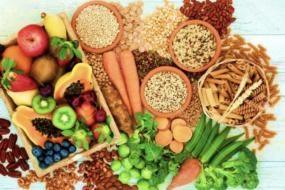
- Plenty of vegetables, fruits, nuts, beans, and whole grains
- Lean proteins (fish, poultry, legumes, eggs, or tofu)
- Healthy fats like olive oil, avocado, and fatty fish
- Limits on processed carbs, added sugars, and sodium
Picture this: A typical Mediterranean-inspired lunch might be a hearty quinoa salad with olive oil, tomatoes, chickpeas, and a grilled piece of salmon. It’s simple, filling, and blood sugar friendly—no calculator required.
Busting Myths: Carbs, Keto, and Quick Fixes
You don’t have to choose between zero carbs or going full keto. Leading research shows:
- Whole-food carbs—like beans, berries, and sweet potatoes—fuel, not harm
- Keto can reduce HbA1c up to 1.2%, but it’s not a universal “cure” and needs medical oversight
- Flexibility matters—a plant-forward or DASH style may be easier for the long haul
No single diet is magic. Personalization—using tech like CGMs, genetic tests, or simply tracking what works for you—unlocks your best results.
The big takeaway: Diet is the most powerful diabetes tool you control every day. Start with core patterns proven to deliver, then tweak to fit your real life, schedule, and tastes. Empower your plate—your numbers will thank you.
Mediterranean Diet: The Gold Standard for Modern Diabetes Care
The Mediterranean diet has consistently ranked #1 for diabetes management, thanks to its mix of vibrant flavors and science-backed benefits.
You’ll find plates brimming with:
- Vegetables and leafy greens (think roasted eggplant, spinach salads)
- Fruits like berries, oranges, and grapes
- Legumes—lentils, chickpeas, white beans
- Whole grains—farro, brown rice, bulgur, quinoa
- Nuts and seeds—almonds, walnuts, chia
- Extra virgin olive oil (aim for 4–5 tablespoons a day)
- Seafood and fish (2–3 times per week)
- Limited red meat and sweets (treat, don’t default)
Picture this: a Greek-style grain bowl topped with salmon, tomatoes, olives, and tzatziki—simple, satisfying, and regulated for blood sugar.
Flexible for Any Lifestyle
Whether you’re a cooking enthusiast, pressed-for-time professional, or need family-friendly dinners, the Mediterranean approach adapts.
Try these quick swaps:
- Replace cream-based dressings with a splash of olive oil and lemon
- Serve veggie-packed frittatas instead of carb-heavy breakfasts
- Snack on roasted chickpeas or raw almonds instead of chips
Even busy weeks are easier with one-pan roasted veggies and fish or prepping overnight oats with berries and pistachios—effortless, delicious, and glycemically smart.
Research-Driven Results
Backed by studies like PREDIMED, this pattern is linked to:
- Up to 0.3–0.6% drop in HbA1c
- 30–35% lower risk of cardiovascular events
- Endorsement by the American Diabetes Association for both blood sugar and heart health
When you choose Mediterranean, you’re picking a proven starter kit for steady energy, fewer glucose spikes, and a longer, healthier life.
Practical Tips and Pitfalls
Transitioning? Focus on:
- Stocking your pantry with canned beans, whole grain breads, and nuts
- Choosing fresh fruit or Greek yogurt for dessert
- Bringing a Mediterranean-inspired salad to social events
Watch out for common traps:
- Overdoing the bread and pasta (even whole grain can add up)
- Falling for “fake” Mediterranean—processed dips, cheese-laden apps, or heavy pastries
Key Takeaway
If you want a real-world, evidence-based framework that pleases the palate and manages diabetes, the Mediterranean diet is your power move. Start small—add an extra veggie today, double down on olive oil tomorrow, and savor the difference. “Eating like you’re in Santorini” isn’t just a treat—it’s a transformation.
Plant-Based and Flexitarian Diets: Harnessing Fiber, Protein, and Antioxidants
If you want a diet plan for diabetes that’s as powerful as it is practical, plant-based and flexitarian patterns shine for 2026.
Research shows their main benefit: higher fiber and antioxidants, which slow sugar absorption, support weight loss, and help manage cholesterol.
Types Explained: Vegan, Vegetarian, Flexitarian
Plant-based eating isn’t “all or nothing.” Consider these evidence-backed variations:
- Vegan: No animal products at all—100% plant-powered.
- Vegetarian: Allows eggs and dairy; skips meat and fish.
- Flexitarian: Mostly plant foods, but includes occasional meat—often <9-28 ounces per week, depending on the stage.
Each offers its own blend of flexibility and focus. You don’t have to be “perfect” to see big results.
The Core Foods for Blood Sugar Control
Plant-based plans focus on whole, unprocessed foods with slow-impact carbs and clean proteins. Picture this plate:
- Legumes (beans, lentils, chickpeas) for fiber and minerals
- Whole grains (quinoa, brown rice, oats) for steady glucose
- Nuts and seeds for healthy fats and crunch
- Loads of vegetables—leafy greens, peppers, broccoli
- Fruit in moderation (like berries or apples)
Limited animal products—if any—keep cholesterol and inflammation low.
The Data: Measurable Results, Real-Life Perks
Here’s why healthcare pros and tech pros alike are tuning in:
- HbA1c drops of up to 0.4%
- Weight loss (think: a pound or more weekly when combined with slight calorie reduction)
- Lower LDL cholesterol and inflammation
- Extra perks: improved heart and kidney health—key for anyone juggling diabetes and its common side effects.
New diabetes medications (like GLP-1 agonists) are easier to manage with fiber-rich, low-glycemic meals—picture lentil stew over white pasta any day.
Building Balanced, Satisfying Meals
Worried about lacking protein or iron? With the right mix, you won’t miss a thing:
- Combine beans with whole grains (e.g., rice + black beans) for a full protein profile.
- Toss spinach or pumpkin seeds in salads for an iron boost—add vitamin C-rich veggies to help absorb it.
Small steps make a difference—start with a Meatless Monday, or swap in chickpea tacos next Taco Tuesday.
Imagine prepping a colorful stir-fry or grain bowl that looks as good on camera as it tastes in real life.
Plant-focused eating isn’t a fad—it’s a powerful, flexible tool for blood sugar control, real-world results, and food you’ll actually crave. Every extra serving of beans or leafy greens is a step toward steadier glucose and better health.
DASH and MIND Diets: Multi-Targeted Eating for Heart, Brain, and Blood Sugar
DASH Diet: Diabetes Meets Heart Protection
The DASH diet—short for Dietary Approaches to Stop Hypertension—does more than just lower blood pressure. Its smart design targets blood sugar crashes and keeps your cardiovascular system resilient.
Why it matters for diabetes:
- Reduces systolic blood pressure by 8–14 mmHg—a stat that pays off for long-term heart health
- Improves insulin resistance and slashes the risks of diabetes-related mortality, according to ADA guidelines
- Offers steady, predictable energy with a focus on high-fiber and low-glycemic options
Picture this: You’re loading your plate with color at every meal. Staples of DASH include:
- Fruits and vegetables (the more variety, the better)
- Low-fat dairy products
- Whole grains over refined breads
- Lean meats, fish, and beans
- Strict sodium limits (1,500–2,300 mg daily)—think swapping salty snacks for a handful of nuts
Real-World DASH Tips and Plate Ideas
You don’t have to cook from scratch daily. Try these fast swaps:
- Replace white rice with quinoa or brown rice
- Snack on baby carrots or bell peppers instead of chips
- Use low-sodium broth in soups and stews
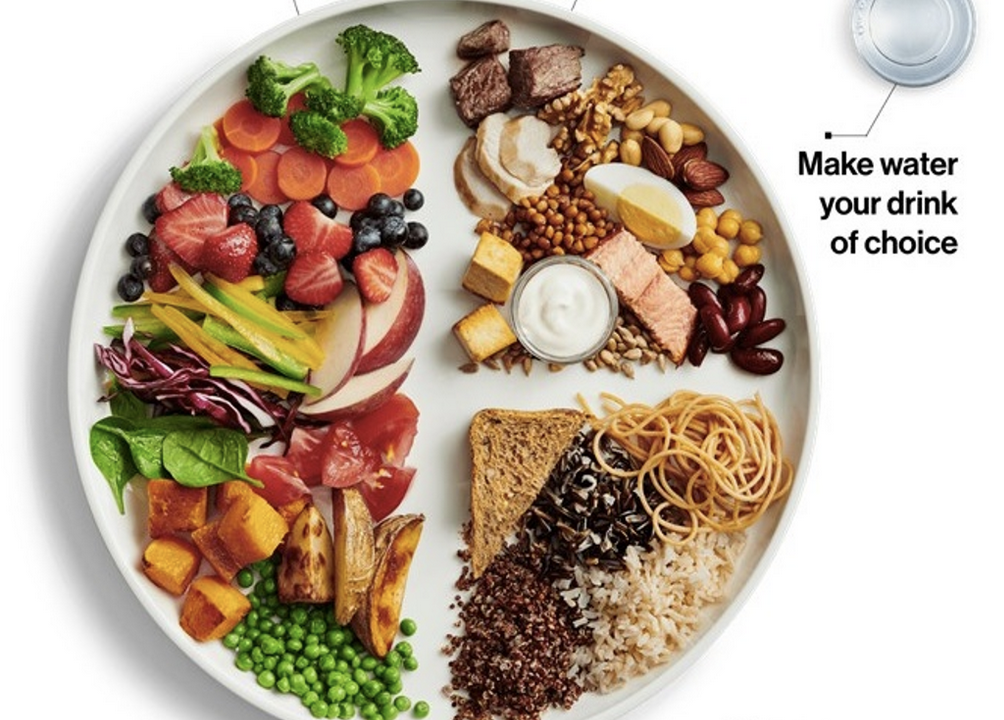
- Build a plate: Half non-starchy veggies, a quarter lean protein (like grilled chicken), a quarter whole grains, and a drizzle of olive oil
“Every bite counts when you’re fighting both high blood sugar and hypertension,” is a mantra that fits in every busy professional’s routine.
MIND Diet: Blending Brain and Blood Sugar Defense
The MIND diet (Mediterranean-DASH Intervention for Neurodegenerative Delay) is tailored for sharp minds—and stable glucose.
It cherry-picks foods from DASH and Mediterranean approaches, focusing on:
- Leafy greens and at least one other veggie daily
- Berries (think: blueberries for that antioxidant punch)
- Fish once a week
- Poultry at least twice weekly
- Nuts, beans, and whole grains frequently
Latest research flags the MIND diet’s ability to:
- Reduce neurodegeneration risk in diabetics and support metabolic health
- Lower HbA1c and improve memory—a win-win for multitaskers managing demanding schedules
FYI for 2026: No alcohol recommended, even red wine. Skip fried foods and limit butter, pastries, and cheese for better results.
Actionable Takeaways for Your Diabetes Playbook
Both diets aim for steady blood sugar, a calmer mind, and a stronger heart—all with foods you can find at any grocery store.
Try building just one DASH or MIND-friendly meal today. You’ll quickly find that small, targeted changes in your daily choices can add up to big protections for your heart, brain, and blood sugar.
Low-Carb, Keto, and Intermittent Fasting: Navigating the Newest Data
Low-Carb and Keto: Cutting Carbs, Boosting Results
Ready to dial back on carbs? Low-carb and keto diets limit your daily carb intake—think low-carb at 50-130g/day, while keto often drops below 50g per day, shifting your body to fat as its main fuel.
Picture this: breakfast is eggs with avocado, lunch is grilled chicken with kale, and goodbye to standard bread or pastries.
- Foods embraced: non-starchy veggies, leafy greens, nuts, seeds, eggs, fish, lean meats
- Foods minimized: grains, most fruits, high-carb snacks, added sugars
Why do so many diabetics experiment with low-carb? Data from 2025 shows HbA1c reductions up to 1.2% and a whopping 75% improvement in insulin sensitivity for some. Imagine the relief of steadier energy and fewer sugar spikes.
But here’s the honest side: “Going super low-carb isn’t for everyone.” Glycemic variability (swings in blood sugar) can increase, and it’s safest if you’re monitored—especially if you use insulin or GLP-1 agonists.
Practicalities, Pitfalls, and Long-Term Sustainability
Low-carb and keto can demand serious meal prep and social savvy—think meal planning apps, custom grocery lists, and lots of label reading.
- Who might thrive: motivated self-trackers with time to plan or digital meal planning tools
- Who should be cautious: those on complex medications, or with a history of eating disorders
Latest evidence (U.S. News 2025): these diets can be tough to maintain long-term—only about 1 in 4 stick with keto at a year. But for some, the results are worth the effort.
“A diet isn’t working unless you can realistically stick with it—a CGM can help you spot patterns.”
Intermittent Fasting: When You Eat Matters, Too
Intermittent fasting (IF) is about timing your meals—favorite formats include 16/8 (eat within 8 hours, fast for 16), alternate-day, or 5:2 schedules.
Imagine a professional who eats from noon to 8pm, then fasts through the morning rush—no meal planning, just schedule control.
What’s the payoff? Studies show fasting glucose drops 3–6% and insulin resistance improves by up to 31% in IF dieters, especially when combined with Mediterranean or plant-based meals.
- Medical monitoring is essential if you use insulin or GLP-1 agonists, since fasting impacts how those meds work
Don’t go it alone—talk to your provider first, especially with type 1 diabetes or advanced meds on board.
Making sense of this landscape? Low-carb, keto, and intermittent fasting can drive strong short-term gains, but they need personalization, careful monitoring, and realistic expectations for long-term success. Try small shifts—say, cutting carb-heavy snacks or testing a time-restricted eating window—and always track your body’s unique response.
Decision Factors: Matching the Right Diet to Real Life
Choosing the “right” diabetes diet in 2026 isn’t about one-size-fits-all rules—it’s about making personalization simple and sustainable. New tech like CGMs (continuous glucose monitors) and even at-home genetic tests can now pinpoint which foods spike your blood sugar and which keep you steady.
Picture this: Your CGM shows a big spike after your usual morning bagel, but a Mediterranean-style veggie omelet keeps you level—right there, you’ve got actionable feedback for smarter breakfasts.
Key Criteria to Compare: What Actually Fits Your Life?
Here’s how real people (not just researchers) are evaluating diets that work:
- Taste: Do you actually enjoy the core foods?
- Sustainability: Can you see yourself following it in six months, or at family gatherings?
- Lifestyle fit: Does it sync with your job, travel, or family routine?
- Family/Ethnic Traditions: Respect your roots—diets lose power if they erase your culture.
- Cost: Fish and avocado add up. Is the grocery bill realistic for you?
- Meal Prep Time: Weekly batch-cookers and “grab-and-go” snackers need different plans.
“The best plan is the one you’ll still love (and stick to) a year from now.”
Quick-Scan Table: Which Diet Delivers What?
Social share snippet: “The best diabetes diets protect your heart, fit your culture, and honestly taste good—otherwise, what’s the point?”
Health Details: Conditions, Meds, and Safety
Got kidney issues, heart disease, or obesity? Certain plans—like plant-forward for kidneys or DASH for blood pressure—may stand out.
People on GLP-1s (think Ozempic) or insulin benefit from tracking timing and meal size closely to avoid low blood sugar.
- Always review diet changes with your care team if you take medications that affect glucose.
Self-Check: What’s Your Best Starting Point?
Ask yourself:
- Which foods do I actually crave (and which diets feature those)?
- How much effort am I willing to put into meal prep?
- Which health goals matter most—lower sugar spikes, less cholesterol, better BP, or all of the above?
- Am I ready to try one change (like more veggies at lunch or tracking snacks with my CGM) right now?
Picture yourself sharing a vibrant plant-based dinner with friends, or prepping quick Mediterranean lunches that actually excite you—whatever sparks your interest, that’s your starting line.
A diabetes-friendly diet isn’t about checking boxes—it’s about matching nutrition science to your tech, your tastes, and your real life. Start with what feels doable today, use the data you’ve got, and let your habits do the rest.
Success Strategies for Adopting a Diabetes-Friendly Diet in 2026
Jumping into a new way of eating can feel overwhelming—especially when managing diabetes in real life, not just on paper.
Small, steady shifts work best: start by adding one extra serving of veggies daily or swapping butter for extra virgin olive oil (aim for 4-5 tablespoons a day, PREDIMED-style).
Make Change Bite-Sized and Sustainable
Try these quick wins for day-one confidence:
- Batch chop veggies for instant meal add-ons (salads, wraps, snack plates)
- Use meal planning apps (like Foodvisor or GlycoLeap) to organize your week and track carbs
- Trade white rice or pasta for whole grains just once a day to start
- Put a “plant-based” meal on your menu every Monday—think chickpea curry, lentil soups, or a Mediterranean grain bowl
“Consistency beats perfection every time—aim for progress over all-or-nothing thinking.”
Monitor Progress—And Know When to Call for Backup
With today’s tech, you can see your blood sugar trends in real time:
- Use a CGM (Continuous Glucose Monitor) to spot which foods keep you steady
- Log meals in a food tracking app, or try a classic food journal for patterns
- Contact your care team immediately if you see extreme swings, especially on insulin or GLP-1s
Social share snippet: “If your numbers seem unpredictable, you’re not alone—try just one change this week and watch what happens.”
Outsmart Real-Life Hurdles Together
Eating out and travel aren’t diet dealbreakers.
Picture this: you’re at a holiday dinner, so you…
- Opt for double the veggies and half the starch at your table
- Skip the bread basket, but go big on salad and lean protein
- Pack healthy snacks for travel days (nuts, roasted chickpeas, dark chocolate squares)
Family unsure? Share your “why”—better energy, more years together, fewer hospital visits.
Build Your All-Star Support Network
Peak success stories almost always include support:
- Partner with a dietitian (insurance may cover visits)
- Join an online group for recipe swaps and encouragement (like DiabetesSisters or Reddit’s diabetes forums)
- Tag in “accountability buddies”—a coworker, spouse, or health app with reminder nudges
- Use smart tech, like glucose-linked meal apps, for instant feedback
Social-ready moment: “A support squad isn’t a luxury—it’s the secret weapon of lifelong change.”
Real professionals managing type 2 diabetes often report: “I didn’t overhaul my life overnight. I started with swapping orange juice for whole fruit.”
Key Takeaway
Tackle change one habit at a time, track progress (not perfection), and build your support crew—you’ll turn smart choices into automatic habits that stick for years to come.
Future-Proofing Diabetes Diets: Trends, Tech, and Takeaways
Picture this: your 2026 diabetes meal plan is created by an AI dietitian, auto-filled with recipes that match your glucose levels, taste preferences, and schedule.
Digital innovation is reshaping how we eat, shop, and stay motivated—and diabetes management is on the frontlines.
The Digital Revolution at the Grocery Store
- AI-powered meal planners now sift through your health data, suggest foods, and even warn you about hidden sugars in real-time.
- Smart grocery platforms let you build a full week’s Mediterranean menu with one click—plus compare prices and get reminders for healthy swaps.
- Dietary tracking apps integrate with CGMs, so you'll see your blood sugar response to that Tuesday taco in seconds.
“Your phone could be your best friend and your toughest coach, all in one pocket.”
Personalization: Food as Medicine in Action
The future of “food as medicine” is real—2026 brings:
- Meal plans customized by your genetic markers, glucose data, and medication profiles.
- Adaptive feedback: If your fasting glucose dips by 6% after plant-based meals, your tech nudges you in that direction.
- Quick-glance dashboards summarize key trends—improved insulin sensitivity, lower BMI, or, let’s be honest, that spike after brunch.
“Imagine your wearable suggesting lentil soup before your workout—because it knows what fuels your best performance.”
Progress, Not Perfection (and Watch Those Meds!)
All these tools are promising—but here’s the real-world checklist:
- Stay in sync: Every new diet or tech tool should align with your clinical care team, especially if you use GLP-1 medications.
- Watch the trends, not the fads: Long-term success means whole foods, fiber, and sustainable routines—no quick fixes.
- Celebrate progress: Every 1% drop in A1C or BP, every new healthy habit? That’s where real success lives.
“Consistency matters more than perfection—the smartest tech can’t outdo old-fashioned commitment.”
In 2026, AI meal planners, personalized nutrition, and smarter tracking take diabetes diets to new heights—but your judgment, curiosity, and trusted care team are irreplaceable. The best results come when you blend the smartest tools with steady, sustainable habits—one real-world win at a time.
Conclusion
Your daily food choices are the most powerful lever you control for diabetes management—more than any one device or trending supplement. Modern diets aren’t about deprivation; they’re about fueling real health and genuine enjoyment, every single day.
You don’t need a perfect meal plan to move forward. With a blend of science-backed strategy and a dash of digital innovation, you can turn every meal into a win—both for your numbers and your lifestyle.
Ready to put knowledge into action? Start with these:
- Prioritize whole, minimally processed foods—fill half your plate with veggies at your next meal.
- Experiment with tech: Try a CGM or nutrition app this week to find your top glucose-friendly foods.
- Make a single sustainable swap—like switching from white bread to whole grains—or launch “Meatless Monday.”
- Loop in your support squad: Share your new goals with a friend, dietitian, or online diabetes community.
- Track progress—not perfection—celebrate each small change and use real-time feedback to adjust.
Here’s your immediate playbook:
- Pick just one actionable change—veggie boost, meal app, or protein swap—and start today.
- Use your favorite device or app to log meals and spot what works best for you.
- Talk to your care team before major changes, especially if you’re on meds or have other health conditions.
“Great blood sugar starts with your very next bite. Every meal is a chance to level up.”
Let your plate become your most trusted tool. The best diet for diabetes is the one you’ll enjoy, sustain, and celebrate—powered by smart choices and supportive technology. Ready to rewrite your story, one meal at a time? You’ve got this.