
Key Takeaways
Setting realistic weight loss goals in 2026 is about leveraging data-backed strategies, innovative tools, and whole-health thinking. Whether you’re a tech-savvy professional or an AI automation enthusiast, these takeaways distill the latest science into immediate action steps—so you can set goals that stick, not just impress on paper.
- Redefine “realistic” weight loss by targeting 5–10% body weight reduction over 3–6 months, focusing on sustainable habits instead of crash diets or rapid fixations.
- Combine outcome, behavior, and health-based goals—not just the number on the scale—to multiply your chances of lasting success and keep motivation high.
- Apply the SMART framework: Set Specific, Measurable, Achievable, Relevant, and Time-bound (SMART) goals such as “walk 30 minutes, 3 times per week” for real-world progress.
- Prioritize behavior-focused goals like “cook vegetables 4 nights a week”—because controlling consistent actions, not just outcomes, is what actually drives results in 2026.
- Build muscle and protect metabolism by combining 2+ strength sessions weekly and 1.6–2.2g protein/kg/day, since preserving muscle is key to lasting fat loss and energy.
- Leverage modern tools and medical advancements like GLP-1s, smart tracking apps, and regular check-ins to personalize your plan and adapt instantly as life changes.
- Maximize nutrition on any budget with plant-forward, protein-rich basics like lentils, beans, eggs, and seasonal vegetables—saving money while pursuing evidence-backed weight loss.
- Track behaviors and outcomes weekly, schedule reviews every 4 weeks, and flex goals as needed—consistency and adaptability beat “perfection” every time.
Want a weight loss plan that thrives in real life—not just theory? Dive into the full article for actionable templates, tech tips, and a blueprint built for sustainable change in 2026.
Introduction
Ever set a weight loss goal, only to watch your motivation fizzle before you finish your second protein shake? You’re not alone: research shows that over 80% of people abandon strict diet goals within the first month—often because those goals simply don’t fit into a real-world calendar, much less a real life.
The truth? 2026 is ushering in a new era of “realistic weight loss”—driven by smarter science, new medical tools, and a shift away from body-shaming quick fixes. If you’re a busy pro juggling deadlines and DMs, setting goals that work means finding benchmarks that support your life, not sabotage your sanity.
Here’s what you’ll learn in the next few minutes:
- How to define “realistic” weight loss for 2026—using data-backed targets that actually improve your health (and keep energy high for those AI brainstorming sessions)
- Why blending scale, behavior, and health-driven goals isn’t just smarter, but proven to work—especially with modern routines (and sometimes medications) in the mix
- Step-by-step ways to turn generic goals into S.M.A.R.T. behaviors, with templates that flex around business trips, remote work, and the occasional late-night pizza
- The latest thinking on muscle maintenance, nutrition-on-a-budget, and habit science so you can win at the long game, not just the weigh-in
Whether you’re experimenting with GLP-1s, syncing progress to your favorite wearable, or just aiming to fit better habits around a busy schedule, you’ll discover practical, realistic strategies backed by 2026’s best evidence.
Ready to rethink what “progress” looks like in the era of intelligent health? Let’s start by unpacking what makes a weight loss goal realistic—and why it’s the foundation for results you’ll actually want to repeat.
Understanding What Makes a Weight Loss Goal “Realistic” in 2026
What’s a “realistic” weight loss goal for 2026? According to global experts like the ADA and WHO, it means setting targets grounded in current science and designed for lasting well-being—not overnight miracles or extreme sacrifice.
Picture this: Instead of aiming for a “quick 10 pounds,” the focus now shifts toward small, steady wins that respect both your body and your schedule.
More Than the Scale: Three Types of Goals
Weight loss in 2026 isn’t just “lose X pounds.”
Smart programs now encourage:
- Scale-based goals: Targeting reductions like 5–10% of body weight over 3–6 months—enough to improve health markers, even if you’re not at a textbook BMI.
- Behavior-based goals: Building new routines, for example, cooking four dinners at home per week or walking after meals.
- Health-based goals: Aiming for non-scale wins like lower blood pressure, increased energy, or better sleep.
Setting all three types together offers more ways to succeed, not just a single pass/fail moment.
The Latest Clinical Guidelines: Slow, Steady, Strong
Crash diets? Those are out. Sustainable, achievable plans are in.
Here’s what top 2026 guidelines recommend:
- Lose 0.5–1 kg (1–2 lb) per week.
- Aim for 5–10% weight loss over 3–6 months—a target proven to cut diabetes and heart risk.
- Protect muscle mass: Combine gentle calorie reduction with strength training and higher protein intake (1.6–2.2g/kg/day) for better metabolism and body shape.
“A realistic goal protects your muscle and your mindset—no more starving yourself into frustration.”
Realistic Means Personal and Sustainable
- Evolving standards now emphasize habits you control: walking, meal prep, getting enough sleep.
- Approaching weight loss as a marathon (not a sprint) sets you up for results you can actually maintain.
Visualize: Instead of “I’ll lose 15 pounds fast,” it’s “I’ll walk 25 minutes most days and eat protein at every meal for the next 8 weeks.”
Most importantly, a realistic goal fits your real life—not someone else’s ideal. Aim for progress you can track, feel good about, and—here’s the magic word—repeat.
In 2026, the gold standard is a goal that’s safe, backed by data, and built to stick. If you can picture living with it on your busiest week, you’re already ahead of the game.
Applying the SMART Framework to Weight Loss Goals
Setting a weight loss goal in 2026 isn’t just about picking a number on the scale—it’s about building a plan you can actually achieve. The SMART framework remains your best tool for mapping out goals that work in real life, not just on paper.
SMART means your goal is Specific, Measurable, Achievable, Relevant, and Time-bound. Picture it like GPS for your health: you want turn-by-turn directions, not just wishful thinking.
- Specific: Swap “eat healthier” for “add one extra serving of vegetables to lunch daily.”
- Measurable: “Walk 30 minutes, 3 days a week” is clear; “be more active” is not.
- Achievable: Science says aiming for 0.5–1 kg (1–2 lb) per week is both realistic and sustainable.
- Relevant: Link your why—maybe it’s more energy for morning meetings or chasing after your toddler.
- Time-bound: Put dates on the board. “By June 30, I’ll have completed 12 home-cooked dinners.”
Making your goals behavior-based, not just outcome-focused, is the 2026 game-changer. Focus on actions you directly control.
How to Layer Short- and Long-Term SMART Goals
Mixing different types of SMART goals carries you further—and keeps motivation high.
- Long-term outcome: “I will lose 6–8 kg (13–18 lb) in four months.”
- Short-term milestone: “I will lose ~2 kg (4–5 lb) in the first month.”
- Process/behavior goal: “I’ll walk 20–30 minutes after dinner on Mondays, Wednesdays, and Fridays for four weeks.”
Always write in the positive—think “I will…” not “I won’t…” For example: “I will choose fruit or yogurt for dessert at least 5 nights this week.” That simple switch supercharges your motivation.
When and How to Adjust Your SMART Goals
Real life happens: you hit a plateau, a new medication changes your appetite, or your schedule flips upside-down. In 2026, it’s standard practice to:
- Review and update goals every 4 weeks—look for what’s working and pivot from what’s not.
- Modify for medical changes (like starting GLP-1s): adjust your plan for new energy levels or appetite.
- Random curveballs? Flex your goals to keep progress, not perfection, in focus.
When your goals adapt to you, they stay energizing, not exhausting.
SMART goals aren’t just a box to check—they’re your real-world roadmap to weight loss you can measure, celebrate, and stick with. The ultimate test: “Can I start this today, and want to keep doing it next month?” If the answer’s yes, you’re dialed in.
Behavior-Focused vs. Scale-Focused Goals: What Actually Drives Success?
Why Your Habits Matter More Than the Number
When most people think about losing weight, they picture the scale—a shrinking number that tells you if you’re “on track.”
But here’s the secret the best 2026 programs emphasize: focusing on behaviors, not just pounds, is what unlocks real and lasting results.
You control your actions, not the daily quirks of body weight.
The Power of Outcome vs. Behavior Goals
Outcome goals (like “lose 8 pounds in a month”) can be motivating, but they rely on many factors outside your control—hormones, stress, even salt intake can swing that number.
Behavior goals are about the process, not just the finish line. They focus on habits you can show up for, every day or week.
- Examples:
- “Cook a home dinner with vegetables 4 nights this week”
- “Do a 20-minute walk after lunch on Monday, Wednesday, and Friday”
- “Switch phone off 30 minutes before bedtime three times per week to boost sleep quality”
Why Approach-Oriented Goals Outperform “Don’t” Goals
A massive shift for 2026: research favors approach goals (“I will add…”) over avoidance (“I won’t…”).
Framing your actions positively is more motivating and less likely to backfire.
- Try these swaps:
- Instead of “I won’t snack after 8 PM,” set: “I will have herbal tea after 8 PM as my evening ritual.”
- Instead of “I won’t skip workouts,” use: “I will check off 15-minute movement sessions three times this week.”
“Focus on what you’re adding—energy, confidence, strength—not just what you’re taking away.” This mantra works for both mindset and marketing.
Action Steps: Pick, Track, and Win
Overwhelm kills motivation—so 2026 programs recommend choosing just 1–2 new habits at a time.
- Here’s your fast-start checklist:
- Pick one food goal (e.g., “vegetables at lunch”) and one movement goal (e.g., “walk after dinner”).
- Track in your favorite app, spreadsheet, or simply with a sticky note on your fridge.
- Celebrate progress weekly, not just pounds lost.
Picture this: You review your wins Friday night, see those boxes checked, and feel proud regardless of today’s scale reading. That’s momentum.
What actually drives weight loss success in 2026? Building small, positive habits—and stacking them over time.
Prioritize the process, and you’ll set yourself up for real, measurable change that lasts. For a deep dive into the psychology behind lasting habit shifts, check out our next section on behavior change foundations.
Muscle Preservation and Body Composition: The 2026 Gold Standard
Why Muscle Retention Matters in Weight Loss
Losing weight in 2026 isn’t just about shrinking your waistline—preserving muscle is the new gold standard.
Muscle keeps your metabolism higher, helps prevent injury, and shapes a toned appearance even as the scale drops. Picture this: two people each lose 10 pounds, but only one maintains their muscle. The difference in energy, strength, and body shape is night and day.
Here’s the clincher—muscle loss can slow your metabolism by up to 20% during quick dieting, making long-term results tough to maintain.
How Often and What to Train: The Essentials
2026 guidelines emphasize a strategic mix of training for best results.
- Strength training: Minimum 2 sessions per week using full-body routines, hitting all major muscle groups
- Movements to include: Squats, pushups, rows, lunges, deadlifts, planks
- Progressive overload: Gradually increase either the weight, reps, or sets every 2–4 weeks
On video or in a training app, imagine you (or your avatar!) lifting confidently and seeing real muscle definition, not just weight loss.
Sample Week: Mixing Strength, Cardio, and Recovery
A realistic, muscle-preserving week looks like this:
- 2x per week – 30 minutes of full-body strength (gym or home)
- 2–3x per week – 20–40 minutes cardio (brisk walking, cycling, intervals)
- 1–2x per week – Active recovery (yoga, stretching, light movement)
- At least 1 dedicated rest day to avoid burnout
Social-worthy snippet: “Strength is your best side effect of weight loss—you want to keep it, not lose it.”
Fueling for Muscle: Protein and Real-World Data
To protect gains and burn fat, current research calls for:
- Protein: 1.6–2.2g/kg body weight/day during weight loss, according to 2026 standards
- Prioritize protein: Include eggs, Greek yogurt, beans, tofu, chicken, or fish at each meal
- Eat enough overall: Avoid ultra-low calorie diets—“Don’t starve your muscles” is 2026’s motto
A recent study shows muscle-focused plans led to 50% greater fat loss and preserved up to 95% of original muscle in 16 weeks.
Keep This In Mind
For 2026, the key to realistic, effective weight loss is “lose weight, keep muscle.” Build in resistance training, meet your protein goals, and let each win serve as proof your plan is working—both inside and out.
Integrating Modern Medical Advancements and Individual Considerations
GLP-1s, Obesity Pharmacotherapy & 2026 Weight Loss Plans
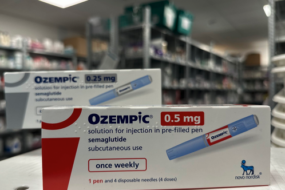
If you’ve heard of GLP-1 medications like semaglutide or tirzepatide, you know they're revolutionizing weight management in 2026.
Leading health authorities, including the WHO and ADA, recommend these medications for people with obesity or significant weight-related health risks—but integration isn’t as simple as just “taking a pill.” Modern best practice is a comprehensive, individualized plan.
- WHO’s 2025 global guidelines caution: GLP-1s are most effective when paired with behavioral, nutritional, and activity programs
- ADA 2026 emphasizes: combine individualized dosing, side-effect monitoring, and real food-focused strategies for safety and long-term success
“Medication is a tool, not the entire toolbox—lifestyle and tracking matter as much now as ever.”
Tying Medical Advancements to SMART and Behavioral Goals
Wondering how this fits with SMART goals? The key is to focus on controllable habits, not just the scale.
Picture this: You’re on a GLP-1, appetite is down, and you want to protect your energy and muscle (because in 2026, muscle preservation is non-negotiable).
Start with these practical, everyday goals:
- Protein: “I’ll include a protein source at every meal for the next 30 days.”
- Hydration: “I’ll drink at least 8 cups of water daily and track in my app.”
- Strength training: “I’ll do a 30-minute resistance workout twice a week.”
- Monitoring: “I’ll message my healthcare provider every 4 weeks to check side effects, labs, and progress.”
Use digital tools—think smart trackers or mobile reminders—to log your habits and flag symptoms.
“Tech meets medicine: in 2026, your fitness app might talk to your prescriber—real-time data, real results.”
Personalizing for You: Collaboration and Ongoing Review
No two weight-loss journeys are the same, especially with new therapies. Team up with your healthcare provider to adjust dosing, review labs, and pivot your plan as life happens.
- Share your goals and barriers frankly to update your regimen.
- Schedule goal reviews every 4-8 weeks, using lab results and your own experience to fine-tune what works.
- Track side effects early; catching and correcting issues fast is part of today’s best-practice care.
Picture a monthly “strategy huddle”—you, your app, and your medical provider, all on the same page.
When you combine advanced treatments with daily, behavior-focused goals and connected care, you’re positioned for safe, truly sustainable change—no matter where your starting point is.
Nutrition on a Real-World Budget: Practical, Evidence-Based Approaches
Choosing nutrient-dense foods doesn’t have to wreck your budget—even with grocery prices on the rise in 2026.
Smart weight loss is all about focusing on fiber, protein, and quality calories versus headline-grabbing crash diets.
Want to keep healthy eating realistic, sustainable, and family-friendly? Start by prioritizing value-packed basics and skipping expensive “miracle” snacks.
Plant-Forward and Protein-Focused Choices for Less
Plant-based eating isn’t just a trend; it’s a proven, cost-effective strategy for managing weight and boosting health.
Some practical, budget-friendly staples include:
- Lentils & beans: $0.12–0.22/serving, packed with protein and filling fiber.
- Oats and brown rice: Under $0.30/serving and endlessly versatile.
- Seasonal vegetables: Buy fresh in-season or frozen for best prices and nutrition.
- Fortified tofu, eggs, and canned fish: Deliver protein at a fraction of meat prices.
- Bulk nuts and seeds: Store well, provide healthy fats and extra protein in small amounts.
Picture this: making chili with lentils, chopped veggies, and canned tomatoes for under $2 per serving—cheaper and more nutritious than takeout.
Actionable Goals That Fit Any Schedule
Set clear, realistic goals that flex with your week, not break it.
Try these evidence-driven, family/work-friendly goal templates:
- “I’ll add a bean- or lentil-based meal 3 times a week this month.”
- “Half my plate will be veggies at one meal per day for 4 weeks.”
- “I’ll include a protein source at every meal for 30 days.”
Research supports that people following plant-forward patterns lose on average 6.5 kg in 16 weeks—and save money doing it.
For busy nights, frozen stir-fry veggies and microwaved brown rice make dinner possible in 10 minutes flat. That’s healthy eating—no chef required.
Data-Backed Strategies That Work in 2026
Recent studies highlight:
- Affordable eating patterns outperform expensive “superfood” fads for both weight loss and sustainability.
- Shopping once per week with a list can save users over $50/month, according to 2026 grocery data.
- Plant-based diets can lower grocery bills by 15%, with fewer processed foods and more bulk basics.
“Eating healthy shouldn’t be a luxury—realistic nutrition comes down to smart planning and simple swaps.”
If your routine feels hectic or resources are limited, focus on small, repeatable habits—because what you can actually do matters more than the latest nutrition headline.
Setting protein and veggie goals that fit your budget and schedule builds momentum you can count on, week after week.
Expanding Beyond Diet: The Whole-Health Goal Pillars
Picture this: You’ve meal-prepped and started walking, but the scale isn’t budging or your energy crashes by week three.
That’s why 2026’s most effective weight loss strategies go far beyond what’s on your plate—they’re built on five interconnected pillars: nutrition, movement, mindset, environment, and accountability.
The Five Pillar Framework for Realistic Weight Loss
Here’s how each pillar fuels success—no crash diets required:
- Nutrition: Aim for affordable, protein-rich meals using whole foods and fortified staples. (Example: “I’ll pack a lentil salad for lunch three days a week.”)
- Movement: Mix brisk walks, resistance sessions, and recovery days to support fat loss and muscle retention.
- Mindset: Daily journaling or stating your “why” helps rewire motivation, as 62% of people report increased goal success with mindset rituals.
- Environment: Simple tweaks—like keeping veggies front and center in your fridge—boost healthy choices on autopilot.
- Accountability: Checking in weekly with a friend, coach, or app increases consistency by up to 80% in recent digital health trials.
Putting It Together: Visualize an Integrated Routine
Imagine your daily flow:
- Starting with a written affirmation or goal (mindset),
- Grabbing a protein-powered breakfast prepped last night (nutrition/environment),
- Hitting a 20-minute strength workout on your calendar (movement/accountability),
- Snapping and sharing your healthy dinner with a friend group or app (accountability/environment).
Small, repeatable actions across multiple pillars build lasting change—one purposeful step at a time.
Tracking and Tweaking Your Pillars in 2026
Use low-friction digital tools or old-school sticky notes to track pillar progress weekly.
- Mindset: “Did I journal or say my goal aloud?”
- Nutrition: “Did I hit my protein/veggie target?”
- Movement: “What activity did I complete today?”
- Environment: “Were healthy foods visible and available?”
- Accountability: “Did I check in with my support circle/app?”
Even minimal wins, checked off regularly, help you see real momentum—because every pillar matters.
The real unlock in 2026? Whole-health goal pillars help you set up your environment, mind, and habits to keep weight off—no willpower marathons required. Use these five pillars as your personal blueprint and watch sustainable progress become the new normal.
Tracking Progress, Reviewing, and Maintaining Flexibility
Staying on track with your weight loss journey in 2026 means tracking more than just your weight. Think about it as monitoring both your GPS route (behaviors) and your actual destination (outcomes).
What Should You Track? Both Behaviors and Outcomes
To get a complete picture, keep tabs on:
- Behaviors: steps walked, strength training sessions, homemade meals, hours slept
- Outcomes: weight, waist measurement, energy levels, and labs like blood sugar or cholesterol
That’s because the habits you build show up in your data—sometimes before the scale moves.
“Measuring your behaviors is like checking your oil, not just your speedometer—it tells you how your engine (habits) is running, not just how fast you’re going.”
Tools and Schedules for Tracking Success
There’s no one-size-fits-all for tracking, but the simplest method is usually the one you’ll actually use.
- Digital tools: apps like MyFitnessPal, Apple Health, or Habitica make logging easy
- Low-tech options: a checklist on the fridge, a wall calendar for workout days, or a simple journal
- Most experts recommend tracking daily behaviors and taking progress measurements (weight, waist, labs) once a week or every 2-4 weeks
Picture this: You finish your third workout of the week, mark it off in your favorite app, and get a little confetti animation—small wins that add up fast.
Scheduled Reviews and the Power of Flexibility
Don’t just set goals—set review points, too.
- Use a review schedule: every 4 weeks, pause to reflect on what’s working and what’s not
- Adjust: if work travel pops up or an injury strikes, shift from intense gym sessions to walking meetings or gentle yoga
- Remember, “Plateaus or setbacks aren’t the end—they’re feedback telling you it’s time to pivot.”
Tracking gives you real-world data, but flexibility is what turns a temporary setback into a comeback.
Normalizing Ups and Downs
It’s not realistic to expect constant progress. In 2026, it’s standard to:
- Expect your weight to fluctuate
- Focus on positive reframing: a plateau is an opportunity to check your habits, not a failure
- Communicate with your coach, app, or support group during tough stretches
Here’s your 2026 reality check: Real progress is about what you do most of the time—not perfection every single day.
Building a habit of tracking both behaviors and progress, scheduling honest review sessions, and expecting to pivot when life changes are the real “secret sauce.” Every check-in, adjustment, and reframed moment is a step toward your most sustainable results.
Bringing It All Together: Customizing and Adjusting Your 8-Week Realistic Weight Loss Plan
Knowing the best practices is one thing—fitting them into your real life is where results happen.
An effective 8-week plan isn’t just about “losing X pounds.” In 2026, it’s about personalizing your SMART goals across key pillars: nutrition, movement, mindset, environment, and accountability.
Picture this: You’ve identified you’d like to lose 3–4 kg (7–9 lb), maintain strength, and still keep weeknights manageable for work and family.
Building Your 8-Week Blueprint
Use this model, then tweak for your needs, schedule, and health factors:
- Outcome Goal: “By Week 8, I will lose 3–4 kg (7–9 lb) and increase my resistance band weight by 10%.”
- Nutrition Goals:
- Protein at every meal—1.6–2.0 g/kg/day
- Cook at home 4 nights/week
- Half-plate veggies at 1 meal/day
- Movement Goals:
- 2×/week: 30 min full-body resistance training
- 3×/week: 25-min brisk walks
- Mindset: Write down your “why” and review mornings
- Environment: Prep high-protein/veggie snacks visibly in fridge
- Accountability: Weekly check-in with a friend or coach/app
“Small, direct changes in routine snowball into big results. Don’t underestimate the power of a 10-minute walk or a quick protein-packed breakfast.”
Adapting for Your Unique Life
Busy week ahead? Have a chronic condition or using medications like GLP-1s? Here’s how you can flex the plan:
- Choose ready-to-eat proteins (pre-cooked chicken, lentils) for busy days
- Schedule resistance workouts around med side effects or peak focus times
- Adjust for energy—swap a walk for restorative yoga on tough days
- Share goals with your provider to tailor for your health profile
“Your plan should survive vacations, overtime shifts, or a rough week—being flexible is more important than being perfect.”
Tracking, Adjusting, and Celebrating
Built-in checkpoints and troubleshooting turn plans into habits:
- Every 4 weeks: Review outcomes and behaviors, adjust if needed
- If you miss targets, scale down—not scrap—your plan
- Mark wins: New resistance PR? Hit 80% of meals at home? Celebrate!
Visually, you might mark a calendar or send a “goal met!” text—what matters is seeing real progress.
“Each week you adapt or keep going is a win—consistency beats perfection in 2026 weight loss.”
When you combine customized SMART goals, regular tracking, and radical self-kindness, you set yourself up for momentum that lasts long after the first eight weeks.
Conclusion
Setting realistic weight loss goals in 2026 is about aligning actionable plans with the fast-evolving science—and your real-world routine. With so many new tools and smarter guidelines at your fingertips, you’re equipped to prioritize sustainable changes that actually fit your life (and your calendar).
The real win? Treating progress as a series of repeatable habits and smart adjustments, not a contest for instant perfection.
Actionable Takeaways:
- Base your goals on behaviors you control—like prepping one extra protein-rich meal or adding a daily walk—so success stacks up faster.
- Use the SMART framework for every goal: make each one specific, measurable, achievable, relevant, and time-bound.
- Layer strength training and prioritize protein to protect muscle while your body weight shifts—science says this is the game-changer.
- Work all five pillars: nutrition, movement, mindset, environment, and accountability for results you actually sustain.
- Track both habits and outcomes weekly—progress is more than the number on a scale.
Your Next Steps:
- Choose one habit from today’s guide—maybe a weekly meal prep, a resistance workout, or a new check-in with your circle—and start now.
- Set a calendar reminder to review and adjust your goals every 4 weeks.
- Share your most motivating action step on social or with an accountability partner—momentum multiplies when you go public.
You have the tools. You have the data. All that’s left is to act—one intentional habit at a time.
Change starts with a single, specific step. Progress isn’t measured by how little you do “wrong,” but by how often you show up. In 2026, your most realistic goal is the one you can keep—so make it yours, make it actionable, and watch those wins add up.
“Every repeatable action is a vote for your future self—start casting.”