Key Takeaways
Preventing osteoporosis during menopause isn’t about complicated routines—it’s about small, smart strategies that protect your bone health every day. Here are the most impactful, real-world actions you can take now to strengthen your bones and safeguard your future mobility.
- Menopause accelerates bone loss due to declining estrogen levels, leading to up to 20% decrease in bone density in the first 5-7 years after menopause.
- Don’t ignore red flags like family history, early menopause, steroid use, or unexpected height loss—these are major osteoporosis risk factors worth acting on immediately.
- Target 1,000–1,200 mg of calcium and 800 IU of vitamin D daily through a food-first approach, as studies link this habit to up to 20% lower fracture risk.
- Make movement non-negotiable—just 30–40 minutes of weight-bearing or resistance exercise most days can cut fracture risk by up to 40% and boosts daily mobility.
- Kickstart bone-friendly habits by swapping out smoking and limiting alcohol—cutting back to moderate drinking can halve bone loss compared to heavy drinking.
- Turn your environment into a bone-protection zone by adding standing desks, decluttering walkways, and stacking movement with daily routines for effortless prevention.
- Prioritize regular bone density screenings (DEXA scans) from age 65 or earlier if high risk, so you can spot changes early and adjust your prevention plan accordingly.
- Layer your strategy: Combining nutrition, consistent exercise, lifestyle tweaks, and medical therapies like HRT gives your bones the strongest defense for lifelong strength.
Building bone health is all about the repeatable, real-world steps you take today. Check out the full guide for practical tips, habit hacks, and a personalized action plan you can start right now.
Introduction
What if you discovered that 1 in 2 women over 50 will break a bone because of osteoporosis—but most won’t realize their risk until after the fracture?
Imagine realizing your skeleton is quietly remodeling itself just as your career is peaking and life’s responsibilities are stacking up.
The truth is, menopause isn’t just hot flashes and mood shifts—bone density can drop by up to 20% in the years that follow, quietly increasing the odds of serious fractures that sideline your goals, hobbies, and independence.
But before you resign yourself to “inevitable aging,” here’s the good news: bone loss is not a one-way street. With the right strategies—many of which are tech-savvy, simple, and actionable—you can actively protect and even rebuild your bone strength, starting today.
You’re about to get more than generic advice. This guide empowers you to:
- Spot hidden risk factors before they do damage
- Seamlessly fit bone-building nutrition and movement into your workflow
- Leverage screening tools and digital reminders to stay ahead
- Decode when advanced options like medications or HRT make sense
- Build micro-habits that stack up to serious health wins
Why now? Because prevention beats repair—whether you’re deep into your tech career, scaling a business, or simply want freedom over fractures.
Ready for practical, real-world tactics that transform “what now?” into “what’s next”?
Let’s demystify the link between menopause and bone health—and help you turn today’s small decisions into tomorrow’s strength. You’ll see just how much control you have, beginning with what’s happening inside your bones right this minute.
Understanding the Link Between Menopause and Bone Health
When menopause hits, declining estrogen levels set off a silent remodel in your bones—think of estrogen as the “structural engineer” keeping your bone framework steady.
Without enough estrogen, bones lose reinforcement, making them more fragile—just like support beams weakening in an aging building.
This is the biological reason bone mineral density (BMD) drops and osteoporosis risk climbs around menopause.
Why Osteoporosis Becomes a Women’s Issue
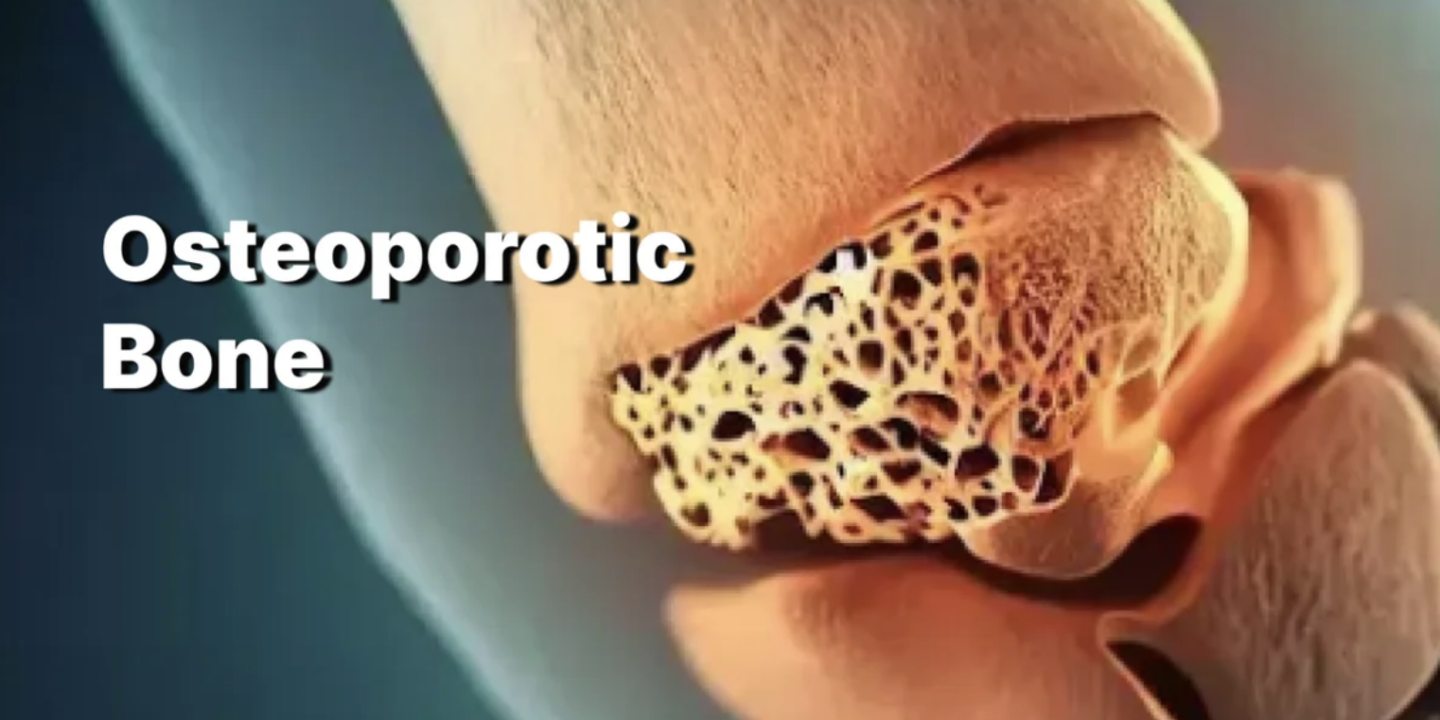
Osteoporosis isn’t just a buzzword: it means “porous bones,” a condition where the bones quietly become weak and more likely to break.
Let’s put the numbers in perspective: About 1 in 2 women over age 50 will suffer an osteoporosis-related fracture—often in the spine or hip—compared to just 1 in 5 men.
Bone density can plummet by up to 20% in the five to seven years after menopause, making this a true tipping point for bone health.
Spotting Your Risk: The Early Warning Signs
Don’t wait for a break to start protecting your bones.
Red flags to watch for include:
- Family history of osteoporosis or fractures
- Early menopause (before age 45)
- Use of glucocorticoids (steroids, for asthma or other conditions)
- Unexplained loss of height, back pain, or changes in posture
These are your bone’s “warning beacons”—take them seriously, not just as background noise.
Proactive Bone Care: Your New Normal
Here’s a mindset flip: strong bones start with prevention, not reaction.
Imagine checking your bone health like you check your smoke alarm—before something goes wrong.
Adopting proactive habits—getting a bone density scan, optimizing calcium and vitamin D, and building strength through movement—shifts the odds in your favor long before a fracture can stall your lifestyle.
A smart, forward-thinking approach to menopause means treating bone care as a daily investment, not a crisis management strategy.
The secret: Every small step now “deposits” strength for your future self—because “waiting and worrying” never outperforms “preparing and protecting.”
Foundational Nutrition for Strong Bones
The Power Duo: Calcium and Vitamin D
When it comes to bone strength during menopause, calcium and vitamin D are your MVPs.
Aim for 1,000–1,200 mg of calcium and at least 800 IU of vitamin D per day—that’s the sweet spot for most menopausal women.
Absorbing these nutrients isn’t always as easy as popping a supplement.
Try filling your plate with:
- Dairy (yogurt, milk, cheese)
- Leafy greens (kale, collards, bok choy)
- Fortified foods (nut milk, cereals, orange juice)
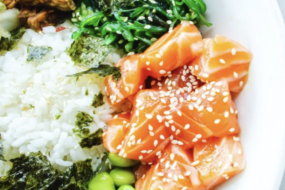
- Salmon or sardines (bonus: also provide omega-3s)
- Tofu and eggs
Picture this: swapping your afternoon soda for a Greek yogurt provides about 250 mg of calcium—without the sugar spike.
Supplements help if your diet falls short, but food-first nutrition makes the biggest difference in long-term bone health and lowers fracture risk by up to 20% according to recent studies.
Dietary Patterns for Bone Health
What you eat every day matters even more than isolated nutrients.
Adopt eating styles shown to be bone-protective, like:
- Mediterranean diets (think: fish, olive oil, beans, produce)
- Plant-forward patterns that are high in fiber and low in processed foods
Don’t forget other bone-building helpers:
- Magnesium (nuts, seeds, avocados)
- Vitamin K (broccoli, spinach, kale)
- Protein (chicken, beans, Greek yogurt)
- Omega-3 fatty acids (flax, walnuts, fatty fish)
For best results, limit:
- Excess salt (it leaches calcium out)
- Sugary sodas (linked to lower BMD)
- Ultra-processed snacks (swap chips for almonds)
Try these bone-boosting meal swaps:
- Breakfast: Oatmeal with chia seeds and fortified soy milk instead of white toast
- Lunch: Kale and salmon salad instead of a deli sandwich
- Dinner: Stir-fried tofu and broccoli over quinoa instead of fast food
Practical, Shareable Takeaways
“You build stronger bones one meal at a time—it’s that simple.”
Real-world change is about swapping, not sacrificing.
Every nutrient-rich choice makes your bones a little tougher—today and for decades to come.
Fitness That Builds (and Keeps) Bone Density
Why Movement Matters: The “Use It or Lose It” Rule
Imagine your bones as the steel beams of a skyscraper—when they’re not under regular pressure, they weaken. Physical stress actually signals bones to grow stronger, thanks to a simple biological truth: “use it or lose it.”
After menopause, estrogen drops and bone-building slows, so loading your bones with movement becomes essential. That’s not just feel-good advice—research shows regular activity can reduce spine and hip fracture risk by as much as 40%.
Workouts That Make a Difference
For optimal results, aim for at least 30–40 minutes of weight-bearing or resistance exercise most days. Mix it up for lasting gains:
- Walking, running, and stair climbing: Simple moves, solid impact
- Dancing and aerobics: Add fun, work muscles in new directions
- Weightlifting or resistance bands: The gold standard—for best results, try 80–85% of your one-rep max (that’s the most weight you can lift once)
Strength training particularly shines—studies report significant boosts in bone density and balance, which means fewer falls and injuries.
How To Start—No Dumbbells Required
Not sure where to begin? Picture yourself climbing stairs at a lively event, carrying a grocery bag in each hand—yes, you’re training your bones and balance. If the weight room scares you, start at home:
- Use canned goods or water bottles as makeshift weights
- Try squats, wall push-ups, or resistance bands
- Build up gradually; even two 15-minute mini-sessions add up
“Move consistently, not perfectly,” makes a great mantra—and yes, soreness means you’re making progress.
Making Movement Stick
Life is busy. Motivation comes and goes. The secret is habit stacking—tack on your workout right after another daily routine (like coffee or lunch).
Need extra staying power? Leverage these real-world strategies:
- Social support: Invite a friend or join a small group
- Accountability partners: Send daily check-ins or progress pics
- Micro habits: Five-minute walks, one dance song, three squats on hold—you get the idea
- Community programs: Local classes boost both skill and confidence
One member of our community shared: “Starting with five jumping jacks in the morning snowballed into a 5k walking habit—and my last DXA scan was the best yet.”
Real-World Motivation and Results
Behavior change models, like the Health Belief Model, show that believing in the benefits (and knowing the risks of skipping out) can spark lasting change.
Key numbers: Women sticking to these routines see up to 5% gains in bone density and report fewer falls within a year. The right movement routine isn’t just good for bones—it’s the foundation of mobility, independence, and confidence post-menopause.
Building better bones is about making movement familiar, social, and non-negotiable. Start with what you can do today—every step, lift, or dance counts.
Lifestyle Choices That Protect Your Bones
Habits to Break (and Why)
Let’s cut right to it: both smoking and excessive alcohol torch your bones’ defenses, accelerating bone loss and hiking up your future fracture risk.
It’s not just hearsay—research points to smoking lowering estrogen, which turbo-charges bone thinning, especially after menopause.
You might be tempted to think, “But I only have a glass or two!” The data speaks: women drinking more than 2 units a day (roughly 2 glasses of wine) have up to 40% higher osteoporosis risk compared to light or non-drinkers.
Small tweaks can have massive impact:
- Quitting smoking improves bone density within months and slashes fracture risk—no matter what age you start.
- Cutting back alcohol to moderate (less than 7 drinks per week) slows bone loss by up to half compared to heavy drinkers.
Find support through:
- Subscription text reminders (“Quit Smoking Now” apps)
- Buddy systems or group pledges for accountability
- Exploring non-alcoholic swaps or “sober social” trends
There's no magic threshold where “a little” is truly safe—bone health is a long game.
“Just one less drink a day can mean one less broken bone in the future.”
Everyday Bone-Friendly Behaviors
Progress isn’t just made in the gym or the kitchen.
Adopt daily tweaks to turn your environment into a bone protection zone:
- Raise your workspace with a standing desk—it improves posture and keeps you on your feet.
- Do a “fall audit” at home: secure rugs, add grab bars, keep walkways clear.
- Set device reminders to move every hour—even a quick stretch signals your bones to maintain strength.
For maximum benefit, stack tiny habits:
- Pair a vitamin D supplement with your morning coffee.
- Rotate protein-rich and calcium-rich foods at each meal; think tofu at lunch, Greek yogurt as an afternoon snack.
- Catch up with a friend while taking a brisk walk—social support increases activity adherence by over 20% in community studies.
Picture this scenario: you wake up, make coffee and take your vitamin, head to your standing desk to tackle your inbox, and fit in mini dance breaks between video calls—this is modern, practical bone care in action.
Here’s your takeaway: Dropping harmful habits and weaving in simple bone-supportive behaviors every day multiplies your protection. Don’t wait for a wake-up call—your future self will thank you for every small, smart choice you make today.
Screening, Monitoring, and When to Seek a Pro
The Role of Bone Density Screening
Wondering if it’s time to get your bones checked? The gold standard for osteoporosis detection is a DEXA (DXA) scan—a painless, 20-minute X-ray that measures your bone mineral density (BMD).
If you’re 65 or older, screening is a must, but you may need it sooner if you have:
- Early menopause (before age 45)
- Family history of fractures or osteoporosis
- Long-term use of steroids like prednisone
- Chronic diseases affecting bone health
T-scores tell the story: a score above –1 is normal, between –1 and –2.5 is osteopenia (early thinning), and –2.5 or lower means osteoporosis.
Z-scores compare you to others your age—a low score could mean something else is going on with your health.
A DEXA scan typically costs $150–$300 out-of-pocket, but many insurance plans cover it after age 65 or with strong risk factors.
“Take charge: tracking your DEXA results over time puts YOU in control of your bone health journey.”
When to Screen and How Often
Repeat DEXA every 2–5 years, depending on your risk, trends, and doctor’s advice. Trending scores can signal when to step up lifestyle efforts or consider medication.
- New guidelines stress early screening for anyone with multiple risk factors—even as young as 50.
- “Picture this: catching bone loss early is like stopping a leaky pipe before it floods your basement.”
Working with Your Healthcare Team
A proactive approach means more than just annual checkups—it’s about personalized risk assessment and shared decision-making.
Connect with your provider if you:
- Have a new fracture after age 50
- Enter menopause early, or before 45
- Use glucocorticoids for inflammatory conditions
- Have a parent or sibling with osteoporosis
- Are diagnosed with a chronic condition linked to bone loss (e.g., thyroid, IBD, rheumatoid arthritis)
Ask: “What’s my personal fracture risk—and what can we do about it?”
“Open conversations lead to smarter prevention—your bones need you as their best advocate.”
Bringing It All Together
Regular screening and teamwork with your healthcare provider set the stage for stronger bones—catch issues early, tailor your strategy, and never hesitate to ask for a status check. Proactive steps today help prevent stress, setbacks, and surprise fractures tomorrow.
Advanced Interventions for High-Risk Bone Loss
Hormone Replacement Therapy (HRT): Who, Why, and When
Hormone Replacement Therapy—HRT—is one of the most effective ways to protect bone mineral density (BMD) and sharply lower your risk of spine and hip fractures after menopause.
Picture this: for every 10 women who start HRT before age 65, up to 5 fewer will suffer a major fracture over the next decade.
HRT is often recommended for:
- Women under 65 experiencing menopause, especially with strong symptoms like hot flashes
- Those with a high risk of rapid bone loss (e.g., early menopause or family history)
But there’s nuance:
- Pros: Preserves BMD, improves quality of life with menopause symptom control, reduces risk of osteoporosis-related fractures
- Cons: Small increase in risks for breast cancer, blood clots, and stroke (mainly with prolonged use or older age)
You’ll want to talk to your provider if you have a personal or family history of cancer, heart issues, or aren’t a good fit for estrogen-containing therapies.
Quotable: “HRT isn’t one-size-fits-all—you deserve a prevention plan as unique as you are.”
Medications Beyond HRT: Options for High-Risk Bones
When HRT isn’t a fit—or if osteoporosis is already established—additional medications can be bone-savers.
Two major categories:
- Bisphosphonates (think alendronate, risedronate)
- Slow bone breakdown, cut fracture risk by 30–50% in postmenopausal women
- Often taken weekly or monthly by mouth, sometimes as yearly infusions
- Possible side effects: heartburn, and in rare cases, jaw issues with long-term use
- SERMs (Selective Estrogen Receptor Modulators) like raloxifene
- Mimic estrogen’s bone benefits without the hormone
- Especially useful for women with a breast cancer risk or who can’t take standard HRT
Emerging therapies—like anabolic agents and monoclonal antibodies (e.g., denosumab)—are expanding options for those with very high fracture risk or multiple medication failures.
Quotable: “For some, it’s not about choosing just one medication; it’s about customizing the right long-term strategy.”
Making Your Prevention Plan Work: The Power of Combo Strategies
Here’s the real secret: Exercise, nutrition, HRT/medications, and behavior tweaks work best together.
That means:
- Keeping up with weight-bearing exercise
- Meeting daily calcium and vitamin D needs
- Regular reevaluation of medications and lifestyle as you age or life changes
- Working with your team for personalized, evolving plans—not just one-and-done
Behavior change models, like the Health Belief Model, boost adherence rates for nutrition and workout routines—so you’re not alone in building lasting habits.
Quotable: “Think of your bones as a living investment portfolio—they need diversified strategies and regular check-ins.”
The most powerful move you can make? Layering your interventions—combining exercise, nutrients, medical therapy, and regular monitoring—gives you the strongest foundation for lifelong bone strength. Every step you take now pays off in years of mobility ahead.
Building Your Personalized Bone Health Blueprint
Creating a strong bone health strategy during and after menopause isn’t about big, complicated changes—it’s about building a repeatable playbook you can stick to, even when life’s busy.
Imagine your bone health plan like a personalized project board: some quick actions, some progress tracking, and regular check-ins with your experts.
Step-by-Step: Your Bone Health Action Plan
Start here:
- Assess your risk—Are you over 50? Early menopause, family history, or glucocorticoid use? These raise your osteoporosis risk.
- Get screened—A DXA scan is recommended for all women age 65+, and sooner if you have risk factors.
- Prioritize actions—Not sure where to focus? Pick one: Increase calcium-rich foods, move more, or book that screening.
Picture this: You’re prepping lunch and realize it’s all carbs, not a dairy or leafy green in sight. Swap out the bread for a salmon salad, or add Greek yogurt on the side—you’ve just made an easy, bone-loving pivot.
Troubleshooting in the Real World
Nobody hits every target, every day.
- Missed your calcium goal? Double down with a fortified snack the next day.
- Skipped your walk? Squeeze in a quick dance session or climb stairs during calls.
- Feeling overwhelmed? Pick a micro habit: fill your water bottle, stand up every hour, or prep a supplement reminder on your phone.
Treat every small adjustment as a “win.” It’s the consistent, tiny upgrades that build serious bone strength over years.
Building Your Support Network
Don’t go it alone.
- Find a partner: Text a friend to join you on walks or share healthy recipes.
- Leverage tech: Use apps for reminders, meal tracking, or motivational nudges.
- Ask for help: Your healthcare team should work with you—not just hand you a pamphlet.
Trends show women who combine exercise, nutrition, and support see a greater increase in bone density and stick to new habits longer.
The real secret? Advocate for your needs, experiment, and celebrate tiny improvements. Each smart choice today lays the foundation for you to move with strength and confidence tomorrow. Every effort—even the smallest—counts toward protecting your bones for decades to come.
Conclusion
Taking charge of your bone health through menopause is one of the most high-impact investments you can make for your future mobility, confidence, and independence.
Every intentional choice today—whether it’s a recipe tweak, a brisk walk, or a simple screening—builds real bone strength you’ll thank yourself for years down the line.
Here’s how you can start protecting your bones immediately:
- Schedule a bone density (DEXA) scan if you’re 65+ or have risk factors—knowledge is real power.
- Prioritize daily calcium and vitamin D through food-first strategies or supplements to fortify your bones from the inside out.
- Add weight-bearing movement—think walking, stair climbing, or resistance bands—to your regular routine, even in 10-minute chunks.
- Kickstart one “habit stack”—pair a new bone-healthy behavior with something you already do (like taking vitamin D with morning coffee).
- Build your support network: Text a friend to join you for walks or loop your healthcare provider in for personalized prevention.
What can you do now?
- Pick one action from above—put it on your calendar or set a phone reminder.
- Share this article or a favorite takeaway with a friend, and challenge each other to a mini bone-strengthening goal.
- Reach out to your provider about your bone health—start the conversation that puts you in control.
Your future self doesn’t need perfect. She just needs you to take one smart step today.
“Strong bones aren’t built in a day, but they are built by what you choose next.”
Start now—your strength, mobility, and freedom are worth the effort.