Key Takeaways
Unlocking clearer teen skin isn’t about quick fixes—it’s about targeted habits, evidence-based solutions, and real emotional support. Here are the most actionable insights for anyone ready to win the acne battle with smart, proven steps.
- Consistency beats complexity in skincare—a simple four-step daily routine (cleanse, treat, moisturize, protect) outperforms fad regimens and delivers visible results in 2-3 months.
- Choose science-backed ingredients like benzoyl peroxide, salicylic acid, or adapalene, starting slowly to avoid irritation and matching actives to your unique skin needs.
- Tailor your approach to your acne type—blackheads respond to salicylic acid, while painful cysts call for professional dermatology help; don’t hesitate to escalate if you see no improvement after 12 weeks.
- Lifestyle shifts matter: Swap pillowcases weekly, stick to non-comedogenic products, and watch high-sugar or dairy foods—small changes in daily habits amplify every product’s impact.
- Mental health and confidence count—regular open conversations, body positivity, and support from parents or peers mitigate the emotional stress that often comes with breakouts.
- Track your progress visually—weekly selfies and a “skin wins” journal turn tiny improvements into confidence boosts and keep momentum strong, even through setbacks.
- Don’t fall for overnight promises—85% of teens see progress with patience and consistency, so celebrate every small milestone rather than chasing fast fixes.
- Get professional help early if needed—persistent, scarring, or painful acne signals it’s time to consult a dermatologist for tailored, effective solutions.
Embrace these strategies for calmer skin and stronger self-esteem—then dive into the full article for expert tips, practical scripts, and detailed solutions you can use today.
Introduction
Picture this: 85% of teens will get acne by age 19, but clearing your skin often feels more complicated than a calculus final—and just as stressful. If you or someone you love has tested every “miracle” product and still faces relentless breakouts, you’re definitely not alone.
Acne in your teen years isn’t just about oil and hormones—it’s a mix of biology, daily habits, mental health, and a fair share of misinformation. Every overlooked detail—diet, stress, even the right SPF—can turn a minor issue into an ongoing battle.
What if, instead of chasing fads, you could rely on proven, real-world solutions that fit into a busy routine? Here’s what you can expect to gain:
- Practical, evidence-backed steps that actually work for teen skin
- Insight on which actives and routines cut through the marketing noise
- Smart ways to customize your approach (because one-size-never-fits-all)
- Tips for handling the emotional impact—because skin health goes far beyond appearances
- A clear method for tracking progress and knowing when it’s time to seek professional help
These aren’t just theories—they’re the same strategies dermatologists and skincare innovators trust (with no intimidating jargon required).
If you’re ready for answers you can trust—and steps you’ll actually stick with—it’s time to cut through confusion and set the record straight.
First, let’s break down what really causes teen acne, and the challenges that make it so stubborn.
Understanding Teen Acne: The Root Causes and Challenges
Adolescence is a perfect storm for acne—roughly 85% of teens will battle breakouts by age 19. This isn’t just unlucky genetics or a single bad meal; it’s biology, lifestyle, and psychology all rolled into one.
Why Teens Get Hit Hard
Puberty triggers a spike in androgens, which turns up the skin’s oil (sebum) production. More oil + sticky dead cells = clogged pores and pimples.
Some teens are genetically wired to be more sensitive to hormonal shifts or create extra oil. If your parents fought acne, you’re statistically more likely to see it, too.
Your Environment Matters—A Lot
Beyond genes and hormones, day-to-day life throws in plenty of curveballs:
- Diet (sugar, dairy, processed foods) can worsen inflammation, especially in teens with existing oiliness.
- Stress (think exams, social drama) fuels oil production—it’s scientific, not just stress-talk.
- Skin care habits: Harsh scrubs or skipping SPF can backfire, making acne flare.
- Sports and gear: Helmets, hats, and sweaty masks keep pores under siege.
As a quick stat check: teens in high-pressure, urban environments report up to 25% higher breakout rates compared to rural teens.
More Than Skin Deep: Mental Health and Myths
The fallout isn’t just visible.
- Self-esteem dips, peer pressure, and anxiety about social situations are real.
- Some teens withdraw, while others try every trick—home remedies, toothpaste dabs, “detox” teas—that rarely work.
Misconceptions like “the more you scrub, the quicker you clear” or “acne means you’re dirty” actually prolong breakouts and damage confidence.
The Power of Evidence-Based Choices
What changes the game? Reliable, science-backed solutions.
- Skip fads; focus on ingredients proven to work for teen skin (think salicylic acid or benzoyl peroxide, not kitchen cupboard experiments).
- Expect real improvement with small routine changes—most see results in 2-3 months when consistent.
- Track your skin journey, not just the setbacks, and don’t hesitate to team up with dermatology pros.
When you understand why teen acne happens, you can beat it with less guesswork and more confidence. Remember: clear skin isn’t about being perfect—it’s about making smart, consistent choices that work for you.
Five Critical Solutions for Teen Acne: What Works (and Why)
1. Building a Consistent Skincare Routine
If there’s one thing almost every dermatologist agrees on, it’s this: a consistent, simple routine wins over complicated fads every time.
Every teen should build a four-step foundation:
- Cleanse gently, twice daily
- Treat with targeted actives (like benzoyl peroxide or salicylic acid)
- Moisturize using a non-comedogenic lotion
- Protect with a broad-spectrum SPF 30+
Forget the 10-step influencer regimens. Most visible improvement takes 2-3 months—not days. Picture this: you set a daily reminder, rope in a parent for accountability, and keep your products right by the sink. That’s habit-building in action—skin success isn’t about magic, it’s about momentum.
“Consistency, not complexity, unlocks clearer skin.”
2. Key Active Ingredients Every Teen Should Know
Not all products are created equal. Science backs these stars:
- Benzoyl peroxide (2.5%-5%): Zaps bacteria, reduces inflammation in gels or cleansers.
- Salicylic acid (2%): Sweeps out clogged pores in face washes and pads—perfect for blackheads.
- Adapalene (Differin gel): Over-the-counter retinoid that unclogs and calms; use a pea-sized amount before bed.
- Prescription retinoids (tretinoin, tazarotene): Step up for stubborn or cystic acne; best started under a dermatologist’s care.
Always start new actives slowly to avoid irritation. Professional guidance is smart for anything stronger than OTC.
“Choose actives that suit your skin type first—trendy doesn’t always mean effective.”
3. Matching the Solution to Your Type of Acne
Rapid quiz: Is your acne mostly
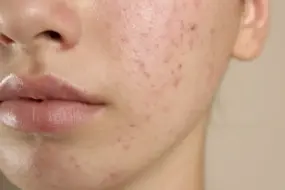
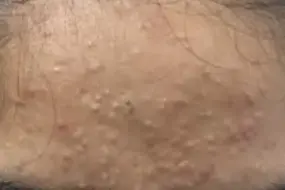
- Tiny bumps or blackheads? Go salicylic + adapalene.
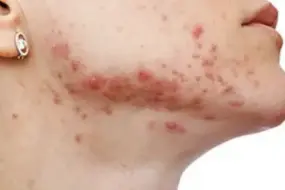
- Angry, red pimples? Benzoyl peroxide plus a topical antibiotic is the go-to.
- Painful nodules or cysts? See a dermatologist; prescription retinoids or even isotretinoin may be needed.
Symptoms steer your choices. Combine evidence-based products and escalate care if there’s little change after three months—don’t wait until scarring starts.
“Customizing your regimen is the real superpower—one size never fits all.”
4. Lifestyle Strategies that Actually Help
Think beyond bottles:
- Wash your face with fingertips (not washcloths)
- Pick non-comedogenic everything—even sunscreen and hair gel
- Diet alert: High sugar and dairy really can influence breakouts for some teens
- Swap pillowcases and towels weekly
- Manage sweat and gear (helmets, masks) to avoid “sports acne”
Stay hydrated, get 7–9 hours of sleep, and de-stress with something you love. Smart habits supercharge every product.
“Daily actions add up—little changes, big difference.”
5. Knowing When to See a Dermatologist
Still breaking out after three months? Getting deep, sore pimples or scarring worries? It’s time for the pros.
Here’s what to expect:
- A personal care plan, possibly prescription-only
- Guidance on safety, side effects, and monitoring
- Support for you (and your parents) to make confident, informed decisions
Don’t let myths keep you suffering—fast, tailored intervention can protect your skin for years.
“Advocating for your skin is self-respect, not vanity.”
Sticking with these five solutions—the right routine, actives, matching, lifestyle, and knowing when to get help—is your clearest path to calmer, healthier skin.
Navigating the Emotional Terrain: Support for Teens and Parents
The Real Impact: More Than Skin Deep
Acne isn’t just a skin story—it’s an emotional journey.
For many teens, breakouts trigger feelings of embarrassment, anxiety, and a dip in self-esteem.
A Journal of the American Academy of Dermatology study found that over 50% of adolescents with acne report a negative impact on their confidence and social life.
When acne flares up before school photos or important social events, it can feel like more than “just pimples”—it’s a daily stressor that shapes how teens see themselves.
Open Communication & Body Positivity
Opening up about how acne feels is vital but often overlooked.
Try these quick scripts to break the ice as a parent or mentor:
- “I see how hard this is for you. Want to talk about what helps or makes it worse?”
- “You’re not alone—acne is normal for most teens. Want to look at some solutions together?”
Championing body positivity means recognizing that skin challenges don’t define worth.
Encourage resilience by highlighting talents, kindness, and humor that go way beyond appearance.
Practical Support Moves
Parents and caregivers can make a huge difference by:
- Listening without judgment—let teens vent, even if the topic feels small to you.
- Researching evidence-based routines and bringing them into the conversation—avoid “miracle cures” that can backfire.
- Exploring peer stories online to show others face the same battles (60% of teens find comfort in relatable YouTube or TikTok content).
If you notice your teen avoiding activities, skipping school, or showing signs of anxiety, these may be red flags for emotional distress.
When (and How) to Seek Extra Help
Sometimes, acne’s emotional toll needs backup from the pros.
Here’s how you can expand your support network:
- Ask your pediatrician for a referral to a counselor experienced in adolescent concerns.
- Consider group sessions—peer support programs are growing, both online and in clinics.
- Explore trusted online communities where teens can connect in a safe space (like the ADA’s Acne Support Forum).
Picture this: A teen scrolls through videos of others sharing their acne journeys, discovering they’re not “the only one”—it’s a game-changer for confidence.
Key Takeaway
Normalize talking about acne’s emotional impact—the best support goes beyond skin.
Lean into open communication, practical guidance, and outside resources to help teens (and parents) build resilience, self-acceptance, and the confidence to face every day.
Setting Expectations for Success: Realistic Outcomes and Staying Motivated
Taking control of teen acne is a journey, not a race—and results often take longer than most expect. Studies show that visible skin improvements usually appear after 8-12 weeks of consistent treatment, so if you’re not seeing clear skin overnight, you’re right on schedule.
Most dermatologists agree: It often takes 2-3 months before you’ll notice major changes. Brands promising “overnight results” are skipping the science. Small wins matter; every less inflamed pimple or day with calmer skin is a victory worth celebrating.
What a “Clear Skin” Journey Really Looks Like
Picture this: You commit to a basic skincare routine—cleanse, treat, moisturize, protect—morning and night. Weeks 1-4? Your face might feel a little dry, maybe even see a temporary purge (increased breakouts as pores unclog). That’s normal.
By week 8, small improvements pop up:
- Fewer new pimples
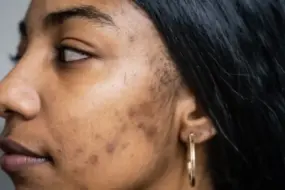
- Old spots fading
- Smoother texture
Setbacks? Totally normal. Up to 85% of teens will experience a flare-up during stressful times, like finals or big games.
Tracking Progress & Celebrating Wins
Don’t want to miss progress? Try these quick, motivating habits:
- Take weekly selfies: Same lighting, no makeup—track changes visually
- Keep a “skin wins” journal: Note even tiny improvements
- Pair routines with habits you already have: Like brushing your teeth, to keep it automatic
Share your mini-milestones with a friend or parent; external support boosts motivation.
Dealing with Setbacks: Flare-Ups Happen
When breakouts return, don’t panic—or switch up everything. Instead:
- Stick with your core routine (don’t jump to new products)
- Focus on gentle hydration and “damage control” (avoid harsh scrubs or picking)
- If major cysts or scarring appear, touch base with a dermatologist quickly
Remember: “One bad week doesn’t erase a month of progress.”
Focus on Healthy Skin, Not Perfection
The real win? Confident, healthy skin habits that last. No one has “flawless” skin, not even celebrities—you’re building resilience and real-world self-care skills.
Celebrating micro-progress and staying consistent are keys that unlock long-term results. The real goal? Skin that’s healthy, comfortable, and helps you feel like yourself—no filter needed.
Conclusion
Unlocking clearer, more confident skin isn’t about chasing perfection—it’s about making smart, evidence-based choices that actually fit your life.
Your power comes from understanding the science, building small habits, and knowing when to ask for support—because the right steps, done consistently, can turn the tide on breakouts and self-doubt alike.
Here’s how you can take charge today:
- Create a simple, consistent skincare routine—prioritize cleansing, targeted treatment, moisturizing, and sun protection
- Focus on proven active ingredients (like benzoyl peroxide, salicylic acid, or adapalene) instead of untested trends
- Match your solutions to your acne type, and don’t hesitate to reach out to a dermatologist if major improvement stalls after 2-3 months
- Layer in lifestyle habits—from mindful diet tweaks to regular pillowcase swaps—to support your routine from all angles
- Champion real talk: Open up about the emotional side of acne and seek the right support—resilience starts with honest conversations
Ready for action?
- Pick one routine tweak (new cleanser, smarter SPF, or habit pairing) and put it into practice tonight—tiny steps stack up fast
- Snap a “skin status” selfie today—then set a weekly reminder so you can see your own progress in real-time
- Reach out to a parent, friend, or online community and share one thing you’ve learned—your journey can inspire someone else
Remember: Your skin journey is just that—a journey. Every step, every small win, puts you closer to the confidence you deserve. Don’t chase flawless—chase healthy, happy, resilient skin that lets your real self shine.**
Own your progress, share your story, and let smart choices—not breakouts—call the shots from here on out.