Key Takeaways
Menopause wields a powerful impact on mental health—but with the right strategies, you can reclaim focus, mood, and energy. Here are the most actionable, science-backed tips for busy professionals navigating menopause and mental health, crafted for instant insight and real-world application.
- Spot mental health changes early by tracking persistent mood swings, anxiety, or brain fog for more than two weeks—recognizing symptoms fast accelerates support and recovery.
- Professional help unlocks smarter care—don’t wait to access your GP, menopause specialist, or mental health provider if symptoms disrupt work, relationships, or daily joy.
- Pair medical and psychological therapies like hormone therapy, CBT, and mindfulness for multi-layered relief—combining approaches boosts outcomes for mood, sleep, and focus.
- Move your body for a 25% mood lift—even short bursts of exercise (10–30 minutes, 5x/week) can dramatically cut anxiety and depression during menopause.
- Fuel your brain strategically with omega-3s, whole foods, and less sugar—nutritional swaps like nuts, greens, and salmon are proven to stabilize energy and mood.
- Prioritize sleep hygiene and use digital tools—consistent routines, cool rooms, and reminder apps mitigate fatigue and cognitive dips, powering up daily performance.
- Master stress with micro-mindfulness—just 5–10 minutes of guided breathing or desk yoga can instantly reset your mind and slash the mental load.
- Activate your support network for a 30% drop in depression risk—connect with peer groups, trusted colleagues, or family to normalize menopause talk and strengthen resilience.
Don’t navigate menopause and mental health solo—put these practical steps to work and build your uniquely effective coping toolkit. Ready for deeper strategies? Dive into the full article for your next smart move.
Introduction
Ever noticed how your sharpest ideas suddenly vanish mid-sentence, or how you’re nailing work presentations one week, then struggling to string thoughts together the next—all while random waves of anxiety arrive uninvited? You’re not alone: up to 70% of women experience real, sometimes disruptive, mental health changes during menopause, even those leading demanding teams or building breakthrough AI workflows.
For tech-driven professionals and creators, menopause can feel like a glitch that impacts everything from productivity and creative flow to your confidence in the boardroom or brainstorming session.
Imagine this scenario: you’re prepping for a major virtual pitch, but sleep-deprivation, mood swings, and brain fog team up to tank your focus—just when clarity is most crucial. These mental health shifts don’t clock out after hours or pause for deadlines; they surface in your DMs, disrupt your routines, and influence every decision, from tech adoption to team collaboration.
Why does this matter now? The intersection of hormonal changes and a relentless, always-on digital culture amplifies every symptom, making it impossible to simply “power through” the way you might with a system crash or a late-night deployment. Recognizing the mental load of menopause isn’t just self-care—it’s a strategic move for sustainable performance.
Here’s what you’ll walk away with:
- Science-backed coping strategies designed for high-paced, tech-enabled work lives
- A practical guide to recognizing when you actually need professional help (and how to start the conversation)
- An overview of treatment options and lifestyle upgrades that boost clarity and resilience—not just during menopause, but across evolving career chapters
Think of this as your personal troubleshooting manual—a collection of solutions you can test, adopt, or even automate, turning “menopause brain” from a source of frustration into a launch pad for smarter, more empathetic leadership.
Next, we’ll unpack exactly how menopause impacts mental health, highlighting the most common symptoms, real-world triggers, and why your brain chemistry is uniquely vulnerable during this period—all with relatable analogies and actionable insights you can use right away.
How Menopause Impacts Mental Health
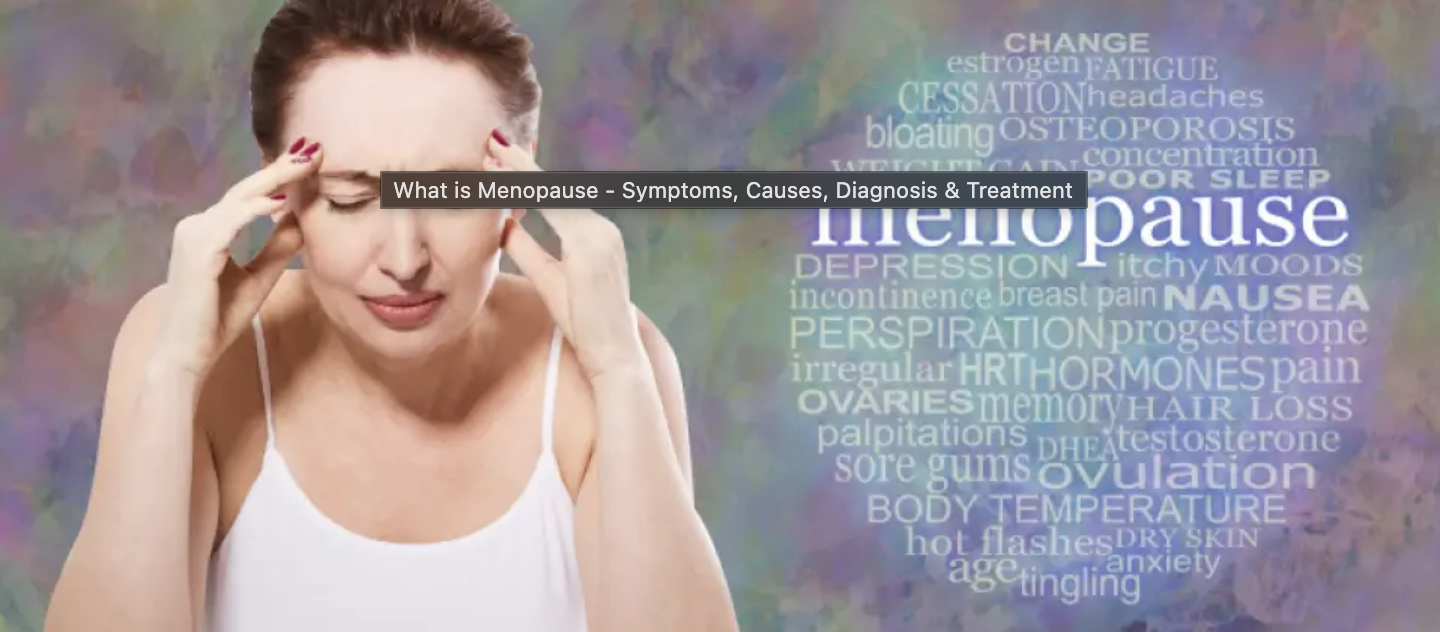
The transition through menopause isn’t just physical—it delivers a powerful punch to your emotional landscape. Roughly 50-70% of women report significant mood swings, with a surge in anxiety, low mood, irritability, and “brain fog.”
You might notice:
- Persistent sadness or feeling emotionally “flat”
- Anxiety that surfaces out of nowhere—sometimes with panicky, on-edge sensations
- Irritability and mood swings that catch you (and those around you) off-guard
- Forgetfulness, brain fog, or slowed thinking that disrupt work and decision-making
- Low motivation, sleep disturbance, or energy drops impacting productivity
These shifts don’t care about your packed schedule or work deadlines. As estrogen and progesterone drop, they tug on your brain chemistry—altering serotonin, dopamine, and GABA levels that influence mood, focus, and emotional balance.
Everyday Impacts and Triggers
Picture this: A good night’s sleep feels like a lottery win. Hot flashes and pain zap your focus during meetings. You snap at a colleague, then feel embarrassed—your sense of self feels slippery, not solid.
Common ripple effects include:
- Work productivity dips due to trouble concentrating or poor sleep
- Strained relationships—less patience, more miscommunication with family or team members
- Nagging doubts about professional identity or ability to “keep up”
“Think of menopause as a WiFi outage—right when you need connection most, things get scrambled.” This mirrors the experience of millions who juggle midlife caregiving, career moves, and changing bodies all at the same time.
Biological and Psychosocial Drivers
While hormone swings set the stage, the real plot twist is how physical and life stressors amp up mental strain.
Key biological shifts:
- Hormonal vulnerability—estrogen/progesterone decline triggers sensitive mood circuits
- Neurotransmitter changes—lower serotonin/dopamine equals more mood instability
But psychosocial realities can double the challenge:
- Career stress, caring for parents/kids, and relationship changes
- Heightened risk for anyone with a history of depression, anxiety, or PMDD
One marketing exec described her perimenopause as “managing deadlines between hot flashes and brain fog, while doubting every decision twice.” It’s not just you—data confirms these struggles are real and widespread.
When symptoms disrupt your work, relationships, or joy for over two weeks, it’s time to reach out. Recognizing this is step one in building a manageable coping strategy.
If menopause feels like it’s rewriting your mental script, know this: You’re far from alone, and there are proven, practical steps to reclaim your clarity, calm, and confidence—starting right here.
Identifying When to Seek Professional Help
Spotting the moment to ask for support with menopause-related mental health isn’t always obvious—but it’s one of the most empowering steps you can take.
Persistent symptoms that last or begin disrupting day-to-day life deserve your full attention.
“Picture this: You’re still feeling down, anxious, or irritable nearly every day, and it’s been more than two weeks—don’t brush it off as ‘just hormones.’”
Signs You Need Support
Think of these as your mental health dashboard. If you tick off even one, it’s time to reach out:
- Low mood, anxiety, or irritability that sticks around for over two weeks
- Losing interest or pleasure in things you usually enjoy
- Trouble functioning at work, in relationships, or at home due to emotional or cognitive changes
- Thoughts of self-harm or suicide (even fleeting)—this means urgent help is vital
These aren’t just “normal menopause changes,” especially if your daily rhythm is thrown off.
Who to Call—and What to Expect
It’s normal to wonder who’s in your corner professionally.
- Start with your GP (primary care provider), gynecologist, or menopause specialist
- For symptoms that feel severe or disabling, add a psychiatrist or psychologist to your team
Your doctor will ask about:
- How long symptoms have lasted
- How much they impact work, relationships, or activities
- Any history of depression, anxiety, or mental health issues (including in your family)
They’ll help figure out whether what you’re facing is tied to menopause, or looks more like a primary mood or anxiety disorder—a crucial distinction for treatment.
Key Trends and Real-World Scenarios
Recent studies show over 40% of women experience moderate to severe menopause-related mood symptoms, but many wait months or even years before seeking help.
Here’s a scenario: You’ve gone from handling packed project meetings and family logistics to forgetting names, snapping at loved ones, and waking with worry at 3 a.m. It isn’t weak or dramatic to get support—it’s smart self-management.
Your Next Step
Think of professional support as a toolkit upgrade: more options, faster relief, and a better shot at regaining your old self (or an even stronger new one).
Quick tip: If you’re unsure, write down your symptoms (what, how long, and impact) before your appointment—this streamlines the conversation and helps your clinician tailor a plan that really fits.
Seeking help is never a sign of weakness; it’s prioritizing your mental health in a season of real change.
Evidence-Based Treatment Approaches for Menopause-Related Mood Symptoms
Medical and Hormonal Interventions
When menopause brings emotional turbulence, medical options can make a dramatic difference—especially for mood swings, persistent anxiety, and sleep loss.
Hormone therapy (HRT/MHT) often improves mood, eases hot flashes, and helps sleep if symptoms are linked to estrogen drops. It’s most effective in early menopause and for those whose mood changes sync with physical symptoms.
- Who benefits most?
- Those with disrupted sleep from hot flashes or night sweats
- Women struggling with sudden, intense mood changes during perimenopause
- Safety first: Always weigh the unique risks and benefits with your doctor, factoring in age and health status. For some, personal or family history (breast cancer, cardiovascular disease) makes alternate paths safer.
If depression or anxiety leads the list, antidepressants like SSRIs/SNRIs are well-studied and may also ease hot flashes. Some non-hormonal meds (gabapentin) further support sleep and comfort.
- For those managing bipolar disorder or psychosis, specialist guidance ensures medications stay safe and effective as hormones shift.
“The right treatment can turn menopause from a daily struggle into just another season of life.”
Psychological Therapies
Psychological support is proven to be as powerful as medication for many.
Top pick: Cognitive Behavioral Therapy (CBT). CBT teaches you to challenge catastrophic thoughts (“I’m losing it”), handle anxiety, and create better sleep habits.
- Research shows CBT cuts mood disorders during midlife by up to 60%.
- It’s ideal if you’re “wired but tired” or anxious about symptoms.
Mindfulness-based techniques—think meditation, breathing exercises, yoga—calm the nervous system, reduce distress, and help you stay grounded when moods yo-yo.
- Consider counseling or relationship therapy if identity or partnership changes are “the elephant in the room.” It supports communication and family dynamics, making transitions less isolating.
Picture this: A woman who felt overwhelmed by brain fog uses CBT tools and mindfulness apps—she’s tracking sleep, using breathing breaks, and re-engaging in life.
Putting It Together for Everyday Life
- Combine approaches for the biggest gains—many women use HRT for physical symptoms and CBT or mindfulness for emotional stability.
- Set expectations: Most strategies take a few weeks to show effects, but relief is real and research-backed.
The bottom line? There’s no need to “tough it out” alone—modern menopause care is all about smart choices that fit your symptoms and lifestyle. Talk with your clinician about these options and build a plan designed just for you.
Lifestyle Strategies for Boosting Mental Resilience
Physical Activity and Exercise
Think of regular movement as your fastest-acting mood hack: study after study shows it cuts menopausal depression and anxiety by nearly 25%. Even brisk walking, cycling, or swimming—just 30 minutes, five times a week—can make a difference.
Too busy for the gym? Try these quick-wins:
- Take 10-minute walks between virtual meetings
- Use a standing desk with a stretch routine
- Host “walk and talk” check-ins, and invite a friend (hello, accountability!)
Modern life is hectic, but even chunkifying exercise pays off. “Movement isn’t all or nothing—collect it where you can,” as one midlife exec put it.
Nutrition for Brain and Mood Health
Your brain loves whole foods and healthy fats. Eating more of these can power up mood and memory, while reducing sugar and processed snacks evens out energy swings.
Here’s a kitchen remix for busy days:
- Load up on berries, greens, salmon, or chia seeds for natural omega-3s
- Swap candy for a handful of nuts
- Trade soda or sweet tea for sparkling water with citrus
- Keep “overnight oats” or mini yogurt parfaits for grab-and-go breakfasts
Research links these swaps with improved mental health during menopause.
When it comes to alcohol and caffeine, moderation is key. Try to keep it under:
- 1 drink per day (max)
- 1–2 cups of coffee in the morning only
- Switch to herbal teas or flavored seltzers after noon to support deeper sleep
Sleep Hygiene and Fatigue Management
Sleep disruption (thank you, night sweats) is a major mood saboteur during menopause. Tweak your sleep setup like this:
- Set a cool, dark room
- Stick to a consistent bedtime/wake-up
- Ban phones/laptops at least 30 minutes before bed
Night sweats waking you up? Keep a fan and clean PJs nearby for quick swaps—don’t just tough it out.
For brain fog, lean on:
- Planners or reminder apps (think: Trello, Google Calendar)
- Single-tasking over multitasking
- Morning or evening routines to anchor your day
If you need a sleep aid, talk to your provider—some medications work for short-term insomnia, but always pair them with habits that last.
This toolkit isn’t about perfection—just consistent, small changes. When you combine movement, good food, and a solid sleep game, mental resilience gets a real-world boost, even in the busiest life. “A better tomorrow often starts with a single decision tonight”—your routine is your runway.
Stress, Mindfulness, and Emotional Self-Care
Stress Management Techniques
Menopause and stress go hand in hand—rising stress can double the intensity of mood swings, anxiety, and brain fog.
Even a single week of unmanaged stress has been linked to 25% more frequent hot flashes and lower sleep quality, amplifying your mental load.
For practical relief, simple mindfulness techniques are both science-backed and time-efficient. You don’t have to be a yogi, either—just 5-10 minutes can make a visible impact.
Try these accessible entry points:
- Mindful breathing apps (like Insight Timer or Calm) that guide you through 5-minute resets
- Desk stretches or a quick yoga flow right before a tough meeting
- Progressive muscle relaxation—tense and release each muscle group while seated at your desk
Imagine this: A busy project manager steps away from email, puts in earbuds, and spends two minutes on a guided breathing session—suddenly, meetings feel less overwhelming.
“You don’t need an hour; you just need a breather.”
“Midlife stress isn’t a test you need to pass—it’s a signal to slow down.”
Fostering Self-Compassion and Positive Mindset
Mindset makes or breaks resilience. Instead of viewing menopause as a loss, reframe it as a powerful transition, a chance to recalibrate work, relationships, and self-care.
Research shows that women who practice self-compassion are 30% less likely to report depressive symptoms during menopause.
Daily tools for nurturing your mindset:
- Write down one thing you’re grateful for, even if it’s a good cup of coffee
- Swap self-criticism for curiosity: Ask, “What’s my body telling me today?”
- Channel energy into meaningful outlets—journaling, digital art, or volunteering all count
Visualize a group of friends sharing stories about new hobbies picked up in midlife—each story is a reminder that rediscovering joy is possible.
“Self-compassion isn’t weakness. It’s the basis for steadying your mind when everything else shifts.”
“There’s no right way to pause—only your way.”
Menopause stress is real, but so is your capacity to adapt. Small, realistic self-care steps—even squeezed into your busiest days—can help ground your mood and spark fresh energy.
Building Social and Environmental Support Networks
Strengthening Social Connections
Building a strong support network is one of the most powerful ways to protect your mental health during menopause.
Having friends, peers, or community groups to lean on can lower stress and cut depression risk by up to 30%, according to research.
Picture this: you join a private online menopause group and, suddenly, those “is it just me?” questions become shared stories and helpful advice.
Here’s how you can get started:
- Seek out peer support groups—online communities like Reddit’s r/Menopause or Facebook groups are booming and often offer 24/7 conversation.
- Try local meetup events or workshops designed for midlife women—many happen outside work hours or virtually, making them flexible for professionals.
- Normalize menopause talk by confiding in a colleague or trusted friend; it might surprise you how many share your experience.
A shareable reminder: “Every open conversation about menopause makes it easier for the next woman to speak up.”
Partner, Family, and Workplace Involvement
You don’t have to go it alone at home or work—involving your partner, family, or colleagues can boost empathy and your daily comfort.
Here’s a practical toolkit:
- Educate family or partners about menopause’s symptoms—try sharing short videos, podcasts, or infographics to quickly raise awareness.
- Have a clear workplace conversation—more HR departments are offering confidential chats and documented action plans.
- Request meaningful adjustments at work:
- Flexible start or end times
- Access to a fan or a cooler workspace
- Reduced consecutive meetings or written reminders
Real-world example: After requesting flexible hours, one project manager found her morning brain fog lifted—and her productivity soared.
A quote worth sharing: “Support isn’t just nice—it’s strategic. When your environment adapts, you show up fully.”
Quick Recap
Support networks aren’t just a soft perk—they’re mental health essentials during menopause.
Leverage community, communicate openly, and ask for practical changes that work for your real life.
The environments you shape today can carry you (and others) through the unpredictable waves of menopause—one candid conversation at a time.
Customizing Your Coping Plan
Ready to take charge of menopausal mental health? Start by pinpointing your dominant symptoms—whether that’s anxiety, persistent low mood, or classic brain fog.
Picture this: You’re facing daily anxiety spikes at work, or struggling to focus on complex projects. Recognizing your main challenge means you can match it to proven, targeted solutions—no one-size-fits-all here.
Fast Framework: Identify & Match Your Symptoms
Use this 3-step process to get specific:
- Track symptoms daily for two weeks (mood, sleep, anxiety, energy, focus)
- Rank your top concern (e.g., “anxiety disrupts my mornings”)
- Map solutions with this cheat sheet:
- Anxiety: CBT, mindfulness apps, regular aerobic activity, reduce caffeine
- Low mood: Social connection, daily outdoor time, talk therapy, omega-3 rich foods
- Brain fog: Consistent sleep/wake time, planners/notes, minimize multitasking, brain-training activities
“The more precisely you name your symptom, the more effective your strategy.”
Build Your Personal Plan—Simple Templates
Try this for a busy week ahead:
- Set one anchor habit—“10 minutes of mindful breathing before work”
- Swap one snack/meal—Opt for a protein-rich breakfast instead of sugary cereal
- Schedule a support touchpoint—A quick check-in by text or call with a friend/ally
Visual cue: Imagine a three-block calendar—one for mind, one for body, one for connection. Fill each, daily.
Conversation Starters for Clinicians
Before your next appointment, jot down:
- What’s your main mental health struggle in menopause?
- Which strategies have you tried, and how did they work?
- Are you open to hormone therapy, CBT, or medication—and what are the pros/cons for you?
- Could new or adjusted treatments reduce symptom impact at work or home?
“Smart questions = better care. Don’t leave without a plan you can try, tweak, and revisit.”
Combine & Adjust—Because Life Changes
Most women need a multi-layered approach—and it’s normal to experiment and recalibrate.
Mix strategies, loop in your support network, and test small tweaks. When symptoms shift, so can your plan.
Your next best step? Choose one strategy to try today and build forward. Review and adapt every month. Manage menopause your way, with confidence and practical optimism.
Conclusion
Turning menopause from a period of uncertainty into a season of renewed strength is absolutely within your reach. These tools aren’t just ideas—they’re proven strategies built for real-world, demanding lives. By making small but meaningful tweaks, you can reclaim clarity, productivity, and emotional balance, even with the everyday hustle.
Here are your must-try actions for building mental resilience and easing the mental load right now:
- Track your dominant symptoms for two weeks to identify true triggers—knowledge is your power lever.
- Layer your coping plan: Combine physical activity, sleep upgrades, and social support for amplified results.
- Reach out for professional support when symptoms linger or disrupt your work, relationships, or sense of self—your well-being is worth a proactive check-in.
- Share what you’re experiencing with a trusted friend, partner, or colleague—honest conversation jumpstarts empathy and fresh solutions.
- Keep a ready-made toolkit of quick resets: Mindfulness apps, walking breaks, and protein-rich snacks are your mental health shortcuts.
Ready to take action? Start by choosing one strategy that fits your real life—set a calendar reminder, text a friend, or jot down your main challenge before your next appointment. Small, realistic steps deliver steady progress.
Menopause isn’t a detour from your ambitions—it’s a chance to recalibrate, connect, and thrive on new terms. The path won’t always be linear, but persistent, empowered action moves you forward.
You’re building a blueprint for sustainable well-being—one choice, one day, one honest conversation at a time. That’s real leadership, and it starts now.