Key Takeaways
2026 marks a game-changing year for diabetes care, with innovations in research, technology, and AI-driven management transforming both what’s possible and what’s practical. Here’s what you need to know and act on now if you want to stay ahead in diabetes tech—whether you’re building solutions, advising clients, or simply keeping up with the pace of change.
- Automated Insulin Delivery (AID) becomes mainstream as the ADA 2026 standards make AID the default for Type 1 and expand eligibility to some Type 2 and prediabetes patients—powering a true shift toward “hands-off” diabetes management.
- Next-generation CGMs are essentially invisible, offering calibration-free, over-the-counter options that stream data directly to smartphones, making real-time glucose tracking more accessible than ever.
- Stem-cell and gene-edited therapies edge closer to reality, with standouts like Vertex’s VX-880 and Sernova Cell Pouch showing promising results in clinical trials and aiming for regulatory review in 2026.
- AI-powered platforms deliver real-time coaching, using your daily data to personalize insulin dosing, predict glucose swings, and optimize medication—24/7 support that actually adapts to you.
- Digital health tools expand access across regions, enabling remote care and telemedicine for rural and underserved communities, with improved security and data sharing as the new norm.
- Affordability and equity gaps remain major hurdles, with high-tech devices running up to $40k per year and country-specific barriers—making advocacy and funding programs essential for true global impact.
- Future trends point to “smart” insulins and integrated biosensors, hinting at an era where your devices practically disappear into daily life while guiding care proactively.
Now’s the time to leverage these breakthroughs—read the full article for technical deep dives, practical implementation tips, and strategies to make the most of 2026’s transformational diabetes landscape.
Introduction
What if managing diabetes felt less like juggling—and more like having an expert assistant right in your pocket? If you’re following the latest health tech, you know that’s not some distant dream. By 2026, over 580 million people worldwide will be living with diabetes, and the way we track, treat, and even think about this condition is about to change in some truly exciting ways.
Picture this: AI-powered apps predict blood sugar drops before they happen, insulin devices work together without you micromanaging, and national guidelines update as soon as clinical trial results roll in. No more waiting years for life-changing tech to “trickle down”—innovation is unfolding in real time, and you’re in a prime spot to leverage it.
So, what’s actually new—and what’s worth your attention right now? Expect breakthroughs across:
- Automated insulin delivery systems (AID)—think closed-loop, hands-off care for type 1 and type 2 diabetes
- Next-generation glucose monitors—smaller, patch-sized sensors for everyday use, often over-the-counter
- Beta cell replacement and gene-editing therapies—early glimpses of a real “cure”
- Data-driven, AI coaching tools—custom insights and support, whenever you need it
- Wider access and equity efforts—including innovative funding models, advocacy, and regional pilots making high-tech care possible far beyond major cities
Whether you’re a marketer exploring healthtech, a content creator wanting to make sense of the buzz, or a business leader eyeing new tools for your team, you’ll find insights here that are both practical and future-facing.
Best of all, we’ll break down the “why” and the “how”—without tech-speak or hype. You’ll get the big picture and clear, real-world examples you can use to inspire your own work, guide smarter decisions, and even spot new opportunities.
Ready to see how far diabetes care has come, and where the next leap could take us? Up first: a look at the forces shaping this pivotal moment—and what you need to know to stay ahead.
The State of Diabetes Research and Technology as We Approach 2026
2026 is shaping up to be a tipping point in diabetes care—think of it as the moment when next-gen research, smarter devices, and patient-driven technology all converge.
Picture this: clinical trial results shaping FDA decisions in real time, AI-powered apps predicting glucose swings, and guidelines instantly updating to reflect “what’s working now.” That's not just hype—it's happening today.
Why This Year Matters
The ADA 2026 Standards of Care have placed new tech front and center, prioritizing automated insulin delivery (AID) for type 1 diabetes and even expanding these systems to some type 2 and prediabetes patients.
Major device makers—Medtronic, Tandem, Insulet—are joined by open-source innovators (Loop, AndroidAPS), moving the artificial pancreas from experimental to everyday.
Three specific forces catapult us toward this future:
- Regulatory acceleration: FDA fast-tracks, real-world data, and pilot programs
- Immense public/private funding (from Special Diabetes Program grants to global VC)
- The explosion of patient-centered technology—personalized, app-driven, interoperable
Shifting Patient Demographics and New Research Priorities
Diabetes prevalence is still on the rise—over 580 million people now live with diabetes worldwide.
But the face of this disease is changing, with:
- Earlier diagnoses in youth and young adults
- Growing numbers in low-resource, high-prevalence countries (think India, Brazil)
- A focus on health equity, with research tracking outcomes across age, ethnicity, and income
These trends mean tech has to be accessible, affordable, and adaptable for real impact—not just in Silicon Valley, but everywhere care is needed.
Persistent Challenges and What’s Next
Not everything moves at lightning speed. The search for a cure is still measured in years, not months.
Barriers remain:
- Cost and reimbursement: Advanced devices and stem-cell therapies can cost $10K–$40K a year
- Disparities in access: Who actually gets the latest CGMs, AID systems, or cell therapies?
- Gaps between “what’s possible” and “what’s covered” by insurers around the globe
As 2026 approaches, diabetes care is at a crossroads—technology is rewriting what’s possible, but closing the gap between innovation and true equity is the real test. For anyone following this space, this is the year to watch, participate, and reimagine what thriving with diabetes can mean.
Automated Insulin Delivery Systems and Device Innovation
The Evolution of Automated Insulin Delivery (AID)
Automated Insulin Delivery (AID) systems—often called artificial pancreas tech—meld real-time glucose data with algorithm-driven insulin pumps.
Think of it as a closed-loop: a wearable sensor reads your sugar, sends numbers to a pump, and the pump delivers insulin—hours, even days, with minimal manual input.
Leading AID systems available or making waves in trials right now:
- Medtronic MiniMed 780G: Commercial, globally approved
- Tandem Control-IQ: Easy integration for device veterans
- Insulet Omnipod 5: Tubeless and discreet
- Open-source AID: AndroidAPS, Loop, iAPS—DIY communities pushing boundaries
ADA 2026 Standards break new ground by:
- Endorsing AID as the default for Type 1 Diabetes (T1D)
- Recommending AID for certain Type 2 Diabetes (T2D) patients and some with prediabetes
- Supporting earlier AID adoption at diagnosis, plus open-source, non-commercial platforms
Picture this: The days of “fingerstick, bolus, repeat” fading as personalized, adaptive automation shines.
Social snippet: “Your diabetes, your data—AI-powered AID is transforming care, making daily decisions nearly automatic.”
Next-Generation Continuous Glucose Monitors (CGMs)
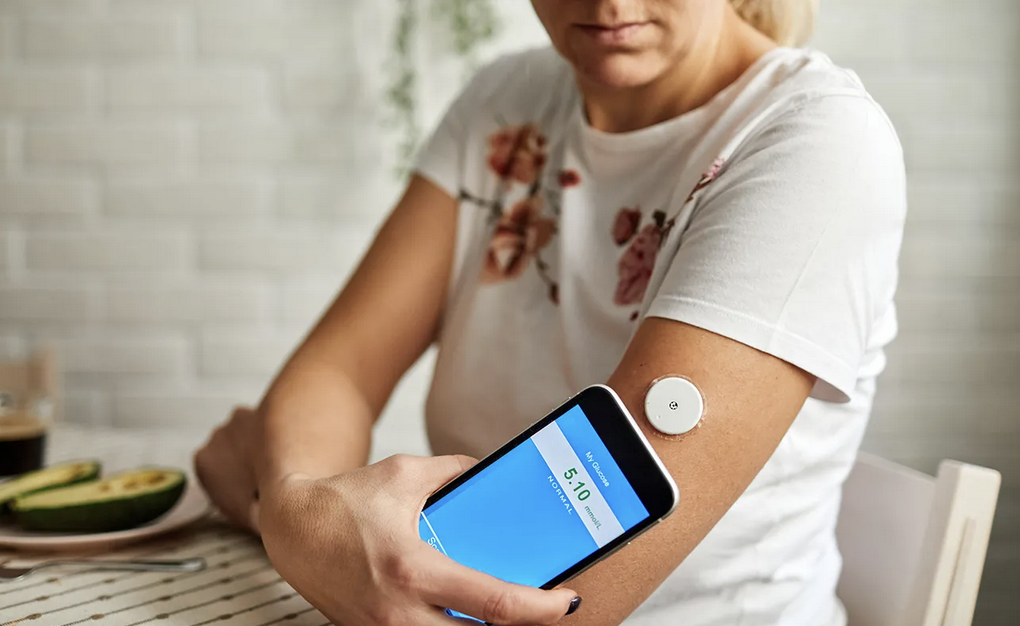
CGMs in 2026 are sleek, invisible workhorses. They’re smaller, truly calibration-free, and last up to 14-21 days per sensor.
Expect:
- Over-the-counter (OTC) CGMs: Designed for those with T2D or prediabetes—no prescription or insurance hurdles
- Direct-to-smartphone sensor sync: Your numbers, graphs, and gentle nudges on your device, anytime
- Hospital protocols: Institutions now continue CGM/AID use, supplementing with point-of-care checks instead of disconnecting tech
Visual cue: Imagine a patch smaller than a quarter, vanishing under your shirt, quietly streaming your glucose data to your phone and your care team.
Shareable quote: “It’s like having a metabolic radar—every reading recorded, wherever you are.”
Smart Insulin Pens, Pumps, and the Rise of the Bionic Pancreas
Smart pens and pumps now log every dose and send reminders to your phone so you’ll never forget.
What’s brand new:
- Hybrid closed-loop delivery: Devices that adjust insulin on the fly in sync with CGM input
- iLet bionic pancreas: Phase 3 trials for cystic fibrosis-related diabetes (CFRD) show it automates insulin fine-tuning with minimal user tweaks
A “hands-off” diabetes day isn’t sci-fi anymore—think waking up with stable glucose, meals managed on autopilot, and your device troubleshooting overnight.
Memorable takeaway: “The less you touch your diabetes tech, the more it quietly takes care of you.”
Innovators are putting frictionless, automated care within reach for more people than ever. The next leap isn’t about new devices—it’s about smarter, seamless integration that makes daily diabetes management fade into the background.
Beta Cell Replacement and Cure-Focused Therapies
Breakthroughs in Stem Cell–Derived and Gene-Edited Approaches
Imagine replacing lost beta cells, not just managing diabetes—as of 2026, that dream is inching closer to reality.
Stem cell therapies create new insulin-producing cells, while gene-editing tech like CRISPR/Cas9 tweaks these cells to evade attacks by the immune system.
Here’s how today’s standouts are shaping the landscape:
- Vertex’s Zimislecel (VX-880): This therapy infuses lab-grown islet cells directly into the liver. In 2025, 50 patients enrolled in Phase 3 trials reported restored glucose responsiveness and reduced dependence on insulin. Regulatory talks are expected in 2026.
- CRISPR-based therapies (VCTX-211, VCTX210): These use gene-editing to craft immune-evasive islets within protective capsules, aiming to sustain cell survival after transplant. First-in-human studies are running at the University of Alberta.
- Lantidra: The FDA-approved therapy infuses donor islets for severe hypoglycemia, though real-world use is limited by donor availability, high cost, and eligibility criteria.
Visual takeaway: Picture a future where a single infusion means less on-the-clock glucose management—no constant fingersticks, minimal injections.
Device Innovation and Long-Term Durability
What’s changing the game even further? Delivery systems that keep new beta cells safer and working longer, even outside the lab.
Current innovations include:
- Sernova Cell Pouch: Tiny biocompatible chambers implanted under the skin, showing some patients insulin-free for up to five years.
- ViaCyte’s iPSC platforms: Engineering stem cell clusters to release insulin while hiding from immune attack.
- Recent “immune reset” animal studies at Stanford have cured Type 1 in lab mice using a mix of low-dose radiation, antibodies, and transplanted islets—scientists now race to bring this method to human trials.
These platforms promise longer-lasting diabetes control, fewer clinic visits, and potentially years of insulin independence.
Challenges and the Next 2–5 Years
Even with dazzling headlines, challenges remain.
Key hurdles for wider adoption include:
- Safety and immune rejection: Long-term risks and immune response are ongoing concerns.
- Manufacturing and cost: Scaling production and controlling expenses, especially when some therapies exceed $250,000 per patient.
- Access: Most advanced trials are in the US, EU, and Canada, leaving huge care gaps worldwide.
By 2028, expect:
- Expanding trial access for T1D and rare forms of diabetes.
- Possible FDA/EMA approvals of at least one stem cell-derived therapy.
- More insurance pilots testing these options for high-need populations.
The real headline? Beta cell replacement therapy is rewriting the diabetes “cure” conversation—offering real hope, but not yet for all. Expect faster, safer solutions in the next five years, but most users will still combine innovation with daily management for now.
AI, Digital Tools, and Data-Driven Diabetes Management
Artificial Intelligence Revolutionizes Diabetes Care
Imagine your phone becoming your personal diabetes coach, crunching your glucose, lifestyle, and activity data—all in real time.
New AI-powered systems now:
- Calculate and suggest insulin doses based on real-time continuous glucose monitor (CGM) streams
- Assess and predict your risk for hypo- and hyperglycemia cycles
- Combine nutrition, sleep, and exercise info to tailor alerts and recommendations
AI even adapts as your routine shifts, offering guidance you’d expect from a human care team, but it’s available 24/7.
One standout? The TREAT2D trial uses an AI system (PCM-DSS) to optimize medication schedules for people with type 2 diabetes who take multiple drugs. Early results: significant reductions in both glucose variability and user frustration.
“The smartest diabetes coach never sleeps—it learns as you live.”
Digital Health Platforms and Everyday Telemedicine
Digital health isn’t just for high-tech hospitals anymore—it’s on every phone and desktop.
The latest platforms help you:
- Schedule and attend virtual visits
- Share data with clinicians in real time
- Get instant feedback from remote coaching tools
Privacy and data compatibility are now baked in, thanks to better app integration and tough new standards for data security.
More importantly, digital platforms widen access:
- Rural and underserved users can now connect with specialists hundreds of miles away
- Patients get on-demand support to avoid costly ER visits
“Digital coaching turns remote villages into high-tech diabetes centers.”
Diagnostics, Early Prevention, and Smarter Therapy
AI-driven diagnostics are slashing misdiagnosis rates by distinguishing type 1 from type 2 diabetes—a major step in getting patients the right care from day one.
CGMs (yes, available over the counter for some groups) are joining the fight against prediabetes and for early intervention. The new wave:
- Preventive monitoring for high-risk patients
- Real-world trials of GLP-1 and emerging meds for T1D: less hypoglycemia, better heart protection, and improved quality of life
“Picture this: Detecting diabetes risk in its earliest whisper—before symptoms even start.”
Today’s diabetes tech lets your devices do the hard work, while you focus on life—not just numbers. Keep an eye on these advances—because in 2026, data-driven tools aren’t just convenient; they’re becoming essential.
Real-World Access, Affordability, and Global Impact
Barriers to Adoption and Health Equity
Despite breakthrough technology, access to advanced diabetes care remains staggeringly uneven.
If you’re considering an automated insulin delivery (AID) system, you could pay anywhere from $4,000–$7,000 upfront in the US, while continuous glucose monitors (CGMs) average $150–$350 per month out-of-pocket.
Compare these to stem cell-derived “cure” therapies like Vertex’s VX-880 or Sernova’s Cell Pouch, which carry trial costs in the tens of thousands—and that’s if you’re eligible.
Here’s what’s shaping adoption worldwide:
- Insurance coverage varies: In the US, Medicare and private insurance now increasingly reimburse AID and CGM, but coverage lags for new cell therapies.
- Innovative funding: Programs like the US Special Diabetes Program and foundation grants subsidize device access for low-income users.
- Disparities persist: In countries like India—now home to over 90 million people with diabetes—out-of-pocket costs limit access, and rural, marginalized, or low-income communities often wait years for new tech.
“Access to the latest diabetes tech isn’t just about geography—it’s about affordability, equity, and system priorities.”
Country-by-Country Innovations and National Guidelines
The speed at which new diabetes tools hit the market differs dramatically.
Let’s break down regional approaches in 2026:
- United States: ADA and CMS moved quickly to endorse AID and OTC CGM, but fragmented insurance slows uniform adoption.
- European Union: EMA fast-tracks innovative pumps and CGMs—with Denmark and the Netherlands piloting fully reimbursed tech-for-all clinics.
- India: New government guidelines aim to subsidize CGM for high-risk urban populations, but device imports and patchwork regulation create bottlenecks.
Spotlight moments:
- A Mumbai hospital launches an open-source Loop pilot, letting users control insulin with off-the-shelf apps.
- A Berlin diabetes center sets a record: 98% of T1D patients using hybrid closed-loop AID.
“Picture thousands of urban patients scanning in sensor data during remote village consults—real-time, decentralized care is no longer science fiction.”
The Advocacy and Funding Landscape
Conferences like ATTD, EASD, and ADA’s Tech meeting drive global collaboration, with 2026 sessions promising updates on AI, bionic pancreas, and universal guidelines.
Patient advocacy groups push for device transparency, lower prices, and open-source solutions—see #WeAreNotWaiting and the global Loop community.
Key funding developments that shape what’s possible:
- Government investments in AI and closed-loop tech (ex: $150M/year via the Special Diabetes Program)
- Community data powering regulatory submissions for open-source therapies
- Cross-border pilot trials (US-EU-India consortia)
“When technology meets advocacy, it’s possible to shift entire systems—one reimbursement policy, one open-source toolkit at a time.”
Whether you’re a patient, clinician, or innovator, knowing where access gaps and progress points exist helps you make smarter decisions—and even shape the future of diabetes care.
The Road Ahead: Future Trends and What to Watch
Breakthroughs on the Horizon
Diabetes research is moving fast—picture insulin that automatically “turns on” or “off” based on your blood sugar.
By 2026, new smart insulins and reusable, pain-free glucose sensors will be hitting clinical trials.
- Microbiome-based therapies: Picture tweaking your gut bacteria to steady blood glucose.
- Gene editing and silencing: Think about a simple infusion that “resets” your body’s sugar control.
- Bio-integrated sensors: Ultra-thin wearables that track not just glucose, but sleep, heart rate, and even mood swings—all with smartphone syncing.
You might wonder, will these innovations replace today’s pumps or pens? Some experts predict most T1D patients will rely on fully automatic, “hands-off” management by 2030, making hypoglycemia less of a daily worry.
“Living well is now the primary success metric—even as the dream of a cure gets closer each year.”
Staying Up to Speed and Getting Involved
If you want actionable updates, don’t just wait for big splashy headlines.
Here’s how tech-savvy professionals are staying ahead:
- Must-read sources: Diabetes Care, Lancet Diabetes & Endocrinology, and the ATTD Conference (watch for 2026 news out of Barcelona).
- Smart alerts: Set Google Scholar and PubMed topics for “artificial pancreas” or “beta cell therapy.”
- Local meetups and online forums: Platforms like diaTribe and open-source AID groups share user hacks and device tips weekly.
Looking for concrete ways to get involved?
- Volunteer for clinical trials—use the ADA and ClinicalTrials.gov to find options in your region.
- Pitch in with advocacy orgs driving policy changes or sponsoring access programs (think Breakthrough T1D CRC and the Special Diabetes Program).
- Share your experiences: Real-world data from patients is now shaping device design and regulatory decisions.
“Imagine joining a trial, testing a next-gen sensor, and then seeing your feedback integrated into national guidelines—this is what shaping the future looks like.”
Memorable Takeaways and Next Moves
The biggest breakthroughs may still be in the works, but you don’t need to just watch from the sidelines.
Stay sharp by following trusted sources, jump into early-access programs, or help test the latest tools—your experience could help redefine diabetes care for the next decade.
“2026 won’t just be about new tech; it’s about using what we know today to live better while keeping an eye on the cure just over the horizon.”
Conclusion
The real promise of diabetes innovation in 2026 isn’t just about what’s new—it’s about empowering you to navigate an evolving landscape with confidence and creativity. With data-driven care, smarter devices, and patient-first breakthroughs converging, this is your prime moment to turn insight into meaningful impact, both for your business and for those living with diabetes.
Here’s what you can put into practice right now:
- Spot the signal, not just the noise: Focus your research on AI-powered AID systems, over-the-counter CGMs, and beta cell therapy pilots—these shape both present opportunity and future standards.
- Champion accessibility and equity: Whether you’re building, marketing, or funding diabetes solutions, prioritize tech that’s affordable and adaptable to a global, diverse patient base.
- Join the movement: Leverage open-source communities, patient data networks, and advocacy channels to drive real-time feedback and spark regulatory change—your expertise matters.
- Stay agile: Set up custom news alerts, attend digital conferences like ATTD, and dive into online forums—community learning will keep you a step ahead as tech evolves.
- Play an active role: Test-drive new devices, pilot digital tools, or volunteer for trials—hands-on engagement accelerates adoption and sharpens your strategic edge.
If you’re ready for your next move, start by following top diabetes journals, filtering trials near you on ClinicalTrials.gov, or partnering with advocacy leaders who are reshaping care delivery. The landscape favors those who contribute, whether that’s sharing user insights, supporting policy updates, or deploying smart solutions that deliver true impact.
This is the year to build, advocate, and innovate. Action you take today not only improves outcomes—it could redefine what’s possible for millions tomorrow.
“You don’t have to wait for the future of diabetes care—you’re part of creating it. Where will your next step lead?”