Key Takeaways
If you’re ready to tackle cellulite with real-world solutions and a tech-pro’s mindset, these essentials boil down the article’s best expertise. Here’s your cheat sheet to smart, science-backed home remedies that fit a demanding, results-oriented lifestyle—no hype, just actionable wins.
- Cellulite is normal, not a flaw—over 90% of women (and many men) have it, and genetics, hormones, and tissue structure matter more than lifestyle or cleanses.
- Consistent routines beat “miracle fixes”—visible improvements require 4 weeks to 6 months of steady habits like massage, targeted nutrition, and movement.
- Nutritional strategies matter—focus on fiber-rich veggies, collagen sources (like broths or peptides), and hydration to minimize dimpling and boost skin resilience.
- Caffeine scrubs and retinol creams deliver quick surface results—apply coffee grounds or 0.3% retinol for smoother-looking skin ahead of big moments or video calls.
- Dry brushing, massage tools, and gua sha offer a fast track for boosting circulation and texture—use for 5–10 minutes daily for best results.
- Strength training and regular cardio outperform lotions—squats, lunges, and brisk activity visibly smooth skin texture within 4–6 weeks when done 2–3 times weekly.
- Smart lifestyle tweaks amplify every remedy—prioritize hydration (2–3 liters/day), solid sleep, and hormone/habit checks to help your body minimize cellulite long-term.
- Track your real progress for lasting motivation—snap biweekly photos and focus on skin feel, not perfection, celebrating each small, visible win over time.
Small, focused steps add up fast. Dive into the full article to unlock the “how” and “why” behind each strategy—and start building your own confidence-boosting cellulite routine today!
Introduction
Ever notice that even the most disciplined, tech-driven routines can’t keep cellulite off the radar? If you’ve caught a dimple or two in the mirror (often after a long day at your desk), you’re not alone—up to 90% of women and plenty of men see it too.
What’s wild is that it’s not about how hard you work out, how clean you eat, or how savvy you are with health tech. Even Olympians and tireless marketers can face those stubborn “orange peel” textures.
So why does cellulite feel so persistent—almost immune to good habits or high-tech fixes? The real culprit is how your body’s connective tissue, skin, and fat cells interact. That means clever routines at home (yes, really) can make a difference, even if genetics call most of the shots.
But here’s where things get interesting (and hope returns): The right mix of home remedies can visibly reduce cellulite’s appearance, boost your skin’s tone, and give you that “glow-up” feeling before your next big presentation or offsite.
Whether you’re skeptical or just tired of miracle claims, this guide hands you practical, research-backed strategies—think of it as merging tech-minded experimentation with realistic, day-to-day wellness swaps.
You’ll get insights on:
- The science behind why cellulite appears (and why it sticks around even with good habits)
- Nutritional tweaks that actually impact skin texture
- At-home massage tools, topical routines, and hydration hacks for smoother skin between video calls
- Customizable workouts and lifestyle shifts perfect for busy professionals
No hype, no false promises—just actionable, sustainable techniques that fit actual lives (and keep pace with your drive for visible results).
Next up: let’s break down the myths, facts, and real science behind cellulite—and see how thoughtful home routines fit into the big picture.
Understanding Cellulite: Myths, Facts, and How Home Remedies Fit In
Cellulite isn’t just a buzzword—it’s a real, natural feature that appears in up to 90% of women and a significant number of men too.
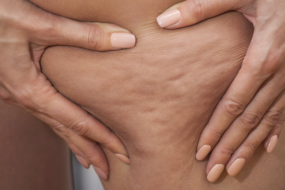
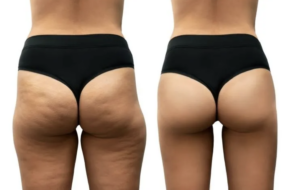
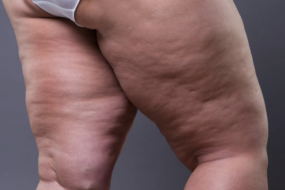
It shows up as dimpled or uneven skin, usually on the thighs, hips, and buttocks—not because of “toxins” or poor hygiene, but due to unique ways fat, connective tissue, and skin interact.
Common Myths vs. Reality
Let’s cut to the chase:
- Myth: Cellulite equals “bad health” or dirty living.
- Fact: Even elite athletes have cellulite (your favorite Olympian is not exempt!).
- Myth: You can “flush it out” with detox teas or quick cleanses.
- Fact: Cellulite isn’t about toxins—it’s a structural, not chemical, issue.
- Myth: Only people with extra weight or sedentary lifestyles get cellulite.
- Fact: Genetics, hormones (think estrogen), and simple biology play huge roles.
Picture this: A tech-savvy marketer with a disciplined routine may still spot cellulite—because even perfect habits can’t override genes.
Why Is Cellulite So Stubborn?
A few key drivers combine to make cellulite tough to tackle:
- Genetic predisposition: Blame your parents (just a little).
- Hormonal influences: Estrogen and thyroid levels impact skin and fat storage.
- Lifestyle elements: Desk jobs, diet, and stress all add up.
These factors pull the strings, sometimes regardless of how many squats you do.
The Real Impact of Home Remedies
Let’s set realistic expectations—no home remedy erases cellulite entirely.
But, certain approaches can reduce its appearance, especially when you focus on:
- Boosting circulation
- Supporting collagen production
- Minimizing inflammation and fluid retention
For example: Daily dry brushing, caffeine-packed scrubs, and high-fiber foods—while not overnight miracles—can noticeably smooth and tighten skin with consistent use (think weeks, not days).
Where Natural Solutions Shine—and Their Limits
Use home remedies as part of a bigger playbook:
- They work best as “appearance-helpers,” not permanent fixes.
- Combine methods—like massage and nutrition—for visible springboard effects.
Set your sights on visible improvement (not media-perfect flawlessness). That “real skin, real results” mindset helps you measure progress by confidence, not just by perfection.
Here’s the bottom line: Cellulite is part of being human. The best you can do from home? Build routines that support skin health, boost your confidence, and fit your lifestyle for the long haul.
Nutritional Strategies for Reducing Cellulite Appearance
Picture this: You open your fridge looking for a snack, but you’re also hoping to keep your skin smooth and your energy up. The truth? What you eat can play a big role in how visible cellulite looks—and it’s not all about cutting calories.
High-Fiber, Hydrating, and Collagen-Boosting Foods
A diet stacked with fiber-rich veggies, juicy fruits, and seeds keeps your hormones balanced, battles inflammation, and helps your skin stay supple.
Reach for these MVPs when planning meals:
- Leafy greens, berries, cucumbers, and melons for hydration and antioxidant power
- Flaxseed, chia, and hemp seeds to balance estrogen and promote smoother skin
- Potassium-rich picks—think bananas, avocados, coconut water—to reduce fluid retention
And don’t sleep on collagen:
- Bone broth, collagen peptides, and wild-caught fish—A 2015 study showed 2.5g of collagen peptides per day reduced thigh cellulite in women after 6 months
- Plant-forward eaters: focus on vitamin C-rich foods (like bell peppers or citrus) to support your body’s own collagen-building
Pop quiz: Which meal does more for your skin—a classic salad with leafy greens, almonds, and grapefruit, or a processed snack bar? (Spoiler: the salad.)
What to Avoid: Ingredients That Worsen Cellulite
Some foods make cellulite more noticeable, and they’re probably on your radar already. The big offenders:
- Added sugars and ultra-processed foods—promote inflammation and fat storage
- High-salt snacks or takeout—cause your body to hold onto water and swell tissues
Easy swaps:
- Opt for plain nuts or fruit instead of candy
- Choose whole-food dinners over microwavable meals
- Limit processed charcuterie or cured meats for lower sodium intake
Supplements: Promise vs. Proof
You’ll spot collagen, centella asiatica (gotu kola), green coffee extract, and aronia juice in supplement aisles, with promises of smoother skin.
Here’s what the numbers say:
- Collagen supplements showed mild improvements in cellulite appearance over 6 months (but only when used consistently)
- No supplement is FDA-approved for cellulite—and the benefits are subtle at best
Before you buy, ask yourself:
- Is this supplement backed by real studies, not just influencer hype?
- Could you get the same nutrients from whole foods?
“Supplements might help, but they’re not the main act—think of them as a side dish, not the entrée.”
The bottom line: A habit-driven, fiber- and collagen-packed diet will do more for skin health than any quick-fix cleanse. The payoff? Brighter skin, steadier hormones, and a real shot at minimizing cellulite’s appearance—deliciously and sustainably.
Topical Remedies and At-Home Massage Techniques
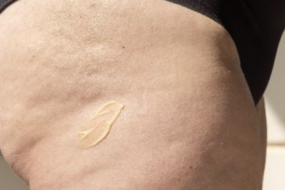
Let’s get honest: topical treatments for cellulite are all about the short-term wins—think smoother skin for a few hours or days, not permanent change.
Why? These methods focus on tightening the surface and boosting blood flow, giving you that “fresh from the spa” look for your next big event or video call.
Daily routines that combine circulation, gentle exfoliation, and proven regimens give you the biggest visible bang for your buck, even if results won’t last forever.
Caffeine and Coffee-Based Applications
Besides waking you up, caffeine dilates blood vessels and temporarily tightens skin—no wonder it’s in nearly every cellulite cream you see.
You can DIY:
- Mix 1 cup used coffee grounds with ½ cup coconut oil, a tablespoon of sugar, and a dash of cinnamon or vanilla oil.
- Rub the scrub onto thighs or glutes in circular motions for about 3-5 minutes.
- Rinse and repeat every other day for best (yet brief) results.
“Picture this: A simple coffee scrub gives your skin a ‘filter effect’—just in time for summer shorts season.”
Essential Oils, Retinol Creams, and Skin Hydration
Not all oils are created equal. Grapefruit and juniper essential oils in coconut oil are favorites for anecdotal “smoothing,” though evidence is early-stage.
Retinol creams (especially 0.3% formulas) can thicken skin and minimize dimpling if used consistently for 6 months—think of it as a commitment, not a quick fix.
Layering these with thick hydrating lotions helps lock in moisture and plumps up surface lines—making skin light bounce that much prettier on camera.
- Pro tip: Always patch test essential oils, and only use retinol at night to avoid irritation.
At-Home Tools: Dry Brushing, Massage, and Fascia Blasting
Dry brushing (using gentle strokes toward the heart before showering) and at-home gadgets like gua sha stones or fascia blasters help:
- Boost lymph drainage
- Increase circulation
- Loosen sticky connective tissue for a few hours of improved skin texture
Who should go easy? If you bruise easily, have sensitive skin, or are pregnant—take it slow or ask your doc.
- Carve out 5-10 minutes a day for these tools, ideally after a workout or before bed.
- The more it feels like a mindful ritual (not a one-time “hack”), the more you’ll stick with it—and see results “stick” longer too.
At-home cellulite remedies can make your skin look tighter and glowier—at least for the day. Try a coffee scrub, hydrating oils, and a few mindful minutes with a dry brush to see what a little routine can do. “Consistency, not perfection, is your real glow-up secret.”
Exercise and Lifestyle Adjustments That Make a Difference
Movement trumps every lotion and potion when it comes to making cellulite less noticeable—especially if you’re stuck at a desk most of the day.
Even a few short, focused workouts each week can visibly shift your skin’s texture in just 4-6 weeks.
Picture this: Instead of dreading shorts season, you’re powering through the afternoon, knowing your routines are doing work behind the scenes.
Strength Training and Muscle Building
Building lean muscle—particularly in your legs and glutes—is the secret weapon for smoother-looking skin.
Don’t worry, you don’t need a gym membership.
Try this home circuit, two to three times per week:
- Squats: Feet shoulder-width, lower as if sitting, squeeze glutes at the top—2 sets of 15 reps
- Lunges: Alternate legs, stepping forward and lowering until both knees are at 90°, push back up—2 sets of 12 reps per leg
- Glute bridges: Lie on your back, feet flat, push hips up, pause—3 sets of 12 reps
- Add resistance bands or light dumbbells to progress weekly
Quote-worthy: “Consistent muscle work breaks up the hills-and-valleys—literally transforming the look of cellulite over time.”
Cardiovascular Activity, Saunas, and Hydration
Want an even bigger payoff? Pair those moves with heart-pumping cardio to torch fat and boost circulation:
- Cycling or HIIT: 30 minutes, 3 times/week
- Swimming or brisk walking: Low-impact, high-results options
- Saunas and hot baths: Use weekly for temporary water loss and faster recovery
Hydration isn’t just a fitness buzzword.
Aim for 2-3 liters of water a day—enough to keep skin plump and flush out excess salt that can exaggerate dimples.
“The more you move and sweat, the more your skin remembers how to bounce back.”
Lifestyle Tweaks: Intermittent Fasting, Hormone Balancing, Sleep
Quick wins come from the glue holding it all together: smart habit tweaks.
- Intermittent fasting (like 16:8 windows) reduces inflammation for many busy pros—just double-check with your doctor first
- Hormone checkups: Especially if you battle PCOS or have thyroid issues; small changes here can have huge bodywide impact
- Make 7-8 hours of sleep and stress management (think: quick walks, micro-meditations) your secret weapons for boosting fat metabolism and skin repair
“A well-rested, hormonally balanced body responds faster to every other cellulite-reducing strategy you try.”
Your best bet? Mix movement, hydration, and daily rituals you’ll actually stick with—because real change shows up one consistent week at a time.
Setting Realistic Expectations: Consistency, Genetics, and Success Stories
When it comes to cellulite reduction at home, here’s the simple truth: there’s no universal timeline or magic solution—your results are as distinct as your fingerprint.
Research up to 2025 shows that visible changes from home remedies may take anywhere from 4 weeks to 6 months, and often, effects are temporary or require ongoing maintenance.
Visible improvements often depend on:
- Genetics (how your body stores fat and builds collagen)
- Hormonal balance (especially estrogen and thyroid)
- How consistently you use your chosen approaches
Don’t expect overnight miracles—think of this as a long game.
Measuring Progress That Matters (Not Just Hype)
Skip the unreliable “scale” method.
Meaningful tracking can look like:
- Taking progress photos from the same angle and lighting every 2-4 weeks
- Noting changes in skin tone, texture, and firmness—run your fingers over your thighs and notice how it feels over time
- Checking in with your confidence levels, because smoothness is about how you experience your skin, not just how it appears in the mirror
You’ll love this practical hack: set a calendar reminder for a quick skin check-in, rather than obsessing daily.
Combine, Tweak, and Repeat—What Actually Works
Want real results? Blend several tactics, since studies highlight combination routines offer more visible improvement.
Try a weekly plan like:
- Daily hydration + high-fiber foods
- Caffeine scrubs 2-3 times per week
- Strength training 2-3 times per week
- Dry brushing or gua sha before showering
Mix and match, then adjust monthly—think of this like optimizing your work processes, just for your skin.
When to Bring in the Pros
Red flags you shouldn’t ignore:
- Sudden, severe texture changes or skin color shifts
- New, painful lumps
- No results after 6+ months of strict home care
If these pop up, check with a dermatologist to rule out underlying issues and get pro guidance.
You have more control than you realize: “Consistency and smart tracking can outpace wishful thinking every time.” Build a routine you can actually sustain, blend proven methods, and celebrate every small win—that’s the recipe for genuine, visible change.
Conclusion
Taking action on cellulite is a journey—one that’s less about chasing “flawless” skin and more about building real routines that boost your skin health, energy, and confidence day by day.
What sets the best home strategies apart isn’t flash or perfection—it’s steady, practical changes you can actually weave into your busy life (no spa appointment required).
Key Takeaways:
- Consistency beats intensity: Simple rituals like dry brushing, daily hydration, and quick muscle circuits deliver more visible results than any quick-fix hype.
- Blend nutrition, targeted massage, and movement—that’s your ultimate toolkit for smoother-looking skin.
- Watch your progress with honest, regular check-ins: Use progress photos, track how your skin feels, and celebrate the wins you notice.
- Set expectations: Aim for noticeable improvements, not complete erasure—your uniqueness is part of your story.
Want to get started today?
- Pick one routine (a coffee scrub, fiber-packed breakfast, or evening walk) and block it in your calendar now.
- Snap a baseline photo—this will become your measuring stick, not the scale.
- Share your progress with a friend or your team for some extra motivation (accountability really helps).
- Remember: If questions or new issues come up, don’t hesitate to bring in a dermatologist.
Your skin’s story is yours to shape, and every small step stacks up.
“Confidence happens at the intersection of action and acceptance—start now, and let your results speak for you.”