Key Takeaways
Celebrity weight loss stories are everywhere, blending fact and fiction with the help of viral marketing, AI-generated content, and the allure of overnight results. As a tech-savvy professional, knowing how to spot hype and apply practical, science-backed principles gives you the edge—whether you’re deciphering the latest headline or improving your own workflow. Here are the must-know insights you can apply immediately:
- Viral celebrity weight loss stories use the same playbook as tech hype—leveraging “miracle” transformations, instant results, and fake endorsements to grab attention and drive clicks.
- Red flags for scam weight loss claims include promises like “works for everyone,” “no effort needed,” or “lose 30 pounds in 30 days,” especially when tied to free trials or suspicious URLs.
- AI-powered deepfakes and fake news layouts have supercharged misinformation, making it harder to distinguish real endorsements from synthetic celebrity pitches—always verify through official channels.
- Real celebrity weight loss relies on gradual lifestyle changes, not shortcuts—think consistent meal planning, professional trainers, and months (not days) of steady progress.
- Build your own “BS detector”: Use fact-checking tools, reverse image searches, and browser plugins to quickly spot recycled photos, fake interviews, and AI-manipulated ads.
- Sustainable weight loss follows science, not spectacle— focus on whole foods, portion control, regular exercise, and professional support where needed, matching proven habits over headline-grabbing hacks.
- Pressure-test every claim: If a plan skips real effort, fast-tracks results, or isn’t referenced by credible sources, it’s almost certainly fiction—not fact.
- Stay media literate in the era of AI: Digital skepticism is your best defense; trust habits and verified sources over any viral promise, whether in weight loss or tech marketing.
Want the inside story behind the hype? Dive into the full article to learn how to separate fact from fiction—and build a plan that delivers results you (and your brand) can trust.
Introduction
Imagine scrolling your feed and spotting a familiar face—Kim, Oprah, Mark Cuban—smiling next to a miracle gummy that promises instant results. The before-and-after photos look too good to be true, but the shares, likes, and slick branding make it feel almost… believable.
You’re not imagining things: over 70% of Americans admit they’ve clicked on a celebrity weight loss story, and digital marketers have turned these tales into a multi-billion dollar ad machine. But here’s the kicker—most of what you see? It’s not just suspicious… it’s engineered for maximum persuasion with tech tools that even savvy pros can miss.
So why does this flavor of hype travel so well? For marketers and digital-first pros, it mirrors our world: the promise of viral growth, AI-generated credibility, and instant transformation.
Your expertise gives you an edge—you know to double-check endorsements, spot deepfakes, and sniff out recycled “success” stories in tech. But today’s wave of celebrity weight loss ads isn’t just about wellness; it’s a masterclass in modern hype cycles, automation, and the anatomy of persuasion.
Here’s what you’ll take away:
- How and why these stories grab attention so effectively—including the psychology, the tech, and (yes) the AI behind the curtain.
- The blueprint behind viral transformation claims—from signature “miracle” scams to the newest AI-powered endorsements.
- Real talk on what actually works for sustainable results (for celebrities and the rest of us).
- Actionable tools for debunking fakes fast, and why these media literacy skills matter more than ever.
- Parallels to tech and marketing culture—because in the end, the tools of hype are the same whether you’re selling a new SaaS or a “one weird trick” product.
Wondering why even your most technical friends sometimes get duped—or how you can guard your brand (and your wallet) from viral fiction? You’re in the right place.
Let’s peel back the curtain on why these stories explode, how they work, and what every tech-forward reader can learn about protecting themselves and their audience.
Why Celebrity Weight Loss Stories Capture Attention
Curious why every few weeks, it seems like a new star’s “miracle weight loss” is the top story in your feed? You’re not alone. Celebrity transformation stories are engineered to be irresistible, pulling in millions of clicks—and advertisers know it.
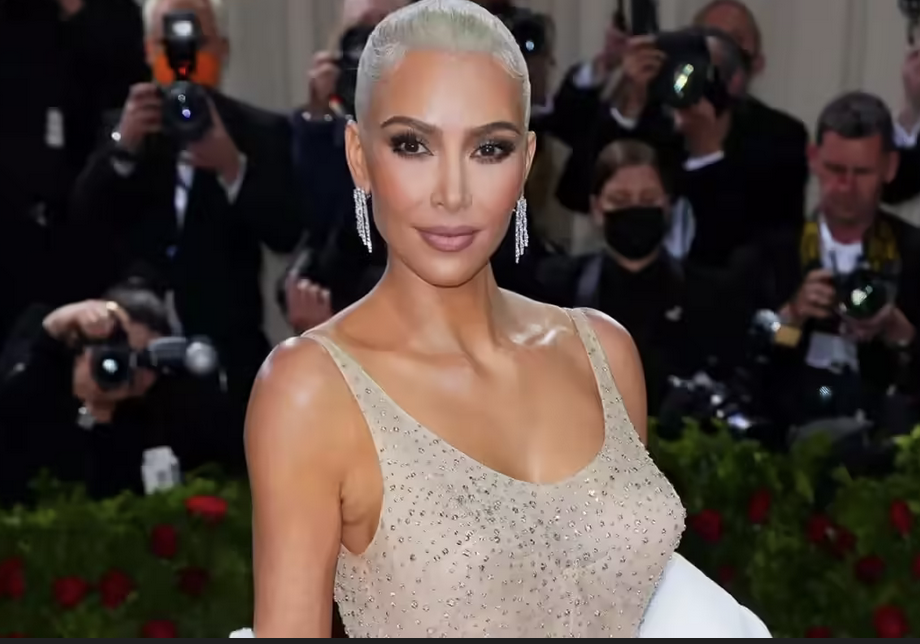
Picture this: Kim Kardashian’s rapid drop before a big event gets dissected on social media, spawns memes, and shows up in Instagram ads for everything from gummies to waist trainers. The spectacle of change is magnetic; we’re drawn to before-and-after reveals because they promise hope, drama, and shortcuts. These stories are the “life hack” content of weight loss, making transformation seem just a click—or a pill—away.
The Psychology of Rapid Results
It's no accident these stories go viral. Our brains crave:
- Visible transformation: We love a good “wow” moment.
- Instant gratification: “Drop 20 pounds this month!” Sign me up, right?
- Authority by association: If a major celebrity “did it,” the products feel legit—especially with slick packaging and professional branding.
This phenomenon mirrors what’s hot in tech: “overnight billionaires” in startups, viral growth hacks, and those tempting “AI tools that do it all for you.” Celebrity weight loss stories fit right into the modern obsession with speed and simplicity.
The Amplification Effect: Social, AI, and Ads
The old days of tabloid covers are long gone. Now, stories explode through:
- Social sharing: Instagram Reels, TikTok “storytimes,” YouTube breakdowns.
- AI-generated content: Deepfake videos of celebrities supposedly hawking products, AI voice-overs, and chatbot-powered fake interviews.
- Online ad targeting: Programmatic ads zero in on people following specific celebs, auto-generating new “news stories” that look convincing.
“If you see the same wild claim everywhere, that’s not proof it works—it’s proof it’s being marketed hard.”
Parallels to Tech & Marketing Culture
For tech pros and marketers, these hype cycles feel familiar:
- Viral case studies: Overnight “unicorns” and breakout apps get endlessly recycled.
- Latest AI miracle tools: Promised to “revolutionize your workflow” with no manual effort.
- Fake endorsements: Using stock footage or AI to suggest an expert is part of the product.
The takeaway? The mechanics behind viral celebrity transformations are basically the same playbook used in tech and digital marketing hype.
Key insight: Next time you scroll past a too-perfect before-and-after, remember: If a weight loss “miracle” worked for every celebrity, it wouldn’t be a secret. Real change—whether in tech or health—rarely comes overnight, and genuine results require more than a headline.
Common Patterns in Celebrity Weight Loss Claims
Signature Scams and Sensational Stories
Scroll through any feed and you'll see it: a famous face next to a “miracle pill” or a gummy that promises effortless, overnight results. These claims are everywhere for a reason—they tap into our desire for fast, easy fixes.
The most common false claims you'll spot include:
- Miracle gummies, pills, or powders—marketed as celebrity secrets
- Teasers like “one weird trick” or “doctor stunned” solutions
- Bold images with mega-weight loss captions—think “45 lbs in a month!”
Real-world examples surface constantly. Picture this: Oprah’s name splashed across “pink salt tricks” or Tim McGraw’s face next to “keto gummies he ‘couldn’t refuse.’” Social feeds feature Rebel Wilson with a “gelatin hack,” or Shark Tank stars smiling with bottles of made-up gummies—despite official denials.
What’s new? AI-generated voices, deepfake videos, and fake news layouts now amplify these scams, making them hard to distinguish from legit reporting. You might see what looks like a CNN exclusive or a trusted logo, but it’s a knockoff site with zero real connection.
“If it reads like a miracle—but no real news source backs it up—it’s time to be skeptical.”
Red Flags in Fake Endorsements
Spotting the fakes is half the battle. The FTC and fact-checkers say these are dead giveaways of a scam:
- Promises like “works for everyone“
- Statements such as “no diet or exercise required”
- Claims you’ll “lose 30 pounds in 30 days”—often with dramatic before-after photos
- Ads mimicking real TV shows or news reports, but the site URL doesn’t match
- “Free trial” offers that auto-bill you for monthly charges you didn’t agree to
Visual trends? Look for stock images, recycled “before/after” shots, and clunky logos. The fine print almost always hides recurring billing—the infamous “free trial” that quietly locks you in for $80+ per month.
“Don’t trust any ad that looks too slick to be real, yet asks for your credit card info for ‘just shipping.’”
When tech and marketing pros see these patterns, it’s like recognizing phishing emails—different costume, same old trick.
Ultimately, real celebrity weight loss takes time, discipline, and professional support—not sugar-coated shortcuts. If the ad skips all that, you can bet it’s fiction, not fact.
Key takeaway: Want to spot a scam in one glance? Look for instant promises, fake “endorsements,” and hidden costs. “One simple trick” is usually the oldest trick in the book.
What’s Actually True: How Celebrities Really Lose Weight
The Real Science Behind Celebrity Transformations
Forget the “one weird trick” or miracle gummies.
Real celebrity weight loss is almost never instant—it’s built on steady, proven strategies that work for anyone willing to put in the time.
Picture this: Instead of overnight success, imagine the backstage reality of gradual routines, sweat, and daily choices.
Here’s what actually drives genuine results:
- Gradual diet changes: Think fewer takeout meals, more home cooking, reducing processed foods and sugar, and controlling portions.
- Whole foods focus: Fruits, veggies, lean proteins, and complex carbs build the foundation.
- Portion control: Measured meals and mindful eating over “all you can eat” fads.
It’s not headline material, but consistent, science-backed progress adds up over months or even years—not days. As Tim McGraw shared, losing 40 lbs involved swapping burgers for salads, running daily, and lifting weights, not some secret hack.
Quotable: “The only ‘overnight’ transformation is behind the scenes, one day at a time.”
The Power of Professional Support & Advanced Options
A winning celebrity transformation is always a team sport, not a solo act.
Top names invest in:
- Personal trainers and fitness coaches who craft cardio and strength routines
- Registered dietitians for tailored meal plans and grocery strategies
- Mental health support for mindset and habit change
When health needs go beyond nutrition and workouts, medical experts come in:
- FDA-approved weight loss meds—used in real cases where lifestyle isn’t enough
- Bariatric surgery—recommended only for specific medical criteria and long-term success, never as an easy shortcut
See it in action:
- Oprah: Publicly credits years of therapy, professional teams, and personal accountability—while labeling weight-loss gummy ads as total fiction.
- Kevin O’Leary: Dropped serious weight through daily calorie tracking and fitness routines, disavowing any “Shark Tank” pill claims.
Quotable: “Every lasting transformation comes with professional guidance and months of smart choices, not quick fixes.”
Reality Check: Consistency Crushes Myth
The key lesson?
Real results = commitment + guidance + time.
Celebrity weight loss isn’t about finding shortcuts—it’s about combining smart nutrition, daily movement, and expert help when needed. If you see a before-and-after story with results in under a month, that’s your cue to ask, “What’s the real story here?”
How to Separate Fact from Fiction: Spotting Real vs. Fake Celebrity Claims
Practical Tools for Verification
If you see a celebrity’s face on a “miracle weight loss” ad, don’t buy in—yet.
It’s smart to approach every viral transformation story like you would a suspicious email: assume it’s fake until proven real.
Start by running through a quick checklist:
- Check the celebrity’s official social accounts or website. True endorsements are typically featured front and center—if you don’t see it mentioned, it’s likely a scam.
- Search reputable fact-checkers (like Snopes, the FTC, or consumer protection agencies). Just enter the celebrity name + product for instant red flags.
- Inspect the ad or website for giveaways: odd URLs, graphics mimicking news outlets, and—classic move—AI-generated voices or deepfake videos.
“Picture this: you’re skimming through Facebook, spot a ‘Shark Tank keto gummy’ ad, and every judge is beaming with a bottle. In reality? No Shark Tank investor has ever endorsed any weight loss supplement—producers have publicly warned viewers about this exact scam.”
Psychological Tactics & Cognitive Biases
Don’t feel duped—even tech pros get caught.
Supercharged ads prey on natural human wiring, like:
- Confirmation bias: We want to believe “one simple trick” works, especially if we’re frustrated with slow progress.
- Anchoring: Dramatic before-and-after photos anchor expectations, even when those photos are altered or reused across dozens of scams.
- Scarcity & urgency: Phrases like “only 30 bottles left—act now!” trigger FOMO, prompting hasty clicks.
It’s not just you—the mix of persuasive design, deepfake footage, and urgent language is engineered for maximum impact.
Action Plan: What to Do When You Encounter a Suspect Claim
A few simple moves can protect your wallet—and your network.
- Report the ad on its platform (Instagram, Facebook, TikTok) using built-in tools.
- File a complaint with the FTC or your local consumer agency to help shut down persistent offenders.
- Avoid entering payment details for “free trial” weight loss offers; these often lead to risky recurring charges that are notoriously tricky to cancel.
- Share warnings with friends, family, or colleagues who might believe the hype. A quick heads-up—or a link to an official celebrity statement—can make a huge difference.
“Think of scam spotting like running antivirus: it takes just a moment, but protects you and others from costly trouble.”
If you make a habit of questioning big promises, cross-checking sources, and watching for urgent sales tactics, you’ll spot 95% of fake celebrity weight loss stories before they ever reach your credit card. The real secret: trust process over promises, not headlines over habits.
Lessons for Tech-Savvy Readers: Applying Media Literacy in a Deepfake Era
The Role of AI in Modern Misinformation
These days, AI can clone a celebrity’s voice, swap faces in video, and churn out fake news articles that look alarmingly real.
Picture this: Mark Cuban endorsing keto gummies in a video that looks legit—but his “voice” is stitched together by an algorithm, not recorded in a studio.
AI-generated endorsements are everywhere. We’ve seen scams use:
- Deepfake videos with Oprah “recommending” pink salt tricks
- Synthetic voiceovers attached to fake interviews with Rebel Wilson
- Copycat news articles mimicking Time or Forbes branding
Anyone’s image or voice can be hijacked—meaning your reputation could be a target, too, not just celebrities.
As deepfakes become more convincing, “see it to believe it” is outdated advice. Trust needs to move beyond visuals and sounds—it’s about verifiable proof.
“If it looks too slick, ask more questions—AI is making digital manipulation undetectable to the naked eye.”
Building Your Own BS Detector
Ready to future-proof your skepticism? Here’s your toolkit:
- Reverse image search (try Google Images or TinEye) to spot recycled or stock before-and-after photos
- Browser plugins (like NewsGuard or Fakespot) to flag questionable sites and ads automatically
- Scam reporting databases (Snopes, FTC scam alerts) for busting fake claims
Think of these tools as your digital lie detector—they’re as essential as two-factor authentication in today’s media landscape.
Ethical brands are paying attention, too. Authenticity and user trust are key metrics—just as you audit analytics, you should audit for truth.
“If you wouldn’t believe a chatbot’s claim to cure all diseases, don’t trust a perfectly polished ‘celebrity’ ad with no real-world receipts.”
Takeaways for Digital Skepticism
- Verify any celebrity endorsement by checking their verified social media or official site
- Pressure-test every story using your “BS detector” toolkit—especially claims about overnight results
- Stay curious: The era of AI-powered misinformation is here, but being digitally alert keeps you—and your brand—one step ahead
Make “prove it or lose it” your mantra. The most convincing pitch isn’t always the most credible—especially when AI can fake everything but the truth.
Takeaways for Sustainable Weight Loss: Avoiding the Hype
Forget the overnight miracle—sustainable weight loss is built on science, not spectacle. The reality behind most celebrity transformations is refreshingly straightforward and 100% achievable for everyday people (yes, even busy professionals juggling deadlines and meetings).
Want to sidestep the “one weird trick” trap? Remember: No legitimate plan promises 30 pounds in 30 days, magic gummies, or instant abs.
What Works—Proven Principles at a Glance
Real-life success stories (think Tim McGraw, Kevin O’Leary, and Oprah’s fact-checked routines) always come back to the same set of research-backed habits:
- Smart food swaps: Fewer processed snacks and sugar drinks, more whole foods and vegetables.
- Portion awareness: Even beloved favorites (hello, pizza Fridays) in moderation.
- Structured exercise: Combining cardio and strength training—at least 150 minutes of moderate activity per week, says the CDC.
- Time and consistency: Realistic weight loss averages 1-2 pounds per week—not headline-grabbing but absolutely sustainable.
- Professional support: Many celebrities work with dietitians, trainers, and sometimes doctors for FDA-approved medications or surgery where truly needed.
Quick-Reference Checklist: Is Your Plan the Real Thing?
Don’t fall for flashy promises—ask yourself:
- Does it require real effort (diet + movement)?
- Is the timeline months, not days?
- Are you tracking food, workouts, or progress with real data?
- Was it referenced on a verified expert or celebrity channel—not just in an ad?
If a pitch skips these steps, it’s likely hype.
Picture This: Real Change, Step by Step
Imagine swapping out your afternoon soda for sparkling water, joining a colleague for a brisk walk, or batch-cooking Sunday evening so weekday dinners are effortless.
It’s these small, consistent shifts that matter—not the products or viral claims flooding your feed.
Ready to see what truly works? Explore our science-backed strategies for weight loss and dive deeper into diet planning, evidence-based exercise routines, and options for professional support.
The big takeaway: Hype sells headlines—a plan grounded in habits delivers real results. Make the shift from “quick fixes” to steps that stick, and your future self will thank you.
Conclusion
Cutting through the noise of viral headlines and hype, you’re now equipped to spot fiction in celebrity weight loss stories—and focus on what actually works. The real advantage lies in building your own filter for fact versus fantasy, so every decision is fueled by confidence, not clickbait.
The path to sustainable results isn’t lined with shortcuts, and that’s a good thing. You have the tools to harness real change—with science, smart skepticism, and consistency on your side.
Top action takeaways to put into play:
- Question every “miracle” claim by checking official channels before you buy or share—even just a 30-second search shields you and your network
- Spot red flags in all endorsements with a quick glance for AI deepfakes, urgent language, and fake “free trial” traps
- Prioritize real progress: swap one hyped food or habit today for a science-backed healthy option, and track small steps that stick
- Leverage media literacy tools like reverse image search and fact-check plugins to audit viral ads—these digital defenses pay off across all your feeds
- Share what you know: a quick DM or post can keep colleagues, friends, and clients out of the “quick fix” trap
Ready to get started? Audit your own social feeds for suspicious “celebrity secrets.” Call out the claims that look too good to be true, and double down on routines that genuinely move you forward.
The fastest results are rarely the most lasting—choose progress over promises, and you’ll build momentum that no headline can take away. Your real story starts with action, not ads.