
Key Takeaways
Unlock high-performance sleep with actionable, Navy SEAL-inspired techniques that blend military-tested routines and sleep science for real-world results. Whether you’re a founder, marketer, or tech pro, these practical strategies fit seamlessly into busy, high-demand lives.
- Military Sleep Method accelerates sleep onset by guiding you through progressive muscle relaxation, slow breathing, and calming visualization—a toolkit with clinical roots proven to reduce sleep-start time by up to 30–50% for consistent users.
- SEAL Nap delivers an energy boost in just 8–10 minutes—elevate your legs above your heart, set a short timer, and tap into quick-alertness without post-nap grogginess, perfect for afternoon slumps or pre-meeting resets.
- Consistent nightly practice is the true secret sauce—most people see improvements after 4–6 weeks, so stick with your routine for measurable speed and deeper sleep gains.
- Pair these techniques with core sleep hygiene—regular sleep/wake times, morning sunlight, and reduced evening screens dramatically amplify results and keep your circadian rhythms on track.
- Personalize and adapt on the fly—use the military sleep method for insomnia and stress, the SEAL Nap for quick day resets, and adjust steps for travel, shift work, or any changing environment.
- Track your progress using sleep apps or wearables to pinpoint when and how these methods work best for your schedule and body, building a feedback loop for ongoing improvement.
- Safety first: Consult a doctor before using leg elevation naps if you have circulatory or heart conditions; for everyone else, focus on relaxation, breathing, and consistency for low-risk, high-reward impact.
Combine these science-backed sleep hacks with your daily routine to sharpen focus and boost recovery—then dive into the full article for step-by-step guides and insider troubleshooting tips.
Introduction
Ever wish you could fall asleep on command—even after a jam-packed day or too many late-night Slack pings? You’re not alone—and you’re definitely not the first to chase that high-performance sleep.
What if we told you that elite military teams like the Navy SEALs have been using surprisingly simple techniques for years to grab quality rest, anywhere, anytime? Now, these so-called “secret” sleep hacks are exploding everywhere from TikTok to tech boardrooms—and, as usual, the reality is more science than folklore.
The big draw? These battle-tested sleep methods are quick, practical, and science-backed—so you don’t need to be a commando or meditation pro to use them. In just a few minutes, you could:
- Reset your mind and focus after a marathon coding session
- Power down for a recharge before your next back-to-back meetings
- Link short, structured naps with smarter tech and better wellness data
But are these methods really as fast—and effective—as the headlines promise? And what’s actually going on behind the scenes when you try the so-called “SEAL nap” or “military sleep method” at home?
We’ll cut through the hype to show how these techniques work, who’s adopting them (from C-suite execs to automation enthusiasts), and how you can fold them into your own workflow—even if sleep doesn’t come easy.
Ready for an inside look at what makes these routines go viral, the evidence behind their power, and how today’s tech-savvy professionals are turning legendary sleep hacks into everyday performance tools?
Here’s how the Navy SEALs—plus a growing tribe of high-achievers—are rewiring what rest can look like in the age of endless notifications.
Understanding Navy SEAL Sleep Techniques: Origins and Popularity
The Navy SEAL “fall asleep fast” hacks have exploded across social media, YouTube, and mainstream news—usually promising civilians a ticket to high-performance sleep with military precision.
The “military sleep method” and the “SEAL nap” are frequently described as secret tactics of elite operatives, but much of what you see is actually a blend of science-backed techniques and pop-culture myth.
How Did Navy SEAL Sleep Hacks Get Famous?
These methods became viral after books like Relax and Win (1981) and interviews with former SEALs such as Jocko Willink. TikTok, Instagram, and podcasts have supercharged their reach.
Today, you’ll find:
- Instructional TikToks with millions of views breaking down the 2-minute sleep method step-by-step
- Podcasts and YouTube breakdowns from ex-military and sleep experts
- Tech industry leaders and executives touting short, leg-elevated power naps as a focus reset
Quotable insight:
“What began as a military rumor is now a global sleep trend for athletes and business professionals alike.”
Myths vs. Military Reality
Let’s set the record straight:
- The so-called military sleep method likely comes from relaxation routines developed for Navy and Air Force pilots—not frontline SEALs.
- The SEAL nap—legs up, 8 minutes flat—is promoted by SEAL veterans but isn’t an official military doctrine.
- Neither technique promises instant results; consistency and practice are what deliver improvements.
Quotable fact:
“The real edge isn’t in a secret formula—it’s in building repeatable, science-based habits.”
Who Uses These Techniques Now?
You’ll spot these sleep tools with:
- Athletes seeking peak recovery
- Business execs, marketers, and shift workers wrestling with on-call fatigue
- Tech pros and automation enthusiasts leveraging naps for sharper focus
Performance-obsessed audiences gravitate toward these routines for their science-backed simplicity and “anywhere, anytime” flexibility. Picture a founder catching an office nap between meetings, or a coder unwinding post-hackathon with a guided body scan.
Where Do These Methods Fit in Today’s Sleep Hygiene?
Military-inspired sleep hacks aren’t just trending—they’re practical tools that teams, families, and solo professionals can start using tonight.
The real value? They slot neatly into a broader framework of sleep hygiene—pairing well with morning light exposure, reduced evening screen time, and a regular bedtime routine for amplified results.
Smart sleep isn't about a shortcut—it’s about combining what works and sticking with it long enough to see the shift.
The “Military Sleep Method”: Athlete-Grade Relaxation for Rapid Sleep Onset
Struggling to power down your mind after a long, demanding day? The Military Sleep Method offers a step-by-step playbook for falling asleep—quickly—built from battle-tested relaxation science and storytelling.
This isn’t just a military legend; it’s a bundled toolkit that leverages proven sleep techniques that work for stressed professionals, shift workers, and high-performers.
Step-by-Step: How to Use the Military Sleep Method
Here's how SEALs—and now, high-achievers everywhere—hack their way to faster sleep onset:
- Body Positioning
- Lie on your back with arms at your sides—legs uncrossed, fully relaxed.
- No bed? A chair, couch, or office floor works in a pinch.
- Progressive Muscle Relaxation
- Close your eyes.
- Starting at your face, let go: relax forehead, jaw, tongue.
- Drop your shoulders and arms, then relax chest, belly, legs, feet.
- Slow Breathing
- Inhale for 4 seconds, exhale for 6–8 seconds.
- Focus on the gentle rise and fall of your breath.
- Visualization & Mental Quiet
- Picture yourself drifting in a canoe on a still lake, or floating in darkness.
- If thoughts intrude, repeat “don’t think” for 10 seconds while redirecting to your calming image.
“Imagine lying in a darkened room, muscles loose, as your stress melts away with each slow breath—this method can reset your mind in minutes.”
Personalizing and Troubleshooting for Busy Lives
For night owls, travelers, or those with unpredictable schedules, adapt this routine:
- Sitting? Use a high-backed chair or quiet office nook.
- Pressed for time? Run through the steps for even two minutes; it still helps.
- Distracting environments? Use headphones for white noise or gentle music.
Common challenges include racing thoughts or restless limbs. Don’t worry if you “fail”—even a partial relaxation can make sleep easier over time.
“Practice is your secret weapon: most users report faster sleep within 4–6 weeks if they stick with it nightly.”
Science & Limitations of the Method
Each component has strong research behind it:
- Muscle relaxation dials down the “fight-or-flight” stress response—clinically used for insomnia.
- Slow breathing activates the parasympathetic nervous system, lowering heart rate and blood pressure.
- Guided imagery blunts mental overdrive, similar to CBT for insomnia.
Peer-reviewed studies on these ingredients report:
- 30–50% faster sleep onset for regular users
- Lower anxiety by up to 20%
- Consistency is key—true “two-minute” sleep is a best-case, not a guarantee
“No hack works for everyone, every night—but this bundled method stacks the odds in your favor.”
You don’t need to be a SEAL to fall asleep quickly. With even a few minutes of nightly practice, this method can give your mind the calm you crave—on your schedule. Picture yourself using it on a red-eye flight, before a big meeting, or after a marathon shift: ultimate downtime, on demand.
The Navy SEAL Power Nap: The 8–10 Minute Leg-Elevation Reset
How to Do the SEAL Nap—Step By Step
Want the Navy SEAL secret to a true power nap? Here’s how to reset your mind and body in just 8–10 minutes—no fancy gear, no sleep inertia, just next-level efficiency.
- Find a flat space: Lie on the floor, bed, or sofa—wherever you can fully stretch out.
- Elevate your legs: Place your calves on a chair, couch, or bed so your knees bend at about 90–120°. Your feet should rest above your heart.
- Set a timer: Aim for 8–10 minutes, but never more than 12. The secret is staying short—think of this as a high-performance pit stop, not a full service.
- Close your eyes and rest: Even if you don’t completely doze off, treat this as a true mental reset.
Picture this: After a relentless back-to-back meeting block, you slip off your shoes, swing your legs up, timer set, and emerge in 10 minutes feeling like you just installed a brand-new brain processor.
Best Times for the SEAL Nap
When does this method shine? Use it for:
- Early afternoon slumps
- Post-workout recoveries
- Jet lag bounce-backs
- Between demanding tasks or on-call shifts
Busy pros, athletes, and even shift workers are using these ultra-brief naps to squeeze energy from static, thanks to SEAL-tested science.
Power Nap Benefits and Cautions
Why elevate your legs? According to research and military experience:
- You get a quick boost in alertness and better mood—without the sluggish “sleep inertia” of longer naps.
- Circulation improves, tension drops, and you trigger your body’s relax mode faster.
- If you keep it under 12 minutes, data shows you won’t disrupt your nighttime sleep.
Safety check! Skip this hack if you have circulatory or cardiovascular issues (like peripheral vascular disease or diabetic neuropathy). Always consult a healthcare pro if unsure.
Physiology and Evidence—Why the SEAL Nap Works
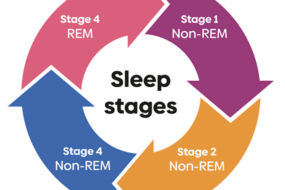
- Short naps (8–10 min) stay in lighter NREM stages, avoiding grogginess and keeping circadian rhythms steady.
- Leg elevation boosts venous return (blood back to the heart) and encourages a rapid shift into parasympathetic (calm, focused) mode.
Research highlights:
- Naps under 20 minutes improve alertness, mood, and performance.
- No meaningful effect on later sleep—you’re not stealing from your night.
- Regular power naps can offer measurable benefits for professionals needing sustainable output.
If you want a routine that’s equal parts high-tech and biologically sound, the leg-elevated SEAL nap is your shortcut: just a chair, a timer, and a willingness to embrace unconventional efficiency. A focused 8 minutes might just beat an hour of desperate clock-watching.
Integrating SEAL Sleep Techniques Into Your Daily Routine
Picture this: you’re exhausted but on deadline, or prepping for a redeye flight, and you need sleep—fast. Navy SEAL-inspired techniques can turn brief windows of downtime into real recovery.
When and How to Use Each Technique
You don’t need to be in the military to leverage these methods. Here’s how tech-focused pros, shift workers, and travelers can plug SEAL sleep hacks into hectic lives:
- Nighttime insomnia or anxiety: Use the Military Sleep Method as a 5–10 minute wind-down before bed.
- Daytime fatigue, jet lag, or shift changes: Take a short SEAL Nap (8–10 minutes, legs elevated) in the early to mid-afternoon.
- Stressful moments: Both methods can work as reset buttons during high-pressure workdays.
“Try the right tool for the right moment: night routines for sleep onset issues, power naps for daytime recharge.”
Combine With Healthy Sleep Hygiene
These Navy SEAL strategies are most effective when layered into strong sleep hygiene:
- Set regular sleep/wake times (even on weekends).
- Get natural morning light to regulate your body clock.
- Reduce screen exposure for 60 minutes before sleep (try blue light filters).
- Keep your bedroom cool, dark, and ultra-quiet.
Want science-backed results? Studies show combining relaxation drills with consistent bedtime practices boosts both speed and quality of sleep.
Sample Routines for Real Life
Adapt these tools to fit your actual workflow:
- Pre-bed wind-down:
- 5 min body scan + slow breathing
- No devices, blackout curtains, calming imagery
- Post-nightshift or jet lag:
- 10 min SEAL Nap, legs on couch/chair
- Set an alarm, eye mask recommended
- Travel stress:
- Brief relaxation drill at your hotel (think: “canoe on a still lake”)
Picture yourself unwinding in minutes—even in a noisy airport lounge.
Track, Adjust, and Stay Consistent
Monitor what works with:
- Sleep apps or wearable tech—track nap effectiveness and nightly sleep onset
- Quick journaling—rate alertness or mood after each session
If you ever feel stuck (“Why isn’t this working yet?”), remember:
- It typically takes several weeks of practice to see major speed gains
- Even elite users adjust their technique and timing over time
“Don’t get discouraged if it takes a few tries—consistency turns hacks into habits.”
Navy SEAL sleep tactics aren’t just for commandos—they belong in your daily self-care toolkit. Layer them with proven sleep hygiene, test how they fit your routine, and watch your recovery time and focus improve—even in the busiest seasons of your life.
Sleep Science Deep Dive: Why These Methods Work (and Their Limits)
When you try to fall asleep, it’s not just about turning your mind off—your nervous system runs the show.
Behind every rapid sleep onset trick is the balance between two forces: your sympathetic (fight or flight) and parasympathetic (rest and digest) systems.
Nervous System: The Real Sleep Switch
Picture this: you’re lying down after a wired day, heart thumping from caffeine and lingering deadlines.
You need to shift gears. Techniques like the Military Sleep Method and the SEAL Nap work because they:
- Reduce sympathetic arousal with progressive muscle relaxation (easing tension lowers your “threat” state)
- Boost parasympathetic activation using deep, slow breathing (long exhales signal safety and calm)
- Deploy guided imagery or mantras to quiet racing thoughts and “close browser tabs” in your brain
“Falling asleep is more about flipping your body’s internal breaker than ‘trying hard’ to be tired.”
Science vs. Sleep Hacks: What’s Actually Proven
Current research in behavioral sleep medicine supports each component separately in treating insomnia.
You’ll find similar approaches in:
- CBT-I (Cognitive Behavioral Therapy for Insomnia)
- Breathwork and meditation apps
- Traditional power nap protocols (all recommend 10–20 minutes for alertness without grogginess)
But those dramatic online claims—“SEALs fall asleep anywhere in 2 minutes”—are the exception, not the rule. Most people need nightly practice for 4–6 weeks to see big gains.
“Don’t believe any method is ‘one size fits all’—personal biology and routine matter just as much as the technique.”
No Magic Bullets: Expectation, Habit, and Self-Experimentation
Falling asleep fast isn’t about secret tricks—it’s about consistent cues that teach your body when to wind down.
To get results, you need to:
- Practice nightly, even if it doesn’t work instantly
- Tweak and personalize steps (try different visualizations, change nap durations)
- Combine with core sleep hygiene (set schedules, light management, screen limits)
If you picture yourself winding down in a darkened room, focusing on your breath, and letting go physically and mentally, you’re doing what sleep doctors prescribe.
“The most effective sleep routines are learned skills, not overnight hacks.”
Here’s the bottom line: use SEAL-inspired methods as powerful tools to complement—not replace—good sleep habits. Regular practice unlocks their full potential, making them a smart addition to any high-performance, tech-friendly sleep game plan.
Frequently Asked Questions: Navy SEAL Sleep Techniques
What if the military sleep method doesn’t work for me?
Don’t stress—falling asleep in “2 minutes” is rare at first. Most people need around 6 weeks of nightly practice before seeing results, according to popular accounts and behavioral sleep medicine principles.
Common obstacles include racing thoughts, uncomfortable environments, or inconsistent practice. Try these troubleshooting steps:
- Use white noise or earplugs to reduce distractions
- Pair the method with a consistent pre-bed routine (dim lights, no screens)
- Experiment with the visualization image—pick something genuinely relaxing for you
“It's totally normal for your mind to wander the first few sessions—don't treat this as a test, just keep showing up.”
Can I use the SEAL nap multiple times a day?
The 8–10 minute leg-elevated nap is designed for a single, powerful reset—think afternoon slump or after long work sessions.
- 1 to 2 times per day is generally safe for healthy adults
- Avoid napping too late in the day—it might mess with nighttime sleep for some
- Listen to your body's signals: “If you're still dragging, look at sleep hygiene before increasing nap frequency”
Imagine taking a quick SEAL nap between Zoom calls—just you, a chair, feet propped up, alarm set for 8 minutes. Fast, restorative, and no post-nap fog.
Should I avoid these steps if I have health conditions?
Great question—always check with your doctor if you have:
- Serious cardiovascular or circulatory issues (e.g., vascular disease, neuropathy)
- Chronic respiratory problems or severe sleep apnea
- Recent injuries or limitations with leg elevation
When in doubt, ask for medical guidance—especially about the leg-elevation component.
Are these methods safe for kids, teens, or older adults?
The military sleep method (relaxation, breathing, imagery) is safe for most ages, but coaching is needed for kids.
The SEAL nap is generally for adults and older teens. For children, elderly, or those with mobility, heart, or circulation concerns, avoid leg elevation.
Shareable tip: “If in doubt, stick with relaxation and breathing—these are low-risk for almost everyone.”
How do these compare to traditional napping or meditation?
Think of the SEAL techniques as ultra-focused, time-tested bundles:
- Military sleep method: A hybrid of progressive muscle relaxation and mindfulness
- SEAL nap: Shorter than most naps, paired with a body position that boosts circulation
- Meditation adds mindfulness but doesn't always target sleep or physical recovery
Naps longer than 20 minutes risk sleep inertia, while SEAL-style naps aim for alertness without grogginess.
These approaches can give you a practical, science-backed edge—especially if you crave structure and efficiency in your wind-down routine.
The big takeaway? It’s about finding what fits your body and brain best—as with most high-performance habits, patience and experimentation pay off.
Next Steps: Linking SEAL Techniques With Long-Term Sleep Hygiene Success
When it comes to upgrading your sleep, Navy SEAL techniques are just one part of a truly effective toolbox. Lasting results—think deeper focus and real, measurable energy—come from layering these targeted methods with core sleep hygiene habits built for modern, demanding lives.
Make SEAL Sleep Strategies Work for You
Here’s where the power routine meets practical integration. To see day-to-day benefits, combine SEAL techniques with proven fundamentals:
- Regular sleep/wake times, even on weekends (improves circadian consistency by up to 30% according to sleep researchers)
- Morning light exposure boosts alertness pathways and stabilizes mood; aim for at least 10 minutes outdoors or next to a bright window before your first Zoom call
- Limit screens and caffeine after late afternoon—industry studies show blue light and late-day stimulants can delay sleep onset by 45+ minutes
This approach puts you in the 10% of high-performers who actually use science-based sleep rituals—not just hacks or hopeful shortcuts.
Go Further: Deep Dives and Tech Integration
Craving a next-level edge? Explore dedicated resources on:
- Progressive muscle relaxation: full guides and audio walkthroughs
- Comprehensive sleep hygiene: customizing routines for travel, shift work, or deadline chaos
- Cognitive tools for insomnia: evidence-based journaling, mindfulness prompts, or high-tech sleep trackers
- AI-powered sleep tracking apps, biofeedback integrations, and workflow automation for wellness signals
“Imagine plugging the military sleep method into your existing wearable data—using an app that nudges you to start relaxing at the precise moment your focus tanks.” Now you’re thinking like an elite, tech-savvy self-optimizer.
Instant wins, Ongoing Benefits
Integrating SEAL sleep tactics is about more than just falling asleep fast. Picture this: mid-afternoon power nap, legs up, wake up recharged in 8 minutes and outpace your groggiest colleagues—all while your health dashboard logs your progress for future tweaking.
Try a 6-week nightly experiment: Combine the military sleep method with basic wind-down rituals and track results in any sleep app; reviewers report 2–3x faster sleep onset after consistent practice.
Efficient self-care means using the right tools, at the right time, for the right results. Building your ultimate sleep toolkit gives you sustainable energy—and that elusive edge that lasts beyond today’s hack.
Conclusion
Unlocking rapid, restorative sleep isn’t reserved for commandos—it’s now a practical edge any high-performer can tap into. By layering SEAL-inspired techniques with smart sleep hygiene, you empower your mind and body for sharper focus and sustainable energy—even on days when rest feels elusive.
You don’t need a military schedule to benefit. With just a few minutes of nightly practice, these actionable methods fit seamlessly into high-stress workdays, unpredictable travel, or demanding home routines.
Key Takeaways:
- Use the Military Sleep Method as your nightly reset to train your body for faster, more consistent sleep onset.
- Try the SEAL Nap—8–10 minutes, legs elevated—whenever you need an ultra-quick energy boost without grogginess.
- Pair both techniques with strong sleep hygiene: regular bedtimes, morning light, reduced evening screen time.
- Track your progress using a sleep app or quick daily notes, then tweak your routine for maximum impact.
- Consult a healthcare professional before using leg elevation if you have circulatory or heart conditions.
Ready to put science-backed routine into action?
- Pick one technique—start with tonight’s wind-down or tomorrow’s power nap, setting a timer for consistency.
- Schedule your intervention: block 10 minutes into your calendar just like any other crucial task.
- Notice how you feel afterward, and adjust based on your unique work rhythm and energy needs.
- Challenge yourself: stick to nightly practice for 4–6 weeks and review your results—elite performance is built on sustainable habits, not shortcuts.
When you commit to upgrading your sleep toolkit, you’re choosing more than rest—you’re investing in mental clarity, resilience, and the kind of edge tech innovators and top performers prize.
The fastest way to high-performance sleep might just be in your next 8 minutes. Give yourself permission to recharge—your body and brain will thank you.