Key Takeaways
Mastering your diabetes monitoring isn’t just about data—it’s about unlocking smarter, easier control over your daily routine and long-term health. Here’s what tech-forward professionals need to know for immediate, real-world results.
- Continuous Glucose Monitors (CGMs) empower proactive management by delivering real-time data and pattern recognition, letting you anticipate changes—not just react to them.
- Choosing the right monitoring device means weighing insurance coverage, tech comfort, realtime alert needs, and app compatibility to fit your unique workflow and lifestyle.
- Consistent glucose tracking boosts outcomes—a 10% increase in time-in-range can lead to better focus, more energy, and up to 30% fewer hospitalizations.
- Actionable monitoring routines drive success: With CGMs, check trend arrows and respond to alerts around meals, workouts, and sleep; with BGMs, stick to targeted checks before/after meals, sleep, and travel.
- Smart tech setup personalizes your experience—customize alarms, data logging, and notifications to transform raw numbers into instant insights you can use anywhere, anytime.
- Data-backed food, activity, and medication choices help you avoid rollercoaster highs and lows—pair carbs with protein/fiber, aim for 150 minutes of activity a week, and never skip prescribed doses.
- Modern devices and platforms now integrate seamlessly: Sync your CGM, pump, and health apps for a single, actionable dashboard, enabling real productivity and health wins without tech headaches.
- Prepare for device hiccups with backup plans: Always have extra sensors, strips, logbooks, and a backup meter ready so a tech glitch never means you're left in the dark.
Technology is changing diabetes care fast—dive into the full article to discover personalized strategies and the next-generation tools that help you thrive, not just survive.
Introduction
Ever glanced at your smartwatch and spotted a glucose spike—right before a big meeting? You’re not alone. Nearly 1 in 3 professionals with diabetes say real-time data helps them make smarter, split-second decisions at work and beyond.
Staying ahead of blood sugar swings isn’t just a win for your health—it’s fuel for your focus, energy, and creative problem-solving. Whether you’re closing deals, crafting campaigns, or toggling between tasks, your numbers are quietly driving your day. The good news? Modern diabetes tech makes tracking seamless, actionable, and downright empowering for anyone who’s ready to level up their routine.
If you’ve ever wondered:
- Which device actually fits my workflow?
- Can AI-powered insights do more than just alert me when I’m out of range?
- How do I personalize my setup without losing hours in tech support limbo?
…you’re definitely in the right place.
This guide unpacks the essential tools and tactics every tech-savvy creator, business owner, and automation enthusiast should know. You’ll find:
- Clear comparisons of the latest BGMs, CGMs, and app subscriptions
- Practical tips for integrating monitoring into your daily grind—without the overwhelm
- Strategies to interpret trends, conquer device fatigue, and actually act on your data
- A look at innovations that are changing how you prevent complications—and boost life/work balance
Think of each piece of your monitoring toolkit as a tiny productivity upgrade, translating medical management into sharper mornings and fewer unwelcome “uh-oh” moments.
Ready to turn your numbers from unpredictable to proactive? Up next: Find out how smarter monitoring isn’t just about tech—it’s the foundation for taking control, not just chasing control.
Understanding Diabetes Monitoring: Why It Matters
Staying on top of your blood sugar isn’t just about numbers—it’s about taking control of your day-to-day experience and your future health. Modern diabetes monitoring empowers you to react early, spot patterns, and confidently adjust your routine before issues escalate.
Continuous Monitoring Changes Everything
With the rise of Continuous Glucose Monitors (CGMs) and highly accurate Blood Glucose Meters (BGMs), you can see exactly how food, stress, and activity impact your numbers in real time.
You’re not just chasing after highs or lows anymore—you’re anticipating them. Think of your monitoring device as your personal dashboard: every reading is a signal you can use to navigate your life with diabetes.
Long-Term Payoff: Quality of Life and Health
The science is clear:
- Consistent tracking means fewer surprises and fewer dangerous highs or lows.
- A 10% increase in “time in range” can translate to better energy, sharper focus, and even reduce long-term complications like nerve damage or vision problems.
- People who actively use their CGM data see hospitalizations drop by up to 30% according to recent studies.
Imagine glancing at your smartwatch during a client meeting, knowing you’re in range and can stay focused—not anxious or distracted.
Tackling Device Fatigue & Common Misconceptions
Do you ever wonder, “Do I really need all these devices?” You’re not alone. Here are common challenges and modern realities:
- Devices today are smaller, less invasive, and more integrated—think sensors that last two weeks or implantables good for nearly a year.
- Insurance is increasingly covering leading CGM models, making access less of a headache than five years ago.
It’s not about having every gadget—it’s about finding the right mix that fits your workflow and comfort level.
Unlocking Smarter, Proactive Adjustments
Empowered tracking isn’t just about collecting data. It’s about actionable insights. You’ll:
- Recognize trends (morning spikes, post-lunch dips) at a glance
- Work with your care team to tune medication, food, and exercise in real time
- Transition from guesswork to a system that adapts as work, travel, or stress levels shift
You’re putting the latest 2026 strategies to work for you, not the other way around.
The central message? Effective, user-friendly monitoring gives you the advantage—fewer surprises, more stability, and a proactive edge in your diabetes management. The right tools today aren’t extra—they’re essential for thriving, not just surviving.
Core Monitoring Technologies: Comparing Your Main Options
How Blood Glucose Meters (BGMs) Work
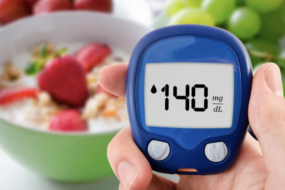
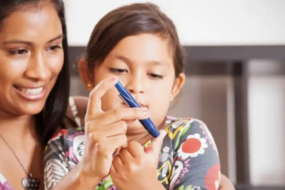
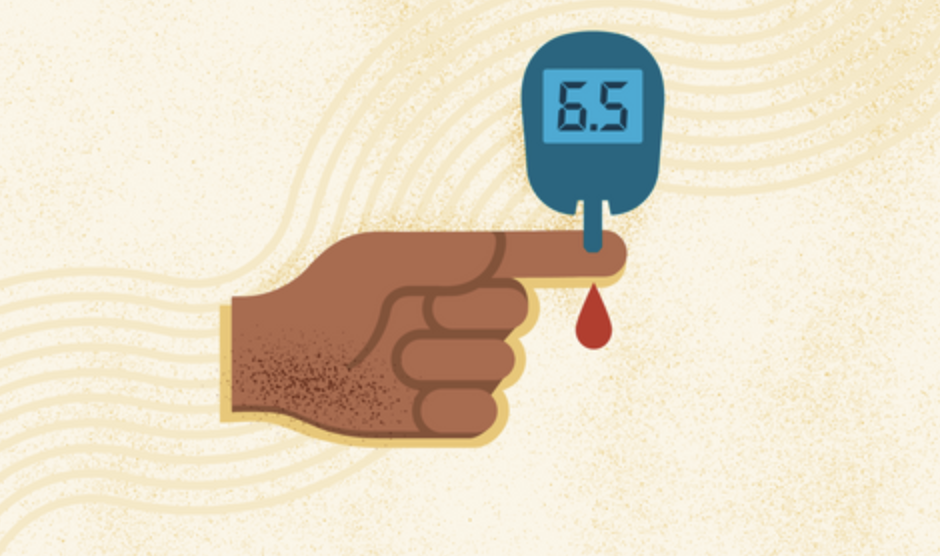
Finger-stick BGMs have been the standard for years—they’re compact, give accurate “right-now” readings, and typically cost $20–$50 for the meter, plus about $0.25–$1.00 per test strip.
You simply place a drop of blood on a strip, insert it into the meter, and get your glucose in seconds.
Best uses for BGMs include:
- Routine daily spot-checks (pre-meal, bedtime)
- Backup for CGM users (when sensors read oddly)
- Anyone without CGM insurance coverage or who prefers a no-frills approach
Key pros and cons for scanning:
- Portable and discrete (fits your pocket, needs no charging)
- Most affordable tech, sold at every pharmacy
- Drawbacks: Only tells you now—no trend, no alerts, just numbers
Picture this: You’re in a meeting, quietly swipe your BGM from your bag, get your number, and get on with your day.
CGMs: Real-Time and Flash Options
CGMs are changing the landscape for diabetes pros.
A CGM uses a tiny sensor under your skin, sending readings to your phone or reader every 1–5 minutes—no more constant finger-sticks.
You’ll see flexible choices in 2026:
- Real-time CGM: Dexcom G7, FreeStyle Libre 3 Plus—stream data automatically to apps and smartwatches
- Flash CGM: Libre 2/14-day—requires a quick scan to view numbers
- Implantable sensors: Eversense lasts up to 365 days—set it, almost forget it
- Smart subscriptions: Platforms like Nutrisense, Levels, and Signos add analytics, AI, and coaching
Current comparison points:
- Wear time: 10–15 days (most); up to 1 year (implantable)
- Reading frequency: every 1–5 minutes (real-time)
- Alerts: Custom options for high/low warnings; urgent lows can’t be turned off on some models
- Device compatibility: Syncs with smartphones, pumps, some smartwatches—key for on-the-go professionals
What’s Best for You? Personalizing Your Choice
Choosing your ideal device is about more than just tech specs.
Use these criteria:
- Insurance/coverage—does your plan include Dexcom or Libre, or only meters?
- Comfort with tech—are you a “set and go” or “manual entry” kind of person?
- Need for real-time alerts—do you want vibrations at 2 a.m. or prefer no pings?
- Compatibility—does your device work with your insulin pump or favorite health app?
Practical scenario: Imagine having a CGM that auto-updates your AI-driven platform, flagging days when meetings and carbs clash so you can tweak habits proactively.
Pro tip: Always loop in your medical team; they can help you compare options, navigate insurance, and get set up quickly.
Summary: Whether you rely on a quick and simple BGM or harness the possibility-packed CGMs, matching your monitoring tech to your life is the fastest route to better glucose patterns and more confident decisions. For many, the right device isn’t just “nice”—it’s the key to staying ahead of the numbers, every day.
How Often Should You Monitor? Crafting Your Individualized Routine
Using a CGM: Real-Time Clarity, Smarter Decisions
A continuous glucose monitor (CGM) keeps a near-constant eye on your glucose levels. If you want real-world, actionable data—this is your tech sidekick.
The key: Don’t just set it and forget it. For most adults using CGM, you’ll want to:
- Actively check trend arrows and numbers before meals, exercise, sleep, or driving
- Review data when you feel “off” (tired, irritable, dizzy—trust those cues)
- Lean into alerts: high, low, and rate-of-change alarms are there to help you act in the moment
A picture-perfect day looks like glancing at your CGM 4–10+ times at key points—and acting quickly based on trends, not just numbers.
Turning Reports into Action: Your Data, Your Story
Every CGM builds rich, visual reports: these show patterns over days, weeks, or months.
To get the most from your device:
- Download/share your CGM report before each medical check-up
- Focus on these metrics your clinician will love:
- Time-in-range (your % in goal, e.g., 70–180 mg/dL)
- Glucose variability (how much you swing up or down, day-to-day)
- Overnight lows (key for feeling your best every day)
Share highlights or outliers—like “Why did Tuesday night spike?”—with your care team. That’s where breakthroughs happen.
Working with a Blood Glucose Meter: Build Consistency
If you’re using a finger-stick meter, you’re in good company—millions do!
Best results come from consistent, targeted checks:
- Before meals and at bedtime
- 2 hours after meals if you’re adjusting medication
- Before driving—a safety must
- During illness, after med tweaks, or any time symptoms shift
A good logbook or connected app makes all the difference. Set reminders—everything from calendar alerts to smart speaker pings work.
Adapting to Life’s Curveballs: Flex Your Routine
“Life happens”—schedules, travel, sick days, stress. When your world gets busy, it’s time to:
- Increase checks (CGM finger-sticks or meter):
- When sick or under a lot of stress
- While traveling (especially through time zones)
- When changing workout or meal times
- Use extra data proactively—more info helps you (and your doctor) adjust fast
Think of it this way: “Checking more often during change lets you spot trends before they become problems.”
Smart monitoring means matching your checking habits to your day—not someone else’s rules. There’s power in staying flexible and using your device for quick, confident decisions—every shift, lunch meeting, or long haul flight. Your best data-driven days are the ones that work for you.
Foundations of Effective Blood Sugar Management
Smart Food Choices for Better Numbers
Stable blood sugar starts with what—and when—you eat. Pairing carbohydrates with fiber, protein, and healthy fats slows sugar absorption to prevent sudden spikes.
Quick win for your next meal:
- Add a handful of nuts or avocado to oatmeal
- Choose whole-grain bread over white
- Toss beans into salads for extra fiber
Eating smaller, consistent meals throughout the day helps prevent rollercoaster highs and lows. For many, three main meals plus 1-2 snacks is a sweet spot.
Your data is your best detective. If you notice post-lunch spikes, you might uncover that mysterious “hidden” carb in the sauce or dressing. Think of your meter or CGM as a food truth detector—use it to dial in your choices and find those patterns.
“Your glucose numbers are feedback, not a verdict—let them guide, not shame.”
How Activity Moves the Needle
Aim for at least 150 minutes a week of moderate movement—a brisk walk, cycling, gardening, or even energetic housework all count. It’s not just about gym time.
Physical activity helps your muscles soak up glucose more efficiently. Try this “picture this” scenario: you walk your dog around the block after dinner, and notice your CGM trending nicely in-range for the rest of the evening.
For safe workouts:
- Check glucose before, during, and after
- Adjust insulin/meds if you’re going to sweat more
- Keep a fast-acting snack nearby to dodge a dip
“When in doubt: a short walk is better than no walk—your glucose will thank you.”
Medication and Tech: Staying in Sync
Timely medication is non-negotiable. Always follow your prescribed insulin or pill schedule—late or missed doses can wreck your numbers.
Keep meds stored safely:
- Insulin hates extremes—avoid direct sun or freezing
- Traveling? Use a cooler for your insulin
Never trust tech 100%. Keep a backup meter and strips close, so a dead CGM sensor doesn’t leave you flying blind.
The Overlooked Pillars: Weight, Sleep, and Stress
Sleep, stress, and weight can all shift your readings. Data shows that even one night of poor sleep raises glucose the next day.
Action plan:
- Target 7–8 hours of sleep
- Try box breathing or a walk for stress
- Even modest weight loss can reduce your medication needs
“Stress shows up in your numbers. A deep breath is as much a tool as your meter.”
Special Situations: Sick Days, Travel, and Alcohol
When you’re sick, traveling, or celebrating, your routines need a tune-up.
Checklist:
- Check glucose more often—illness and jet lag are wildcards
- Pack extra supplies for every trip—batteries, strips, snacks, backup scripts
- If you drink alcohol, pair it with food and watch for delayed lows
Think of a “sick day plan” as your travel insurance for glucose—don’t leave home without it.
When you combine nutrition, movement, medication precision, and life-readiness, you create your own best-case scenario for blood sugar. The big win? Your data is power—use it to personalize, not punish, and put yourself in the driver’s seat every single day.
Maximizing Your Device: Actionable Tips for Everyday Success
Setting Up for Success
Personalizing your diabetes device can mean the difference between frustration and peace of mind.
Start by configuring your CGM alarms and targets—most users get the best results with a time-in-range target of 70–180 mg/dL (though your doctor might recommend a different range).
Set alert thresholds for lows and highs based on your typical patterns—think of it as putting digital “bumpers” on your daily glucose lane.
Customize notifications, so your phone or smartwatch nudges you when it matters most but stays quiet during your meeting or sleep.
Add context by logging:
- What and when you eat
- Physical activity (even that walk to the train counts)
- Stressful events or illness
“Think of your app as your digital detective—noting these details turns numbers into actionable insights.”
Analyzing and Acting on Your Data
Glancing at those graphs daily makes outliers—like unexpected spikes after lunch or dips before bed—jump right out.
When you notice trends, dig deeper:
- Sudden highs after a favorite lunch? Try adjusting your carb count or meal timing.
- Recurring overnight lows? Share your sleep data with your doc to fine-tune your insulin regimen.
Build a habit: sync your data weekly with your care team, especially before telehealth check-ins.
A recent trend: Over 60% of CGM users who regularly review their data with a clinician achieve more time in target range.
“Picture this: in just five minutes, a quick scroll through your CGM app can reveal a week's worth of patterns you’d never catch with sporadic finger-sticks.”
Troubleshooting and Backup Planning
Smart users prepare for device hiccups.
Be ready for:
- Sensor dislodgement (always carry adhesive patches)
- Calibration prompts (follow your device’s cue or confirm with a finger-stick)
- Battery life (keep a portable charger for phones/readers)
If your numbers feel “off” or don’t match how you feel, double-check with a trusty finger-stick meter.
Prepare for anything with a grab-and-go back-up kit:
- Extra sensors and test strips
- Paper logbook or printout (yes, sometimes you’ll need old school!)
- Manufacturer support number saved in your phone
“Have a plan B before your sensor peels off at the worst possible moment—it’s not ‘if’, it’s ‘when’.”
When you combine data-driven tweaks, customized alerts, and resilient backup plans, your device becomes a true ally in your everyday diabetes game plan. The real secret? Keep it simple, smart, and personal—because the best device is the one you actually use.
The Future of Diabetes Monitoring: Innovations and What’s Next
Next-Generation Monitoring Devices
Get ready—diabetes monitoring is about to feel futuristic.
Emerging tech is delivering longer-wear CGMs (think: 15- to 180-day sensors) and minimally invasive or fully non-invasive options on the horizon. Imagine popping on a skin patch for a whole quarter or getting consistent readings without a fingerprick or even a sensor change.
The real buzz:
- Eversense E3 implantable CGM—approved for up to 180 days, with future versions aiming at 365
- App-powered CGM subscriptions like Nutrisense, Levels, Signos—these services combine FDA-approved sensors with real-time nutrition feedback, “insight” reports, and even AI-powered coaching
Picture this: You grab your phone, scan your arm, and a dashboard flashes up with minute-by-minute glucose plus personalized food tips from an algorithm smarter than your old logbook ever dreamed of.
Quotable moment:
“Your next glucose check could feel more like using a fitness tracker than a medical device.”
Data Interoperability: Making Devices Work Together
Remember the struggle of juggling three apps that won’t sync? That’s fading out fast.
Modern diabetes platforms are pushing true interoperability, letting you:
- View your CGM, insulin, and activity data on one screen
- Share real-time trends with your health team—and even update settings remotely in some systems
- Use telehealth to review device stats without that awkward in-person download at every visit
Current leader moves:
- Dexcom G7 and FreeStyle Libre 3 now connect directly to major smartphone platforms, integrate with many insulin pumps, and send data to care teams instantly through cloud services
- AI-driven recommendations inside your CGM app may soon suggest proactive medication adjustments instead of waiting for your next appointment
Viral share-worthy:
“When your apps talk to each other, your care gets smarter while your workload gets lighter.”
Real-World Impact: What Tech-Forward Professionals Should Expect
Here’s where it gets personal. Business owners and creators are already leveraging new monitoring to:
- Spot stress-induced glucose dips during launches or travel, automatically flagged by their device's AI
- Sync daily readings to productivity dashboards, making health a KPI alongside sales
- Catch overnight lows by using custom alerts on their smartwatch—all before the first coffee break
Immediate tactics to steal:
- Link your CGM app to telehealth for quick coaching check-ins
- Use downloadable reports (PDF, CSV) to track trends over weeks—no spreadsheet mastery required
- Adopt subscription CGMs for a seamless mix of insight, accountability, and real-world support
Picture for video:
You, phone in hand, scrolling through a chart that pairs late-night edits with subtle glucose changes—your health data finally working as hard as you do.
Infamous takeaway:
“With the right tech stack, you can turn everyday data into real health wins—no PhD required.”
The next wave of diabetes monitoring is smarter, more personalized, and designed to keep you in control—not the other way around. Now’s the moment to explore integrated platforms and AI-powered insights so your health management moves as fast as your business or creative life does.
Conclusion
Effective diabetes monitoring isn’t just about tracking numbers—it's about turning real-time data into daily confidence and long-term control.
With today’s smart devices and evolving tech, you can anticipate changes, adapt on the fly, and truly tailor your management routine to your lifestyle, not the other way around.
Your device is more than a tool—it’s the cornerstone of proactive, personalized health.
Key Takeaways to Put Into Practice:
- Leverage real-time monitoring—set custom alerts and review trends regularly to spot issues before they escalate.
- Integrate your health data—connect your CGM or BGM with compatible apps and platforms for richer insights and smoother routines.
- Personalize your workflow—choose devices and features that align with your tech comfort and daily schedule.
- Work with your care team—share actionable reports and collaborate on adjustments instead of guessing.
- Prepare for curveballs—always keep backup supplies and a plan B for tech hiccups or life changes.
Ready to level up your monitoring game?
- Configure your device settings today to match your daily patterns and needs.
- Sync your data and review your latest trends—even a 5-minute scan can reveal insights you can act on tomorrow.
- Book a conversation with your care team—bring your data and questions for collaborative problem-solving.
- Explore smart subscriptions or integrated platforms for a true 360-degree view of your health.
The real win isn’t having more data—it’s using that data to create more stable days and unstoppable momentum. With the right setup, you’re not just managing diabetes, you’re running your life—on your terms—one smart decision at a time.
“Every trend you track today is a step closer to the future you want. Your numbers aren’t just data; they’re your edge. Take control, stay curious, and thrive.”