Key Takeaways
Ready to finally outsmart breakouts in 2026? These science-backed acne solutions are what dermatologists use themselves—and you can, too. Scan these quick, actionable points to level up your regimen with proven, practical strategies for clearer skin, no hype required.
- Layer evidence-backed actives daily by pairing benzoyl peroxide (AM) with adapalene or azelaic acid (PM) for a one-two punch against bacteria, clogs, and dark spots.
- Stick with consistent routines—most users see 75% clearer skin in 4–8 weeks if they use the right actives and skip harsh over-washing or random spot-treating.
- Upgrade to prescriptions when needed: Topical retinoids and combined antibiotic therapies give stubborn acne a precise, targeted approach that drugstore products can't match.
- Embrace 2026’s top innovations like clascoterone gel and AI-personalized regimens to attack oil production at the source and fine-tune your plan for sustainable, long-term results.
- Maximize results by avoiding “miracle” fixes: Mixing too many strong ingredients or chasing viral trends can backfire; trust routines built on real science and decades of data.
- Defend your progress with daily SPF and moisturizer—protecting your skin barrier minimizes irritation while fading marks and preventing future breakouts.
- Know when to check in with a dermatologist—if there’s no real progress after 8–12 weeks, red flags like cysts or scarring mean it’s time for expert help and possible Rx upgrades.
Explore the full article for personalized strategies, application tips, and the most innovative dermatologist-approved solutions shaping the future of acne care.
Introduction
How many video calls have you started by adjusting the lighting—just hoping no one spots that latest breakout?
If you’re tired of surprise pimples undermining your confidence, you’re far from alone: more than half of adults over 25 still deal with acne, and the solutions have never mattered more as our lives—and faces—stay online.
Here’s the good news: in 2026, dermatologist-backed treatments are smarter, more effective, and more personalized than ever.
This isn’t about miracle claims or “natural” hacks that drain your wallet and patience.
It’s about real results—clearing skin, fading dark spots, and sidestepping weeks of trial and error.
You’ll see exactly:
- The safest, most effective ways to shrink breakouts (without wrecking your skin barrier)
- How tech and AI are pushing acne treatments beyond spot creams and into full workflow optimization
- The evidence behind today’s best over-the-counter and prescription options
- Pro routines for combining and layering actives—results for your skin type, not just generic formulas
- Myths to skip, and how to tweak your plan when life, hormones, or stress push back
The best part?
You’ll get actionable, dermatologist-approved strategies—ones fit for tech-savvy professionals who want fast, reliable answers.
Whether you’re optimizing your workspace or your workflow, you deserve a regimen as smart as you are.
Forget sifting through influencer noise or “one-size-fits-all” advice.
Let’s unpack the science behind why proven treatments beat fads—so you can spend less time stressing about skin and more time hitting your goals.
Ready for the inside track on what really works?
Here’s how the science of acne—and your personalized routine—has evolved.
The Science Behind Effective Acne Treatment
Picture this: you're staring in the mirror and a new pimple pops up—again.
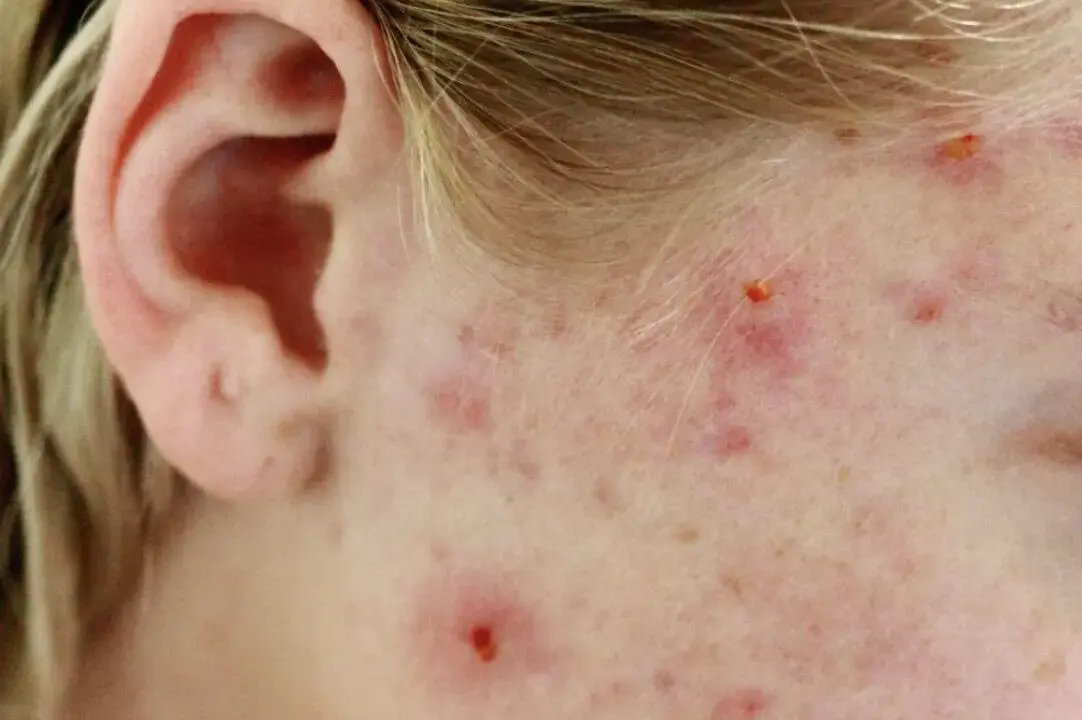
It’s not just bad luck. Acne starts when pores get blocked by dead skin cells and oil, trapping bacteria underneath.
Your immune system spots trouble and triggers inflammation, leading to red bumps, pus, or painful cysts.
Why Science-Backed Treatments Really Matter
Not all breakouts are created equal, and random spot treatments rarely cut it.
- Dermatologists target the root causes: bacteria, clogged pores, excess oil, and inflammation.
- Over-the-counter (OTC) products like benzoyl peroxide, adapalene, salicylic acid, and azelaic acid each attack a different piece of the acne puzzle.
- For stubborn or severe cases, prescription options—like retinoids or oral antibiotics—go deeper.
An evidence-backed approach gets you measurable improvements: 75% of users see clearer skin within four to eight weeks when using proven regimens consistently.
Multi-Pronged Strategy = Maximum Results
Think of acne like a four-headed beast—fight just one, and the rest keep roaring.
That’s why top dermatologists almost always recommend combining therapies:
- Benzoyl peroxide (morning) + adapalene or azelaic acid (night)
- Custom compounded creams
- Prescription add-ons for tougher cases
Stacking the right tools, you’ll tackle breakouts from more than one angle—increasing your odds of long-term success without unnecessary irritation.
2026 Myths vs. Must-Know Facts
Still tempted by “miracle” fixes or the idea that you can scrub acne away?
- Fact: Using more product or harsher cleansers usually causes more irritation, not faster results.
- Fact: Social media trends claiming “natural” is always better can set you back months.
- Myth: Only teens get acne—in reality, 54% of adults over 25 deal with breakouts, too.
Dermatologist-recommended routines remain the gold standard because they’re grounded in decades of evolving research and real-world results.
When you understand acne’s science, you can see through hype and confidently choose what actually works. For results you (and the camera) can see, bet on evidence, consistency, and expertise.
Over-the-Counter Acne Solutions: What Works in 2026
Benzoyl Peroxide: Still the Boss for Bacteria Busters
Dermatologists in 2026 almost universally recommend benzoyl peroxide as the entry point for acne care.
This tried-and-true staple kills acne-causing bacteria fast and shrinks angry red pimples.
- Start with 2.5% strength—studies show it’s as effective as higher doses but causes less irritation and dryness.
- Use a pea-sized amount, apply to the entire affected area (not just “spot treat”), and always follow with a gentle moisturizer to offset dryness.
- This is your go-to for sudden breakouts, especially the inflamed type that feels sore.
“Lower strengths mean less skin drama—don’t let redness steal the show.”
Adapalene (0.1% Retinoid): The Prevention Powerhouse
Adapalene is the 2026 superstar for keeping pores clear before zits even start.
Unlike older prescription-only retinoids, adapalene 0.1% is available over the counter (think: Differin Gel).
- Works by speeding up skin cell turnover, unclogging pores, and calming inflammation.
- Ideal for fighting persistent blackheads, whiteheads, and staving off new breakouts.
- To dodge peeling: apply a rice grain-sized dab at night, start three nights a week, and buffer with moisturizer.
Picture this: You switch to adapalene, and a few months later, your T-zone looks smooth and clear in every Zoom call.
Salicylic Acid: The Exfoliating MVP
Salicylic acid dives deep into pores—think of it as the ultimate “drain cleaner” for gunk and oil.
- Best for: reducing bumpy texture and clearing stubborn blackheads.
- Layer smart: Stick to one strong active at a time per routine to avoid irritation.
- Don’t: Mix with multiple acids or strong retinoids in the same session.
“Salicylic puts your pores on a maintenance schedule—clogs don't stand a chance.”
Azelaic Acid: Multi-Tasking Dark Spot Fader
Azelaic acid not only fights acne bacteria but also lightens those annoying dark spots left behind.
- Exceptionally gentle—even for sensitive or rosacea-prone skin.
- Pairs nicely with benzoyl peroxide (morning) or adapalene (night) for faster visible clearing.
- Use it if you want to even out tone while battling breakouts.
Optimizing OTC Regimens: Consistency is King
The magic formula? Pair benzoyl peroxide (AM) or azelaic acid with adapalene (PM).
Here’s what effective use looks like:
- Notice fewer breakouts at 4-8 weeks; visibly clearer skin by 16 weeks.
- Mistakes to skip: Only spot-treating, over-scrubbing, and ignoring moisturizer and SPF.
- Not seeing progress after four months? That’s your prompt to schedule a derm consult for prescription help.
“Think of your acne routine like a marathon, not a sprint—track results, tweak as needed, and stay the course.”
A streamlined, evidence-backed OTC regimen builds the foundation for clearer skin—consistency, gentle layering, and matching products to your needs makes results more predictable in 2026.
Prescription Therapies: Going Deeper for Stubborn or Severe Acne
Topical Retinoids and Antibiotics
When acne refuses to budge with drugstore products, prescription topical retinoids like tretinoin step up the game.
Tretinoin:
- Promotes faster skin cell turnover than OTC retinoids (like adapalene 0.1%)
- Targets deeper congestion and stubborn clogs
- Often combined with other actives for maximum effect
Antibiotics such as clindamycin gel or lotion are paired with benzoyl peroxide for a reason:
- Synergy: Targets bacteria more powerfully than alone
- Prevents antibiotic resistance, which matters more than ever in 2026
Picture this: Your dermatologist mixes a customized cream just for you—a compounded blend that addresses your unique skin needs, from inflamed nodules to hyperpigmentation.
Oral Antibiotics: When Topicals Aren’t Enough
If topical creams can’t control deep, inflamed acne, oral antibiotics bring relief.
Most prescribed in 2026:
- Doxycycline and minocycline are first choices
- Courses typically last 3–4 months to minimize side effects and resistance
Short-term therapy is the 2026 gold standard:
- Avoids disrupting your microbiome
- Cuts down on risk of yeast infections or GI upset
Expect realistic progress: fewer breakouts in six weeks, clearer skin within three to four months, but always in combination with topicals for best results.
Hormonal Treatments: Beyond Bacteria
For women with persistent hormonal acne, spironolactone is the quietly revolutionary prescription.
How it works:
- Reduces oil production triggered by androgen hormones
- Especially effective for jawline, lower-face, or premenstrual flares
Who’s it for?
- Adult women with hormonal patterns
- Long-term monitoring is key—routine bloodwork keeps you safe
Forget outdated myths: This med is a mainstay, not a “last resort,” in 2026.
Isotretinoin (Accutane): The Ultimate Reset
Some acne demands full-photo mode—enter isotretinoin (still famous as Accutane).
Dermatologists recommend it for:
- Severe, scarring, or cystic breakouts that resist all else
- Tackling oiliness, bacteria, clogs, and inflammation—all at once
Treatment comes with strict monitoring:
- Regular lab tests
- Side effect management
- Absolute pregnancy precautions (high risk of birth defects)
Expect long remissions: Most see months or years of clear skin, but repeat courses are possible if acne returns.
Together, today’s prescription options let you attack acne with surgical precision—customizing every step for your clearest skin yet. Remember, going prescription means you’re never stuck with one-size-fits-all solutions—it’s about building a plan that finally works for you.
2026’s Top Emerging & Advanced Acne Innovations
New Prescription Breakthroughs
Acne care in 2026 is getting a serious upgrade, thanks to next-level prescription options that dermatologists are genuinely excited about.
Imagine a prescription gel called clascoterone—it’s a topical anti-androgen that cuts oil production right at the source without affecting your hormones everywhere else.
The result?
- Noticeably less oil and shine
- Fewer breakouts, even in stubborn cases
- Works well with benzoyl peroxide or retinoids for maximum effect
Next up are FASN inhibitors like denifanstat—these target the root lipid drivers of acne, basically telling your pores to “turn down the volume” on oil production.
Clinical trials show denifanstat reduces moderate-to-severe acne by up to 60% in 12 weeks, giving hope to patients who haven’t seen results with antibiotics.
If your skin laughs at ordinary treatments, these new breakthroughs are worth discussing with your dermatologist.
“Picture this: You start a clascoterone routine and, within weeks, your afternoon oil-slick is gone—without systemic side effects.”
Combination and Customization Trends
2026 isn’t about cookie-cutter routines. Dermatologists now use:
- Custom-compounded creams (mixing actives tailored to your acne type)
- AI-powered tools to match treatments to your unique skin biology and lifestyle
- Remote monitoring (tele-dermatology) for real-time tweaks and faster results
If you’ve ever felt like your regimen was “close, but not quite right,” this new era of personalized care is for you.
“Think of it as ‘bespoke skincare': just for you, changing as your skin changes.”
Beyond Medications: Devices & Adjunctive Therapies
Don’t sleep on next-gen device therapies, either. Dermatologists are combining:
- Blue/red LED light therapy to zap acne bacteria and reduce redness without downtime
- Professional chemical peels to loosen stubborn clogs and fade old marks
- AI-powered skin analysis—snap a photo, and your regimen updates instantly as your skin evolves
The smartest approach?
Use these as add-ons, not replacements, to supercharge results and avoid burnout.
“LED sessions under 15 minutes, fading marks faster than ever, all while you chill and catch up on email.”
2026 skincare is all about layering innovation with personalization—giving you the fastest, most sustainable path to clear skin, no matter how techy or sensitive your routine. Don’t hesitate to check in with a dermatologist for the latest options that work with your life, not just against your breakouts.
Expert Application Tips for Clearer, Healthier Skin
Layering Actives: Getting Results Without Burning Out
Layering active ingredients is where many routines succeed—or totally crash.
It’s all about knowing which actives play nice together:
- Pair benzoyl peroxide (AM) with adapalene or retinoids (PM) for double-duty clearing.
- Always apply moisturizer after harsh actives to buffer irritation.
- SPF is non-negotiable—every AM routine needs sun protection, especially with retinoids.
Pro tip: Start slow—think 2-3 nights per week with strong actives before aiming for daily use.
“The best skin transformations in 2026 come from steady, not speedy routines.”
Building a Consistent Routine: Why Patience Pays
Don’t expect pharmacy-miracle speed—most OTC regimens need 4–8 weeks for visible improvement, with major clearing by weeks 12–16.
Here’s the breakdown everyone needs:
- Apply treatments to the full acne-prone area—not just on spots—to prevent new breakouts.
- Set reminders or pair your routine with a daily habit, like brushing your teeth.
Picture this: Your skin calendar shows slow and steady wins—tiny changes each week leading up to that big “wow” moment.
Quotable: “Consistency, not the product itself, is what transforms skin.”
Customizing and Troubleshooting: When to Mix, When to Skip
Not all acne—or skin—is created equal. Match your regimen to:
- Severity: Start with one active for mild acne; combine as needed for stubborn cases.
- Side effects: Dryness, redness, and flaking? Ease up, and increase moisturizer. Trade strong actives for gentler options (like azelaic acid) if very sensitive.
For AM/PM splitting:
- Morning: Benzoyl peroxide or azelaic acid + SPF
- Night: Adapalene or retinoid, layered under moisturizer
If your skin is stinging or flaking, hit pause, add barrier-boosting creams, and restart slow.
Knowing When to Pivot: Bring in the Pros
If you see no improvement in 8–12 weeks, or acne’s worsening, it’s time to consult a dermatologist. Routine red flags include:
- More breakouts despite correct use
- Nodules/cystic bumps that don’t resolve
- Increasing scarring or pigmentation
Keep tabs on your journey:
- Track progress with weekly photos or apps
- Journal side effects and flare-ups
Memorable takeaway: “Smart acne care is about noticing patterns and knowing when to ask for expert help.”
When you treat application like a science—and listen to your skin—you’ll clear breakouts faster, safer, and with less frustration.
Addressing Special Cases and Frequently Asked Questions
Managing Post-Acne Dark Spots and Scarring
Post-acne marks can linger even after breakouts fade, making clear, even-toned skin an ongoing pursuit.
The best strategies, straight from dermatologists in 2026, focus on combination therapies that fade marks and boost skin smoothness.
Picture this: You see stubborn brown spots or uneven texture when you look in the mirror. Here’s what actually works:
- Azelaic acid (10-20%): both fades dark spots and soothes redness
- Topical retinoids (adapalene or tretinoin): speeds up cell renewal for smoother, brighter skin
- Professional options: chemical peels and microneedling are leading choices for deeper texture concerns
- SPF 30+ sunscreen: daily defense against marks getting worse
Smart tip: Don’t mix too many aggressive treatments at once. Layer gently—think of your skin as a project, not a race.
“Retinoids and peels work best as a team, not solo heroes.”
Acne in Unique Populations
Acne isn’t just a teen drama—it shows up for adults, too. The triggers and solutions can differ.
Let’s break it down:
- Teen acne: driven by hormones and oil, often on the T-zone
- Adult acne: more common for women (over 50% in their 20s-40s!), often jawline/deep cysts
- Hormonal shifts: periods, pregnancy, menopause—all can spark flares in women
- Safer picks during pregnancy: azelaic acid, sulfur-based formulas—avoid retinoids and strong oral meds
A quick scenario: You’re juggling work and a breakout before a video call. You’re not alone, and tailoring your regimen to your age and life stage gets faster results.
“Hormonal changes demand hormonal strategies—it’s about syncing treatment to your cycle, not fighting it.”
Navigating Cost, Access, and Safety
By 2026, insurance coverage for acne has expanded—prescriptions, select telehealth consults, and even some emerging therapies may be covered.
When it comes to cost, remember:
- Generic medications are usually as effective as branded ones, slashing prices by 60%+
- Telehealth visits save time and may cost 30-50% less than in-person consults
- Savings programs and manufacturer coupons can make even new treatments accessible
Long-term safety matters. Dermatologists recommend cycling antibiotics, monitoring with regular check-ins, and always balancing effectiveness with minimal side effects.
“Cut costs, not corners—work with your derm to find what’s affordable and sustainable.”
Questions about post-acne marks, adult breakouts, and prices are more common than you think. With layered treatments and tailored care, real results are closer than ever—no matter your age, skin type, or budget.
Conclusion
Clear skin in 2026 isn’t magic or myth—it’s the result of smart, science-backed choices and a routine that works with your lifestyle, not against it. You don’t have to gamble on fads or wonder if you’re missing out; dermatologists have already mapped out the proven game plan.
When you focus on evidence, layering the right treatments and listening to your own skin, you’re setting yourself up for visible, lasting progress. You’re not just fighting pimples—you’re building confidence, control, and healthy habits that stick.
Make your progress inevitable with these dermatologist-approved moves:
- Pair benzoyl peroxide in the morning with adapalene or azelaic acid at night for multi-pronged clearing power
- Be consistent—apply treatments to the full acne-prone area every day, not just on spots
- Start slow to sidestep irritation, then step up as your skin adapts
- Don’t hesitate to consult a dermatologist if results stall or acne gets severe
- Protect your progress every morning with SPF—it’s your secret weapon against marks and redness
Ready to take charge?
- Audit your current lineup—swap in one science-backed product at a time
- Set calendar reminders to make your routine second nature
- Snap weekly photos to track subtle changes (and celebrate wins!)
- If you hit a wall, schedule a telehealth consult ASAP—custom tweaks beat guesswork
- Share what you learn with friends or on social; collective action educates, encourages, and empowers
Clear skin no longer belongs to lucky genetics or overnight miracles—it’s the reward for consistency, curiosity, and choosing evidence over empty promises. Your best results happen when you blend innovation with what really works for your life. Start smart, stay steady, and own your glow—because the future of acne care is finally, confidently, in your hands.