Key Takeaways
Curious how sleep affects your mental sharpness, creativity, and resilience? Here’s your fast-track guide to the science, the risks, and the most actionable sleep upgrades—all crafted for tech professionals who value both the “how” and the “why.” Scan these real-world insights and get practical steps you can use tonight to boost both your sleep and your mind.
- Sleep and mental health power a feedback loop—poor sleep raises your risk for anxiety, depression, and stress, while mental health struggles can tank your sleep quality in return.
- Sleep deprivation is widespread and risky—over 1/3 of U.S. adults are sleep-deprived, and just one “bad sleep week” can double your odds of mental distress or burnout.
- Shortchanging sleep multiplies mental risks—Insomnia boosts depression tenfold and anxiety seventeenfold, while even 1–2 hours less sleep makes you more irritable and less focused.
- Mental health issues hijack sleep cycles—If you notice insomnia, racing thoughts, or an erratic schedule, take it as your brain’s “check engine” alert for bigger well-being concerns.
- Better sleep drives real mental health gains—Upgrading sleep hygiene or trying CBT-I can deliver up to 0.7-point drops in anxiety/depression—sometimes with just one week of improved rest.
- Tech tools are game-changers—Leverage sleep trackers, guided sleep apps, and “sleep sprints” to turn insights into action and stay sharp for high-stakes projects.
- Small sleep tweaks deliver fast ROI—Prioritize a consistent routine, screen-free wind-downs, and environmental upgrades; even minor changes can boost your focus and mood almost immediately.
- Persistent sleep struggles shouldn’t be ignored—If you’re consistently sleep-deprived, consider professional support—it’s a smart move for productivity and long-term resilience.
Your next big win could be one good week of sleep away—dive into the full article for more actionable strategies and science-backed tools to level up your mental clarity and performance.
Introduction
What if you learned that a single bad sleep can double your chance of blowing that next big pitch—or even spark a chain reaction that tanks your team’s morale for days?
It sounds dramatic, but for tech-savvy professionals, those numbers are real: Over one-third of us aren’t getting enough sleep, and if you’re in a high-stakes role, that sleep debt cuts deeper than you think.
Ever found yourself staring at your monitor, brain sloggy, mood flat, wondering why even the best coffee isn’t making a dent? There’s a powerful, often invisible culprit at work: the tight, two-way link between sleep and mental health.
Here’s the tough truth: skipping just an hour or two of shut-eye can seriously spike anxiety levels and cloud your strategic thinking—a feedback loop that’s both sneaky and relentless.
Why does this hit so hard for us in digital careers? Because creativity, decision-making, and emotional resilience aren’t “nice-to-haves”—they’re the backbone of innovation, leadership, and keeping pace with fast-moving projects.
Getting to the bottom of this connection isn’t just about beating burnout or feeling less groggy. There’s huge, practical upside for you:
- A blueprint for reversing the cycle when your mind or workflow is stuck
- Actionable strategies to protect your mood, memory, and productivity—no woo-woo, just evidence-backed tools
- Insights on why tech leaders and creators are especially at risk—and how to build resilience before problems double back
You’ll uncover the real science—a behind-the-scenes look at how your brain flips from “deep work” mode to emotional overload after too many rough nights. We’ll get pragmatic, too: mapping out what actually works to restore your edge, using habits and technology you can start tonight.
Ready to explore why sleep is the smartest upgrade you can make for your mind—and your work? Let’s break down how mental health and sleep are constantly in conversation, and how tuning into that dialogue can put you back in control.
Understanding the Sleep–Mental Health Connection
Sleep and mental health are locked in a bidirectional relationship—each one directly influences the other, often creating a pattern that's hard to break.
When your sleep suffers, your mood, focus, and outlook take the hit; but if your mental health is out of balance, a good night’s rest can feel impossible.
The Vicious Cycle: Sleep Issues and Mental Health
Think of sleep and mental health as two wheels on a bike; if one’s off-balance, the whole ride gets rocky.
Common mental health issues affected by sleep include:
- Depression
- Anxiety
- Chronic stress
- Psychosis
The catch? Sleep problems can be both a warning sign and an accelerator for these conditions.
For example: Losing just 1-2 hours of sleep can raise anxiety, increase irritability, and kick off a feedback loop where stress keeps you from sleeping, and poor sleep boosts stress.
Urgency in the Numbers: Why It Matters Now
The scope is massive—over one-third of U.S. adults are sleep-deprived, and more than 20% have a mental health diagnosis.
Picture this: In a modern office, one in three colleagues is running on less sleep than they need, facing twice the odds of feeling mentally drained.
- Insomnia increases depression risk by 10x
- Short sleep (≤6 hours) raises distress odds by 2.5 times
- Anxiety risk jumps 17x for those with chronic sleep problems
These aren’t just statistics—they’re everyday realities for tech teams, marketers, and leaders alike.
Why Tech Professionals Should Care
For anyone in a digital career, sleep quality impacts:
- Creativity and idea generation
- Focus and strategic thinking
- Emotional resilience on high-stakes projects
- Leadership presence and team empathy
Imagine launching a product or debugging mission-critical code after restless nights—the risks to productivity and decision-making are real.
“Sleep isn’t just self-care—it’s mission-critical for mental sharpness and team performance.”
Being proactive about sleep puts you at the top of your mental game and helps break the deadly cycle before burnout sets in.
Sleep and psychological well-being aren't just connected—they’re in constant conversation, and knowing how to tune into that dialogue is the first step to better mental health.
How Poor Sleep Impacts Mental Health
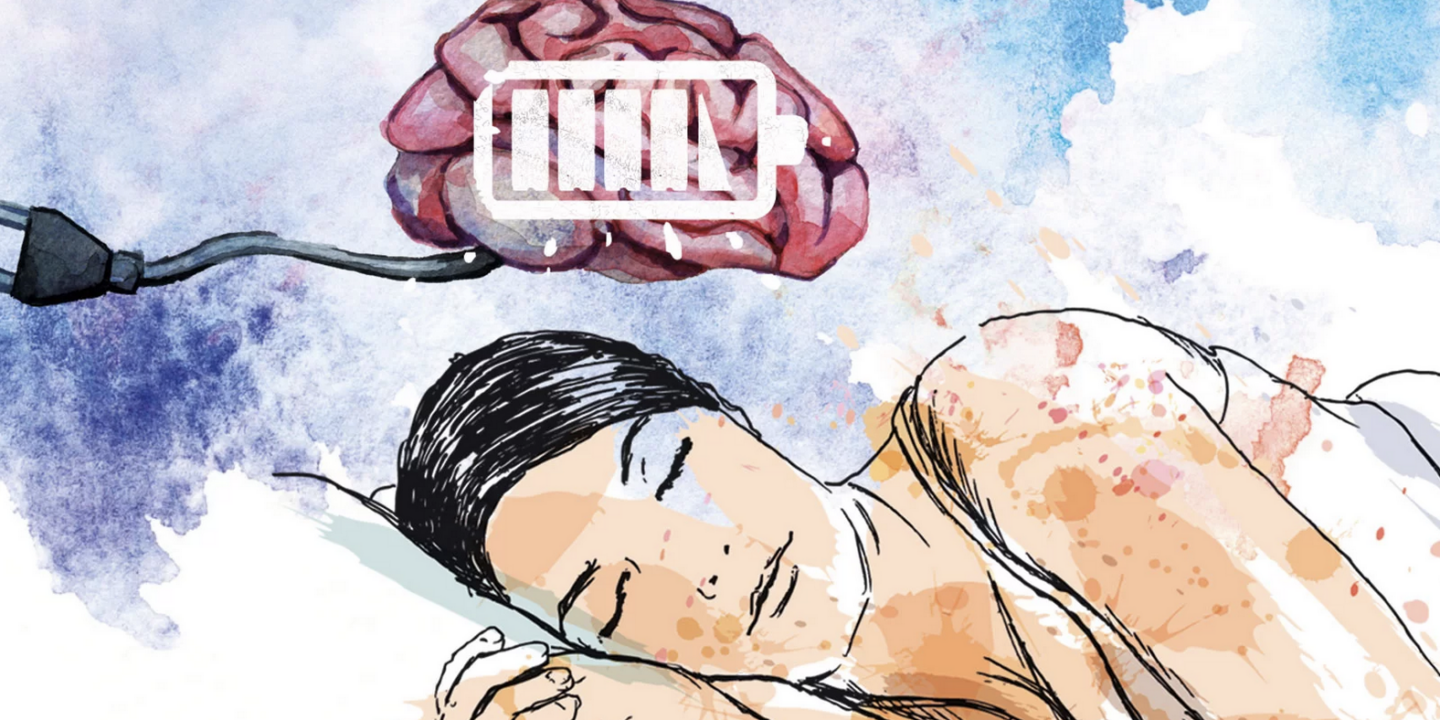
Sleep is more than recharging your body—it’s a nightly reboot for your mind. When you shortchange sleep, your brain chemistry shifts, and your emotional stability, focus, and resilience take a direct hit.
The Data: Poor Sleep, Bigger Risks
It’s not just about feeling tired.
- Insomnia multiplies your risk of depression by 10x and anxiety by 17x.
- Missing out on quality sleep even short-term (just 1-2 hours less) can spike anxiety symptoms, crank up irritability, and drain your motivation.
- Adults logging ≤6 hours nightly face 2.5 times higher odds of frequent mental distress than well-rested peers.
If you’re a tech pro with a demanding schedule, even a “bad sleep week” can turn that fast brain into a sluggish mess.
Emotional & Cognitive Fallout
Poor sleep acts like a volume knob stuck on “max stress.” Picture this:
- Your ability to experience joy, excitement, and motivation fades, replaced by irritability, aggression, and impulsivity.
- You’ll notice a drop in:
- Decision-making clarity
- Creative problem-solving
- Patience with colleagues—and yourself
Cognitive impacts snowball fast. Greater rumination and negative looping can make minor problems feel huge by Friday.
The Science: What’s Happening in Your Brain?
When you’re sleep-deprived, key regions—like your prefrontal cortex (your brain’s CEO for logic and control) and the amygdala (your emotional alarm bell)—become more reactive and less coordinated.
This means:
- Threats feel bigger (even if it’s just a meeting alert).
- Small frustrations become major stressors.
- Regulating emotions takes way more mental energy.
This is why “just one rough week” of sleep debt can feel like being stuck in a mental fog, unable to access your usual sharpness or optimism—an experience tech professionals know all too well.
Real-World Impact & Takeaway
If you’re running on less than six hours, you’re not just tired— you’re at serious risk for emotional and cognitive fallout.
For business owners, creators, and anyone juggling high-stakes roles, even mild sleep debt can erode productivity, zap creativity, and trigger strained relationships. Tackling sleep issues isn’t optional; it’s a direct productivity—and sanity—booster.
How Mental Health Conditions Disrupt Sleep
When it comes to mental health and sleep, the arrow points both ways—your mind can sabotage your shut-eye long before you even realize there’s an issue brewing.
Anxiety, depression, PTSD, and other psychiatric conditions routinely hijack your ability to fall and stay asleep.
Here’s the kicker: a staggering 50–80% of people with mental health conditions experience chronic sleep problems, compared to just 10–18% in the general population.
Why Mental Health Messes With Your Sleep Cycle
It’s not just about “feeling stressed.” These issues mess with your brain’s fundamental mechanics for rest:
- Disturbed circadian rhythms: Your body clock goes haywire, making sleep feel impossible at the right time.
- Short-circuited sleep cycles: Less time in deep, restorative stages—so you wake up groggy even after 8 hours in bed.
- Hyperarousal: Racing thoughts and a wired nervous system make it tough to “switch off”—even if you’re exhausted.
Picture this: it’s 2 a.m. and you’re wide awake, replaying tomorrow’s client call in your head on repeat. Sound familiar?
Early Warning Lights: Sleep Disruption as a Signal
Lousy sleep isn’t just a symptom—it’s often the earliest warning sign of looming mental health struggles.
Watch for these red flags, especially if you’re a high-performer:
- Insomnia striking out of nowhere
- Racing thoughts at bedtime
- Inconsistent sleep schedules (hello, late-night Slack)
“Dramatic sleep changes are your brain’s check engine light—ignore them and you’re risking more than just a bad mood.”
The Tech Leader Scenario: A Real-World Red Flag
Imagine a CTO who starts sleeping only four hours a night, sending emails at 3 a.m., and snapping at meetings.
Within weeks, performance dips, creativity dries up, and their resilience is shot.
For high-functioning professionals, persistent insomnia could be the first hint of burnout or an evolving mood disorder—even before you notice anything else.
Takeaway
When your mind is restless, sleep is often the first thing to go—serving as both a red flag and a ripple effect. If mental chatter, anxiety, or mood swings are tanking your sleep, it’s time to take notice early. Addressing these patterns now can prevent a full-blown cycle of sleepless nights and mental exhaustion.
Breaking the Cycle: How Improving Sleep Benefits Mental Health
Getting better sleep isn’t just about feeling rested—it’s one of the fastest ways to boost your mental well-being and shake up stubborn cycles of stress or low mood.
Meta-analyses reveal that upgrading your sleep delivers real psychological benefits. Improved sleep quality is linked to:
- Medium-to-large drops in depression symptoms (effect size −0.63)
- Marked reductions in anxiety (−0.51)
- Notable improvements in general mental health (−0.53)
- Smaller but significant improvements in stress and psychosis symptoms
Picture this: A single week of consistently high-quality sleep is enough to noticeably shift your outlook, motivation, and even your day-to-day resilience at work.
The Bigger the Sleep Gain, the Greater the Mental Boost
There’s a strong dose-response effect—the more your sleep improves, the stronger your mental health outcomes (statistically, every extra uptick in sleep quality predicts larger well-being gains, B = 0.77).
Want results that stick? Therapist-delivered interventions have greater short-term impact (with effects peaking before 6 months) when compared to self-guided apps.
Put simply: “Every extra hour of restorative, uninterrupted sleep is like adding compound interest to your emotional resilience.”
Practical Interventions for Tech Professionals
When deadlines are relentless, don’t just “power through”—engineer better rest using actionable methods:
- Cognitive Behavioral Therapy for Insomnia (CBT-I): The gold standard for rewiring your sleep patterns, available through specialists or app-guided modules.
- Sleep hygiene principles: Aim for a consistent schedule, optimize your environment (dark, cool, quiet), and power down devices 30-60 minutes before bed.
- Structured “sleep sprints”: Block out 5–7 days where you prioritize sleep as fiercely as a product launch—then watch your mood and efficiency rebound.
Visualize yourself after a weeklong sleep sprint: sharper on video calls, less prone to stress spirals, eyes clearer behind that screen glare.
What to Watch, What to Tweak
Some conditions—like psychosis or PTSD—may not respond as dramatically to sleep fixes alone, so seek professional input if you suspect something deeper. For most professionals, small tweaks, coupled with the right support, can deliver a substantial return on effort.
Better sleep is one lever you can pull tonight—and your mind will thank you before the next workday even starts.
Strategies and Tools for Optimizing Sleep and Well-being
Feeling like your brain’s stuck in airplane mode after a rough night? You’re not alone—over one-third of U.S. adults and nearly 80% of teens don’t get enough sleep, and it takes a real toll on mental health.
Picture this: you routinely wake up groggy, struggle through meetings, and snap at your teammates—all because sleep quality tanks your emotional resilience and productivity.
Quick Self-Assessment: Are You Stuck in the Cycle?
You can map your own sleep–mental health connection in under two minutes.
Ask yourself:
- Do you wake up feeling genuinely refreshed most mornings?
- How’s your mood after a poor or short night of sleep?
- Do you notice more anxiety, irritability, or rumination on days you sleep less?
- How’s your focus and decision-making lately—sharp or sluggish?
- Are you consistent with your bedtime, or does it shift with your workload?
If you answered “no” or “struggling” to most of these, you’re in the common club—time to take action.
Fast-Track Wins: Tech Tools and Easy Habits
Did you know tech-savvy strategies can give you an edge on sleep? Today’s tools aren’t just for biohackers; they’re for anyone who wants rapid, actionable insights.
Try these:
- Sleep trackers (Oura, Apple Watch) for personalized sleep data
- Mobile apps with CBT-I modules for in-your-pocket therapy support
- Wearables that offer real-time feedback on sleep cycles, environment, or movement
Bonus: Many leaders schedule “sleep sprints”—intentional weeks of optimized rest before high-stakes projects.
Build a Supportive Routine
Think of sleep hygiene as upgrading your workspace—but for your brain.
- Block out 30-60 minutes before bed for screen-free wind-down
- Use dim, warm lighting to prime your mind for rest
- Create a predictable routine—even if your days are wild
Celebrate each small improvement—sleep gains often result in measurable boosts to your mood and focus within days.
Troubleshooting & When to Get Support
It’s totally normal to hit speed bumps. Normalize slip-ups, then troubleshoot:
- Review sleep data for patterns (did you break your routine?)
- Adjust environmental triggers—noise, temperature, blue light
- If insomnia or distress persist, or work/mood function drops, consider seeking professional help—CBT-I and therapy bring 0.5–0.7-point drops in anxiety, depression, and overall symptoms
Links for a deeper dive:
- [Sleep Hygiene for Modern Professionals]
- [CBT-I Basics for Beginners]
- [Sleep and Anxiety: The Untold Link]
The more intentional your approach, the more likely you’ll break the cycle and reclaim productive, energized days. One week of better sleep can dramatically shift your mental clarity and mood—try tracking the difference and see for yourself.
Conclusion
Putting your sleep on autopilot might seem efficient, but as you’ve seen, your mental agility, emotional resilience, and creative energy are deeply wired to how well you rest each night.
Prioritizing sleep isn’t indulgence—it’s your leverage for sharper thinking, stronger leadership, and a genuinely sustainable pace in high-performance roles.
Let’s get tactical. Here’s how you can immediately start reclaiming your best nights—and your best self:
- Invest in a sleep tracking tool (Oura, Apple Watch, Whoop) for real, actionable insights tailored to your rhythms
- Create a consistent wind-down routine—30–60 minutes of low light, minimal screens, and intentional calm before bed
- Experiment with CBT-I resources, from guided apps to professional consultations, especially if sleep issues are stubborn
- Schedule sleep “sprints” ahead of major deadlines—one intentional week of top-priority rest can radically boost clarity and patience
- Notice when mental health symptoms or sleep issues arise—seek professional support early to break the cycle before it snowballs
There’s no single fix, but small, steady actions pay exponential returns.
Tonight, give yourself permission to optimize rest—just as you would any high-stakes project.
Imagine waking up next week with greater focus, creative spark, and energy that lasts all day. That’s the power of putting sleep and mental health at the center of your strategy.
When you tune your nights, you supercharge your days. Start today—because your mind’s best work begins while you sleep.