Key Takeaways
Looking for the best way to kickstart your morning if you have diabetes? The right drink choices can transform your blood sugar, hydration, and daily energy. Here are the most actionable, scannable insights to make every morning count:
- Start with plain water for instant hydration and blood sugar stability—10–16 oz first thing helps reset metabolism and minimizes glucose spikes.
- Prioritize unsweetened teas like green, chamomile, or peppermint for antioxidants and zero sugar impact—avoid “flavored” blends with hidden carbs.
- Opt for black coffee (or decaf) with no added sugar; monitor your own response since caffeine can affect blood sugar differently for everyone.
- Choose fiber-rich veggie juices or smoothies—load up on spinach, cucumber, chia, or avocado to ensure slow glucose absorption and lasting energy.
- Skip morning fruit juice and sweetened drinks—even “100% natural” juice can spike blood sugar levels by 20–25 mg/dL in sensitive individuals.
- Customize your morning routine with simple tracking—log your drink choices and check glucose 30–60 minutes later to spot your best options.
- Leverage new hydration tech and ingredient trends—smart bottles, prebiotic-infused drinks, and personalized beverage apps can help you hit hydration and energy targets with less guesswork.
Making smart morning drink decisions is one of the quickest upgrades for steady blood sugar and better productivity—explore the full article for recipes, science, and the latest innovations in diabetes-friendly beverages.
Introduction
Ever notice how your first sip in the morning can make or break your whole day—especially if you’re balancing diabetes and the demands of a packed schedule?
Maybe you’re grabbing coffee before a string of Zoom calls, or just hunting for a smarter way to wake up your metabolism without spiking your blood sugar.
Here’s the catch: the most popular morning drinks can drive your glucose up by 20 mg/dL or more before you even grab breakfast—and it’s not just the obvious culprits like sweetened lattes or orange juice. Even so-called “healthy” choices sometimes set you up for cravings, crashes, and energy dips from the start.
Why does this matter for tech-driven professionals and AI enthusiasts like you? For one thing, stable blood sugar means clearer thinking, steadier energy, and better performance on all those big projects you’re hustling to finish. And the right drink isn’t just healthy—it’s a strategic tool for all-day focus.
You won’t find any “one-size-fits-all” advice here. Instead, you’ll get actionable insights—rooted in science and real-world routines—so you can:
- Pinpoint which drinks actually support steady glucose (and which just sound healthy)
- Understand the role of hydration, caffeine, fiber, and trending ingredients in blood sugar management
- Spot common morning drink pitfalls (surprise: fruit juice is rarely your friend)
- Personalize your routines using simple self-testing and digital tools
- Explore emerging beverage tech and the latest research shaping smarter choices for 2026 and beyond
If you’ve ever wondered why you feel foggy after that “healthy” smoothie, or how to tune your morning routine for your body and your career, you’re not alone.
Ready to see how your choices stack up—and which drinks put you in the driver’s seat each morning?
Let’s start where every great day (and well-managed glucose curve) begins: understanding the surprisingly powerful impact of your first cup.
Why Morning Beverages Matter for Diabetics
Your First Drink Sets the Tone
Picture this: You reach for your first morning drink—it’s not just a caffeine hit or a hydration fix, it’s the launchpad for your blood sugar all day.
What you sip at sunrise directly impacts fasting blood sugar, hydration status, and metabolic wake-up. For people with diabetes, this moment carries extra weight.
Hydration, Metabolism, and Blood Sugar Regulation
After 6-8 hours of sleep, your body is naturally a bit dehydrated and your fasting blood sugar is at its most sensitive point.
Drinks that stabilize hydration right away:
- Counteract overnight dehydration, which can otherwise concentrate blood sugar
- Kickstart metabolism gently, avoiding major spikes or slumps
- Support optimal energy and mental clarity for those 9 a.m. meetings or early-morning workout sessions
Pro tip: “Starting your day with the right drink isn’t just healthy—it’s strategic blood sugar management.”
Sensitive to Sugars and Diuretics
Early morning is when diabetics are often more vulnerable to drinks that:
- Contain added sugar or high natural sugar (like juice or sweetened coffee)
- Act as strong diuretics (certain teas/coffees), risking further dehydration and concentration of blood glucose
That’s why even “healthy” fruit juices can be a pitfall—they spike blood sugar quickly without the fiber of whole fruit.
Blood Sugar-Friendly vs. Spiking Options
Choose your morning drink with intention—here’s how options stack up:
- Blood sugar-friendly: Water (plain or infused), unsweetened green/peppermint/chamomile tea, black coffee (no sugar), high-fiber veggie juices, and herbal infusions
- On the avoid list: Sweetened beverages, all fruit juices (even ‘100% natural’), energy drinks, and sweet coffee-shop creations
A single glass of orange juice can raise blood sugar by 20-25 mg/dL in sensitive individuals—something water or herbal tea won’t do.
Actionable Keys for Busy Diabetics
- Pick hydrating, low-carb drinks first thing to set up stable glucose for the next several hours
- Skip sugary/fruity options—save whole fruit for meals, not drinks
- Listen to your body: track how specific drinks affect your morning numbers
Think of your morning beverage as the “reset button” for your cells, metabolism, and mood: start strong, and everything else gets easier.
Prioritize your first drink wisely—you’ll immediately see steadier energy, clearer thinking, and smoother blood sugar for the rest of the day.
The Science of Blood Sugar and Hydration in the Morning
How the Body Handles Fluids and Carbs Upon Waking
Your body wakes up in a semi-fasted state—glucose stores are lower, and insulin sensitivity is at its highest before breakfast.
This means you’re set up for either a blood sugar breakthrough or a morning spike, depending on your first drink.
After a night without fluids, dehydration can make your blood sugar look higher than it actually is—this “concentration effect” is why even mild thirst can skew your readings upward.
Picture this: You’re checking your levels at 7:00 AM. If you’re even 1% dehydrated, blood sugar may read 10-15 mg/dL higher than true baseline.
Why Hydration and Insulin Sensitivity Matter
- Hydration supports every cell function—think of water as the engine oil for your metabolism.
- Morning insulin sensitivity helps your body use carbs efficiently, but a sugary drink at this time can still overwhelm the system.
- That’s why plain water or low-sugar drinks are optimal for minimizing glucose swings from the get-go.
“Your first drink sets the tone for steady energy—or rollercoaster cravings—all day long.”
The Glycemic Impact of Common Morning Drinks
Every drink with added or natural sugar (think fruit juice or sweetened coffee) creates a rapid blood sugar surge—even “healthy” natural sugars aren’t slow-release.
For reference, here’s how some drinks stack up by glycemic effect:
- High spike: Orange juice, regular soda, sweetened lattes (30–40g sugar per serving)
- Moderate/Low: Vegetable juice, unsweetened green tea, black coffee, plain water (0–3g sugar per serving)
The glycemic index (GI) rates how fast a food or drink boosts your blood sugar. Drinks with a low GI (water, teas, veggie juices) won’t cause a rapid surge, while high-GI beverages (juices, sweetened drinks) act quickly—often too quickly for people with diabetes to handle.
“Think of the glycemic index like the speed dial on your coffee machine—the higher you turn it, the faster your blood sugar goes up.”
The Role of Fiber and Smart Drink Choices
Adding fiber—say, a splash of chia to a veggie juice—slows glucose absorption and dampens spikes.
- Fiber-rich drinks: Green smoothies with spinach, chia, and avocado
- Low/no-fiber drinks: Most fruit juices, sports drinks, and sweetened energy waters
The evidence is clear: Start your morning with water, unsweetened tea, or a fiber-boosted veggie drink for long-lasting energy and control.
With the right morning beverage, you’ll be fueling cellular energy, supporting hydration, and keeping your glucose on cruise control—all before breakfast.
Expert-Recommended Morning Drinks for Diabetics
Water: The MVP for Blood Sugar Stability
Plain water is the ultimate drink for diabetics in the morning—think of it as your metabolic reset button.
It has zero calories, zero sugar, and provides instant hydration, keeping blood sugar from concentrating due to dehydration (which happens surprisingly fast overnight).
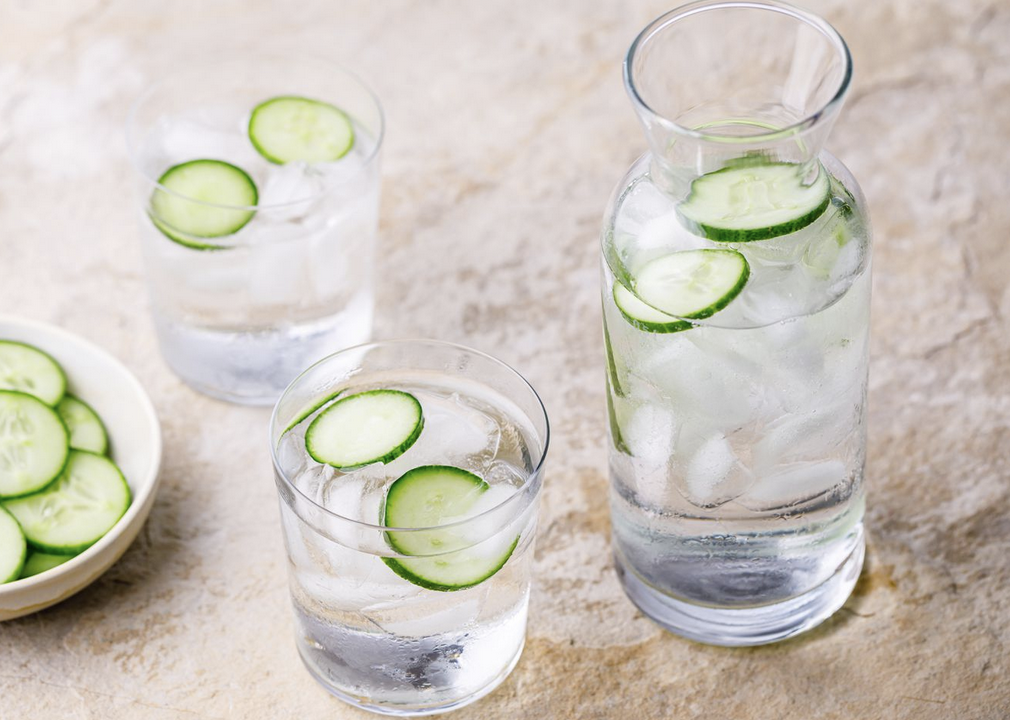
Busy mornings? Prep a bottle the night before, drop in a twist of lemon, cucumber, mint, ginger, or a few berries for an infusion boost—no sugar, just flavor.
Filtered, tap, or bottled? Most tap water is just fine if it’s safe where you live, but a filter can help with taste. Keep water within arm’s reach at your desk or car so you actually drink it!
“Water isn’t just a drink—it’s a daily insurance policy for your blood sugar.”
Unsweetened Teas: Antioxidants and Blood Sugar Benefits
Unsweetened teas pack big health benefits with nearly no impact on glucose.
- Green tea: Linked to improved fasting blood sugar in studies—aim for 1-2 cups, hot or iced
- Chamomile: Loaded with antioxidants; may help with long-term diabetes management
- Peppermint and hibiscus: Naturally caffeine-free, add variety and flavor that’s completely blood sugar safe
Pro tip: Avoid “sweet” or “flavored” tea blends, which often contain hidden sugars—always check the label.
Caffeine sensitive? Opt for herbal or decaf options; your energy should come from hydration, not a shaky heart rate.
“Your morning tea can be as restorative as it is delicious—just skip the sugar!”
Black Coffee (and Decaf): Perks and Pitfalls
For many, black coffee is a comforting ritual—but plain is key.
- No sugar, no syrup: Just black, with only a splash of low-fat or unsweetened plant milk if desired
- Polyphenols may support blood sugar regulation, but caffeine isn’t universally friendly—some notice a spike
- Decaf is a smart move if you’re caffeine-sensitive, have high blood pressure, or just want better sleep
Monitor how you feel and check your morning glucose response—body chemistry is personal.
“Coffee can be a friend or foe—how your body handles it is what matters.”
Fiber-Rich Vegetable Juices: Nature’s Nutrient Boost
Picture a glass of vibrant, cold-pressed juice—just make it low on fruit, high on veggies.
- Choose beet, carrot-celery-spinach blends, or tomato juice for fiber and fewer sugar spikes
- Stick to about 1/2 cup to start—more isn’t always better
- Batch-prep in advance; store in the fridge for a quick grab-and-go boost to your morning routine
A splash of lemon and pinch of herbs can transform flavor without sabotaging your carb count.
“Vegetable juice in moderation is like a vitamin shot—fiber fuels you, sugar doesn’t.”
Herbal Infusions: Harnessing Traditional Remedies
Curious about herbal infusions? They’re making a scientific comeback.
- Try mango leaf, fenugreek (methi), ginger, tulsi, or okra water—all show promise in supporting insulin sensitivity
- Prep is easy: soak (fenugreek/okra) or brew (ginger/tulsi) overnight and drink first thing
- Early research (and generations of anecdotal wisdom) point to subtle but meaningful effects
Pro tip: Always check with your doctor if you’re adding something new, and don’t power through a flavor you hate—experiment (a little honeydew or lime helps).
Taste is subjective, but blood sugar benefits are universal: “A morning herbal infusion bridges wisdom of the past with hopes for today’s health.”
Start your morning with intention—hydration and stability are your ticket to balanced energy and better blood sugar all day. Try a few of these options, note how you feel, and let your routine evolve.
Smart Smoothies and Yogurt Drinks for Satisfying Mornings
Diabetes-Friendly Smoothies: Energy without Spikes
Smoothies don’t have to be sugar bombs—you just need the right formula.
Think of a diabetes-friendly smoothie as a perfect trio: fiber, healthy fat, and protein all working together for steady blood sugar.
Great low-glycemic ingredients include:
- Spinach or cucumber (for a refreshing green base)
- Blueberries or raspberries (add flavor, not a glucose surge)
- Avocado (creamy texture, healthy fats)
- Carrots (subtle sweetness without high sugar)
For a protein and lasting fullness boost, add:
- Greek yogurt (unsweetened for best results)
- A scoop of chia or flax seeds
- Handful of almonds or walnuts
Portion matters: Stick to single-serve blends and use only ½ cup fruit per batch for easy tracking.
Try one of these smooth starts:
- Blueberry-Citrus Power-Up: Greek yogurt, blueberries, half an orange, spinach, chia seeds
- Green Pineapple Steady Start: Kale, cucumber, pineapple (just a little), half an avocado, flaxseed
Imagine pouring a vibrant smoothie into your go-cup: the colors pop, the texture’s thick but not gloopy, and you know there’s no crash coming.
“A well-built smoothie is like a custom algorithm for energy—steady, predictable, and built for your needs.”
Greek Yogurt Drinks: Protein-Packed Options
Greek yogurt packs three times the protein of regular yogurt—this means fewer blood sugar swings and a longer-lasting full feeling.
Mix up your own quick, nutrient-dense sipper by adding:
- Frozen berries (for antioxidants, color, and minimal sugar)
- A tablespoon of chia seeds or sliced almonds (adds crunch and healthy fat)
- A splash of water or unsweetened almond milk for easy drinking
Always read the label: Beware “fruit-on-the-bottom” or sweetened yogurts. Look for “plain,” “no sugar added,” and keep total carbs per serving under 15g.
Picture this: you’re dashing out the door, but breakfast is ready in your hand—a “Berry Almond Yogurt Sipper” that powers your morning.
For plant-based fans, check labels closer. Most nut and oat yogurts have less protein and more starches, which means less blood sugar stability unless you add protein (try pea protein or nuts).
“Let your morning drink work as hard as you do: high in protein, low in sugar, and ready to go.”
Smoothies and yogurt drinks make mornings easy, customizable, and energizing—just balance the mix and read those labels. The right combo means you get steady fuel without sacrificing taste or speed.
Drinks Diabetics Should Avoid in the Morning (and Why)
Fruit Juices: Too Much Sugar, Too Fast
Kicking off your day with a glass of orange or apple juice might feel healthy, but for people with diabetes, it’s a fast track to a blood sugar spike. Even 100% natural fruit juices often pack more sugar per ounce than soda—about 20-26 grams in just eight ounces.
Unlike eating a whole orange, juicing removes most of the fiber that slows glucose absorption. Picture this: eating an orange takes a few minutes and fills you up; drinking juice is over in seconds, flooding your bloodstream with sugar.
Let’s clear up the confusion:
- “Isn’t fresh-squeezed juice better?” Not for your blood sugar.
- “What if I mix juice with water?” Diluting helps, but the sugar’s still there.
- “It’s just fruit, right?” In juice form, it hits your system lightning-fast.
Instead, if you’re craving fruit flavor:
- Drop frozen berries or citrus slices in your water.
- Opt for infused water, not juice.
“A glass of juice in the morning can spike blood sugar faster than you’d expect—skip the straw and savor whole fruit instead.”
Sweetened Coffees, Teas, and “Health” Drinks
Hidden sugars lurk in the most innocent-looking morning drinks. That café latte? Those bottled teas? Even “energy waters” can include 8-30 grams of added sugar per serving.
Artificial sweeteners are marketed as a fix but can backfire—too much may alter your gut microbiome or increase sugar cravings. With plant-based milks, always check the label: “vanilla almond milk” or “oat milk” often means added sugars.
Quick checklist to avoid sugar traps:
- Skip “lite,” “no added sugar,” and “keto” claims that don’t list carbohydrate details.
- Read nutrition labels—a surprising number of “healthy” drinks aren’t blood sugar-friendly.
- Beware of plant-based milks with more sugar than regular dairy.
“If your coffee tastes like dessert, your blood sugar’s paying the price.”
Novel Beverages and Fads: Proceed with Caution
The beverage aisle is flooded with trends—detox drinks, kombucha, coconut water, and energy shots all promote wellness. But what’s actually safe for diabetes?
Many “detox” or “energy” drinks are loaded with hidden carbs, untested herbal blends, or caffeine levels that could spike blood pressure. Kombucha, even when unsweetened, may still contain several grams of sugar from fermentation.
Ask your healthcare provider before jumping into:
- Any drink with more than 5 grams of carbs per serving.
- Products making unproven health claims.
- New fads gaining popularity but lacking substantial research.
Consider this: “Just because a morning drink is trending on Instagram doesn’t mean it’s good for your blood sugar.”
Stay picky with your morning drinks—avoid juices, sweetened lattes, and too-good-to-be-true health beverages for smoother blood sugar days. The golden rule? Prioritize hydration over hype, and let your meter be your guide.
Personalizing Your Morning Drink Routine
Testing Your Response
When it comes to morning drinks and diabetes, “one-size-fits-all” simply doesn’t exist.
Your body’s reaction to coffee, green tea, infused water, or even herbal remedies can be surprisingly unique, thanks to factors like genetics, medication, sleep quality, and your current blood sugar control.
Picture this: You swap your usual black coffee for a cinnamon-ginger tea, and by 10 a.m., your glucose monitor shows a flatter line—suddenly, you’ve got data you can use.
To truly take control:
- Test your blood sugar 30-60 minutes after trying a new drink (especially if it contains caffeine or herbal ingredients)
- Track morning drinks in a simple log: jot down your beverage, any add-ins, and your pre/post drink glucose readings
- Watch for patterns—does green tea keep you steady, but oat milk or kombucha send your numbers higher?
A personal favorite: “Every time I tried a new smoothie, I’d test at the one-hour mark–sometimes the ‘healthier’ recipes weren’t so friendly for my blood sugar,” says a long-time T1D tech founder.
Medical Guidance and Real-World Flexibility
Before overhauling your routine, always check with your doctor or diabetes educator—especially if you’re curious about herbal infusions or trending functional drinks.
Certain health conditions—think kidney disease, high blood pressure, or interactions with medications—can turn a “healthy” morning drink into a problem.
Streamline real-world diabetes management with these strategies:
- Batch prep herbal teas or veggie juices so you’re always two minutes from a healthy pour—even on back-to-back Zooms
- Rotate recipes weekly; mix up ingredients like spinach, turmeric, or different teas to keep things interesting
- Celebrate the little wins: Notice more consistent morning energy or that your pre-lunch numbers are finally in range? That’s habit change at work
A memorable quote for your digital sticky note: “Test, log, and adjust—every small habit shift could mean steadier blood sugar all day.”
Picture starting your day with a glass of cucumber-mint water, logging your blood sugar, and actually enjoying the process—it’s high-tech meets self-care.
Making your morning drink routine personal isn’t just about taste—it’s about turning daily choices into data-informed wins for your health. Every sip lets you tune in, tweak, and optimize your day with confidence.
Trends, Data, and Innovations in Diabetes-Friendly Morning Drinks (2026 Outlook)
New Research and Guidelines for Morning Hydration
There’s been a surge of new evidence linking morning hydration to improved fasting blood sugar—think of it as a metabolic “reset button” after a night’s fast.
Leading organizations now recommend that adults with diabetes start their day with at least 300-500 ml (10-16 oz) of water before breakfast, citing studies showing even mild dehydration can raise glucose by 3-5% almost immediately.
Tech is making this easier:
- Smart water bottles now track your intake and gently nudge you via app alerts (picture your phone pinging you: “Time to refuel!”).
- Connected hydration apps can sync with your glucose monitor, highlighting how drinking habits impact your morning readings.
Busy schedule? Imagine a water bottle that flashes blue on your desk until you drink your target amount—a tiny habit with a serious blood sugar payoff.
Functional Ingredients and Beverage Tech
Diabetes-friendly drinks are evolving, and fast. Prebiotic fibers and polyphenol-rich plant extracts like inulin, chicory root, and green tea catechins are increasingly found in both powdered mixes and ready-to-drink morning beverages.
What’s driving this?
- Studies show these ingredients support glucose stability and feed “good” gut bacteria—an exciting one-two punch for whole-body benefits.
- Expect more micronutrient-fortified drinks: think magnesium and chromium, both linked to better insulin sensitivity.
AI is quickly moving into the mix.
- Personalized beverage apps now suggest your best morning drink combo based on your logged glucose numbers, sleep, and workout data.
- Some “smart” kitchen gadgets assemble your custom veggie juice or shake, minimizing spikes and maximizing flavor.
Remember, not all that glitters is healthy.
- Be wary of “keto” and “diabetic-friendly” labels that mask sneaky sweeteners or poor-quality fats.
- Always scan nutrition labels—watch for unnecessary sugars, sodium, or preservatives.
Staying Informed and Empowered
Keeping up can feel like a full-time job—but the right information arms you for success.
Here’s how to stay ahead:
- Bookmark evidence-based resources: reputable diabetes sites, registered dietitian blogs, and consensus statements from health agencies.
- Look for these signals a trend is worth exploring:
- Peer-reviewed science backing the claims
- Consensus or endorsements by certified diabetes specialists
- Transparent ingredient sourcing and nutrition info
Picture this: tomorrow’s healthiest routine might be one push notification away, but the best habits are those you build with curiosity and consistent self-test results.
The big takeaway—tech and new ingredients are making it easier than ever to find your ideal diabetes-friendly morning drink, but your best defense is an informed, flexible approach. Staying curious and evidence-driven is the perfect way to sip smarter—today and every morning ahead.
Conclusion
Choosing your morning drink isn’t just a small detail—it’s a powerful lever for better energy, mental clarity, and smoother blood sugar throughout your day. Your first sip sets a foundation that echoes through every meeting, brainstorm session, and decision you make.
A strategic approach means you’re not just hoping for steady blood sugar—you’re building it, one intentional choice at a time.
Here’s how you can put this into action, starting tomorrow:
- Begin your day with 10-16 oz of plain or infused water—hydrate before caffeine or calories hit your system.
- Swap sweetened or high-carb drinks for unsweetened teas, black coffee, or veggie-based smoothies—keep blood sugar stable from the jump.
- Balance your smoothie or yogurt drink with fiber, healthy fats, and protein for focused energy without spikes.
- Track your morning drink and post-drink blood sugar for a week—see what truly works for your body.
- Vary your beverage routine—try new infusions or ingredient combos, and keep things interesting and sustainable.
Ready to upgrade your mornings right now?
- Prep your go-to low-sugar beverage tonight—have that lemon-cucumber water, green tea, or ready-blended smoothie in the fridge.
- Tomorrow, log your drink and note your energy and numbers before lunch; adjust as needed.
- Share your favorite diabetes-friendly morning drink on social—inspire your circle to #SipSmart and build healthy momentum together.
Every morning is a fresh start—one smart sip sets the tone for your whole day. Small changes today mean steadier energy, sharper thinking, and lasting control. Here’s to mornings that work as hard—and as smart—as you do.