Key Takeaways
Transforming your diet for real, sustainable weight loss doesn’t mean chasing fads—it’s about adopting practical, evidence-based changes you can actually stick to. Here are the most essential insights ready for immediate action, designed for busy, tech-minded professionals who want both clarity and results.
- Calorie control is non-negotiable—sustained weight loss happens only when you eat fewer calories than you burn, regardless of your chosen eating style or trendy diet.
- Prioritize protein at every meal to boost fullness, preserve muscle mass, and keep cravings in check—aim for 25–30% of your daily calories or 1–1.2g/kg of ideal body weight.
- Load up on fiber-rich, high-volume foods like vegetables, fruits, legumes, and whole grains to maximize meal size while lowering calorie counts and keep you comfortably satisfied.
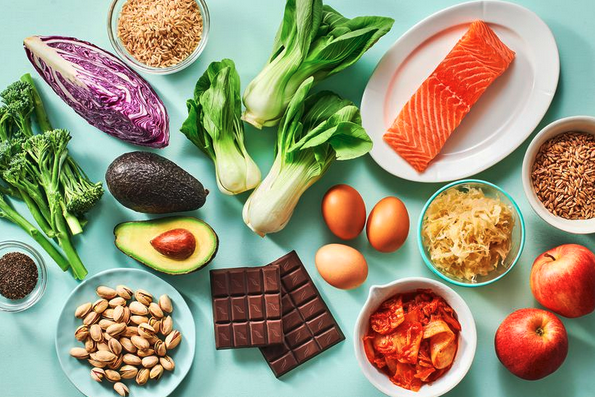
- Swap empty carbs for healthy fats—choose foods like avocado, nuts, olive oil, and fish to increase satiety and support long-term health, while cutting back on processed snacks and added sugars.
- Structure meals and eat regularly instead of skipping—regularly timed meals, especially breakfast, reduce overeating later and help maintain steady energy and focus throughout your day.
- Automate healthy habits with smart behavior shifts—simple tactics like planning meals, portioning snacks, and keeping tempting foods out of sight dramatically cut mindless eating with minimal effort.
- Choose a sustainable eating pattern—forget crash diets; opt for an approach you can maintain year-round (like Mediterranean or DASH) to avoid yo-yo results and make progress stick.
Ready to embrace real change? Dive into the full guide for actionable steps, practical tools, and smart strategies that make healthy eating work on your busiest days.
Introduction
How many times have you found yourself looping through the same diet cycle—motivated on Monday, off track by Friday, and Googling “quick fixes” before your next video call?
You’re not alone: over 85% of professionals trying to lose weight struggle to maintain results past six months. That’s not a willpower problem—it’s a reflection of the confusing (and often conflicting) advice out there, paired with relentless work demands and packed schedules.
In a world where productivity is prized and time is tight, it’s easy to fall for fads promising rapid change. But the real transformation? It doesn’t come from extreme detoxes or the “next big thing” in nutrition. It comes from targeted, evidence-backed tweaks that fit into the rhythm of your busiest days.
Imagine swapping snack attacks and energy crashes for:
- Sustained energy and sharper focus — both in meetings and late-night work sprints.
- Healthier habits that require zero guessing— forget decision fatigue, structure makes healthy eating almost automatic.
- Progress you can actually track, backed by the tech and data you already love (think wearables, meal-tracking apps, and digital reminders).
We’re about to cut through the noise, highlighting seven practical dietary shifts—each one built for real results, not Instagram hype. You’ll see smart analogies, unexpected research, and tech-savvy strategies tailored for people who want to optimize both life and work.
If you’re ready to move beyond the stress and guesswork of typical diets—and unlock upgrades that last through everyday chaos—keep reading.
Let’s start where every enduring change begins: why your diet is the real engine behind weight loss success, not just another “item” on your to-do list.
Why Your Diet Matters for Weight Loss Success
Calorie intake isn’t just important—it’s the core engine of weight loss.
No matter which “magic diet” is trending, consistently consuming fewer calories than you burn is the only scientifically proven way to lose weight and keep it off.
Picture this: Two people, one on keto and one on a Mediterranean diet, both lose weight. What do they have in common? They’re each in a calorie deficit, not following a single food rule or avoiding a particular ingredient.
The Real Science vs. Diet Fads
A tidal wave of “lose fat fast” hacks and metabolism-boosting foods fills your social feeds. But here’s the reality:
- Major research reviews show calorie reduction—about 500-750 kcal/day less than usual—drives weight loss, regardless of whether those calories come from carbs, protein, or fat.
- For many adults, this lands at 1,200–1,500 kcal/day, but always scale for body size and activity.
Chasing trends like “detox teas” or fat-burning superfoods rarely works in the long run. Nutrient-dense foods matter—think of calorie control as the “what,” and food quality as the “how well.”
Mindset, Myths, and What Actually Moves the Needle
Myth alert: No food magically torches away pounds. Believing that certain foods or restrictive plans bypass the calorie equation is why so many dieters hit dead ends.
Consider these enduring myths:
- Metabolism slows permanently after dieting (nope—extreme restriction causes short-term dips, not lifelong damage)
- You can eat unlimited “health” foods and still lose weight (impossible if you're overeating calories)
- Skipping meals speeds up fat loss (it often backfires, leading to stronger cravings and overeating later)
The Foundation: Evidence-Based, Sustainable Changes
Here’s where the long game wins:
- Diets like the Mediterranean, DASH, and Mayo Clinic Diet are all about consistent, balanced eating patterns rooted in real science.
- Sustainability is key: Choose changes you can stick with, not one-size-fits-all crash diets.
- Psychological factors—like eating for stress relief or skipping meals when busy—impact results more than willpower alone.
When you put nutrition science on your side, you set up a lasting framework—not just a quick fix.
Want the real secret? Your fork is more powerful than any supplement, and small, evidence-based tweaks to your diet beat the latest trend every single time. If you remember just one thing: sensible calorie control paired with quality nutrition makes sustainable weight loss possible.
Essential Dietary Change #1: Mastering Your Calorie Intake—The Real Foundation
Trying every new diet app or trend? Don’t get lost in the hype—the one constant is the calorie equation. Weight loss comes down to consistently eating fewer calories than you burn, no matter what “style” you choose.
If you’ve heard terms like calorie deficit, here’s the real-world meaning: Your body burns a set number of calories daily (your maintenance level), and weight loss starts when your intake dips below that number.
How to Calculate What You Need—No PhD Required
Forget complicated math.
Most tech-savvy professionals can estimate needs with:
- Online calculators (search “TDEE calculator”—Total Daily Energy Expenditure)
- Wearable fitness trackers with calorie estimates
- The quick formula: Multiply your weight (lbs) by 12–15 for a ballpark daily maintenance
To lose weight, aim to reduce by 500–750 calories/day from your maintenance—think 1,200–1,500 kcal/day for many adults (always adjust for your sex, size, and activity).
Why Extreme Calorie Cuts Backfire
Here’s what not to do: Slash calories to the bare minimum.
Going too low—say, under 1,200 kcal for women or 1,500 for men—causes:
- Major drops in energy and mood
- Muscle loss instead of just fat loss
- Your metabolism slowing down (making long-term results tougher)
Picture this: You’re hangry, tired, and staring at your screen—how likely are you to stick to your plan, or crush that client presentation?
The best approach is steady, realistic progress, not “diet sprints.”
Making Tracking Effortless—Even If You Hate Counting
You don’t have to live inside an app.
Try these real-world, low-effort tools:
- Use apps like MyFitnessPal, Lose It!, or even device-based trackers to log meals with a couple taps
- Snap smartphone photos of your meals—less precise, but keeps you honest and aware
- Pre-portion meals or snacks by calories (using kitchen scales or pre-packaged items) so you’re not surprised later
Key Takeaway
Mastering calorie intake is the relentless lever behind lasting weight loss. Start with a simple reduction, skip the extreme cuts, and use practical tracking tools to make it second nature. “Weight loss isn’t magic—it’s math made easy.”
Essential Dietary Change #2: Prioritize Protein at Every Meal
Want to lose weight and keep it off? Protein is your not-so-secret weapon—it keeps you full, preserves muscle, and slashes your risk of regaining lost pounds.
Just picture this: You eat a high-protein breakfast and breeze through the morning without the 10:30am snack attack.
Research shows: Higher-protein diets (about 1–1.2 grams per kg of ideal body weight per day, or 25–30% of your total calories) are linked to better appetite control, less muscle loss, and significantly lower chances of regain when the diet honeymoon is over.
“Protein does what willpower can't: it helps you confidently walk past the office pastry tray.”
Building Your High-Protein Plate
It’s easier (and tastier) than you think to get more protein, no matter your food preferences or schedule.
Try adding these high-protein options at every meal:
- Lean poultry, pork, beef, or fish (canned tuna and salmon = fast + budget-friendly)
- Eggs or egg whites (try adding to oats or stir-fries for extra protein)
- Greek yogurt, cottage cheese, or skyr (double the protein of regular yogurt)
- Tofu, tempeh, edamame for a plant-based boost
- Beans and lentils (add to soups, wraps, or even roasted for snacks)
“Adding a scoop of cottage cheese to your lunch salad keeps you full—and curious coworkers inspired.”
Easy Ways to Power Every Meal (No Meat Required)
You don’t have to be a carnivore to hit your target.
Simple, balanced swaps:
- Add lentils or tofu to curry, pasta, or sheet pan meals
- Trade out sugary breakfast cereal for Greek yogurt with nuts
- Make hummus your dip or spread—plant protein for the win
- Prep hard-boiled eggs or string cheese for quick snacks
“Plant-based protein gives you energy and endless recipe options for busy weeks.”
Watch Out for Sneaky Low-Protein “Healthy” Foods
Don’t get fooled by pretty packaging—many ‘health' bars and breakfast cereals are protein lightweights but calorie heavy.
If a snack or meal doesn’t have at least 10–15 grams of protein, re-work it!
Your playbook:
- Always check the nutrition label for protein per serving
- Pair ‘light' carb foods (fruit, crackers) with a protein source (nuts, cheese, yogurt)
- Bulk up salads and soups with beans, lentils, or diced chicken
“Balanced protein isn’t just an athlete’s hack—it’s the secret sauce for sustainable weight loss.”
If you focus on simple protein upgrades each day, you’ll boost fullness, protect lean body mass, and enjoy better results (with fewer cravings and less willpower drain). Prioritizing protein won’t just change your plate—it’ll transform your entire weight loss experience.
Essential Dietary Change #3: Harness the Power of Fiber and High-Volume Foods
Picture this: You’re working through a busy day, barely glancing up from your screen—when suddenly, hunger hits hard. Fiber and high-volume foods are your secret weapon for feeling full without overloading on calories.
Most adults get only about half the recommended 25–38 grams of fiber per day. That gap leaves us hungrier, craving more, and often reaching for junk.
Where to Find the Fiber (and Fullness)
If you want to fill up on fewer calories, make these foods the stars of your meals:
- Non-starchy vegetables: broccoli, spinach, peppers, cauliflower, leafy greens
- Fruits: berries, apples, oranges, pears, kiwi
- Legumes: lentils, chickpeas, black beans, edamame
- Whole grains: oats, quinoa, brown rice, barley
Try tossing spinach into your morning eggs, topping salads with beans, or snacking on raw veggies. “A salad loaded with greens, legumes, and a sprinkle of whole grains can double your meal’s volume—without doubling the calories.”
Why Mediterranean & DASH Diets Work
Modern diet research is clear: Mediterranean and DASH eating patterns help with weight loss and heart health, thanks to their heavy focus on vegetables, fruits, legumes, and whole grains. These diets are flexible, flavor-packed, and easy to adapt for busy lifestyles.
- Plan “bulk” dinners: roasted veggie trays, hearty bean soups, or grain bowls
- Keep convenient fiber sources on hand: frozen veggies, canned beans (rinse for less sodium), instant oatmeal, or fruit
The Science: High-Volume, Low-Calorie Wins
Eating more “volume” means enjoying larger plates of food, lower overall calories, and less hunger. High-fiber foods slow digestion, stabilize blood sugar, and help you avoid those afternoon energy crashes.
Swap out half your rice for a mountain of stir-fried broccoli, or use spiralized zucchini in place of half your pasta to cut calories and stay satisfied. “High-volume foods give you permission to eat more—while eating less.”
Choosing fiber-rich, high-volume foods is more than a diet hack—it’s a permanent advantage. Load up your plate, keep hunger at bay, and anchor your weight loss efforts with food that fuels and fills you.
Essential Dietary Change #4: Choose Healthy Fats and Cut Empty Carbs
For lasting fat loss, what you eat matters just as much as how much.
One easy win: swap out “empty” carbs and focus on fats that satisfy and support your health.
Picture this—avocado slices glistening on whole grain toast, a handful of roasted almonds for a midday lift, or seared salmon topped with olive oil and lemon. These aren’t splurges—they’re effective upgrades.
The Real Deal on Healthy Fats
Research shows that unsaturated fats—the kind found in:
- Extra virgin olive oil
- Avocado
- Almonds, walnuts, and other unsalted nuts
- Pumpkin, chia, or flax seeds
- Oily fish like salmon, sardines, mackerel
help boost satiety and may cut cravings for hours. Diets rich in these “good” fats, like the Mediterranean diet, are linked with better weight management and heart health.
On the flip side, “low-fat” can backfire. When you cut out all fat, you often end up hungrier—and that’s when snack cravings and binge cycles creep in.
Quotable tip: “Swapping low-fat crackers for a few olives might actually keep you full longer—and happier.”
Cut Empty Carbs Without Losing Taste
Added sugars and refined carbs stealthily add calories and spike your appetite.
Major sources to watch for include:
- White bread, white rice, and regular pasta
- Sodas, sweet teas, and flavored lattes
- Packaged sweets (cookies, pastries, breakfast bars)
- Candy, chips, and most fast-food snacks
Research (and your waistline) agree—most adults eat 2-3x more added sugars than recommended.
Pro tip: Scan ingredient lists for hidden sugars like “glucose syrup,” “maltodextrin,” or anything ending in “-ose.”
Healthy Snacking and Real-World Swaps
Craving salty or sweet? Try these snack makeovers:
- Swap potato chips for roasted chickpeas or a small handful of mixed nuts
- Replace that afternoon candy bar with Greek yogurt and fresh berries
- Enjoy hummus with veggie sticks instead of crackers
A home office desk with a bowl of walnuts and a water bottle beats the vending machine every time.
Bringing in the Changes
Cutting empty carbs doesn’t mean sacrificing satisfaction or flavor. By loading up on healthy fats and making smart swaps, you’ll feel fuller, reduce cravings, and stay energized.
Start with one snack or meal a day—small shifts add up, and your energy (plus your scale) will notice.
Essential Dietary Change #5: Structuring Meals and Timing for Success
Rushed mornings, skipped lunches, and chaotic late-night snacks—sound familiar? Structuring your meals is a powerful way to put your weight loss on autopilot, even when willpower fades.
Research consistently shows that regular meals—especially breakfast—help control overall intake and keep blood sugar steady throughout the day.
Why Skipping Meals Backfires
Skipping meals isn’t a shortcut to faster weight loss. In fact, it can trigger:
- Intense hunger later in the day, fueling overeating
- Lower energy and poor focus, which impacts work performance
- Slower metabolism, making it harder to lose weight over time
One quotable truth: “Skipping breakfast doesn’t save calories—it just delays hunger until it’s harder to control.”
Meal Timing Trends: What Works (and What’s Hype)
Is it better to eat most of your calories early or late? New research suggests:
- Front-loading calories earlier in the day may help with hunger control and metabolic health
- Late-night eating is tied to higher body weight and worse sleep
- Regular meal times—not random snacking—help your body know what to expect
Picture this: You schedule meals like meetings. Suddenly, mindless snacking takes a back seat.
Intermittent Fasting: When Less Is More (Sometimes)
Intermittent fasting (think 16:8 or 5:2) is everywhere—but it’s simply a way to reduce calories, not a magic fix.
Here’s how to know if it fits your life:
- Works best for people comfortable with longer stretches without food
- No evidence it “boosts metabolism” more than regular calorie reduction
- Some find it easier to maintain structure, others find it distracts from social meals
“Intermittent fasting is a choice, not a requirement—find what’s sustainable for you.”
Frameworks to Make Meal Structure Automatic
For busy schedules and tech-filled days, meal structure can be as simple as:
- Plan three balanced meals and 1–2 filling snacks (think: Greek yogurt, nuts, fruit)
- Set calendar reminders for meal breaks—turn eating into a routine, not an afterthought
- Pack portable options to avoid vending machines and drive-thru temptations
Not-So-Obvious Wins of Structuring Meals
- Reduces last-minute, high-calorie decisions
- Keeps energy and focus high for work and creativity
- Turns healthy eating into a habit, not a daily debate
When you structure your meals and timing, meals stop being a willpower test and start working for you—even on your busiest days. Consistent eating patterns aren’t just about discipline; they’re your secret weapon for long-term progress.
Essential Dietary Change #6: Simple Behavior Shifts That Make Healthy Eating Automatic
You can spend hours searching for the perfect meal plan, but the real secret? Healthy eating starts with simple behavior changes—tiny tweaks that stick.
Ever find yourself knee-deep in a bag of chips while answering emails? Welcome to the club. Mindless eating is a universal culprit, and your environment often beats your willpower, hands-down.
Researchers have found that people make over 200 food-related decisions every single day—most on autopilot. Your best move: design your surroundings to make the healthy choice the easy choice.
Creating Effortless Wins: Tactics for Smarter Eating
Ready to outsmart your cravings and save time? Try these proven strategies:
- Meal plan and prep: Block off just 30 minutes on Sunday to plan meals and chop veggies; you’re less likely to grab takeout when healthy options are ready to go.
- Read food labels: Before tossing something in your cart, scan the label for serving size, calories, sugar, and fat. Tiny packages can pack huge calories.
- Master portion control: A simple kitchen scale or measuring cups can keep “just a handful” from snowballing into extra hundreds of calories.
Not a spreadsheet fan? No problem. Even prepping sliced fruit or salad kits once a week gives you grab-and-go ammo against hunger.
Upgrade Your Home and Snack Habits
Look around—is your kitchen helping or sabotaging you? Research shows just keeping tempting foods out of sight can lower calorie intake by 20%.
Try these home-base swaps:
- Put fruit bowls and healthy snacks at eye level.
- Store chips and sweets out of sight, or better yet, don’t buy them at all.
- Shop with a list—this can cut impulse purchases by up to 50%.
When eating out with friends (or navigating takeout), order first, split large portions, or pre-decide what fits your plan—so you’re not swayed by table envy.
Small Tweaks, Big Wins: Real-World Results
Picture this: You swap your desk candy jar for almonds—over six months, that’s tens of thousands of calories saved without even thinking about it.
Or, you start planning lunches ahead, and suddenly, those “emergency” vending machine missions vanish. Tiny changes add up fast.
If you want your diet to become genuinely “automatic,” make your healthy choices visible, simple, and ready before hunger strikes. Even one small setup change this week could spark lasting results.
Essential Dietary Change #7: Commit to a Sustainable Eating Pattern—Forget the Crash Diets
The quickest way to sabotage your weight loss? Jumping from one crash diet to the next. Study after study shows that sustainable dietary patterns—think Mediterranean, DASH, or the Mayo Clinic Diet—outperform “fast-fix” diets every single time.
You want a way of eating you can stick to through busy workdays, travel, and late-night deadlines—not just a two-week sprint.
Why Long-Term Patterns Outperform Fads
Crash diets are everywhere, but here’s the reality:
- Long-term eating patterns lead to lasting results, not yo-yo cycles.
- Diets like the Mediterranean pattern (high in vegetables, olive oil, whole grains, and fish) show up to 35% reductions in cardiovascular risk and steady, maintained weight loss in research.
- Ultra-low-calorie diets (<800-900 kcal/day) might work short-term, but need serious medical oversight and often trigger muscle loss, nutritional gaps, and rebound weight.
Want a memorable soundbite? “If you can’t imagine eating this way for a year, it’s not your solution—just your next setback.”
Is Your Diet Actually Sustainable? A Quick Checklist
Before you commit, ask:
- Can I imagine eating like this through travel, stress, or holidays?
- Does this diet let me enjoy foods I love—at least sometimes?
- Is there room for real meals, not just bars or shakes?
- Am I getting enough calories, protein, fiber, and healthy fats for energy?
If you answered “no” to any of the above, it’s time to rethink!
Strategies for Making Change Stick in Real Life
Picture this: It’s a chaotic Tuesday. Meetings run late, and takeout is calling.
Sustainable eating gives you tools, not rules:
- Prep go-to meals that survive crazy days (like a grain bowl with rotisserie chicken and veggies).
- Stash healthy snacks (nuts, Greek yogurt, cut veggies) for emergencies.
- Use helpful apps—like MyFitnessPal or Cronometer—to stay aware, but skip perfection.
- Embrace flexibility: Allow yourself planned “off” meals so nothing needs to be “forbidden.”
The Real Secret: Sustainable Beats Perfect
No single meal derails your progress—the pattern matters. Diet success isn’t about flawless days; it’s about consistency over weeks and months.
If you take one thing from this, remember: Find a pattern you can live with, not just survive. That’s the lever for real, compounding weight loss results.
Bringing It All Together: Personalizing Your Diet Transformation
Picture this: you’ve just finished reading about the 7 essential diet changes—now, how do you actually make them work for you instead of following a generic game plan?
First, assess your starting point. Think about:
- What do your typical meals look like?
- Which new habits seem hardest—or easiest?
- Are there any health conditions (think: diabetes, food allergies) that shape your food choices?
Jot down two things you’re doing well and one roadblock holding you back. This self-audit is the first step to meaningful, lasting change.
“Transformation starts by meeting yourself where you really are, not where you wish you were.”
Finding Your Personal Nutrition Formula
Here’s how smart readers like you combine the basics for serious results:
- Protein at every meal keeps you energized and curbs cravings (25–30% of your daily calories).
- Load up on fiber-rich, high-volume foods (veggies, fruits, legumes) for maximum satisfaction with fewer calories.
- Choose healthy fats—avocado, nuts, olive oil—to boost fullness and support focus.
- Experiment with meal timing. Some feel best eating bigger breakfasts, while others thrive with dinner as the main event.
Use a free app like MyFitnessPal or Cronometer for real-time tracking and gentle course-correction.
Building Your Support System
Don’t go it alone—successful change is a team sport. Consider:
- Scheduling a quick consult with a Registered Dietitian—especially if you have medical conditions or complex needs.
- Using digital meal planners with built-in grocery lists (think: PlateJoy, Eat This Much).
- Setting up accountability check-ins with a friend, online group, or health professional.
Set up reminders for protein goals or step challenges—automation makes healthy habits almost effortless.
“Technology gives you structure, but people give you energy.”
Real-World Success on These Seven Changes
Imagine Anna, a business owner who swapped her afternoon pastry for Greek yogurt, berries, and nuts—within two weeks, her afternoon energy rollercoaster vanished. Or Mark, who started meal-planning and doubled his fiber intake using “veggie first” lunches, finding he got full on fewer calories (a 300-calorie daily difference).
Small, consistent tweaks add up. Your path will look different—but every sustainable change makes the next one easier.
The best menu is one you can follow even on deadline days, travel weeks, or when life goes sideways. Pinpoint a single change to start with this week—and remember: your best strategy is always the one that fits your real life.
Conclusion
Serious transformation doesn’t come from chasing every new trend—it’s the result of practical, science-backed habits that fit your real life. When you dial in the right diet changes, you build a framework that powers lasting results and keeps you in control, no matter what your day throws at you.
The real difference-maker? Momentum through action, not just information. You don’t need a perfect plan; you need one step forward.
Start putting this into action today with these high-impact moves:
- Prioritize protein at every meal to stay fuller and protect lean muscle
- Pack your plate with high-fiber, volume foods like veggies and legumes for satisfaction without excess calories
- Swap out “empty” carbs for healthy fats—think avocado, nuts, and olive oil—for lasting energy
- Set meal structure and timing with simple routines to reduce mindless eating
- Make your environment work for you by prepping healthy snacks and removing temptation
Ready to level up? Here’s how to get started—no overhauls required:
- Pick one habit above that feels achievable and commit to it this week
- Log just one day’s meals in a nutrition app for instant calibration
- Share your first win with a friend or support group for accountability
- Schedule a reminder on your phone for a healthy snack or meal break
- If you hit a hurdle, revisit your “why” and course-correct—not quit
Small, consistent changes will spark momentum faster than grand intentions. The path to transformation isn’t about being perfect—it’s about building habits you can stick with even when life gets messy.
Every empowered meal is a vote for your future self. The best time to start is now—your fork is your most powerful tool for real, compounding change.