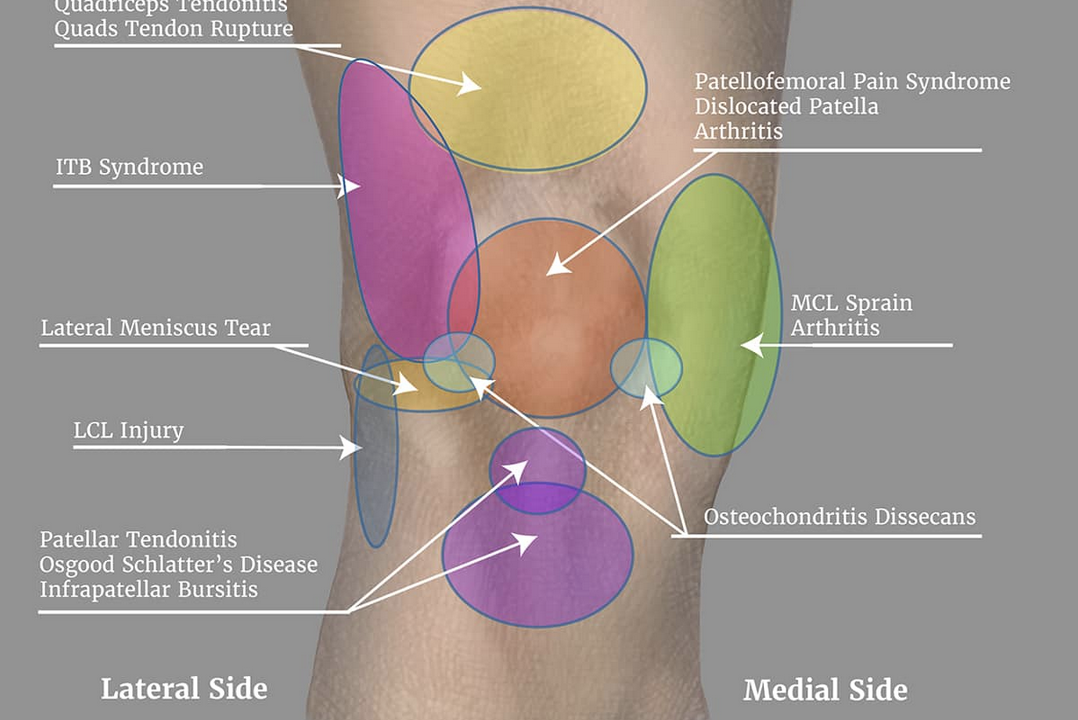
Key Takeaways
Diagnosing joint pain is a collaborative, multi-step process that blends your personal story with cutting-edge tools, giving you the fastest track to relief and long-term joint health. Here’s what tech-savvy professionals need to know to streamline their diagnostic journey, ask smarter questions, and get results sooner.
- Clear communication is your superpower—nearly 80% of joint pain diagnoses are narrowed down by the details you provide during your first appointment.
- Start with a comprehensive self-assessment by tracking when and how your pain changes, associated symptoms, and recent events; bringing this context saves you both time and money.
- Physical exams are data-rich moments—providers use hands-on techniques and quick functional screens to focus testing, reduce unnecessary scans, and accelerate targeted treatment.
- Smart bloodwork reveals invisible causes; request checks for ESR, CRP, autoimmune markers, and infection panels to uncover inflammation, arthritis, or hidden infections behind your pain.
- Choose the right imaging for the job—X-rays for bones, ultrasound for soft tissue, MRI for deep dives, and CT or nuclear scans for complex cases; new AI-assisted tools speed up diagnosis and pinpoint subtle details.
- Don’t skip joint-specific procedures—joint aspiration and arthroscopy offer near-instant answers for mystery swelling, infections, or crystal diseases, often resolving lingering doubts in just one visit.
- Efficient record-keeping maximizes care—organize your test results, imaging, and ICD-10 codes in a digital folder to ensure faster insurance approvals and seamless communication with your care team.
- Embrace integrated, AI-empowered diagnostics—today’s best outcomes blend your personal story, hands-on exams, labs, imaging, and smart data tools for a uniquely tailored, data-driven treatment plan.
Digest these takeaways, prep your next appointment like a pro, and dive into the full article for actionable strategies to unlock rapid, accurate answers for your joint pain.
Introduction
Ever left a doctor’s office with more questions than answers about your joint pain? You’re not alone—nearly 70% of adults will face unexplained joint aches or stiffness at some point in their careers, sending them down a maze of tests, second opinions, and uncertain next steps.
But what if there was a smarter, more actionable roadmap—one that combined medical expertise with the same data-driven clarity you use to run your business or develop new tech workflows?
Understanding joint pain isn’t just about chasing symptoms. The real win comes when you can:
- Clearly communicate your story, so the right tests are chosen from the start
- Decode what each test or scan actually reveals, keeping you in control of your care
- Spot hidden trends and avoid unnecessary procedures, saving weeks of worry (and sometimes hundreds in out-of-pocket costs)
This isn’t just medical theory—research shows that up to 80% of joint injury cases could benefit from more precise, early-stage diagnosis made possible by a blend of careful listening, targeted procedures, and tech-enhanced insight.
If you’re comfortable navigating dashboards and workflows, you’ll appreciate how a well-run diagnosis feels: fast, collaborative, and efficient. Imagine submitting a perfect bug report—the more detailed and relevant your input, the sharper the solution on the other end.
Here, you’ll discover how clinical interviews, bloodwork, advanced imaging, and cutting-edge tools like AI pattern recognition create a seamless pathway from symptom to solution.
Expect relatable analogies (think: X-rays as the “Google Maps” of your bones), specific tips for organizing your data, and a behind-the-scenes look at why certain lab tests or procedures are recommended—always in bite-sized, approachable chunks designed for both seasoned tech users and curious beginners.
So, what actually happens after you say, “My knee’s been hurting for weeks”? Let’s break down the journey, step by step, starting with the foundations of an accurate joint pain diagnosis—where your voice is every bit as powerful as the latest technology.
The Foundations of Joint Pain Diagnosis
Diagnosing joint pain is like solving a puzzle—getting the right answer fast is the key to unlocking lasting relief.
If the diagnosis misses the mark, treatment plans just don’t work or, worse, may actually set your recovery back.
Accurate diagnosis isn’t just about fixing symptoms for today; it’s the starting line for long-term joint health and preventing future issues.
You’ll see a major difference in outcomes between patients whose pain source is precisely identified early vs. those who bounce from treatment to treatment in search of answers.
What Your Diagnostic Journey Looks Like
Picture this: You walk into the doctor’s office because your knee’s been throbbing for weeks.
Here’s what to expect, step-by-step:
- Initial assessment: Your provider listens closely to your story—location, timing, all the little details.
- Targeted testing: Based on your description and exam, specific blood tests or imaging may be ordered.
- Advanced procedures: Sometimes, deeper dives like joint aspiration or MRI are required to rule out tricky causes.
One memorable fact: Nearly 80% of joint pain diagnoses can be narrowed down from first visit details alone — clear communication matters more than high-tech scans in these cases.
Partnering With Your Care Team
Think of diagnosis as a collaboration—not just the doctor’s detective work.
Here’s how you can prep like a pro:
- Note exactly which joint hurts, when it started, and how the pain changes throughout the day (is it stiff every morning, or only aches after a run?).
- Track symptoms that tag along: swelling, redness, fever, fatigue, or any rash.
- Remember any recent injuries, infections, or travel—even a hiking trip six months ago could trigger specific tests.
A precise backstory can unlock the perfect test, shorten the path to answers, and even steer your provider clear of unnecessary expenses—sometimes saving you hundreds of dollars and weeks of worry.
Memorable Takeaways for Your Next Appointment
For the tech-savvy: imagine your initial evaluation as a data input—a complete, accurate snapshot leads to far smarter recommendations.
“Describing your joint pain is like submitting a perfect bug report; the more context you give, the faster you get a fix.”
Whether your pain is new or chronic, take 5 minutes today to jot down your joint health story; it’s the simplest, highest-impact step you can take before seeing a specialist.
A tailored diagnosis starts with your voice—the details you share fuel every decision that follows, fast-tracking both relief and results.
Initial Clinical Evaluation: History and Physical Exam
Taking a Comprehensive Medical History
When you visit your provider for joint pain, the first step is always a conversation. Expect targeted questions that help shape your diagnosis from the very beginning.
Your doctor will want to know:
- Which joint or joints hurt (one, multiple, big, or small)
- When symptoms began and their pattern (sudden or gradual onset)
- How pain changes during the day (Is it worse in the morning or after use?)
- If there’s any swelling, stiffness, or locking in the joint
Serious detective work comes next. You’ll likely be asked about:
- Recent injuries, strains, or overuse of the joint
- Infections you’ve experienced, especially with fever or localized redness
- Travel history, especially exposure to ticks (think Lyme disease)
- Medications and supplements, since some drugs can trigger joint issues
- Family history of arthritis or autoimmune conditions
Why so much detail? Because context is everything. A single trip or forgotten injury could crack the case on your joint pain.
“Describing your pain clearly is just as important as any test your doctor can order.”
Physical Examination of the Joint(s)
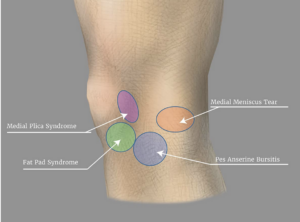
Once your story is mapped out, it's time for a hands-on evaluation. Your provider will examine each affected joint with a sharp eye for changes.
They’ll check for:
- Swelling, redness, or warmth (all possible signs of inflammation)
- Deformity or bony changes (think: visible lumps or altered shapes)
- Loss of motion or function (can you move the way you used to?)
During the exam, expect specific tests, like:
- Lachman test (checks for torn knee ligaments)
- Log-roll test (detects hip problems)
- Range-of-motion drills to see if pain limits movement or strength
Each finding helps narrow the field—think of it as a highlight reel that directs the next round of tests. If there's swelling and fever, infection leaps to the top of the list; if multiple joints are involved, systemic conditions become likely.
“Your provider's hands, eyes, and ears are often the most powerful diagnostic tools in the room.”
Quick Takeaways and Shareable Insights
The clinical evaluation lays the foundation for every next step—getting the story right speeds up care and cuts down unnecessary tests.
Clear descriptions and honest details from you, paired with a methodical physical exam, give your care team the clues they need to create a customized diagnosis path.
“If you remember one thing: Preparation and honesty at this stage directly influence faster answers and smarter treatments.”
Laboratory Tests: Unlocking the Clues in Your Bloodwork
Systemic Inflammation and Infection Markers
When your joints hurt, the first stop in bloodwork is usually ESR (erythrocyte sedimentation rate) and CRP (C-reactive protein).
- These markers measure inflammation in your body—high values can point to hidden autoimmune diseases, lingering infections, or active arthritis.
- CBC (complete blood count) and metabolic panels play detective, flagging infections, anemia, or organ trouble that might explain unexpected joint pain.
- “A single high CRP can be the clue that changes your whole diagnosis journey.”
Imagine your doctor explaining: a raised CRP is like a smoke alarm—loud, but it won't tell you where the fire is. It only means you need to look further.
Testing for Autoimmune and Arthritis-Related Conditions
Doctors reach for specific autoimmune markers when they suspect conditions like rheumatoid arthritis or lupus.
- Rheumatoid Factor (RF) and anti-CCP help confirm rheumatoid arthritis but aren’t exclusive—10% of healthy people can test positive.
- ANA (antinuclear antibody) becomes the first line for lupus and other systemic diseases, but about 1 in 20 healthy adults test positive too.
- HLA-B27 antigen testing helps spotlight spondyloarthropathies, especially if you experience back pain or inflammation in the heels or eyes.
- Results rarely hand you a single answer—think of them as supporting characters in a much bigger story.
Crystal and Metabolic Disorders
Some joint pain comes from metabolic issues where tiny crystals cause big problems—classic example: gout.
- Serum uric acid gets checked for gout suspicions, but “high uric acid alone doesn’t equal gout.” You need physical symptoms plus crystal detection.
- Your doctor might add calcium, phosphate, or other checks if your pain pattern suggests other metabolic or crystal issues.
Infection-Related Testing
If your story hints at infection—like recent travel, sudden swelling, or fever—targeted tests come into play.
- Doctors choose Lyme disease antibodies for tick exposure, or viral hepatitis panels if your past points that way.
- “A positive serology can quickly change the entire treatment plan,” especially if you recently traveled where certain infections are more common.
Picture this: You mention a recent camping trip and a mysterious rash. Suddenly, your bloodwork is tailored to search for Lyme disease, not just routine markers.
Smart use of lab tests gives your care team the diagnostic boost they need—think of bloodwork as a customized map pointing toward the real cause. If you’re prepping for a joint pain workup, knowing these blood tests can help you ask sharper questions and understand what the results truly mean.
Imaging Techniques in Joint Diagnosis
X-Rays: The Fastest First Look
When you hear “imaging,” X-rays are usually the first step—they're fast, widely available, and often covered by insurance.
X-rays excel at spotting:
- Fractures and breaks (immediate answers after injuries)
- Joint space narrowing (classic sign of osteoarthritis)
- Bone spurs and late-stage wear
For new, sudden pain or visible deformity, your doctor may reach for X-rays first.
If the issue involves soft tissues or early inflammation, they'll likely recommend more advanced scans.
“X-rays: the fastest way to get a snapshot of your joint’s structure—think of it as the ‘Google Maps' overview of bone health.”
Ultrasound: Dynamic Insights Into Soft Tissues and Fluid
Ultrasound is a real-time, no-radiation tool that’s perfect for seeing inside soft tissues and fluid.
Common reasons your provider might use ultrasound:
- Detecting joint swelling or fluid (called effusion)
- Visualizing tendon or ligament tears
- Pinpointing inflammation of the joint lining (synovitis)
- Guiding needle placement for precise aspirations and steroid injections
Imagine watching your joint in motion on a screen—ultrasound can even show inflammation as it happens.
MRI: Deep Dive Into Internal Joint Structures
When doctors need to see beneath the surface, an MRI is the go-to.
MRIs deliver ultra-detailed images of:
- Cartilage wear and tear (think meniscus or labral tears)
- Ligament damage, like ACL injuries
- Bone marrow changes and subtle early arthritis
Average scan times run 20–45 minutes, but the payoff is a clear view of soft-tissue structures you can’t see on X-ray.
“MRI lets your provider read your joint’s story—down to the smallest fiber.”
CT and Nuclear Imaging: Specialized Solutions
CT scans are used for complex fractures, bone tumors, or when surgical planning needs precision.
Nuclear imaging, like a bone scan, lights up hidden problems—such as:
- Occult (hidden) bone injuries
- Deep bone infections
- Widespread joint disease not visible elsewhere
These tests are tools for tricky cases, especially when other scans don’t tell the full story.
Comparative Insights and Advancements
So, how do doctors pick the right scan?
- Start with X-rays for bones and late-stage changes
- Use ultrasound for soft tissues and fast, bedside feedback
- Reserve MRI for complex ligament, cartilage, or subtle inflammatory concerns
- CT and nuclear scans fill in diagnostic gaps or plan surgery
Emerging trends: AI-powered scan reading, portable ultrasound devices, and faster MRI protocols are making diagnostics more accurate and accessible.
“Today’s imaging tools combine speed, precision, and less guesswork—patients can expect a clearer path to answers than ever before.”
No matter which scan your provider chooses, each one fills a specific piece of the puzzle.
The right imaging gets you to the root cause of joint pain—fast—so you can get back to what matters most.
Joint-Specific Procedures for Precision Diagnosis
Joint Aspiration (Arthrocentesis) and Synovial Fluid Analysis
When your joint is swollen and painful, your provider may recommend joint aspiration—think of it as the diagnostic “shortcut” that can unlock answers in real-time.
You’ll typically feel only a pinch, thanks to local anesthesia, and the procedure takes just a few minutes. Imagine a thin needle drawing fluid from your knee or ankle; it’s all about maximizing insight with minimal invasiveness.
Here’s what happens next:
- Visual exam: The fluid’s color and clarity give instant clues—cloudiness might signal infection; red can mean bleeding inside the joint.
- Cell count and microscopic review: Lab teams check for increased white blood cells (often infection) or specific types of crystals.
- Crystal identification: Finding uric acid or calcium pyrophosphate crystals separates gout from pseudogout, fast.
- Gram stain and cultures: These tests reveal rapidly if bacteria are present, guiding urgent care decisions.
If you arrive at the ER with a hot, angry, swollen joint and a fever, this single procedure can jumpstart the right treatment—no waiting on slower tests.
One quick quote: “A few drops of joint fluid can solve the mystery behind sudden swelling and pain.”
Arthroscopy: Direct Visualization for Complex Cases
Some joint problems hide from even the best MRI—enter arthroscopy, a minimally invasive way for doctors to actually see inside your joint.
Picture this: you’re in a procedure suite, and a tiny camera (scope) is inserted through a small incision. Live video reveals tears, cartilage damage, and inflammation with pinpoint accuracy.
Arthroscopy’s real-world superpowers:
- Confirms hidden injuries: It’s the gold standard when non-invasive tests come up empty.
- Therapeutic fixes: Surgeons can smooth cartilage, repair ligaments, or remove loose debris, all in a single session.
- Immediate answers: No need to guess—you’ll see exactly what’s going on, sometimes repairing as they diagnose.
It’s less intimidating than it sounds: most arthroscopies last under an hour, and recovery time is usually just days—not weeks.
When Should You Expect These Procedures?
Your doctor may recommend these targeted tests if you have:
- Acute, unexplained swelling with severe pain and fever.
- Chronic or recurring joint symptoms that don’t add up on imaging or labs.
- Suspected infection, gout, or cartilage injury that needs confirmation now—not later.
These procedures pack big value for specific scenarios like a “mystery joint flare-up” or when your treatment plan hinges on a precise diagnosis.
Picture yourself walking into the clinic confused—and walking out with answers in hand.
The big takeaway? When standard labs and imaging stall out, joint aspiration and arthroscopy move the diagnosis forward—fast, focused, and often instantly actionable.
Functional Assessments and Related Diagnostic Tools
Nerve and Muscle Testing
Sometimes joint pain isn't just about the joint itself—it can be the nerves or muscles talking. If you've ever had tingling, numbness, or shooting pains, there could be underlying nerve issues at play.
Doctors often use these electrodiagnostic tools to zero in on the true cause:
- Nerve conduction studies (NCS): Small electrode pads deliver mild electrical pulses to measure how fast signals move through specific nerves.
- Electromyography (EMG): A fine needle is gently inserted into targeted muscles to record electrical activity during rest and movement.
Together, these tests help distinguish between:
- Pinched nerves (think: carpal tunnel, sciatica)
- Muscle disorders (like muscular dystrophy)
- Complex pain patterns such as referred pain from the spine
You'll typically spend 30-90 minutes for both NCS and EMG, and the information they yield can redefine your treatment strategy. Think of these tests as a way to “listen in” on how your nerves and muscles are communicating.
A single nerve conduction test can be the difference between treating joint pain with PT—or considering surgery.
Gait, Strength, and Biomechanical Evaluation
How you walk, stand, and move reveals volumes about what's driving your joint pain. A trained clinician might ask you to:
- Walk in a straight line, hop, or balance on one foot
- Perform squats, lunges, or grip tests to measure muscle strength
Some clinics even integrate motion capture cameras or wearable sensors for a detailed look, identifying hidden compensations or weaknesses. These advanced techniques can uncover patterns of movement that may be prolonging your pain or setting you up for future injury.
Expect a mix of:
- Quick functional screens (5-10 minutes, in-office)
- Comprehensive gait labs (30-60 minutes, often in a specialized facility)
“Picture this: a slow-motion video of your stride revealing exactly where your knee collapses, helping target rehab with laser focus.” That's not sci-fi—it's today's biomechanics in action.
Making Results Actionable
When all these assessments are combined, you get an X-ray of your function, not just your structure.
Key things you can do right away:
- Ask for nerve and muscle testing if your symptoms include weakness or tingling
- Record a video of your own walking or movement to spot compensation habits
- Use questions about function (“What activities make your pain worse?”) to guide your next appointment
When technology turns observation into actionable data, you’re not just chasing symptoms—you’re building a precise, personal pathway back to healthy movement.
Knowing that how you move is as critical as what hurts gives you and your team the real edge in solving joint pain, today and long-term.
Navigating Diagnostic Codes and Communication
ICD-10 Codes: Why They Matter for Joint Pain
When you hear terms like “M25.5” or “M19.90” in your doctor’s notes, they aren’t just medical jargon—they’re crucial ICD-10 diagnostic codes that guide your entire care pathway.
These codes act as the universal language for:
- Recording your diagnosis in medical records
- Triggering insurance approvals for treatments and procedures
- Connecting symptom patterns with recommended therapies
Picture this: You visit your provider with knee pain. They might use M25.561 for “Pain in right knee” or M17.11 for “Unilateral primary osteoarthritis, right knee.” These codes are more than paperwork; they shape everything from physical therapy authorizations to new prescriptions.
Want to speed up your care? Accurate codes mean faster pre-approvals—and fewer billing headaches. Think of ICD-10 as the “search bar” of the healthcare system: the clearer your entry, the better your results.
“One well-chosen code can be the difference between a seamless claim and a denied request.”
Sharing Information With Your Medical Team
You don’t need to be a tech genius to keep your care running smoothly. Staying organized with your test results, imaging, and codes helps everyone win.
Here’s how to maximize efficiency:
- Create a digital folder (Google Drive, Dropbox, or even a simple email thread) with scans of your results, X-ray and MRI images, and past ICD-10 codes
- Bring an updated list of your tests and past diagnoses to appointments—saving your doctor valuable time hunting down previous records
- Request printed visit summaries from your provider, which usually include the key codes and findings you’ll need for future visits
Imagine walking into your next appointment with a single shareable link or printout—your care team thanks you, and your diagnostic process speeds up dramatically.
“Small actions—like keeping your own copies—add up to better, faster care.”
Fast-Tracking Outcomes With Efficient Communication
Accurate ICD-10 coding and well-kept records don’t just help with billing; they streamline everything, from referrals to individualized treatment. Today’s clinics are shifting to “smart records” and patient portals—if your code is right, your whole medical story is clear.
Smart organization and clear communication make joint pain diagnosis less of a maze. Take control by tracking your codes and results—they’re your fastest ticket to clarity and progress.
Integrating Results for a Personalized Diagnosis Pathway
Getting to the root of joint pain isn’t a one-size-fits-all process—it’s a customized pathway that brings your full story, lab results, and imaging together into a single actionable diagnosis.
Providers act as medical detectives, weaving together different clues from each step of your evaluation.
How Doctors Turn Data Into Action
The synthesis starts with these essentials:
- Patient history: timing, triggers, other symptoms
- Physical exam: swelling, movement limits, warmth, functional loss
- Lab tests: inflammation markers, immune system checks, infection screens
- Imaging: X-rays, MRI, ultrasound, or CT, tailored to your joint type and situation
Each piece is evaluated side-by-side, not in isolation.
Think of it like building a puzzle—the complete picture only emerges when all the pieces are placed together.
Diagnostic Pathways: What’s My Next Step?
Picture this: you walk into the clinic with a red, swollen knee that began overnight.
- Your doctor starts with an in-depth interview and knee exam
- Immediate labs and an X-ray are ordered
- Based on findings, joint aspiration pinpoints whether it’s gout, infection, or something else—helping you avoid unnecessary treatments
Another scenario: long-standing pain in several joints, particularly the hands.
- Providers review your full health story and note stiffness each morning
- They order blood tests for rheumatoid factor and anti-CCP, plus an ultrasound to spot early joint changes
- All findings are cross-checked, often with digital pattern-recognition software, for the fastest route to a tailored therapy plan
The Role of Data and AI in Modern Diagnosis
New tools are transforming diagnostics, making results faster and more precise.
- AI-powered imaging analysis can now flag subtle joint changes far earlier than the human eye
- Algorithms integrate large datasets (labs, images, patient history) to suggest targeted next steps with up to 30% faster turnaround
- Real-time dashboards give your provider instant feedback, enabling more rapid, personalized care pathways
If you hear your provider reference “smart” workflow software, know this isn’t science fiction—it’s already streamlining how joint pain is diagnosed.
Bringing it all together: diagnosis is about combining context, clinical instincts, and the newest tools to deliver answers that fit your unique story. For the fastest path to relief, keep clear records, stay curious about your test results, and don’t hesitate to ask how data shapes your care at every step.
Conclusion
Pinpointing the cause of joint pain isn’t guesswork—it’s a strategic process that blends technology, collaboration, and your unique story. The right diagnosis sets the foundation for faster relief, smarter treatment, and fewer setbacks. By becoming an active participant in your diagnostic journey, you maximize every tool at your team’s disposal.
Ready to make joint pain diagnosis work harder (and smarter) for you? Here’s how to drive real results:
- Document details about your pain—where, when, and how it’s changing—to give your provider the richest possible context
- Bring up relevant history (injuries, travels, infections) at your next appointment for sharper, more personalized testing
- Organize your records digitally for lightning-fast sharing with all members of your care team
- Ask pointed questions about every test ordered—what’s it looking for, and how will results steer your next step?
- Embrace new technology and AI tools as allies in your care—don’t hesitate to discuss their role in making your diagnosis more precise
Take command of your health by prepping your story and staying engaged; it’s the simplest way to unlock answers and avoid wasted time.
Next time you face joint pain, aim for clarity, not just quick fixes:
- Arrive informed and organized, ready to shape decisions alongside your provider
- Advocate for targeted diagnostics, especially when your symptoms are complex or evolving
- Use every appointment as a touchpoint for progress, not just checkboxes
The strongest diagnoses begin with empowered patients. Your voice—paired with modern tools—is the competitive advantage that can accelerate your path to lasting relief.
Precision starts with participation. Take the next step today, and turn joint pain into an opportunity for proactive, data-driven health.