Key Takeaways
Here’s your fast lane to understanding the essentials on diabetes symptoms and diagnosis. These actionable highlights will help you spot early warning signs, know exactly what to ask your healthcare provider, and confidently manage your next steps. Tap into clarity—without the overwhelm.
- Spot classic diabetes symptoms quickly—watch for persistent thirst, frequent urination, constant fatigue, and slow-healing wounds as your body's early alert.
- Know the differences between type 1 and type 2—sudden weight loss and bedwetting point to type 1, while itching, numbness, and skin changes tend to signal type 2 diabetes.
- Don’t rely on symptoms alone for diagnosis—with up to 1 in 3 people with type 2 diabetes showing no clear signs, routine screening is crucial—especially for those with family history or risk factors.
- Lab tests are the gold standard—ask for an A1C (≥6.5%) or fasting glucose (≥126 mg/dL) test to confirm diagnosis; home meters don’t cut it for first-time detection.
- Act fast on “red flag” symptoms—if you or someone you know experiences severe dehydration, confusion, rapid breathing, or vomiting, seek emergency care—these can signal dangerous diabetic crises.
- Partner with your provider from day one—bring a symptom log, family history, and questions to your appointment to ensure precise diagnosis and tailored next steps.
- Leverage support and credible resources—connect with the ADA or CDC, join peer groups, and use tech tools to track blood sugar and symptoms for ongoing control and peace of mind.
- Address emotions just as actively as numbers—acknowledge feelings like shock or worry, and tap into professional and community support for a smoother adjustment.
Ready to go deeper? Dive into the full article for real-world tips, questions to ask your doctor, and step-by-step guidance for taking charge of your diabetes journey.
Introduction
Ever ignored a nagging thirst, next-level fatigue, or blurry vision, chalking it up to “just being busy”? Here's a wakeup call: 1 in 3 adults with type 2 diabetes don’t even realize they have it—until serious complications hit their radar.
Most people picture diabetes symptoms as flashing neon signs, but the reality is often stealthier—subtle changes that could pass for everyday stress or getting older. That makes it dangerously easy to miss early signals and lose precious time for prevention.
So why should you pay attention now? Because recognizing the early “glitches” in your system can help you avoid bigger headaches down the road—from performance dips at work to long-term health risks that impact your business and personal life.
If you’ve ever wondered:
- Is my random exhaustion just burnout, or something more?
- Do symptoms show up differently in type 1 vs. type 2 diabetes?
- When should I actually ask my provider for testing?
- What do those blood sugar numbers really mean for me?
You’re in exactly the right place.
This guide breaks down what to watch for—and what to do next—in clear, actionable chunks. You’ll get:
- A side-by-side look at universal and type-specific diabetes symptoms
- Real-world scenarios that make the warning signs easy to spot (even if you don’t have classic symptoms)
- A roadmap for lab testing, so you know which numbers matter and when to push for more answers
Think of it as your user manual for catching issues early, optimizing your own health “dashboard,” and bringing the same curiosity you use for tech to your well-being.
Ready to find out what your body’s “check engine light” might really be telling you? Here’s how to decode the symptoms and spot the signals that matter most.
Recognizing Diabetes Symptoms: What to Watch For
Think of diabetes symptoms as your body’s equivalent of a “check engine light”—early, persistent signals that something’s off with your blood sugar.
Spotting these warning signs quickly is crucial: detecting diabetes early cuts the risk of serious complications and lets you take control faster.
But here’s the catch: some of these clues are surprisingly easy to miss, especially with type 2 diabetes, where symptoms can be nearly invisible or written off as simple fatigue or aging.
Universal Symptoms Across Diabetes Types
Certain symptoms wave a big red flag, no matter the type.
Watch for these classic warning signs:
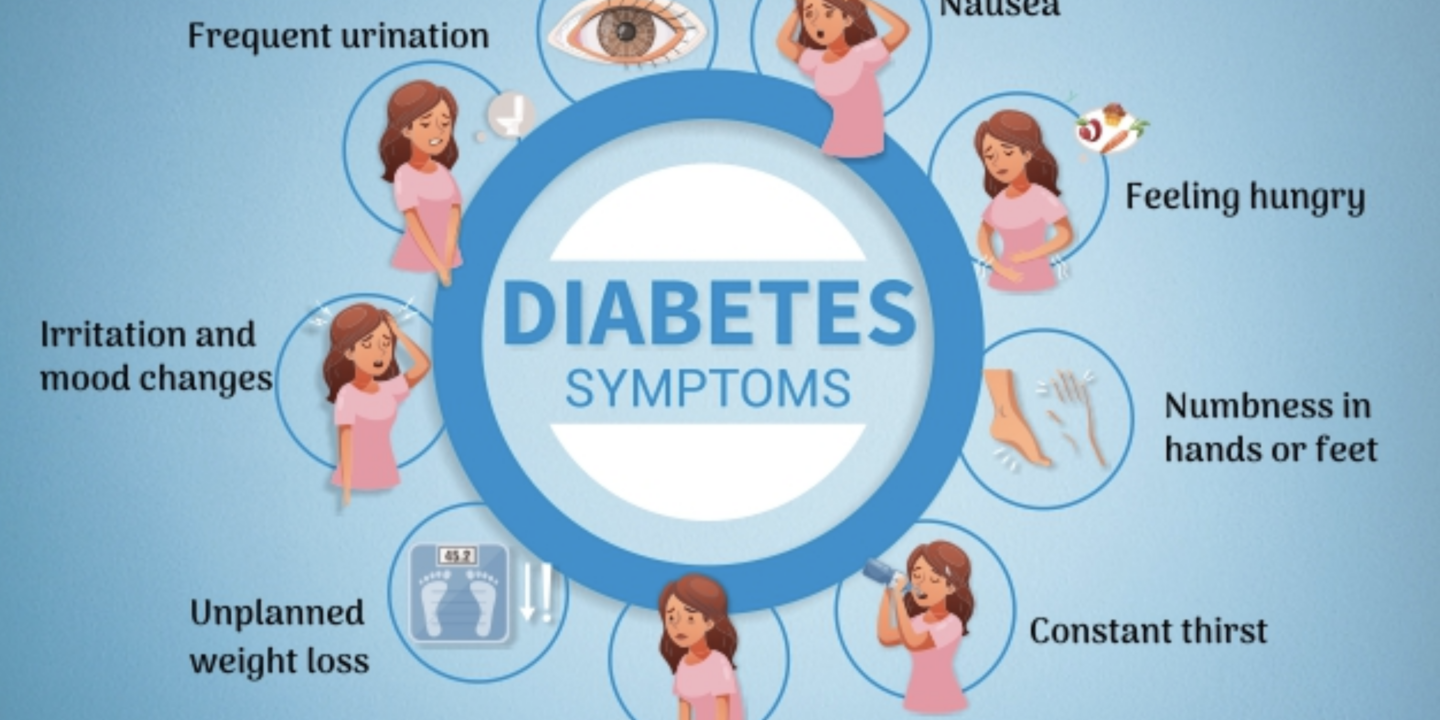
- Frequent urination (especially at night)
- Excessive thirst (can’t seem to quench it)
- Increased hunger (even shortly after a meal)
- Constant fatigue or feeling “run down”
- Blurry vision
- Dry mouth or skin
- Slow-healing wounds
- Recurrent infections (like UTIs or yeast infections)
These issues show up when high blood sugar prevents your body from using glucose for fuel—leaving you feeling drained, thirsty, and prone to infections or slow healing.
A major challenge? These symptoms can sneakily overlap with other common conditions, so it’s easy to miss the real cause.
Type-Specific Signs: Type 1 vs. Type 2
Let’s get practical—type 1 and type 2 diabetes can look pretty different in the earliest days.
Type 1 diabetes (often in young people) tends to arrive fast and dramatic, with symptoms like:
- Sudden, unexplained weight loss
- Bedwetting in kids who were previously dry at night
- Rapid-onset, bone-deep fatigue
Picture this: Your child suddenly starts soaking the bed after years of dry nights or loses weight despite constantly eating.
Type 2 diabetes usually enters more quietly, especially in adults. You might notice:
- Genital itching or frequent thrush in men or women
- Numbness or tingling in hands and feet
- Darkened skin patches (acanthosis nigricans) on your neck, armpits, or groin
- Subtle progression—months or years of mild, nagging symptoms
Imagine you’re gradually losing energy, battling yeast infections, or noticing odd skin changes—these are all “whispered” warning signs worth checking out.
Subtle and Asymptomatic Cases
Here’s a reality check: Around 1 in 3 people with type 2 diabetes don’t realize they have it, because their symptoms are mild, mistaken for stress, or totally absent.
If you have any of these risk factors, you’re in the “watch closely” zone:
- Family history of diabetes
- Carrying extra weight (especially around your waist)
- History of gestational diabetes
- Polycystic ovary syndrome (PCOS)
Don’t wait for obvious symptoms—routine screening is your secret weapon, even if you feel perfectly fine.
Quick tip: Treat odd, persistent symptoms like a “pop-up notification”—ignore them too long and you might miss a chance to act. If something’s off, a simple blood test could make all the difference in your timeline to better health.
The Path to Diagnosis: How Diabetes Is Confirmed
Getting tested for diabetes isn’t just about knowing a number—it’s about understanding what’s happening inside your body. Lab confirmation is essential; don’t rely on home fingerstick meters for a diagnosis.
Picture this: you arrive at your provider’s office, maybe a little nervous, ready to make sense of those nagging symptoms—fatigue, unquenchable thirst, or unexplained weight changes. It’s completely normal to have questions (and even a few worries) at this stage.
Core Diagnostic Tests: What’s Involved and What the Numbers Mean
To confirm diabetes, your provider will order one or more lab-based blood tests. You might need two test results to be sure, specially if you don’t have classic symptoms on day one.
Here’s a quick-glance chart for the numbers:
- A1C (“your seasonal report card”): ≥6.5%
– Shows your blood sugar average over 2-3 months.
- Fasting Plasma Glucose (FPG): ≥126 mg/dL
– You don’t eat for 8 hours before this one.
- Random Plasma Glucose: ≥200 mg/dL + symptoms
– Used if you’re already feeling obviously unwell.
- Oral Glucose Tolerance Test (OGTT): 2-hour ≥200 mg/dL
– You drink a sugary drink, then get a blood draw two hours later.
Fingerstick meters are great for monitoring, but not for diagnosing. Don’t let common myths throw you off: only official lab work counts.
“Think of the A1C test as a bird’s-eye view of your blood sugar trends—it spots trouble even if you’re having a ‘good day’ at the doctor’s.”
Special Testing Scenarios and Advanced Diagnostics
Some situations call for extra detective work:
- Autoantibody and C-peptide tests: Needed if Type 1 diabetes or an unusual case is suspected.
- Gestational diabetes: Special fasting and post-glucose tests for pregnant women, usually checked between 24–28 weeks.
- Temporary/secondary diabetes: If you’re on steroids or have a rare medical condition, further testing will tailor your care.
Visual cue for video content: “Imagine your provider running extra labs, like checking the car engine’s wiring when the warning light stays on.”
Screening Strategies for At-Risk Groups
Not everyone who should get tested has symptoms. You may need early or regular screening if you:
- Are over age 35
- Carry extra weight
- Have a family history of diabetes
- Have PCOS or a history of gestational diabetes
- Belong to certain ethnic backgrounds (including African American, Hispanic/Latino, Native American, Asian American, or Pacific Islander)
Current ADA and CDC guidelines stress: even feeling fine isn’t a free pass—catching high blood sugar early makes a world of difference.
When it comes to diabetes diagnosis,
- Lab confirmation—not guesswork—is key.
- The “silent” cases are surprisingly common.
- Knowing what test numbers actually mean jumpstarts your care.
Here’s the bottom line: Armed with these details, you’ll know exactly what to ask for and what to expect—making you a partner in your own diagnosis, not just a passenger.
Making Sense of Your Results: Next Steps After Diagnosis
Getting a diagnosis of diabetes or prediabetes can feel like your body just sent a push notification—except it’s a little less cheery.
But your next steps are all about taking control and making choices that protect your long-term health, starting right now.
Picture this: You’ve just heard from your doctor that your A1C came back at 7.2%, or maybe your fasting blood sugar clocked in over 126 mg/dL—now what?
What Happens After Diagnosis: Your Immediate Action Plan
Your provider will help identify which type of diabetes you have—a crucial step, because type 1 and type 2 are managed differently.
To pinpoint your type, expect:
- A discussion about your symptom history and possible triggers
- Bloodwork for autoantibodies or C-peptide (for type 1 suspicion)
- Review of your age, weight, and family history
Once your type’s clear, the first steps often include:
- Lifestyle guidance: Diet tweaks, physical activity tips, and realistic sleep advice
- A medication plan if needed (especially for type 1 or higher-risk type 2)
- Screening for complications (like eye, kidney, or nerve tests)
- Specialist referrals—for instance, to an endocrinologist or diabetes educator
Many people need two abnormal lab results to confirm diabetes, but if your sugar levels are sky-high (think: symptoms + a random plasma glucose over 200 mg/dL), just one test may be enough.
Collaborating With Your Care Team: Questions, Tracking, and Advocacy
You’re not just a patient—you’re a partner in your care.
Here’s how to get the most out of those early appointments:
- Ask about your test results: “Which type do I have? What does my A1C mean?”
- Start a symptom log or digital tracker for blood sugars, meals, and activity
- Share family history and any recent changes in health or stress levels
If there’s uncertainty, some people will need repeat testing or monitoring—think of it as “debug mode” as your provider learns your unique health story.
Linking Symptoms and Diagnosis with Ongoing Care
Diabetes is managed, not just treated.
Plan for:
- Regular A1C checks (every 3-6 months), home glucose monitoring, and annual screenings for complications
- Reviewing your progress using apps or connected devices (tech that even your inner data nerd can love)
- Ongoing support—expect check-ins on sleep, stress, and mental well-being
Knowing your numbers is just as important as knowing your passwords—keep them handy and up-to-date.
You can start now by jotting your main symptoms, recent lab numbers, and 2-3 questions for your provider.
Spotting the pattern, asking smart questions, and teaming up with your provider sets you up for better outcomes—starting on day one.
Red Flags and When to Seek Urgent Help
When it comes to diabetes, some symptoms go from concerning to urgent fast. Don’t wait if you spot these warning signs—they’re your body’s “call 911” moment.
- Severe dehydration (thirst so extreme you can't drink enough or you stop urinating)
- Confusion, dizziness, or difficulty waking up
- Rapid breathing or shortness of breath
- Heavy vomiting that won’t stop
- Unconsciousness or sudden collapse
Picture this: It’s late evening, your teen is breathing fast, their breath smells fruity, and they’re groggy. This is not the time to “wait and see”—you need emergency care now. For adults with type 2, new confusion or deep fatigue—especially if paired with severe thirst—can signal a dangerous crisis.
“If your gut says, ‘this is not normal,' get checked—statistics show rapid intervention can save lives.”
Diabetic Crises: What’s Happening Inside?
Both diabetic ketoacidosis (DKA) and hyperosmolar hyperglycemic state (HHS) come on quickly and are life-threatening if ignored.
- DKA (most common in type 1, but possible in type 2): your body can’t use sugar, so it burns fat, creating acids called ketones. Watch for deep breathing, abdominal pain, vomiting, confusion, and a “fruity” breath smell.
- HHS (mostly type 2): very high blood sugar draws water out of your body, leading to thick blood, severe dehydration, and confusion. No ketones, but urination drops off as your system shuts down.
Both require immediate hospital care. Think of these as your body’s “system error” alerts—ignoring them isn’t an option.
“These aren’t just ‘bad days’—they’re red-alert moments when immediate help matters most.”
What to Tell Your Provider: Prepping for Diagnostic Appointments
Before you head to the clinic, make your conversation count. Having clear info handy helps your provider spot red flags faster.
Here’s what to track:
- Symptom diary (when did each symptom start, how intense are they?)
- Timing and patterns (worse at certain times, linked to food/meds?)
- Family history of diabetes or autoimmune conditions
- Current and recent medications (including over-the-counter)
Ask these questions during your appointment:
- What do my symptoms and results suggest—is it diabetes or something else?
- What tests will confirm or rule out complications?
- How urgent is follow-up, and what should I watch for at home?
“Arriving prepared could mean the difference between routine care and catching an emergency before it escalates.”
Catching red-flag symptoms early and knowing what to share with your provider isn’t just smart—it’s powerful. The sooner you act, the better the outcomes for you or your loved ones. Trust your instincts and never ignore a ‘bad feeling’—with diabetes, speed saves lives.
Navigating the Emotional Side of Symptoms and Diagnosis
Let’s be real—getting a diabetes diagnosis can flip your world upside down. Shock, worry, and even flat-out confusion are natural first reactions. Some folks even feel a sense of relief, especially if nagging symptoms suddenly make sense. It’s normal to bounce between these emotions or even feel them all at once, like a mental pinball machine.
Normal Feelings and How to Handle Them
The emotional side isn’t just background noise—it’s center stage when you’re processing what this means for your life and routines.
- Shock: “Wait, is this really happening?”
- Anxiety: “What changes now? Am I at risk for complications?”
- Relief: “At least now I have answers.”
- Confusion: “What’s next? Who should I talk to?”
Imagine hearing words like “A1C” or “glucose” over and over in medical offices—you’re not alone if your head spins a bit.
Real-World Tips for Coping and Connecting
The best way forward often blends self-compassion and seeking support. Think of it as upgrading your operating system, not replacing who you are.
- Give yourself grace—nobody gets it right instantly
- Reach out: friends, family, online groups, or a diabetes educator
- Document questions: jot down what doesn’t make sense to bring to your next appointment
Peer communities and local support groups (the ADA and CDC both offer directories) can be game changers—they get what you’re going through, even if friends and family don’t always “get it” at first.
Learning Is a Journey—So Take the Next Step
Remember, you’re joining a community of millions managing diabetes with strength and creativity. Many people thrive after diagnosis, armed with knowledge and real-world strategies for daily life.
- Check out our guides on symptom management, blood sugar monitoring, and lifestyle adjustments
- Explore reputable resources like the American Diabetes Association or the CDC for deep dives and new research
Spotting symptoms and taking action isn’t just about today—it’s your launchpad to mastering your health in the long run.
A diabetes diagnosis might feel overwhelming in the moment, but every question asked and every resource explored is a powerful move toward control—reminding you, you’re far from alone on this path.
Conclusion
You now have the essentials to recognize, confirm, and respond to diabetes signals—tools that go far beyond basic awareness.
By tuning into early symptoms, decoding test results, and partnering with your care team, you’re equipped to take proactive, empowered steps that protect your long-term health.
Whether you’re spotting patterns for yourself or supporting someone close, these insights let you act fast—turning knowledge into action.
Key Takeaways to Empower Your Next Move:
- Don’t dismiss subtle or nagging symptoms—even mild fatigue or odd skin changes deserve attention.
- Advocate for lab testing if you notice concerning signs or have risk factors; waiting rarely pays off.
- Track your symptoms and recent health changes; bringing clear notes helps your provider spot red flags.
- Ask detailed questions about your diagnosis, test numbers, and what type of diabetes you may have.
- Build your support system—reach out to friends, family, and credible diabetes resources.
Real-World Steps You Can Take Today:
- Schedule a routine blood sugar screening if you’re overdue, especially if you’re at higher risk.
- Start a simple symptom log—even a week of tracking can reveal important patterns.
- Jot down at least three questions for your next medical appointment to get actionable answers.
- Share this article with someone you care about who might be missing early warning signs.
Every small action you take, from logging symptoms to booking that test, moves you closer to mastery over your health.
You’re not just along for the ride—you’re in the driver’s seat. The sooner you tune into what your body’s telling you, the more choices you unlock for a healthier, better future.
Don’t wait for a crisis to take action—your next step could change the story.