Key Takeaways
Curious if a toilet stool could really transform your digestive comfort? Here’s a fast, science-backed breakdown of why posture in the bathroom matters—and how busy adults can leverage this small tool for big health wins. No fluff—just practical, actionable insights you’ll actually use.
- Squatting posture with a toilet stool straightens your rectoanal angle, slashing bowel movement time by up to 71% and reducing straining by over 90% in clinical trials.
- Less straining means less risk of constipation, hemorrhoids, and bloating—plus stronger long-term pelvic floor health for active adults.
- Modern toilet stools offer adjustable, foldable, and tech-integrated options, making it easy to fit this upgrade into any workspace, travel routine, or minimalist bathroom.
- Adapting takes just 3–7 days for most users, with immediate wins like quicker, more complete bowel movements and less discomfort—think “aha!” moment for your morning routine.
- Healthy, tech-minded professionals see the best results, but stools also dramatically benefit those with constipation, IBS, or mild pelvic issues (just ensure stability for older or mobility-challenged users).
- Pair stool use with daily hydration, fiber, and light movement to amplify gut health—think of it like syncing your toilet posture with simple, high-value wellness habits.
- Smart tools and setups matter: look for 7–9″ height, anti-slip grips, and comfortable design to maximize ease and avoid rookie adaptation hurdles.
- Switching your toilet posture is a quick win—improving daily comfort, efficiency, and even energy, with zero learning curve for most tech-savvy adults.
Ready to optimize your digestive health and bathroom routine? Dive into the full article for deep-dive comparisons, product picks, and practical setup strategies you can start using today.
Introduction
Ever catch yourself wondering why a seemingly simple bathroom trip sometimes feels… unnecessarily complicated?
If you’ve ever hustled through a busy morning, only to get waylaid by stubborn digestion, you’re not alone—and there’s a surprising culprit right beneath your feet (or not): your toilet posture.
Research shows that just by elevating your feet a few inches, adults spend up to 71% less time on the toilet and experience 90% less straining. That’s not just trivia for health nerds—it’s a wake-up call for any tech-savvy professional who values efficiency, comfort, and, let’s be honest, a little more “flow” in their daily routine.
So why is everyone from marketers to AI enthusiasts suddenly swapping flat-floor toilet habits for squatting stools? Because the science is clear: something as basic as how you sit can turn a daily chore into a fast-lane for better gut health and all-day energy.
Here’s what’s at stake:
- Constipation relief and less bloating—say goodbye to awkward discomfort during meetings.
- Faster, more complete bowel movements—saving you valuable minutes every week.
- Lower risk of long-term issues like hemorrhoids and pelvic floor strain.
It’s 2026, and toilet stools have gone from quirky life hack to must-have wellness gear—fitting right into minimalist bathrooms and high-tech homes alike.
But is this upgrade for everyone? And what’s the actual difference in the real world?
We’ll break down the posture science, stack up the health data, compare the latest smart-stool innovations, and spotlight who benefits most—so you can make the most informed (and comfortable) choice for your routine.
Ready to see how a small shift in your bathroom setup could reshape your entire day?
Let’s unpack the surprising mechanics—and measurable upsides—of toilet posture that could change the way you think about daily wellness.
Understanding Toilet Posture: Stool vs. No Stool
If you've ever felt that using a western toilet feels a bit…awkward, you're not alone.
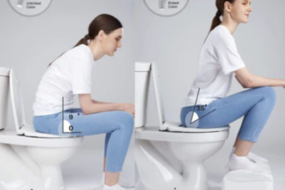
The standard sitting posture—feet flat on the floor, knees at a 90-degree angle—actually creates a sharp bend (the “rectoanal angle”) in your digestive tract.
That kink is like trying to pour ketchup from a bottle with the cap still on. It's why straining and slow, incomplete bowel movements are so common with traditional toilets.
Why Squatting Changes Everything
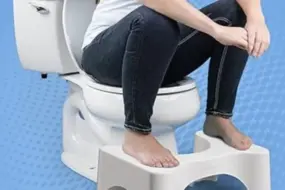
Using a toilet stool (think Squatty Potty and its tech-savvy cousins) elevates your feet, bringing your knees closer to your chest.
Picture this: you’re crouching down to tie your shoes vs. awkwardly bending forward from a chair.
- Squatting posture straightens the rectoanal angle.
- This relaxation allows the bowel to empty faster and more completely—study participants went from 113 seconds on average to just 55 seconds per movement.
- Over 90% reported less straining and 71% noticed noticeably quicker bowel movements after four weeks of stool use.
The Anatomy of Better Digestion
That angle shift matters.
When you straighten out the digestive pathway, you put less pressure on the rectum and pelvic floor.
- Reduces risk of constipation, hemorrhoids, bloating
- Supports pelvic floor health by minimizing chronic straining
- May even lower odds of issues like diverticulosis (odds ratio 3.36 for strain-related risks in sitters)
It's becoming clear why wellness-minded adults are snapping up these stools in 2026.
2026: The Toilet Stool Rises
Demand has surged for adult toilet stool products, and brands now offer everything from sleek, design-forward options to smart, app-connected models that track posture habits.
This shift isn’t just a gadget trend—it's a response to mounting evidence linking posture and digestive health.
One simple adjustment can transform your daily wellness routine.
When you connect the dots between how you sit and how you feel, you’re already ahead of the curve—literally.
Evidence-Based Health Impacts: Stool Use vs. Traditional Sitting
Switching from a standard sitting posture to using a toilet stool isn’t just a bathroom upgrade; it’s a change backed by hard numbers.
A standout 4-week trial found that adults using a stool reported 90% less straining and clocked bowel movements 71% faster than those sticking with traditional seating.
Those stats aren’t just impressive—they’re life-changing for anyone who’s struggled with slow, uncomfortable digestion.
The Science: Why Posture Changes Everything
Think of your rectum as a garden hose.
- When you sit, a muscle—the puborectalis—acts like a bend in the hose, making it harder to “flow.”
- A toilet stool straightens that bend, making evacuation smoother, quicker, and more complete.
No wonder 2 out of 3 adults in a recent study kept using their stool after the trial. It's a small adjustment, big relief.
Comparing Risks: Sitting vs. Squatting
Regular sitting isn’t as innocent as it looks.
- Chronic straining can trigger hemorrhoids and raise your odds of diverticulosis (studies show an odds ratio of 3.36!).
- Incomplete evacuation leaves behind stool that ferments, producing chemicals like indoxyl-sulfate which can harm your kidneys.
- Cultures with squatting traditions see lower rates of colon issues—proof that posture matters.
Want fewer stomach aches and bloating? A toilet stool can seriously stack the odds in your favor.
Digestive Benefits and Symptom Relief
Here’s where things get real for your daily wellness:
- Constipation relief is the number one reason adults keep using a toilet stool.
- Less bloating means less discomfort and more energy.
- Imagine trying to empty a bottle that’s tilted vs. one that’s upright—using a stool makes the difference just as clear for your colon.
Cross-regional studies echo this, finding fewer colon problems in populations that use squat-like postures.
Pelvic Floor and Cardiovascular Considerations
Long-term sitting and straining take a toll far beyond mild discomfort.
- A toilet stool protects your pelvic floor by reducing daily pressure and straining, which is key for anyone who’s experienced leakage or pain.
- Lower pressure also means fewer cardiovascular risks during bathroom visits—a small but real benefit.
- The only “watch out”? People with severe mobility challenges may need alternatives or extra support, as squatting can be tricky for sore knees or hips.
Stool use stands out for boosting comfort, speeding up digestion, and protecting long-term health—an easy win for anyone prioritizing wellness in their daily routine.
Implementing this simple tool can mean the difference between “just okay” digestion and feeling truly at ease, every single day.
Real-World User Experiences and Adaptation Challenges
Jumping into the world of toilet stools is a bit like upgrading your workspace ergonomics — at first, it feels odd, but the results are surprisingly rewarding.
Most first-timers notice a difference immediately: in a 4-week clinical survey of 52 adults, 90% reported less straining and 71% had faster bowel movements with a stool in play.
Surprising First Impressions and Early Wins
Picture this: You prop your feet up on a sleek, minimalist stool, and suddenly, your body hits a new “gear” for going.
- “It was weirdly effective – I finished in half my usual time,” shared one marketer in a recent survey.
- Over two-thirds of new users opted to keep their stool after the trial period, citing sustained relief from constipation and bloating.
- Many describe an initial “aha!” moment — realizing that evacuating faster isn’t just efficient, but feels physically easier.
Adaptation Curves and What Feels Different
The shift can be, well, a little weird at first.
Common feedback includes:
- “It felt awkward the first couple of times — like learning to tie your shoes in a squat.”
- Some felt self-conscious about the extra step, but reported that it quickly became “second nature.”
- Typical adaptation period: 3-7 days of use before it feels natural.
Unique Challenges for Mobility or Joint Issues
For adults with knee, hip, or mobility concerns, getting set up can have its own challenges.
- Stools with different heights and easy-grip surfaces help maintain comfort and stability.
- Some users with severe mobility restrictions found that adjustability or pivoting models made all the difference.
- Physicians suggest trialing for short periods and ensuring support handles are nearby.
Integrating a Stool Into a Fast-Paced Lifestyle
Busy professionals and tech lovers often worry about “one more thing” in their routine.
Here’s how high-adopters keep it seamless:
- Choose slim, lightweight stools that tuck away easily (ideal for small or shared bathrooms).
- Set a “hydration reminder” — pairing bathroom trips with water boosts both focus and gut results.
- “I travel with a fold-flat model. It weighs less than my laptop and is totally worth it,” shares one business owner.
Making the switch often brings lasting relief and speed for adults — and takes less time to adapt than most expect. For anyone eyeing a practical, wellness-boosting upgrade, a few days of “weird” is often a small price to pay for easier mornings.
When to Use a Toilet Stool: Who Benefits Most?
The toilet stool isn’t just a bathroom novelty—it’s a tool with direct impacts on adult health, especially when matched to the right user profiles.
Whether you’re troubleshooting digestive woes or simply searching for next-level comfort, understanding who benefits most is the first step.
Which Adults See the Biggest Gains?
If you’re scanning for practical value, see if you spot yourself (or your household) here:
- Healthy adults: See the greatest dividends, with data showing 71% faster, more complete bowel movements—think “in-and-out” efficiency that’s noticeable within days.
- Individuals with constipation, bloating, or IBS: A toilet stool often means less strain, easier mornings, and fewer G.I. frustrations, supported by 90% of adults in trial studies reporting noticeably less effort.
- Older adults: Can benefit, though there’s a sweet spot. For those without major joint or balance concerns, a stool can help alleviate chronic straining—just ensure stability and grab bars when needed.
- People with pelvic floor or rectal issues: Doctors often recommend posture changes to address chronic hemorrhoids, fissures, or pelvic tension.
Imagine your bathroom routine going from “clunky and forced” to “quick and natural”—that’s the shift users often describe.
When to Think Twice—And When to Wait
While most adults find the shift beneficial, a few exceptions matter:
- Those with severe hip, knee, or ankle limitations may find even minor squatting uncomfortable; sitting postures (without a stool) might remain safer.
- Balance and mobility-challenged users should add stability features or seek medical advice before adopting a stool; it’s about safety first.
- Myth-bust: Some worry stool use is risky for heart patients, but clinical reviews show only specific overexertion risks—simply using a stool with gentle posture isn’t dangerous for most.
“Don’t force what doesn’t feel safe—listen to your body, not just the trend.”
Quick Tips for Safe, Effective Use
Want the full benefit—minus rookie mistakes? Focus on:
- Hydration & fiber: These habits amplify stool benefits (think: water for plumbing, fiber for flow).
- Gentle movement pre-bathroom: Even light stretching can improve bowel readiness.
- Stick to routine: Consistency beats intensity for building results.
“A toilet stool is a tool—not a magic fix. Pair with good habits for long-term wins.”
Using a toilet stool is safest and most effective for healthy and mildly challenged adults aiming for smoother, faster, and more comfortable elimination.
The real upgrade comes from pairing posture changes with smart habits—think hydration, mindful movement, and realistic expectations.
Practical Recommendations: Incorporating a Toilet Stool into Daily Life
Selecting the right toilet stool for your routine doesn’t have to feel overwhelming—and it can make a measurable difference, fast.
A good stool creates a squatting posture that promotes better alignment, faster evacuation, and up to 90% less straining according to recent studies.
Start by looking for these essentials:
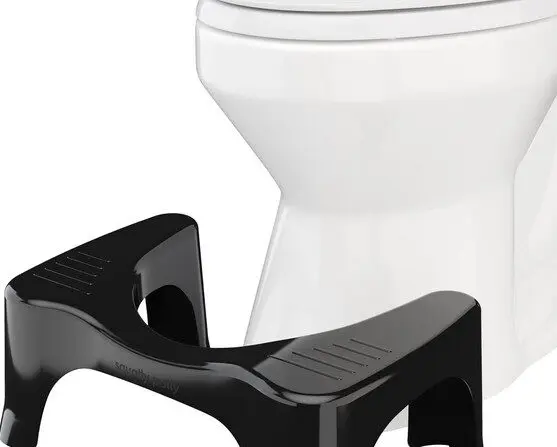
- Height: Aim for 7-9 inches tall for most standard toilets—enough to boost knees above hips, but not so high that you’re unsteady.
- Stability: Pick a stool with non-slip grips or rubberized feet to avoid slips—this is especially important in busy homes.
- Comfort: Choose a curved or contoured top to fit the natural lines of your feet.
Setting Up for Success
Place your stool just in front of your toilet so it’s easy to slide in or out with your feet.
Try this: sit, then pull the stool close so both feet rest firmly on it—your knees should rise comfortably higher than your hips, with no pinching or wobble.
If it feels “weird” the first few times, that’s totally normal—most users adjust within a week, and 71% notice faster, easier bowel movements almost immediately.
Habits That Boost Benefits
For maximum results, pair stool use with these daily wellness habits:
- Hydrate: Aim for at least 8 cups (2 liters) of water a day to support smoother movements.
- Fiber Up: Include 25–38g of fiber from whole grains, veggies, or fruit to keep things moving.
- Consistency: Try to use the toilet at regular times, especially after meals, to “train” your digestive system.
Blending Stool Use into Modern Life
Worried about aesthetics or travel? Look for:
- Design-forward options that blend with minimalist or modern bathrooms.
- Foldable or portable stools that fit easily in luggage—these keep routines intact, even on business trips.
Remind yourself: “Upgrading your toilet posture is as seamless as swapping out a desk chair for one that actually fits you.”
Most users say it becomes intuitive within days—a small, daily investment with major health returns.
Adopting a toilet stool is one of those rare changes that delivers both immediate results and long-term benefits. With the right setup and a few healthy habits, you’ll support your digestion, save time in the bathroom, and upgrade your overall well-being—efficiency and comfort, right where it matters most.
Comparing Toilet Stool Products & Innovations
The toilet stool market for adults has exploded since 2024, offering solutions that fit every bathroom and body type.
Today's options go far beyond the classic plastic “Squatty Potty”—and that's good news if you care about both function and form.
Major Toilet Stool Types and Key Differences
Let's break down the main player categories:
- Adjustable Stools: Height-flexible for personalized comfort, perfect if multiple adults are sharing one bathroom.
- Folding/Portable Models: Collapse or fold flat, so you can stash them discreetly or pack for business trips.
- Sustainable Materials: Bamboo and recycled plastics appeal to eco-conscious users (and look smart in modern bathrooms).
- Tech-Integrated Stools: 2026 brings built-in timers, posture sensors, app connectivity, and even guided “sit-to-squat” feedback for optimal usage.
Picture this: In under five seconds, you unfold a slim bamboo stool, tap your app for posture feedback, and get a gentle reminder when you’ve spent enough time scrolling.
Trends, Price Ranges, and What Matters Most
On features—modern buyers look for:
- Adjustability, grip, and stability: No one wants slips or discomfort at a critical moment.
- Easy-to-clean surfaces (rounded edges win points).
- Design that fits small bathrooms or minimal, Scandinavian interiors.
Cost ranges run from:
- Budget-Friendly ($25-40): Simple plastic, fixed height.
- Mid-Tier ($45-80): Sleek bamboo, folding designs, some adjustability.
- High-End/Smart ($90-220): Connected tech, premium finishes, noise-dampening, extra comfort.
Luxury picks may even offer mood lighting—yes, seriously.
Choosing for Your Lifestyle
Ask yourself:
- How much space do you have?
- Do you need something travel-ready or ultra-durable?
- Is shared use a priority?
Top quote: “Personalization is the new standard—you don’t have to settle for a one-size-fits-all bathroom tool.”
Shopping Smarter, Living Better
From eco-friendly bamboo to app-enabled smart stools, 2026’s product lineup is designed to boost both health and home aesthetics.
To maximize your investment, focus on stability, comfort, and features that actually support your routine. For deeper dives, check out our in-depth review roundups and shopping guides tailored to every budget and bathroom size.
Whether you want high-tech feedback or just stylish simplicity, you’ve got more choices (and better health outcomes) than ever.
Boosting Results: Complementary Habits for Lasting Gut Health
Picture this: you’re using your new toilet stool, but you’re still feeling a bit off—maybe bloated or irregular. Why? Toilet posture is vital, but daily habits can make or break your digestive results.
Recent studies show that simply adding a toilet stool can reduce straining by up to 90%, but long-lasting gut health comes from pairing posture with the right lifestyle moves.
Small Daily Habits, Big Impact
Your digestive system thrives on a few key routines.
Stack these with your improved posture for a gut-friendly power combo:
- Fiber Focus: Aim for 25-38 grams daily. Fill your plate with berries, beans, whole grains, and leafy greens.
- Stay Hydrated: Shoot for 2-3 liters of water each day. Dehydration is a sneaky cause of sluggish bowels.
- Move More: Even a brisk 10-minute walk post-meal can trigger natural motility.
Try picturing your gut like a smooth-operating train line—you want to “keep the track oiled,” as researchers like to say.
Mindful Eating Meets Gut-Brain Wellness
Your nervous system and digestive tract are in constant conversation, meaning:
- Eat Without Distractions: Turn off screens and slow down. Mindful bites mean better signals to your gut.
- Routine Rules: Establishing a set “bathroom window” helps reinforce the body’s internal rhythm.
- Relaxation Techniques: Gentle stretching or diaphragmatic breathing before bathroom time relaxes the pelvic floor—just five deep breaths can make evacuation smoother.
“Gut health isn’t just what you eat—it’s also how you move, hydrate, and de-stress.”
Power Moves for Daily Consistency
- Set calendar reminders for water breaks
- Try a simple yoga twist after waking up
- Pause to breathe deeply before your morning routine
These small actions can amplify the 71% faster bowel movements reported by toilet stool users in clinical trials.
Lasting Gut Health: What Really Works
Cross-regional data underscores it: cultures with routine fiber, hydration, and movement—plus a squatting posture—see fewer colon and pelvic floor issues.
To “stack the odds in your digestive favor,” make your toilet stool part of a bigger wellness picture.
Mix upgraded posture with mindful, fiber-forward habits and stress-busting moves. That’s the formula for a happier gut—and a more energized you.
The Big Picture: The Role of Toilet Posture in Modern Adult Wellness
Switching your toilet posture might not seem like a big deal, but research shows it can profoundly affect your daily comfort, efficiency, and even long-term health.
Notably, using a toilet stool—which mimics a natural squat position—improves the angle of the rectum, making bowel movements smoother, faster, and significantly less straining.
What Does the Research Say?
Picture this: Just by elevating your feet on a stool, users in recent studies saw:
- 90% less straining during bowel movements
- 71% quicker bathroom trips (average of 55 seconds versus 113 seconds for traditional sitting)
- Over two-thirds of participants chose to keep using a stool after a 4-week trial
For professionals squeezing in wellness wherever they can, that's the definition of a high-impact, low-effort upgrade.
Why This Matters for Your Whole Body
Slim, stylish toilet stools are everywhere in 2026, but the benefits go beyond cool design:
- Reduces risks of constipation, hemorrhoids, & bloating
- Supports pelvic floor health—critical for stability and injury prevention
- May lower chances of developing digestive disorders, as confirmed by a scoping review of 42 clinical studies
And in a world where gut health is linked directly to mental clarity and immunity, this is one of those rare lifestyle tweaks that pays long-term dividends.
Imagine a Simpler, Healthier Routine
Think about heading into your next workday knowing you’re not slowed down by digestive drag.
- No more awkward mid-meeting discomfort
- No racing the clock on busy mornings
- Consistent energy from better nutrient absorption and gut balance
Wouldn’t it be great if every upgrade in life felt this automatic?
Ready to Take the Next Step?
“Changing how you sit could be the most underrated wellness move of the year.”
- Want the breakdown on product choices or setup tricks for different homes?
- Need advanced tips for building a gut-friendly routine?
- Curious whether this works for your needs?
Jump to in-depth pages on posture science, digestive health, top-rated stools, and actionable lifestyle ideas.
Toilet posture is the secret lever in your daily wellness—an easy step with benefits you’ll keep noticing.
Conclusion
Elevating your toilet posture isn’t just a wellness trend—it’s a practical upgrade that can boost comfort, free up your mornings, and support better health with minimal effort. Imagine a routine that feels more natural, works faster, and leaves you feeling lighter and ready for the day.
By making small but meaningful changes, you can transform your digestive experience and future-proof your overall well-being.
Key takeaways you can put into practice right away:
- Start using a toilet stool to adopt a healthier, more effective squatting posture with every visit
- Prioritize hydration and fiber-rich foods to amplify the benefits of improved posture
- Choose a stool that fits your routine—consider adjustability, portability, and aesthetic for seamless daily use
- Build consistency—pair new habits like movement or mindful breathing with your bathroom breaks
- Listen to your body, and tailor adjustments to your comfort and mobility needs
Ready for your next steps? Here’s how to get moving today:
- Pick the right toilet stool for your needs—review options that match your style, space, and budget
- Set a quick reminder to hydrate and stretch before your next bathroom break
- Share your experience or favorite tips to encourage others looking for a simple wellness boost
Transforming how you sit in the bathroom might just be the highest-ROI five-minute habit you add all year. Small adjustments, big impact—because lasting wellness is built into daily moments, not just grand gestures.
Take the step, feel the shift, and let your routine work for you.
“Change your angle, change your day—and you’ll never look at a bathroom break the same way again.”