Key Takeaways
Curious about whether a toilet stool could actually make a difference? Science says yes—small changes in bathroom posture can deliver big, proven results for adult gut health and comfort. Here’s what tech-savvy professionals need to know (and can act on right away):
- Straightening your posture with a toilet stool instantly improves the anorectal angle, making bowel movements smoother and less strained—think of it as unkinking a hose for easier flow.
- Up to 90% of adult users report less straining and 71% enjoy faster bathroom trips after adding a simple 6–8 inch elevation under their feet.
- Sense of “complete evacuation” increases with a stool, so you’re less likely to feel unfinished—two-thirds of users wanted to keep using one after testing.
- Postural changes help relieve occasional constipation and may reduce the risk of hemorrhoids and anal fissures, complementing fiber, water, and movement in your healthy habits toolkit.
- Toilet stools are a low-risk, drug-free solution that fit seamlessly into modern bathrooms—portable, discreet, and easy to adopt without remodeling or special plumbing.
- Most adults notice benefits within the first week; simply place the stool, prop up your feet, and let your knees rise above your hips for best effect.
- Choose adjustable designs for shared or tight spaces—foldable, lightweight options keep things practical for families and busy professionals alike.
- Don’t expect a cure-all for severe digestive issues; if you notice persistent changes, pain, or bleeding, consult a medical professional for personalized care.
Ready to see a change? Try a toilet stool for a week—most people are surprised by the comfort, speed, and simplicity it brings to their daily routine. For the full science and practical tips, check out the complete guide.
Introduction
Ever caught yourself wondering why your phone battery dies before you’re out of the bathroom? Turns out, those extra minutes might not be accidental—standard toilet posture actually works against your body’s natural design, making doing your business take longer and feel less…well, complete.
Surprised? You’re in good company. Over 90% of adults who try a toilet stool notice less effort and more speed within their first week—no remodeling, no complicated hacks, just elevating your feet a few inches.
If you’re someone who values efficient routines, small upgrades that punch above their weight, and science-backed solutions, this one’s got your name (and anatomy) written all over it.
Here’s why this matters: poor posture on modern toilets is linked to more straining, longer bathroom visits, and that maddening “not quite finished” feeling—issues you can fix in days with a simple tool.
So, what can you actually expect from a toilet stool?
- Shorter, more efficient bathroom sessions
- Less pushing and strain, protecting long-term health
- True sense of “I’m done”—no double-takes or lingering doubts
- Potential relief for mild constipation, minus the meds
It’s not about making over your entire health routine. It’s about working smarter, not harder, with research that’s hard to argue: studies consistently show boosted comfort and serious time savings—even for healthy adults.
Ready for a closer look at the mechanics behind this underappreciated daily tech? Let’s break down what the latest science says about your bathroom posture, and exactly how a simple stool can turn “necessary” into “nearly effortless” every day.
The Science Behind Toilet Stools: How Posture Impacts Bowel Health
Ever wonder why some people swear by a toilet stool? It’s not just hype—the secret’s in the anatomy.
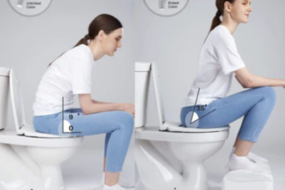
When you sit on a standard toilet, your rectum and anus meet at an angle called the anorectal angle. In a regular seated position, this angle tightens, creating a natural “kink” that actually slows things down (picture a garden hose bent in half—water can’t flow straight through).
The “Sit vs. Squat” Showdown
Medical research has spent years comparing sitting vs. squatting for bowel health.
Globally, squatting toilets are the norm in many cultures, and studies show this position straightens the anorectal angle—making evacuation smoother and faster.
But what if your bathroom’s only equipped with a regular toilet?
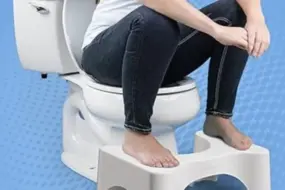
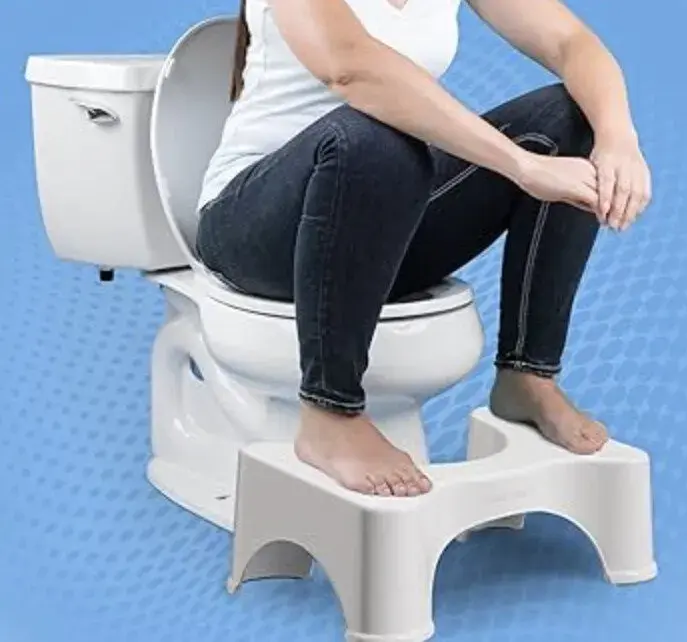
- Toilet stools raise your feet, bringing your knees above your hips
- This microwift mimics the squatting posture (without remodeling your home)
- The result? That “hose kink” straightens, so everything flows with less resistance
Why the Right Angle Matters
In a 2024 review of 42 studies, researchers found:
- Squatting (or using a toilet stool) typically reduces straining
- Defecation time drops, and the sense of “completeness” improves
- 90% of adult users report less effort during bowel movements
Think of it like this: Unkinking the anorectal angle is like removing a roadblock from a busy highway—less strain, fewer traffic jams.
Fast Facts You Can Use Right Away
- Just 6-8 inches of elevation under your feet can transform your bathroom experience
- Modern toilet stools are designed for everyday use (no major learning curve)
- Most adults feel the impact during their first week of use—less pushing, faster exits
Our bowels are built for squatting, not sitting. With a simple stool, you’re working with your anatomy, not against it. For anyone seeking comfort and efficiency (and let’s be honest, who isn’t?), this is a small upgrade with big daily payoffs.
7 Proven Benefits of Toilet Stools for Adults
1. Reduced Straining During Bowel Movements
Straining means pushing harder than usual to go, which can spell trouble long-term—think hemorrhoids and pelvic floor issues.
Ready for the numbers? Up to 90% of study participants reported less straining when using a toilet stool.
- This is because less abdominal pressure is needed—the body aligns naturally.
- Reducing strain helps protect against chronic problems down the road.
One real user said, “Honestly, I didn’t realize how much I was straining until it just… stopped.”
“Less force, more comfort—that’s what a toilet stool unlocked for me.”
2. Faster and Easier Evacuation
Ever found yourself scrolling endlessly just to pass the time on the toilet? You’re not alone.
- In research, 71% of users had shorter bathroom visits with a footstool in play.
- Why? The position allows for better alignment and quicker evacuation—less waiting, less effort, more efficiency.
Picture this: a morning routine streamlined, freeing you up for what matters.
“Speed and ease—two things you notice after just a few tries.”
3. Improved Sense of Complete Bowel Emptying
“Complete evacuation” means you feel truly finished—not wondering if something’s left behind.
- About two-thirds of participants felt fully emptied and wanted to keep using their stool.
- This leads to less anxiety around incomplete trips—no more double-backs.
Imagine confidently leaving the bathroom, mind clear, day ready to start.
4. Potential Relief for Constipation
Constipation is wildly common—ask any adult who’s been stuck in the “not quite” stage.
- Research shows adjusting posture helps, especially for mild cases or “occasional backups.”
- Users with intermittent constipation often report easier, more regular disruption.
Physicians do say: if you’re still struggling, see a doctor. A stool doesn’t replace real medical care.
5. May Lower Likelihood of Hemorrhoids and Anal Fissures
Straining isn’t just annoying; it increases risk of painful hemorrhoids and anal fissures.
Studies and clinical insights connect less straining/shorter time with less risk.
Pair your stool with habits like:
- Staying well-hydrated
- Eating high-fiber foods
- Regular movement
6. Non-Pharmacologic, Low-Risk Approach for Digestive Health
Toilet stools offer relief without pills—no drug side effects, no doctor’s prescription, low cost.
- Research: generally safe for most adults except those with significant mobility limits.
- They're a natural fit in a “healthy habits” toolkit.
But if you have mobility issues or experience pain, check with your healthcare provider.
7. Accessibility, Comfort, and User Adoption Rates
Modern toilet stools blend into almost any bathroom—discreet, portable, and customizable.
- Most trial users planned to keep using one after studies; it’s a practical upgrade.
- Stools come in various heights, materials, and fold-up designs—easy to use, store, and share.
Worried about shared spaces? Many stools tuck away or match your style.
When it comes to transforming daily comfort, a simple stool can be a game-changer—shorter bathroom trips, less strain, and a surprising boost to your routine.
Weighing the Evidence: What Research Really Shows
Review of Major Clinical Studies and Findings
When you want proof, numbers talk—and toilet stool research brings clarity.
The largest randomized trials and observational studies (like the Journal of Clinical Gastroenterology’s 4-week analysis of 52 adults) all point in a single direction: toilet stools reduce straining, speed up bowel movements, and make evacuation feel more complete.
Check out these standout findings:
- 90% of users reported less straining after switching to a footstool
- 71% experienced faster bowel movements
- Around two-thirds planned to keep using a stool after the trial
It gets better—major studies are independent, with no industry funding, boosting confidence in results.
You’ll also see consistent results from a 2024 scoping review of 42 studies: whether healthy, constipated, or older, participants typically had reduced effort and “toilet time”.
For visual thinkers, picture this: like unkinking a garden hose, elevating your feet can straighten your body’s “plumbing,” making passage smoother.
But let’s be real—most studies are small and short-term. Evidence quality is moderate and results are often gathered from healthy volunteers, so those with chronic conditions might see less dramatic results.
Who Benefits Most?
So, who’s most likely to see results?
If you’re a healthy adult, struggle with mild or moderate constipation, or are older, you’re in the target zone.
Research also shows elderly people, pregnant users, and those with pelvic floor disorders routinely benefit from improved posture.
But if you face significant joint or mobility challenges, using a footstool might not be practical—or comfortable.
For these folks:
- Check with your healthcare provider before making changes
- Consider lighter, adjustable, or extra-stable stool designs
Safeguards and When to See a Doctor
Stools aren’t magic wands—and some symptoms need medical attention.
Consult a doctor if you notice:
- Persistent changes in bowel habits
- Rectal bleeding, unexplained pain, or sudden constipation
- Family history of colon issues
Think of toilet stools as an adjunct—never a substitute—for a real diagnosis or treatment.
Safe use tips:
- Make sure your stool’s height suits your body and toilet
- Don’t force your legs into uncomfortable positions
- Monitor your body’s response, and pause if you feel pain or discomfort
Ready for the punchline? “Small tweaks in posture can make big, science-backed changes in gut comfort—but when in doubt, check it out.”
The real power of toilet stools is their ability to deliver meaningful, low-risk improvements for most adults—paired with the wisdom to know when expert help is needed.
Integrating a Toilet Stool into Your Healthy Routine
Ready to streamline your gut health? Adding a toilet stool to your bathroom routine is a simple, science-backed move you can start today.
Most adults will notice benefits just by placing a stool in front of the toilet and propping feet on it—knees slightly above hips. According to recent studies, 71% of users found it made their bathroom visits faster and noticeably easier.
Quick-Start: Choosing and Adopting a Stool
A few practical tips make for a smooth transition:
- Start with a basic, adjustable stool: Popular models cost around $25-$40 and fit most toilets.
- Select a height that puts your knees comfortably above your hips (6–9 inches works for most).
- If you share a bathroom, opt for foldable or discreet models that tuck away when not in use.
- Try it for a week before evaluating—most people adjust within 3–7 days.
“Picture this: Ten days in, you realize you’re spending less time staring at your phone and more time out the door in the morning.”
Adjusting Comfortably & Troubleshooting
Change can feel awkward at first.
Here’s how to ease in:
- If your feet feel numb or tingly, adjust the height.
- Don’t force a deep squat—slight elevation is enough for most.
- For minor discomfort, alternate with and without the stool during the first week.
“If you can comfortably tie a shoe, you’re flexible enough to use a basic toilet stool.”
Maximize Results: Daily Habits That Boost Success
Combine your new stool with other healthy habits for best results:
- Drink 6–8 glasses of water daily—hydration keeps things moving
- Target 25–35g of fiber per day (think leafy greens, oats, lentils)
- Maintain a consistent bathroom routine—your bowels love predictability
When sharing a bathroom, you don’t have to keep it a secret. A quick, lighthearted explanation, like “It’s like a foam roller, but for your gut health,” makes the topic approachable.
Ongoing Support and Further Resources
Stay curious and informed with expert-backed resources:
- International Foundation for Gastrointestinal Disorders (IFFGD) for in-depth guides
- Product-specific communities, such as Squatty Potty’s own user group, for candid tips
- Free e-guides or manufacturer support for troubleshooting and maximizing use
Adding a toilet stool is one of the simplest lifestyle changes with real, tangible benefits—you’ll likely notice improved comfort, quicker trips, and a new appreciation for small tweaks that make a big difference.
Mythbusting and Frequently Asked Questions
Let’s get real—using a toilet stool doesn’t mean you have to master a full Olympic squat every morning.
You keep sitting on the toilet as usual; the stool simply raises your feet so your knees are above your hips. This is what helps straighten the rectal angle for easier, faster evacuation, not deep squatting.
Common Toilet Stool Myths Debunked
- “Is this just marketing hype?”
Nope. Clinical research—like a 2020 study in the Journal of Clinical Gastroenterology—shows 90% reported less straining, 71% faster bowel movements, and 2/3 felt more “completely emptied.”
- “Do I need special toilets or a huge bathroom?”
Not at all. The average toilet stool is compact, fits under most toilets, and works in small bathrooms—a big win for apartment dwellers or renters.
- “Will this fix chronic constipation instantly?”
Toilet stools help most with mild/intermittent constipation, not severe cases. If you’re dealing with ongoing pain, bleeding, or sudden changes, see a doctor first.
Quick-Fire FAQ for Busy Readers
- How portable are toilet stools?
- Most are lightweight (under 2 lbs), easy to move, and some even fold or collapse for travel.
- What about variety?
- Options range from wood, plastic, bamboo, and even inflatable models for on-the-go users.
- Will it fit my toilet?
- Almost all stools are designed for standard toilets; check your toilet height, but most major brands work universally.
- Does the whole family have to use it?
- Nope—many users just slide it in/out as needed. It’s easy to store discreetly behind or beside the toilet.
Picture This… and Next Steps
Imagine: Instead of endless phone scrolling on the toilet, you’re done in half the time, feeling lighter and fully finished—thanks to a simple $20 gadget.
If you’re curious, trying a basic model is a low-cost experiment.* “Most people are surprised to realize the benefits after just a few days.”
Have an experience or question? Jump in and share—it’s how we all learn what really works.
When it comes to toilet stools, the science is clear: Small shift, big difference—no full squat required.
Conclusion
Taking control of your comfort and health doesn’t always require drastic change—sometimes, it’s the small, science-backed tweaks that make the biggest difference.
By giving your body the support it needs with a toilet stool, you’re not just following a trend; you’re leveraging years of medical research to get more out of your daily routine— with less effort, less strain, and a real sense of relief.
Key Takeaways:
- Elevating your feet 6–9 inches on a toilet stool straightens the anorectal angle, supporting smoother bowel movements
- Studies consistently show less straining, faster bathroom visits, and better evacuation for most adult users
- Toilet stools are portable, affordable, and fit in almost any bathroom—no remodeling required
- Integrating this tool means working with your anatomy, not against it, for noticeable daily benefits
- Pairing the stool with increased fiber, hydration, and a steady routine supercharges the results
Next Steps:
- Choose a basic, comfortable toilet stool and try it for one week— note both comfort and efficiency changes
- Tweak your height and positioning if you feel any awkwardness, but remember: even minor elevation helps
- Boost your stool’s power by drinking more water and adding extra fiber to your meals starting today
- Share your experience or questions with others— swapping tips strengthens results for everyone
A better bathroom experience isn’t just a possibility; it’s within easy reach—starting with one small, strategic step.
Ready to unlock comfort that keeps up with your day? Start with a stool, and let the science do the heavy lifting. Small change, big relief—one trip at a time.