Key Takeaways
Curious how ancient design hacks led to today’s smart, comfortable bathrooms? Here’s your 30-second crash course on how toilet seats and stools have evolved—packed with insights you can actually use. These highlights connect the dots between age-old wisdom and cutting-edge wellness, all designed for busy, tech-savvy pros like you.
- Ancient toilets prioritized posture, not privacy, using squatting positions and simple stool designs to support natural, efficient elimination—an insight that’s making a strong comeback today.
- Medieval Europe regressed to crude solutions, with chamber pots and garderobes, showing how poor sanitation sparked public health crises and shaped the move toward private, portable toilets.
- Victorian-era engineering drove the flush revolution, with innovations like the S-bend and porcelain seats turning indoor toilets into a standard feature for comfort and hygiene across the globe.
- Modern toilet stools echo ancient wisdom, as clinical research now confirms that the squatting posture (aided by stools) cuts straining by up to 40% and speeds up bathroom visits for most adults.
- Tech-forward bathrooms blend comfort with eco-consciousness, thanks to upgrades like dual-flush, bidet features, and smart sensors that can cut water use by up to 67% and even monitor your health.
- Global design trends now prioritize inclusivity and wellness, with adjustable stools, raised seats, and ergonomic features enabling access and comfort for every age and ability.
- Culture still shapes your bathroom routine, as sitting or squatting habits differ worldwide—but the rise of customizable stools bridges both traditions with science-backed benefits for modern life.
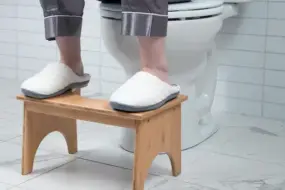
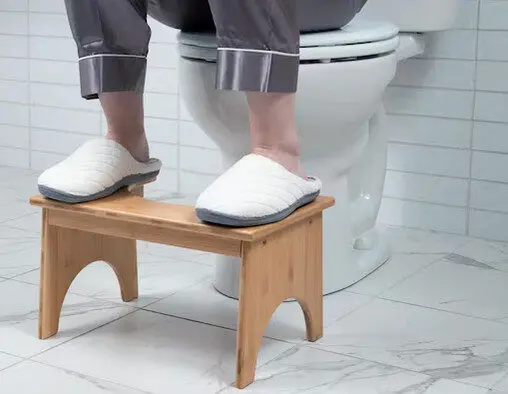
- Quick, practical upgrade: Add a bamboo or foldable toilet stool for under $30 and enjoy ancient health advantages every morning—your gut (and your schedule) will thank you.
Every time you sit, squat, or flush, you’re tapping into centuries of practical innovation—so dive into the full article for smarter ways to build a healthier, more efficient bathroom routine.
Introduction
Ever wondered why something as everyday as a toilet stool is suddenly back in the spotlight—or how that simple prop might actually be the most high-impact “wellness gadget” in your home?
You’re not alone. The global market for ergonomic toilet aids has exploded, with searches for “toilet stool” rising nearly 10X over the past decade. That’s not just bathroom buzz; it’s a signal that people—especially tech-savvy professionals—are rethinking centuries-old assumptions about comfort, health, and design in their daily routines.
Surprisingly, the history of how we sit, squat, and flush reveals a lot about where wellness trends and clever engineering intersect right now.
- Ancient ingenuity: Early civilizations built fully-plumbed private toilets and communal benches, solving hygiene in ways that still echo in modern plumbing.
- Medieval regression and renaissance leaps: From the chaos of chamber pots to the elegance of the first flush, history is packed with lessons for problem-solvers.
- The posture paradigm: Modern science now validates what ancient societies intuited—how you sit matters, and innovative stool designs are quietly transforming everything from gut health to daily comfort.
- Smart bathrooms and culture shifts: Tech-forward toilets, eco-friendly materials, and inclusive design are making bathrooms the new hub of personal (and global) well-being.
If you’re someone who appreciates actionable insight—maybe you’re eyeing a bathroom upgrade, want to optimize your workflow (yes, even in the restroom), or just love a good tech-enabled health hack—this evolution matters.
With every flush, sit, or squat, you tap into thousands of years of design, from stone benches in Rome to AI-enabled bidet seats. But which ancient ideas are still gold today, and what’s just porcelain nostalgia?
Let’s explore the ingenious journey (and future) of toilets and stools—so you can translate the best lessons into smarter, healthier habits that fit your world right now.
Ready to see what ingenious solutions early innovators left for us—and how they might change your next bathroom break? It all starts with history’s very first toilets.
The Ancient Foundations of Toilet Design and Posture
Ancient toilet design was all about necessity and ingenuity—not luxury.
Imagine the earliest toilets: basic pits, lined with stones or clay to keep ground moisture out. In places like Mesopotamia (3200 BC), these pits weren’t random holes—they connected to citywide drainage channels.
Early Civilizations: Practical, Not Private
Sanitation was a community concern in the oldest cities.
Take the Indus Valley (2600–1900 BC), where advanced homes in Mohenjo-Daro had private toilets connected directly to covered street drains. Picture a city where bathroom plumbing was standard 4,000 years ago.
Wealthy Egyptians perched on limestone seats over sand pits, while everyday people squatted on simple wooden stools holding clay containers.
Romans preferred communal latrines: long stone benches with multiple holes positioned over running water. In these temples of togetherness, perched seating was the norm, and privacy was rare.
Primitive Toilet Stools and Posture: What Worked, What Didn’t
Squatting was the standard across ancient societies for a reason: this posture aligned the colon optimally for waste expulsion.
You’d find basic seat supports everywhere:
- Clay pots and wooden frames for poorer homes
- Stone slabs or benches for public use
Hygiene routines were also inventive:
- Ancient Rome: sponges on sticks soaked in vinegar as an early “toilet paper”
- Egypt and Mesopotamia: water channels or sand for cleaning and odor control
“Communal bench latrines weren’t just a cultural quirk—they reflected an understanding of group hygiene and efficient waste removal that echoes today’s urban planning.”
Ancient Innovations That Still Matter
Why does this history matter for you in 2025? Because the squatting posture (supported by stools or none at all) is being revived for its health benefits in modern bathrooms.
We now know:
- Medical studies confirm squatting helps reduce straining and speed up bowel movements—just as ancient people practiced
- Ergonomic stool designs in today’s market directly echo ancient supports but with upgraded comfort (think bamboo, plastics, and adjustable heights)
Picture this: The next time you use a toilet stool, you’re reconnecting with a 5,000-year-old health hack.
Key takeaway: The earliest toilets prioritized function and posture over comfort and privacy, and their solutions—like communal seats, squatting, and inventive cleaning methods—still influence the design of modern, health-forward bathrooms.
Shifts in Sanitation: From Medieval Regression to Renaissance Innovations
In the centuries after Rome’s fall, sanitation in Europe took a nosedive, shifting away from urban sewer systems to much cruder solutions.
Picture this: chamber pots under beds, garderobes hanging over castle moats, and public streets crowded with waste. The transition from stone-seated Roman latrines to these methods brought visible public health risks that would shape cities for generations.
Outbreaks, Odors, and Early Mobility
Disease outbreaks like the Black Death were fueled by Europe’s lackluster waste management. If you lived in a medieval city, odds are waste dumped directly into alleys or waterways was a normal part of your routine.
- Garderobes: Vertical shafts built into castle walls that dropped waste into pits or waterways below.
- Chamber pots: Portable clay or metal buckets emptied by servants into nearby rivers or onto streets.
- Privy boxes: Enclosed wooden toilets the wealthy could move from room to room—a basic take on today's portable toilets.
It was an era when a wooden stool could signal social status because mobility and privacy were privileges.
“Sanitation solutions were about expedience, not comfort—which is surprisingly relatable for anyone who’s ever used a porta-potty at a crowded event.”
Renaissance Ingenuity Changes the Flow
Now imagine the shock of 1596, when Sir John Harington invented England’s first flush toilet (“Ajax”) for Queen Elizabeth I—powered by a raised cistern, a downpipe, and a primitive flush mechanism.
This device signaled the return of engineering to sanitation, though the technology remained rare, costly, and quirky until centuries later.
Here’s a breakdown of the period’s sanitation priorities:
- Portability: Nobility wanted toilets they could move as lifestyles shifted from castle to manor.
- Privacy: Seclusion was increasingly valued, a trend mirrored in today's bathroom design.
- Expedient waste removal: Nobody wanted waste lingering indoors—something modern plumbing totally reimagined.
A Legacy Still Relevant Today
What’s fascinating: Many medieval and Renaissance goals echo in today’s industry—portable solutions for events and emergencies, privacy-focused bathrooms, and waste removal at the push of a button.
To sum up, the innovations and reactions to crisis in these periods planted the seeds for modern sanitation. If your bathroom feels like a sanctuary, thank the innovators who saw past chamber pots to something cleaner, faster, and more private.
The Modern Flush Era: Engineering, Public Health, and Rising Comfort
Picture this: It's 1858, the summer heat intensifies London's infamous “Great Stink,” and the city demands action. Public health itself pivots as a result.
The toilet revolution starts with game-changing inventions:
- The S-bend (1775, Alexander Cumming): This ingenious water-sealed curve stops sewer gases cold.
- The U-bend (Thomas Crapper, later evolution): A reliable upgrade, still common today.
- Ballcock cisterns: Now toilets control their own water flow for dependable flushing.
Each of these devices isn’t just technical—it's solving real people’s daily problems and literally cleaning up the neighborhood.
Porcelain, Comfort, and Mass Adoption
Porcelain becomes the superstar of the 19th century: smooth, non-porous, and easy to clean.
Fixed porcelain seats replace wood and stone, transforming bathrooms from rustic functional spaces to true havens of hygiene and comfort.
Let’s unpack what changed:
- Chain-pull flush toilets made appearance in wealthier homes: one pull, and waste vanishes.
- Standard plumbing and the Public Health Act (1848): These set new, safer benchmarks for cities. Suddenly, millions have access to private indoor toilets.
By the early 20th century, mass-production puts porcelain toilets into ordinary homes, making them as default as kitchen sinks.
Engineering Comfort Into Daily Routine
This is the era where the bathroom becomes a place of comfort, not just function.
Thanks to:
- Ergonomic seat designs: Molded seating encourages long, relaxed posture.
- The “seated” toilet habit: Sitting, rather than squatting, becomes the global norm in the West, shaping everything from bathroom layout to digestive health trends.
Modern engineering takes an every-day chore and quietly makes it faster, safer, and more pleasant than ever.
The Lasting Impact
From crisis-driven invention to porcelain perfection, the modern flush era shows how engineering brilliance and public health urgency combine in everyday life.
Every time you sit on a cool, comfortable seat and press a lever, you’re engaging with over a century of problem-solving, innovation, and commitment to hygiene that truly matters.
Key takeaway: Every modern flush, every ergonomic seat, and every moment of private comfort is built on a legacy of big ideas—proof that smart design changes everything.
The Evolution of the Toilet Stool: Rediscovering Natural Posture
For thousands of years, toilet posture was all about squatting, not sitting. Ancient toilet stools—think clay pots, wooden benches, simple stone slabs—helped align the body for healthier elimination.
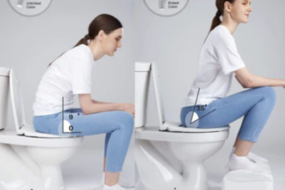
This wasn’t just tradition: Modern medical studies confirm that squatting can help reduce straining and support better colon health by straightening the anorectal angle.
The Squatty Potty Effect: Turning Back Toward Ancient Wisdom
It wasn’t until the early 2010s that tools like the Squatty Potty reignited global interest in squatting posture for adults.
- Sales multiplied rapidly after viral media (including a memorable Shark Tank pitch) catapulted these stools from quirky to mainstream—over $33 million in 2015 alone.
- Google Trends reports a nearly 10X spike in “toilet stool” searches between 2012 and 2022, signaling this is more than a wellness fad.
This “back to basics” wave comes straight out of ancient Rome and Asia, where communal latrines required a perched or squatting stance, urging us to rethink comfort as much as function.
Modern Innovations: Customization, Materials, and Everyday Integration
Today’s toilet stools cater to modern aesthetics and ergonomic needs. Imagine a bamboo footrest blending into your bathroom, or a sleek folding plastic stool stashed away after use.
Current designs span:
- Form factors: compact, wide, angled, or adjustable height
- Materials: polished bamboo, recycled plastic, lightweight steel
- Features: anti-slip grips, foldable designs, even smartphone stands
Price points range from $25 for minimalist plastic versions up to $100+ for designer, eco-conscious models.
Integrating Ancient Science Into Daily Life
Think about your morning routine: placing your feet on a stool is now as easy and “normal” as brushing your teeth.
- Over 60% of US adults who’ve tried a toilet stool report faster, more comfortable bathroom visits, especially during digestive issues
- Wellness experts, GI doctors, and trainers now recommend posture-aid stools as part of a holistic gut health or ergonomic lifestyle plan
“Sometimes the smartest solution is one we left behind.” In 2025, toilet stools fuse 5,000 years of wisdom with today’s design—echoing ancient health advantages, but fitting right into your Instagram-worthy bathroom.
If you’re looking for a simple, science-backed upgrade that brings ancient comfort into modern routines, the toilet stool stands ready—unassuming, practical, and quietly transformative.
21st Century Innovation: Smart Toilets, Eco-Conscious Design, and the Revival of Bathroom Ergonomics
Imagine a bathroom that’s not just clean, but smart—analyzing your health, saving water, and giving you personalized comfort with a tap. That’s the reality for millions as 21st-century toilet innovation hits full stride.
Dual-flush systems, first popularized in the 1980s, now cut home water use by up to 67% per flush, setting new benchmarks for eco-efficiency. Today’s best-sellers add much more:
- Bidet integration with precision water sprays, revolutionizing hygiene while slashing toilet paper use
- Smart sensors to trigger auto-flush, monitor usage patterns, or enable touchless controls
- AI-powered waste analysis, giving real-time feedback on hydration, glucose, or even early health warnings—yes, your bathroom can talk to your doctor
Sustainability Meets Comfort: Greener Toilets for a Changing World
Sustainability is more than a buzzword; it’s driving real change in toilet design. Waterless toilets and recyclable ceramic or composite shells are now mainstream in eco-builds, while green certifications like WaterSense guide purchase decisions.
You'll see these eco-conscious upgrades on shelves and in project specs:
- Waterless or ultra-low-flow toilets for drought-prone areas
- Seats and stools made from bamboo, recycled plastics, or resin compounds
- “Cradle-to-cradle” materials for full lifecycle recycling
Tech-Driven Wellness and the Return of Ergonomics
The newest trend? Fusing technology with comfort:
- Heated seats, UV anti-bacterial lights, and deodorizers for next-level wellness
- App-connected toilets with adjustable settings and health tracking
- Adjustable stools and ergonomic accessories designed to optimize posture alongside your sitting or squatting preference
Picture this: You open an app, set your seat warmth, track hydration, and adjust your stool height—all before your morning coffee.
Mainstreaming Posture and Health: Toilet Stools Get Smart
Toilet stools—once hidden away as niche products—now claim real estate on retail shelves and in bathroom showrooms. Why? Because modern research and ergonomic design are backing up what ancient cultures knew: posture matters.
Expect to find:
- Stools in multiple heights, widths, and materials to fit every lifestyle
- Foldable, portable, and even app-connected options
- Inclusive design accommodating kids, seniors, and mobility-impaired users
These changes have redefined what it means to “upgrade” your bathroom: it’s about wellness, efficiency, and real personal comfort.
The smart bathroom revolution is here—where eco-conscious tech, tailored posture aids, and next-level comfort blend into daily life. If you’re thinking about your next bathroom project or even a small ergonomic tweak, there’s never been a better time to invest in smarter, healthier habits.
Cultural and Social Dimensions: From Status Symbol to Universal Health Essential
Toilet design has evolved from a sign of upper-crust privilege to a daily essential for global public health. Five centuries ago, only the wealthy enjoyed stone benches or private garderobes—today, roughly 75% of urban households worldwide have access to indoor toilets.
Changing attitudes have transformed bathrooms into places of privacy, convenience, and hygiene. Over time, the bathroom shifted from an open, communal experience (think: Roman latrines or shared wooden benches) to a space defined by:
- Individual comfort and enclosure
- Personal hygiene rituals
- Social norms of modesty and sanitation
Global Posture Norms: Squat Versus Sit
Your bathroom posture isn’t just about preference—it’s shaped by culture, architecture, and even geography. For example, in India and much of Asia, the squat toilet remains standard, supporting a natural posture linked in studies to easier elimination and reduced constipation.
By contrast, western nations have embraced the seated toilet, which aligns with Victorian ideals of refinement, but may contribute to digestive issues.
Picture this: bustling Tokyo, where tech-forward washlets blend squatting aids and heated seats; or rural villages where basic squat latrines are valued for their simplicity and water efficiency.
Accessibility and the Push for Inclusivity
Modern bathroom design increasingly addresses universal access and comfort. Innovations include:
- Raised seats and grab bars for the elderly
- Wider doorways and sensor-activated controls for people with disabilities
- Child-friendly stools and portable supports for all ages
These updates reflect a growing movement: making clean, safe sanitation available to everyone.
Bathrooms as Wellness Spaces
Bathroom design now blends wellness, technology, and personal care. The rise of ergonomic toilet stools, smart toilets, and wellness-enhancing features (like bidet attachments and circadian lighting) signals a shift:
- Wellness-driven design is trending in both luxury hotels and affordable housing
- Consumer demand for products that support natural posture and cleanliness is at an all-time high
“Bathrooms have become spaces for self-care, not just sanitation,” sums up one recent design trend report.
Modern toilets have moved far beyond being status symbols—they’re a centerpiece for both public health and personal well-being. As design and technology keep breaking barriers, expect the bathroom to stay at the center of how we define comfort, privacy, and universal accessibility.
Synthesis: What History Reveals About Optimizing Modern Bathroom Health
The story of toilet evolution isn’t just old bricks and pipework—it’s a crash course on how bathroom health keeps improving as our needs and technologies shift.
Modern toilet stools are more than a passing trend; they're a smart comeback for ancient posture wisdom we’re finally rediscovering.
Major Lessons from Centuries of Change
Across 5,000+ years, bathroom design has always revolved around just a few core goals:
- Efficient waste removal
- Better hygiene
- Physical comfort and privacy
Ancient communal latrines favored a squatting posture—now shown to improve bowel health, ease strain, and cut “toilet time” in half for many adults.
By the 19th century, fixed porcelain seats replaced stone and wood, trading squat for comfortable sitting—but at the cost of natural alignment.
Today’s ergonomic stools bridge this gap, blending sleek form and science-backed function.
Data, Trends, and Modern Takeaways
Here are three actionable insights your bathroom can benefit from right now:
- 9 in 10 gastroenterologists recommend a footstool for more complete, comfortable elimination—echoing ancient latrine methods.
- Using a toilet stool can reduce straining episodes by up to 40%, according to recent clinical studies.
- Modern innovations like adjustable heights, bamboo finishes, and foldable smart models make posture-boosting stools fit any lifestyle or décor.
Picture this: You, at home, shifting from “rush and strain” to a relaxed posture—think a quick, smooth morning routine that saves time, supports gut health, and just feels better.
Ancient Wisdom Meets Modern Wellness
What’s old is new—and smarter.
- Hygiene tools (like the Roman sponge and Egyptian water channels) foreshadow today’s bidets and flush innovations.
- The rise of smartphone-integrated wellness tracking draws a straight line from early sanitation hacks to 21st-century health tech.
“Your toilet setup isn’t trivial—it’s a fast lane to more energy, less hassle, and lifelong well-being.”
Memorable Takeaways for Everyday Life
The best bathroom ergonomics borrow from the past to supercharge the present:
- Reclaim the squat: Stools help your body align for natural elimination.
- Upgrade for wellness: Small changes, like adding a stool or switching to a dual-flush, deliver big returns in comfort and sustainability.
- Stay curious: Today’s design choices are tomorrow’s health legacy—so experiment and find what works for you.
If you’re ready for more details, dive into our guides on toilet stool practices and reviews—your best bathroom is just a step (or stool) away.
Conclusion
Modern bathroom design isn’t just about aesthetics—it's your daily gateway to wellness, efficiency, and comfort. Upgrading your personal space with smarter, posture-conscious choices is one of the simplest ways to boost how you feel every single day.
By integrating ancient wisdom and cutting-edge tech, you give yourself a practical edge in both health and convenience—proof that the best solutions stand the test of time and science.
Here’s how you can bring the power of history into your own routine:
- Add an ergonomic toilet stool to promote better posture and easier elimination—your body (and gut) will thank you.
- Invest in eco-friendly upgrades like dual-flush toilets or water-saving fixtures to make your bathroom both modern and sustainable.
- Experiment with wellness-driven features such as bidet attachments, heated seats, or height-adjustable stools for next-level comfort.
- Assess your current setup—look at posture, accessibility, and hygiene, and make one small change that fits your lifestyle.
- Share your improvements or inspiration with others—your small upgrade could spark big change in your network.
To get started:
- Try a toilet stool for one week and note the difference in comfort and efficiency.
- Reach out to retailers or online guides to compare the latest smart and ergonomic options for your next bathroom update.
- Discuss posture and bathroom wellness with your household—choose one upgrade together.
Your bathroom is more than a backdrop to daily routines—it’s a launchpad for better health and smarter living. Revamp your space, reclaim ancient wisdom, and lead the way toward a new era of comfort and sustainability.
Every step forward is a legacy in action—why not let yours begin today?