Key Takeaways
Unlocking better diabetes control doesn’t mean following a one-size-fits-all meal plan or hunting for superfoods—it’s about applying proven, flexible nutrition strategies that fit real-life schedules and preferences. Here’s what today’s top research says you can do right now for steadier glucose and more energy:
- Personalized nutrition plans outperform generic diets by factoring in your favorite foods, cultural background, and daily routines for sustainable, real-world results.
- Structured nutrition therapy can lower A1c by 1–2 percentage points, delivering benefits similar to a new medication—often with fewer side effects and at a lower cost.
- Focus on high-fiber, minimally processed carbs like whole grains, beans, and vegetables to support steady blood sugars and long-lasting fullness—aim for 25–35g fiber per day.
- Emphasize healthy fats & lean proteins, swapping red meats for fatty fish, nuts, or tofu to improve satiety and support better glucose control.
- Evidence-backed eating patterns—Mediterranean, Plant-Based, DASH, and Low-Carb diets—let you choose what fits; long-term adherence, not perfection, is the real game-changer.
- Losing just 5–10% of your body weight can significantly drop A1c, blood pressure, and cholesterol, making small, consistent changes more effective than radical overhauls.
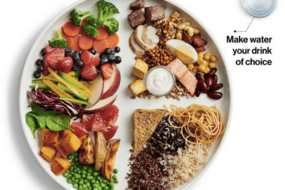
- Use the “diabetes plate method” and set meal times for instant portion guidance and more stable numbers, even on the busiest days.
- Registered dietitians tailor plans and provide ongoing support, using digital tools for seamless feedback and faster problem-solving—think of them as your nutrition GPS.
Smart, sustainable tweaks—not drastic restrictions—are your key to turning meals into a clinical tool for diabetes success. Dive into the full article for real-world examples and step-by-step strategies you can start today.
Introduction
If you’ve ever wondered whether adjusting your lunch could actually lower your A1c as much as a prescription—here’s the eye-opener: targeted nutrition can do just that.
You’re juggling a demanding career, adapting to new tech, and now, diabetes wants a piece of your brain space too. The idea of meal planning may feel like another item in your endless mental checklist. But here’s the kicker: individualized nutrition therapy routinely drops A1c by 1–2 points, often without the side effects or costs of a new medication.
Why does this matter for you—especially if your day is powered by tight deadlines and a steady caffeine drip?
Because what you eat is the fastest lever you can pull for:
- More predictable energy (no more afternoon crashes)
- Lowered risk of complications (heart, eyes, kidneys—check)
- A real shot at reducing or delaying medication, using what’s already in your kitchen
Forget “one-size-fits-all” advice. Modern diabetes nutrition borrows the best from AI-level personalization—blending science, preferences, cultural foods, and your unique schedule for results you can measure.
Here’s what’s coming up:
- The hidden power of nutrition therapy—and why it outperforms generic diet rules
- Smart, tech-friendly strategies to upgrade your meals (without sacrificing flavor or fun)
- Flexible frameworks: from Med-diet to plant-based, discover evidence-backed patterns that keep you in control
- Snack hacks, meal timing, and beverage swaps designed for pros who live on the go
- How to build a plan that sticks when real life throws you curveballs
Curious how everyday decisions add up to tangible results in your next blood test?
Get ready to see how tiny, practical shifts can become your most potent tool against diabetes—starting with the surprising science behind nutrition therapy.
The True Power of Nutrition Therapy in Diabetes
Picture this: A busy professional who tweaks their meals and—with expert guidance—drops their A1c by nearly 2 percentage points in a few months. That’s the promise of nutrition therapy in diabetes care today.
Nutrition therapy isn’t a “cookie-cutter diet.” It’s an individualized strategy—engineered with your lifestyle, culture, favorite foods, and medical needs at its core. In 2026, this means leveraging the latest science and digital tools so your plate works as hard as your medication.
Evidence That Stacks Up
You might wonder, “Is all this work actually worth it?”
Let the evidence speak:
- Structured nutrition intervention typically lowers A1c by ~1–2 percentage points—a result similar to adding a new medication, but often at a lower cost and fewer side effects.
- Even for long-standing type 2 diabetes, A1c reductions of 0.5% or more are common with targeted nutrition changes.
- For newly diagnosed diabetes? Nutrition therapy is a goldmine, helping some patients delay or even minimize medication needs through lifestyle alone.
Beyond “Magic Foods”: The Power of Patterns
Forget chasing superfoods or the latest viral hacks.
- Real diabetes success comes from sustained eating patterns, not single foods or supplements.
- Research shows that focusing on high-fiber, whole foods and minimizing added sugars consistently outperforms any “miracle” ingredient.
- Misconception alert: There is no secret food that fixes blood sugar—but smart, evidence-driven choices reshuffle your day-to-day results.
The Registered Dietitian: Your Secret Weapon
Walk into a session with a registered dietitian and expect:
- Personalized meal planning using your favorite cuisines, work schedule, and glucose goals.
- Flexible frameworks that fit plant-based, Mediterranean, or culturally specific eating—no bland boiled chicken required.
- Ongoing tweaks: As your life or meds change, your plan adapts right along with you for results that actually stick.
Nutrition therapy is where personalized strategy trumps one-size-fits-all advice, turning everyday meals into a clinical tool. The biggest takeaway: the right eating plan—shaped by an expert, rooted in your real life—delivers results no “magic food” can match.
Core Principles of Effective Diabetes Nutrition
Personalization and Flexibility
Forget the idea of a “universal diabetes diet.” Your optimal eating pattern should match your personal preferences, cultural background, medications, and daily goals.
Imagine one professional thriving on a Mediterranean plan, while another finds success with a plant-based or culturally tailored cuisine.
- Personalize your meals by considering:
- Favorite flavors and dishes
- Cultural or religious food traditions
- Work schedule (remote, onsite, frequent travel)
- Swap out generic advice for custom tweaks—for instance, enjoy lentil dal with brown rice (plant-based), or build a Greek salad bowl with grilled chicken (Mediterranean).
“The best diabetes nutrition plan is the one that fits your life—not someone else’s menu.”
Carbohydrate Quality and Quantity
Focus on fiber-rich, minimally processed carbs: these are your blood sugar’s best friend.
A practical target is 14g fiber per 1,000 kcal—which usually means aiming for 25–35g fiber per day.
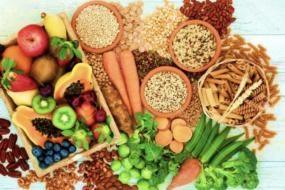
- Top choices: whole grains (oats, quinoa), beans, lentils, vegetables, whole fruit—not juice
- To increase fiber:
- Add chickpeas to salads
- Swap white rice for farro
- Choose berries over juice
Cut back on refined grains, added sugars, and sugary drinks with simple hacks:
- Choose sparkling water with citrus instead of soda
- Opt for whole fruit as snacks
If you use insulin, consistency matters—matching carb amounts per meal makes management easier.
Picture this: Filling half your plate with veggies, the rest split between lean protein and a whole grain, then seeing steadier glucose numbers.
Healthy Fats and Lean Proteins
Move past bland, low-fat rules—it's about quality fats and satisfying protein.
- Favor unsaturated “good fats” (avocado, olive oil, fatty fish, nuts)
- Decrease red/processed meats; watch for trans fats in packaged snacks
Lean protein isn’t just about muscle—it helps keep you full and your blood sugar stable.
- Smart sources: fish, eggs, yogurt, tofu, nuts, legumes
Swapping bacon for salmon or a handful of almonds makes a difference you’ll taste and see—better glucose, greater satiety.
Emphasis on Whole, Minimally Processed Foods
Ultra-processed foods (think: packaged snacks, sweetened cereals, deli meats) spell trouble for stable blood sugars.
Whole foods are items you recognize from the produce or butcher section: leafy greens, whole grains, eggs, fresh poultry, fruit.
- Build your grocery list around:
- Leafy/colored vegetables
- Whole grains and legumes
- Fresh fish, poultry, or plant proteins
- Unsweetened yogurt or milk
- Skip: instant noodles, frozen dinners, sodas, and heavily flavored snack bars
Small tweaks—like prepping a veggie box for the week or batch-cooking oats—can save time and keep you on track.
Personalize, prioritize quality carbs and proteins, lean into good fats, and make whole foods your default—these are nutrition secrets you can act on today for steadier glucose and better energy.
Nutrition Patterns with Strongest Evidence
The Big Four: Which Eating Patterns Actually Work?
Forget the idea that there’s one “diabetes diet.” Modern research makes it clear: evidence-backed eating patterns let you shape your meals around foods you genuinely enjoy, with proven health benefits.
The four most researched styles for diabetes control are:
- Mediterranean Diet: Think colorful veggies, high-fiber beans, hearty whole grains, olive oil, and plenty of seafood—a pattern linked to A1c drops, weight loss, and fewer heart problems.
- Plant-Based Diets (vegetarian/vegan): Focus on plant power—beans, lentils, nuts, and whole fruits, with or without dairy/eggs. Clinical studies show better blood sugar, lower cholesterol, and easier weight management.
- DASH Diet: Created for heart health, DASH is full of vegetables, fruit, whole grains, low-fat dairy, and chicken or fish. It scores points for reducing blood pressure and lowering diabetes risk.
- Low to Very Low-Carb Diets: Picture fewer starches or sugars, more lean protein, nonstarchy veggies, and healthy fats. Short-term, these patterns offer fast A1c and weight improvements—but long-term success depends on your commitment.
“Finding the right food pattern is about what you’ll actually keep eating—think sustainability, not magic.”
Choosing & Adapting Your Pattern
So, how do you pick?
Picture this: You're prepping lunch for a busy work week. You need a style you can repeat, tweak for takeout, and even enjoy with friends or family.
Consider:
- Personal taste and convenience
- Cultural and dietary needs
- Your typical schedule and budget
For example, busy pros often do best with Mediterranean or DASH—flexible, flavorful, and easy to adapt. Plant-based and low-carb require more planning but offer exciting results for those ready for the structure.
Quotable for socials:
“You don’t need to meal-prep like a fitness influencer—just choose an eating style that fits your real life.”
The Secret Sauce: Adherence Over Perfection
What’s the #1 success factor? Consistency beats perfection every single time.
- Bold flavors, visual variety, and easy meal hacks make sticking with your pattern way more likely.
- Prepare for life’s curveballs (vacations, late nights, family events) by mastering portable snacks and flexible meals you can adjust on the fly.
- Major organizations agree: the “best” diet is the one you can follow for months and years—not just days.
“The ultimate nutrition win? Finding an eating style that feels like living, not dieting.”
Busy professionals, take note: focus on patterns, not perfection. Choose a flexible, evidence-backed approach that energizes both your schedule and your blood sugar numbers for the long haul.
Weight Management and Energy Balance: The Diabetes Game-Changer
The Impact of Modest, Sustainable Weight Loss
Ready for some eye-opening numbers? Losing just 5–10% of your body weight can lead to impressive drops in A1c, blood pressure, and cholesterol—sometimes as powerfully as adding a new diabetes medication.
That’s not wishful thinking: research shows a 1–2% A1c improvement when people combine structured nutrition with gradual weight reduction—at a fraction of the cost of a third medication.
So, what actually works for reducing overall Calories without turning your life upside down? Picture this:
- Portion control: Use salad plates, pre-portion snacks, and split entrees at restaurants to shrink servings painlessly.
- Meal prep: Spend an hour Sunday slicing veggies or grilling lean proteins to avoid last-minute takeout temptations.
- Mindful eating: Slow down, eat without screens, and learn to spot the moment you feel 80% full—this trims intake with zero “diet math.”
No need for crash diets or cutting out entire food groups—lasting, enjoyable change is the real goal.
Research-Backed Paths to Remission (For Early Type 2)
For some with early type 2 diabetes, a larger weight loss (more than 10% of body weight) can result in actual diabetes remission, according to recent clinical trials.
But—here’s the catch—intensive, very low-calorie approaches should always be supervised by your healthcare team. Real-world protocols often involve meal replacements, weekly check-ins, and regular adjustments to medications.
Maintaining Progress for the Long Haul
Let’s get practical: Anyone can kick off with motivation, but sticking with it is where the wins stack up.
Evidence from behavioral science highlights a few survival strategies when motivation dips:
- Habit stacking: Attach a new action (like prepping a veggie snack) to routines you already do, such as making your morning coffee.
- Flexible goal setting: Adjust your targets when travel, work chaos, or family life intrude—progress is still progress, not failure.
- Reframing setbacks: Instead of spiraling after one bad meal, ask: “What can I do differently at my next meal?” Keep momentum, ditch guilt.
And when you hit a plateau—or frustration starts to brew—don’t hesitate to get professional backup. A registered dietitian or diabetes coach can help re-spark results and troubleshoot obstacles.
A small shift in your daily energy balance can create visible, measurable changes in diabetes control. You don’t need perfection—just consistency and the right tools.
Day-to-Day Nutrition Strategies That Work
Meal Structure and Timing Essentials
Eating at set times keeps your blood sugar steady, turning unpredictable swings into stable, predictable energy.
- Aim for 3 structured meals each day to reduce large spikes or drops.
- For busy folks or shift workers, try meal prepping “grab-and-go” options—picture smoothie jars or hard-boiled eggs stacked in your fridge.
If you count carbs with insulin, timing matters even more.
- Use carb counting apps like mySugr or Carb Manager to match your insulin to what you eat.
- Picture this: You scan your lunch, adjust your insulin, and get back to work (or play) with confidence.
“Consistent meals, consistent numbers.” That’s the magic formula.
The Diabetes Plate Method: Visual Simplicity
Think of your plate as a color-coded guide for every meal.
- Fill half your plate with non-starchy veggies—greens, peppers, broccoli, cucumbers.
- One-quarter goes to lean protein: grilled chicken, tofu, eggs, or Greek yogurt.
- The last quarter is for whole grains or starchy foods—quinoa, brown rice, or lentils.
Eating out or packing lunch? Mentally divide your to-go container—no need to measure, just eyeball. Meal kits? Build your plate with the same proportions.
“If you can picture your plate, you can master your meals.”
Carb and Snack Choices That Satisfy (and Stabilize)
Not all carbs are created equal.
- Favor whole grains, beans, and whole fruit for steady energy.
- Skip white bread, pastries, and sugary drinks—these spike your glucose fast.
For snacks, think in pairs.
- Mix protein with fiber for staying power: cheese and apple, hummus and carrots, trail mix (nuts and unsweetened dried fruit), or a boiled egg with whole grain crackers.
- Smart snacks include Greek yogurt and berries, peanut butter on celery, or roasted chickpeas.
Top 10 quick snack combos:
- Almonds + orange slices
- Baby carrots + hummus
- Tuna pouch + whole grain crackers
- String cheese + cherry tomatoes
- Edamame pods
- Slice of turkey + bell pepper strips
- Apple + unsalted nuts
- Greek yogurt + cinnamon
- Snap peas + mozzarella pearls
- Rice cake + avocado spread
“Build your snack strategy like your business strategy: deliberate, reliable, and rewarding.”
Drinking Right: What’s in Your Cup?
Water is your MVP—aim for at least 8 cups a day.
- Unsweetened teas and black coffee are safe go-tos.
- Skip the sugar bombs: soda, energy drinks, and fruit juice can derail your numbers.
Creative swaps include:
- Sparkling water with lime or cucumber
- Iced herbal teas (unsweetened)
- Infusing water with berries or ginger for a flavor boost
Alcohol? It’s fine in moderation, but remember it can both raise and lower blood sugar—stick to one drink and always eat when drinking.
“Upgrade your beverage habits and your numbers will follow.”
Tiny decisions add up fast: Master your meal timing, plate building, carb picks, and drink choices for blood sugar results you can see in your next A1c. These habits don’t just work on paper—they work in real life, for real people, with real results.
Special Circumstances: Personalizing Nutrition for Complex Needs
Type 1 Diabetes: Matching Nutrition With Insulin
When you’re managing type 1 diabetes, nutrition is more than just eating “healthy”—it’s about syncing every meal with your insulin.
Pairing your carbohydrate intake precisely with your rapid-acting insulin dose is the gold standard for steady blood sugars.
Want to avoid those frustrating highs and scary lows? Here’s what smart, real-world meal planning looks like:
- Count your carbs: Use meal-tracking apps or classic nutrition labels—accuracy is everything.
- Plan ahead: Meals should contain similar amounts of carbs when possible to reduce unexpected swings.
- Experiment smart: Test how bread vs. beans vs. fruit affect you personally; not all carbs act the same.
“Think of your insulin and carbs as dance partners—when they move together, everything stays in harmony.”
Managing Complications and Risk Factors
If you’re living with heart disease risks or kidney complications, your nutrition plan needs a smart upgrade.
Studies show that the Mediterranean and DASH eating patterns aren’t just “nice-to-haves”—they’re top picks for protecting your heart, improving cholesterol, and supporting blood pressure.
When kidneys are in the mix, flexing your nutrition basics becomes key:
- Lower sodium: Check food labels and skip regular restaurant meals—hidden salt adds up fast.
- Adjust protein: Not everyone needs high protein; in kidney disease, moderation (as guided by your care team) outperforms extremes.
- Stay hydrated: But know if you need limits—ask for tailored advice from your specialist.
Picture this: You’re prepping dinner for your family, and with a few swaps—grilled salmon instead of steak, extra roasted veggies, and a lighter hand on the salt—you’re eating for both protection and pleasure.
Unique Needs: Age, Activity, and Life Stage
Not everyone’s living from the same playbook.
Older adults, athletes, and women facing hormonal changes all deserve custom nutrition tweaks.
- Older adults: Prioritize nutrient-dense meals with extra focus on fiber, lean proteins, and hydration.
- Active lifestyles: Amp up healthy carbs and proteins around workouts to power performance and recovery.
- Women: Pay attention to how cycles, pregnancy, or menopause affect blood glucose—your needs may shift month to month.
“Personalized nutrition means you’re not following someone else’s roadmap—you’re building your own, mile by mile.”
Even with complex needs, personalized nutrition is your most powerful tool for tackling diabetes—when in doubt, partner up with a skilled dietitian for ongoing fine-tuning.
Making It Stick: Sustainable Implementation and Ongoing Success
The Power of the Diabetes-Focused Registered Dietitian
Finding a registered dietitian nutritionist (RDN) with diabetes expertise could be your most valuable step—medical nutrition therapy with a dietitian typically lowers A1c by 1–2 percentage points, rivaling the effect of many medications.
Your first meeting is all about personalization: the RDN will review your health data, daily routines, favorite foods, and cultural preferences, so your plan actually sticks.
Ongoing sessions aren’t checkboxes—they’re tune-ups that help you adapt, troubleshoot, and celebrate progress.
For real-time support, use digital health apps or glucose trackers that sync to your care team; studies show continuous feedback keeps motivation high and adjustments timely.
“Think of your RDN as your diabetes GPS—they don’t just plot the route, they help you reroute around roadblocks.”
Setting and Achieving Realistic Nutrition Goals
Breaking big changes into simple milestones is crucial for sustainable progress—and SMART goals make all the difference:
- Specific and Measurable: “Add 2 cups of non-starchy veggies daily.”
- Achievable: “Drink water instead of juice at lunch three times this week.”
- Time-bound: “Replace all sugar-sweetened drinks by next month.”
Track outcomes using your latest A1c, daily glucose logs, or even a quick weekly energy score.
This approach transforms nutrition from a “should do” into a series of small wins that keep you motivated and on target—“Every veggie swap or water bottle counts.”
Adapting Over Time and Celebrating Wins
Nutrition needs change—maybe your work schedule shifts, your favorite foods change, or a new medication enters the picture.
Your plan should be just as agile; a quick RDN check-in or app-based log review makes adjusting seamless.
- Celebrate with a “success portfolio”—snap photos of improved meals, note a lower A1c, or reward yourself for each milestone.
- If something’s not working, don’t ditch the plan; experiment safely with your care team’s input.
“Imagine looking back at your year and seeing not just your lowest A1c, but all the visible steps you took to get there.”
Making smart changes stick is about feedback, not perfection. When you use the right support, tech, and celebrate every step, daily nutrition choices turn into lasting results—no more extreme diets, just sustainable progress you don’t have to think twice about.
Conclusion
Taking control of diabetes doesn’t mean giving up the food experiences you love—it’s about leveraging smart nutrition strategies to transform every meal into a powerful tool for better health, more predictable energy, and a lower A1c.
With a blend of flexibility, real-world know-how, and evidence-backed principles, you have what it takes to rewrite your story—no ‘perfect’ diet or bland restrictions required.
Actionable Nutrition Strategies to Put Into Practice:
- Personalize your plate: Adapt favorite meals using the diabetes plate method—half veggies, a quarter lean protein, a quarter fiber-rich carbs.
- Power up with fiber: Aim for at least 25–35 grams of fiber daily by adding beans, whole grains, and whole fruits.
- Stay consistent: Structure meals and snacks at regular intervals to keep blood sugar steady through busy days.
- Tap tech tools: Use a food tracking app or glucose monitor for actionable feedback and precision.
- Partner intentionally: Connect with a registered dietitian specializing in diabetes for custom guidance and lasting results.
Ready to take action?
- Pick one tip above and commit to doing it for the next three days—small swaps stack up fast.
- Schedule a consult with a diabetes dietitian or explore a nutrition app that syncs with your health data.
- Share your “nutrition win” on social media or with a friend—momentum loves company!
**Every meal is an opportunity—not an obstacle.
Embrace the science, trust your ability to adapt, and let personalized nutrition power your next big breakthrough.**