Key Takeaways
In 2026, blood sugar monitoring is more than data—it’s a control system that empowers you to understand and improve your daily life with diabetes. Whether you’re a tech-savvy pro or just starting, choosing the right tools and habits unlocks safer, smarter management and sets you up for long-term success.
- Consistent monitoring drives real results—using continuous glucose monitors (CGMs) for 270+ days per year reduces A1C by up to 1% and boosts time-in-range by 10–15%.
- Next-gen sensors are game-changers—features like needle-free, 15-day modular sensors and real-time multi-analyte tracking bring painless, high-accuracy monitoring to more people.
- AI-powered insights personalize decisions—modern apps and wearables blend glucose, lifestyle, and sleep data to deliver predictive alerts and actionable coaching, turning info into action instantly.
- Smart device integration simplifies routines—seamless sync between CGMs, smartwatches, and voice assistants like Alexa enables hands-free logging, reminders, and caregiver sharing.
- Tailor your toolkit to your lifestyle—choose from options with large displays, voice support, automation, or basic strips to match your tech comfort, health needs, and budget.
- Affordability and accessibility are improving—rising insurance coverage and global initiatives aim for universal access, digital literacy, and fair device pricing, so no one gets left behind.
- Collaboration with care teams is easier than ever—easy data sharing and visual reports empower smarter discussions and personalized strategies with your healthcare team.
Taking advantage of today’s monitoring strategies isn’t just smart—it’s the fastest path to predictability, better outcomes, and more freedom. Dive into the full guide to discover the tools and tactics that will put you in the driver’s seat for diabetes management in 2026 and beyond.
Introduction
Ask anyone with diabetes, and they’ll tell you: fingersticks at random hours and surprise sugar crashes aren’t just inconvenient—they disrupt your whole day.
But here’s the twist: wearable monitors and AI-driven apps in 2026 are transforming blood sugar management into something closer to having a personal coach on your wrist than a chore on your to-do list.
If you’re a tech-loving professional, content creator, or innovator at heart, there’s never been more potential to take the guesswork out of diabetes care—or to help clients and teams do the same. Did you know that using a CGM most days can drop A1C by up to 1% and increase time-in-range by 10–15%? That’s more energy, fewer emergencies, and real-world freedom—backed by clear data.
So, what’s different about this new generation of monitoring?
- Zero-calibration, needle-free sensors for maximum comfort
- AI-powered insights that turn streams of numbers into actionable daily tweaks
- Seamless integrations with smart devices, apps, and even voice assistants—all working quietly behind the scenes
You’ll see how automated coaching, painless devices, and real-time trend alerts are quickly making “surprise spikes” much less common—plus exactly what to look for if you’re ready to level up your own system (or recommend options for others).
Whether you geek out over optimizing every workflow or just want data to feel empowering—not overwhelming—this article will show you what’s practical, what actually improves outcomes, and how to make blood sugar monitoring fit your life (not the other way around).
Ready to rethink what’s possible and see how data can work for you? Here’s what it really means to have blood sugar monitoring as your personal wellness dashboard—and why it matters more than ever.
Understanding Blood Sugar Monitoring: Why It Matters for Diabetes Management
Picture this: blood sugar monitoring is more than just a number—it’s your real-time dashboard for navigating diabetes every day.
Regular checks help you spot trends, make better decisions in the moment, and keep you safely in your target range.
Missed highs or lows can mean trouble: Dangerous highs risk diabetic ketoacidosis (DKA), while unrecognized lows can lead to fainting or even ER visits. Early detection through monitoring helps you avoid surprises and stay in the safe zone.
Monitoring = Better Outcomes
Here’s what the data says: Using a continuous glucose monitor (CGM) most days of the year (over 270 days) leads to A1C reductions of up to 1% and boosts time-in-range by 10-15%. Imagine dodging hospital trips and spending more days feeling on top of your game.
With today’s tools, you can:
- Prevent emergencies by catching problems before they snowball
- Fine-tune medication and meals to fit your unique needs
- Spot daily patterns that you—and your doctor—can actually use to improve your routine
Personalization Empowers You
Think of modern blood sugar tech like upgrading from a paper map to GPS:
- Real-time readings on your wrist, phone, or even from a voice assistant
- Insightful patterns and personalized alerts keep you a step ahead
- Less guesswork—more confidence in every choice, from breakfast to bedtime
You’re not just watching numbers. You’re learning about your own body’s rhythms, which means fewer surprises and better decisions—every single day.
Key Takeaways and Social-Ready Highlights
- “Your CGM is your personal wellness dashboard—use it to steer, not just react.”
- Consistency matters: Staying connected daily dramatically improves short- and long-term outcomes.
- “Spotting patterns is power—small changes today add up to safer tomorrows.”
Modern blood sugar monitoring isn't just about data points—it's about empowerment. Stay connected, keep learning, and you’ll unlock better control and a healthier, more predictable life with diabetes.
Evolution of Monitoring Tools: From Fingersticks to Next-Gen Tech
The Classic Approach: Glucometers and Test Strips
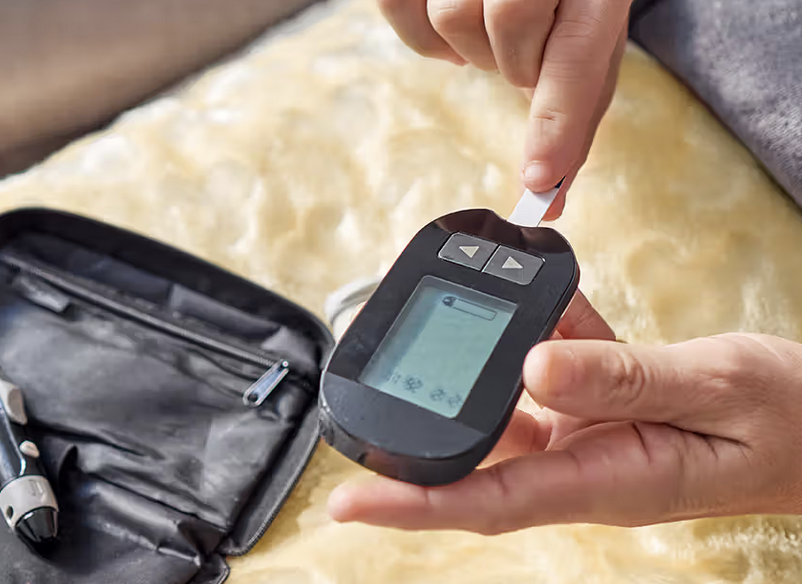
Traditional fingerstick glucometers have been the bread and butter of diabetes care for decades—think of them as the “manual mode” of blood sugar management.
You prick your finger, apply a drop to a test strip, and get an immediate reading.
Why do people still use them in 2026? Three main reasons:
- Affordability: Basic meters and strips are usually covered by insurance, or cost under $50 upfront.
- Accuracy: Lab-calibrated glucometers remain the gold standard for spot-checking.
- Accessibility: They’re simple, durable, and don’t require learning curves—ideal for people who just want fast answers.
But let’s be honest: pricking your finger several times a day hurts—especially if you’re managing diabetes long-term or have sensitive skin. Plus, readings are just snapshots, not the full story.
The Rise of CGMs: How Continuous Glucose Monitoring Has Changed the Game
With continuous glucose monitors (CGMs), you get a real-time “dashboard” on your phone or smartwatch.
Here’s what’s new for CGMs in 2026:
- Longer sensor life—15 days or more between changes.
- Needle-free, calibration-free placement for zero hassle.
- Multi-parameter tracking: Some devices now track glucose, heart rate, sleep, and movement together.
CGMs slash fingerstick routines, letting you and your care team see patterns, catch trends, and predict issues before they become emergencies.
Picture this: You’re out for dinner, get a gentle vibration on your wrist that your sugar’s trending low, and know to grab a healthy snack—no guesswork, no drama.
Needle-Free and Multi-Analyte Sensors
Next-gen sensors are getting seriously impressive.
Current standouts include:
- Trinity Biotech CGM+: Needle-free, modular, and lasts 15 days—early trials show a 25-30% accuracy boost compared to old-school meters.
- Abbott Dual Monitor: The first major sensor to continuously track both glucose and ketones (key for SGLT inhibitor users and preventing DKA).
- SAVA: Tracks vitals alongside sugar, aiming for a “health at a glance” experience.
Features people love?
- Painless, smaller sensors—less bulk, more comfort.
- No required calibrations—set it, forget it.
“Imagine not even feeling your sensor is there, but knowing it's working 24/7 for you.” That’s the CGM+ promise.
Accessibility and Equity in Monitoring
Here’s where the revolution needs everyone on board.
Innovation means nothing unless affordability and digital literacy catch up:
- Access remains easier in North America and Europe, but more policies target global coverage in 2026.
- New guidelines require CGM access for all insulin users—not just “techies” or early adopters.
- Mobile apps with voice support and large text expand usability for seniors and those with disabilities.
Advocacy groups and policy makers are pushing for fair pricing, global training resources, and device subsidies to bridge the gaps.
The takeaway? Blood sugar monitoring in 2026 is smarter, more personalized, and inching toward universal access. Whether you’re hands-on with a meter or totally automated, there’s a fit for every lifestyle—making “surprises” a thing of the past and control more achievable than ever.
Smart Devices and AI: The Integrated Diabetes Management Ecosystem
Smarter Data, Smarter Decisions
In 2026, AI-powered insights have become the backbone of modern diabetes care.
AI now analyzes your glucose, activity, meals, and even sleep data—transforming it into personalized guidance you can actually use.
Just picture this: your CGM flags an early morning dip, your app pings a gentle alert—“Possible hypo in 30 minutes if you skip breakfast.” It's like a diabetes co-pilot in your pocket.
- AI-driven recommendations include:
- Smart insulin dosing based on trends
- Predictive hypoglycemia warnings
- Actionable feedback for meals and exercise
- Daily and weekly reports optimized for easy review
“Imagine real-time advice that keeps up with your life, not the other way around.”
Wearables, Apps, and Voice—All in Sync
Today’s wearables and smartphone apps aren’t just add-ons—they’re mission control for your diabetes routine.
Your smartwatch vibrates to remind you to check your site; your app—synced to your CGM—translates numbers into “you’ve got this” nudges you can understand at a glance.
- Key integration features in 2026:
- Seamless sync between CGMs, smartwatches, and phones (think Apple, Samsung, Google)
- Voice assistant support (like Alexa integration with Dexcom G7)
- Reminders, telehealth features, and secure caregiver sharing
- Hands-free logging: say, “Hey Siri, add my lunch carbs”
When choosing, scan for:
- Device compatibility with your favorite phone or watch
- User interface that matches your comfort level (large text, color-coded alerts)
- Cost and subscription options (freemium to premium)
“Your entire health picture, always at hand—no more tab juggling or number overload.”
Automated Insulin Delivery: Hands-Free, Stress-Free
Hybrid closed-loop systems and smart pens are changing the rules for automated glucose control—think Medtronic MiniMed Flex/Fit, or the Vivera algorithm working behind the scenes.
The latest ADA guidelines (2026) now recommend these AID systems as a standard for many with type 2, not just type 1.
Real-world impact is clear—users see:
- Lower hospitalization rates
- Reduced A1C by 1–1.7 percentage points
- Up to 20% higher time-in-range, especially with consistent use (>270 days/year)
“Imagine setting your insulin routine, then letting tech quietly fine-tune the rest.”
Your diabetes tools can now speak the same language, adapt to your schedule, and deliver peace of mind. Every connected device, every AI nudge, makes managing type 2 diabetes a team effort—with you at the center.
Customizing Your Monitoring Strategy: Matching Tools to Individual Needs
Choosing the Right Tool Set for Your Lifestyle
Finding the best blood sugar monitoring setup in 2026 means tailoring your tools to your daily habits, tech comfort, and health goals—think of it like creating a toolkit that's truly yours.
With today’s options, you can customize based on:
- Display size and clarity (large screens or app-based visuals)
- Pain-free options (needle-free sensors, painless lancets)
- Bluetooth/app integration (real-time data on your phone, smartwatch, or even via Alexa)
- Insurance status and affordability (coverage for CGMs rising, but not universal)
If you’re a senior, you’ll appreciate tools with easy data sharing and voice support; tech enthusiasts gravitate toward modular, multi-analyte sensors; and if you’re just starting out, simple test strips might be all you need.
“Picture this: Instead of stressing over test times, your smartwatch pings you with trends, and you check your progress with a glance.”
Special Considerations for Different User Groups
There’s no such thing as one-size-fits-all—your ideal system adapts to who you are and what you need.
Mini-guides for smart decisions:
- Seniors: Go for devices like OneTouch Verio Reflect or Dexcom G7—these offer large screens, voice activation, and share-friendly apps. Think: simple navigation for arthritic hands, and easy Bluetooth syncing for peace of mind.
- Tech-Savvy Users: Lean into Trinity Biotech CGM+ or SAVA multi-analyte platforms—modular wearables tracking glucose, sleep, and movement in one device, with next-level data insights.
- Busy Professionals: Choose wearable CGMs, integrations with smart apps, and features like automation and customizable notifications. Your daily routines become health-supporting workflows, not chores.
Don't forget: Factors like vision, dexterity, and cognitive health might tip your choice one way or another.
“Choose devices that work for your real life—not the other way around.”
Overcoming Barriers: Affordability, Digital Literacy, and Policy Support
The reality: Not all new devices are affordable or easy to use—yet.
Current cost (2026):
- CGMs: $60–$120/month (before insurance), with many plans now covering seniors and those on insulin
- Connected blood glucose meters: $20–$50 per device, with lower-cost strip options for those who qualify
Digital literacy resources abound—many providers offer video walkthroughs, live chat, and peer support to get you started. Global initiatives and innovations focus on equitable access, with success stories emerging from India and Latin America where grassroots programs have made monitoring more attainable.
“Tech only helps if you can afford it, access it, and actually use it.”
A personalized monitoring approach—matched to your tech skills, wallet, and health needs—is the most effective way to stay in control and adapt as technology evolves. The right fit today means less stress, better data, and more freedom to live your life your way.
Best Practices for Effective Blood Sugar Monitoring in 2026
Building Consistency: Habits That Stick
Reliable monitoring routines are the secret sauce for effective diabetes management.
Research shows that people who use their CGM more than 270 days a year enjoy noticeable drops in A1C and longer stretches in their optimal range—think of this as actual time you feel better.
It’s not about perfect streaks; it’s about creating small, repeatable habits that fit into your life:
- Set automatic reminders on your phone or smartwatch for mornings and evenings.
- Enable custom alert settings so you aren’t glued to your data, but never miss an urgent signal.
- Make it fun with gamification tools in apps—track your streaks, earn badges, or share wins with your support circle.
- Connect your data with a trusted friend or family member for backup and motivation.
Picture this: A gentle voice alert from your Dexcom G7 as you pour your morning coffee, or a friendly “nightly check-in” badge that makes consistency feel rewarding, not like a chore.
“Consistency beats intensity—daily habits keep blood sugar surprises at bay.”
Interpreting Your Data for Real-World Decisions
Modern monitoring tools don’t just deliver numbers—they tell a story.
To get the most out of your device:
- Track glucose variability (the ups and downs), not just averages.
- Watch your time-in-range—most adults with type 2 diabetes aim for at least 70% of readings in their target window.
- Use trend lines to spot emerging patterns: Did a late lunch spike your numbers, or is your Monday meeting always a culprit?
- When readings are too high or low, follow device prompts first—don’t panic, as overreacting often does more harm than good.
- Share your CGM reports with your care team—most 2026 apps generate easy, visual summaries ready for telehealth visits.
Picture a dashboard that color-codes your risk zones, pairing every data point with actionable advice—turning numbers into confidence.
“Numbers aren’t just for your doctor—they’re your personal playbook for smarter choices every day.”
Using Insights to Collaborate With Your Healthcare Team
Blood sugar monitoring is now a team sport, thanks to seamless sharing and smarter data.
Some of the best strategies for collaboration include:
- Syncing data with your doctor’s portal before virtual visits—ahead of time means less scrambling.
- Flagging a week’s worth of “mystery spikes” or dips—then asking specific questions (“What might cause these?”).
- Using in-app mental health check-ins to track diabetes burnout—and knowing when tech-free time (or extra support) is vital.
Visualize your next appointment: You show up with a neat, color-coded summary; your doctor highlights a new trend you missed, and you both agree on your next experiment.
“When your data and your care team are in sync, you get more support—and less second-guessing.”
A few small tweaks—alerts, shared data, and consistent use—are all you need to turn your blood sugar monitoring from an obligation into a real-time decision tool. Start with what works for your routine, and let smarter tech do the heavy lifting.
The Future of Monitoring: Trends and What to Watch For
Upcoming Innovations You Should Know
Picture this: blood sugar monitoring in 2026 isn’t just about tracking glucose—it’s evolving into a real-time wellness dashboard.
The newest next-gen sensors are pushing boundaries with:
- Needle-free, modular wearables like Trinity Biotech CGM+—lasting 15 days, requiring zero fingerstick calibration, and delivering 25-30% better accuracy than early models.
- Implantable CGMs and non-invasive options on the horizon, promising both comfort and seamless data.
- Multi-analyte devices (like Abbott’s dual glucose/ketone monitor) for tracking more than just sugar—think stress, hydration, and physical activity, all at once.
Now, imagine analyzing all that info instantly. AI-driven tools will soon transform readings into real-time trend alerts, personalized coaching, and even emotional health support. Expect your device to suggest a hydration break when you need it most, not hours later.
“Monitoring isn’t only about numbers—it’s about anticipating your next best move before your body even asks.”
Policy, Access, and the Global Landscape
Behind the tech explosion, new ADA and international guidelines are making CGMs the standard for insulin users and more accessible for everyone.
Here’s what’s shaping access in 2026:
- Insurance coverage now extends to continuous monitoring in most developed markets, with pilot programs for low-income regions.
- Workplace wellness initiatives increasingly integrate CGM and telehealth, making self-care a team effort—not a solo burden.
- User advocacy is stronger than ever: patient groups and tech leaders are collaborating to drive policy and design.
Want in? Many companies invite user feedback directly into app development—making your voice part of the technology’s DNA.
“Access shouldn’t depend on your zip code or paycheck—advocacy is turning that belief into reality.”
Choosing Your Next Steps in 2026 and Beyond
Tech adoption is easier—and smarter—than ever when you have a plan.
Here’s how to know when to upgrade:
- You want more data points (hydration, ketones, trend lines)
- You find yourself charging or replacing devices too often
- Your daily routine could use simpler, smarter automation
Get practical by:
- Budgeting for new tools before insurance cycles renew
- Scheduling digital literacy check-ins—most device brands now offer free onboarding and video help
- Tapping into peer communities for hands-on tips, troubleshooting, and real-world stories
“The right time to try new tech is when your current tools stop making life easier—curiosity is your strongest asset.”
Staying ahead means listening to both your body and the data around you. Next-gen monitoring empowers you to predict, not just react, so you can live—rather than manage—your diabetes.
Conclusion
Staying ahead in diabetes management is all about harnessing today’s smart monitoring tools to transform daily routines into opportunities for better health—and greater freedom.
With technology on your side, you’re empowered to make real-time decisions, avoid unexpected swings, and customize your care to fit your life, not the other way around.
Key Takeaways to Put Into Practice:
- Consistency is king: Use your CGM or monitoring device daily to stay proactive, not reactive.
- Find your best fit: Choose tools that align with your comfort level—needle-free sensors, smart apps, or simple meters—you’re in control.
- Leverage AI insights: Let automated alerts and personalized data guide your choices, especially around meals and exercise.
- Collaborate smarter: Sync and share your data with your care team to unlock expert feedback and boost support.
- Stay curious: Regularly scan for tech upgrades that can save time, improve accuracy, or reduce hassle.
Immediate Next Steps for You:
- Review your current blood sugar monitoring routine—can it be simpler, smarter, or more comfortable?
- Set up or customize device alerts so you actually use the actionable insights.
- Book a digital literacy session (with your device brand or local support group) to fine-tune your setup.
- Empower yourself by joining an online community—peer support sparks new ideas and real-world troubleshooting.
Each new advance brings you closer to a future where diabetes management is less about restriction, more about confidence, and always centered on your goals.
Monitoring isn’t just collecting numbers—it’s unlocking your ability to predict, adapt, and truly live better every single day.
Bold tech, clear insights, and the courage to experiment—that’s your playbook. Take the next step, and let smarter monitoring put you firmly in the driver’s seat.
“You’re not just managing diabetes—you’re designing your healthiest, most empowered future.”