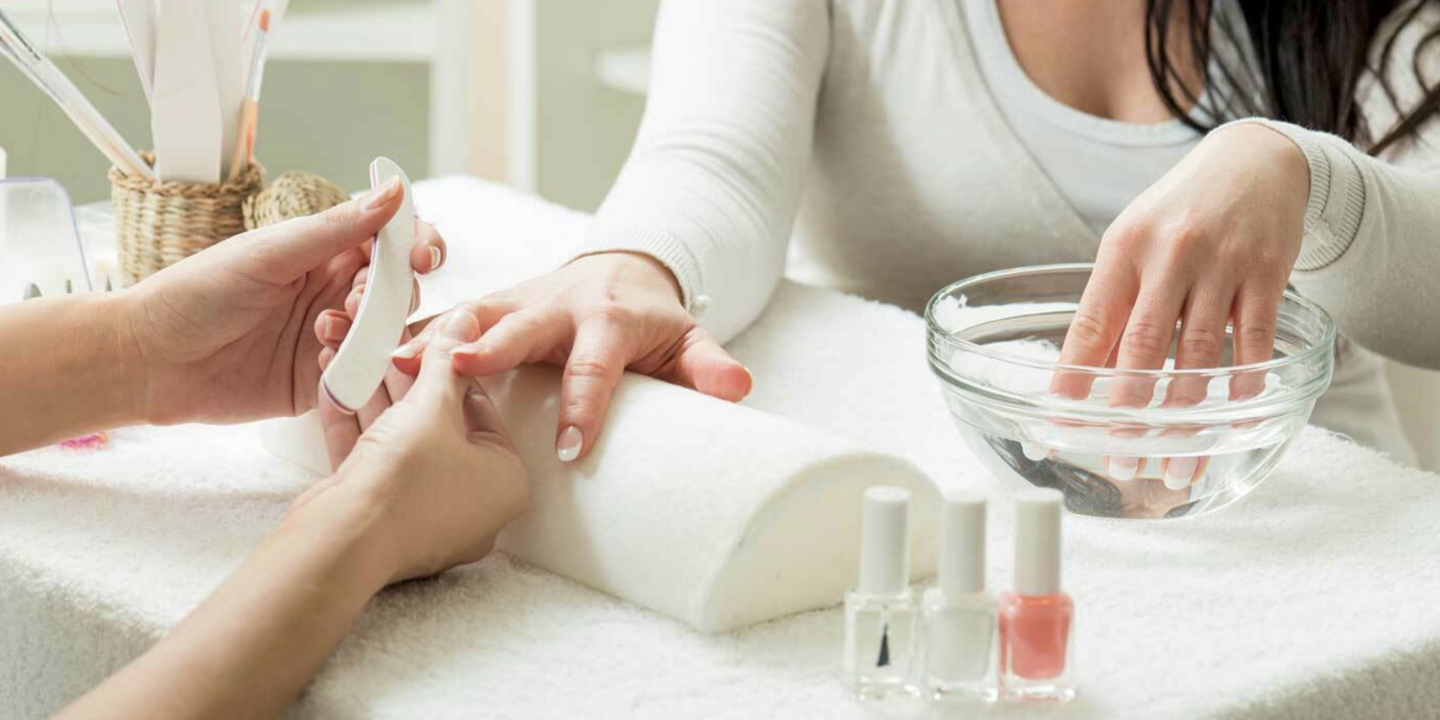
Key Takeaways
Ready to nail your weekly self-care without ever setting foot in a salon? Here’s exactly what you need to know to build stronger, healthier nails in just 20–30 minutes a week—no advanced skills (or awkward cuticle cuts) required. These ultra-actionable highlights cut straight to the best advice, so you can work smarter, not harder, for consistently polished hands.
- Consistency is your best asset—a quick weekly nail routine after your shower leads to visible improvements in nail strength and shine within 1-2 months.
- Preparation matters—set up your space, disinfect tools monthly with 70–90% isopropyl alcohol, and treat the routine as a relaxing ritual for better results.
- Trim, shape, and hydrate right—use sharp clippers and a glass file, file in one direction, and massage in cuticle oil after every wash to cut splitting by up to 40%.
- Protect your nails throughout the day—wear gloves for cleaning or dishwashing and thoroughly dry nails after water exposure to prevent soft, breakable tips.
- Upgrade your nutrition for stronger nails—focus on biotin, iron, and omega-3s from foods like eggs, almonds, spinach, and salmon for up to 25% thicker, healthier nails.
- Customize for problem nails—overnight hydrating masks, strengtheners with keratin or biotin, and short, rounded shapes tackle brittleness and frequent splits fast.
- Watch for setbacks and track your wins—keep a mini repair kit handy, take weekly nail pics, and celebrate small improvements to keep momentum high.
- Know when to call a pro—if you spot persistent pain, infections, or big color changes, skip the DIY fixes and get help to protect both your nails and your confidence.
Master these steps and you’ll transform nail care from a chore into a power habit—unlocking comfort, polish, and visible results week after week. Ready to level up your routine? Dive into the full guide for expert tips on every step.
Introduction
You know the feeling: you’re about to hop onto a video call, your energy’s up… then you spot your nails—ragged, bitten, maybe even a little embarrassing. Don’t worry, you are absolutely not alone: over 60% of professionals say their hands take a daily beating from typing, sanitizing, and the constant rush between tasks.
But what if investing just 20 minutes per week could mean the difference between split, brittle nails and hands that look consistently polished—no salon necessary?
That’s more than aesthetics. Healthy nails are the secret support system for your brand, whether you’re shaking hands, whiteboarding ideas, or demoing new workflows. Imagine the confidence boost of having nails that hold up to life’s high-tech hustle—no chips, no splits, no pre-meeting anxiety.
Here’s where most routines fall short: we treat nail care like an optional extra, something to squeeze in “when there’s time.” In reality, a simple, repeatable at-home routine can give you:
- Smoother nail growth and a healthy shine (visible in just weeks)
- Built-in prevention against snags, tears, and hidden infections
- A natural, “put-together” look—without losing precious work hours
You’ll also get pro tips for tool hygiene, nutrition upgrades, and battle-tested daily habits that fit smartly into even the busiest schedule.
Think of this as preventive maintenance—with benefits that go far beyond your hands. Well-cared-for nails are a micro-signal of diligence and confidence, whether they’re seen on camera or in passing.
Ready to spot the real impact of a weekly nail care ritual? The next section unpacks exactly why this small change leads to healthier, more resilient nails—plus a foundation for stronger first impressions in any professional setting.
The Purpose and Impact of a Weekly Nail Care Routine
Building a weekly nail care routine isn’t just about aesthetics—it’s your best line of defense against brittle, peeling nails and hidden infections.
Taking 20-30 minutes once a week (ideally after a shower, when nails are soft) leads to noticeable improvements like smoother growth, fewer splits, and healthy shine within 1-2 months.
“Consistent care is the secret to nails that hold up under daily typing, dishwashing, and life’s little accidents.”
Why Weekly Care Makes a Difference
Think of nail care like preventive maintenance for your tech devices—skip it too long, and you’ll notice issues that are harder (and costlier) to fix.
A weekly routine lets you:
- Catch minor snags before they turn into painful tears
- Prevent breakage and infection by removing debris and cleaning under nails
- Boost growth and resilience through regular hydration and gentle filing
These small, scheduled actions are backed by dermatologists as the most effective way to keep nails strong without constant professional help.
Overcoming Common Hurdles
Let’s be real: Busy schedules, nail neglect, or the belief that “natural” means hands-off often get in the way of good intentions.
Here’s what trips people up:
- Skipping maintenance because of packed weeks (quick tip: set a recurring phone reminder—just like for productivity check-ins)
- Using nails as tools to open packages or scrape surfaces (fast track to breakage and splits)
- Believing “less is more,” when in reality, minimal effort adds up fast
“Strong, cared-for nails quietly signal professionalism—even on video calls where only your gestures are visible.”
Nail Health and Confidence: The Business Bonus
Picture this: hands reaching for a handshake, presenting at a whiteboard, or demoing a new workflow—your nails become part of your personal brand.
Clients and colleagues notice details. Polished, healthy nails build subconscious trust and show your commitment to details (no matter your industry).
A simple, repeatable process means one less thing to stress over before big meetings or Sunday night resets.
Establishing a dedicated weekly practice sets you up to spot issues early, celebrate visible improvement, and maintain a confident, “put-together” look—with minimal time investment.
A healthy nail routine isn’t just self-care—it’s the foundation for confidence, comfort, and lasting professional polish.
Step-By-Step Weekly At-Home Nail Care Routine
Preparation: Setting the Scene for Success
Picture this: it’s Sunday night, your favorite playlist is on, and your hands are about to get the VIP treatment. Timing is everything—post-shower is prime time, when nails and skin are naturally soft and more receptive to care.
Gather your go-to tools before you begin:
- Clippers/scissors
- Glass or crystal files
- Buffer
- Cuticle stick
- Non-acetone polish remover
- Small bowl
- Gentle hand scrub
- Base coat
- Cuticle oil or serum
- Moisturizer
Pro tip: disinfect your tools monthly with 70–90% isopropyl alcohol—this habit helps prevent hidden germs from becoming your unwanted nail guests.
For extra motivation, turn your routine into a relaxing ritual. Use a plush towel, light a candle, or treat it like your personal recharge session.
Step 1: Soften and Clean Nails
Start by soaking nails in lukewarm water with a gentle soap or a pinch of salt for 5–10 minutes.
- This softens cuticles, loosens debris, and makes polish removal easier.
- Use non-acetone remover to strip old polish—protects against drying and peeling.
A little soak goes a long way toward keeping nails nourished and spotless.
Step 2: Trim and Shape
For fingernails: trim straight across, then round corners slightly for a clean, modern look.
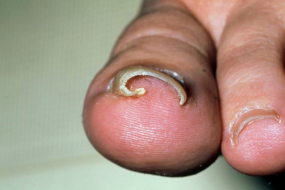
For toenails: always trim straight across to steer clear of painful ingrowns.
Grab clippers or scissors that are sharp—not bent, dull, or rusty.
File in a single direction with a glass or crystal file (think: square, oval, or whatever fits your vibe).
Buff only to smooth ridges, but stop before nails get thin—over-buffing weakens your foundation.
Shorter nails can be a strategic choice if you’re typing all day, play an instrument, or need to minimize snag risks.
Step 3: Gentle Cuticle Care
Apply a cuticle remover or rich oil and let it sit 1–2 minutes.
Gently push back cuticles with a wooden or rubber pusher—never cut or (worse) bite!
Healthy cuticles are your first shield against infection and peeling.
Myth-buster: cutting doesn’t equal cleaner; your cuticle is there for your protection, not to be “tidied” by teeth.
Step 4: Moisturize and Protect
Massage cuticle oil (like jojoba or almond) into nails and cuticles.
Follow up with a moisturizing cream, focusing on the nail beds and skin edges.
- Regular moisturizing leads to stronger, glossier nails and fewer splits.
- Choose unscented or eco-friendly creams if you’re sensitive.
Bonus: a minute of hand massage not only boosts blood flow but sends a clear message—it’s OK to unplug for yourself.
Step 5: Polish & Finish (Optional)
Craving a pop of color or extra armor? Start with a strengthening base coat.
- Apply polish in thin layers, finish with a top coat for shine.
- Consider a polish-free week once a month to let nails “breathe” and recover.
Smudged a nail midweek? A drop of acetone and a light buff can rescue the look in seconds.
Step 6: Exfoliate for Lasting Smoothness
Once a week, use a gentle hand scrub—DIY with sugar and oil, or blend oatmeal with honey if you’re feeling fancy.
- Focus on knuckles, nail folds, and tops of fingers.
- Exfoliation means products soak in better and hands stay softer, longer.
Play it safe if you have ultra-sensitive skin—skip or reduce frequency as needed.
Your 20–30 minute at-home routine can quickly become the highlight of your week. Small, steady actions lead to nails that look healthier, feel stronger, and send a confident, polished message to the world—all with a playlist and your favorite towel.
Daily Habits That Amplify Your Weekly Results
Moisturize and Protect—Consistently
Think of hydration as your nails’ daily security blanket—nail oil or cuticle cream after every hand wash is a small action with big impact.
Keep a travel-sized cuticle oil pen in your bag, at your desk, or on your bedside table for quick touch-ups throughout the day.
Why bother? Nails lose moisture quickly, especially in air-conditioned offices or after repeated sanitizer use.
- Apply oil or cream after every wash and before bed (it takes less than 30 seconds per hand).
- Hydrated nails are 40% less likely to split or peel over time (according to consumer nail health surveys).
Imagine finishing your workday, touching your cuticles, and immediately noticing how smooth they feel. That's your new normal.
“Consistency beats intensity—when it comes to moisture, daily beats deep treatments every time.”
Smart Protection for Everyday Tasks
Protecting your nails starts long before you notice any damage.
Simple choices—like wearing gloves during cleaning, dishwashing, or gardening—can prevent breakage before it begins.
Don’t underestimate the power of a towel: thoroughly dry hands and nails after exposure to water to stop hidden moisture from causing soft, bendable nails.
- Slip on kitchen gloves for every dishwashing session.
- Dry hands and nails completely after showers, workouts, or rain.
One tiny change—gloves or extra drying—translates to stronger, healthier nails within weeks.
“It’s the everyday moves, not the one-off treatments, that decide your nail’s next chapter.”
Break Bad Nail Habits
Biting, picking, or using nails as tools? It’s time to hack your habits.
Try fidget rings, stress balls, or a desktop clicker toy as healthy swaps when the urge strikes.
- Replace nail-chewing with squeezing a stress ball.
- Practice being mindful: catch yourself before you use nails as a pocketknife or letter opener.
Nail-biting and picking increase your risk of splits, tears, and infection by up to 50%. Every swapped habit directly improves nail health and reduces future frustrations.
Picture this: Grabbing your keys without a snag or split is your new everyday win.
Daily, bite-sized habits like oiling, drying, and smart swaps are the difference-makers—these micro routines turn healthy nails into your default, not your dream.
Long-Term Nail Health: Nutrition and Lifestyle Essentials
Nutrition for Strong Nails
Let’s get right to it: your diet is the engine for strong, resilient nails. The right nutrients push your growth rate and harden every layer from the inside out.
Picture this—each breakfast, lunch, or snack is a simple investment in your nail strength for weeks to come.
Focus on these three nutrient groups for game-changing results:
- Biotin: Found in eggs and almonds; research shows it can boost nail thickness by 25%, reducing splits and tears
- Iron: Load up on spinach or lean red meats to prevent brittle nails and peeling
- Omega-3s: Get them from walnuts and salmon for flexibility and a subtle natural gloss
If your diet falls short, a biotin supplement (2.5 mg daily) may help—just check with your doctor first. It's a quick way to address deficiencies, but safe use always comes first.
Nail growth averages about 3mm per month, so visible improvement takes some patience—but your plate can speed things along.
Lifestyle Tweaks for Ongoing Improvement
Good nutrition lays the foundation, but lasting nail health hinges on your everyday choices.
Imagine walking into a big client meeting with nails that look effortlessly well-kept—these small actions are how you get there.
For consistently better nails, try:
- Keeping them short if you’re prone to snags or splits—short nails experience up to 33% fewer breaks, according to dermatology data
- Monthly tool hygiene: Soak clippers and files in 70-90% isopropyl alcohol for 10 minutes to kill germs and prevent infection
- Limiting frequent gel, acrylic, or harsh polish cycles—let your natural nails “breathe” between applications for visible recovery
- Avoiding excess water exposure (think: dishes, pool, hot tubs) and always drying nails thoroughly after contact
- Prioritizing sleep and stress reduction: high-stress weeks can spike breakage and slow growth by up to 20%
Here’s the real secret: whole-body health mirrors itself in your nails. Treating them well pays dividends in your overall look and confidence.
Combine focused nutrition and mindful habits, and your nails will reward you with noticeable strength and true durability—no salon needed. Your best routine is the one you stick with, and these upgrades make healthy nails the norm, not the exception.
Customizing Your Routine: Addressing Common Nail Issues
Adapting for Brittle, Split, or Weak Nails
Nails giving you grief? Brittle, split, or weak nails usually signal that your routine needs a hydration and protection boost.
Try this game plan for extra TLC:
- Apply a nourishing overnight hydrating mask once a week to lock in serious moisture
- Use a strengthening base coat every two days for reinforcement—look for keratin or biotin on the label
- Watch for warning signs like white patches, peeling, or frequent tearing—these hint your nails are craving support
Picture this: You massage in a rich mask before bed, slip on lightweight cotton gloves, and wake up to noticeably smoother, less breakable nails—all for less than the cost of your weekly coffee run.
“One small change—like nightly oil—can start reversing nail damage within two weeks.”
Managing Ridges, Discoloration, or Softness
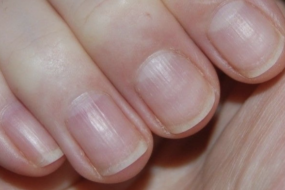
Ridged, discolored, or ultra-flexible nails often come from dehydration, over-polishing, or even mild trauma.
Keep it simple and effective:
- Add a gentle oil massage and light buffing daily (think: 30 seconds with a crystal file, followed by cuticle oil)
- For softness, choose base and top coats labeled “fortifying” or “hardening”—avoid those with formaldehyde
- Give nails a polish break every few weeks to let them breathe and rebuild
- Persistent problems like staining, lifting, or dark spots? That’s your cue to check in with a dermatologist
Fun fact: Over 50% of adults develop nail ridges as they age—regular hydration and minimal buffing are your best first step.
“A week without polish can be a bigger glow-up than any bold color.”
Tool and Length Adjustments
Having the right tools and shape is not just about looks—it’s about dodging daily breakage.
Here’s what works:
- Choose a nail length that matches your work and hobbies—shorter for high-impact activities, longer for a touch of style
- Opt for rounded or squoval shapes for durability
- Build a travel-friendly repair kit: mini file, oil pen, a spare bandage for emergencies—keep one in your bag or car
Picture yourself fixing a snagged nail in seconds between meetings—zero drama, zero fuss.
“Nail care is self-care that survives your busiest days.”
Whether you’re troubleshooting splits, soft spots, or traveling, small tweaks to your routine deliver visible results within 1-2 months. Consistent, small acts of care will outshine any quick fix—bringing lasting strength and natural shine to your nails.
Troubleshooting and Progress Tracking
Common Nail Care Setbacks—And How to Tackle Them
Even with the best routines, setbacks happen. Rough cuticles, random nail breaks, and polish smudges are the top culprits that can mess with your weekly groove.
Picture this: you just finished your at-home manicure, only to spot peeling cuticles or a chipped edge by mid-week. Sound familiar?
Here are real-world fixes for common nail care frustrations:
- Rough cuticles: Use extra cuticle oil or balm, massaged in after each hand wash.
- Unpredictable breakage: Keep backup emery boards and a strengthening topcoat at your desk or bag for on-the-go repairs.
- Polish smudging: Try quick-dry polish formulas or reapply top coat mid-week for longer wear.
“Every hand-wash is a chance to care for your nails, not just get them clean.”
Spotting Technique and Tool Issues
Sometimes, your tools or technique are the real villains—dull clippers, gritty old files, or skipping monthly tool disinfection can undermine your efforts.
Ask yourself:
- Are you trimming too aggressively?
- Filing in both directions (which causes splits)?
- Using old, unclean buffers?
Keep your toolkit sanitized with 70-90% isopropyl alcohol every month. Replace nail files and orangewood sticks every 3-6 months or sooner if worn.
Noticing Progress In Real Life
How do you know it's working? Healthy nail signs make your effort visible:
- Smoother, more consistent nail growth
- Less splitting or brittleness week-over-week
- A noticeably shinier, even nail surface
“Watch for fewer bandage emergencies and more compliments on your hands—those are your success metrics.”
Tracking and Celebrating Nail Gains
Self-assessment is your progress dashboard. Try this simple approach:
- Take a nail photo each week—find consistent lighting for easy comparison.
- Jot down quick notes on a phone app: breaks, chips, or wins.
- Set a two-month mini-goal—like “no nail biting” or “zero splits.”
Celebrating tiny victories builds momentum: treat yourself to a new polish color or a next-level tool after a full month of consistent care.
Pro tip: Small changes add up—just 20-30 minutes per week can give you visibly stronger, more confident nails in 1-2 months.
Stay curious, track your tweaks, and you’ll turn nail care setbacks into your favorite “before and after” story—one week at a time.
When to Consult a Professional
Sticking to your weekly nail care routine is usually enough for healthy, strong nails—but there are moments when at-home care just isn’t enough.
Knowing when to reach out can save you time, stress, and help catch small issues before they become big ones.
Know the Red Flags
Be alert for these signs that your nails need extra attention from a professional:
- Persistent pain around the nail bed or cuticle (not just a one-time bump)
- Redness, swelling, or pus—these point to possible infection
- Nails that separate from the nail bed or show gaps that don’t heal
- Chronic splits, bleeding, or injuries that aren’t improving after 2-3 weeks
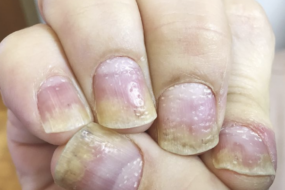
- Strange color changes: green, black, or yellowish tints
If you’ve checked one or more of these off, it’s probably time to hit pause on DIY fixes.
When and How to See a Dermatologist
A dermatologist—the skin, hair, and nails pro—can give you targeted treatments you can’t do at home.
Professional help is especially important if:
- Your nail issue is getting worse over time, not better
- Over-the-counter creams or home remedies haven’t helped after a month
- You notice changes in nail shape, thickness, or texture that won’t go away
Dermatology visits typically run $100–$200 (depending on area and insurance), but catching problems early can prevent bigger medical bills—or permanent damage—down the line.
At-Home Care: Know Your Limits
Think of at-home nail care like basic dental hygiene—you can manage the essentials, but complex cases need a trained professional.
- Skip risky strategies like “just cutting it out” or using unsterilized tools
- Never ignore pain, fever, or spreading redness (signs infection is outpacing treatment)
- Double-down on tool disinfection and hand hygiene in between professional visits
Picture this: You spot redness and swelling after a DIY cuticle trim. Instead of toughing it out, you book a dermatologist and prevent what could’ve become a weeks-long infection.
Most nail concerns are treatable at home—until you see red flags or lack progress after a few weeks. Knowing when to hand it off keeps your nails (and confidence) on point.
Conclusion
Making nail care a weekly ritual isn’t indulgence—it’s your smartest step toward stronger, more resilient hands that speak volumes about your attention to detail.
Embracing small, consistent steps does more than boost nail health; it subtly powers up your professional presence and personal confidence with every handshake, keyboard tap, or video call wave.
Here’s how you can put today’s tips to work—starting this week:
- Block 30 minutes on your calendar for your at-home nail routine—just like you would for a key meeting or tech update.
- Prep your essential toolkit: disinfected clippers, a glass file, and nourishing cuticle oil are must-haves (and easy to stash at your desk).
- Moisturize after every hand wash—keep a mini oil pen or hand cream in your bag for quick touch-ups on the go.
- Protect your nails daily with simple swaps: gloves for cleaning, short nails for heavy device use, and a “no tools” rule for your fingertips.
- Track your nail progress with a weekly photo—charting small wins creates motivation and visible proof of change.
Ready to elevate your hands—and your confidence?
Commit to your first routine this week. Treat it like recharging your mind or optimizing your workflow—because a little investment in self-care pays out in resilience, clarity, and polish that lasts.
Your nails are the tiny details that help tell your story—let’s make them shine as bright as your ambitions.
Share your #NailRoutineWin and inspire your community—because healthy habits, like powerful ideas, grow stronger when you pass them on.