Key Takeaways
Get ready to decode your nail signals like a pro. Here are the most actionable insights from our guide—so you can spot problems early, protect nail health, and know exactly when to call in the experts. These scannable tips turn complex symptoms into simple next steps, perfect for busy professionals who want results, not just theory.
- Healthy nails are wellness indicators—look for a smooth surface, uniform pink color, and firm attachment to the nail bed as signs everything’s running smoothly.
- Red flags like pain, sudden color changes, or swelling often reveal more than cosmetic issues—multiple nails involved or persistent symptoms may point to underlying health problems.
- Common non-fungal disorders include ingrown toenails, paronychia, and nail psoriasis—watch for warning signs like edged pain, pitting, and lifting nails, and act early to prevent complications.
- Brittle, splitting nails and onycholysis (separation) can result from frequent handwashing, chemicals, or nutritional deficiencies—moisturize daily and investigate if all nails are affected.
- Yellow, clubbed, or spoon-shaped nails signal deeper issues—tint changes can reflect lung, heart, or iron deficiencies, so don’t ignore persistent odd shapes or colors.
- Quick symptom tracking with photo diaries and timeline notes helps you and your doctor spot patterns—document changes before your appointment for faster, smarter care.
- Simple habits like trimming nails straight, moisturizing hands/cuticles, and using gloves for chores can prevent up to 35% of nail-related office visits—small tweaks make a big difference.
- See a specialist promptly if you spot severe pain, pus, rapid changes, or multiple nails involved—trust your instincts and reach out early to fast-track recovery.
Staying observant, acting on early signs, and making minor routine changes can keep your nails healthy—and flag health issues long before they escalate. For more practical steps and pro tips, dive into the full article!
Introduction
Ever spot a strange ridge, sudden split, or weird color on your nails—then wonder if it’s just a one-off or a silent health signal you shouldn’t ignore? You’re definitely not alone. More than 10% of all dermatology visits involve nail concerns, and even the savviest professionals are often surprised to discover just how much their nails can reveal about hidden issues.
Think of your nails as tiny dashboards—constantly updating you on your “system status,” long before bigger warning lights flash. One week it’s peeling after an epic work stretch; next month, it’s a stubborn yellow streak after back-to-back deadlines. Sound familiar? These changes might mean more than you think.
Why does this matter for you? In fast-paced, tech-driven careers, tiny health clues often fall through the cracks. But here’s a practical upgrade: with the right know-how, you can spot, track, and even prevent most common nail problems—often before they cause real disruption.
Here’s what you’ll walk away with:
- Fast visual cues and red flags: so you can separate “wait and see” from “get it checked”
- Actionable home remedies and prevention tips tailored to tight schedules
- Guidance on when it’s time to call in a specialist—no guesswork, just peace of mind
You’ll also pick up easy strategies to log changes and uncover patterns—turning everyday nail checks into a wellness habit as effortless as your favorite productivity hack.
Ready to see what your nails are really saying about your health (and how to keep them in top shape)? Let’s start with the essentials: what healthy nails look like—and the warning signs you shouldn’t ignore.
Understanding Nail Health: Basics and Red Flags
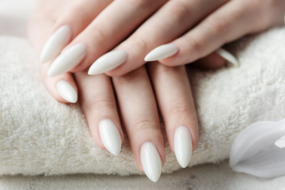
Healthy nails do more than look polished—they’re windows to your well-being. Picture this: smooth, pinkish nails with a consistent texture and no pain mean your body’s systems are generally on track.
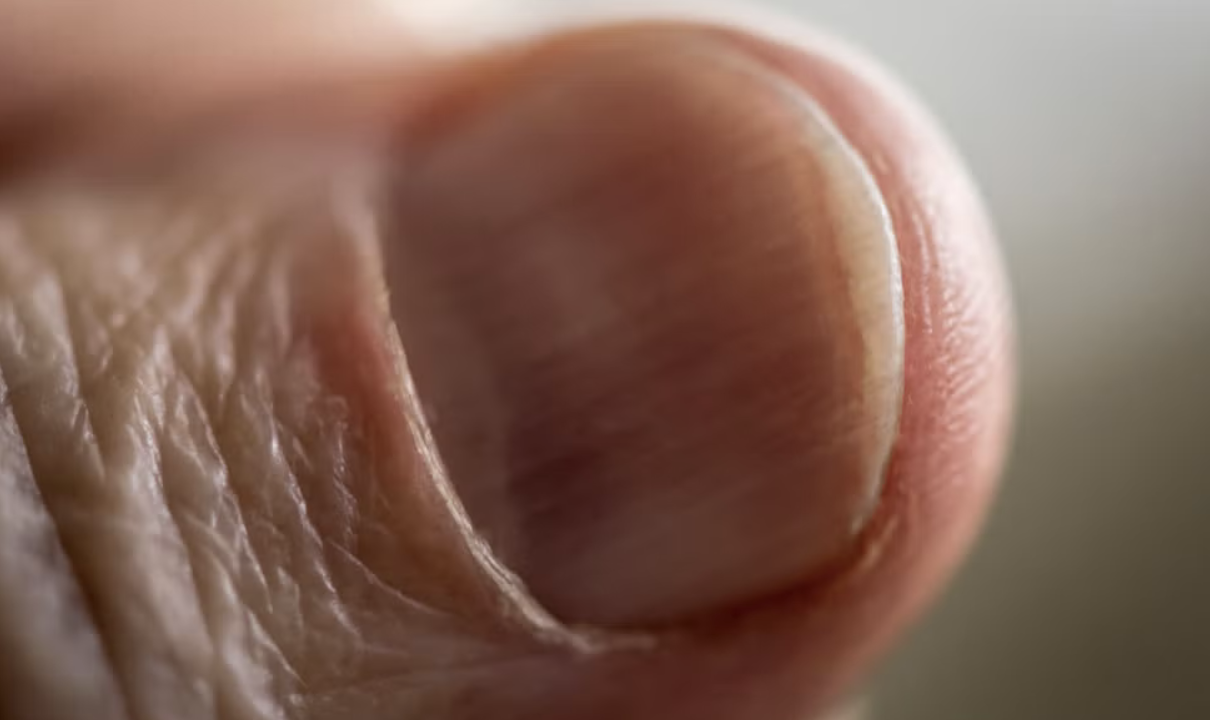
The normal nail is a layered marvel, made of hard keratin protein. It grows from the nail matrix at the base, protected by a cuticle, and serves as a shield for delicate finger endings.
How to Tell If Your Nails Are Healthy
You can spot healthy nails with a few simple checks:
- Smooth surface (no deep ridges or pits)
- Uniform color (subtle pink, not yellow or blue)
- Attachment to the nail bed with no lifting
Think of these as your dashboard lights: if everything’s steady, your “engine” is running fine.
Red Flags: Signs You Shouldn’t Ignore
If you notice any of the following changes, your nails may be waving a red flag:
- Sudden discoloration (yellow, brown, or blue shades)
- Swelling, pain, or pus at the edges
- Textural changes like pitting, splitting, or thickening
- Detachment from the nail bed
A quick stat: Over 10% of all dermatology visits are for nail complaints—so you’re not alone if you spot something weird.
Why Nail Changes Matter Beyond Beauty
Nails reflect more than just your last manicure:
- Clubbing can signal lung or heart issues
- Spoon-shaped (concave) nails often suggest iron deficiency
- Persistent swelling or pus may mean infection requiring antibiotics
Myth buster: White spots aren’t always a sign of calcium deficiency—minor trauma is usually the culprit.
Wellness, Red Flags, and What’s Next
Spotting a nail issue isn’t just cosmetic. Sometimes those tiny changes are your body’s call for attention—from a vitamin gap to a brewing health problem. If you keep seeing pain, persistent color changes, or multiple nails involved for a month or more, it’s time to talk to a pro.
A quick nail check can be part of your regular wellness routine. “Your nails do the talking long before you feel sick,” as dermatologists like to say. For smooth sailing, stay aware: most persistent nail changes are worth documenting—and sometimes, worth medical attention.
The Most Prevalent Non-Fungal Nail Disorders
Ingrown Toenails & Paronychia: Why They Hurt, What to Watch
Ingrown toenails often start with improper trimming, tight shoes, or even genetics—if your parent’s toenails curve, yours probably do, too.
Signs are hard to miss:
- Pain and tenderness at the nail edge, especially while walking
- Swelling or visible pus if infection develops
- Redness spreading around the nail fold (like a red warning flag)
Paronychia (nail fold inflammation) can pop up suddenly after a manicure or biting, or hang around for weeks, especially if you work in water or handle chemicals daily.
- Acute paronychia: Swollen, red, sore with possible pus pocket
- Chronic paronychia: Persistent tenderness, nail fold thickening, multiple episodes
First-aid moves: Try warm water soaks, lifting the nail edge gently with a sterile splint, and keeping the area clean. If pus or swelling lingers, or you’re limping, a quick doctor’s visit could mean antibiotics—or a minor in-office nail procedure to fix things fast.
Quotable: “A swollen, painful toenail isn’t a test of toughness—get it sorted early and you’ll literally walk easier.”
Nail Psoriasis & Ridges: When Your Nails Signal Something Bigger
Nail psoriasis doesn’t always travel with skin plaques. It can hit solo, waving red flags like:
- Tiny dents or pitting
- Thick, crumbling, or yellow-brown nail surfaces
- Lifting of the nail (onycholysis)
Nail ridges come in two main styles:
- Longitudinal ridges (vertical): Common with age, usually harmless
- Transverse ridges (horizontal/Beau’s lines): Can point to serious illness, stress, or recent chemo
Treatments include:
- Topicals, steroid injections, or advanced immune therapies (some running into the hundreds per session)
- Day-to-day: Keep nails trimmed, avoid trauma, moisturize liberally, and wear gloves for harsh chores
“Think of nails as tiny windows into your immune system—major changes are your cue to dig deeper.”
Brittle Nails, Splitting, and Onycholysis: Cracks in the Surface
Split, peeling, or separating nails can signal more than just too many manicures.
Common causes:
- Repeated handwashing, harsh detergents, or frequent nail polish remover
- Iron deficiency or thyroid issues if all nails are involved
What helps fast:
- Moisturize daily, limit chemicals, and consider a gentle nail hardener
- If every nail is splitting, get tested for deficiencies—anemia is the culprit in up to 15% of cases
- For onycholysis (separating nail), trim back, keep dry, and treat underlying issues
Quotable: “When all ten nails misbehave, your body’s trying to get your attention—don’t ignore the message.”
Nails as Health Billboards: Yellow, Clubbed, or Spoon Shaped
Notice a yellow tint on your nails? It could be as simple as polish or as complex as lung disease.
Other standouts:
- Clubbing: Bulbous nails, spongy feel—think chronic lung or heart trouble
- Spoon nails (koilonychia): Thin and concave, often from iron-deficiency anemia
What to do:
- Remove polish, quit smoking; if nails don’t recover in 2-3 months, see a doctor
- Clubbing and persistent yellow or spoon-shaped nails often demand a deeper look—testing sometimes uncovers hidden heart or lung conditions
Remember: “Your nails are broadcasting your internal status—tune in before you tune out.”
Growth Arrest and Trauma: When Your Nails Pause or Bleed
Stress, high fever, or major illness can trigger Beau’s lines—horizontal grooves that move as they grow out (~6 months).
Spotting trauma:
- Subungual hematoma: Dark blood under nail after an impact
- Splinter hemorrhages: Red or brown lines, often from injury
Supportive measures:
- Relieve nail pressure for painful hematomas
- Protect and trim damaged nails as they grow out, usually a slow process (1 mm/week for fingernails)
Ignore repeated trauma and you risk permanent deformity—or missed diagnoses like endocarditis.
Atypical & Advanced Disorders: When Nails Don’t Follow the Script
Some nails morph into ram’s horns (onychogryphosis)—extra-thick, curved, hard to cut. This can result from injury, poor circulation, or just age.
Rare but real syndromes include:
- Yellow Nail Syndrome (linked to lung, lymph, or immune issues)
- Nail-patella syndrome and severe lymphedema
Call in a pro if:
- Multiple nails suddenly change
- You see swelling, pain, or severe distortion
- Surgery or specialist therapies may be required for extreme cases
Spotting changes like pain, color shifts, separation, or thickening early lets you act before problems escalate. Your best bet? Document new nail shifts, stay alert to patterns, and know when to ask for professional help. Sometimes one strange nail is just a quirk—but when several join the party, it’s time for a second opinion.
Comparing Symptoms: Quick Reference for Self-Assessment
Spotting nail problems early helps you take action before things escalate.
Busy life? Here’s a visual cheat sheet—think “match the symptom, spot the disorder”—so you can make sense of what’s happening at a glance.
Fast-Track Symptom Matrix
Use this chart to connect what you see to what might be behind it:
Picture this: noticing deep grooves running across all your nails after a bad flu—this is your body’s way of saying it hit pause.
Visual Cues & Tracking Patterns
Look for:
- Color changes: yellow, brown, white
- Thickness: unusually thick or splitting
- Patterns: pitting, ridges, grooves
- Pain: sudden, severe, or ongoing
Take a quick snapshot of suspicious nails—you’ll be surprised how much info a photo diary provides over time.
Note These Details Before You Call Your Doc
- When did the changes start?
- Recent injuries, chemicals, or illness?
- Is it one nail or multiple?
- Other symptoms: weight loss, cough, rash?
Documenting these tidbits gives your provider a head start—think of it as pre-loading your appointment for maximum clarity.
When to Wait, When to Worry
- See a specialist quickly if: severe pain, pus, fast changes, or more than one nail involved
- Monitor for a week or two: if mild color/texture shifts and no other symptoms
“If it keeps spreading—or just feels off—don’t second guess. Trust your instincts.”
Easy Wins for Busy Professionals
- Nail photo diaries: snap progress weekly
- List triggers: chemicals, new hobbies, health changes
- Keep a symptoms timeline: helps sort minor from serious
Sharing these details makes your dermatologist’s job (and your diagnosis) much simpler.
Keeping tabs on nail changes is surprisingly powerful—the right detail now can save you months of hassle later. If in doubt? Take a photo, jot down a note, and don’t hesitate to ask for help.
Steps You Can Take: At-Home Care and When to See a Specialist
Keeping your nails healthy starts with simple everyday steps—and knowing when to get help can make all the difference.
Boosting Nail Health Instantly
Build strong nails with accessible routines that fit your busy day:
- Trim nails straight across instead of rounded—this helps prevent ingrown toenails
- Moisturize hands and cuticles twice a day, especially after washing
- Use gloves for cleaning, dishes, or yard work to dodge harsh chemicals
- Skip nail hardeners and frequent removers—they can make brittle nails worse
Picture this: You’re brewing your morning coffee, cuticles soft from last night’s lotion, and you pop on gloves for washing up. Those habits put you ahead of the curve.
Prevention: The Fastest Win
Avoiding future trouble is all about practical tweaks to your routine:
- Dry hands thoroughly, especially between fingers
- Choose shoes with ample toe space—goodbye, tight sneakers
- Limit salon visits for acrylics or gel if your nails are splitting or peeling
- Don’t bite or pick at nails and cuticles—one small change, big payoff
About 35% of office visits for nail issues could be avoided with daily protective habits.[4]
When to Try At-Home Treatment—And When Not To
Some nail problems resolve easily at home, but others don’t play nice:
- Try warm soaks and gentle cleaning for mild redness, swelling, or discomfort
- Use over-the-counter moisturizers for peeling and brittle nails
- If you spot pus, severe pain, persistent thickening, or color changes—see a provider
- Multiple nails changing suddenly is a red flag—don’t wait it out
Shareable tip: “If your nail is lifting, thickening, or deeply discolored—snap a photo and talk to a specialist, not just Google.”
What Happens At Your First Appointment
Expect your clinician to:
- Examine your nail and surrounding skin thoroughly
- Order nail clippings, cultures, or blood tests if needed
- Ask about recent health changes, diet, and new products you’ve used
- Suggest options ranging from topical creams to minor surgery, if appropriate
You’ll get the best care when you:
- Bring clear photos of your nail changes over time
- List any symptoms (pain, swelling, itch) and what triggers them
- Write down your recent medications and supplements
Who to Call for What
Knowing where to turn is half the battle:
- Dermatologist: Unexplained rashes, nail pitting, persistent thickening
- Podiatrist: Painful ingrowns, trauma, thick or misshapen toenails
- Primary Care: Changes after illness, medication side effects, multiple nail involvement
Trust your instincts—knowledge is your first defense. If something feels off, you’re probably right. Empower your daily care and reach out early for anything outside the ordinary. That’s the real secret to healthy, resilient nails you can count on.
Conclusion
Caring for your nails isn’t just about looks—it’s your chance to tune in to the signals your body is sending. Staying proactive empowers you to catch small changes before they become bigger issues, and gives you more control over your overall wellness.
Your nails are surprisingly honest communicators. Investing a few minutes in observation and care can make a big difference, both for your confidence and your broader health picture. It’s all about turning curiosity and awareness into smart, simple routines.
Key Takeaways for Healthier Nails:
- Document any changes with a weekly photo diary—quick snapshots reveal patterns you might miss day to day
- Moisturize cuticles and hands every morning and night, especially after handwashing or cleaning
- Trim nails straight across and wear gloves for chores to prevent trauma and infections
- Don’t ignore persistent pain, color changes, or swelling—these need a closer look from a pro
- Track recent lifestyle factors (new products, diet, stress) that might trigger nail changes
Next Steps to Take Today:
- Set a 2-minute calendar alert this week for a nail check and quick photo
- Swap your regular hand lotion for a cuticle-friendly moisturizer
- Toss outdated nail products with harsh chemicals and pick up a pair of reusable gloves for household tasks
If you spot multiple nails changing, swelling, or persistent pain, reach out to a dermatologist or podiatrist—don’t wait for things to escalate.
Here’s your bottom line: Every nail tells a story, and the smartest move is to start listening now. Tiny changes today can be your best clue to bigger health tomorrow—so pay attention, act early, and let your nails work for you, not against you.
Share this insight: “Healthy nails aren’t just a detail—they’re an early warning system you can’t afford to ignore.”