
Key Takeaways
Getting quality sleep isn’t about clocking hours—it’s about completing the right number of full sleep cycles, each made of distinct stages that optimize your mind and body. Here’s what busy professionals, creators, and tech enthusiasts need to know so you can wake up sharper, more creative, and primed to win the day.
- Four distinct sleep stages—N1, N2, N3 (deep), and REM—repeat every 90–120 minutes, forming the essential playlist your brain needs to restore, repair, and recharge.
- Aim for 4–6 complete sleep cycles per night (about 7–9 hours for adults) to unlock peak focus, mood, and energy—missing cycles leads to fogginess no matter how long you stay in bed.
- Later sleep cycles have longer REM stages, making those early morning hours critical for creativity and problem-solving—don’t hit snooze on your best ideas.
- Fragmented cycles from late-night screen time, stress, or erratic schedules short-circuit memory and mood—even one bad night can impact performance the next day.
- Tech tools and sleep apps help you track hours slept, stage counts, and cycle completion—think of them as your “night mode analytics” for measurable self-improvement.
- Optimize your routine with small tweaks: consistent sleep/wake times, blackout curtains, cutting caffeine/alcohol before bed, and winding down with screen-free rituals.
- Watch for red flags like morning grogginess, “short fuse” moods, and heavy caffeine reliance—they’re clear signs your cycles need attention.
- Treat sleep as a nightly upgrade, not a chore—string together those 4–6 full cycles and you’ll see sharper thinking, more stable moods, and a real boost in daily performance.
Ready to level-up your sleep cycles and your results? Dive into the full article for step-by-step strategies and smart tech tips to build your best night's rest.
Introduction
Have you ever woken up feeling as if your brain is still buffering—despite hitting your “magic” 8 hours? You’re not alone—and the problem probably isn’t the total time asleep, but the quality and structure of your sleep cycles.
Here’s a game-changer most people miss: Missing even one complete sleep cycle can leave your mind foggy, creativity dulled, and mood off-kilter, no matter how many hours you spend in bed.
Think of your rest like a playlist for recovery: skipping songs (or sleep stages) throws off the whole rhythm, and you pay for it in performance at work, creativity, and even patience when tech glitches hit at 3 p.m.
So, why does how you sleep matter more than just the hours? Because each full cycle unlocks a set of real-world benefits you can actually feel the next day:
- Sharper focus and problem-solving—boosting your output for both content strategy and client deadlines
- Faster learning and memory retention—key for adapting to new AI tools or marketing trends
- Reliable energy and stable mood—fueling leadership, collaboration, and those endless Slack pings
As digital professionals and business owners, you’re used to optimizing every workflow—so why should your sleep be left on autopilot? Mastering your sleep cycles means operating with the clarity of a fresh OS update, not a device running on empty.
Ready to see how the science of sleep cycles powers your best work—and exactly what tweaks make the difference between “barely awake” and “brain on fire”? Up next, we’ll break down what really happens during each stage of sleep—and why skipping just one can turn your day sideways.
Understanding Sleep Stages and Cycles
A good night’s sleep isn’t just one long stretch—it’s a series of cycles, each made up of distinct stages that repeat throughout the night.
Think of your rest like a playlist: each “song” (stage) plays in a set order, then the whole playlist loops multiple times as you sleep.
That pattern is key to how you wake up feeling refreshed, store memories, and recharge both brain and body.
“Missing a single track in the playlist of sleep robs you of the full energy boost you’re after.”
The Four Stages of Sleep
Your brain cycles through four main sleep stages every 90–120 minutes:
- N1 (Stage 1, light NREM): Drowsy “drift-off” zone.
- N2 (Stage 2, light-moderate NREM): Real sleep, but still light; heart rate and temperature drop.
- N3 (Stage 3, deep/slow-wave NREM): Where restoration happens—muscle repair, immune boost, “hard drive clean-up.”
- REM (Rapid Eye Movement): The highlight reel—vivid dreams, creativity, and emotional processing.
A typical night’s cycle:
- N1 (5% of night)
- N2 (50%)
- N3 (20–25%)
- Back to N2, then REM (20–25%)
You’ll move from light sleep into deep, back up, and then into REM—like shifting gears on a bike as you pick up speed.
Myth buster: REM isn’t the only important stage. Skipping deep NREM means you miss out on detox and recovery—think of it as leaving half your workout unfinished.
Length and Structure of a Sleep Cycle
Each sleep cycle lasts about 90–120 minutes and repeats 4–6 times—so over 7–9 hours, you “lap the track” multiple times.
Pro tip: The later cycles have longer REM stages and shorter deep sleep, which is why those last hours before your alarm are key for dreaming and creativity.
If you wake mid-cycle—say, from a deep N3 dream—you’ll probably feel groggy. That’s sleep inertia in action.
“Imagine falling asleep and running laps: the more complete laps you clock, the more energy you’ll bank for tomorrow.”
For your best energy and mental sharpness, aim to complete all four stages of sleep within at least four full cycles per night—quality beats simple hours every time. Missing stages or cycles? You’ll notice the difference, and so will your focus the next day.
How Many Sleep Cycles and Stages Do You Really Need?
A typical night’s sleep isn’t just about hours—it’s about getting the right number of full cycles.
Research shows most adults thrive with 4–6 sleep cycles per night, which means you’re aiming for 7–9 hours total if each cycle is around 90–120 minutes.
Missing out? Fewer than 4 cycles a night leads to fragmented sleep and leaves your brain feeling foggy and unrested even if you “get enough hours.”
For your healthiest self, focus on cycles—not just total time. Imagine your night’s rest as a playlist: skipping tracks ruins the vibe; skipping cycles leaves you dragging.
Quick reference:
- 4 cycles (minimum): “Good”—basic tiredness prevention
- 5 cycles: “Better”—cognitive, mood, and recovery boosted
- 6 cycles: “Best”—memory, energy, and creativity firing on all cylinders
Getting enough full cycles is like updating your software—each cycle optimizes your mind and body for tomorrow.
Recommended Sleep by Age Group
Your age changes the game. Here’s what experts recommend for total sleep and cycle count:
- Teens (14–17): 8–10 hours (about 5–6 cycles)
- Adults (18–64): 7–9 hours (4–6 cycles)
- Older adults (65+): 7–8 hours (4–5 cycles)
If you think you’re a “short sleeper,” pause—less than 4 cycles is the exception, not the rule. Most of us truly need the full amount, especially during big life transitions or stressful periods.
Picture this:
A teen pulling an all-nighter misses 3+ cycles—meaning less learning, more mood swings, and slower reaction times the next day.
Factors Affecting Individual Sleep Cycle Needs
Great sleep isn’t one-size-fits-all. Your perfect cycle count can shift based on:
- Genetics and natural sleep “set points”
- Physical activity level—athletes and heavy lifters need more deep sleep
- Stress and mental health status
- Work schedule or travel (shift work, frequent timezone hopping)
- Chronotype—are you more of an early bird or a night owl?
- Cultural habits—napping, late-night meals, or social routines
Pro tip: Use a sleep calculator to find your optimal bedtime and wake-up based on cycles, not just hours.
Getting your cycles right is an investment in energy, focus, and resilience. Remember: “You can fake being awake, but you can’t fake a complete sleep cycle.” That’s the secret weapon for feeling and functioning at your best.
What Happens When Sleep Cycles Are Disrupted?
Missing out on complete sleep cycles isn’t just about feeling groggy in the morning—it’s a chain reaction that impacts your mood, focus, and even your long-term health.
Imagine your night’s sleep as a playlist: if the songs keep getting skipped or cut off, you never get to your favorite parts.
Everyday Disruptors Everyone Encounters
Fragmented sleep cycles can happen for reasons you barely notice, like:
- Midnight phone scrolls—the “2 a.m. phone check” is a classic example
- Sudden noises (neighbor’s car alarm, pets, partners shifting in bed)
- Bedroom lights or screens disrupting melatonin
- Stress or late-night caffeine
- Irregular schedules (weekends, travel, late-night work)
Even one night of bad sleep can leave you in a haze of brain fog and crankiness.
Health Risks: Short-Term and Cumulative
When cycles break down, your body and mind miss key restoration and memory processes.
Short-term signs your sleep is off include:
- Brain fog and poor concentration
- Increased irritability or “short fuse” moments
- Grogginess—especially if woken from deep (N3) sleep, thanks to classic sleep inertia
Longer-term risks stack up fast, such as:
- 30% higher chance of getting sick, as immunity drops with just a week of bad cycles
- Heightened anxiety and depressive symptoms
- Trouble retaining new info or handling stress
Red flag: If your calendar hits Monday and you’re still recovering from Friday’s late night, you’re likely running a chronic sleep debt.
Who’s Most at Risk for Cycle Disruption?
Some lifestyles make it almost impossible to maintain healthy cycles, including:
- Shift workers (nurses, security, warehouse staff)—night shifts fragment sleep
- Tech professionals and creators burning the midnight screen-time
- Parents and caregivers disrupted by young kids or caregiving
If you’re in one of these groups, try:
- Using blackout curtains or sleep masks for split shifts
- Setting screen curfews—even 30 minutes helps
- Protecting your wind-down routine, even when life is hectic
Spot Disrupted Cycles Before They Snowball
You don’t have to wait for exhaustion to hit.
Watch for these red flags:
- Relying on caffeine to get through most mornings
- Forgetting simple tasks or making more mistakes
- Mood swings or feeling “off” for several days in a row
“Consistently waking feeling unrested isn’t normal—it’s your sleep cycles waving a red flag.”
Even small tweaks—like moving your phone out of reach at night—can keep more of those all-important cycles intact.
Picture this: You swap one late scroll for ten more minutes of real sleep, and suddenly, Tuesday feels totally different.
Strong sleep cycles give you an edge that no amount of extra coffee can replace.
How to Optimize Your Sleep Cycles for Peak Health
Building the perfect sleep structure is less about just getting enough hours and more about stacking full sleep cycles for your brain and body.
If you regularly miss out on 4–6 complete sleep cycles (that’s about 7–9 hours a night for most adults), you’ll likely feel the impact in mood, focus, and energy.
Ready to build your ideal sleep routine? Let’s break it down.
Smart Sleep Scheduling and Routine
Your body thrives on consistency, so pick regular bed and wake times—even on weekends.
Use a sleep calculator (try apps like SleepCycle or Pillow) to match your routine to natural 90–120 minute cycles.
For travelers, parents, or shift workers, adapt by adjusting schedules gradually or anchoring wake times, even if sleep gets split up.
Quick wins:
- Aim for 4–6 cycles per night (7–9 hours for adults)
- Test cycle-based alarms to wake up between, not during, cycles
- Use calendar reminders to keep your routine in check
Creating a Cycle-Friendly Sleep Environment
Think of your bedroom like a VIP lounge—only the most relaxing elements allowed.
Dial in your environment with:
- Dim lighting and blackout curtains
- White noise or earplugs to block disruptions
- Temperature between 60–67°F (16–19°C)
- Devices out at least 30–60 minutes before bed
A few tweaks here can transform your nights from fragmented to restorative.
Lifestyle Choices that Support Healthy Sleep Cycles
Boost your cycles with simple lifestyle shifts:
- Avoid caffeine 6+ hours before bed
- Cut alcohol near bedtime (it fragments deep sleep)
- Exercise early or midday, not before bed
- Create a wind-down ritual (reading, light stretching, mindfulness)
Tech can track your sleep or sabotage it—choose blue-light filters or “Do Not Disturb” modes at night.
Troubleshooting Common Sleep Cycle Problems
Noticing you feel groggy despite enough hours? You may be waking during deep sleep or spending too little time in REM.
Try these fixes:
- Check app data for frequent wake-ups or excess light sleep
- Use relaxation techniques to reset after 2 a.m. wakeups (try 4-7-8 breathing)
- If your work is erratic, anchor at least your wake-up time
Still dragging after weeks of effort? Professional sleep clinics offer personalized insights, from tracking brainwaves to diagnosing treatable disorders.
Quality sleep cycles mean more than just time in bed: they’re your body’s nightly software update. For most adults, nailing those 4–6 full, uninterrupted cycles—just like successful project sprints—translates straight to sharper thinking and better mood the next day.
Real-World Applications and Tracking Your Progress
Ready to turn your sleep knowledge into real results? Experimenting with your sleep cycles can help you unlock sharper focus, more stable moods, and better health.
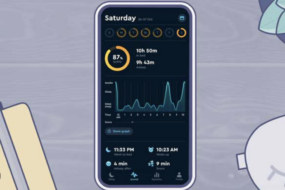
Start by making sleep tracking simple. Smartwatches and dedicated sleep apps take the guesswork out—think of them as your “Fitbit for night mode.” Every morning, you’ll see:
- Total hours slept
- Time spent in each stage (light, deep, REM)
- The number of full cycles completed (aiming for 4–6 full cycles, or roughly 7–9 hours, is the sweet spot)
Want to make this actionable? Pick a concrete goal:
“This week, I’m aiming for at least 5 complete cycles every night—let’s see how my energy and mood change.”
Celebrate Small Wins, Adjust as Needed
Don’t underestimate the power of positive feedback. Each time you hit your cycle goal (even with a busy schedule), high-five yourself—progress beats perfection.
Picture this: You tweak your evening routine, set a consistent bedtime, and—bam—you unlock an extra cycle. It’s not just science; it’s real-life impact you can feel.
Share your data with your healthcare provider for a personalized tune-up, especially if you’re troubleshooting grogginess or chronic fatigue.
Use Tech For Smarter Sleep—But Stay Balanced
Too much tracking can be a trap. Set boundaries for when you check stats—ideally after breakfast, not the second you wake up.
For business travelers or parents, don’t sweat “off” nights. The best results come from adjustment, not obsession.
- Use reminders for consistent bedtime
- Schedule wind-down time to help trigger your cycles
- Review patterns every Sunday and update your goal as needed
Make Sleep Serve Your Life, Not the Other Way Around
Healthy sleep cycles are a long-term investment in creativity, productivity, and resilience.
Think of each night as a chance to optimize, not to chase perfection. A week from now, you could be celebrating your first streak of 4-cycle nights.
The big win? Track what works, adjust mindfully, and let better sleep power both your work and your well-being.
Conclusion
Harnessing your sleep cycles is one of the simplest ways to upgrade your focus, creativity, and energy—no fancy hacks required.
When you approach sleep as a series of cycles to optimize, not just hours to log, you put yourself in the driver’s seat for better mornings and stronger mental performance.
Here’s how you can turn insight into real-world gains:
- Aim for 4–6 complete sleep cycles each night (that’s about 7–9 hours for most adults).
- Block out late-night disruptions—dim lights, set screen curfews, and keep devices at bay before bedtime.
- Use a sleep tracker or smart alarm to learn your natural rhythms and wake up mid-cycle instead of mid-grogginess.
- Anchor your wake time (even on weekends), and let consistent habits power your sleep performance.
- Test adjustments one week at a time—small tweaks in routine can unlock big energy boosts.
Your immediate game plan:
Pick your target bedtime tonight using a sleep calculator, silence your phone 30 minutes early, and track your cycles for the week ahead. High-five your wins, and be flexible with the rest.
Your best nights don’t happen by accident—they’re the result of a few intentional changes, repeated with purpose.
The real edge? Optimized sleep cycles put you ahead of the curve—because when you sleep smarter, you show up sharper.
So start now, stack those cycles, and let every night be your soft reboot for success.