Key Takeaways
Mastering your sleep cycle fuels next-level energy, sharper focus, and faster recovery—think of each stage as a building block for mind and body optimization. Here are the must-know, actionable insights to turn nightly rest into your own performance advantage.
- Sleep cycles run like laps on a track—each complete cycle takes 90–110 minutes and you repeat this pattern 4–6 times per night for peak recovery.
- Early night sleep packs in deep N3 “powerhouse” sleep for physical repair, while late-night cycles pack the most REM sleep for creativity, memory, and mood—both are essential.
- Four stages fuel unique upgrades: N1 (entry ramp), N2 (memory buffer, 45–50% of sleep), N3 (deep recovery), and REM (dream-fueled mental reset)—skipping any stage lowers your next-day performance.
- Consistent routines drive reliable cycles—stick to a set bedtime/wake time, limit blue light, and keep your room cool (60–67°F) for deeper, more restorative sleep.
- Smart sleep tech puts your data to work—track your cycles with wearables, target at least 7–8 hours nightly, and use app alarms to wake up near the end of a cycle for less grogginess.
- Disrupted cycles sabotage energy and focus—frequent waking or missing REM/N3 spells fatigue and fog; persistent issues may signal sleep disorders (track, then seek help if patterns persist).
- Optimize both sleep quality and timing—early sleep restores your body, late sleep rewires your brain—protecting the full night supercharges your work, creativity, and resilience.
Sleep isn’t just downtime—it’s your nightly upgrade cycle. Dive into the full article to level up your understanding and unlock actionable strategies for better rest and real-world results.
Introduction
How is it possible to spend eight hours in bed—and still wake up foggy, cranky, or one notification away from a meltdown? If you’ve ever dragged yourself through the day, coffee in hand, you’re bumping up against one of the world’s sneakiest performance blockers: not understanding the real mechanics of your sleep.
Turns out, sleep isn’t just one big “off switch.” Your brain runs through 4–6 dynamic sleep cycles every night, each packed with shifts that reboot your creativity, fortify your memory, and prep your body for whatever curveballs tomorrow throws your way.
But here’s the kicker: missing the right parts of those cycles—especially the deep and REM-rich final laps—can quietly sabotage your next big idea before you’re even awake.
If you’re optimizing your calendar, workflow, and even your caffeine schedule (you’re a tech pro, after all), doesn’t it make sense to upgrade your sleep architecture too? That’s not just self-care. It’s a productivity strategy hiding in your pillow.
Here’s what you’ll unlock by decoding your sleep cycle:
- Pinpoint which sleep stages fuel physical recovery, brainstorming power, and mental clarity
- Spot how skipping certain cycles can drain your energy or kill your focus (even if you “slept enough”)
- Grab simple, tech-friendly routines that maximize your overnight recharge—without complex biohacks
- Discover why timing your wake-ups can mean the difference between hitting the ground running and hitting snooze (again)
Sleep science is a lot less mysterious—and a lot more actionable—than you might think. Whether you’re testing sleep tech, troubleshooting your nightly pattern, or just hunting for that elusive morning edge, understanding your stages and cycles isn’t optional any longer.
Ready to find out what your brain and body are actually doing while you sleep—and see how those hidden rounds might be the ultimate lever for sharp thinking and daily resilience?
Let’s start by mapping out the architecture of your sleep cycle and why those nightly “laps” matter more than you ever suspected.
Understanding the Sleep Cycle: Architecture and Core Concepts
Picture this: you close your eyes, but instead of just “powering down,” your brain and body start moving through rounds of sleep—each packed with unique activity you don’t even notice.
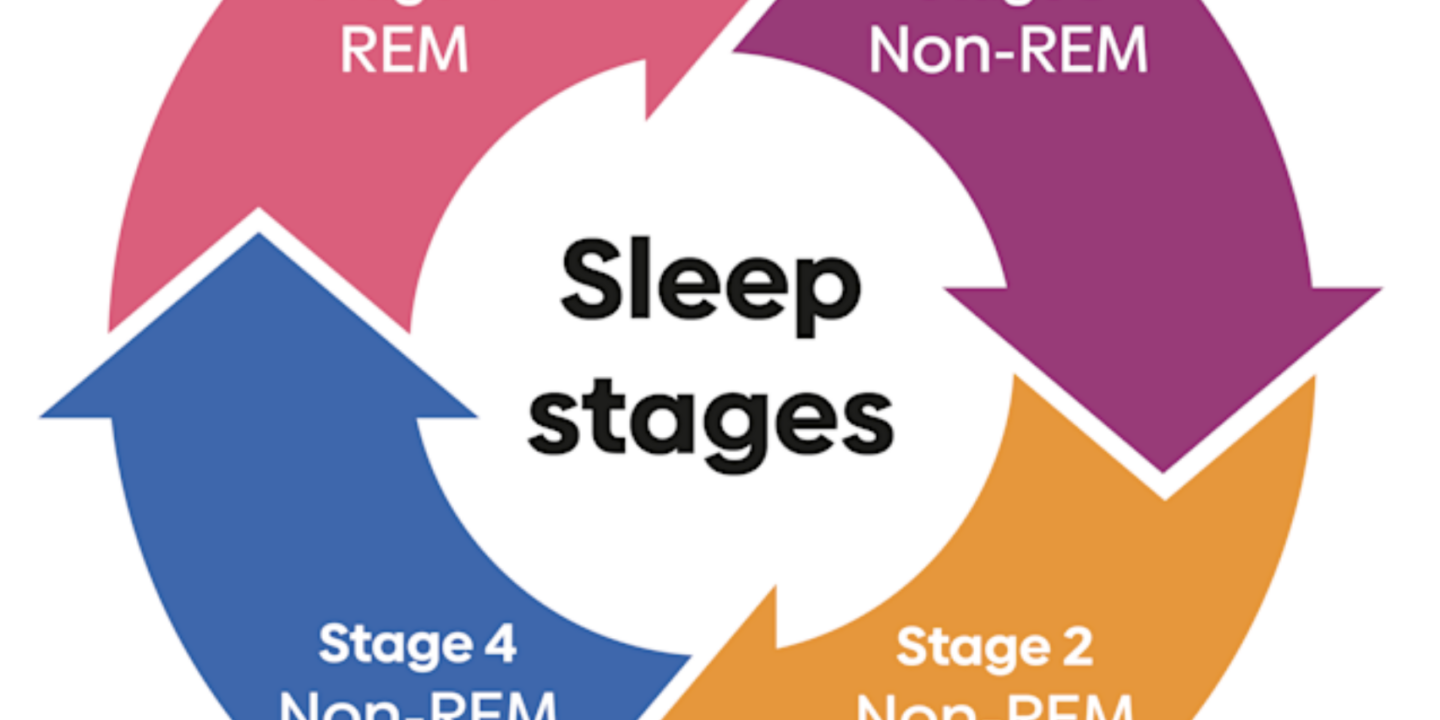
A sleep cycle is a complete progression through several sleep stages, flowing from lightest to deepest and back up to dreaming (REM).
Each cycle typically lasts 90–110 minutes and repeats 4–6 times a night, much like running laps around a track, each lap a little different than the last.
The Rhythm of Sleep Stages
Every cycle moves in a set order:
- N1 (light transitional sleep): The “entry ramp” as you drift off
- N2 (light but stable sleep): Your brain tidies up and stabilizes
- N3 (deep sleep): Your body powers up for full recovery
- N2 (brief return): A pulse check before
- REM (dream sleep): Imagine your mind’s creative highlight reel
Your body shifts through these phases dynamically—you’re never “just out cold.” Instead, these “rounds” optimize everything from muscle repair to creativity.
Throughout the night, your sleep architecture adapts: more deep sleep early on, more REM as sunrise nears. Think of your sleep as a well-choreographed dance, not a static state.
Key Stats and Patterns
Let’s get specific—here’s what research shows about a typical night:
- Cycle Count: Most adults experience 4–6 full cycles over 7–8 hours
- Stage Durations:
- N1: ~1–7 minutes (5% of total sleep)
- N2: ~45–50% of the night
- N3: Up to 40 minutes in early cycles, fades as morning arrives
- REM: Starts short (10 mins), grows to 30–60 minutes by the final cycle
- Early Night: Heavy on N3 deep sleep—“physical repair time”
- Late Night: More REM and N2—“brain and memory tune-up”
Visual cue: Imagine a sleep chart—deep valleys early, higher REM peaks near dawn. Your night isn’t flat; it’s a series of strategic climbs and descents.
What This Means for You
Missing those last few cycles? You might be skipping your best dream sessions and most creative brain work. “The final laps are REM-rich—they’re where your brain gets its energy for the day ahead.”
The key actionable insight: Aim for 7–8 hours to ensure you cycle fully through both deep and REM sleep—quality over just quantity fuels you best tomorrow.
The Four Stages of Sleep: What Happens and Why It Matters
Sleep isn’t just “on” or “off”—it’s a series of shifts through four unique stages, each acting like a key ingredient in a perfect recipe for restoration.
A single sleep cycle takes you through N1, N2, N3, and REM, with each serving a must-have role in how you recover, learn, and wake up feeling ready.
Picture it like running laps at a track meet: you complete 4–6 “rounds” every night, and every lap is essential for mind and body repair.
Even small shifts in these stages change how you feel and perform—catch less N3, and you’ll feel physically drained; miss REM, and your memory and mood can tank.
Stage N1: The Entry Ramp (Lightest Sleep)
N1 is your sleep “on-ramp”—the short transition as you go from awake to asleep.
- Muscles relax, heart rate slows, and you can snap awake if someone even whispers.
- This light stage lasts only about 1–7 minutes, or 5% of the night.
Think of it as the “loading screen” for your brain, prepping you to let go and move into truly restorative sleep.
Stage N2: The Maintenance Stage (Light Sleep, but for Real)
N2 is where you log most of your night’s hours—think of it as the default background mode.
- 45–50% of your total sleep time is spent here, where your brain creates quirky bursts called sleep spindles and K-complexes.
- These patterns act as anti-disruption tech—helping protect your sleep, while also filing away important memories.
Lose N2 sleep and you’ll miss out on smoother learning and waking with mental clarity.
Stage N3: The Powerhouse (Deep, Slow-Wave Sleep)
N3 takes you down to the deepest level—the sleep equivalent of a power nap for your entire body.
- Delta waves dominate, muscle and brain activity hit their lowest, and you’re almost impossible to wake.
- Here’s where your body repairs tissues, boosts immune function, and releases growth hormone.
Almost all your N3 arrives in the first half of the night—it’s the reason “the hours before midnight” really do matter.
REM Sleep: Dream Time and Brain Recharge
Finally, REM is where dreaming and creative breakthroughs happen—your mind’s personal innovation lab.
- Rapid eye movements, total body “shutdown” (atonia), and intense dreaming take center stage.
- Each REM period starts short (about 10 minutes) and stretches up to 30–60 minutes by morning.
This stage is your upgrade patch for memory, emotional resilience, and even problem-solving—miss it, and you’ll feel off-key all day.
The four stages work together to recharge you inside and out. Every sleep cycle is a hidden engine behind next-day energy, mood, and creativity—optimize all four, and you’ll level up how you live and work.
Sleep Patterns Across the Night: How the Cycle Changes
Ever wondered why your 2am dreams feel completely different from the heavy, “stone-like” sleep you have right after your head hits the pillow? Your sleep cycles don’t stay the same all night—they adapt and shift, lap after lap.
Each full sleep cycle—lasting about 90–110 minutes—moves through N1 (light sleep), N2 (deeper light sleep), N3 (deep, restorative sleep), back to N2, and then into REM (dreaming and brain recharge). You repeat this pattern 4–6 times per night.
Early Night vs. Late Night Breakdown
Picture this: In the first half of the night, your brain prioritizes N3 deep sleep—the “powerhouse” stage where the body restores itself. As dawn approaches, REM sleep and light N2 become the stars of the show.
Here’s how it breaks down:
- Early night:
- More N3 deep sleep: Up to 20–40 minutes per cycle
- Short REM periods: About 10 minutes or less
- Late night/early morning:
- Less N3 deep sleep: Drops off dramatically
- Longer REM periods: Can stretch up to 60 minutes
If you wake up early, you miss out on that REM-rich “final lap”—the time linked to sharper thinking, creativity, and emotional resilience. It’s not just about total hours; when you wake influences how rested and mentally sharp you feel.
Visualizing the Shift: Your Night as a Hypnogram
Imagine laying out your sleep on a chart:
- The “valleys” represent deep N3 early on, while the “peaks” of REM grow taller each cycle as morning arrives.
- By 5am, it’s almost a REM/N2 highlight reel.
This isn’t random; it’s engineered for recovery up front and mental tune-ups near wake time—the ultimate overnight performance hack.
Day-by-Day Variations and Individual Differences
No two sleep patterns are identical. Factors that shake up your nightly cycles include:
- Age (kids get more deep sleep, older adults less)
- Genetics (your “natural” rhythm)
- Stress, illness, and late caffeine (these can shrink N3 and fragment REM)
- Environment (noise or light breaks the flow)
Practical tip: If you’re tracking your sleep, expect some nightly swings. What matters is your overall pattern across the week—not just one perfect night.
“Early nights restore your body, late nights reboot your mind.” Adjust your schedule accordingly, and protect your REM-heavy early morning where possible. Knowing these patterns helps you tune both your workday and your wind-down for better results, every cycle.
Why Each Stage Matters: Impact on Your Mind and Body
Picture this: you wake up groggy even after a solid eight hours, or your mind’s stuck on yesterday’s stress loop. That’s your sleep architecture at work—or not working as it should.
Each stage of the sleep cycle performs a specific job to rebuild your body and reboot your mind.
Miss out on one, and it’s like skipping a key ingredient in your favorite recipe—the results just aren’t the same.
Physical Restoration and Energy
N3 deep sleep is your body’s best recovery tool, handling everything from muscle repair to immune defense.
If you cut this stage short, you might:
- Wake up feeling physically drained, like you trained for a marathon in your dreams
- Notice slower workout recovery or more frequent colds
- Feel low on energy, even after “enough” hours in bed
Pro tip: Optimize for N3 by keeping your bedroom cool (60–67°F is science-backed), sticking to a consistent bedtime, and minimizing late-night screen time.
Cognitive and Emotional Power-Up
REM sleep flips your brain into creative mode, boosts memory, and helps lock in learning.
A full dose of REM leads to:
- Sharper decision-making and problem-solving
- Better mood stability and stress resilience
- More vivid, memorable dreams (hint: your creative breakthroughs often start here)
If REM trays get skipped? You may face trouble focusing, emotional ups and downs, and stubborn mental blocks during demanding workdays.
Sleep Disorders and the Broken Cycle
Disrupted or fragmented cycles—thanks to insomnia, sleep apnea, or chaotic schedules—chip away at both your deep and REM sleep.
Spot the domino effect:
- Shorter N3 and REM periods = next-day brain fog and physical sluggishness
- Chronic cycle disruption = greater long-term risk for depression, diabetes, and burnout
Simple self-checks for cycle health:
- Do you wake up multiple times each night?
- Are you tired despite 7–8 hours in bed?
- Is your partner reporting loud snoring or irregular breathing patterns?
If so, tracking your sleep with an app or wearable can reveal your personal architecture and flag patterns worth discussing with your doctor.
A night of robust, undisturbed cycles means you bounce out of bed fully recharged—physically resilient, emotionally balanced, and mentally sharp.
Prioritize both quantity and quality of your sleep stages to get the true reset power your mind and body need.
Maximizing Your Sleep Cycles for Peak Performance
Getting the best out of your sleep isn’t about getting more hours, but about optimizing the quality of those cycles—so every morning feels like a real reset.
Picture this: each 90–110 minute sleep cycle is a productivity booster, and you’re the engineer fine-tuning the system.
Actionable Routines and Sleep Architecture Hacks
The foundation? Consistent routines and a purpose-driven environment.
- Stick to a set bedtime and wake time (even weekends) to stabilize your internal rhythm.
- Limit blue light exposure in the hour before bed—think screen dimmers or blue light–blocking glasses.
- Try a cool, quiet, and dark room for better deep sleep—people sleep best at 60–67°F.
- Small evening rituals (like stretching, journaling, or a warm shower) help cue your brain that it’s sleep o’clock.
Think of these as “debugging” your environment—simple inputs, measurable impact.
Tech Tools: Track, Analyze, and Personalize
Leverage your inner data geek: Sleep trackers aren’t just gadgets—they’re sleep cycle diagnostics.
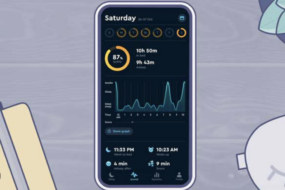
- Use wearables or smartphone apps to see your 4–6 nightly cycles, deep vs. REM balance, and sleep disruption trends.
- Many tech tools now flag when your REM or N3 sleep is low, providing real data for targeted tweaks.
- Set alarms to wake near the end of a cycle for less morning grogginess—many apps now estimate this based on your movement.
“Your brain isn’t just recharging—it’s backing up your creative drive every night.”
Tailoring Wake-Ups and Knowing When to Seek Help
For easier mornings, time your wake-up close to the end of a sleep cycle—waking from N2 or REM feels smoother than from deep sleep.
If despite your best hacks, you still feel regularly unrefreshed, fragmented sleep or untreated conditions like sleep apnea may be at play.
- Check for signs: frequent waking, heavy snoring, difficulty falling or staying asleep.
- Persistent issues? Professional help can get your cycles back on track—think of it as calling tech support for your most important hardware.
“The right cycle at the right time can be the ultimate performance enhancer.”
Prioritizing smart routines, leveraging technology, and listening to your body’s data is the modern approach to peak sleep performance—so you wake up powered for whatever your day (or your code) demands.
Conclusion
Unlocking the true power of your nights means thinking beyond just “getting enough sleep”—it’s about engineering your sleep cycles so they work as hard for you as you do in your waking hours.
By understanding the unique roles of each sleep stage and the dynamic rhythm of your nightly cycles, you’ve gained a toolkit for leveling up both your productivity and well-being—one sleep cycle at a time.
Here’s how you can put this insight to work, starting tonight:
- Prioritize 7–8 hours of consistent sleep—non-negotiable for hitting every essential cycle, especially REM and deep N3.
- Set regular bed and wake times (even on weekends), syncing your body’s internal clock for smoother cycles and easier mornings.
- Optimize your sleep environment: keep your room cool, block disruptive light, and power down screens at least 30 minutes before bed.
- Leverage tech for awareness—use a sleep tracker or app to monitor your unique sleep architecture, identify weak links, and catch patterns early.
- Tune your wind-down routine: simple rituals like stretching, journaling, or a warm shower can act as an “entry ramp” to restorative sleep.
Ready to upgrade your nights? Here’s your immediate next move:
- Audit tonight’s routine—pick one actionable tweak above, and put it into practice before bed.
- Set a reminder to review your sleep data tomorrow, looking for patterns you can refine.
- Commit to tracking your sleep schedule for a week—spot trends, then iterate for next-level results.
Every cycle you complete is an investment in your future energy, focus, and creativity. Build better nights, and you’ll find that your best ideas—and your best self—start showing up before your feet hit the floor.
Sleep isn’t downtime—it’s your nightly launchpad. Treat it like the high-performance system it is, and watch every day get sharper, stronger, and more inspired.