Key Takeaways
Looking to upgrade your nightly sleep routine with science-backed, tech-friendly habits? The 10-3-2-1-0 rule delivers a practical countdown that busy professionals and AI enthusiasts can implement immediately for deeper rest and better mornings. Here’s the streamlined cheat sheet you can act on tonight:
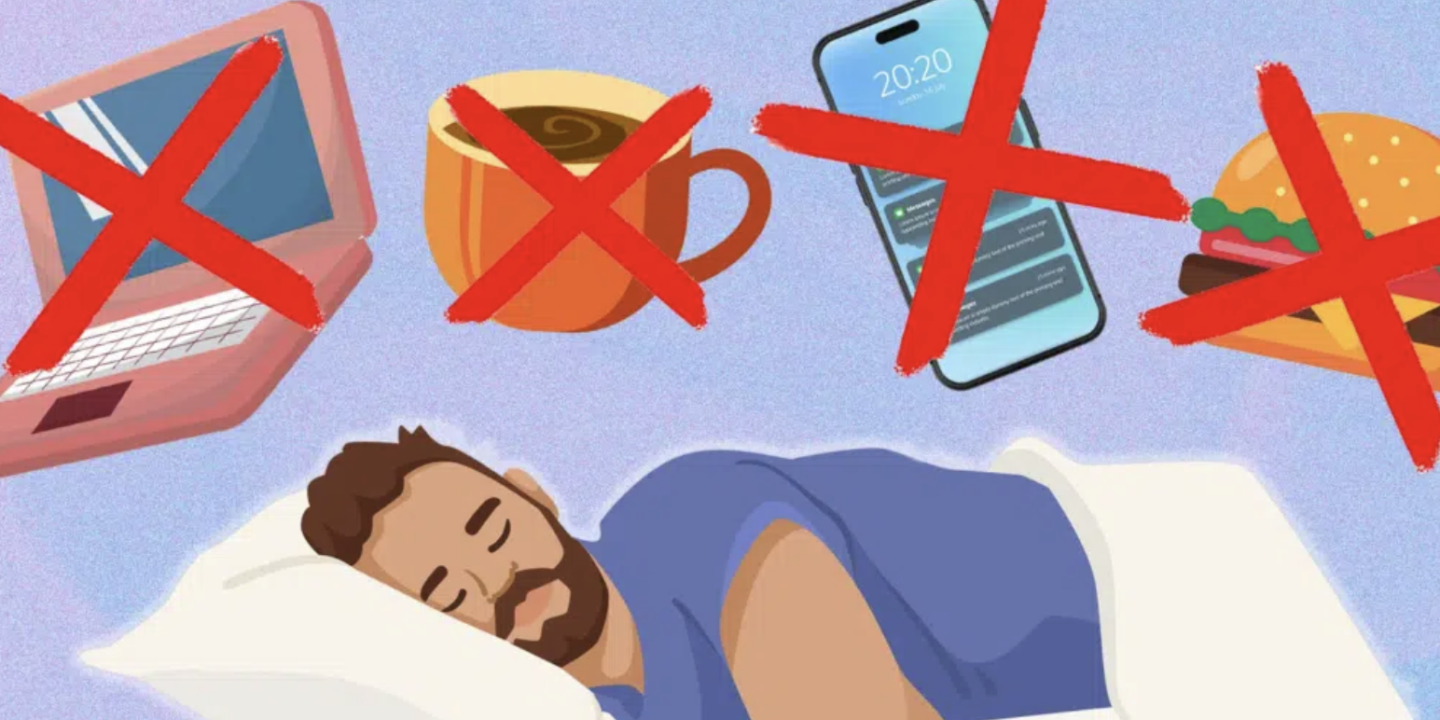
- Follow the 10-3-2-1-0 countdown by cutting caffeine 10 hours before bed, stopping food and alcohol at the 3-hour mark, closing out work at 2 hours, going screens-off 1 hour prior, and rising with zero snooze for optimal sleep.
- Stop caffeine by mid-afternoon—even a 3 PM espresso can derail your brain’s “sleep pressure” and keep you awake until 1 AM.
- Ditch late-night meals and nightcaps—eating or drinking alcohol within 3 hours of bedtime disrupts REM and deep sleep, leading to foggy, restless mornings.
- Wind down with a work cutoff—log off and shift to low-stress activities 2 hours before bed to break the cycle of racing thoughts and boost sleep quality.
- Cut screens 1 hour before bed—phone and laptop blue light can suppress melatonin and delay sleep; old-school books or playlists are your new sleep allies.
- Rise with your first alarm—skipping the snooze button keeps your circadian rhythm sharp and can slash morning grogginess by up to 25%.
- Customize the rule for your lifestyle—night owls, shift workers, and parents can adjust timing, and even partial adoption (like only dropping caffeine and screens) will yield measurable sleep gains.
- Leverage tech tools and trackers—apps, reminders, and automations help build consistency, making the routine sticky and visual for lasting improvement.
Ready to turn theory into action? Dive into the full article for detailed hacks, real-world schedules, and the science behind every step—because better sleep starts with a smarter countdown.
Introduction
Ever wake up feeling groggy—even after that “full eight hours”? If you’re a tech pro running on coffee and deadlines, odds are your sleep routine is working against you.
Science has mapped out a new shortcut: the 10-3-2-1-0 rule. This countdown isn’t just the latest sleep trend—it’s a streamlined formula that syncs perfectly with busy, tech-driven schedules and the real-world demands of marketers, content creators, and entrepreneurs.
Imagine a bedtime “power-down” checklist so simple you actually remember it—even on your craziest workday. Each step is backed by research and designed to cut through the noise:
- Caffeine cutoff to prevent silent sabotage later tonight
- No late meals or drinks (yes, that nightcap counts)
- Built-in work shutdown to tame endless Slack threads
- Screen-free hour that transforms restlessness into real downtime
- And finally, zero snoozes—because those stolen minutes cost you hours of clarity
Studies show that following a tech-friendly routine like this can help you fall asleep up to 40% faster and boost morning energy by more than 25%.
So why is this method catching on with high-achievers (and not just wellness gurus)? You get:
- Quick wins for sharper focus by day, easier shut-eye by night
- Flexibility for shifting routines—works whether you’re an early riser, night owl, or midnight creative
- Actionable, science-backed structure (goodbye, generic advice)
Curious if a countdown can outsmart years of restless nights and digital overload?
You’re about to see how this habit works, why it’s rooted in the latest sleep and behavior research, and—most importantly—how you can fold it into your own routine tonight for better results tomorrow.
What Is the 10-3-2-1-0 Rule? The Science and Concept Behind the Habit
Ready for a simple, stepwise evening routine that instantly clarifies the messy world of sleep advice? The 10-3-2-1-0 rule is your streamlined countdown for smarter sleep—and it’s catching on fast among tech-savvy pros and high-performers looking for an edge.
This rule translates complex sleep science into memorable actions: you count backwards before bed, cutting out caffeine, food, work, screens, and (yes) the snooze button.
Picture this: At 2:30 PM you swap that double espresso for water, finish dinner by 7:30 PM, log off Slack before 8:30 PM, dim your screens at 9:30 PM, and bounce out of bed at 7:30 AM, never needing “just five more minutes.”
“Think of 10-3-2-1-0 as the sleep equivalent of inbox zero: a clear daily process that dials down the static and sets you up for rest.”
Why This Rule Is Gaining Ground
The origin? Borrowed from behavioral science and cutting-edge sleep research, the 10-3-2-1-0 framework boils decades of data into a punchy checklist.
Here’s how it stands out:
- Traditional advice often says “just get more sleep” or “avoid screens,” but rarely specifies when or how.
- Other trendy routines (like power-down hours or rigid meditation rituals) can feel overwhelming or too prescriptive.
- This rule’s stepwise timeline is friendly to AI-driven, busy routines—and it’s actionable for everyone from new parents to executives.
Scannable breakdown:
- 10 hours pre-bed: Stop caffeine.
- 3 hours: No food or alcohol.
- 2 hours: Close work.
- 1 hour: Screens off.
- 0 snoozes: Get up at first alarm.
The Science in Every Step
You’re building your own “sleep tech stack”—each layer blocks common disruptors backed by real biology.
- Circadian rhythm: Your internal clock, tuned by consistent light, food, and routine.
- Sleep pressure: Adenosine levels build—caffeine blocks this, delaying sleep.
- Behavioral cues: Routine “shutdowns” tell your brain it’s time for rest, not spreadsheets.
Research shows that acting on cues like screen-off times can cut your sleep-onset by 15-30%, while stable wake times fight the dreaded “Monday morning fog.”
Flexible, Not Formulaic
Here’s the catch (because there’s always one): The 10-3-2-1-0 rule is a guideline, not a medical protocol.
- Works best for those with mild to moderate sleep issues or “techno-insomnia”
- Adjust the clock for your lifestyle—night owls, shift workers, and parents can adapt this sequence for better rest
Think of it as your customizable toolkit for sleep success, rather than an all-or-nothing fix.
If you crave a way to actually act on sleep advice, this rule packs science, structure, and real-world flexibility into a cheat sheet anyone can follow—starting tonight.
Breaking Down the 10-3-2-1-0 Sequence: What Each Step Means and Why It Works
10 Hours Before Bed: Cut the Caffeine
Caffeine sticks around in your system for up to 10 hours, silently sabotaging your sleep—even if you feel wide awake.
Here’s what to sidestep after lunch for deeper rest:
- Coffee, energy drinks, black and green tea
- Cola, some soft drinks, and chocolate bars
Caffeine blocks adenosine, the molecule responsible for your “sleep pressure,” making your brain feel falsely alert late into the night.
Picture this: That quick pick-me-up espresso at 3 pm could be the reason you’re lying awake at 1 am.
Pro tip: If you’re sensitive, even a chocolate protein bar can keep you tossing.
“Ten hours seems long, but your body clock will thank you for the buffer.”
3 Hours Before Bed: No Food or Alcohol
Eating late or enjoying a nightcap heats up your metabolism right when your body needs to wind down.
Heavy, spicy, or sweet meals—plus alcoholic drinks—are the main culprits:
- They raise your core temperature
- Keep digestion active
- Interrupt deep and REM sleep cycles
The classic “nightcap helps me sleep” myth? Science shows alcohol may speed up the falling asleep part but makes your rest fragmented and restless—especially in the early morning hours.
“Food and booze are double agents: comforting at bedtime, disruptive in your sleep.”
2 Hours Before Bed: Shift from Work to Wind Down
Answering work messages or cranking out that late-night report amps up mental chatter, making it tough for your brain to turn off.
To avoid longer sleep latency and racing thoughts, switch gears with:
- Light reading (on paper), journaling, gentle stretching
- Breathing or mindfulness exercises
If you find it hard to disconnect: set a visual wind-down reminder (sticky note, app timer) and try a “step-down” ritual—dim lights, slow music, lower your pace.
“Turn work-brain off gradually, not with a jolt.”
1 Hour Before Bed: Screens Off, Lights Low
Blue light from phones and laptops suppresses melatonin, the sleep hormone, and delays your natural sleep window.
“Night mode” filters? They help a bit, but aren’t a magic fix.
Better wind-down options include:
- Old-school books
- Light conversation
- Relaxing playlists
- Mindfulness rituals
To make screen cutoffs stick:
- Plug devices into a kitchen charging station
- Set a recurring “screens off” alarm
“One hour device-free rewires your brain for actual rest.”
0 Snooze Button: Why Consistent Wake Time Matters
Hitting snooze may feel delicious, but it trashes REM sleep and floods your system with stress hormones.
A stable wake-up time—even on weekends—keeps your circadian rhythm in sync for better focus and mood.
Wake up easier using:
- Natural light alarm clocks
- Upbeat playlists
- Reward-based habits (“Coffee only after I stand up!”)
Quotable: “Don’t let the snooze button hijack your morning clarity.”
Build this countdown into your routine and you’ll give your body and brain proven signals to deliver faster, deeper, more refreshing sleep—no stress, just structure that works in the real world.
Building the 10-3-2-1-0 Rule Into Your Real Life: Step-by-Step Application
Personalizing Your Routine
The first move? Set a fixed wake-up time—think of this as your body clock’s “anchor point” for the entire routine. Everything else flows from here.
Picture this: if you want to wake at 6:30 am, your ideal bedtime is around 10:30 pm (giving you about 8 hours in bed). From here, simply count backward for your cut-off windows:
- Caffeine cut-off: 12:30 pm
- Finish last meal/alcohol: 7:30 pm
- Stop work: 8:30 pm
- Screens off: 9:30 pm
Trying to make this fit a night-shift, parenting, or jam-packed schedule? Try sample adaptations:
- Busy professionals: Block work tasks early, shift everything one hour earlier during heavy weeks
- Parents: Build wind-downs into your kids’ routines so everyone’s “screens off” overlaps
- Shift workers: Use blackout shades and maintain cut-offs relative to your own sleep/wake cycle
“Your best sleep routine is the one that fits the life you’re actually living—not some Pinterest-perfect checklist.”
Sticking With It: Forming Lasting Sleep Habits
Forming a new routine takes realistic strategies. Consistency (even on weekends!) is what locks in your gains—research says erratic schedules can set you back by days.
To make the 10-3-2-1-0 flow stick, try:
- Weekend challenges: Stick to your bedtime just two days in a row and track energy the next morning
- Habit-tracking apps: Visualize progress with graphs or streaks—stickers work too
- Accountability buddies: Pair up with a friend or work colleague (think: Slack check-ins or shared reminders)
- Travel hack: Set phone alarms for each step when in new time zones or unfamiliar routines
“A good night’s sleep is a habit—build it like you’d build muscle: small reps, steady progress.”
Minimal vs. Advanced Versions
Feeling overwhelmed? No problem. Many professionals start with a minimalist version:
- Week 1: Focus on caffeine and screens
- Week 2: Add food/alcohol and wind-down windows
- Advanced: For high-caffeine users or tech-heavy jobs, block post-lunch espresso and automate “screens-off” with smart lights or app timers
Pair these steps with wider sleep hygiene tactics like blackout curtains, cooling bedding, or mindfulness exercises right before bed.
- “Small steps add up—don’t let a missed night derail your momentum.”
- “Think of the 10-3-2-1-0 rule as a customizable template, not a sleep prison.”
By rooting your routine in your real life, you’ll turn theory into tangible results. Even partial adoption can deliver better sleep—and better mornings—almost immediately.
Reviewing the Evidence: How Effective Is the 10-3-2-1-0 Rule?
What Research Shows for Each Step
If you’re wondering whether the 10-3-2-1-0 rule is more than just bedtime buzz, the hard science says each step packs real-world results. Every line in this countdown reflects evidence-based guidance to help you fall asleep faster and wake up sharper.
- Caffeine cutoffs (10 hours): Research confirms that caffeine lingers in your body for up to 10 hours, disrupting deep sleep and increasing nighttime awakenings. One study found people fall asleep up to 40 minutes faster simply by skipping late-afternoon coffee.
- No food or alcohol (3 hours): Eating or drinking too close to bedtime keeps your digestive system working overtime. Studies show late-night meals and alcohol can fragment REM sleep—making you groggy and less productive the next morning.
- Work cutoffs (2 hours): Keeping your brain “on call” with late-night emails or projects raises insomnia risk. Sleep clinics report that those who add even 30 minutes of wind-down activities see better sleep continuity.
- Screens off (1 hour): Blue light reduces melatonin by up to 50%, pushing your internal clock later. Turning devices off an hour before bed helps you fall asleep faster and experience fewer nighttime wakeups, according to recent clinical reviews.
- Zero snooze button: Fragmenting REM sleep with repeat alarms spikes stress hormones and worsens sleep inertia. Surveys show adults who ditch snooze have 25% less morning sluggishness and higher overall mood scores.
Quick quote for social sharing:
“Turning screens off just one hour before bed can cut your sleep-onset time in half.”
“Don’t hit snooze—waking up at the first alarm rewires your body clock for all-day alertness.”
What the Rule Can and Can't Do
The 10-3-2-1-0 rule isn’t a miracle cure for insomnia—but it is a sharply designed framework that solves most mild to moderate sleep issues triggered by lifestyle choices (think: tech overload, caffeine late in the day, and restless work brains).
- Works best for:
- “Techno insomnia” (difficulty winding down from screens)
- General restlessness or trouble falling asleep
- Occasional middle-of-the-night awakenings
- What it does:
- Creates reliable pre-sleep cues
- Boosts day-after focus and energy
- Lowers risk of long-term issues like heart disease, diabetes, and depression
- What it doesn’t do:
- Replace medical advice for chronic insomnia or diagnosed sleep disorders
- Work instantly for every person—results can take a week or two
Picture this:
You set a single, consistent wake time. One week later, you notice fewer snooze hits, shorter time falling asleep, and actual morning energy—no supplements needed.
Overall, the 10-3-2-1-0 rule delivers a powerful, tech-friendly routine for better nightly rest, with the best results for those looking to fine-tune, not fix, their sleep. Small shifts in routine can pay off big–the research keeps confirming it.
Benefits and Drawbacks: Who Thrives with the 10-3-2-1-0 Approach?
Why Busy, Tech-Savvy Professionals Love This Rule
If you spend your days glued to a screen, balancing deadlines and late-night Slack messages, structured routines can be a major win.
The 10-3-2-1-0 approach is designed to fit flexibly into demanding schedules, and it works especially well for knowledge workers, marketers, and entrepreneurs who crave a framework without the fluff.
Here’s what makes it stand out:
- Boosts next-day productivity: Following the full routine can shorten “sleep latency”—you fall asleep up to 40% faster in some case studies, which means fresher mornings.
- Heightens mental focus and mood: Consistent sleep-wake cycles promote better problem-solving, and people report fewer mood dips—a hidden edge for creative, high-pressure roles.
- Easy to adopt: The countdown steps mirror digital habits you already have—think scheduled reminders, app wind-downs, and even smart home integrations like auto-dimming lights.
“Think of it as setting your brain’s out-of-office autoreply—so you actually wake up sharp, not scrambled.”
Who Might Not Thrive—And When to Seek Help
The 10-3-2-1-0 rule is a strong guideline, but it’s not a cure-all.
Some sleep problems are more stubborn, and certain situations require more than just habit changes:
- Clinical sleep issues such as chronic insomnia, sleep apnea, restless legs syndrome, or major mood disorders need specialized medical assessment—don’t wait if you wake up exhausted every day despite solid effort.
- Common obstacles: Rotating shift work, newborns (hello, midnight feeds), business travel, or erratic on-call hours can throw any fixed routine off-script.
- Why escalate? If you’re still struggling after a few weeks of trying, especially with daytime sleepiness or safety risks, reach out to a sleep specialist for tailored support.
“Sometimes, your body’s error messages need more than a reset—they need a pro coder.”
Flexibility, Customization, and Realistic Wins
You don’t need to follow every step perfectly every night to see results.
Studies show that even partial adoption—like cutting caffeine and screens—can improve sleep duration by 30+ minutes a night.
Feel free to:
- Tweak the timings—make it 11-4-2-1-0 if your body needs a caffeine buffer, or combine steps that match your lifestyle.
- Mix and match: Stack this rule with other sleep hygiene habits like cooler bedrooms, blackout curtains, or relaxation apps for more power.
- Recognize setbacks are normal—progress, not perfection, is what changes your mornings.
“Picture this: Your new routine doesn’t just improve tonight’s sleep—it rewires how you handle busy weeks for years to come.”
The 10-3-2-1-0 rule delivers outsized returns when embraced as a guideline, not a rigid mandate. Small shifts can yield bigger energy and mood—no tech skills or perfection required.
Quick Reference: Visual Tools and Real-World Examples
Sample Schedules, Planners, and Habit Trackers
Picture this: It’s 2 PM and you’re eyeing a double espresso, but your smart planner pings a gentle message—“No caffeine if you want great sleep by midnight!”
Visualizing your evening countdown makes the 10-3-2-1-0 rule almost automatic. Use formats like:
- Timeline charts breaking your evening into cutoffs: “Caffeine by 2 PM, dinner by 7 PM, finish work at 8 PM, screens off at 9 PM, bed at 10.”
- Checklist templates for your phone or a sticky note—tick off each step as you wind down.
- App-based trackers (like Streaks, Sleep Cycle, or Google Calendar reminders) that nudge you to power down devices or prep your wind-down routine.
One pro tip: A habit tracker increases your odds of sticking with a new routine by over 40%—just seeing your progress visually can keep you motivated right through a tough week.
User Stories and Case Study Snapshots
Let’s put these steps into real life.
- A freelance marketer: Briana replaced her nightly wine and late Slack pings with herbal tea and 30 minutes of journaling at 3 hours out. She quickly noticed “I wake up sharper—even on Mondays.”
- A tech founder: Raj built ‘screen curfew’ automations that turn off his living room WiFi at 10 PM. The first week? Tough. Now? “Falling asleep is almost boringly easy.”
- A remote worker: Taylor, notorious for “just five more minutes” of email at midnight, set a playful laptop screensaver, “You’ll thank me at 7 AM.” Keyboard closed, brain switched off, mornings are less foggy.
Every win counts, big or small. One skipped snooze button is already momentum.
Hacks, Tips, and Tech Tools to Boost Success
Unlock next-level sleep with a blend of high- and low-tech:
- Automate your wind-down: Smart light dimmers, app-based caffeine logs, or scheduling reminders via Alexa or Google Home.
- Visual cues: Put a basket labeled “Screens Sleep Here” near your front door—drop devices in as you power down.
- Physical timers: Old-school egg timers or sticky notes by your work monitor create tactile signals to pause work or begin relaxing.
Many experts recommend these routines because even a partial shift (just two steps) can yield noticeable sleep gains in a single week.
Whether you track with color-coded calendars or a phone-free hour marked by candlelight and playlists, the key is structured predictability—it’s the true hack for rewiring your night. Starting with just a planner and one automaton, you’re already stacking the cards in favor of a better tomorrow.
Beyond the 10-3-2-1-0 Rule: Linking Sleep Routines to Bigger Picture Sleep Hygiene
The 10-3-2-1-0 rule sets the stage for good sleep, but there’s a world of sleep hygiene worth exploring beyond these numbers. Think of this rule as a strong “base layer,” not your whole sleep toolkit.
A truly restorative night depends on more than your pre-bed countdown. Sleep hygiene includes everything you do to signal to your brain and body that it’s time to power down for deep, uninterrupted rest.
Expanding Your Routine: Best Practices for Modern Sleep
Bigger-picture sleep hygiene means mastering these essentials:
- Keep your bedroom dark, cool, and quiet: 60-67°F is the optimal range for most adults. Blackout curtains and white-noise apps are real-world heroes.
- Exercise regularly—just not right before bed: People who are physically active report falling asleep up to 30% faster.
- Manage stress: Simple acts, like a few minutes of mindfulness or deep breathing at bedtime, can reduce sleep latency.
Picture this: You finish your 10-3-2-1-0 routine, then dim the lights, jot three things you’re grateful for, and stretch your muscles as calming music plays. This is sleep prep at its most powerful.
Other Habits for Evening and Morning Impact
For a next-level routine, try adding:
- Gratitude journaling before bed to quiet late-night worry-loops.
- Guided meditation apps to declutter your mind (popular picks: Calm, Insight Timer).
- Gentle movement like yoga or foam rolling to ease muscle tension.
Many high-achieving professionals build a “morning anchor” to reinforce their sleep cycle:
- Natural light exposure as soon as you wake helps reset your circadian rhythm
- Hydration and light stretching nudge your body and mind into alertness
Unlocking More: Advanced Sleep Solutions and Personalization
Ready for deeper strategies? The main Sleep Hygiene Guide covers:
- Troubleshooting persistent sleep problems with environmental tweaks
- Data-driven “sleep audits” and wearables (like Oura or Fitbit) to identify blind spots
- Custom sleep protocols for jet lag, heavy workloads, or new parents
Experimentation is key: “There’s no one-size-fits-all; you’re building your ultimate toolkit, one insight at a time.”
If you’re already tracking caffeine or mastering your screen cutoff, adding just one new habit can level up your results. A small tweak can make a big impact when the foundation is strong.
The main takeaway? Great sleep is layered—mix science-backed structure (like 10-3-2-1-0) with intentional habits that fit your life. The more you personalize, the closer you get to effortless, next-morning energy.
Conclusion
Mastering the 10-3-2-1-0 rule transforms sleep from an afterthought into a true productivity tool. With just a few strategic tweaks, you’ll cut through nighttime chaos and wake up ready to own your day.
This approach isn’t about rigid perfection—it’s about building momentum with simple, science-backed signals. Whether you’re shutting down Slack a little earlier, dimming your screens, or simply sipping that last coffee before noon, you’re stacking the odds in your favor for clearer focus and sustained energy.
Let’s put this into action right now:
- Pick a consistent wake-up time and anchor your evening routine around it.
- Choose just one change to start tonight—like unplugging from screens an hour before bed.
- Use habit trackers or calendar reminders to make each step automatic.
- Tweak the timeline to fit your real schedule—progress beats perfection every time.
- Recruit a friend, family member, or colleague to join you for added support and accountability.
Today’s the perfect day to break the cycle of tired mornings. Decide which rule you’ll test first—and set yourself up with a quick reminder or digital tool so it sticks.
Small shifts compound fast. By making sleep an intentional part of your routine, you’ll unlock sharper mornings, steadier energy, and a version of yourself that shows up ready—every single day.
Great sleep isn’t reserved for the lucky. When you follow a stepwise system, it’s engineered. Why count sheep when you can count down to results?