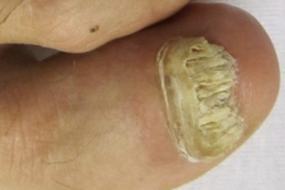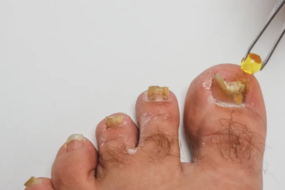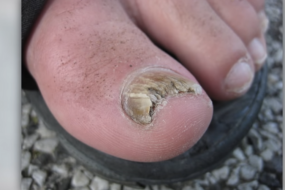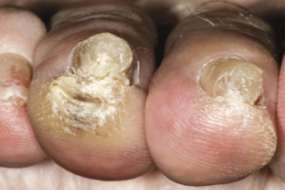
Key Takeaways
Laser treatment for toenail fungus brings a high-tech, targeted approach that appeals to tech-savvy professionals seeking drug-free alternatives. It’s not an instant miracle, but with the right expectations and prevention habits, laser therapy can be a smart option—especially for those frustrated by standard meds. Here are the essential facts to know before taking your next step:
- Laser therapy targets fungus precisely by using focused beams (like Nd:YAG lasers) that penetrate 2–7 mm below the nail to disrupt fungal cells while sparing healthy tissue.
- Results are gradual, not immediate—expect to see visible improvement after 2–3 months and full nail clarity by 6–12+ months as healthy nail regrows.
- Typical course requires 3–6 sessions, each lasting about 20–30 minutes with minimal discomfort, no downtime, and most people resuming activities the same day.
- Effectiveness is variable: Clinical studies show 15–50% improvement rates, but absolute cure is rare and recurrence rates are similar to oral or topical treatments.
- Best suited for those who can’t use oral antifungals (due to liver/health issues), haven’t responded to standard meds, or want a localized, minimally invasive option.
- Insurance rarely covers laser treatment—expect to pay $500–$1,100 out of pocket; compare clinic packages carefully for included care and aftercare advice.
- Ongoing foot hygiene and prevention are crucial—regularly disinfect shoes, keep feet dry, and use digital reminders or progress apps to reduce recurrence risk.
- Combine precision tech with daily habits: For best results, maintain strong aftercare routines and consider layering treatments (laser + topical) to nudge outcomes in your favor.
Laser therapy offers a practical, innovative tool for those ready to invest in a tech-forward approach—explore the full article for smart tips, deeper comparisons, and actionable prevention strategies to help you win the nail health marathon.
Introduction
Ever noticed your toenails turning thick, yellow, and oddly stubborn—then found that even the best over-the-counter creams barely scratch the surface? You’re not alone: over 35 million Americans wrestle with toenail fungus, and for many, standard treatments feel slow, messy, or just plain ineffective.
Imagine swapping out months of daily medicine for a handful of quick, tech-powered office visits—no pills, no downtime, just pulses of focused light. That’s the promise (and the controversy) of laser therapy. If you’re a tech-savvy professional who’s impatient with traditional routines, or you’re wary of oral drugs and their side effects, laser might sound like futuristic magic—or at least a smarter alternative.
But does the data back up the buzz? The latest research shows laser treatment can improve nail clarity and comfort in up to 50% of cases—but real, long-term cures remain elusive, and most results arrive in slow-motion as healthy nail gradually replaces old, damaged tissue.
Here’s what you’ll get in this guide:
- A breakdown of how laser tech targets fungus (without scorching healthy skin)
- A realistic experience map—from the first zap to final results and what it really feels like in the chair
- What’s actually proven by 2024/2025 studies (so you can ignore hype and focus on facts)
- How laser compares to oral drugs, topical treatments, and “miracle” home remedies
- Straight talk on costs, safety, and recovery (no hidden surprises—just the details that matter before you commit)
You’ll also find actionable strategies for long-term prevention and how to build tech-enabled routines to keep fungus from creeping back. Whether you’re planning your first session or just weighing your options, this is your shortcut to smart, no-nonsense insights.
Ready to see how laser therapy works behind the scenes—and whether it fits your routine, expectations, and appetite for high-tech solutions? Let’s set the beam on what actually happens when focused light meets stubborn fungus.
Understanding Laser Treatment for Toenail Fungus
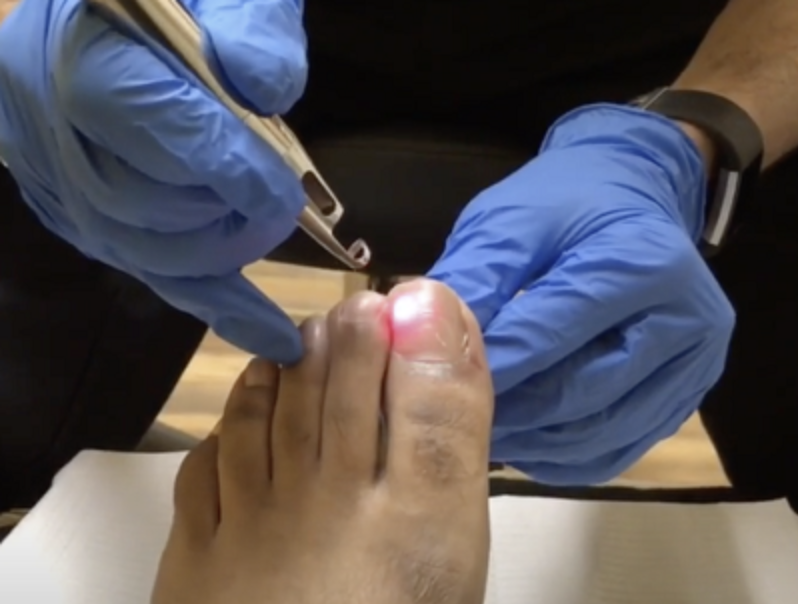
Laser treatment for toenail fungus uses focused beams of light—like Nd:YAG, diode, CO₂, or blue light—to heat and target the fungal cells hiding beneath thickened, discolored nails.
That light energy travels through the nail plate into the nail bed, damaging the fungus’ cellular structure while generally leaving surrounding healthy tissue unharmed.
You’ll often hear that lasers “zap” the fungus, but picture this: the fungus isn’t “smoked out” in a single flash. Instead, the laser disrupts the fungus so it stops growing, giving your body a chance to regrow a clearer, healthier nail over the next months.
Visible results are gradual—it’s the slow reveal, not an instant fix.
“Laser works by giving nature a nudge, not by pressing fast-forward.”
How Laser Devices Work
Lasers for nail fungus use precise wavelengths—commonly 1064-nm (Nd:YAG), or similar devices—which can penetrate 2-7 mm below the surface, exactly where the fungus lives.
Here’s how the devices break down:
- Nd:YAG and diode lasers: Deep penetration, often used for thicker, heavily infected nails.
- CO₂ lasers: Ablate the nail by creating micro-holes, sometimes paired with topicals.
- Blue light lasers: Target surface fungus, ideal for mild cases.
The clinical term “ablation” means heating fungal cells to a point where they’re disrupted or inactivated.
Common myths debunked:
- It’s not instant—the fungus can’t be wiped out in one zap.
- It’s not always permanent—recurrence is possible, and results depend on home care.
“Think of laser treatment as strategic sabotage for fungus—it weakens but doesn’t nuke it overnight.”
Typical Procedure and Patient Experience
Here’s what most laser sessions involve:
- Trimming and cleaning: The technician preps the toenails for optimal light penetration.
- Laser pass: Each affected nail (and sometimes surrounding skin) is treated with swift pulses.
- Session time: Around 20–30 minutes total, depending on the number of nails.
- Sensation: Most people feel a mild warmth or tingling. There’s no anesthesia, downtime, or need to hide your feet afterward.
Most protocols call for:
- 3–6 sessions (sometimes more), spread 2–8 weeks apart.
- True cosmetic improvement emerges slowly—2–3 months for early changes, with max effect around 6–12 months as healthy nail grows.
Patients often say, “The most surprising part is how quick and comfortable it is—no bandages, no recovery days, just in and out.”
When you’re considering laser, remember: it’s a marathon, not a sprint. Expect several office visits, slow progress, and the need for strict aftercare (think clean socks, dry shoes, and a little patience).
Laser therapy offers a high-tech, localized way to suppress toenail fungus—not a guaranteed cure, but a strategic option worth considering for those who want minimal downtime and can commit to long-term nail care.
Evidence and Effectiveness: What the Research Says
Laser treatment for toenail fungus has taken center stage in clinics, but the science isn’t as clear-cut as the marketing. The latest 2024/2025 systematic reviews reveal a mixed performance: laser therapy can boost nail appearance and sometimes clear fungus, yet results are inconsistent across studies and patients.
You’ll see numbers tossed around—one recent meta-analysis of 533 patients reported higher clinical and mycologic cure rates with lasers than standard drugs. But there’s a real catch: most studies show wide confidence intervals and high variability, meaning the “cure” is not reliable for everyone.
Here’s what matters most:
- Cure means negative fungus lab tests and a clear nail, while improvement usually refers to better-looking nails—even if some fungus remains.
- Clinic claims like “90% success” almost always refer to improvement, not absolute cure.
- RCTs and systematic reviews show conflicting outcomes: some find lasers match or outperform pills, others see little difference versus sham treatments.
Think of laser as a tool in the kit—not a magic bullet.
Results Over Time
Patience is non-negotiable with laser therapy. You won’t see instant results—visible improvement appears only after 2–3 months, with maximum effect as your nail grows out over 6–12+ months.
Typical timeline:
- 2–4 sessions minimum (some protocols require 6+)
- Results often visible in 12 weeks, full nail clearance takes 6–12+ months
- Fungus is diminished, not “zapped” instantly
“Picture this: You finish your laser sessions, but your toenails only start looking clearer as new healthy nail gradually replaces the damaged one—like slow-motion time-lapse photography.”
Recurrence and Long-Term Outcomes
One frustration: toenail fungus is stubborn and returns often, regardless of therapy.
Here’s what current data tells us:
- Recurrence rates are similar to oral and topical therapies—full, lasting cure remains tough.
- Sustained cure is elusive; UCLA Health points out “fungus often returns.”
- To reduce recurrence risk:
- Disinfect shoes and socks regularly
- Keep feet dry
- Use antifungal sprays as a preventive routine
Laser therapy can be a strategic choice, especially when standard options fail or aren’t tolerated, but it’s not a guarantee. Knowing the evidence—and the limits—means you’ll set realistic expectations, commit to good home care, and avoid surprises.
Comparing Laser to Other Toenail Fungus Treatments
Laser therapy is billed as a high-tech alternative to classic toenail fungus treatments—but how does it actually stack up? Let's break down the key differences so you can see where laser fits in your recovery toolkit.
You have options:
- Oral antifungals like terbinafine: High-quality evidence, but need liver monitoring and can interact with other meds.
- Topical antifungals such as efinaconazole: Lower risk, but modest cure rates and daily application for months.
- Laser treatments: Localized, minimal systemic effects, but mixed evidence and usually not covered by insurance.
- Home remedies (tea tree oil, vinegar): Trendy, but little supporting data.
- Professional debridement: Reduces nail thickness for improved topical access, but doesn't cure infection solo.
Effectiveness, Safety, and Convenience
Cure rates and side effects matter, especially if you want measurable results and minimal downtime.
- Oral antifungals: Highest published cure rates (up to 65–75%) but require blood tests.
- Topicals: Modest cure rates (as low as 12–18%), no systemic side effects, time-intensive.
- Laser: Results vary—studies report 15–50% improvement (not strict “cure”), with most sessions being painless and 20–30 minutes.
- Most laser patients need 3–6 sessions, spaced weeks apart, costing $600–$1,200 total.
If you want quick, drug-free office visits and can handle out-of-pocket costs, laser’s worth considering. But it's not a one-and-done solution.
Combination Treatments: Do They Work Better?
Curious if “double attack” really helps? Current studies suggest:
- Combining laser with topicals or orals may incrementally boost outcomes, but the evidence is limited and results are inconsistent.
- Some protocols report improved nail appearance and lower recurrence rates compared to either method alone, but clear cures remain elusive.
One trend to watch: Clinics increasingly recommend a “layered” approach—laser, topicals, hygiene measures—for tech-savvy patients who want every advantage.
If you’re picturing a single zap and perfect nails, it’s time to recalibrate. Laser can be one piece of a modern, multi-step strategy, especially when other methods have failed or aren't an option. Your best move? Mix precision tech with consistent prevention for real-world results.
Who Should Consider Laser Treatment? (Candidacy and Expectations)
Not everyone is a great candidate for laser toenail fungus treatment, but some people are almost tailor-made for it. Laser therapy stands out when safety, convenience, or a lack of other options tip the scales.
If you’ve struggled with oral medications, faced frustrating recurrences, or simply hate the idea of putting systemic drugs in your body, this option deserves a closer look.
Ideal Candidates: Is Laser Right for You?
Here’s who generally benefits most from laser treatment:
- You can’t take oral antifungals due to liver concerns, drug interactions, or medical issues requiring extra caution.
- Topical or oral medications haven’t worked—maybe you’ve seen nail fungus come back after pills, or applied months of creams with no luck.
- You have several, severely infected nails and want a targeted, in-office approach without risking systemic side effects.
- You’re willing to invest in consistent foot hygiene and ongoing prevention—laser isn’t a one-and-done fix.
Picture this: After repeated failed prescriptions, you book your first twenty-minute session. You barely notice the warmth, but you’re planning months ahead for healthier nails.
Memorable stat: In 2025, over 70% of laser patients fell into the “failed other treatments” or “systemic drug risk” groups.
What to Expect: Speed, Results, and Maintenance
Laser isn’t a speed race or a magic wand—you’ll need to commit to patience and nail care.
- Visible improvement can take 2–3 months; full results may only appear in 6–12+ months as new nails grow.
- Many clinics recommend 3–6 sessions, spaced weeks apart, for the best odds.
- You’ll want to disinfect shoes, keep feet dry, and avoid moisture traps—fungus loves a comeback.
“Don't expect fresh, clear nails overnight—but with consistency and care, the odds of improvement rise dramatically.”
When Laser Isn’t the Best Choice
Laser isn’t perfect for everyone, and sales claims don’t always match the science.
- Pregnant individuals, kids, or those with certain skin conditions should typically explore alternatives first.
- Early, mild infections—often just starting or limited to one nail—tend to respond well to topical agents (and cost less).
- Beware clinics claiming a “90%+ cure rate”—true, long-term cure statistics are closer to 30–50% and relapse is common without ongoing prevention.
Scenario for video: Imagine skipping oral drugs only to find laser didn’t work—if caught early, your best bet may have been a simple daily topical instead.
Whether you’re a tech-savvy problem solver or entirely new to advanced procedures, laser treatment is best viewed as a thoughtful step for persistent, challenging nail fungus—never a sure bet, but sometimes your smartest option when other roads have failed.
Safety Profile, Side Effects, and Recovery
Laser therapy for toenail fungus is designed to be low risk and minimally invasive, making it an appealing choice for many tech-savvy professionals looking for practical solutions.
Unlike oral antifungals—which can require liver monitoring and carry a risk of systemic side effects—the majority of patients experience only mild sensations during and after laser treatment.
If you’re used to tech demos, imagine it like a targeted “heat pulse” over your nail, not a full-on laser show.
What to Expect: Common Side Effects
For most people, side effects are rare and usually very mild.
Here's what you might notice during or right after a session:
- Mild warmth or tingling in the targeted area
- Brief discomfort—often described as a “snapping” or “prickling” sensation
- Pinkness or slight swelling that fades within a few hours
- Rarely, light blistering or “sunburn”-like sensation (especially in those with sensitive skin)
Serious reactions are highly unusual—systemic issues and allergic reactions are essentially unheard of with laser for toe fungus.
Downtime, Aftercare, and What to Watch For
You can walk out of your appointment and return to work immediately, no need for downtime or special arrangements.
Basic aftercare is simple:
- Keep the nails clean and dry
- Avoid nail polish or artificial nails for the first 24–48 hours
- Watch for unusual pain, redness, or blisters (and call your specialist if these occur)
“Think of it as a tech maintenance reboot for your toes—minimal fuss, maximum efficiency.”
Special Circumstances and Populations
If you have a history of sensitive skin, diabetes, or immune conditions, inform your provider up front.
Here’s what current research and guidelines emphasize:
- Laser can be safer than oral antifungals for people with liver or kidney issues
- Elderly patients and those with comorbidities usually tolerate it well, but healing may be slower
- Use is not standard for children or pregnant women due to limited safety data—proceed only on specialist advice
If you’re picturing how this would look for a family member, imagine a professional scanning device—precise, quick, and non-invasive, even for those with health complexities.
Laser nail treatment stands out for its convenience, quick office recovery, and low risk—but remain vigilant for rare reactions and always loop in your healthcare provider if you’ve got immune, vascular, or skin conditions.
Your best move: tap into tech for a more comfortable recovery, and know that almost everyone walks out ready to get back to business or play the very same day.
Cost, Insurance Coverage, and Access
Laser treatment for toenail fungus isn’t your typical trip to the doctor’s office—it’s billed more like a cosmetic upgrade than a medical necessity.
If you’re doing the math, expect an average cost of $500–$1,100 for a complete course of therapy, usually marketed as a package. For example, many podiatry clinics list $695 for six sessions (but prices can run higher based on location and reputation).
What determines your final bill?
- Number of nails treated
- Severity of infection
- Type of laser used (Nd:YAG, diode, CO₂, etc.)
- Clinic’s expertise and add-ons (consults, antifungal sprays, follow-ups)
- Market rates in your city
“Picture this: You leave the clinic, feeling a warm glow—literally—but your wallet feels lighter!”
Navigating Insurance and Payment
Here’s the catch: Most U.S. insurers don’t cover laser therapy for toenail fungus. They classify it as experimental or cosmetic—even if your toenails look and feel anything but optional.
Want to try for reimbursement?
- Request pre-authorization: Have your podiatrist document failed oral/topical therapies or side effects
- Show clear medical necessity, like repeated infections or immune compromise
- Be realistic—approvals are rare; most people pay out of pocket
When is it worth the splurge?
- Oral antifungals aren’t safe for you (think liver issues, interactions)
- Topicals didn’t work, or you simply crave a fast, local approach
- Multiple nails are involved and you want minimal downtime
Smart ways to save a chunk of change
- Ask clinics about package discounts instead of paying ala carte
- Check if aftercare, shoe treatments, or follow-up visits are included
- Consult more than one provider—market rates really do vary
“Think of it like detailing your car—not every package includes waxing the tires.”
Key Insights at a Glance
- Laser therapy is almost always an out-of-pocket expense—expect to budget $695–$1,100
- Insurance coverage is the exception, not the rule
- Always read the fine print: What’s included in your package? Who do you contact with questions after treatment?
If you’re weighing the investment, focus on clinics that offer clear upfront pricing, answer your questions without hype, and support you with prevention tips post-treatment. This is one time where the receipt matters as much as the results.
Realistic Next Steps and Prevention Essentials
After finishing laser treatment for toenail fungus, your work isn’t done—the months that follow matter just as much for long-term success.
You can picture it: You leave the clinic, your nails look about the same, but “beneath the surface” healing has started. Now’s the moment for a smarter, tech-powered prevention plan.
Immediate Aftercare: What Happens Next
Most people can walk out and resume daily activities right away—no downtime, no bandages, typically just a mild warmth in treated nails.
But behind the scenes, laser therapy suppresses fungal cells so your new nail can grow in clearer. That process is slow: visible improvement takes 2–3 months, and best results often arrive only after 6–12+ months.
To set yourself up for the best shot at clear nails:
- Continue any topical antifungals your doctor recommends
- Wash and dry feet daily (fungus loves warm, damp environments)
- Disinfect your shoes and socks regularly
- Avoid going barefoot in gyms, pools, or locker rooms
Habits That Make a Difference
If you want to avoid making a return trip to the laser chair, small changes pay huge dividends.
Research consistently shows these steps cut recurrence risk:
- Rotate shoes so each pair dries out between wears
- Use antifungal sprays or powder in footwear
- Keep your toenails short and clean
- Choose breathable, moisture-wicking socks
- If you use nail salons, confirm rigorous sterilization of tools
Remember: “Clear nails aren’t just a result—they’re an active project for the next year.”
Tech-Enabled Prevention: Smarter Strategies
For tech-interested pros, integrating digital tools can help:
- Set calendar reminders or phone alerts for meds, nail checks, or shoe disinfection
- Use a progress-tracking app (snap monthly nail photos for a visual timeline)
- Build an “AI-nudged” routine: IoT shoe dryers, smart pillboxes, or connected scales to lower risk factors
If you want a real-world workflow: Schedule reminders for every Sunday to disinfect shoes, then review nail progress before your next appointment—turn healthy habits into systematized, low-friction routines.
For extra support:
- Ask your podiatrist about high-resolution digital nail monitoring or safe at-home UV sterilizers
- Tap into community forums for real-life prevention tips and tech recommendations
Who to Ask and Where to Go Next
If you have complex conditions (like diabetes or immune compromise) or prior laser failures, get specialist advice on sustained care.
For deeper dives:
- Check out guides to topical/oral antifungals
- Tap “Ask a foot expert” communities online
- Explore reviews of innovative gadgets that help keep fungus at bay
Here’s the bottom line: Laser treatment is just the launchpad—consistent shoe hygiene, digital reminders, and smart habits keep your nails healthier for the long haul.
Potentially clear nails are possible, but maintenance is king. The next steps you take at home matter as much as anything done in the clinic.
Explore More: Deep Dives and Alternatives
If you want to go beyond laser therapy, you’ve got a robust toolkit at your fingertips.
Tap into evidence-backed insights with these deep dives, perfect if you’re comparing every angle before making a decision:
- Topical & Oral Antifungals: Pros, Cons, and Best Use Cases
- The Real Deal on Home Remedies for Nail Fungus
- Modern Nail Care: Prevention and Best Practices Guide
These guides distill what actually works, from first-line prescription options to kitchen cabinet myths that just waste your time.
Level Up with Smart Digital Tools
Tech-enthusiasts, here’s where you can get creative with new workflows.
Imagine pairing your routine with AI-driven reminders that nudge you to apply treatments, or using progress-tracking apps to monitor nail changes over months—since visible improvements with any treatment usually take at least 2-3 months.
Bulletproof your routine with tech like:
- Automatic calendar scheduling for treatments (no more missed applications)
- Digital photo logs (watching nail regrowth, day by day)
- Customizable hygiene checklists, shared across devices or family profiles
- Cutting-edge trend: AI-powered telehealth apps that alert you when it’s time to book a follow-up based on pattern recognition in your nail images
As one enthusiast put it: “When your phone keeps you on track, you’re way less likely to let fungus sneak back in.” Picture this: you’re documenting your clear, healthy nail growth with a time-lapse—talk about motivating!
Get Answers and Stay Connected
Still deciding? Or maybe you have a scenario that doesn’t fit the textbook case.
You’re not alone.
- Post a question in authoritative forums or consult a podiatrist for tailored advice.
- Explore digital support communities—you’ll find firsthand accounts from users experimenting with combined therapies and high-tech prevention.
- Bookmark reputable patient guides with up-to-date info on insurance, recurring care costs (think $695 for a 6-session laser series, according to recent listings), and real recovery timelines.
If you want a next-level plan, you can link tech, evidence, and expert help.
For anyone serious about shedding fungus for good, the real win is knowing there’s more than one path to clear nails—so mix your tools, get tech-smart, and lean on community resources that keep you growing (and glowing).
Conclusion
Laser treatment for toe fungus gives you a precise, tech-forward way to tackle stubborn infections—without the time sinks, risks, or downtime of traditional options. If you’re ready for a practical approach that fits your lifestyle and respects your need for efficiency, laser therapy can shift the odds in your favor.
You don’t need to be a medical expert or a wellness fanatic to see results—just someone who values smart habits, evidence-based choices, and a systemized plan for healthier nails.
Here’s how you turn knowledge into results:
- Commit to a full laser treatment series—one session is never enough; consistency drives outcomes.
- Pair your treatments with daily foot hygiene: Clean, dry, and disinfected is your new baseline.
- Build in digital reminders or app-based checklists so no part of your prevention routine falls through the cracks.
- Discuss combination strategies with your podiatrist for stubborn or recurrent cases; sometimes, layering approaches works best.
- Stay realistic about results—improvement builds gradually, and maintenance is what keeps fungus away for good.
Jumpstart your progress with these next moves:
- Schedule a consult with a podiatrist to confirm candidacy and map out your treatment plan.
- Set up simple tech tools: Photo log your nail growth, calendar future appointments, or try an antifungal reminder app.
- Audit and upgrade your footwear hygiene—disinfect shoes, rotate socks, skip barefoot moments in public spaces.
- Tap into online patient communities for troubleshooting advice and stay motivated with support from others on the same journey.
Remember: Clear, healthy nails don’t come from shortcuts—they’re engineered by consistent, practical action and the smart use of today’s tech-driven tools. If you’re ready to combine science, smart habits, and just a touch of innovation, your next step could be the beginning of your best nail health yet.
Every great result starts with a single, well-timed action. Ready to step forward? Your future self—and your feet—will thank you.