Key Takeaways
Menopause is a highly individual experience, but recognizing and tracking key symptoms can empower you to manage changes confidently and proactively. Modern digital tools and structured self-monitoring offer tech-savvy professionals actionable ways to spot issues early and have smarter conversations with healthcare providers. These concise insights capture what you need to know—and do—so you can turn menopause from a guessing game into a health advantage.
- Early symptom tracking is game-changing—leveraging digital apps or spreadsheets helps you spot trends, clarify your experience, and inform better medical advice.
- No two menopause journeys are alike—expect symptoms like irregular periods, hot flashes, brain fog, and mood shifts to vary in type and intensity based on your genetics, stress levels, and lifestyle.
- Don’t ignore “red flag” symptoms—call your provider for heavy bleeding, severe mood changes, abrupt chest pain, or symptoms before age 40, as early detection is crucial for prevention and care.
- Quality logs boost diagnosis and care—arriving at appointments with clear symptom charts, medication lists, and priority questions enables lightning-fast, targeted solutions from your provider.
- Smart tech streamlines self-management—use AI-powered apps and wearables to effortlessly capture and analyze data on sleep, mood, heart rate, and more for a real-time health dashboard.
- Map symptoms to actions for better results—connect specific disruptions (like insomnia or productivity loss) directly to treatment tweaks and digital strategies for rapid relief.
- Personalize, iterate, and adapt your plan—review your logs monthly, adjust strategies as symptoms change, and share real-time insights with your care team for ongoing optimization.
Ready to transform your menopause experience? Dive into the full article for a practical roadmap to tracking, interpreting, and acting on your symptoms—with confidence and clarity every step of the way.
Introduction
Ever wondered if that sudden energy dip is just another rough morning, or something bigger? When nearly 80% of women experience at least one disruptive menopause symptom, missing the early signals isn’t just common—it’s the norm.
Imagine prepping a big client pitch or launching a digital campaign, and then… wave after wave of night sweats, brain fog, or mood swings hit with zero warning. For tech-savvy professionals, these changes don’t just mess with your schedule—they can zap confidence and real productivity, fast.
Here’s what most don’t realize: menopause doesn’t always come with a big, flashing sign. It can be stealthy, posing as stress, tech burnout, or just “getting older.” That’s why tracking and understanding these symptoms is more than self-care—it’s a practical, professional advantage.
You’ll get real-world solutions—crafted for busy, plugged-in professionals—on how to:
- Spot the 11 most important menopause symptoms (and know which ones mean “call your doc”)
- Leverage symptom tracking methods that fit seamlessly into calendars, apps, and work routines
- Transform your daily health data into meaningful conversations with your provider, so you get answers—not just vague advice
The best part? You don’t need to be a workflow wizard to unlock this clarity. By connecting symptom trends with actionable health insights, you stay ahead of surprises, safeguard your work-life momentum, and bring next-level advocacy to every healthcare conversation.
Think of this guide as your personal health dashboard setup—packed with relatable tips, stats worth remembering, and step-by-step checklists you can start today.
Wondering what’s happening inside your body—and how to track it with the same efficiency you bring to your projects? The answers (and tech-friendly tactics) are just ahead.
Understanding Menopause and Its Symptoms
The Basics: What’s Happening in Your Body
Menopause isn’t one-size-fits-all—think of it as a major biological milestone marked by hormonal upheaval.
Perimenopause is the transition phase, where estrogen and progesterone levels fluctuate wildly, sparking most of the hallmark symptoms.
Picture this: Estrogen is your body’s thermostat—when it leaps or plummets, you feel it everywhere, from your temperature to your mood.
Most women reach menopause between ages 45 and 55, but it’s the shifting hormones before your last period that cause those infamous changes.
Why Symptoms Look Different for Everyone
There’s no “standard” menopause experience.
For some, it’s subtle; for others, it flips life upside down, thanks to genetics, stress, health issues, and lifestyle.
Here’s why the range is so wide:
- Some go months with barely a hint—maybe only a skipped period or two.
- Others face daily mood swings, night sweats, or unexpected weight gain.
- Up to 75% of women report hot flashes, but 1 in 8 never get them at all.
Your experience will be as unique as your fingerprint.
Why Spotting Symptoms Early Matters
It’s not just about comfort—it’s about health and prevention.
Menopause symptoms can overlap with issues like thyroid disorders or anxiety, so early recognition keeps you from missing critical diagnoses.
Tech-interested professionals: tracking symptoms over time with digital tools creates a clear, data-rich story for your provider.
Try using these strategies:
- Log symptoms as they appear, noting time, intensity, and triggers.
- Use rating scales—apps or spreadsheets work perfectly.
- Bring trend data to appointments for targeted conversations.
“Think of tracking as your own personal health dashboard—small changes add up to big insights.”
The Bottom Line for Busy Professionals
Menopause is dynamic and deeply personal—early recognition and symptom tracking give you the power to act swiftly.
When you know what to watch for and have the data at your fingertips, you’re set up to get the targeted help you need, without the guesswork.
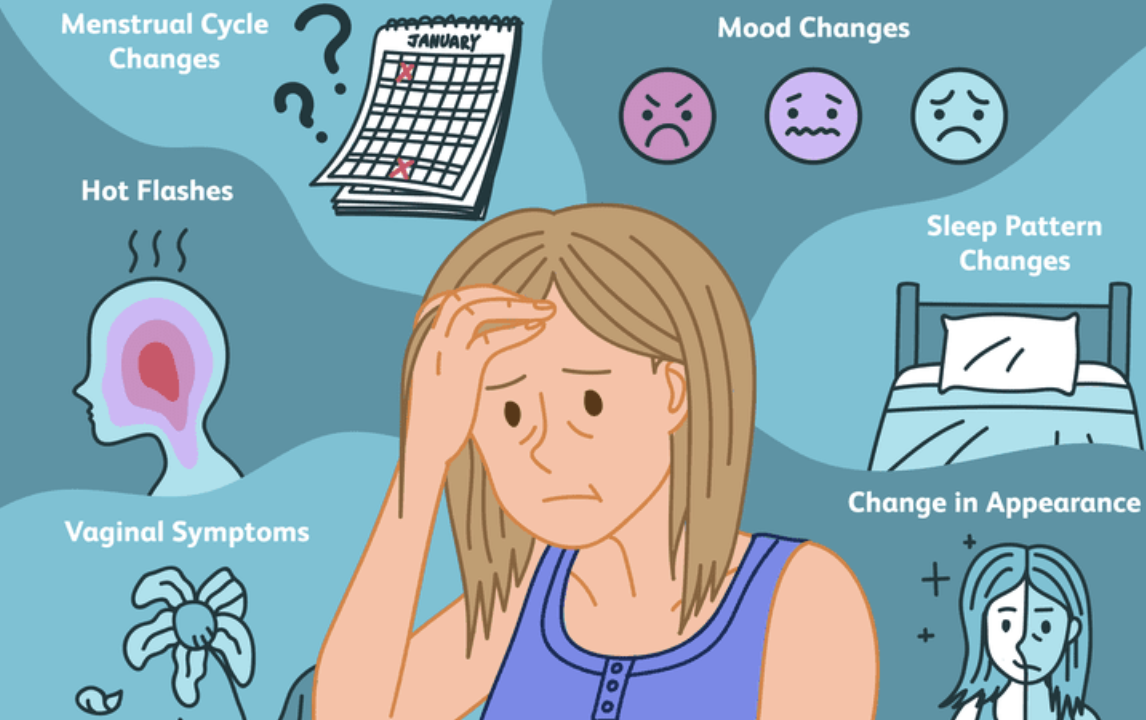
The 11 Key Symptoms You Can’t Ignore
Spotting changes early is your best tech tool for managing menopause—not just surviving it.
Every woman’s experience is unique, so recognizing your particular symptoms (and tracking them!) empowers smarter conversations with your care team.
Imagine being able to hand your provider a clear snapshot of your month with data-backed specifics instead of guesswork.
Irregular Periods and Bleeding Changes
Cycles can become wild cards:
- Longer or shorter than usual
- Heavier or lighter flow
- Months skipped entirely
Picture this: Your calendar isn’t much help as your period becomes unpredictable.
Urgent signs:
- Soaking through pads/tampons faster than 2 hours
- Bleeding between cycles
- Any bleeding after 12 months without a period
“Your period may rewrite its own rules—know when to call for backup.”
Hot Flashes and Night Sweats
A hot flash feels like your body’s suddenly cranked the heat from the inside out.
- Flushing, sweating, chills
- Minutes of intense discomfort
- Often triggers nighttime wake-ups
Up to 80% of women report hot flashes, and stress or caffeine can make them worse.
Sleep Problems and Insomnia
Falling asleep becomes a team sport with your symptoms:
- Difficulty drifting off
- Waking up at odd hours
- Early morning wakefulness
Poor sleep snowballs into brain fog, irritability, and daytime exhaustion.
Mood Changes and Emotional Shifts
Mood swings may feel like “living on shuffle mode.”
- Anxiety, irritation, sadness, even rage
- Emotional rollercoaster, sometimes out of nowhere
If you feel “not like yourself” persistently, flag it with your provider—20-30% experience significant mood changes.
Vaginal Dryness and Changes in Sexual Health
Common symptoms:
- Dryness, itching, discomfort
- Lower libido
- Increased UTIs or needing to pee more often
These shifts impact confidence and intimacy but are highly treatable.
Brain Fog and Cognitive Changes
“Where did I put my keys?”
- Trouble focusing
- Memory lapses
- Slower mental recall
Using apps or digital journals can spotlight patterns and help regain your edge.
Weight Gain and Changes in Body Composition
- Slower metabolism
- More weight around the abdomen
- Bloating, stubborn pounds despite usual routines
Unexpected rapid weight changes may signal an unrelated condition—track and discuss with your doc.
Joint, Muscle Pain, and Stiffness
- Achy hands, knees, back
- Morning stiffness that eases midday
Nearly half of women report this—pain in new spots deserves extra attention, especially if it’s severe.
Headaches and Fatigue
- More frequent headaches
- “All-day-tired” that sleep doesn’t fix
New or severe headaches are a cue to consult a doctor.
Heart Palpitations and Chest Discomfort
- Heart feels like it’s “fluttering” or racing
- Skipped beats
If you ever combine these with fainting, chest pain, or breathlessness, it’s a medical emergency.
Hair, Skin, and Nail Changes
Look for:
- Thinning hair
- Dryer, more sensitive skin
- Nails that split or break more easily
Jot down changes and share photos or logs with your provider.
Bonus: Less-Talked-About Signs
Don’t overlook:
- Tingling or numbness
- Tinnitus (ringing in ears)
- Burning mouth, taste changes
- Breast tenderness
- Body odor shifts
Logging symptoms—even the “weird” ones—makes a difference.
Logging your experience and using digital symptom trackers puts clarity and confidence in your hands, fueling smarter, more effective healthcare conversations.
“Data is power—your personal trends tell the real menopause story.”
“There’s no single ‘normal’—but there is a right time to speak up.”
When Menopause Symptoms Signal a Medical Red Flag
Urgent and Concerning Symptoms
Menopause often brings unpredictable changes, but some symptoms demand immediate attention.
Call your doctor within days—or sooner—if you notice:
- Heavy bleeding: Passing large clots or soaking through protection rapidly (think: standing up twice in an hour to change a pad—this isn’t normal).
- Bleeding after menopause: Any vaginal bleeding more than 12 months post-last period always needs evaluation.
- Severe mood changes: Persistent depression, anxiety, rage, or thoughts of self-harm.
- Debilitating joint or body pain: When pain stops you from daily activities or work.
- Severe palpitations, chest pain, or fainting: Especially if coupled with shortness of breath or dizziness.
If your symptoms disrupt your ability to function—don’t wait and hope for improvement. Imagine trying to present at a meeting while feeling dizzy or confused: it’s time to get help, not just soldier on.
“When in doubt, check it out”—the cost of a missed warning sign is too high.
Early or Unexpected Menopause
Spotting menopause symptoms before age 40 is a big red flag. If you're experiencing:
- Hot flashes
- Irregular periods
- Brain fog
- Vaginal dryness
- Hair thinning
- Mood swings or low libido
before age 40, this could be primary ovarian insufficiency or premature menopause.
Track your symptoms with a digital log or app, noting frequency, intensity, and associated lifestyle factors. This baseline fuels a more targeted discussion if you seek care—early diagnosis expands your treatment and fertility options.
“Data-driven self-monitoring is your best first move—bring real numbers, not just feelings, to your provider.”
Quality of Life Impact
Menopause that wrecks your sleep, erodes relationships, or tanks your work performance isn’t just frustrating—it’s actionable.
Document disruptions with:
- Symptom scorecards
- Work and relationship impact notes
- Screenshots from sleep or mood apps
With clear logs, you become an informed advocate—modern clinics respect the power of hard data.
Picture this: instead of saying “I’m exhausted,” you can show a week of lagging sleep scores and mood dips.
“Don't downplay life-altering symptoms; documenting them is step one to getting real solutions.”
If you're facing any symptoms that feel off, disruptive, or unsafe, the time to seek help is now—not someday. Early action protects your health, your wellbeing, and your future choices.
Getting the Right Care: How to Seek Help and Prepare
Who to Approach for Symptom Management
When menopause symptoms disrupt your life, knowing where to turn makes all the difference.
You’ve got options—primary care provider, gynecologist, or menopause specialist—and each offers unique benefits.
- Primary Care Providers can handle most menopause symptoms and help manage your overall health.
- Gynecologists often have deeper expertise in hormonal changes and reproductive health.
- Menopause Specialists (often found in larger clinics or online) are ideal for complex cases or persistent symptoms unresponsive to first-line care.
If your initial treatment isn’t working or if you notice severe bleeding, chest pain, or disabling mood changes, don’t wait—escalate to a specialist or seek urgent evaluation.
“Choosing the right provider is your first power move in the menopause journey.”
Preparing for Your Appointment
Arriving prepared leads to a smarter—and faster—game plan.
Here’s a checklist trusted by thousands of tech-savvy professionals:
- Symptom Tracker: Log what you’re experiencing, frequency, and severity; apps like My Luna or Balance can help.
- Medication Log: List any prescriptions, supplements, or over-the-counter treatments you’re using.
- Top Questions: Note what you want to ask (e.g., “What does this bleeding pattern mean?”, “Are digital therapies an option?”).
If you’re all about data, try exporting your trackers or using a printable template to bring visual context—providers love clear, organized info.
“Picture this: You hand your doctor a two-week symptom graph—they get insights in seconds, not stories. That’s next-level advocacy.”
Mapping Symptoms to Action Steps
Make your symptoms work for you, not against you—link experiences directly to interventions.
- Productivity-tanking hot flashes? Ask about hormonal and non-hormonal relief, plus potential tech-based solutions.
- Insomnia keeping you up? Review sleep trackers and flag disruptive patterns.
- Mood swings eroding work confidence? Document triggers and responses, making it easier to co-design solutions.
“When you show up empowered with data, your provider becomes your strategic partner—not just a problem-solver.”
Finding the right care isn’t about toughing it out—it’s about owning your wellness and maximizing every appointment. Arrive prepped, advocate boldly, and remember: Sharing your data isn’t just smart, it’s the fastest way to solutions that fit your life.
Tech-Savvy Strategies for Managing and Monitoring Menopause Symptoms
Innovative Tools and Approaches
Picture this: it's 7 AM, and your smartwatch pings you with a gentle nudge—reminding you to log last night's sleep quality, your mood, and that unexpected hot flash.
Digital tracking tools are reshaping how you spot, record, and adapt to menopause symptoms.
Here’s how modern tech puts you in the driver’s seat:
- Symptom tracking apps (like Balance, Clue, or Apple Health) let you capture period changes, hot flashes, and even mood swings—all in one dashboard.
- Wearables track heart rate, temperature, sleep, and physical activity to reveal real trends.
- AI-powered tools (think: apps with analytics, or personalized health dashboards) analyze symptom patterns, highlight triggers, and may suggest new management tactics based on your data.
The key takeaway: “Your phone can’t diagnose you, but it can absolutely help you explain yourself.” Bringing these logs to your provider speeds up conversations and helps you get real solutions faster.
Practical Steps to Take Now
You don’t have to commit to a whole new dashboard—or become a spreadsheet wizard overnight.
Try these fast, low-lift routines:
- Set a daily reminder (on your phone or watch) to log key symptoms: sleep quality, mood, energy, bleeding, and pain.
- Tag life events or stressors that may affect symptoms, so you (and your provider) can spot patterns.
- Rate each symptom (mild/moderate/severe) and note when it interferes with work or relationships.
For each common symptom group, try:
- Sleep problems: log hours slept, how refreshed you feel, and note disruptions.
- Hot flashes/night sweats: track timing, duration, and what you were doing beforehand.
- Mood or brain fog: record emotional shifts or mental lapses with time of day.
- Physical symptoms (joint pain, headaches, changes in weight): jot down severity and any triggers.
If you notice:
- Rapid changes
- Symptoms during work or tech use
- Impact on daily performance
…use these as signals to reach out for extra help.
Why Data Matters to You
Busy professionals love data for a reason—it makes conversations with healthcare smarter, shorter, and more effective.
“Turn your day-to-day experience into actionable insight—with just a few taps.”
Try two apps, see which feels right, and start with just three symptoms for a week.
Tracking your menopause journey is as much about empowering yourself as it is about finding relief. The more you know, the better—and faster—you can steer your care.
Building Your Personalized Menopause Action Plan
Turn Your Data Into Decisions
Picture this: You’re headed to your provider, armed with a digital log of symptoms—not just vague notes but clear trends showing when and how symptoms hit.
Nearly 68% of women say they wish they’d tracked their menopause symptoms earlier. With tools like balance (the menopause app) or even a simple spreadsheet, you create a real-time map of your journey.
- Track hot flashes with timestamps for pattern-spotting
- Log mood swings and sleep disruptions by severity
- Record any bleeding changes including duration and flow
High-quality logs turn guesswork into targeted discussions with your care provider, streamlining shared decisions.
“Data turns you from a ‘patient’ into a collaborator.” Providers love when you’re ready with details—it means faster answers and tailored solutions.
Adjust As You Grow
Think of menopause like a marathon, not a sprint—your strategy will change mile by mile.
One month, sleep issues may top your list. Next, you might be dialing in on brain fog or body changes.
Stay flexible:
- Review your symptom data monthly
- Test different lifestyle tweaks or treatments
- Update your action plan as symptoms shift
Future-you will thank present-you for this proactive approach. Sharing symptom trends with healthcare teams lets you and your provider problem-solve in real time, not play catch-up.
Don’t Go It Alone: Tap Into Expert Support
Connect your plan to the bigger picture—like the Menopause Roadmap—so you’re not reinventing the wheel each time something new pops up.
- Rely on reputable trackers and support communities
- Bookmark core resources for when new symptoms arise
- Bring your logs to every major appointment
“Tools are powerful, but so is community—share what works and learn as you go.”
A strong menopause action plan is dynamic, not static. If you keep your logs up-to-date and revisit your approach every few months, you’ll be ready for whatever happens next—empowered, not overwhelmed.
Conclusion
Your menopause journey doesn’t have to be a guessing game or a solo mission. When you bring clarity, data, and a proactive mindset, you transform surprises into insights—and discomfort into actionable plans.
Equipping yourself with knowledge and digital tools puts you firmly in the driver’s seat. Whether symptoms are subtle or disruptive, you now have the power to spot patterns, communicate confidently with your provider, and get solutions that work for your life.
Here’s how you can put it all into motion:
- Start tracking your symptoms today—even a basic log is better than relying on memory. Consistent tracking helps you spot trends and triggers faster.
- Leverage digital tools and wearables for smarter symptom monitoring—it’s like building your own health dashboard.
- Bring your symptom data to every appointment so your conversations are focused, actionable, and tailored to your individual needs.
- Flag any “red flag” symptoms immediately—if something feels off, trust your gut and get it checked.
- Update your action plan regularly as symptoms, routines, or goals change, keeping your approach flexible and effective.
You don’t have to wait for symptoms to control your day or derail your work. Start logging, stay curious, and partner with your healthcare team for solutions that fit your unique experience.
Give yourself the gift of proactive care—because every insight you track today is an investment in your future wellbeing.
“Own your symptoms, tell your story, and turn data into real life-changing answers.”