
Key Takeaways
Menopause weight gain can feel frustratingly inevitable, but actionable strategies and science-backed solutions put control back in your hands. Below you'll find the most practical, high-impact insights from our expert guide—designed for maximum scannability and real-world results.
- Hormonal changes drive midlife weight gain, with estrogen drops and lower muscle mass causing your metabolism to slow by up to 2% per decade—making fat more likely to settle around your waist.
- A Mediterranean-style, high-protein, high-fiber diet is your gold standard for managing weight—aim for 1.0–1.2g protein/kg body weight and 25–30g+ fiber daily for sustained satiety and energy.
- Pair 150+ minutes of weekly cardio with 2–3 resistance sessions to combat natural muscle loss, rev up metabolism, and shrink stubborn midsection fat—consistency > intensity.
- Track progress using apps or simple logs; just monitoring meals and movement can boost weight-loss results by 30% and make healthy routines stick.
- Set specific, manageable goals (like 5–10% weight loss or 3cm off your waist in 8–12 weeks) and break them into weekly milestones for renewed motivation and measurable progress.
- Address menopause symptoms (sleep loss, hot flashes, mood swings) proactively—with MHT, nonhormonal therapies, or CBT—to make sticking to healthy habits far easier.
- GLP-1 agonists and bariatric surgery offer advanced options when lifestyle changes aren’t enough, delivering up to 20–26% weight loss (GLP-1) or 60–70% excess weight loss (surgery) for qualified candidates with clinical support.
- Personalize your plan by tracking not just weight, but also sleep, mood, waist size, and energy—adjust and celebrate wins regularly to stay on course for lasting results.
Ready to take charge of menopause weight management? Dive into the full article for expert-backed actions you can start applying today—no crash diets or unrealistic promises, just science-powered, practical steps for real life.
Introduction
You put in the work—balanced meals, daily walks, even standing desk marathons—yet the number on the scale keeps creeping up around menopause. Sound familiar? Nearly two-thirds of women notice stubborn weight gain during this phase, with their waistlines changing shape even if their routines haven’t.
It’s not just you, and it’s definitely not “willpower.” Science shows that shifting hormones, metabolic slowdowns, and real-world stressors each play a role in these changes. The good news? There are practical, data-backed strategies to help you manage midlife weight on your terms—no crash diets or guilt-trips required.
This guide is designed for professionals who value actionable insights, crave a clear “why,” and want smart, efficient methods to reach and maintain their healthiest weight—without turning their lives upside down.
Here’s what you can expect:
- The real science behind menopause and weight gain (hint: it’s more complex than calories in, calories out)
- Nutrition strategies based on metabolic research—think Mediterranean, not deprivation
- Exercise frameworks built for busy schedules and tailored for lasting results
- Behavioral tools to boost motivation, resilience, and accountability (with help from tech and community)
- Innovative approaches to managing menopause symptoms that interfere with your goals—plus when to consider advanced therapies
You’ll find solutions that mix clinical expertise with relatable, real-life scenarios, ensuring each tip is both credible and genuinely doable for your lifestyle.
Ready to make sense of the hormonal noise and map out a personalized, stigma-free plan?
Let’s start by unpacking the true drivers behind menopause-related weight gain—and why understanding them is your first step toward real change.
Understanding Menopause-Related Weight Gain
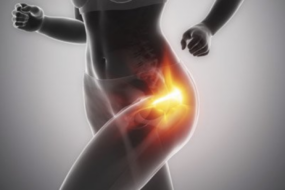
Menopause doesn't just bring hot flashes—weight gain is one of its most commonly reported side effects. Nearly two-thirds of women experience noticeable changes in their weight and waistline during this transition, even if their habits haven't changed much.
What’s Really Driving the Change?
The main culprit: hormonal changes.
- Estrogen levels drop, while androgen (a type of hormone) rises, causing the body to store more fat around your abdomen and less in other areas.
- This hormonal shift slows down metabolism and changes how your body distributes fat.
- Muscle mass naturally declines after age 40, meaning you burn fewer calories at rest—sometimes up to 2% less every decade.
“Imagine your body switching from burning calories with ease to storing extra around your midsection, almost overnight.” This isn't just a feeling—it's measurable. On average, women in midlife gain about 1.5 pounds per year, primarily as abdominal fat.
Age, Menopause, and More: It’s Not All Just Hormones
Weight gain during menopause isn’t caused by hormones alone.
- Aging slows metabolism and decreases muscle mass.
- Less activity means fewer calories burned daily.
- Life stressors, sleep loss, and mood fluctuations disrupt healthy routines and can drive emotional eating. Studies show sleep disruptions can increase cravings for sugary, high-calorie foods by 30% or more.
It’s common to feel frustrated, especially when eating habits haven’t changed but the scale does. But you're not doing anything “wrong”—it’s a convergence of biology and lifestyle.
Rewriting the Story: Stigma-Free & Self-Compassionate
Let’s be clear—weight changes at menopause are normal, not a moral failing.
- Stigmatizing yourself or others about weight gain does nothing to protect health.
- Body-positive mindsets support sustainable change. Research shows those who focus on “what feels good” rather than “what looks good” are 2X more likely to stick to healthy habits.
Picture this: You notice your jeans fit differently—not because of “bad choices,” but because your hormones and life stage are shifting. The best response? Knowledge, not blame.
Understanding the root causes—from hormones to lifestyle—lets you make informed, stigma-free choices. The key is seeing midlife weight changes as a natural transition, not a personal failure, which sets the stage for realistic and effective management.
Nutrition and Dietary Strategies
Why Nutrition Needs Shift in Menopause
If you’ve noticed weight creeping up as you navigate menopause, you’re not alone.
Research shows that a modest 500-calorie daily deficit – roughly 1,300–1,500 kcal/day for many midlife women – can help achieve a meaningful 5–10% weight loss.
That 5–10% isn’t just a number: it’s a sweet spot where metabolic health and symptoms improve, especially when paired with smarter food choices.
“Think of your new plate as energy-efficient fuel for your next chapter—not a punishment.”
The Mediterranean and Plant-Forward Advantage
Hands down, a Mediterranean-style or plant-focused eating plan is the most evidence-backed, real-world approach for menopause weight management.
These patterns consistently:
- Preserve muscle mass (crucial as you age)
- Drive down visceral fat (the stubborn midsection type)
- Improve cholesterol and blood sugar numbers
A typical Mediterranean meal might look like:
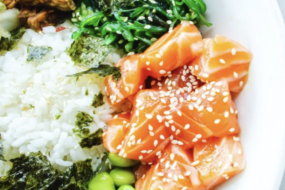
- Grilled salmon, a hearty scoop of lentil salad, roasted vegetables, and a drizzle of olive oil
- Snacks: a small handful of almonds and fresh fruit
Not a fish eater? Swap in beans, chickpeas, or tofu.
High-Fiber and Protein: Your New Best Friends
Eat for lasting fullness and steady energy by mixing:
- Plant-based proteins (tofu, tempeh, lentils, beans)
- High-fiber grains (oats, brown rice, farro)
- Leafy greens, colorful veggies, berries
Daily targets to consider:
- Protein: Aim for 1.0–1.2g/kg of body weight—translate that to about 20–25g protein per meal
- Fiber: Shoot for 25–30g+ per day for optimal satiety
Add avocado on toast or chia in your yogurt for an effortless nutrition boost.
What to Limit—Without Deprivation
Be choosy with foods notorious for fueling weight gain, such as:
- Alcohol (especially sugary mixers and wine)
- Sugar-sweetened drinks
- Processed snacks, pastries, chips
- Refined white bread, pasta, and rice
“One glass of wine adds 120–150 calories—those tally up fast!”
Personalizing Your Plate for Real Life
Navigating food allergies, cultural traditions, or picky eaters at home? No problem.
Personalize by:
- Swapping proteins and grains for what’s accessible and preferred
- Planning Mediterranean-style bowls that celebrate your favorite regional flavors
- Using apps or food logs to spot hidden calories and stay accountable
Picture this: Sunday meal-prep means baked chickpea falafel, chopped veggies, and a few make-ahead whole-grain salads—a workweek win.
Meal planning isn’t about perfection, but progress.
Key Takeaway
The most effective menopause nutrition strategy combines slight calorie reduction, high-fiber Mediterranean meals, and intentional protein—all tailored for your tastes and lifestyle.
Small, sustainable shifts beat crash diets every time.
“Every plate is a fresh opportunity to nourish yourself and reinvent your energy—no deprivation needed.”
Exercise and Physical Activity Framework
Staying active isn’t just smart—it’s one of the most effective ways to manage menopause weight gain and fuel long-term vitality.
Combining aerobic and strength training creates a powerful one-two punch: aerobic activity taps into fat stores, while resistance work keeps your metabolism revving by preserving muscle.
Why Both Cardio & Strength Matter
As estrogen drops, muscle tissue declines by up to 1-2% per year after age 50, and this directly slows metabolism.
Aerobic exercise burns calories, but only pairing it with twice-weekly strength sessions shields you from midlife muscle loss and stubborn fat accumulation—especially around the belly.
Picture this: a 54-week exercise-plus-diet program helped women not just lose weight, but literally shrink their waistlines (measured by cm lost) and maintain results for years.
Optimal Weekly Targets & Example Routines
The sweet spot?
- At least 150 minutes/week of moderate aerobic exercise (think: brisk walking, cycling, swimming, or even fun group classes).
- Strength/resistance training 2–3 days per week:
- Full-body moves like squats, lunges, push-ups, or resistance-band circuits.
- Major muscle groups: legs, hips, back, chest, arms, and core.
Want extra credit? Sneak in balance and flexibility work with yoga or Pilates for resilience and ease.
Overcoming Common Barriers
Let’s get real: lack of time, joint pain, or plain old motivation trip up even the best intentions.
Try these:
- Stack workouts onto habits you already have (a walk after lunch, a quick stretch before coffee).
- Choose low-impact methods—Nordic walking and water aerobics are joint-friendly and effective.
- Track progress using fitness apps or simple paper charts to spot wins and keep yourself accountable.
If safety is a concern, consult a trainer or physical therapist for tailored routines.
Science, Consistency & Real-World Wins
Muscle preservation is your anti-slowdown secret. Resistance training can actually increase fat-free mass and boost resting metabolism, keeping weight gain from sneaking up on you.
“The best fitness plan is the one you’ll actually stick with”—start with what you enjoy today, and keep layering on challenge as you build confidence.
Consistent movement, not perfection, is what turns short-lived resolutions into lasting change.
The bottom line: The most effective menopause weight control plan blends aerobic exercise, strength training, and real-life flexibility. Even small, regular actions add up to big results—so start where you are, and keep moving forward.
Behavioral and Psychological Tools for Sustainable Change
Why Mindset Matters: Your Brain is Your Best Weight Tool
Managing menopause weight isn’t just about what you eat or how much you move—it starts with your thoughts, habits, and support systems.
Tracking what you eat, how you move, and your changing body numbers with food/activity logs, digital apps, or regular check-ins can double your chances of lasting results.
Picture this: opening an app after lunch, jotting down your meal, and instantly seeing where you stand—simple, actionable, and eye-opening!
Setting Powerful, Motivating Goals (and Hitting Them!)
Data backs it up: setting a clear goal to lose 5–10% of your body weight can lead to measurable improvements in both menopause symptoms and metabolism.
The magic is in breaking big goals into smaller, weekly milestones, like tracking daily steps or adding one more veggie per meal.
Here’s how to get started:
- Set an initial target (ex: 5% weight loss, or 3cm off your waist in 8–12 weeks)
- Pick a daily behavior to track (water intake, step count, sleep hours)
- Celebrate every milestone, even the “small wins”—motivation is renewable energy
Outsmarting Triggers and Building Resilience
Menopause can be a trigger-happy season—stress, sleep loss, or tough days can spark mindless eating.
Use problem-solving tools to:
- Spot your personal eating triggers (boredom, late nights, social weekends)
- Plan simple, healthier alternatives you’ll actually use (fruit on desk, evening walk)
- Scope out “bounce-back” plans for slipups, because setbacks aren’t failures—they’re feedback
A recent structured program found that integrating habit troubleshooting with goal-setting produced an average 3.8–4.5 kg weight loss and a 5.7–6.5 cm waist reduction, plus improved psychological well-being.
Strength in Numbers: Support and Accountability
Here’s the secret sauce: accountability.
Women who check in with a friend, join a coaching group, or connect with a telehealth support team lose more weight and stay on track longer.
Try these fast-acting support strategies:
- Buddy up with a colleague or friend for daily check-ins
- Join an online group or coaching program for expert feedback
- Use telehealth for customized accountability—perfect for busy workdays
The Real Win: Emotional Health and Education
Emotional eating and self-criticism spike during menopause, but educational support and a little self-compassion change the game.
Programs that explain “why” menopause shifts weight—like estrogen’s link to cravings or sleep loss—boost adherence and confidence.
“Understanding your why is as powerful as any diet rule you can follow.”
Bringing mindset, support, and education together is the difference between short-term weight loss and true, sustainable change.
When you treat your brain and your habits as allies, each small win adds up—creating a track record of progress you’ll want to celebrate.
Managing Menopause Symptoms That Interfere with Weight Control
Why Symptoms Make Losing Weight Tougher
Menopause brings more than just hot flashes—it delivers a one-two punch with vasomotor symptoms, poor sleep, and mood swings that can derail even your best weight management intentions.
Just imagine: after a night of restless sleep and multiple hot flashes, your motivation for a morning workout is gone, and cravings for carbs spike by lunchtime.
Research consistently links sleep disruption and hot flashes with greater weight gain and difficulty losing pounds during menopause.
Hormone Therapy and Weight Management
Menopausal hormone therapy (MHT/HT) isn’t a magic weight-loss pill, but here’s the real-world impact:
- MHT is generally weight-neutral—it won’t cause weight gain.
- By dramatically improving hot flashes and sleep quality, MHT can help you stick to healthy habits.
- Evidence suggests modest reductions in abdominal fat and improved metabolic health, although results aren’t guaranteed for everyone.
“Treat the symptoms, and often lifestyle wins follow—one good night's sleep can kickstart momentum.”
Nonhormonal Solutions: Options That Don't Derail Progress
If you’re not a candidate for hormones, or just not interested, nonhormonal symptom relief can still boost your weight-control game:
- Cognitive Behavioral Therapy (CBT): Effective for hot flashes, night sweats, and insomnia—CBT helps you manage triggers that often lead to emotional eating.
- Clinical Hypnosis: Shown to significantly reduce vasomotor symptoms, making healthy routines easier to maintain.
- Weight-neutral medications: Options like venlafaxine, desvenlafaxine, and fezolinetant tackle symptoms without adding pounds, unlike other symptom-control drugs.
Picture this: With severe hot flashes managed, your sleep improves, your mood stabilizes, and you finally feel up for that afternoon walk.
Coordinating Symptom Relief for Better Results
Here’s how to multiply your success:
- Partner with your care provider to align treatment for symptoms with your weight goals.
- Use symptom relief to “unlock” healthy routines—every improvement in sleep or mood frees up energy for exercise and meal planning.
- Ask about integrated programs: Clinics offering menopause and weight management together often report better results.
One midlife group program found women lost 3.8–4.5 kg and cut 5.7–6.5 cm from their waist—most reported fewer symptoms and easier lifestyle changes at the same time.
When you target both symptoms and weight, it’s not just pounds that come off—your confidence and quality of life go up.
The actionable win: Get menopause symptoms under control—whether that’s through therapy, medication, or daily strategies—and you’ll find the path to sustained weight management becomes far more manageable and motivating.
Medical Options: When and How to Consider Advanced Therapies
Deciding If Medical Therapies Fit Your Menopause Weight Journey
If lifestyle changes alone aren’t moving the needle, medical therapies for menopause weight gain may be worth exploring.
Current guidelines point to these criteria for pharmacologic options:
- BMI of 30+, or BMI 27+ with a related condition (like high blood pressure, diabetes, or sleep apnea)
- Prior attempts with evidence-based diet and exercise approaches
Picture this: You’ve tracked meals, increased daily steps, and muscle-trained, but your scale and labs still raise red flags—advanced therapies might be the logical next step.
“When lifestyle upgrades stall, medical options can help unlock meaningful, lasting weight reduction.”
Fast Facts on GLP-1 and GLP-1/GIP Agonists
GLP-1 agonists (like semaglutide and tirzepatide) are changing the game. In studies of women with overweight or obesity:
- Tirzepatide delivered 20–26% weight loss compared to placebo, with reductions in waist size and improved metabolic health
- Improvements held firm across pre-, peri-, and postmenopausal women
- Real-world cases show even more weight loss (up to 17%) when combined with menopausal hormone therapy
These injectables often run $900–$1,300 per month without insurance—so expect to weigh benefits, costs, and coverage with your provider.
“GLP-1 medicines are the closest thing we’ve seen to a metabolism reset—just add medical supervision and honest budget talk.”
Surgical Solutions: When Bariatric Surgery Makes Sense
For some, bariatric surgery (think gastric sleeve or bypass) is the safest, most effective route—especially when:
- BMI is 40+, or BMI 35+ with serious health risks
- Proven weight management programs and medications haven’t hit the mark
Expectations post-surgery are impressive:
- Typical results include 60–70% excess weight loss
- Major improvements in diabetes, cholesterol, blood pressure, and quality of life
Surgery requires dedication: lifestyle coaching, regular checkups, and support teams are part of the ongoing plan.
“Surgery isn’t an ‘easy way out’—it’s a powerful tool that works best as part of a supportive, multidisciplinary approach.”
How to Take Action (with Clinical Backup)
Navigating these advanced therapies means partnering closely with obesity medicine and menopause specialists. Their expertise ensures:
- Thorough assessment of your health and risks
- Personalized guidance and progress tracking
- Ongoing help adjusting medications or strategies as your body and life change
Whether you’re considering a GLP-1 agonist, combining therapies, or exploring surgery, your best results will come from collaboration, data, and honest conversations.
Remember, menopause-related weight gain isn’t a personal failure—it’s a medical challenge with smart, effective solutions if you're ready to explore them deeply.
Building a Personalized Action Plan: Clinical and Self-Directed Steps
Creating a personalized menopause weight management plan means moving beyond generic advice and dialing in what actually works for your body—and your life.
Think of it as your own daily playbook, grounded in clinical best practices and real-world troubleshooting.
The Three-Step Clinical Framework
Start with this powerful three-step method, which most menopause clinics use:
- Assessment:
- Medical and menopause symptom history
- Measurements: weight, waist, BMI, labs (glucose, lipids, thyroid, etc.)
- Personalized prescriptions:
- Diet: 500 kcal/day deficit (1,300–1,500 kcal for most), Mediterranean-style, high in fiber and protein
- Exercise: ≥150 min/week aerobic + 2–3 strength sessions
- Symptom management: MHT or nonhormonal options as needed
- Behavioral tools: self-monitoring, goal tracking, problem-solving
- Regular follow-up:
- Review habits, adjust plan, address barriers, celebrate progress
Pro tip: Even just tracking weight and waist monthly boosts success rates by 30% in behavior-based programs.
What to Track (and Why It Matters)
To keep your plan data-driven and personal, watch these key metrics:
- Weight and waist circumference
- Sleep quality and symptom changes
- Blood pressure, lab markers (if available)
- Mood, energy, and workout consistency
You’ll spot patterns and progress fast—nothing says “keep going” like shrinking numbers on a tape measure.
Crafting Your Balanced, Flexible Plan
Here’s a template you can use (or screenshot for later):
- Short-term (8–12 weeks):
- Set a 5% weight loss target
- Log meals using an app 3–4 days/week
- Do 2 cardio sessions + 2 strength workouts/week
- Sleep wind-down routine nightly
- Longer-term (3–12 months):
- Move maintenance calories up as you approach goal
- Add variety: new recipes, group classes, mindfulness
- Schedule regular health check-ins—every 3–6 months
Picture this: You’re organizing your plan like a series of “sprints and upgrades,” not endless restriction. Each small milestone is a reason to text a friend or add a gold star to your calendar.
Staying Dynamic: Collaborate, Adjust, Celebrate
The most successful menopause weight plans are living documents, always evolving.
- Work with your provider to tweak meds, adjust macros, or troubleshoot symptoms
- Reassess every 4–12 weeks—what’s working? What needs adjusting?
- Celebrate wins (big or small): new jeans, improved labs, fewer hot flashes
Remember: “Personalization isn’t a luxury—it’s your secret weapon for lasting results.” Your best menopause body plan is flexible, data-driven, and always in sync with your real-world life.
With a clear roadmap, regular tracking, and permission to pivot, you stay in the driver’s seat—no matter where your menopause journey takes you next.
Conclusion
Successfully managing menopause weight gain isn’t about perfection—it’s about equipping yourself with practical strategies, self-compassion, and real science that support your goals and fit your actual life.
By taking control of this transition, you’re not just tackling numbers on the scale; you’re investing in your health, energy, and confidence for the long haul.
Here’s how you can create real momentum right now:
- Personalize your nutrition: Shift to a Mediterranean-inspired meal plan focused on fiber and protein, not deprivation.
- Pair cardio with strength: Aim for at least 150 minutes a week of movement plus two strength sessions to protect muscle mass and boost metabolism.
- Upgrade your mindset: Track progress, set bite-sized goals, and celebrate every win—motivation builds on itself.
- Support your symptoms: Work with your care team to address sleep, mood, or hot flashes—small changes here can unlock bigger lifestyle victories.
- Collaborate and adjust: Stay flexible and check in with your health provider to optimize your plan and troubleshoot together.
The most powerful next step you can take?
Start tracking one key behavior today—like your meals, steps, or sleep—and notice how even the smallest tweaks can spark big results. Reach out to your healthcare team if you need extra support or want to explore tailored therapies.
Midlife isn’t just a challenge—it’s your launchpad. When you approach menopause with the right tools and intentional action, you rewrite your health story for years to come.
You’ve got this—the best version of your energy and well-being is just getting started.