Key Takeaways
Ready to take your nails from damaged to healthy—no salon required? These actionable takeaways distill the must-know facts and easiest fixes so you can restore your nails from the comfort of home. Scan, implement, and get back to confidently showing off your hands.
- Consistent, daily nail care—including regular trimming, gentle filing, and cuticle oil application—cuts recovery time in half and prevents future breaks.
- Avoid harsh habits like biting, picking, or using acetone removers; instead, wear gloves for wet work and swap in nourishing oils after every hand wash for fast, visible gains.
- Moisture is your main weapon—applying coconut or olive oil after every wash and using simple at-home soaks increases nail strength by up to 30% in 4 weeks.
- Smart nutrition fuels repair—focus on biotin-rich foods (eggs, nuts, leafy greens) and consider supplements for faster, stronger nail growth.
- DIY soaks and targeted masks (like warm olive oil, honey + oil, or egg yolk masks) address specific issues—think brittle, stained, or peeling nails—in just 10–15 minutes per session.
- Use the “tea bag patch” method for quick fixes—reinforce splits instantly with a teabag and clear polish, extending nail life by another week, even in emergencies.
- Set a repeatable routine—link nail care to existing habits (like during screen breaks), and track progress with weekly photos for visible results in 2–4 weeks.
- Know when to seek professional help—symptoms like pain, pus, or sudden color changes require expert care, ensuring you never risk your health for home fixes.
Implement even a few of these proven strategies and you'll see faster healing, fewer splits, and nails that actually keep up with your busy, tech-driven schedule—so go ahead, dive into the full article for step-by-step instructions and pro-backed routines.
Introduction
You’ve got a big presentation tomorrow, you’re prepping lunch, and—ouch—your nail snags on your laptop. Sound familiar? Over 60% of professionals experience nail splitting and weakness each year, often thanks to daily habits most of us hardly notice.
Damaged nails aren’t just a cosmetic worry; they’re a loud signal from your body about stress, wear, and sometimes, what’s missing in your routine. If you’re constantly battling brittle edges, splits, or stains, you're not alone—digital lifestyles and frequent handwashing make nail recovery a hassle for even the savviest professionals.
Here’s the game-changer: you can repair most nail issues at home—without expensive treatments, mystery serums, or disrupting your workflow. Whether you’re a marketer hammering out content, a business leader in back-to-back calls, or a tech enthusiast building your next automation, taking control of your nail health is both quick and surprisingly efficient.
In this guide, you’ll discover:
- What actually causes nail damage (and why it’s not just about polish remover)
- Simple, science-backed routines that fit into any schedule
- Quick fixes—for everything from irritating splits to stubborn stains—that actually work
- DIY soaks and emergency patches with ingredients you already have on hand
- How to spot the difference between routine wear and warning signs that need a doctor’s advice
Think of healthy nails like a well-tuned workspace: a little daily care results in smoother performance, fewer interruptions, and less frustration when the pressure’s on.
Ready to see stronger, smoother nails—no matter how packed your to-do list? Let’s unpack the fundamentals of nail damage and go step-by-step toward recovery that actually lasts. Your hands (and your deadlines) will thank you.
Understanding Nail Damage and Healing Fundamentals
You use your hands for everything—typing, cooking, life—so it’s no surprise nail damage sneaks in when you least expect it.
Daily habits like biting, picking, or using harsh removers lead the charge. Add frequent wet work (think dishes or cleaning) and exposure to cleaning agents or hand sanitizers, and you’ve got a recipe for weak, brittle, or peeling nails.
Most Common Causes: Picture Your Routine
- Nail biting or picking
- Excessive hand washing or sanitizer use
- Chemical cleaners without gloves
- Frequent gel or acrylic manicures
- Sports injuries or accidental trauma
Even typing all day can chip away at nail edges over time.
Healing—Not Instant, but Proven
Here’s a fact: Fingernails grow about 3 mm per month. Full healing from visible damage may take three to six months—that’s how long it takes a new nail to grow from base to tip.
Minor chips and splits may improve in just a week or two with proper care. But deep injuries or repeated trauma? They’ll take longer and require extra vigilance.
Red Flags vs. Routine Damage
Spotting the difference between “annoying” and “serious” is key:
- Reversible signs:
- Surface peeling or splitting
- Mild discoloration or ridges
- Dry, brittle texture
- Serious concerns:
- Severe pain or throbbing
- Pus, bleeding, or rapid shape change
- Black or brown streaks
If you see these major symptoms, it’s time to consult a pro.
What Slows (or Speeds Up) Recovery?
Delayed healing is often caused by:
- Nutritional gaps: Low in biotin, zinc, or protein
- Ongoing trauma: Frequent manicures, biting, or harsh removers
- Underlying health issues: Thyroid problems, anemia, or circulation difficulties
Want to speed up healing? Focus on protective routines, moisture, and a nutrient-rich diet.
Why Consistency Changes Everything
Nails thrive on steady care. Think of at-home routines as “skin care for your fingertips”—what you do daily directly impacts long-term strength and recovery.
Actionable tip: Even small, consistent changes—like applying oil after every wash—can cut recovery time in half.
Whether your nails are brittle, stained, or healing from an injury, knowing these fundamentals helps you choose truly effective remedies. Healing starts with understanding, and lasting results are built, not bought.
Laying the Groundwork: Daily Basic Care and Protective Habits
Starting with healthy daily habits is the fastest way to repair damaged nails and keep problems from getting worse.
With the right approach, you’ll prevent further splits and set up every nail for a strong recovery—no fancy salon products needed.
Core Daily Steps for All Nail Types
Picture this: you’re typing away at work, your day is packed, but your nails keep catching on everything.
Prevent this instantly by following these essentials:
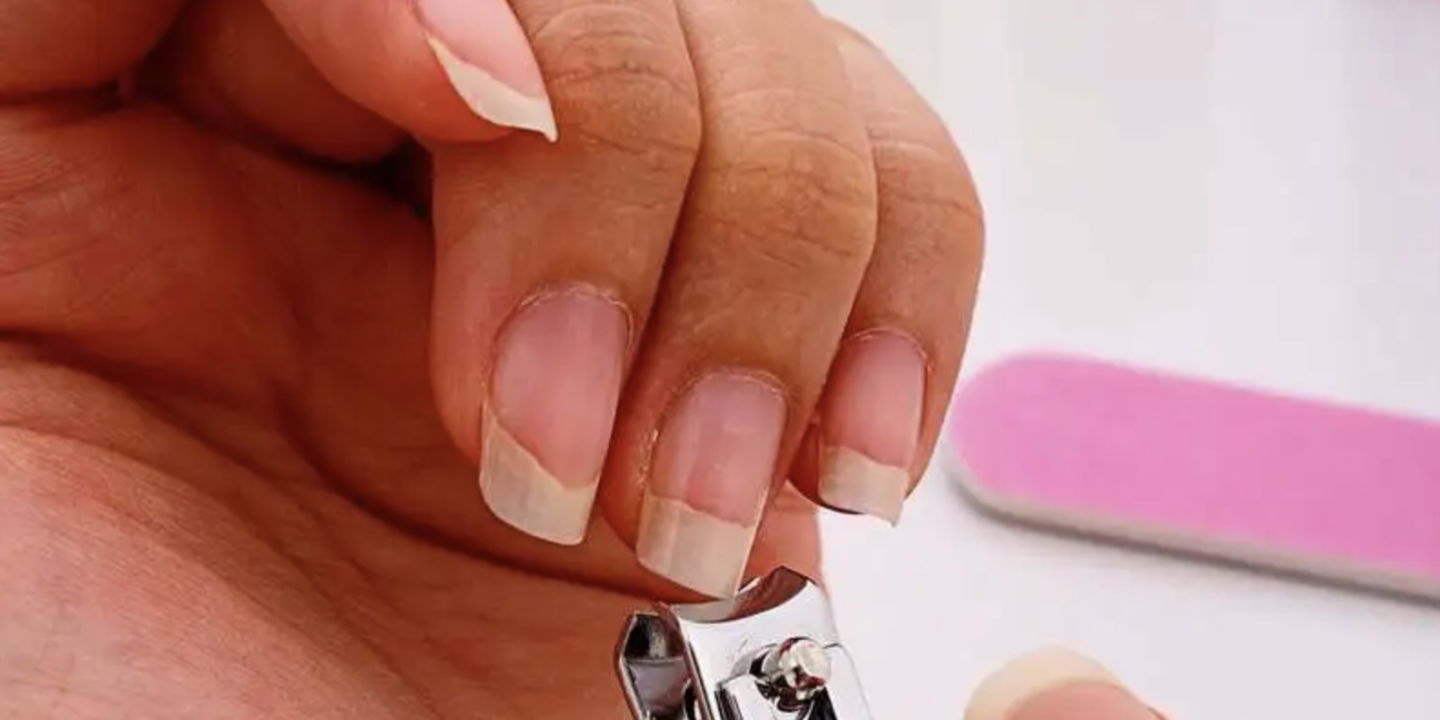
- Trim nails short, smooth, and rounded—aim for just past the fingertip.
- Use a fine-grit file, moving in one direction only (no see-saw motion) to gently shape and avoid snags.
- File after bathing or a soak when nails are soft, making breaks less likely.
Pro Tip:
“Keeping nails neat and smooth today means fewer painful surprises tomorrow.”
Breaking Bad Nail Habits—A Worthwhile Game Changer
Some of the toughest nail damage comes from what you do without realizing:
- Avoid biting, picking, or peeling at damaged nails.
- Skip acetone-based removers if your nails are thin or splitting.
- Wear gloves for dishes, cleaning, gardening, or anything wet or chemical-heavy.
It’s the small switches—like ditching harsh removers—that often cut recovery time in half.
“Swap biting for a quick oil massage and watch your nail turnaround begin.”
Moisture: Your Secret Weapon for Recovery
Dry nails break, peel, and split more—so give them what they crave:
- After every hand wash, apply a thick, unscented cream or natural oil (coconut, jojoba, olive, argan) over nails and cuticles.
- At night, try an oil massage followed by cotton gloves to lock in deep moisture.
- For ultra-dry or brittle nails, increase oil use to two or three times daily.
“A quick rub of coconut oil after washing can mean the difference between strong growth and another setback.”
Nutrition—Supporting Repair from the Inside Out
The real magic happens when self-care meets smart nutrition:
- Prioritize foods rich in biotin, protein, iron, zinc, and vitamins A/C/E—think eggs, nuts, beans, salmon, and leafy greens.
- If nails are especially thin, ask your clinician about biotin supplements (many report tangible strength in 2–3 months).
Statistics show that consistent, nutrient-rich eating plus smart at-home care may cut recovery times by up to 30%.
A simple, repeatable routine—trim, protect, hydrate, and nourish—is your blueprint for real repair.
Do these small things every day and you’ll see fewer breaks, softer cuticles, and a faster, frustration-free journey back to healthy nails.
Step-by-Step DIY Soaks and Moisture Rituals
Choosing the right nail soak can mean the difference between short-term relief and genuine repair.
You’ll want to match the treatment to your problem: dry, brittle, stained, or peeling.
- For brittle or splitting nails: go for warm olive oil soaks (2–3× weekly)
- For severe dryness or post-polish damage: use a coconut oil massage (daily)
- For stained, rough nails: try a honey + olive oil soak
- For a strength boost: add sea salt & lemon oil to your routine
A single session only takes 10–15 minutes, and ingredients cost less than a cup of coffee.
“A five-minute soak could keep your nails out of the salon for months.”
The Power of Moisture: Why Repetition Wins
Think of soaking as your nail’s version of a deep-conditioning hair mask.
Repeated soaks build hydration for softness and real flexibility.
- Science shows daily oiling can improve nail strength by 30% in just 4 weeks
- Adding honey or salt increases the absorption of nutrients
- Most users see visible results in polish, flexibility, and breakage within 2–3 weeks
“Picture this: You’re reviewing emails while your nails soak, multitasking your way to better hands.”
Step-by-Step: Top At-Home Treatments
Pick your ritual. Here’s how the best at-home soaks work:
- Olive oil: Warm 2–3 tbsp, soak nails 10–15 min, massage in the rest; repeat 2–3× per week
- Coconut oil massage: Warm, rub into nails/cuticles 4–6 min; do daily for extreme dryness
- Honey + oil soak: Combine 1 tsp honey + 1 tsp olive oil, soak 10–15 min, rinse lightly; 2–3× weekly
- Sea salt & lemon oil: 2 tbsp sea salt + lemon oil in warm water, soak 15 min, apply cream; up to 3× weekly
Swap in sunflower or argan oil for a lighter (non-greasy) finish if you’re keyboard-heavy.
Real-Life Hacks and Essential Safety Tips
Busy? Set up a soak-and-scroll—work through your inbox while your hands rejuvenate.
- Use old mugs or bowls to limit cleanup
- Try overnight oil gloves for deep hydration without extra time
- Always patch-test new oils, especially if prone to allergies or sensitivities
“If your nails burn, itch, or look worse, stop immediately and try a simpler oil.”
For many, finding their favorite soak turns a chore into a 15-minute act of self-rescue.
At-home soaks are one of the fastest, most affordable ways to repair damaged nails—choose your formula, repeat it regularly, and your fingertips will thank you. All you need is a kitchen staple, ten minutes, and a slot in your calendar.
Targeted At-Home Treatments for Specific Damage
Brightening and Repair for Discoloration or Stains
If your nails look yellow, stained, or dull from polish, environmental factors, or frequent exposure to dyes, you’re not alone—over 60% of people report some degree of nail discoloration during the year.
A go-to solution: lemon juice blended with olive oil.
- Mix 1 tbsp lemon juice + 3 tbsp olive oil, warm it slightly, and rub on each nail with a cotton pad.
- For deeper brightening, apply before bed and slip on cotton gloves.
- Repeat daily for 7–10 days to visibly reduce stains and restore shine.
This combo leverages citric acid’s natural bleaching effect, while the oil prevents excessive dryness—think of it as a safe version of a salon brightener, for a fraction of the $20+ pro treatment.
Tip: Pure lemon juice can dry or irritate—never use it alone or on broken skin.
“Brightening nails at home is faster than you’d think—see the first results within days, not weeks.”
Intensive Masks for Weak, Peeling, or Thin Nails
When your nails feel fragile, split, or paper-thin, targeted masks deliver next-level rescue.
Try these at-home favorites:
- Egg yolk + oil mask: Whisk 1 egg yolk with 1 tsp jojoba or olive oil and a squeeze of lemon. Paint onto nails and cuticles; let sit for 15 minutes, rinse, and moisturize.
- Gelatin soak: Dissolve unflavored gelatin, let it cool to warm, and soak fingertips for 3 minutes; protein-rich peptides help reinforce your nail matrix.
- Aloe gel: For inflamed, red, or traumatized nails, apply fresh aloe gel daily; its antioxidant and antimicrobial properties calm irritation and boost regeneration.
“Picture this: gooey egg yolk soaking in, or vibrant aloe-vivid on your nails—DIY care that’s Insta-worthy and science-backed.”
Natural Antifungal and Infection-Care Measures
Notice mild nail yellowing, thickening, or surface flaking? Home remedies can help, as long as there’s no intense pain or pus (about 1 in 20 nail issues are mildly fungal).
Reach for these tried-and-true options:
- Tea tree + vitamin E oil: Mix a few drops of tea tree with 1.5 tsp vitamin E; brush on, leave for 20 minutes, then rinse. Use twice daily for several weeks.
- Turmeric paste: Blend turmeric powder with water or oil; dab onto affected skin/nail edges, let dry, rinse off—repeating regularly taps into turmeric’s strong antifungal rep.
If symptoms worsen or you notice swelling, hot redness, or nail lifting, hit pause and consult a pro—some infections need meds.
“Shortcut: Combining tea tree and vitamin E treats and repairs at the same time—perfect for busy hands.”
Every nail deserves a custom approach—match your treatment to the damage, and you’ll see healthier, stronger nails in weeks, not months. These DIY methods are as easy as making your morning coffee, but deliver results you can truly feel.
Emergency Fixes: How to Safely Patch and Support Damaged Nails
Picture this: you're about to hop on a video call when you spot a fresh nail split snagging on your shirt. Don’t panic—most minor cracks are safe to fix at home, as long as there's no deep tear or bleeding.
Splits and minor tears are incredibly common—over 30% of adults experience them at some point. If it’s just catching clothing but doesn’t hurt, a quick patch adds weeks of functional life to the nail.
The “Tea Bag Patch” Method: A Step-by-Step Guide
This clever hack mimics a salon fiberglass wrap using common household items and costs less than $1 per fix.
Here’s how to do it in 5 minutes flat:
- Cut a piece of a clean tea bag that covers just the split.
- Apply a tiny drop of clear nail glue or base coat right on the crack.
- Use tweezers to press the tea bag piece flat over the glue.
- Paint another thin layer of clear polish or glue over the tea bag.
- Once dry, buff gently and add a finishing coat of clear polish.
You’ll instantly reinforce the nail so it won’t catch or worsen.
Keeping Patched Nails Safe and Functional
To get the most out of your patch:
- Keep nails a bit shorter to avoid leverage on the split.
- Never use patched nails as tools (opening cans, prying, etc.).
- Moisturize with cuticle oil daily to maintain flexibility.
- Avoid acetone removers, which dissolve glue-based fixes fast.
Patches typically last 5–10 days with gentle care before they need to be redone. If you notice lifting or peeling, remove the patch safely and repeat the process.
Quick Visual: Imagine Sliding Your Sleeve On—No More Catching!
Repurposing this fix for video? Show a side-by-side: “bare split catching everything” vs. “patched nail sliding smoothly under a knit cuff.” That’s instant gratification.
Nail damage is common, but with the right fix and gentle maintenance, you can protect your nail as it grows out. Quick DIY patches like these help you stay polished and professional without a trip to the salon.
Creating a Nail Recovery Routine: Sample Schedules and Sticking Points
Building a nail recovery routine doesn’t have to be complicated—but it works best when it feels as automatic as brushing your teeth.
Start by weaving key habits into your day: nails heal over 3–6 months, and daily consistency beats quick fixes every time.
Picture this: Between Zoom calls, you slick on hand cream. After washing up at night, you massage oil into your nails while your laptop shuts down.
Align Daily, Weekly, and Ongoing Nail Habits
Think of your nail care ritual in three layers: daily basics, weekly treatments, and long-term habits.
- Daily (5–10 min total, even for busy pros):
- Apply moisturizer/oil after handwashing.
- Avoid nail-biting and picking.
- Wear gloves for cleaning/tech repairs.
- 2–3× Weekly:
- Do a warm olive oil or honey–oil soak.
- Use a lemon + oil or egg mask for stains or dryness.
- Ongoing:
- Stick to a high-protein, biotin-rich diet.
- Take breaks from polish and gels.
Example Schedules for Common Damage Types
Here’s how real readers make it work, even with packed schedules:
- Brittle/peeling nail routine:
- Daily: Moisturize after every wash, coconut oil massage at bedtime.
- Weekly: Two olive oil soaks, one egg yolk mask.
- Post-injury routine:
- Daily: Gentle filing, protective patch if needed, moisturizer after handwashing.
- Weekly: Aloe vera soaks for soothing, skip harsh polishes.
“Your routine’s real power comes from repetition—not perfection.”
Adjusting for Tech-Savvy, Busy Lifestyles
No extra time between deadlines? Try these frictionless swaps:
- Keep mini oil bottles at your desk and in your bag.
- Set a phone reminder for weekly soaks (“Nail reset, 8pm Thursdays”).
- Use 60-second masks while scanning emails or during downtime.
If you can tie nail care to existing habits (like post-lunch screen breaks), you’ll stick with it.
Tracking Progress and Tweaking for Better Results
Measurable results help you stay on track.
- Snap a weekly nail photo (phone folder = instant progress log).
- Log healing milestones; most report visible improvement in 2–4 weeks with consistency.
- Tweak routines weekly. What’s working? What’s not?
“Think of your nail routine as a personalized system, not a strict rulebook.”
A little structure brings major payoff: Nail recovery routines work best when they’re easy to repeat and quick to adapt. For real healing, keep it small, simple, and stubbornly consistent—your future self (and your Zoom-cam hands) will thank you.
Knowing When to Seek Professional Help
When you’re working hard to heal damaged nails at home, it’s vital to know when DIY care isn’t enough. Recognizing these signs early can prevent small issues from turning into major setbacks—or even health risks.
Major Red Flags: When Home Care Isn’t Safe
Some symptoms mean it’s time to call in the pros—no hesitation needed. Watch out for:
- Intense pain, throbbing, or spreading redness
- Visible pus, warmth, or swelling
- Dark streaks under the nail or sudden color changes
- A nail lifting off the bed (not just a chip)
- Persistent splitting, deformity, or non-healing spots after several months
If a heavy object crushes your nail, a deep cut won’t close, or bleeding won’t stop, skip the home remedies and see a doctor right away.
Picture this: You notice a “paper cut” style split, but next day it’s swollen, warm, or leaking yellow fluid—that’s when a healthcare provider should be your next step.
How to Tell: Tough Nails or Serious Signal?
Not all stubborn nails mean danger. “Tough” nails are usually just resistant—think slow to grow out, a bit thick, or mildly grooved.
But if you see:
- Nails changing shape, curling, or peeling away repeatedly
- Odd spots, pits, or horizontal lines developing without clear cause
- Changes showing up on multiple nails at once
These can hint at underlying systemic health issues like thyroid problems, iron deficiency, or infections.
Here’s a stat to remember: Serious conditions—not just “bad luck”—cause about 10% of ongoing nail disorders in adults, according to dermatology clinics.
Blending At-Home and Pro Care with Confidence
If your symptoms fall in a gray zone—unusual, but not scary—keep up your gentle at-home care and schedule a consult with a professional to investigate further.
When you do see a specialist:
- Bring a log or photos of your nail changes over time
- List any home treatments you’ve tried and how your nails responded
- Share key details: recent injuries, new medications, or health changes
“Clear communication speeds up the right treatment”—and helps avoid repeating what hasn’t worked.
For the most efficient care, remember: Your detailed nail history is as important as any supplement or soak.
If you catch warning signs early, reach out, and share clear info, you’ll set yourself up for the fastest, safest nail recovery possible—at home or with expert backup.
Conclusion
Strong, healthy nails don’t happen by accident—they result from smart habits, targeted care, and the willingness to tweak your routine until your fingertips feel their best.
You already have everything you need: a little knowledge, a few kitchen staples, and the determination to make small changes every day.
Essential Takeaways to Jumpstart Your Nail Healing
- Consistency wins: Daily attention—think oil after every wash—compounds into visible, lasting results.
- Protect what’s growing: Wear gloves for any wet, dirty, or chemical-heavy task—your future nails will thank you.
- Match your routine to your specific damage—targeted soaks and masks help brittle, stained, or peeling nails bounce back faster.
- Nourish from the inside out: Biotin, protein, and hydration accelerate recovery more than any single quick fix.
Take Action Today
- Pick one daily habit—oil massage, cuticle moisturizer, or glove use—and start tonight.
- Snap a nail “before” photo; compare progress each week to stay motivated.
- Set a five-minute reminder for a soak, mask, or patch—pair with an existing break for zero extra effort.
- If you spot red flags, act early: combine at-home routines with professional help when needed.
Small actions, stacked day after day, transform “problem nails” into hands you’re proud to show off—on screen or in person.
Start now, keep it simple, and let your hands reflect the care and strength you bring to everything else you tackle.
“Healthy nails aren’t luck—they’re a visible sign that you treat yourself (and your goals) like they matter.”