Key Takeaways
Preventing complications from diabetes starts with keeping preventive care on your radar—not just when symptoms show up, but through routine check-ups and smart daily habits. Here are the must-know insights that empower you to take control, leverage technology, and set yourself up for long-term health success.
- Routine medical check-ups lower complication risks by up to 50%—scheduling regular visits shifts you from “wait and see” to proactive, prevention-first care.
- Personalized care plans matter—your check-up schedule, tests, and routines should be tailored by type of diabetes, age, and treatment for true results.
- Daily self-monitoring is the foundation—make blood sugar checks, foot inspections, and medication reminders a seamless part of your morning or bedtime routine for maximum prevention.
- Sync lifestyle habits with your prevention goals—aim for 150+ minutes of weekly exercise, a balanced plate, and strong self-care routines to dramatically reduce your risk of complications.
- Don’t ignore warning signs—reach out fast if you notice foot sores, vision changes, stubborn highs/lows, or infection signs; early reporting prevents hospital stays.
- Annual health checklists are non-negotiable—get your cholesterol, kidney, eye, foot, dental, and hearing checks done every year to catch silent issues before they escalate.
- Smart tech and automation simplify prevention—integrate glucose apps, wearables, and appointment reminders to streamline routines and track trends effortlessly.
- Leverage your care team as partners—bring your data, ask questions, and set realistic goals at each visit for personalized, actionable advice that lasts.
Stay one step ahead—adopting these preventive strategies means more energy, fewer setbacks, and a clear path to lifelong wellness. Dive into the full guide for detailed, actionable steps tailored to your diabetes journey.
Introduction
Imagine this: Up to half of serious diabetes complications can be avoided—not by magic, but by sticking to routine check-ups and preventive care. Sounds simple, right?
Yet, even tech-savvy professionals like you can get sidelined by jam-packed schedules, endless notifications, and the temptation to focus only on the urgent. If you’ve ever pushed back a check-up because “everything feels fine,” you’re definitely not alone—and you’re exactly who this playbook was built for.
The real kicker? Skipping preventive appointments doesn’t just up the risk for hospital visits; it can seriously impact your productivity and flexibility down the line. Think of routine diabetes care as your “health automation system”—a low-effort workflow that delivers high-value returns: more stable energy, steadier focus, and real peace of mind.
In this guide, you’ll discover how a smarter approach to routine care empowers you to:
- Dramatically reduce the risk of avoidable complications
- Transform routine check-ups into actionable insights (think: reliable health data you’d actually want to track)
- Design personalized, tech-enabled routines that fit your real life—not someone else’s
- Leverage new digital tools to streamline reminders, documentation, and provider communication
You’ll also get real-world stories, practical “life hacks,” and a breakdown of which self-checks (and appointment types) actually move the needle for long-term results.
Ready to trade in the guesswork for a proactive game plan? Let’s shift gears and map out the foundations of preventive care that will keep your health—and your workflow—running on all cylinders.
The Foundations of Preventive Care in Diabetes
Picture this: Having diabetes is a lot like driving a high-performance car—you need regular pit stops for smooth running. Preventive care is your routine maintenance, and it’s not a luxury; it’s how you avoid breakdowns before they happen.
Did you know that people with diabetes who attend regular check-ups lower their risk of serious complications by up to 50%? That’s the power of moving from “wait and see” medicine to a proactive game plan rooted in prevention.
Why Preventive Care Changes the Game
Relying only on symptoms to trigger appointments is playing health roulette. Proactive care flips the script, using scheduled visits and tests to catch issues early—often before you even notice a problem.
Research shows routine monitoring can:
- Catch early signs of nerve damage, eye disease, or kidney trouble—while treatment is most effective
- Help you fine-tune your medications to avoid side effects or dangerous lows/highs
- Reinforce healthy routines that make blood sugar control less of a daily battle
As a result, you’re not just managing diabetes; you’re actively investing in your long-term wellness.
Your Preventive Care Team: Who Does What?
Diabetes care takes a squad.
You’ll work with:
- A primary care provider (your coach for day-to-day management and big-picture oversight)
- Specialist teams: Endocrinologists, eye doctors, foot care pros, and dietitians—each play a unique role
- You, the patient: Tracking routines, asking questions, sharing real-life struggles
Think of this as a partnership. When everyone stays in sync, complications don’t stand a chance.
Customizing Your Care “Pit Stop”
No two diabetes journeys look identical. Your check-up schedule gets mapped out based on:
- Type of diabetes and whether you use insulin or pills
- Age and family history (risk factors for heart, eye, and kidney issues)
- Current control (A1C results, daily glucose swings)
For example, if you’ve just switched meds or noticed serious sugar swings, your provider may want to see you every 3 months. If you’re stable, every 6 months could suffice. The point: Your plan is tailored, not one-size-fits-all.
Preventive care is more than an appointment reminder—it’s your shortcut to fewer health scares and better days ahead. Stay on schedule and think of each check-up as a tune-up for your future self.
At-Home Self-Monitoring: The Bedrock of Prevention
Daily Self-Check Essentials
Managing diabetes isn’t just about those clinic visits—it starts at home, every single day.
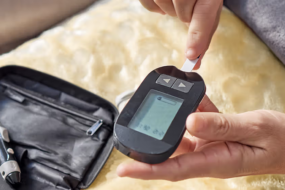
Blood sugar checks are your information dashboard. How often should you test? That depends on your tools (like a CGM), your medications, and your doctor’s input.
- Insulin users: Often check before meals and at bedtime—sometimes more.
- Using CGM: You’re tracking trends across the day—think of it as a real-time health ticker.
- Oral meds/non-insulin: Your provider may suggest daily, or a few times a week.
- Key stat: The ADA recommends most adults check at least once daily, with flexibility based on treatment.
Daily foot inspections are non-negotiable, especially if you’ve had blisters or nerve problems before.
- What to look for: Red spots, cuts, blisters, swelling, nail changes.
- Try pairing checks with another routine (like brushing teeth) for an “automatic win.”
Medication adherence is where a lot of people accidentally slip.
- Use pill organizers, smartphone reminders, or smart dispensers.
- Looking at a row of neatly checked “doses taken” can honestly feel like a gold-star moment.
“A few small daily habits make a world of difference—skip them, and the risks multiply.”
Lifestyle as Preventive Medicine
Exercise isn’t optional—think of it as prescription strength.
- 150+ minutes/week of moderate cardio (brisk walks, cycling, swimming).
- Add 2 days/week of strength work. Little bursts count—got 5 minutes between meetings? Take a quick lap.
Healthy eating for diabetes means focusing on:
- Plenty of non-starchy veggies (think: half your plate).
- Lean proteins (chicken, tofu, beans).
- Minimized processed foods and sugars.
- Curious what works for lunch? Try grilled chicken, brown rice pilaf, and a side salad—a proven energy booster without the sugar spike.
Building supporting routines around sleep, stress, and self-care is real medicine, too.
- Consistent bedtimes.
- Mindful breathing or short meditation breaks.
- Quick wins: Set a “tech bedtime” alarm to wind down, or schedule a five-minute “walk and breathe” between tasks.
“Picture this—sticking to a few small routines stacks up over the year, lowering your complication risk as much as 30%.”
When to Call the Doctor: Immediate Red Flags
It’s smart to handle problems early—don’t play the waiting game with “maybe it’ll go away.”
Call your doctor if you notice:
- Foot injuries, swelling, redness, new sores, or numbness
- Vision changes, new floaters, or eye pain
- Frequent high or low blood sugars that are hard to control
- Signs of infection (fever, wounds that don’t heal, painful urination, cough that lingers)
Keep a “Know When to Reach Out” sticky note handy, or set up a symptom tracker on your phone.
“Act quickly—small changes can catch big problems before they start.”
Being consistent with daily self-checks, smart routines, and knowing urgent warning signs is how you turn at-home monitoring into your best long-term advantage. A few minutes a day is the foundation for years of power, energy, and freedom.
Routine Medical Visits: Your Prevention Roadmap
Structuring Your Visit Schedule
Think of routine diabetes check-ups as your scheduled tune-ups—they keep things running smoothly and help you catch small issues before they become big ones.
For most adults with stable diabetes, you’ll typically see your diabetes care team every 3–6 months.
- Every 3 months: If your meds change or your blood sugar isn’t quite under control
- Every 6 months: If things are steady and you’re meeting your targets
- More frequently: If you’re starting new treatments, have complications, or changing care plans
Sync up these visits with eye exams, dental cleanings, and specialist appointments whenever you can—bundling saves time and reduces “appointment fatigue.”
“A smart schedule is like a good map—it keeps you on track, even if life takes a detour.”
What to Expect: Tests and Exams at Each Visit
No two check-ups are identical, but there’s a core routine you can count on.
- A1C Test: Measures your average blood sugar over 2–3 months—it’s the gold standard for tracking long-term trends, not just daily ups and downs
- Blood Pressure & BMI: High readings signal heart risk, so you’ll get these checked every visit—aim for less than 130/80 mm Hg if you can
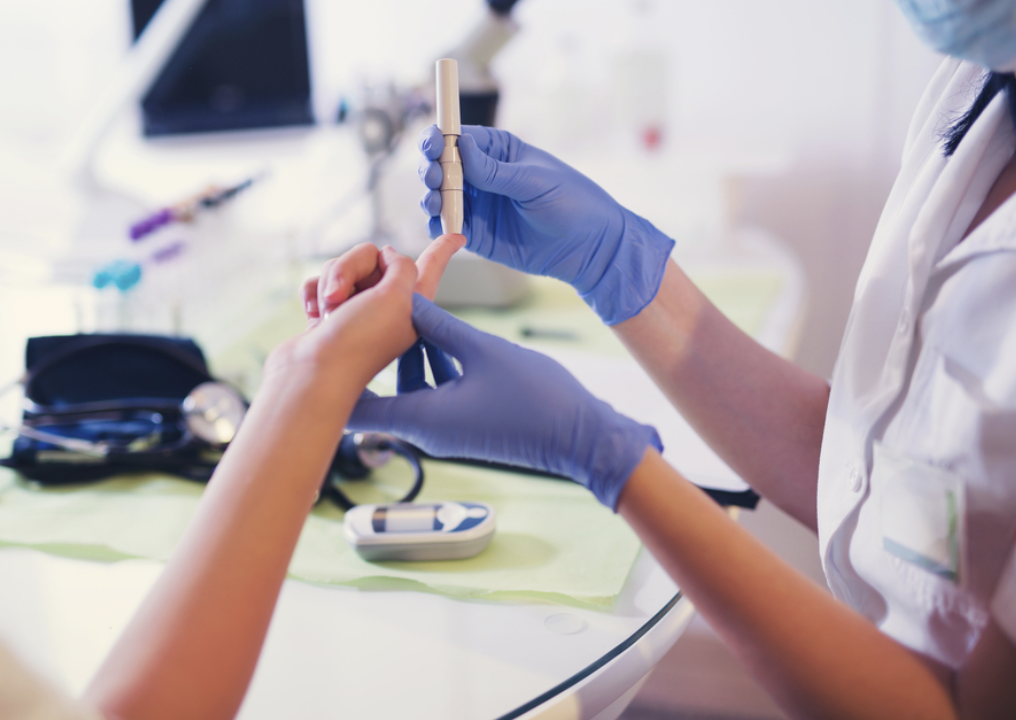
- Physical and Foot Exams: Providers check for cuts, calluses, and nerve issues you might miss; a quick look today can prevent big problems tomorrow
- Medication & Self-Care Review: Bring your glucose log, list of meds, and any concerns—your care team is here to troubleshoot, not judge
Imagine your provider as a pit crew—making fast, targeted tweaks to keep you at peak performance.
Building a Productive Patient-Provider Relationship
Great visits start with a little prep work.
- Data: Bring blood sugar logs, device downloads, or app screenshots.
- Questions: Jot down anything that’s puzzling you or changes you’ve noticed—no detail is too small.
- Goals: Set one or two realistic targets (like, “I want to walk 20 minutes, three times a week”) and review progress together.
Don’t be afraid to speak up—your insights help your team fine-tune your care plan.
Picture this: You leave appointments not just with new numbers, but with a practical plan and real confidence for the months ahead.
Routine visits aren’t just paperwork—they’re your proactive road map for sidestepping complications and building lifelong resilience. Keep your “pit stop” appointments regular; your future self will thank you.
The Annual Diabetes Health Checklist
Comprehensive Lab Work and Screenings
If you have diabetes, think of the annual health checklist as your “preventive tune-up”—a chance to catch hidden risks before they cause problems.
At least once a year, your care team should order:
- Bloodwork:
- Cholesterol/lipids for heart risk
- Kidney function tests: urine albumin, blood creatinine, and eGFR—these numbers spot early kidney changes long before you feel them
- Dilated eye exam:
- Detects diabetic retinopathy and other issues while they’re still small
- Most vision loss from diabetes can be prevented with early treatment
- Full foot exam:
- Checks circulation, sensation, and skin/nail health
- Even tiny foot problems can escalate quickly for people with diabetes
- Dental check-up:
- Gum disease makes blood sugar control harder—your dentist is a vital teammate
- Aim for a cleaning at least every 6–12 months
- Hearing assessment:
- Hearing loss risk is higher in diabetes; a quick check can catch issues early
“If you know your numbers, you control your risk. Don’t let silent complications sneak up on you.”
Essential Vaccines for Added Protection
Consider vaccines as another layer of defense—diabetes raises your risk for infections.
Your annual vaccine must-haves:
- Flu shot (yearly)—don’t skip
- Pneumonia vaccine (at least once; boosters as recommended for your age)
- Hepatitis B series (protects your liver)
- Td/Tdap (for whooping cough/tetanus protection)
- Shingles and COVID-19 as recommended
Use tools like MyIR Mobile or your pharmacy’s records to stay up to date on shots—set reminders for easy compliance.
“Vaccines build a protective wall—think of each shot as another brick guarding your health.”
Preventing Heart and Stroke Complications
Heart disease is still the #1 long-term threat for people with diabetes.
Here’s how to actively protect your heart:
- Blood pressure:
- Target is usually below 130/80 mmHg but check your individual goal
- Check at every visit and at home if possible
- Cholesterol:
- Most adults over 40 should be on a statin even with “normal” levels
- Tracking your cholesterol is as important as blood sugar
- Aspirin:
- Only if your provider recommends it (more isn’t always better)
Every step you take on this checklist moves you closer to trouble-free years ahead. Print this out, put it in your phone, or bring it to your next appointment—prioritizing annual preventive care means you’re stacking the odds in your favor, one checked box at a time.
Maximizing Follow-Through: Tools, Schedules, and Life Hacks
Picture this: You’ve got a hectic week, deadlines are looming—and yet, a simple reminder pops up: “Lab work due. Book foot exam.” That’s the magic of personalized prevention tools in diabetes care.
Personalizing Your Prevention Plan
Your check-up frequency isn’t one-size-fits-all. It’s tailored by:
- Age (older adults may need more screenings)
- Length of diabetes (the longer, the more proactive you’ll need to be)
- Medications and devices (insulin users and CGM wearers might check in more often)
- Family history (heart or kidney issues may shift your lab schedule)
Want practical help? Try building a yearly care calendar using:
- Diabetes app templates (look for ones like MySugr or BlueLoop)
- Digital planners (Google Calendar or Outlook, color-coded for easy scanning)
- Sticky-note reminders on the fridge for old-school charm
Don’t go it alone—invite family members or caregivers to track appointments. Even a shared calendar makes double-bookings almost impossible.
Making Appointments Happen (Even When Life Gets Busy)
Let’s be real: Life rarely slows down for lab visits, so stack the odds in your favor by:
- Bundling multiple check-ups into one day whenever possible
- Using appointment reminder apps (most patient portals and clinics offer automated texts)
- Leveraging telemedicine for check-ins that don’t require a physical exam
Worried about insurance stress or costs? Ask your clinic’s billing team about:
- Free annual exams (many plans cover them)
- Sliding-scale labs
- Community health services that can reduce out-of-pocket costs
Appointment dread is completely normal. Tackle it by:
- Bringing a friend or loved one
- Jotting down questions to stay focused
- Rewarding yourself after each visit (yes, coffee counts)
Leveraging Technology for Preventive Care
Welcome to the era of smart diabetes management—your phone, watch, and computer are healthcare sidekicks.
Track progress and trends using:
- Glucose log apps (like Glooko, Dexcom, or Apple Health)
- Wearables that count steps and remind you to move
- Remote blood pressure cuffs for hassle-free readings at home
Make the most of patient portals:
- Schedule appointments
- Instantly view lab results
- Securely message your provider with questions
To share data safely, follow these privacy tips:
- Use password-protected apps
- Discuss with your care team which data helps them do their job best
Prioritizing preventive care doesn’t need to be overwhelming—when you combine smart tools, a flexible schedule, and a little creativity, you set yourself up for long-term health wins. “Think of your calendar as a pit crew—every check-in keeps you in top form for the road ahead.”
Real-World Success: Stories and Emerging Trends
Picture this: Jasmine, a 48-year-old marketer, uses a daily glucose app and logs her foot checks in her calendar. Last year, her app flagged a trend—her morning sugars were creeping up. She brought the data to her provider, who spotted early signs of kidney issues in her annual labs. Because she caught it early, simple medication adjustments and a tweak to her exercise routine turned things around.
Early intervention works—sometimes, it’s the difference between a minor med change and hospital time.
Patient Wins: Prevention in Action
Real stories show how preventive care changes lives:
- David, 62: Spotted a minor foot blister during his nightly check—turned out to be infected. Quick treatment prevented serious complications.
- Mina, 55: Noticed her vision got fuzzy; an eye exam caught retinopathy early enough to reverse it with better sugar control.
- Over 40% of diabetes-related hospitalizations can be prevented with regular at-home checks and timely provider visits, according to recent data.
The Tech Leap: Innovations Reshaping Care
The landscape’s evolving—AI-driven reminders and digital tracking tools are making prevention simpler and smarter every year.
- Continuous glucose monitors cut finger-stick hassles and send alerts if your sugars stray, helping you correct problems in real time.
- Telehealth visits let you connect with your care team from anywhere, making preventive check-ins as easy as a video call.
- “Think of your tech as a backup crew—reminding, nudging, and even celebrating your wins.”
Looking Forward: The 2026+ Diabetes Playbook
Get ready for a smarter future with these emerging trends:
- AI-powered “nudge bots” will send customized reminders for meds, activity, and even healthy snacks.
- Remote monitoring tools will track key health signs and auto-share updates with your clinician, closing the loop between visits.
- Digital coaching platforms will personalize feedback and cheer you on based on real-time data, not just annual goals.
“You don’t have to be perfect—just plugged in.” That’s the new mantra for diabetes care.
Whether you’re Jasmine with her calendar alerts or David catching a foot sore, routine preventive care keeps you one step ahead. The mix of real-world habits and smart tech is your best bet for lasting health—and the next check-up is always the most important.
Conclusion
Staying ahead of diabetes isn’t about perfection—it’s about building a smarter, more proactive game plan that gives you control and confidence every single day.
Routine preventive care is your shortcut to fewer surprises, stronger protection, and a life with more energy for what matters most. Each check-in, self-check, and scheduled visit adds up to a future with fewer setbacks and more wins.
Here’s how you can start making that future your reality right now:
- Commit to your next check-up—book or confirm an appointment this week, even if you’re feeling fine.
- Track your daily blood sugar and foot checks, using an app or simple checklist to build consistency.
- Leverage technology—set up calendar reminders, try a new diabetes management app, or connect with a patient portal to keep your care on track.
- Create your own annual preventive care checklist and review it with your provider; treat it like a playbook for success.
- Share your plan with a family member or close friend for extra accountability and support.
Don’t wait for complications to force your hand—take one action from this list today and set the tone for your healthiest year yet.
Remember: Prevention isn’t an event; it’s your ongoing advantage. With each small step, you’re stacking the odds in your favor—living proof that proactive choices drive big results.
“Your strongest health asset isn’t just medicine—it’s the momentum you build, one preventive habit at a time. Make your next move today.”