Key Takeaways
Understanding how sleep deprivation affects your body and mind is critical—especially for tech pros and creators who thrive on performance. Here’s what you need to know (and act on) now:
- Chronic sleep loss slashes productivity—even just one night of poor sleep can cut your cognitive speed by up to 40% and double your error rate, making focused work virtually impossible.
- Your “sleep debt” isn’t easily repaid—catching up on weekends only fixes mood, not deeper issues like memory, immunity, or long-term health, so consistency trumps crash recovery.
- Sleep deprivation spikes health risks—adults regularly sleeping under 7 hours face up to 50% higher odds for diabetes and 40% more risk of hypertension and heart disease.
- Emotional control tanks with tiredness—expect more irritability, less empathy, and tougher teamwork, with even minor frustrations feeling overwhelming in sleep-starved states.
- Fatigue multiplies mistakes and dangers—accidents, critical errors, and impulsive decisions soar after 17 sleepless hours, matching the impairment of being legally drunk.
- Vulnerable groups need extra safeguards—shift workers, women, older adults, and anyone under chronic stress are at double or triple the risk for severe long-term consequences.
- Simple shifts restore your edge—set a device “curfew,” keep a strict sleep schedule, and use brief power naps (10–20 min) to boost alertness; no tech tool can replace the real thing.
- AI-driven sleep tools offer support, not miracles—use insights from wearables and apps, but remember: no algorithm can out-hack chronic 5-hour nights.
Staying sharp and healthy starts with fiercely protecting your nightly rest—dive deeper into the full article for expert fixes and future-ready sleep strategies tailored for fast-paced, tech-driven lives.
Introduction
Ever find yourself reaching for that third cup of coffee and realizing you’ve forgotten why you walked into the room? You’re not alone—over 35% of professionals regularly operate on less than six hours of sleep each night, and the hidden costs are bigger than groggy mornings.
You already know sleep matters, but here’s what might surprise you: missing just a single night can shrink your working memory by up to 40%—and for tech pros and creators, that’s like knocking vital apps offline right before a product launch.
Think about your last late-night grind—maybe it was debugging code, finishing slide decks, or responding to 2 a.m. DMs from the other side of the globe. What if pushing through, instead of powering down, is actually undoing your efficiency, slowing your mental edge, and stacking up risks that last way longer than a tough week?
Here’s the good news: understanding exactly how sleep deprivation impacts your mind, mood, and motivation doesn’t just help you avoid burnout—it unlocks sharper thinking, fewer errors, and a shot at sustainable productivity in high-stakes, always-on industries.
In this article, you’ll discover:
- Why sleep loss is a silent saboteur of focus, creativity, and problem-solving
- The real-world consequences for your health, mood, and long-term career
- Actionable strategies—from micro-hacks to tech-enabled solutions—to help you reclaim rest without sacrificing results
- How leading companies and innovators are quietly redesigning the workweek to put sleep first
This isn’t just about avoiding yawns at your next meeting—it’s about mastering the hidden engine behind peak performance, team resilience, and a smarter approach to tech-fueled success.
Ready to separate sleep myths from science—and learn how even small changes tonight can mean big wins tomorrow? First, let’s break down exactly what sleep deprivation is and why it’s become such a stealthy adversary for modern professionals.
Understanding Sleep Deprivation: What It Is and Why It Happens
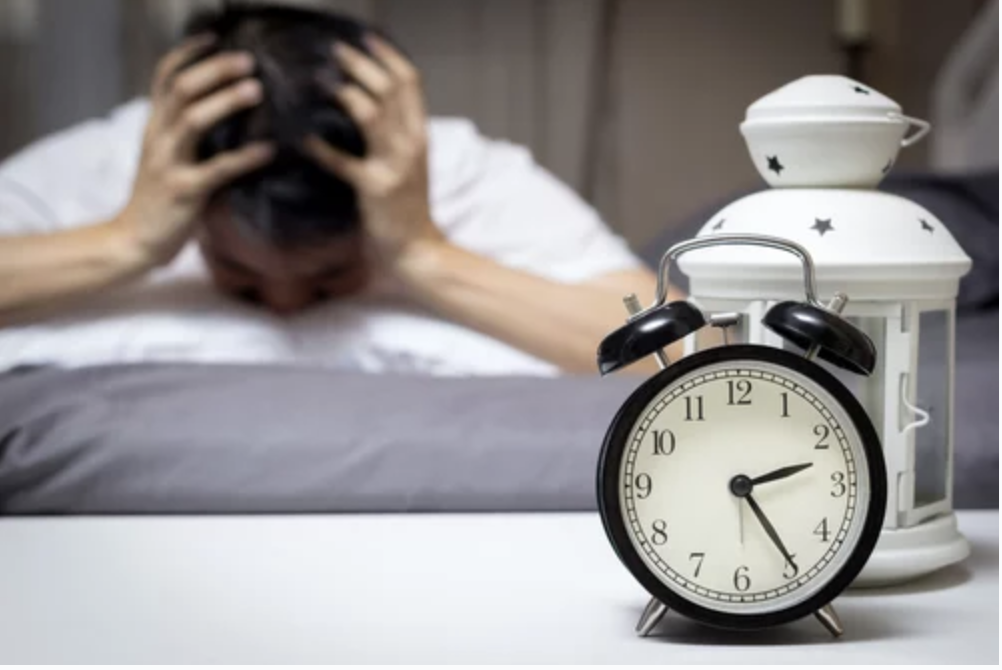
Sleep deprivation isn’t just “feeling tired”—it's a measurable lack of sleep that can be either acute (just one bad night) or chronic (trouble sleeping for weeks or months).
Think of it this way: missing even a single night of good rest can cause detectable shifts in mood, memory, and performance—but when sleeplessness drags on, the risks multiply.
What Causes Sleep Loss in Modern Life?
Tech-focused professionals like you face unique challenges in today’s 24/7 world.
Sleep deprivation can result from:
- Late-night screen time (glowing monitors, endless scrolling, work emails at midnight)
- Round-the-clock communication (global teams, urgent pings outside business hours)
- Shift work, frequent travel, and remote collaboration across time zones
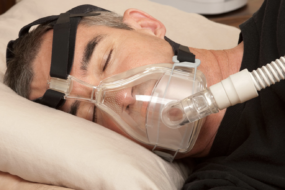
- Chronic stress, demanding projects, or medical conditions (think sleep apnea or anxiety)
If you’re rarely off the grid, you’re not alone—“The average adult loses 1-2 hours of sleep per night just to device use.”
How Much Sleep Counts as “Enough”?
Every age group has different sweet spots:
- Adults: 7-9 hours/night
- Teens: 8-10 hours/night
- Children: 9-12 hours/night
Regularly getting less than these amounts? You’re building up a hidden tab—your personal “sleep debt.”
Sleep Deprivation in Action: The Sleep Debt Analogy
Picture this: sleep is like a checking account. Every missed hour of rest is a withdrawal you need to repay.
But unlike money, “catching up” on lost sleep isn’t easy—even a weekend of extra snoozing rarely erases all the deficits caused by a hectic week. Too much debt, and your body sends the bill: lost focus, bad mood, and long-term health consequences.
What Happens to the Brain and Body Overnight?
After just one night of short sleep, your:
- Attention, reaction time, and problem-solving drop dramatically
- Stress hormones rise, and immunity weakens
- Emotional resilience and creativity take a nosedive
One rough night can double your risk of accidents and errors—imagine trying to code or make decisions when your brain is running on 50% power.
If you’re juggling big projects, deadlines, or late-night inspiration, your bed might be the ultimate productivity hack.
Sleep debt stacks up like credit card interest in our connected world. The best move? Treat every night of quality sleep as a must-have—not a maybe—so you’re always ready to deliver your best, on and off the clock.
Short-Term Effects: How Sleep Loss Impacts You Now
Cognitive and Performance Deficits
Missing out on sleep does more than make you yawn at your desk—it shreds your focus and slows your mental speed.
After a single poor night, you'll likely notice:
- Impaired attention and difficultly staying on task, especially when coding, managing campaigns, or juggling meetings.
- Slow, clunky problem-solving—it’s like running software on a decade-old computer.
- Mistakes multiply with microsleeps—those tiny blips where your brain checks out, sometimes without you realizing it.
Even just one night of poor sleep can shrink your working memory by up to 40%, making it tough to absorb new info or remember details during presentations.
“Every hour awake past your prime can slash productivity by as much as 20%.” Picture this: You’re debugging after midnight; suddenly, you repeat the same error, miss context switches, and your creative flow crawls to a halt.
Emotional and Social Consequences
It's not just your brain—your mood takes a hit, too.
You might find yourself:
- Snapping at colleagues or loved ones over the smallest things
- Feeling more stressed, anxious, or impatient
- Struggling with communication and collaborative work—minor issues suddenly feel insurmountable
For leaders, depleted sleep means reduced empathy and self-control, making tough conversations (or high-stakes negotiations) even tougher. Students and teens aren’t spared: Sleep debt can tank grades and fuel behavioral meltdowns.
“Sleep loss turns mountains into molehills—everything feels harder than it actually is.”
Physical and Immune Effects
Your body also rebels, showing you can’t just “power through” sleep deprivation.
After a rough week, expect:
- Immune suppression—you’ll catch colds more easily and bounce back more slowly
- Physical pain like headaches, tense muscles, and stomach upset
- Twice the risk of accidents—whether that’s nodding off at a stoplight, making a typo that takes down a database, or misreading medical charts
One night of bad sleep can literally double your chances of a costly mistake on the road or at work.
If you’re tempted to trade sleep for extra working hours, remember: “Every lost hour feeds a snowball of errors, conflicts, and risk.” A single all-nighter can wreck focus, ruin your mood, and make even routine tasks feel overwhelming by the next afternoon.
The real takeaway—protecting your nightly rest is one of the easiest ways to boost both performance and well-being, starting tonight.
Long-Term Health Risks: The Cumulative Consequences
Cardiometabolic Disorders
When you miss sleep consistently, your risk of hypertension, heart disease, stroke, obesity, and type 2 diabetes climbs sharply.
Recent large-scale studies show adults sleeping less than 7 hours per night face up to:
- Step up in risk: 40% higher odds of developing hypertension
- 30% greater risk of cardiovascular disease
- 50% increased risk for type 2 diabetes
Why? Picture this: Your body’s stress response stays switched on—stress hormones flood your system, inflammation rises, and metabolic processes misfire like a buggy line of code.
If you’re managing deadlines or shift work, your odds go even higher—meaning tech pros and night owls are right in the crosshairs.
“Missing just a few hours of sleep a night turns into a health tax you never knew you’d pay.”
Cancer, Mortality, and Chronic Disease
Let’s get specific: Studies now link chronic sleep loss to increased rates of breast, colorectal, prostate, and nasal cancers.
One jaw-dropping stat? Sleeping less than 6 hours a night can raise your risk of early death by up to 10 times—especially if you’re male, juggling shift work, or managing chronic disease.
- Shift workers and high-stress professionals are repeatedly flagged as the most vulnerable
- Those with existing health issues face a magnified threat
Imagine a graph: As sleep dips below 7 hours, the curve for disease risk slopes sharply upwards.
“Trading sleep for productivity may cost more than you bargained for—sometimes a decade off your lifespan.”
Mental Health and Brain Function
Chronic sleep deprivation isn’t just a mood-killer—it’s a burnout accelerant and a risk factor for long-term anxiety and depression.
- High-stress teams (think tech, startups, healthcare) face skyrocketing burnout rates
- Sleep-deprived adolescents are nearly twice as likely to report suicidal thoughts
- Ongoing deficits may prime the brain for neurodegeneration and dementia later in life
You’ll see the effects in stalled innovation, emotional overreactions, and “foggy” judgment you can’t shake.
“Losing sleep feels like running on empty—eventually, your brain just stops cooperating.”
The major takeaway? Prioritizing sleep isn’t just a nice-to-have; it’s the silent engine of your long-term physical and mental health, especially in high-demand, tech-driven roles. Making sustainable sleep a daily habit can be your most efficient life upgrade—no wearables required.
How Sleep Deprivation Disrupts Daily Life and Productivity
Performance and Safety Implications
You might be surprised how much lost sleep hijacks your day-to-day output—especially in high-stakes environments.
Picture this: in aviation, medicine, and the tech world, fatigue is behind some of the most infamous errors. The 1986 Chernobyl disaster and the Exxon Valdez oil spill? Both linked to sleep-deprived decision-makers.
In your own work, even a single night of poor sleep can double your risk of making mistakes. Imagine sending that buggy code to production, misinterpreting campaign data, or missing a critical bug during review, all because your focus dropped.
Typical productivity drops can kick in after just 17 hours awake:
- 50% slower reaction times—on par with being legally drunk
- Increased frequency of “microsleeps” (seconds-long unconscious lapses)
- Spikes in forgetfulness, overlooked details, and impulsive decisions
Creators and tech pros: lack of sleep clouds problem-solving, blunts creativity, and blocks innovation—think of it as working with a fuzzy filter over your brain.
Social and Lifestyle Impact
Fatigue doesn’t just stay at your desk—it tags along everywhere.
You might snap at your team over small questions, feel distant at dinner, or blank during a brainstorm because your emotional reserves are on empty.
- Quality of life takes a nosedive: everything feels harder when you’re running on fumes
- Relationships, both at work and home, can fray with more frequent conflicts and less empathy
- Collaboration suffers—imagine trying to lead a Zoom call while fighting to keep your eyes open
Now factor in technology: our screens are both enemies (blue light delays sleep, work notifications keep us up) and potential allies (sleep-tracking apps, AI-driven reminders). It’s a balancing act many of us know all too well.
Quotable moment: “Tiredness leaks into every part of your day—how you work, how you connect, even how you feel about yourself.”
Daily Leaks and Quick Wins
Restoring your cognitive edge starts with small shifts:
- Silence digital interruptions an hour before bed
- Tackle demanding tasks early, when your mind’s fresher
- Use brief power naps to “top up” lost sleep—just 15-20 minutes helps
One more thing: Even leading tech companies are acknowledging these hidden risks, with flexible schedules and dark mode features aiming to protect your focus and health.
Takeaway: Every sleep-deprived night echoes in your work, relationships, and well-being—but a few conscious tweaks to your daily rhythm can restore clarity and edge faster than you think.
Vulnerable Populations: Who’s Most at Risk?
Picture this: your team’s pushing through a product launch, the marketing crew is burning the midnight oil, and everyone’s riding high on coffee and adrenaline. But not everyone is equally equipped to weather the storm of sleep deprivation—and the risks stack up fast.
Those most at risk aren’t just the sleep-adverse. Science pinpoints multiple vulnerable groups:
- Children and teens: Their brains and bodies need more sleep for development—falling short means trouble with mood, learning, and behavior.
- Older adults: Often struggle with insomnia, magnifying risks for falls and chronic disease.
- Shift workers and gig economy pros: Disrupted sleep-wake cycles boost the odds of cancer, heart disease, and diabetes.
- Healthcare providers and tech teams “on crunch”: High-stress, round-the-clock jobs double the risk of mistakes and burnout.
If you work late, juggle global clients, or thrive in the gig economy, you’re more likely to build up a “sleep debt” that harms both mental and physical health. Even one night of poor sleep can double your accident risk.
Layered Risk: It’s Not Just About Age or Occupation
It’s where job stress, health issues, and lifestyle choices collide that danger truly spikes.
- A tech founder with hypertension facing unrealistic launch schedules
- A nurse working night shifts on top of family obligations
- An adolescent gamer glued to blue screens until 2 a.m.
Combine preexisting conditions—like diabetes, anxiety, or asthma—with insufficient sleep, and the chances of serious health fallout skyrocket.
Sidebar: Women vs. Men—Do Sleep Gaps Matter Differently?
Yes, the data says so. While men face higher risks of heart attack, stroke, and early mortality from sleep loss, women are more likely to experience mood disorders, immune disruption, and metabolic issues.
Hormonal shifts (think pregnancy, PMS, menopause) layer in added vulnerability for women. Men, meanwhile, show higher rates of sleep apnea—another risk multiplier.
“Sleep deprivation doesn’t play fair—your job, gender, and health stack the deck.”
Just a few nights of missed sleep can set off a chain reaction—from lower work performance to higher risk of major illness—for anyone in these high-risk groups. For leaders and teams, understanding who’s in the danger zone is the first step to building smarter, healthier work habits.
The Science of Recovery: Can You Reverse the Effects of Sleep Deprivation?
Short-Term Recovery Strategies
Let’s talk about quick fixes that tech pros actually use when sleep is in short supply.
Grabbing a power nap (10–20 minutes) in the afternoon can sharpen alertness and reaction time—think of it as a brain reboot rather than a full system update.
Trying to “bank” sleep ahead of a brutal week (by sleeping more on weekends or before a crunch) works only partially, with research showing limited ability to truly prep for extended deprivation.
After a rough night, the urge to “catch up” by sleeping in on weekends is natural, but it can throw off your circadian rhythms even further—meaning Monday may hit you harder, not easier.
Practical tweaks for busy professionals:
- Limit blue light exposure from screens at least an hour before bed
- Stick to a consistent sleep and wake schedule, even on weekends
- Get morning sunlight to reset your internal clock
- Cut caffeine by early afternoon
“Sleep isn't a jar you can just refill on Sundays,” but small, consistent changes can pay big dividends for your focus and mood.
Chronic Sleep Debt: Restoring Health Over Time
Picture this: weeks or months running on less than 7 hours a night—the infamous “sleep debt” countless tech workers rack up, thinking they'll pay it back “someday.”
Studies confirm full recovery from chronic deprivation can take days or even weeks, with some cognitive functions lagging behind mood and attention.
- Restoring resilience? Prioritize nutrition (hello, leafy greens), regular exercise, and social support for the fastest bounce-back.
- Monitor your progress with self-assessments, performance apps, or sleep wearables—these give instant feedback on sleep quality and daily function.
- Be warned: “Hacking” biology has limits. You can't entirely undo the risks of chronic, years-long sleep loss just by taking a vacation or two.
A single night of “good” sleep improves alertness, but deep markers of health—from immune strength to metabolic balance—require consistent, sustained sleep habits.
When you approach sleep as a daily investment rather than a rainy day fund, your brain and body will reward you with sharper thinking, steadier mood, and long-term resilience you can actually bank on.
Preventing and Managing the Risks: Personal and Organizational Strategies
Facing high-stakes deadlines or the allure of “just one more email”? Prioritizing sleep isn’t a luxury—it’s a foundation for success. Even one night of poor sleep can double your accident risk and cut your productivity by up to 30%.
Reset Your Personal Sleep Priorities
You don’t have to overhaul your life overnight. Try these immediately actionable steps—they work for busy tech pros and creators alike:
- Set “tech curfew” boundaries: Power down devices 30-60 minutes before bed; use blue-light filters after dark.
- Guard your bedtime like your most critical meeting: Schedule sleep into your calendar and treat it as non-negotiable.
- Use the two-minute rule: If a stressor pops up late, handle it in two minutes or table it for tomorrow.
Share-worthy reminder: “The most profitable night is the one where you actually sleep.”
Leverage Tech-Enabled Tools—But Set Realistic Expectations
There’s a wave of AI-powered sleep trackers, smart alarms, and coaching apps promising better rest. These tools can:
- Suggest optimal bedtime based on past sleep cycles
- Alert you when it’s time to wind down
- Track trends so you can spot patterns behind your brain fog
But remember: No app can make up for chronic 5-hour nights. Take the insights, but keep the fundamentals.
Create Organization-Wide Impact: Sleep-Friendly Environments
Forward-thinking companies are embracing flexible schedules and sleep hygiene education to protect employee health. Leaders at Google and Salesforce, for example, have:
- Offered nap pods or quiet rooms for restorative breaks
- Built “email curfews” into their culture to limit after-hours work
- Hosted sleep awareness workshops for teams
Picture this: A project sprint where everyone’s sharp, not running on caffeine and wishful thinking.
Know When to Seek Extra Help
Some warning signs scream for professional back-up—don’t ignore them:
- Persistent insomnia, heavy snoring, or gasping for air at night
- Constant fatigue, even after weekends
- Mood changes or concentration issues that linger
Quick stat: Ignoring serious symptoms triples risk for chronic diseases and productivity nosedives.
Takeaway: Small shifts—at home or at work—can radically reduce your risk. Treat sleep as a guarded asset, not an afterthought, and use both tech and team support to stay sharp, healthy, and ready for what’s next.
Trends and Innovations: The Future of Sleep Health
Wake up to sleep tech’s booming evolution—there’s never been a better time for tech-savvy professionals to optimize rest.
Sleep wearables, from smart rings to sensor-packed headbands, now track everything from REM cycles to nighttime heart rate.
AI platforms scan this data, offering personalized sleep recommendations you can actually act on: “Tonight, limit caffeine after 3 p.m. to boost your deep sleep by 15%—here’s last week’s data to prove it.”
Tech-Driven Solutions: From Gadgets to Coaching
Picture this: You wake, check your wearable, and get a custom morning brief that pinpoints “sleep debt” and suggests a quick 20-minute nap to reclaim alertness.
Busy creators and business owners are flocking to:
- Apps with automated sleep scoring and alertness predictions
- Smart alarms that wake you at the best phase of your sleep cycle
- AI-powered sleep coaching that adapts guidance based on shifting work demands
This is more than hype—studies show real-time feedback can improve sleep duration by up to 30 minutes per night.
The New Workweek: Sleep and Sustainable Productivity
Forward-thinking companies are reimagining the nine-to-five. Expect:
- Flexible start times and remote work mandates that prioritize personal rhythms
- The four-day workweek gaining traction, as firms recognize that well-rested employees drive better results
- Workplace sleep education—think resilience training and digital detox policies
Leaders now ask, “How does team sleep health fuel our next big launch?”
Digital Culture Shift: Society’s Sleep Renaissance
Society is tackling “always-on” culture head-on.
We’re seeing:
- Screen time limits and blue light blockers entering default device settings
- Health insurers offering incentives for users who meet sleep goals (yes, sleep pays)
- Startups racing to define the future of “sleep minimalism”—what’s the least you can rest and still feel your best?
Open questions remain: Will future research pinpoint personalized sleep quotas using genomics? Which balance of tech and habit change creates lasting improvements?
From AI coaches nudging you offline to 4-day weeks supporting natural rhythms, the sleep revolution is here. Investing in your sleep may be the most forward-thinking upgrade you make this decade.
Conclusion
Prioritizing sleep isn’t just self-care—it’s a strategic advantage in a world that runs on focus, creativity, and resilience. The true edge comes not from pushing through exhaustion, but from making high-quality, consistent rest a non-negotiable part of your personal and professional toolkit.
Even in non-stop tech and creative industries, you hold the power to flip the script. Investing in better sleep repays itself with sharper thinking, stronger relationships, and a real boost to your well-being—at work and beyond.
Key Takeaways:
- Guard your sleep like your best asset—schedule it and respect tech curfews.
- Leverage AI tools and wearables for insights, but anchor results in real-life habits.
- Tackle demanding work early in your day, when your mind is freshest.
- Address recurring sleep issues—don’t hesitate to seek professional help when needed.
- Prioritize small, sustainable shifts over overnight overhauls for lasting change.
Next Steps:
- Set a tech curfew tonight: shut down screens 30-60 minutes before bed.
- Add “bedtime” to your calendar—make it a meeting you won’t miss.
- Try a quick check-in with a wearable or app to spot hidden sleep debt.
- Share one actionable sleep tip with your team or network—lead your workplace toward healthier norms.
- Watch for persistent fatigue or mood shifts—reach out if you need expert support.
You don’t have to outwork everyone to outperform—out-rest and recharge instead. Great ideas, strong decisions, and breakthrough moments start with a well-rested mind. Make sleep your secret weapon, and watch how quickly everything else falls into place.
“Sleep well—build boldly. Your best work starts with your best rest.”