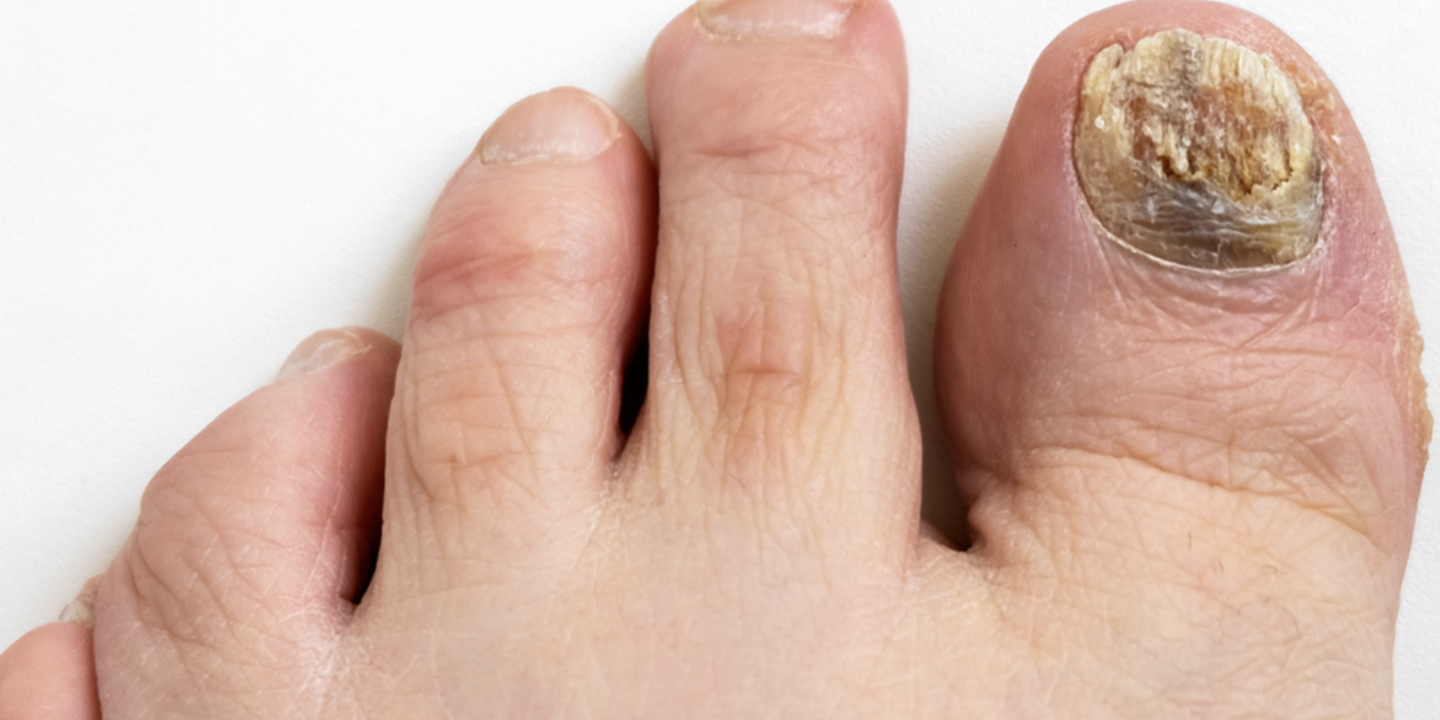
Key Takeaways
Unlock fast, effective relief from toe fungus—here’s your cheat sheet to what truly works and how you can prevent persistent infections. Whether you’re battling stubborn toenails or planning to stay fungus-free, these essential, expert-backed insights will get you results without the hype.
- Early action is your best weapon—treat subtle discoloration, thickening, or itching immediately to avoid long recovery times and nail damage.
- Prescription oral antifungals like terbinafine deliver a 72% cure rate for nail fungus, but require 6–12 weeks of daily pills and patience while healthy nails regrow.
- Topical treatments (Jublia, Kerydin, Penlac) are safest for mild cases or when pills aren’t an option, working best with daily, year-long persistence—not quick fixes.
- Hygiene habits beat recurrence—stick to moisture-wicking socks, disinfect old shoes, and never share nail tools to break the cycle and prevent reinfection.
- Home remedies (tea tree oil, Vicks, vinegar) work slowly (if at all) and need months of diligent use; ignore “overnight cure” myths and trust proven science.
- See a podiatrist fast if you have pain, multiple nails involved, or risk factors like diabetes—expert care customizes your treatment and prevents serious complications.
- 2026 innovations mean smarter treatment—watch for AI telehealth tools, safer topicals, and laser therapies that tailor solutions and boost your success.
- Consistent, tech-enabled self-care—mixing doctor-proven medicine, intelligent prevention, and virtual consults—will keep your feet healthy and fungus-free.
Ready to step ahead of persistent toe fungus? Dive into the full article for game-changing tips, treatment options, and expert resources that actually work.
Introduction
Ever peer down at your toes in the midst of a busy week, only to spot a weird yellow patch or crumbly nail edge—and immediately wonder if it’s more than just a rough sock day?
You’re far from alone. In fact, more than 1 in 10 adults will wrestle with toe fungus in their lifetime, and tech-savvy professionals like you are often hit hardest—thanks to gym routines, travel, and long hours in closed shoes.
So, why is this small, nagging issue worth your attention right now? Because untreated toe fungus isn’t just a cosmetic annoyance—it can linger for months or years, erode confidence on Zoom calls, and even sideline your workouts or social plans.
The good news? Relief is no longer a mystery—and the most effective solutions now blend modern medicine, smart technology, and real-world prevention habits you can actually stick to.
Here’s what you’ll uncover in the next few scrolls:
- Spot-on early warning signs so you catch problems before they spiral
- Actionable, science-backed treatments everyone should know
- Prevention hacks that fit seamlessly into your routine
- Unfiltered myth-busting—so you don’t waste months on viral “miracle” cures
Plus, we’ll share insider tips for customizing your recovery—whether you’re an athlete, busy professional, parent, or just ready to step out with clearer, healthier feet.
If you’ve ever wished for simple, factual answers—and real relief that lasts—here’s where your search pays off.
Ready to see what’s actually lurking beneath your socks, why speed and strategy matter most, and which options will get you back to peak productivity (and confidence) faster?
Let’s put your toes back in the spotlight, starting with the basics behind toe fungus: causes, risk factors, and the early warning signs to never ignore.
Understanding Toe Fungus: Causes, Risk Factors, and Early Symptoms
Toe fungus is more than just a cosmetic nuisance—it's a common infection that can hit anyone, especially if you wear tight shoes or frequent gyms. You’ll most often see it show up as toenail fungus (onychomycosis) or foot skin fungus (athlete’s foot/tinea pedis).
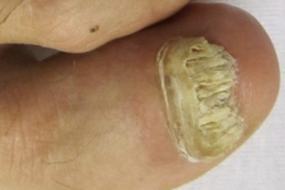
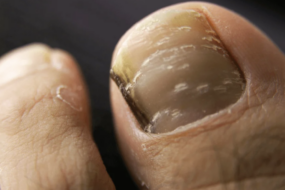
Picture this: your big toe’s nail turns a weird yellow or white, starts thickening, or even crumbles at the edges. Or maybe you notice your feet itching, peeling, or smelling “off”—classic athlete’s foot symptoms.
Key Causes: Where Does Toe Fungus Start?
Fungal pathogens thrive in:
- Warm, moist environments (think sweaty socks, locker room showers, poorly ventilated shoes)
- Contact with surfaces in shared public areas
- Minor skin or nail trauma, like clipping too short or hangnails
Even the healthiest feet can be at risk if moisture isn’t controlled.
Risk Factors: Who’s Most at Risk?
Certain groups are more susceptible, so check if you see yourself here:
- Adults over 60 (nail growth slows, immunity changes)
- People with diabetes, vascular issues, or on immune-suppressing meds
- Athletes, swimmers, or anyone wearing closed shoes for long hours
If this sounds familiar, you’re in the high-risk club—time to get proactive.
Symptoms: Spot the Early Warning Signs
Here’s how to “read” your feet before things get severe:
- Discoloration (yellow, white, or brown patches)
- Nail becomes thick, brittle, or crumbly
- Itchy, burning skin between toes; flaking or foul odor
- Changes often start subtly—like the first sign of mold on bread
Want a full breakdown? Tap into “Master the Signs: 8 Early Toe Fungus Symptoms You Can’t Ignore” for close-ups and real-time visual guides.
Why Early Detection Matters
Catching toe fungus quickly means:
- Shorter, less aggressive treatments
- Less embarrassment and discomfort
- Fewer recurrences—because untreated, fungus can stick around for years
A single ignored spot on your little toe can spread to neighboring nails in months—speed is your advantage.
MYTH BUSTERS: Don’t Fall for Common Mistakes
It’s not just “dirty feet” or bad luck. Get this:
-
- Myth: Only athletes or “unclean” people get fungus.
- Fact: Anyone can, especially wBest Nail Fungus Treatment: Guide & Remedies 2026Best Nail Fungus Treatment: Guide & Remedies 2026At-Home Remedies for Nail Care: The Complete Guide 2026here moisture hides.
- Myth: Vinegar or home soaks cure nail fungus overnight.
- Fact: Evidence is weak—prescription meds consistently work better.
The fastest way to healthy feet is knowing exactly what to watch for—and acting before that odd yellow smudge becomes a “ten-nail takeover.” Spot a change? Treat it early and you’ll have a head start on recovery.
Science-Backed Medical Treatments: What Actually Works in 2026
Prescription Solutions with Real Results
Oral terbinafine (Lamisil) remains the gold standard for toenail fungus with a 72% cure rate, usually prescribed once daily for 6–12 weeks.
You’ll need a quick liver check before starting, but most people find side effects mild—think headache or an upset stomach.
Itraconazole (Sporanox) comes next, clearing about 60% of tough cases but carries a higher chance of relapse and more drug interactions.
Other systemic options like fluconazole or posaconazole are available if you can’t take the first two, though costs and side effects increase.
Quotable tip: “Consistency beats magic—oral pills take weeks, but healthy nails can take up to 18 months to fully regrow clear.”
Why Topicals and Persistence Matter
For mild or moderate nail infections—or when pills aren’t safe—your clinician may recommend daily topical solutions:
- Efinaconazole 10% (Jublia)
- Tavaborole 5% (Kerydin)
- Ciclopirox 8% (Penlac)
Picture this: You’re applying a dropper to your nail every evening for up to a year (those “overnight cures” are pure fantasy).
Topicals are safest when only the tip or one side of the nail is infected—plus, fewer medication risks for kids or during pregnancy.
Reality check: Nail fungus is a marathon, not a sprint; most topical users notice real change in 9–12 months.
Procedures and Adjunctive Strategies
Sometimes, a podiatrist recommends nail trimming/debridement to help medicine reach the fungus faster.
For severe or stubborn cases, you might consider:
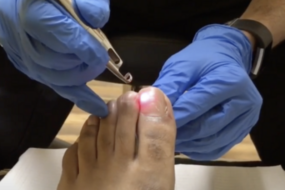
- Laser therapy—FDA-approved for temporary appearance, but not always covered by insurance
- Partial/full nail removal—reserved for painful, resistant infections
Every approach has pros and cons; for instance, laser treatments can look great on camera but don’t guarantee a full cure.
Picture this: A quick, virtually painless in-office trim followed by fresher, faster-acting topicals—speeding up relief when nails are extra thick.
OTC Remedies and Home Approaches
Antifungal creams and sprays (terbinafine, clotrimazole, tolnaftate, butenafine) crush foot skin fungus in 1–4 weeks—but barely dent nail infections.
When considering DIY fixes, here’s what works (or doesn’t):
- Tea tree oil, eucalyptus oil, Vicks VapoRub—show promise for mild cases with months of daily use
- Vinegar soaks, hydrogen peroxide, baking soda—popular, but lacking strong clinical evidence
- Many home remedies require twice-daily diligence for months, so patience is non-negotiable
- Instant cures are a myth—no soak or salve can clear stubborn nail fungus overnight
Memorable shareable: “For nails, speed is fantasy—persistence is science.”
Stay persistent, follow your provider’s plan, and choose legit, evidence-based options to kick fungus for good. Left untreated, it’s not just cosmetic—fungus can spread, disrupt daily life, and increase frustration the longer it lingers.
Prevention and Recurrence: Building Life-Long Fungus-Free Habits
Essential Hygiene and Environmental Strategies
Keeping your feet consistently dry and clean is your first line of defense against toe fungus. Pay special attention to the spaces between your toes, which can trap moisture and become a hotbed for infection.
A few simple habits dramatically lower your risk:
- Switch to breathable shoes and swap damp socks for clean, moisture-wicking styles as soon as they feel sweaty
- Use antifungal powders or sprays inside shoes and on your feet, especially if you’ve had fungus before
- Disinfect or replace old shoes and socks—don’t let reinfection sneak in with yesterday’s gear
Picture this: you’re at the gym, nail tools in your bag. Skip sharing those clippers with a friend, and always wipe your tools after each use. One slip-up can mean months of treatment.
Want a quick win? Skim our “Prevent the Spread: 9 Essential Toe Fungus Hygiene Hacks” for scannable, expert-backed tips.
“A single overlooked pair of old sneakers can keep toe fungus coming back—out with the old, in with the healthy.”
Lifestyle, Diet, and Immune Support
Strong nails aren’t just about products—you need a resilient immune system and the right nutrition. Clinical evidence links good sleep, stress reduction, and a balanced diet to shorter infection duration and lower recurrence.
Boost your results with:
- Regular sleep schedule
- Omega-3s, vitamin E, zinc
- Hydration and whole-food choices
“There’s no magic food for fungus, but feeding your immune system is half your battle.” For details on advanced recovery, head to “How Diet and Immunity Supercharge Toe Fungus Recovery.”
Specialized Prevention: Children, High-Risk Groups, and Chronic Sufferers
Kids in sports? Make frequent shoe swaps and teach never share rules for towels and nail tools—one quick locker room swap can trigger a family outbreak.
If you live with diabetes, have circulation problems, or an immunosuppressed condition, customized routines matter:
- Regular podiatry checkups
- Daily self-checks for new symptoms
- Strict moisture and footwear discipline
Need next-level strategies? Tap our “Top 5 Foot Care Habits to Prevent Recurring Toe Fungus.”
“For high-risk folks, daily rituals become small investments—guarding your comfort and independence, year after year.”
Staying fungus-free is a daily practice, not a one-time fix. With these habits and mindful tweaks, you’re set for stronger, healthier feet—every step of the way.
When to Seek Expert Help: Navigating Diagnosis and Advanced Care
It’s easy to think toe fungus is just a cosmetic annoyance—until it’s not. Certain red flags mean it’s time to stop DIY and call in a pro.
Know the Signs That Demand a Doctor’s Visit
See a doctor or podiatrist right away if you notice:
- Severe pain, swelling, or spreading redness
- Fungus refuses to budge after 4+ weeks of over-the-counter creams
- Multiple toenails are thick, crumbly, or yellow
- Any sign of impaired walking or mobility due to nail or skin changes
- You have diabetes, immune suppression, or poor circulation—these conditions raise the risk of major complications
“A single stubborn toenail can be the tip of the iceberg—don’t wait if your symptoms are marching up your foot.”
What to Expect from a Clinical Evaluation
A foot expert won’t just peek at your toes—they’ll zero in with:
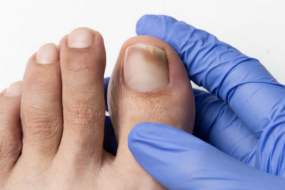
- Nail or skin scrapings for lab testing to pinpoint the fungus
- A tailored treatment plan (think oral meds, topicals, or combination therapy)
- Regular monitoring to track progress and adapt care
Picture this: A quick in-office test can reveal which specific fungus is causing chaos, allowing for precise, personalized treatment that really works.
In-Office vs. At-Home: Who Wins?
For mild, isolated athlete’s foot, over-the-counter solutions may do the trick.
But for tough or recurring nail infections—and for anyone with health risks—medical management increases your odds of a real cure.
Consider:
- In-office care offers access to advanced prescription pills (like terbinafine, with a 72% cure rate)
- If needed, you may get professional debridement or discuss laser treatment—an option now FDA-cleared for temporary nail improvement
“Think of a podiatrist as your fungus-fighting partner—not just a last resort when it’s ‘bad enough.’”
Innovations and What’s Next
The 2026 landscape includes:
- Stronger prescription options with fewer side effects
- Breakthroughs in laser therapies for nail appearance
- Telemedicine consults for expert, remote guidance
- Data-driven insights to personalize your regimen and avoid relapse
Stay ahead by tapping into guides like “7 Proven Toe Fungus Treatments Revolutionizing 2026” for the latest protocols.
The bottom line: Timely, expert help can save you months (or years!) of frustration, restore mobility, and give you back healthy, clear toes. If your self-care isn’t doing the trick or you spot a red flag, know that today’s advances make getting real relief easier than ever.
Looking Ahead: Innovations, Myths, and What Works for You
Picture this: a world where treating stubborn toe fungus is as straightforward as swiping your phone for a virtual consult and getting a tailored regimen delivered to your door—no more pharmacy guesswork or miracle cream hype.
Myth Busting: No Instant Cures, Only Real Progress
Let’s be honest: there’s no true “overnight cure”—no matter what TikTok or clickbait ads claim.
- Prescription oral antifungals (like terbinafine) remain the gold standard, boasting up to 72% cure rates for toenails—but most cases require 6–12 weeks of pills and months for visible change.
- Soaking your toes in vinegar, rubbing on oils, or chasing “quick fixes” is rarely a magic bullet—science shows these are supplemental at best.
A memorable truth: “Consistency beats all—clear nails take patience, not empty promises.”
Innovation Snapshot: What’s Next for Toe Fungus Relief in 2026
Emerging tech and smarter care models are reshaping how we fight fungus:
- New topical formulas and fractional laser therapies are making treatments safer and more accessible, even for tough or recurring infections.
- Remote dermatology is on the rise, with AI-powered apps analyzing nail photos and matching you to proven solutions—think telehealth for your toes.
- Expect personalized anti-fungal regimens: algorithms that factor in your medical history, habits, and even genetic risk to recommend the right protocol.
- Look for expert-led content and product ratings from clinicians, not just marketers.
“2026 is about smarter treatment—precision, not guesswork or generic solutions.”
Building Your Anti-Fungal Playbook (and Next Steps)
Ready for perpetual relief? Start with these:
- Drop the myths: Trust in clinically-validated medicine over viral fads.
- Leverage technology: Seek virtual consultations for faster, tailored answers.
- Stay informed: Tap into expert resources and keep up with research-backed trends.
- Master self-care habits: Clean, dry feet and shoe hygiene are your lifelong shields.
Explore linked deep-dives—like “Toe Fungus Myths Busted” and “7 Proven Toe Fungus Treatments Revolutionizing 2026”—to keep building a personal prevention and care toolkit.
The key takeaway: If you mix proven science, tech-enabled solutions, and everyday care, you’ll be ahead of the curve—and several steps closer to healthy, fungus-free feet.
Conclusion
Freedom from toe fungus is within your reach—and with the right toolkit, lasting relief is anything but wishful thinking. When you ground your approach in science-backed treatments and daily habits, you’re not just managing symptoms; you’re building real, resilient foot health from pillar to toe.
You have the power to stop fungus from dictating your stride. By focusing on proven therapies, smart prevention, and staying a step ahead of outdated myths, every action you take builds toward clear, confident feet.
Key takeaways you can put into action right now:
- Opt for proven treatments: Use prescription antifungals for persistent nail infections and reliable OTC remedies for skin fungus.
- Prioritize daily foot hygiene: Keep feet dry, switch to moisture-wicking socks, and disinfect footwear to prevent reinfection.
- Embrace tech and expert support: Schedule virtual or in-person consults if symptoms persist—targeted care beats guessing every time.
- Drop the quick-fix mindset: Commit to persistent care; visible nail changes may take months, but your consistency pays off.
- Stay informed: Regularly revisit credible sources and adjust your routine as new innovations emerge.
Ready to take control? Start with a diligent hygiene check, review your current treatments, and connect with an expert if you’ve hit a plateau. Toss out those old sneakers, choose proven solutions, and invest in healthy daily habits—your future self will thank you.
The first step toward fungus-free feet isn’t a miracle cure—it’s your choice to act today, with smart tools, real science, and a dash of determination. Walk forward knowing you’re not just treating an issue—you’re owning the outcome.
Clear nails and healthy steps are closer than you think—let every move you make put you one stride ahead.