Key Takeaways
Want to get ahead of tech-driven sleep disruption in 2026? Here are the must-know, actionable insights for professionals and entrepreneurs navigating the intersection of digital living and restorative rest. These bite-sized takeaways will help you rethink nightly routines and harness technology for better sleep—without letting it run the show.
- Digital devices dominate sleep routines, with over 65% of tech pros using screens within an hour of bedtime and blue light exposure up 40% since 2022.
- Blue light from screens and LEDs delays melatonin release, leading to later bedtimes, more fragmented rest, and growing sleep debt—make screen-free wind-downs a nightly ritual for better sleep.
- Wearables and sleep-tracking apps are double-edged swords: use them for trend spotting and actionable feedback, but avoid the trap of “orthosomnia”—anxiety from obsessing over perfect metrics.
- AI-powered sleep tech transforms your bedroom into a smart sanctuary, with tools like dynamic lighting, automated routines, and personalized recommendations that boost rest and recovery—even after long workdays.
- Remote work and smart homes can easily blur work-rest boundaries; set clear tech curfews, automate “digital sunsets,” and physically separate your workspace to support healthier circadian rhythms.
- SleepTech is booming, with a projected $30+ billion market by 2026; the real value comes from solutions that combine AI-driven insights with timeless sleep hygiene habits—not endless new gadgets.
- Be privacy-smart with your sleep data: as wearables and smart environments collect more health info, prioritize tools that balance actionable insight with data control and transparency.
- Sustainable sleep in 2026 means using tech intentionally—select one or two well-chosen tools that reduce friction and stress, automate good habits, and let you focus on real rejuvenation—not digital perfection.
Ready to take control of your digital sleep landscape? Explore the full article for science-backed strategies and next-level tech solutions to help you rest smarter, not harder.
Introduction
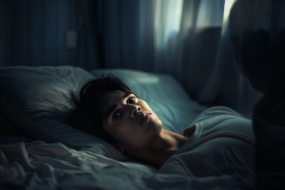
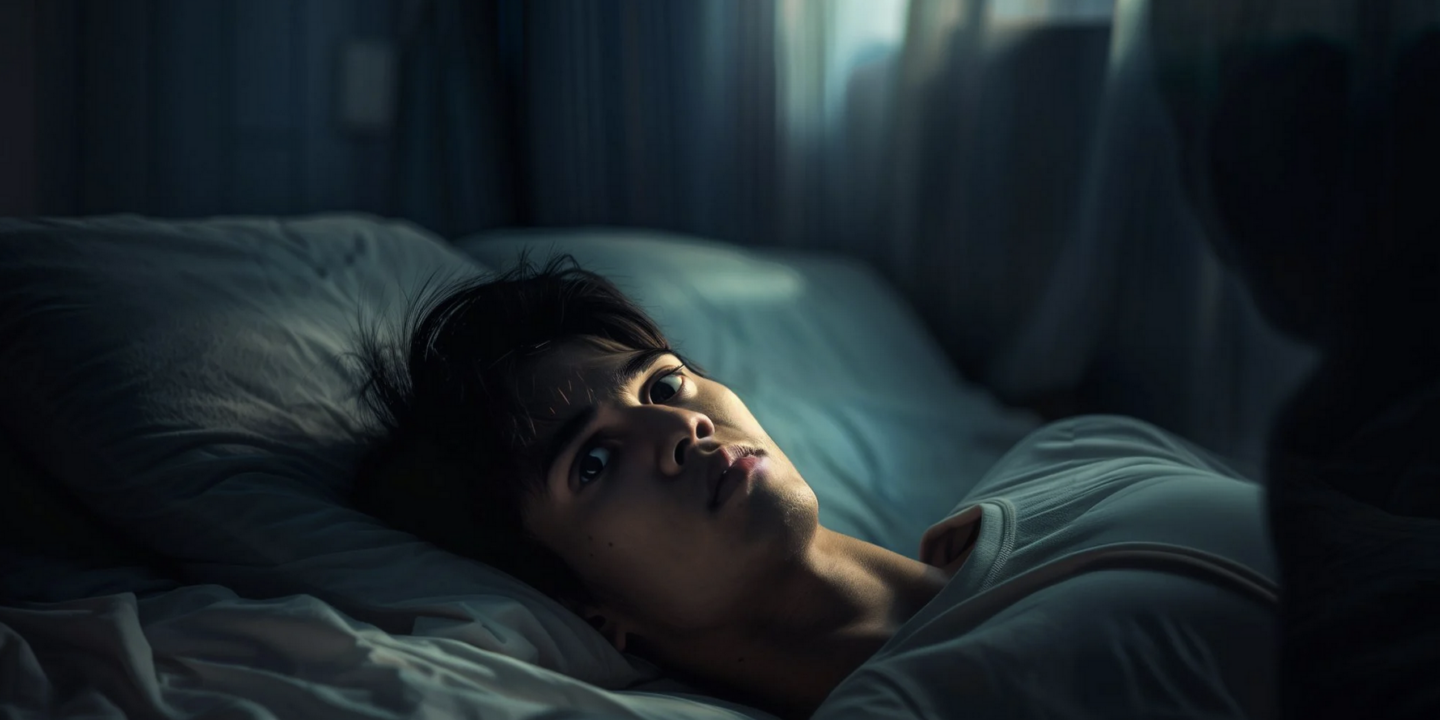
Picture this: It’s way past midnight, your Slack notifications are still pinging, and your wearable is gently urging you to wind down—yet your mind is racing with tomorrow’s to-dos. Sound familiar? You’re far from alone. In fact, over 65% of tech professionals now use screens within one hour of falling asleep, a habit that’s quietly reshaping how—and how well—you rest.
As tech enthusiasts and pros, you’ve invested in every gadget promising smarter sleep. But here’s the curveball: wearables and “smart” routines can sometimes spark more anxiety than actual recovery, while round-the-clock device exposure is rewriting your body’s internal clock in ways most people never expected.
Why should this matter to you right now? Because disrupted sleep isn’t just about feeling groggy tomorrow. It can tank your creativity, undermine decision-making, and chip away at long-term health—no matter how many productivity hacks you try.
This article is for those who:
- Want to understand the latest science connecting technology, blue light, and circadian rhythms
- Need actionable, tested ways to break harmful tech-sleep cycles (without quitting your favorite tools)
- Are curious how AI, wearables, and smart environments might be the solution—and sometimes, the hidden source of the problem
Here’s what you’ll unpack:
- How always-on connectivity is shifting our collective sleep patterns in 2026
- The double-edged sword of innovative sleep tech—helpful features vs. unintended consequences
- Practical strategies to leverage AI and smart devices for sustainable, genuinely restorative sleep
- How industry trends, privacy, and ethics are shaping the future of “digital downtime”
We'll pull back the curtain on the latest data, spotlight real-world solutions, and give you quotable takeaways ready for your own digital routine—or next Zoom icebreaker.
Ready to reclaim your edge (and maybe an extra hour of rest)? Let’s explore how technology is transforming the modern sleep landscape—and how you can tip the balance in your favor.
Technology and the Modern Sleep Landscape: Foundations for 2026
Digital technology isn’t just part of your day—it shapes how (and when) you sleep.
In 2026, the average professional is tethered to multiple screens, juggling remote work, social media, and round-the-clock notifications. These connected devices now follow us right up to bedtime—sometimes literally landing on our pillows.
Picture this: You finish a late video call in your softly glowing home office, scroll through trending updates on your phone, and use a smart speaker to play calming music as you get ready for bed—all without leaving your Wi-Fi bubble.
The Connected Life: Why Sleep Patterns Are Changing
Device use at night has skyrocketed. Over 65% of tech professionals now report using screens within one hour of sleep, with blue light exposure rising by 40% since 2022.
Remote and hybrid work are especially common among tech-savvy audiences:
- 71% of digital professionals work outside traditional office hours at least weekly
- 82% keep work devices in their bedrooms
You’re not alone if your “day” blurs well past dusk.
Add the popularity of wearables—like smart watches or sleep rings—tracking every toss and turn, and it’s clear: Our routines are digital-first, even at rest.
Circadian Rhythms and Why They Matter
At the core is your circadian rhythm—nature’s built-in clock that regulates sleepiness and alertness. Screens, late-night Slack pings, and LED lighting strong in blue wavelengths (450-495nm) can throw that clock out of sync, delaying melatonin release and shifting your natural sleep-wake cycle later.
If you want to dig deeper on the science, check our dedicated breakdown of sleep cycles and biology (see linked sub-page).
Search Trends Show Tech’s Sleep Toll
Curious how popular this topic is? You’re in excellent company:
- Monthly searches for “sleep hygiene” jumped 805% in the last year (201,000/month)
- “Blue lights” and sleep queries spiked 173% year-over-year
- Wearable device usage for sleep tracking is at an all-time high among professionals aged 25–49
The question isn’t if tech is impacting your sleep—it’s how much, and how to get ahead of it.
Why This Matters: Performance, Health, and the Competitive Edge
Sleep disruption isn’t just an inconvenience—it’s a performance liability. Poor sleep chips away at creativity, focus, and decision-making—costing you, and your team, far more than a few groggy mornings.
To compete in a tech-heavy world, understanding—and defending—your sleep is essential.
As technology increasingly blurs the line between work and rest, protecting your circadian rhythm becomes a next-level productivity move you can’t ignore.
Disruptive Effects: How Technology Challenges Healthy Sleep Patterns
The Science of Blue Light and Circadian Rhythm Disruption
If you’ve ever finished a work call at midnight or watched just “one more” episode under blue-white glare, you’ve felt the impact of blue light—that high-energy wavelength (450-495nm) pouring from screens and LED bulbs.
Evening exposure directly delays melatonin production, making your brain think it’s still daylight, not downtime.
In 2026, this isn’t a fringe concern: over 165,000 people search “blue light” each month (+173% YoY), and “sleep hygiene” is up more than 800%.
Here’s how blue light stacks up in everyday scenarios:
- Streaming binges: That next-episode autoplay stretches bedtime later and later.
- Remote work: Laptops in bed turn “quick check-ins” into hours of high-alert brain activity.
- Dynamic LED lighting: Misconfigured, it can be a sleep disruptor instead of a solution.
Cumulatively, these habits mean:
- Delayed sleep onset and midnight tossing
- Fragmented rest, never quite reaching deep sleep
- Mounting chronic sleep debt that adds up week after week
“Staring at your phone before bed trains your body to expect the sun, not sleep.”
The Overlap of Connectivity, Anxiety, and Orthosomnia
Enter “orthosomnia”—where the tech intended to “help” becomes its own sleep threat.
Obsessive sleep-tracking (think wearables and apps) turns nights into data-gathering missions, spawning:
- High anxiety over nightly metrics
- Interrupted sleep, constantly checking scores and worrying about “not enough deep sleep”
- Parallels to performance anxiety—chasing perfect, unachievable standards
Rush Medical College and Northwestern University found that for some, monitoring sleep can be counterproductive, ramping up stress and fragmenting rest.
Picture this: Lying awake, staring at your tracker, heart rate climbing—all in pursuit of the “perfect Sleep Score.”
Social snippet: “When sleep becomes a performance, relaxation goes out the window.”
Unintended Consequences of Smart Living
Tech convenience can easily warp into around-the-clock stimulation.
Examples that hit close to home:
- Remote work: The line between your office and your bed is blurry at best
- Smart homes: 24/7 notifications, AI-driven reminders—no true wind-down zone
- Social media feeds: Midnight doomscrolling erodes the final daily buffer before rest
Dynamic lighting and sleep tech promise solutions—but if your bedroom glows sky-blue at 10pm, even the smartest system can sabotage instead of support.
“Always-on convenience means there’s never a true ‘off’—and your sleep pays the price.”
To bring the chaos back under control, focus on intentional screen curfews, rethink the role of tech in your wind-down, and prioritize real rest over the illusion of productivity. For tech-interested professionals, managing this balance is the first step toward reclaiming restorative sleep.
Tech-Driven Sleep Solutions: Innovations and Opportunities
AI and Personalized Sleep Analytics
AI is now the backstage hero in sleep health, turning wearables and non-contact sensors into round-the-clock sleep coaches.
Leveraging large datasets, AI-powered tools like the Oura Ring and Apple Watch don’t just track; they interpret—delivering Sleep Scores, analyzing stages, and sending predictive alerts if your body’s veering off course.
Picture this: you get a gentle haptic nudge at 10:45 pm, reminding you to power down because your HRV and SpO2 signal it's time, not because of some generic bedtime rule.
Key trends driving adoption include:
- Under-the-mattress sensors replacing wristbands for frictionless monitoring
- Personalized insights based on your actual patterns, not just averages
- Real-time alerts for anomalies like apnea events—before you even notice a change
The SleepTech market is projected at $30-32 billion by 2026, thanks to demand for both precise data and actionable recommendations.
“AI doesn't just track your sleep—it tells you exactly what to change, and when, for maximum results.”
Smart Environments and Guided Interventions
Imagine winding down in a bedroom where smart mattresses auto-adjust firmness, air temp drops to an optimal 67°F, and dynamic lighting (think Philips Hue) mimics dusk—even on your craziest late-shift schedule.
Busy professionals now depend on:
- Automated bedtime routines that dim lights, play calming sounds, and silence notifications
- Remote-controlled light settings—crucial for remote workers and frequent travelers
- Noise-canceling wearables like Bose Sleepbuds to block out city chaos with preloaded soundscapes
On the therapeutic front, FDA-cleared platforms such as SleepioRx and Somryst deliver digital CBT-I that lowers insomnia severity (think ISI scores dropping from 18.8 to 9.9) and eases anxiety—all from your phone or laptop.
“Your bedroom is now a smart sanctuary—not just a place to crash, but a dynamic tool for recovery.”
Moving Beyond Tracking: The Evolution Toward Therapeutic AI
We’re seeing a major leap from passive tracking to actionable therapeutic AI—algorithms now actively predict and treat sleep disruptions.
Consider digital twins: AI builds a virtual you and tests thousands of micro-adjustments, finding the perfect combo of temperature, light, and routine before you even get into bed.
In the near future, your AI assistant might:
- Sync sleep schedules to your work deadlines and travel plans
- Adjust your environment automatically to prep for a big pitch or critical project
- Flag risks and suggest micro-habits—without bombarding you with useless notifications
Yes, privacy and data security matter, and over-reliance is real—so staying informed is non-negotiable.
“Therapeutic AI means your sleep setup can be as responsive as your most efficient workflow.”
If you want peak sleep in 2026, lean into smart tech for actionable, personalized improvements—but always as a tool, not your taskmaster. Your bedroom has the potential to be the most innovative space in your home—if you architect it right.
Building Sustainable Sleep Hygiene in a Tech-Heavy World
Principles of Sleep Hygiene: What Stays Timeless in 2026
Our devices might be smarter, but the essentials of healthy sleep haven’t changed. Even in 2026, strong sleep hygiene starts with the basics—think of them as your digital-era “sleep nutrition.”
Set your foundation with these habits:
- Stick to a consistent sleep schedule—yes, even when WFH runs late.
- Create a bedtime routine that’s screen-free for 45–60 minutes before sleep. Blue light curfews aren’t just folklore: This simple move can help realign circadian rhythms disrupted by after-dark device use.
- Make your bedroom a “tech-free zone” if possible, or at least set up device curfews and enable robust blue light filters after sunset.
- Use your wearable’s data as a tool for trend-spotting, not a scoreboard—avoid falling into the “orthosomnia” trap of chasing perfect metrics.
- Physically and psychologically separate work and rest spaces, even if you’re remote. A closed laptop can be as sleep-inducing as any lullaby.
Picture this: It’s 11:30 p.m. You dim your smart lights to a warm orange glow, your phone’s blue light filter kicks in, and your mattress is already adjusting to your optimal temperature. Modern sleep hygiene is about combining timeless rituals with the right dose of innovation.
Tech as Helper, Not Master: Achieving Healthy Balance
The most successful tech users don’t let gadgets run their nights—they use them intentionally. Ask yourself: Is this app improving my rest, or just sending me another notification?
Consider this “personal tech/sleep protocol”:
- Evaluate every new tracker or sleep app using a quick checklist:
- Is it actionable?
- Does it reduce friction for good habits?
- Is it adding needless anxiety or FOMO?
- Embrace “digital sunsets” by automating routine dimming, music, and device silence—many professionals now set up automated “wind-down scenes” in their smart homes.
- Reframe wearables as gentle guides, not infallible judges. If your metrics create stress, that’s your cue to dial back.
Real users are finding that successful tech/sleep balance is about curation, not accumulation. A content creator I know set a 9:45 p.m. “tech bedtime” alarm—blue light filters on, all notifications off, Philips Hue shift to soft amber. The result? Improved Sleep Scores and more energy for early meetings.
Creating a sustainable sleep routine in 2026 isn’t about quitting tech—it’s about using it to support, not sabotage, your rest. Follow the “less but better” rule: one sleep tracker, one routine, zero guilt over imperfection. The best sleep edge in a tech-driven world? Self-awareness paired with intentionality.
Key Trends and the Future: Navigating New Challenges and Opportunities
SleepTech’s Rapid Growth: Where Innovation Is Headed
The SleepTech market is on pace to top $30 billion in 2026—a jaw-dropping figure for what used to be just mattresses and nightlights.
Most innovation is happening at the crossroads of AI, wearables, and smart environments.
Picture this: A wearable device senses you're restless, then your smart home shifts room lighting and temperature to maximize your rest—no manual settings required.
AI-powered platforms use data from HRV, SpO2, or sleep stages to recommend routines and tweak your environment on the fly.
Quotable: “AI isn’t just tracking your sleep—it’s now coaching you to sleep better.”
Privacy & Ethics: The Data Dilemma for 2026
There's a flip side: The more you track, the more data you surrender.
Key privacy and ethical concerns in SleepTech include:
- Health insights from wearables flowing to companies or insurers
- Machine-driven advice that could override personal preference
- Real-time sharing possibly exposing sensitive sleep or health patterns
If you’re asking, “Who owns my nightly data?”—you’re not alone.
2026 search data shows surging worry: Queries about “privacy in health tech” have doubled since 2024.
Quotable: “Better sleep shouldn’t cost you your privacy.”
Disruptive vs. Mitigating Tech: What’s Helping, What’s Hurting?
It’s not all doom or delight. Here’s a rapid-fire, side-by-side breakdown for busy pros:
- Blue light delays sleep onset
vs.
Dynamic circadian lighting aligns your rhythms
- Data obsession (“orthosomnia”) ramps up anxiety
vs.
AI-powered digital CBT-I cuts insomnia and stress
- Remote work late-night screens blur boundaries
vs.
App-guided routines and accountability tools restore structure
Imagine a remote worker whose “bedtime” app shifts smart bulbs and reminds them to unplug—turning a tech pitfall into a performance boost.
Quotable: “Digital solutions should solve sleep problems, not create new ones.”
Staying Agile as Tech and Sleep Evolve
The future of sleep is neither fully digital nor entirely unplugged.
Smart professionals are crafting a personal playbook—leveraging tech to support, not sabotage, their rest.
As AI advice gets sharper and sensors more seamless, the winning move is to balance cutting-edge insight with timeless sleep hygiene.
The bottom line: In 2026, the edge comes from your ability to choose which technologies to trust, tweak, or temporarily turn off—so your sleep works for you, not the other way around.
Conclusion
In a world where screens blur day and night, harnessing technology to supercharge your sleep isn’t just possible—it’s a genuine performance advantage. The real breakthrough in 2026 is using digital tools with intention so you can reclaim your rest, fuel creativity, and stay sharp in any industry.
You’re not at the mercy of late-night pings or glowing displays. Instead, you’re equipped to turn innovations into your nighttime allies.
Actionable Takeaways:
- Set a 45–60 minute device curfew before sleep—enable blue light filters and let tech signal bedtime, not sabotage it.
- Use wearables and apps as trend-spotters, not judges—aim for better sleep habits, not perfect scores.
- Automate your environment: schedule “digital sunsets” with dimmed lighting, silenced notifications, and calming soundscapes.
- Regularly audit new tech: Is it simplifying your routine or just adding noise? Only keep what truly improves your rest.
- Separate work from sleep—physically or with simple routines—even in the smallest, busiest spaces.
Ready for your next steps?
- Tonight, set up an automatic wind-down scene with your smart devices—just 10 minutes can prime your body for rest.
- Pick one sleep tech (not five) to track trends, not fuel FOMO.
- Block one recurring late-night work habit—trade it for a screen-free ritual or genuine downtime.
The edge isn’t in more tech, but the smarter use of it. Every tweak, every boundary is a vote for better sleep—and peak performance.
Let your bedroom become the most innovative space in your day. The real power of tech is in how you use it to recharge, recover, and wake up ready for what’s next—because rested minds shape tomorrow’s breakthroughs.